Private Boat Tour of the Grand Harbour on the Island of Malta
Active
35m
For a full refund, cancel at least 24 hours before the scheduled departure time.
Manual confirmation
Mobile or paper ticket accepted
About this experience
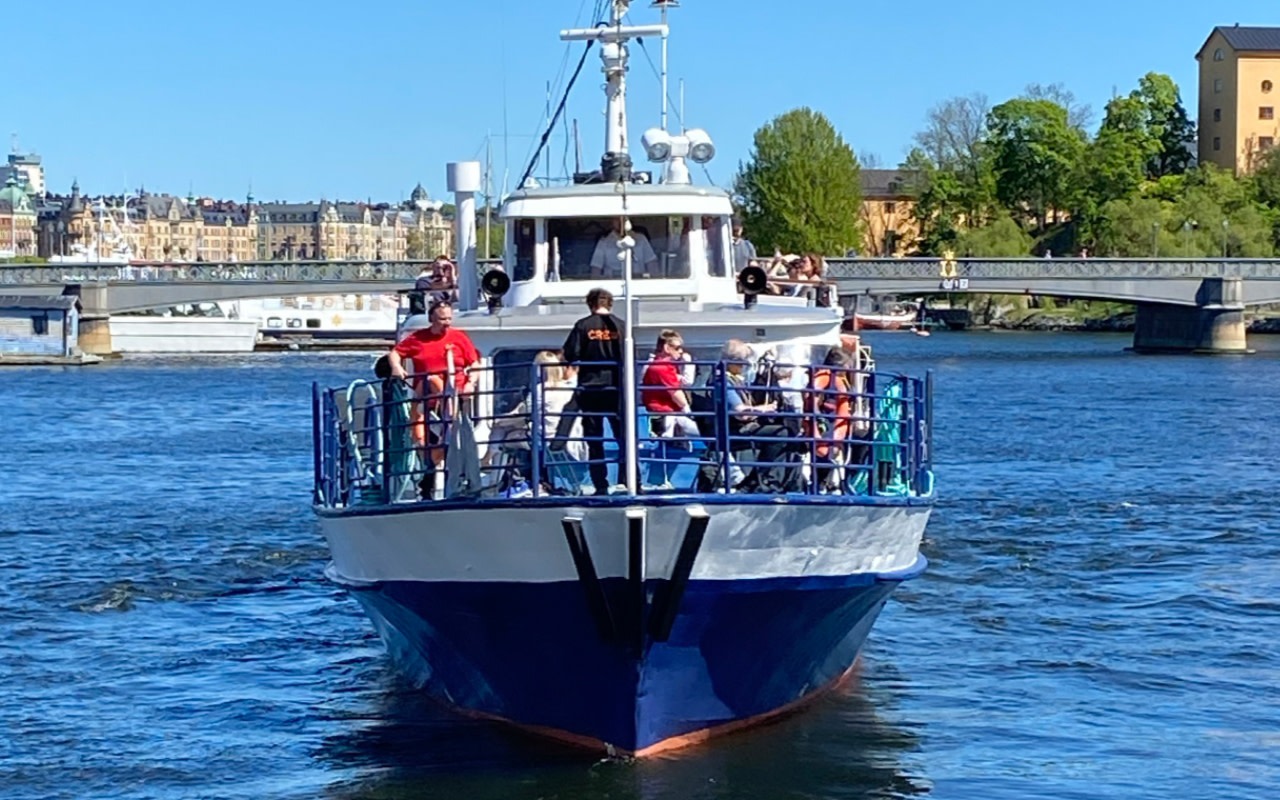
Experience the magnificent views of the Grand Harbour of Malta on the most popular traditional maltese boat called 'dghajsa tal-pass' dating back to the Phoenecian times that will take you on a 35 minute tour and enjoy a scenic boat trip around the Grand Harbour and the famous Three Cities.
Available options
Private Boat Tour of the Grand Harbour on the Island of Malta
What's included
Shade Sun Protection
Departure from Valletta
Private Tour at your preferred time
35 minute Grand Harbour and the three cities tour
Knowledgeable english speaking boatman
Detailed itinerary
1
Situated in Valletta and boasting magnificent views of the Grand Harbour, Fort St Elmo is a treasure trove of artefacts, military paraphernalia, and insights into Malta’s rich history. Built by the Knights in 1552 in just four months, this majestic fort bore the brunt of Ottoman arms during the Great Siege of Malta. It also received its fair share of bombardment during World War ll. Within the Fort’s majestic walls is a chapel, the resting place of knights who fought to the death whilst protecting the altar of the Chapel of St. Anne, during the Great Siege. The Fort is also home to the magnificent National War Museum, where one can see the George Cross, as well as aircraft wreckage, weapons, and various military vehicles
2
Valletta is the Capital City of Malta which is noted for its fortifications, consisting of bastions, curtains and cavaliers, along with the beauty of its Baroque palaces, gardens and churches.
3
Stop 3
Pass by
The Grand Harbour also known as the Port of Valletta dates back to prehistoric times circa 3700 BC. Its north west shore is formed by the Sciberras peninsula that divides Grand Harbour from a second parallel natural harbour, Marsamxett Harbour. The south eastern shore of the harbour is formed by a number of inlets and headlands, principally Rinella Creek, Kalkara Creek, Dockyard Creek, and French Creek, which are covered by Kalkara and the Three Cities: Cospicua, Vittoriosa, and Senglea. The Grand Harbour was the base for the Knights of St John for 268 years, and after their departure became a strategic base for the British for a further 170 years. It was the site in the late 16th century of a devastating tornado that killed 600 people and destroyed a shipping armada. The whole area was savagely bombed during the Second Siege of Malta during World War II, as the docks and military installations around the port were legitimate targets for Axis bombers.
4
Built in the 17th century by the Order of St. John, Fort Ricasoli is the largest fort in Malta. Work to build the fort started on 1670 and it was fully completed by 1698. Fort Ricasoli occupies a promontory over the Grand Harbour entrance. The point is named Gallow’s Point after the execution of two slaves who tried to escape from the Island. The fort in the late 18th century fought off the French assault on Malta. Negotiations between the French and Order of St. John resulted in the order handing over the Maltese Islands. Other forts including Fort Ricasoli then surrendered and Napoleon landed at this fort soon after. In 1941, it acted as protection for Malta during the second world war. The fort was equipped by the British with guns and protected the Grand Harbour during the war. It protected the entrance of the Grand Harbor on 1941 when it was attacked by an Italian flotilla. In present days it serves as location for various international movies.
5
Stop 5
Pass by
Strategically located on a hillock, at the end of the Birgu peninsula. After 1530, the Order of St John christened this military structure as Fort St Angelo and turned it into their headquarters. The Knights remodelled the building extensively with the construction of a series of artillery platforms which marked the introduction of the bastioned system of defence into the Maltese Islands. During World War II, Fort St Angelo suffered 69 direct hits. It continued to serve as a shore establishment of the Royal Navy in Malta until the last detachment of foreign forces marched out of its walls in March 1979.
6
Following the 1551 attack by the Ottoman Empire on the Maltese Islands, the Order of St John decided to build a fort on the peninsula which at the time was known as Isola di San Michele. The fortified city of Senglea was later built around the fort. During the Great Siege of 1565, the fort withstood 10 attacks from the Ottomans but even though it suffered extensive damages it never fell into the enemy’s hands. After the siege, the fort was rebuilt as Saint Michael Cavalier and was completed in 1581. Today only the outer bastions of Fort St Michael remain to remind us of the fort’s original site and purpose.
Available languages
Guide guide
EN
Reviews breakdown
Viator
4.9
8 reviews
5★
7
4★
1
3★
0
2★
0
1★
0
Tripadvisor
5.0
36 reviews
5★
35
4★
1
3★
0
2★
0
1★
0
Important information
Infants and small children can ride in a pram or stroller
Service animals allowed
Public transportation options are available nearby
Infants are required to sit on an adult’s lap
Suitable for all physical fitness levels
Meeting point
Walk 150 metres further up the Barrakka lift.
About Malta
Malta is an archipelago in the central Mediterranean Sea, known for its historic sites, beautiful beaches, and vibrant culture. With a rich history influenced by various civilizations, Malta offers a unique blend of ancient and modern attractions.
Top Attractions
Valletta
Valletta, the capital of Malta, is a UNESCO World Heritage site known for its rich history, stunning architecture, and vibrant culture.
Historical
Full day
Free to explore, attractions may have entry fees
Mdina
Mdina, the ancient capital of Malta, is a fortified city known for its medieval architecture and narrow, winding streets.
Historical
Half day
Free to explore, attractions may have entry fees
Blue Lagoon
The Blue Lagoon is a famous swimming and snorkeling spot known for its crystal-clear waters and beautiful scenery.
Nature
Half day
Free, boat trips may have fees
Must-Try Local Dishes
Pastizzi
A flaky pastry filled with ricotta or peas, a popular street food in Malta.
Snack
Vegetarian
Ftira
A traditional Maltese bread often filled with tuna, olives, and capers.
Breakfast
Contains fish
Rabbit Stew
A traditional Maltese dish made with rabbit, wine, and herbs.
Dinner
Contains meat
Popular Activities
Hiking in Gozo
Scuba diving
Kayaking
Beach lounging
Spa treatments
Yoga
Visiting historic sites
Attending festivals
Best Time to Visit
June to August
The peak season in Malta is characterized by warm, sunny weather, making it ideal for beach activities and outdoor exploration. However, it's also the busiest and most expensive time to visit.
25°C to 35°C
77°F to 95°F
Practical Information
Language
- Official: Maltese, English
- Widely spoken: English, Italian
- English: Widely spoken
Currency
Euro (EUR)
Time Zone
GMT+1 (CET), GMT+2 (CEST) during daylight saving time
Electricity
230VV, 50HzHz
Safety Information
Overall Safety Rating: Generally safe
Malta is generally safe for travelers, with low crime rates and a welcoming atmosphere.
Important Precautions:
- • Keep valuables secure
- • Use licensed taxis
- • Be cautious of strangers offering services
Getting there
By air
- Malta International Airport • 5 km from Valletta
By bus
Valletta Bus Terminal, Birkirkara Bus Terminal
Getting around
Public transport
Buses are the primary mode of public transport in Malta. They are affordable and connect most tourist attractions.
Taxis
Available • Apps: eCabs, Bolt
Rentals
Car, Bike, Scooter
Neighborhoods
Sliema
St. Julian's
Marsaxlokk
Day trips
Gozo
25 km from Malta • Full day
Gozo is a smaller island known for its beautiful landscapes, historic sites, and relaxed atmosphere.
Comino
3 km from Malta • Half day
Comino is a small island known for its beautiful Blue Lagoon and crystal-clear waters.
Marsaxlokk
10 km from Valletta • Half day
Marsaxlokk is a charming fishing village known for its Sunday market and fresh seafood.
Festivals
Maltese Carnival • February
Maltese International Fireworks Festival • April
Maltese Arts Festival • July
Pro tips
- Visit the Upper Barrakka Gardens for a stunning view of the Grand Harbour
- Try the local pastizzi at a nearby bakery
- Explore the historic streets of Mdina on foot
- Book a boat trip to the Blue Lagoon in advance during peak season
- Visit the Marsaxlokk Market on Sunday for fresh seafood and local crafts
From $25
per person
Price varies by option
Secure booking
Free cancellation available