Half Day Private Astana City Tour in Comfort
Active
3h - 3h
For a full refund, cancel at least 24 hours before the scheduled departure time.
Instant confirmation
Mobile or paper ticket accepted
About this experience
This half-day tour offers the perfect blend of convenience and depth, making it ideal for travelers with limited time. Whether you're a first-time visitor or a returning traveler, our tour provides a comprehensive and engaging overview of Astana's highlights. Experience the city's blend of modernity and tradition, all in the comfort of a guided tour that caters to your interests and pace.
Available options
Half Day Private Astana City Tour in Comfort
Pickup included
What's included
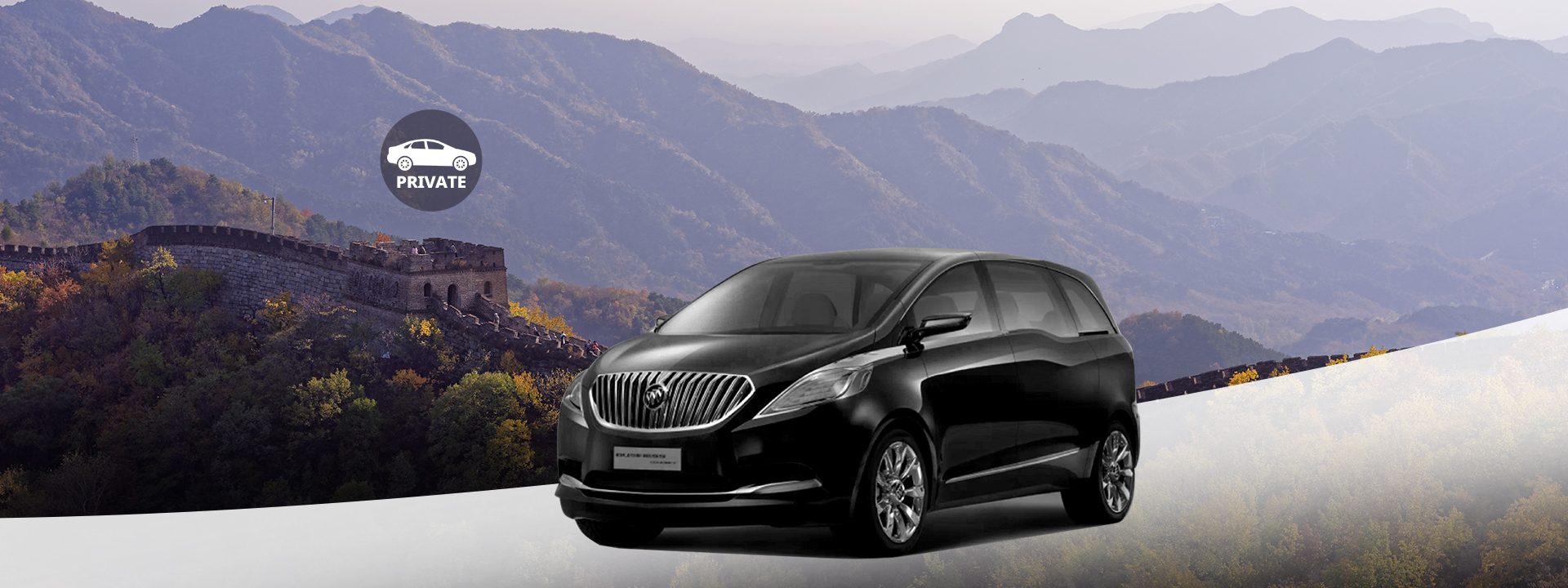
Private transportation
All Fees and Taxes
WiFi on board
Wine degustation 15$ per person. Optional
Air-conditioned vehicle
Detailed itinerary
1
The National Museum of the Republic of Kazakhstan, located in Astana, is the largest museum in Central Asia. Opened in 2014, it showcases the rich history and cultural heritage of Kazakhstan through a vast collection of artifacts, artworks, and interactive exhibits.
Interesting Facts:
Architectural Marvel
Golden Hall: Home to the famous "Golden Man," an ancient warrior's armor made entirely of gold, discovered in 1969 and considered one of Kazakhstan's most significant archaeological finds.
Interactive Displays: The museum incorporates advanced technology, including holograms and 3D projections, to provide an engaging visitor experience.
Extensive Collection: It houses over 200,000 items, covering periods from ancient history to modern times, including ethnography, paleontology, and contemporary art.
Cultural Hub: Beyond exhibitions, the museum hosts cultural events, educational programs, and international exhibitions, making it a vibrant cultural center.
2
Arba Wine is a renowned winery in Astana, Kazakhstan, known for its high-quality wines produced from locally grown grapes. It combines traditional winemaking techniques with modern technology to create exceptional wines that reflect the unique terroir of Kazakhstan.
Local Terroir: Arba Wine sources its grapes from the Assa Valley in the Almaty region, benefiting from the unique climate and soil conditions that impart distinct flavors to the wines.
Award-Winning Wines: The winery has received numerous international accolades, including awards at prestigious wine competitions, showcasing the global recognition of Kazakhstani wines.
Eco-Friendly Practices: Arba Wine emphasizes sustainable viticulture, using eco-friendly methods to cultivate grapes and produce wine, ensuring minimal environmental impact.
Diverse Range: The winery produces a variety of wines, including red, white, and rosé, with popular varieties like Riesling, Saperavi, and Pinot Noir, catering to different palates.
3
The Astana Grand Mosque, one of the largest mosques in Central Asia, is a prominent religious and architectural landmark in Astana (now Nur-Sultan), Kazakhstan. Opened in 2022, it exemplifies modern Islamic architecture and serves as a central place of worship and community gathering.
Impressive Scale: The mosque can accommodate up to 30,000 worshippers, making it one of the largest mosques in Central Asia.
Architectural Marvel: Designed with a blend of traditional Islamic motifs and contemporary elements, the mosque features a stunning white marble facade, an immense central dome, and four towering minarets.
Symbolic Design: The central dome, standing at 90 meters, and the minarets, each 130 meters tall, symbolize the unity and grandeur of Islamic culture.
Advanced Facilities: The mosque includes state-of-the-art facilities such as a conference hall, a library, educational rooms, and spaces for community events, reflecting its role as a multifaceted community center.
4
Independence Square and the Kazak Eli Monument in Astana (Nur-Sultan), Kazakhstan, are iconic landmarks celebrating the nation's independence and heritage.
Kazak Eli Monument: This 91-meter tall monument commemorates Kazakhstan's independence in 1991. At its peak is a golden statue of Samruk, a mythical bird symbolizing freedom and strength.
Architectural Symbolism: The monument features bas-reliefs depicting key moments in Kazakhstan's history, illustrating the nation's journey and cultural achievements.
Independence Square: An expansive square used for national celebrations, official ceremonies, and public gatherings, symbolizing Kazakh unity and pride.
Cultural Hub: The area around the monument includes major cultural institutions like the Palace of Peace and Reconciliation and the National Museum, making it a central cultural and historical district.
These landmarks serve as powerful symbols of Kazakhstan's identity, reflecting its rich history and future aspirations.
5
The Palace of Peace and Reconciliation in Astana (Nur-Sultan), Kazakhstan, is a unique architectural gem dedicated to promoting global harmony. Opened in 2006, this pyramid-shaped building is designed by Norman Foster.
Architectural Marvel: The 62-meter-tall pyramid is made of steel and glass, symbolizing transparency and openness.
Symbolic Design: The apex features stained glass doves, representing peace, with conference rooms and cultural facilities below.
Global Platform: Hosts the triennial Congress of Leaders of World and Traditional Religions, fostering international dialogue on peace.
Eco-Friendly: Incorporates sustainable design elements like natural lighting and energy efficiency.
The Palace of Peace and Reconciliation embodies Kazakhstan's commitment to unity and cultural diversity, blending innovative design with profound symbolism.
6
Khan Shatyr, an iconic landmark in Astana (Nur-Sultan), Kazakhstan, is more than just a shopping center—it's an architectural marvel and a hub of entertainment. Designed by Norman Foster, this colossal tent-like structure stands 150 meters tall and covers over 100,000 square meters.
Architectural Wonder: The transparent material allows natural light to flood the interior, creating a year-round summer ambiance, even in winter.
Entertainment Galore: Home to a vast array of shops, restaurants, cinemas, and even an indoor beach resort complete with sand and tropical plants.
Cultural Hotspot: Regularly hosts concerts, exhibitions, and cultural events, making it a vibrant center of activity.
Panoramic Views: The elevated walkway offers stunning views of the cityscape, perfect for capturing memorable photos.
Whether you're shopping, dining, or just exploring, Khan Shatyr offers a unique experience that blends leisure, luxury, and a taste of futuristic architecture.
Available languages
Guide guide
EN
Reviews breakdown
Tripadvisor
5.0
5 reviews
5★
5
4★
0
3★
0
2★
0
1★
0
Important information
Suitable for all physical fitness levels
Travel time is already included in the tour duration
Meeting point
Main entrance of the museum
About Nur-Sultan
Nur-Sultan, the capital of Kazakhstan, is a futuristic city blending modern architecture with traditional Kazakh culture. Known for its ambitious skyline and grand boulevards, it offers a unique mix of innovation and heritage.
Top Attractions
Bayterek Tower
An iconic symbol of Nur-Sultan, the Bayterek Tower is a 105-meter tall monument with a golden sphere at the top. Visitors can climb to the observation deck for panoramic views of the city.
Architecture
1-2 hours
Moderate (500-1000 KZT)
Khan Shatyr Entertainment Center
A unique transparent tent-shaped shopping and entertainment center, Khan Shatyr offers a variety of shops, restaurants, and recreational activities.
Entertainment
2-3 hours
Free entry, varying costs for activities
Expo City
The site of the 2017 EXPO, Expo City features futuristic architecture, including the iconic Nur Alem Pavilion, and hosts various events and exhibitions.
Historical
2-3 hours
Free entry, varying costs for exhibitions
Must-Try Local Dishes
Beshbarmak
A traditional Kazakh dish made with boiled meat and noodles, often served with a horseradish sauce.
Main Dish
Contains meat, not vegetarian
Kazy
A type of sausage made from horse meat, often served as an appetizer.
Snack
Contains meat, not vegetarian
Baursaks
Fried dough balls, similar to doughnuts, often served as a snack or breakfast item.
Snack
Vegetarian
Popular Activities
Hiking
Skiing
Ice skating
Spa treatments
Tea house visits
Park picnics
Museum visits
Traditional performances
Best Time to Visit
June to August
Summer is the most popular time to visit Nur-Sultan, with pleasant weather and numerous outdoor activities. The city hosts several festivals and events during this period.
15°C to 25°C
59°F to 77°F
Practical Information
Language
- Official: Kazakh, Russian
- Widely spoken: Russian, English
- English: Moderately spoken
Currency
Kazakhstani Tenge (KZT)
Time Zone
GMT+5:30
Electricity
220VV, 50HzHz
Safety Information
Overall Safety Rating: Generally safe
Nur-Sultan is generally safe for travelers, with low crime rates and a strong police presence. However, standard precautions should be taken to ensure a safe and enjoyable trip.
Important Precautions:
- • Use licensed taxis or ride-hailing services.
- • Keep valuables secure in crowded areas.
- • Be cautious of strangers offering unsolicited help or services.
Getting there
By air
- Nursultan Nazarbayev International Airport • 17 km from city center
By train
Nurly Zhol Station
By bus
Sayaran Bus Terminal, Central Bus Terminal
Getting around
Public transport
The metro system is efficient and covers most of the city's major attractions. It is clean, modern, and easy to navigate.
Taxis
Available • Apps: Yandex.Taxi, InDriver
Rentals
Car, Bike, Scooter
Neighborhoods
Left Bank
Right Bank
Day trips
Buran
20 km • Half day
A Soviet-era space shuttle prototype, Buran is an interesting historical site for those interested in space exploration.
Kolsai Lakes
300 km • Full day
A stunning mountainous area with three beautiful lakes, offering hiking and scenic views.
Festivals
Astana International Festival of Arts (AIF) • July
EXPO City Festival • Summer
Pro tips
- Visit the Bayterek Tower at sunset for the best views of the city.
- Try traditional Kazakh dishes at local restaurants for an authentic culinary experience.
- Use the metro system for efficient and affordable transportation around the city.
- Book tickets for major attractions in advance, especially during peak season.
- Dress warmly in winter, as temperatures can drop significantly.
From $25
per person
Price varies by option
Secure booking
Free cancellation available
Instant confirmation