Sake Brewery Private Tour in Nagano
Active
3h
For a full refund, cancel at least 24 hours before the scheduled departure time.
Instant confirmation
Mobile or paper ticket accepted
About this experience
Are you a Sake beginner or an expert?
This Sake brewery private tour brings you not only to the world of Sake but also exclusive cultural experiences.
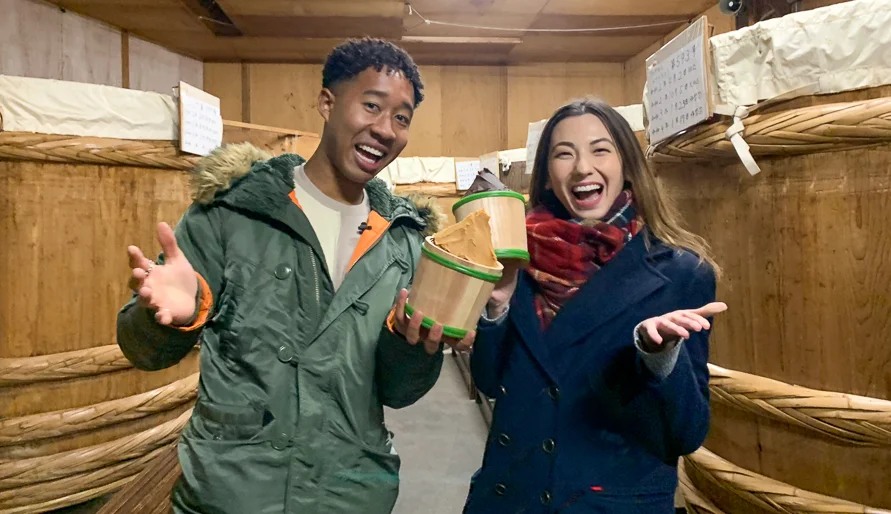
I will take you to Ichinoya Sake Brewery, established in 1865, which still produces high quality Sake with traditional methods. You will see the house’s brewing process mostly by human hands with limited mechanicals, which is designated as Intangible Cultural Heritage by UNESCO in 2024.
The tour includes;
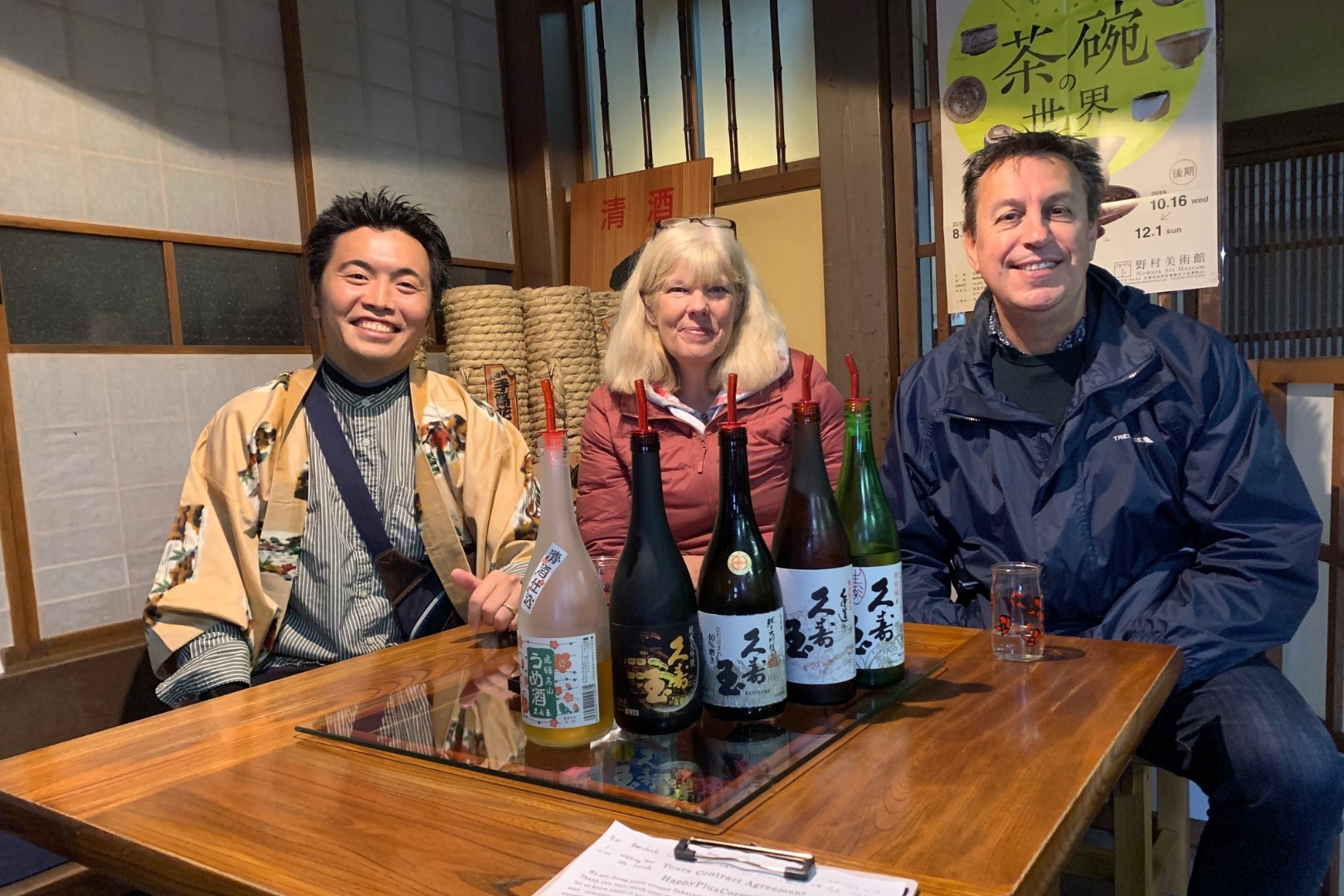
- Visiting Ichinoya Sake Brewery, discover how Sake is made
- Sake and water tasting
- Lunch with local ingredients over Ichinoya’s series of Sake at Wachigai restaurant, whose building is traditional Machiya style build in late Edo period, with great atmosphere
- Shopping Sake and other local products
- Pictures are taken throughout the tour and shared to the guests
It starts at 11:00am and takes about 2~3 hours including lunch.
Free after lunch.
This tour can take at most 6 people. Tour is held only once a day.
Available options
Sake Brewery Private Tour in Nagano
What's included
Sake tasting
Lunch with local ingredients at Wachigai restaurant, whose building is traditional style with great atmosphere. Let us know dietary restrictions such as vegetarian, vegan, gluten-free, in advance.
In person guide
Detailed itinerary
1
Founded in 1865, Ichinoya Brewery welcomes visitors with an entrance that exudes historical charm. The tour begins at this iconic entrance, located just a 10-minute walk from Shinano-Omachi Station.
As you step inside, you’ll walk along a path that takes you on a journey through the brewery’s rich history, leading to the Sake brewery itself. While the exterior of the brewery building retains its original appearance from its founding, the interior houses equipments for Sake production.
Here, you can observe the Sake making process, which is still largely done by hand. Even for those unfamiliar with Japanese Sake, learning about the intricate and fascinating methods of production offers a deep appreciation for the craft and an intimate connection to the heart of Japanese culture.
At the end of the brewery tour, you will have the opportunity to taste a variety of Ichinoya's Sake at the bar. This is your chance to discover flavors that suit your personal preferences.
2
Wachigai is a local cuisine restaurant located near Ichinoya. Like Ichinoya, the restaurant is housed in a building that dates back to the Edo period, preserving its historical charm. Stepping inside feels like traveling back in time. At Wachigai, traditional local ingredients and dishes are creatively reimagined with a modern twist. Visitors from all over Japan come to savor the unique culinary experiences offered here.
Guests can enjoy a lunch course paired with a Sake tasting set featuring selections from Ichinoya’s brewery.
The restaurant also has a shop where you can purchase Ichinoya’s Sake along with a variety of other souvenirs. Be sure to take some time to shop and bring a piece of this experience home with you.
What's not included
Private transportation
Available languages
Guide guide
EN
Reviews breakdown
Viator
5.0
1 reviews
5★
1
4★
0
3★
0
2★
0
1★
0
Important information
Public transportation options are available nearby
Specialized infant seats are available
Not recommended for pregnant travelers
Not recommended for travelers with poor cardiovascular health
Suitable for all physical fitness levels
The brewery is highly sensitive to enzymes, so if you have eaten Kimchi or Natto on the day of the tour, you will not be allowed to enter the brewery.
Meeting point
When you arrive at Omachi station, walk straight on the main street to the North. After 10min, you will find the Ichinoya sign with old building.
About Nagano
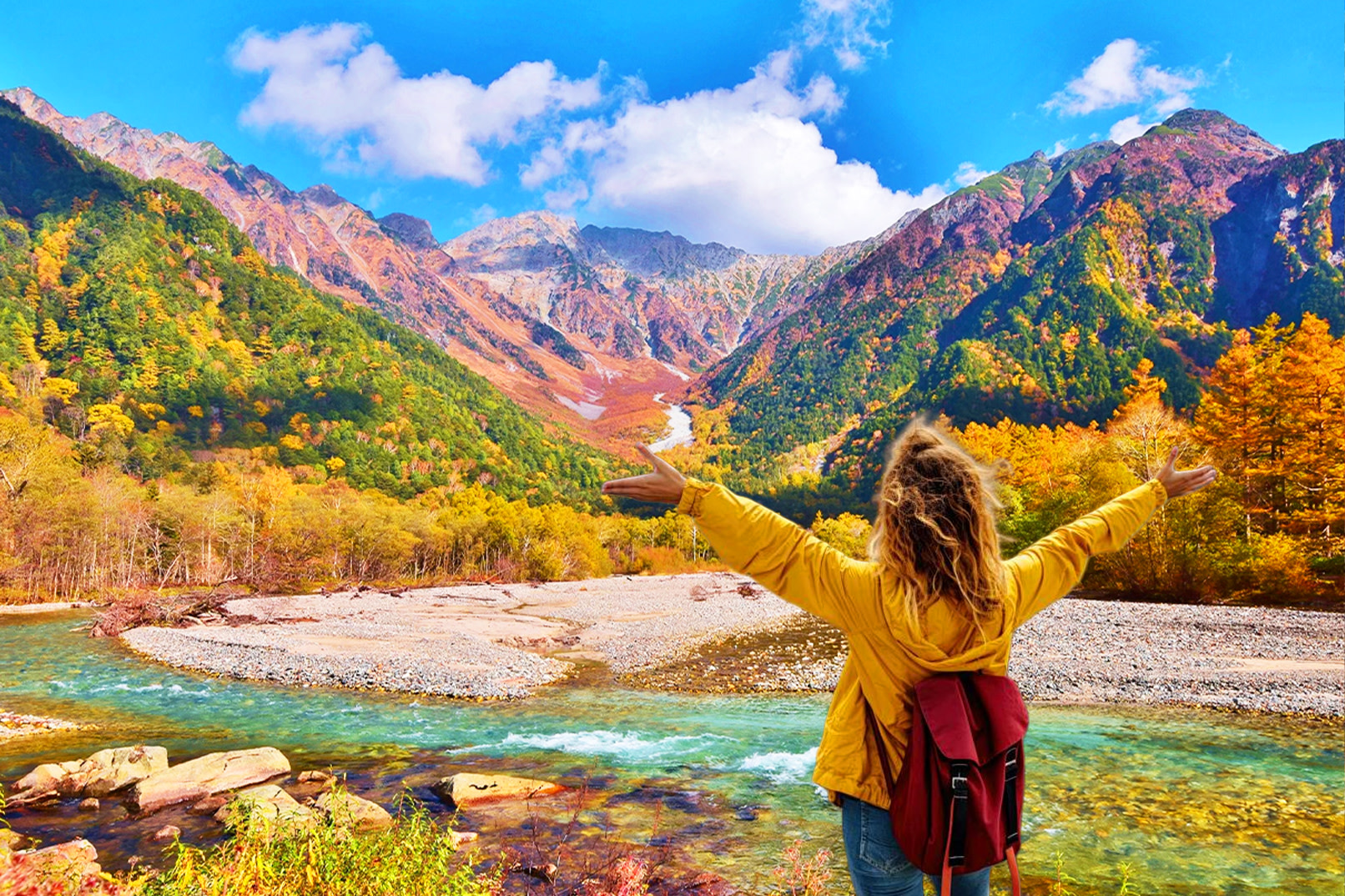
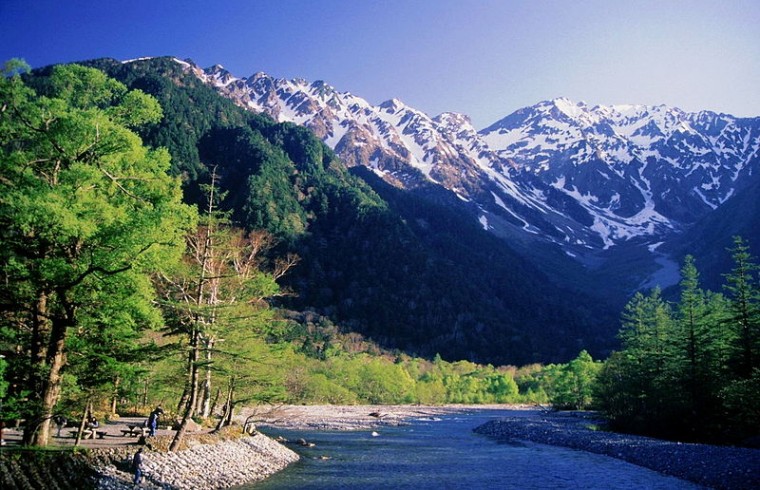
Nagano, the capital of Nagano Prefecture, is a city rich in history and natural beauty. Known for its role in the 1998 Winter Olympics, Nagano offers a blend of traditional Japanese culture, stunning mountain landscapes, and world-class ski resorts. The city is a gateway to some of Japan's most famous hot springs and ancient temples.
Top Attractions
Zenko-ji Temple
Zenko-ji is one of Japan's most important Buddhist temples, dating back to the 7th century. It is a significant pilgrimage site and a symbol of Nagano's spiritual heritage.
Religious
1-2 hours
Free (donations appreciated)
Snow Monkeys of Jigokudani
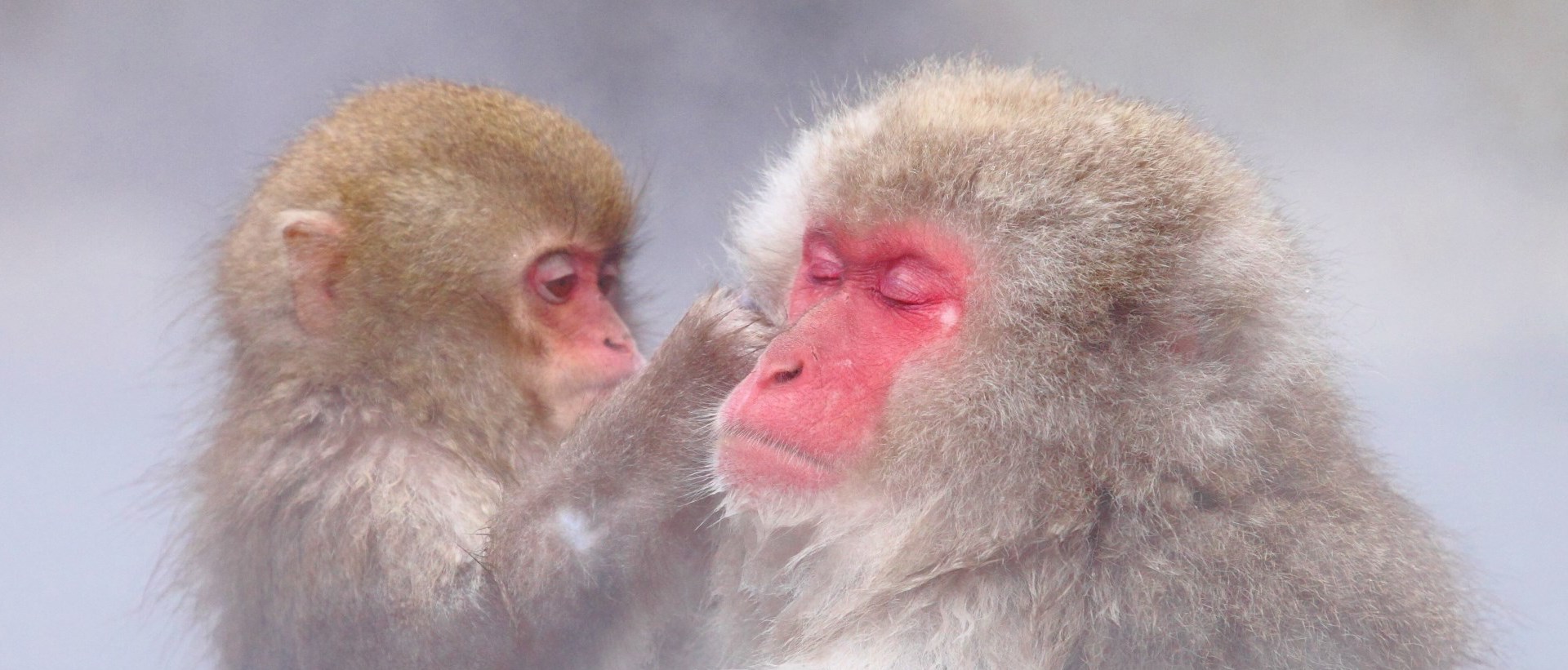
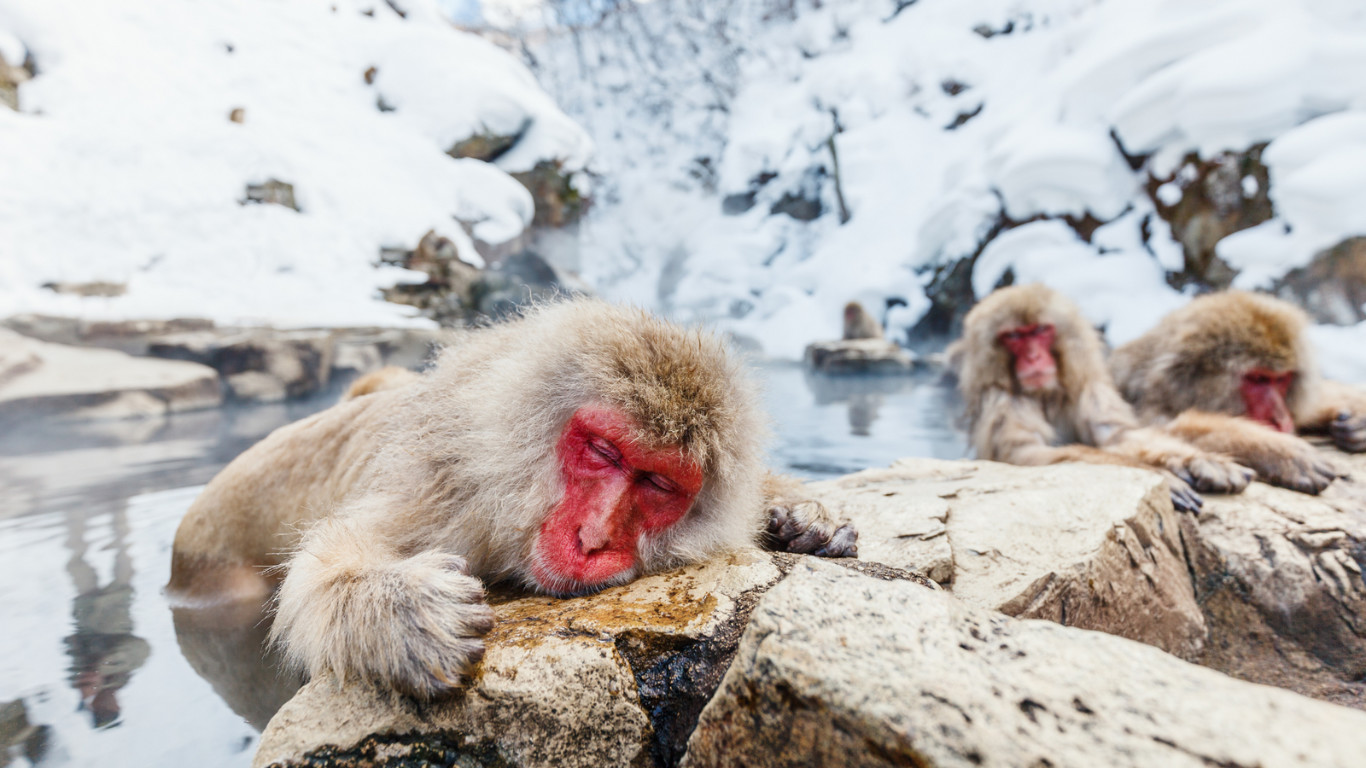
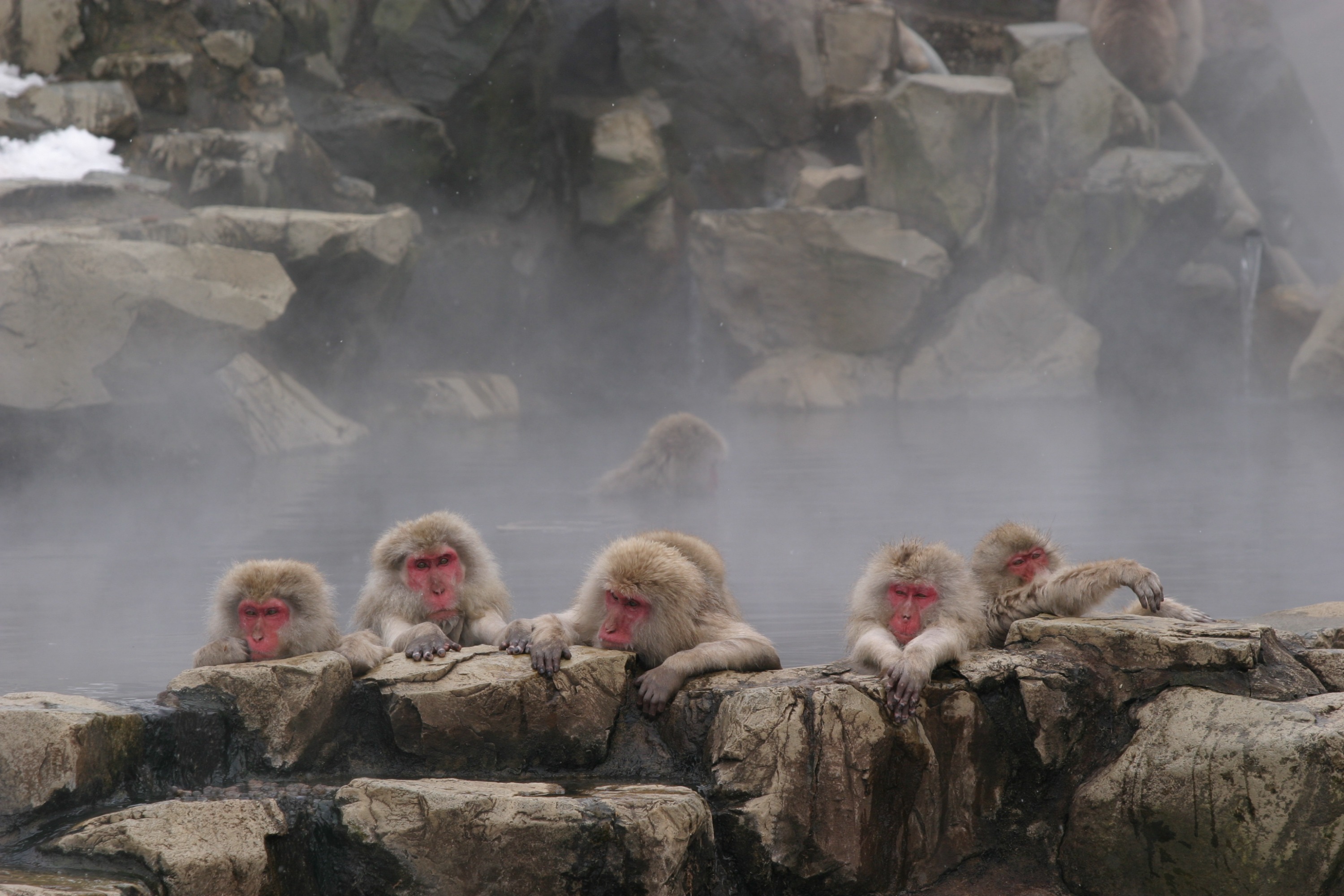
The Snow Monkeys of Jigokudani are a famous attraction, known for their unique behavior of bathing in hot springs during the winter months.
Nature
Half day to full day
¥800 (adults) or ¥400 (children)
Nagano Olympic Museum
This museum commemorates the 1998 Winter Olympics held in Nagano. It features exhibits on the history of the Olympics, the events held in Nagano, and the athletes who participated.
Historical
1-2 hours
¥500 (adults) or ¥200 (children)
Togakushi Shrine
Togakushi Shrine is a complex of three shrines dedicated to the Shinto goddess of archery. It is a popular destination for both spiritual and cultural tourism.
Religious
Half day
Free (donations appreciated)
Shiga Kogen
Shiga Kogen is one of Japan's largest and most popular ski resorts, known for its extensive ski runs, modern facilities, and beautiful mountain scenery.
Adventure
Full day or overnight
¥4,000 - ¥6,000 (lift tickets)
Must-Try Local Dishes
Soba Noodles
Soba noodles are made from buckwheat flour and are a staple of Nagano's cuisine. They can be served hot or cold, with various toppings and dipping sauces.
Dish
Vegetarian (if no meat or fish toppings are added)
Oyaki
Oyaki are dumplings filled with various ingredients, such as vegetables, meat, or cheese. They are a popular snack in Nagano and are often served with meals.
Dish
Vegetarian options available
Sake
Nagano is known for its high-quality sake, made from locally grown rice. The region has numerous sake breweries, offering a variety of flavors and styles.
Drink
Contains alcohol
Onsen Ryori
Onsen Ryori is a type of cuisine served in hot spring resorts. It typically consists of dishes made with local ingredients, such as vegetables, fish, and tofu, cooked in the hot spring water.
Dish
Vegetarian options available
Popular Activities
Skiing
Snowboarding
Hiking
Mountain biking
Hot air ballooning
Hot spring bathing
Temple visiting
Shopping
Best Time to Visit
Winter (December to February)
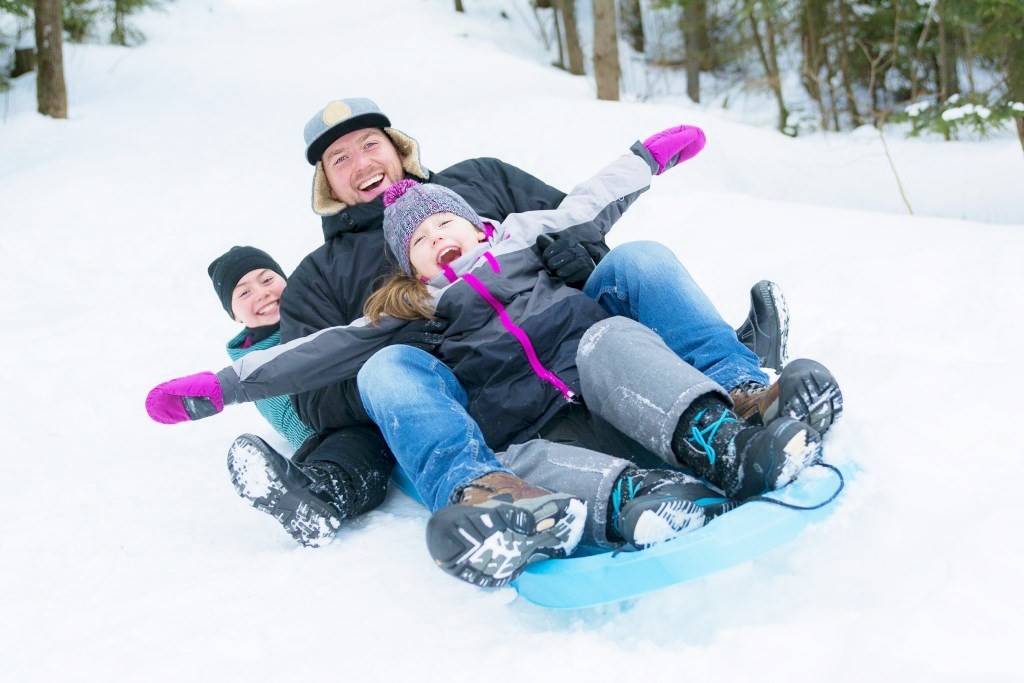
Winter is the peak season for skiing, snowboarding, and other winter sports. The city hosts numerous winter festivals and events. Expect heavy snowfall and cold temperatures.
-2°C to 5°C (28°F to 41°F)
28°F to 41°F
Practical Information
Language
- Official: Japanese
- Widely spoken: English (limited)
- English: Limited
Currency
Japanese Yen (JPY)
Time Zone
GMT+9
Electricity
100VV, 50/60HzHz
Safety Information
Overall Safety Rating: Generally safe
Nagano is a generally safe destination for travelers. Violent crime is rare, and petty crime, such as pickpocketing, is uncommon. However, travelers should still take precautions to protect their belongings and be aware of their surroundings.
Important Precautions:
- • Keep valuables secure and out of sight.
- • Be cautious of your surroundings, especially at night.
- • Use reputable taxis and tour services.
Getting there
By air
- Nagano Airport • 10 km (6 miles) from the city center
- Chubu Centrair International Airport • 200 km (124 miles) from the city center
By train
Nagano Station
By bus
Nagano Station Bus Terminal, Zenko-ji Temple Bus Stop
Getting around
Public transport
The city bus system is the primary mode of public transport in Nagano, covering most areas of the city and connecting to major attractions. Buses are frequent and affordable.
Taxis
Available • Apps: JapanTaxi, DiDi
Rentals
Car, Bike, Scooter
Neighborhoods
Central Nagano
Togakushi
Shiga Kogen
Day trips
Shiga Kogen
50 km (31 miles) from Nagano • Full day or overnight
Shiga Kogen is one of Japan's largest and most popular ski resorts, offering a wide range of winter and summer activities. It is a great destination for outdoor enthusiasts and nature lovers.
Togakushi
20 km (12 miles) from Nagano • Half day
Togakushi is a rural area known for its ancient shrines, soba noodles, and hiking trails. It is a popular destination for both spiritual and cultural tourism.
Jigokudani Monkey Park
60 km (37 miles) from Nagano • Half day to full day
Jigokudani Monkey Park is a popular destination for observing wild Japanese macaques, known as snow monkeys, in their natural habitat. The park is especially famous for the monkeys' unique behavior of bathing in hot springs during the winter months.
Festivals
Nagano Winter Festival • February
Nagano Summer Festival • August
Togakushi Fire Festival • February 3rd
Pro tips
- Visit Zenko-ji Temple early in the morning to avoid crowds and experience the temple's serene atmosphere.
- Try Togakushi's famous soba noodles at a local restaurant, such as Soba Koenji or Soba Nagano.
- Take a day trip to Shiga Kogen for skiing, snowboarding, or hiking, depending on the season.
- Experience the Nagano Winter Festival in February for a unique and memorable cultural event.
- Visit the Snow Monkeys of Jigokudani in winter to see the monkeys bathing in the hot springs.
From $25
per person
Price varies by option
Secure booking
Free cancellation available
Instant confirmation