Private Tour: Easter Island’s Forgotten Pōike Peninsula
Active
6h - 8h
For a full refund, cancel at least 24 hours before the scheduled departure time.
Manual confirmation
Mobile or paper ticket accepted
About this experience
Discover Easter Island like never before on our full-day private tour to uncover the hidden gems of the Pōike peninsula. This isn't your typical sightseeing trip - it's a one-of-a-kind experience that delves into the island's history, culture, and mysteries.
We embark on a 12km hike exploring ancient ceremonial centers, captivating petroglyphs, and well-preserved Moai sculptures. To make the most of this adventure, ensure you have good footwear, long pants, sun protection, and enough food and water.
Immerse yourself in the island's fascinating history and archaeological wonders as you discover the unique blend of historical significance and natural beauty found on the Pōike Peninsula. This tour provides a rare glimpse into Easter Island's forgotten past.
Don't miss out on this truly unique opportunity to explore Rapa Nui in a whole new way.
Available options
Full Day Tour: Rapa Nui's Forgotten Pōike Peninsula
Pickup included
What's included
Hotel pickup and drop-off
Bottled water
Air-conditioned vehicle
100% Private and personalized experience
Accredited local guide
Detailed itinerary
1
Stop 1: Ahu Mahatua is a significant ceremonial center once dedicated to cremation and burial rites. As we walk along Pōike's steep coast, the three distinct mounds of Ma'unga Parehe (broken hill), Ma'unga Tea Tea (white hill), and Ma'unga Vai a Heva (magic water hill) stand high above.
2
Stop 2: Maunga Parehe is one of the three distinct mounds of Poike and a hill steeped in Rapa Nui myths. At its summit, we'll encounter a small lapili tuff moai, and explore the fascinating tales of ure a oho vehi and the aku aku spirits.
3
Stop 3: Ahu Kiri Reva features three distinct construction stages and a remarkable Moai face unearthed during archaeological excavations in 2006 by Nicolas Cauwe.
4
Stop 4: Papa u'i hetu'u ("the flat lava flow from which the stars were observed"), is an ancient stargazing site adorned with petroglyphs believed to represent Ma'ea Matariki (Pleiades) according to oral tradition.
5
Stop 5: Ana o Keke, also known as the "cave of the virgins", is steeped in history and mysticism. The petroglyphs of Ana O Keke are unique and one of the highlights of this tour. They form a carefully thought-out composition, with some motifs being exclusive to this site. The petroglyphs cover the inner surface of the lava tube depicting both realistic images of plants, birds, fishes, and outrigger canoes, as well as abstract geometric forms.
6
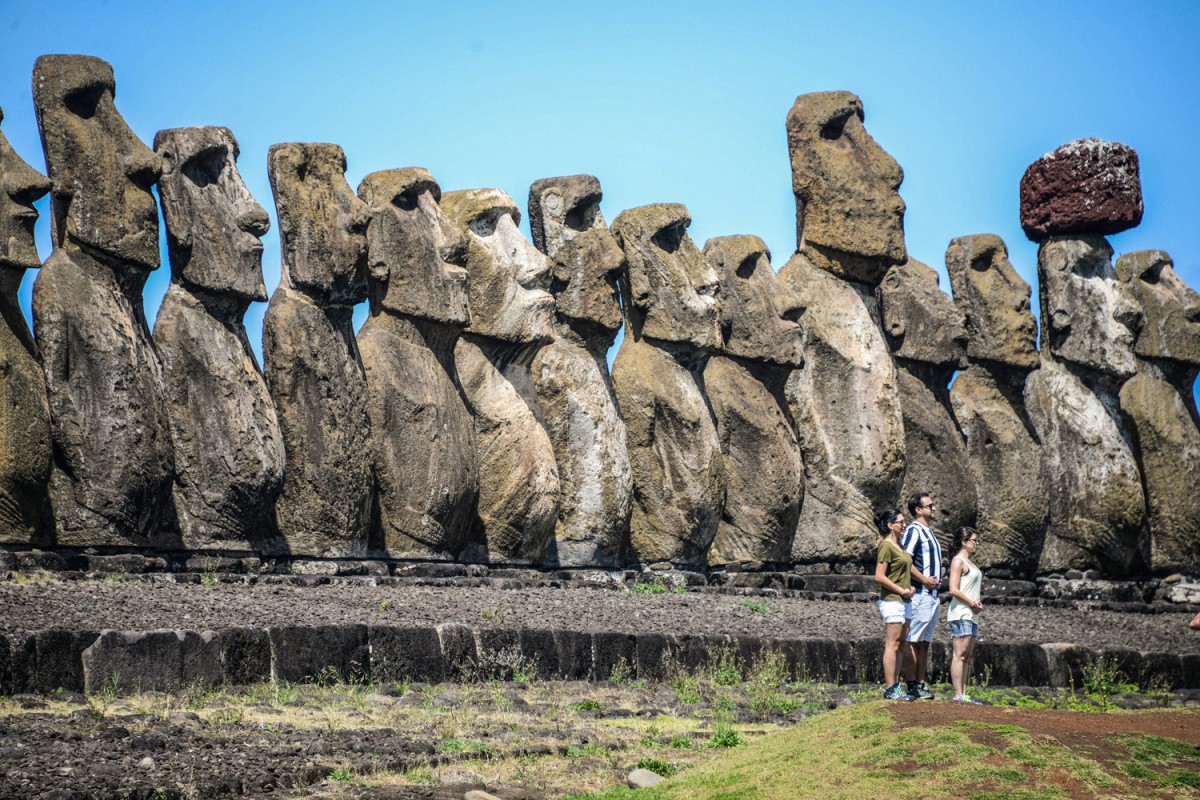
Stop 6: Ahu Moai Tea Tea is home to a collection of approximately a dozen well-preserved, demolished Moai sculpted from trachyte, offering a unique glimpse into Rapa Nui's ancient past.
7
Stop 7: Pua Katiki is the highest point on the Poike Peninsula and the oldest volcano in Rapa Nui. Here, you'll be treated to an incredible panoramic view of both the south and north coastlines of the island.
8
Stop 8: Maunga Vai a Heva is a hill with a rich archaeological history. Here, you will find a moai nestled within a small cave. The hill gets its name from a large 3-meter head carved into the rock, featuring prominent eyes and a broad nose, with a natural cavity below representing a mouth, possibly used to collect rainwater.
What's not included
Gratuities
Lunch
Available languages
Guide guide
DE
EN
ES
Reviews breakdown
Viator
5.0
1 reviews
5★
1
4★
0
3★
0
2★
0
1★
0
Important information
Not recommended for travelers with spinal injuries
Not recommended for pregnant travelers
Not recommended for travelers with poor cardiovascular health
Travelers should have a high level of physical fitness
Not available for cruise ship
About Hanga Roa
Hanga Roa is the main town and capital of Easter Island, known for its mysterious Moai statues and rich Polynesian culture. This remote island offers a unique blend of natural beauty, archaeological wonders, and a laid-back island lifestyle.
Top Attractions
Ahahu Tahai
An ancient ceremonial site with restored Moai statues and a beautiful sunset view.
Historical
1-2 hours
Free
Rano Raraku
The quarry where most of the Moai statues were carved. It offers a unique insight into the island's history.
Historical
2-3 hours
Moderate (entry fee)
Ahu Tongariki
The largest ahu (ceremonial platform) on Easter Island, featuring 15 restored Moai statues.
Historical
1-2 hours
Moderate (entry fee)
Anakena Beach
The most famous beach on Easter Island, known for its white sand and clear waters.
Beach
Half-day
Free
Orongo
A ceremonial village with a rich history, offering stunning views of the island's coastline.
Historical
2-3 hours
Moderate (entry fee)
Must-Try Local Dishes
Curanto
A traditional Rapa Nui dish cooked in an underground oven, featuring a mix of meats, seafood, and vegetables.
Main Dish
Contains meat and seafood, can be adapted for vegetarian/vegan
Po'e
A sweet banana pudding made from bananas, sugar, and sometimes coconut milk.
Dessert
Vegetarian, can be vegan with substitutions
Ika Mata
Raw fish marinated in citrus juice, similar to ceviche, often served with vegetables.
Appetizer
Contains fish, can be made with other seafood
Popular Activities
Hiking
Scuba diving
Surfing
Beach lounging
Yoga
Spa treatments
Visiting archaeological sites
Attending local festivals
Best Time to Visit
December to March
This is the summer season with warm temperatures, clear skies, and vibrant festivals. It's the best time for beach activities and outdoor exploration.
20-28°C
68-82°F
Practical Information
Language
- Official: Spanish
- Widely spoken: Rapa Nui (local Polynesian language), English (limited)
- English: Limited
Currency
Chilean Peso (CLP)
Time Zone
CLST (Chile Summer Time, GMT-4)
Electricity
220VV, 50HzHz
Safety Information
Overall Safety Rating: Generally safe
Hanga Roa is generally safe with low crime rates, but travelers should take standard precautions.
Important Precautions:
- • Keep valuables secure
- • Avoid walking alone at night
- • Use reputable tour operators
Getting there
By air
- Mata Uri Airport • 2 km from city center
Getting around
Public transport
Buses are not extensive but can be used for some routes around the island.
Taxis
Available • Apps:
Rentals
Car, Bike, Scooter
Neighborhoods
Hanga Piko
Vaihua
Mataveri
Day trips
Rano Kau
3 km from Hanga Roa • Half-day
A volcanic crater offering stunning views of the island and the Pacific Ocean.
Ana Kai Tangata
12 km from Hanga Roa • Half-day
A cave with ancient petroglyphs and a rich history of cannibalism.
Vaihu
18 km from Hanga Roa • Full-day
An archaeological site with restored Moai statues and ahu platforms.
Festivals
Tapati Festival • January or February (varies yearly)
Easter Celebrations • March or April (varies yearly)
Pro tips
- Book accommodation and tours well in advance, especially during peak season.
- Rent a car or bike to explore the island at your own pace.
- Visit the Moai statues early in the morning or late in the afternoon to avoid crowds and the heat.
- Try the local cuisine, especially the traditional Curanto.
- Respect the local culture and customs, and be mindful of the island's fragile environment.
From $25
per person
Price varies by option
Secure booking
Free cancellation available