Jeju Eastern Must visit Unesco Spots Join In Tour
Active
9h
For a full refund, cancel at least 24 hours before the scheduled departure time.
Instant confirmation
Mobile or paper ticket accepted
About this experience
The Eastern tour of Jeju Island is a must-visit course for those exploring Jeju Island.
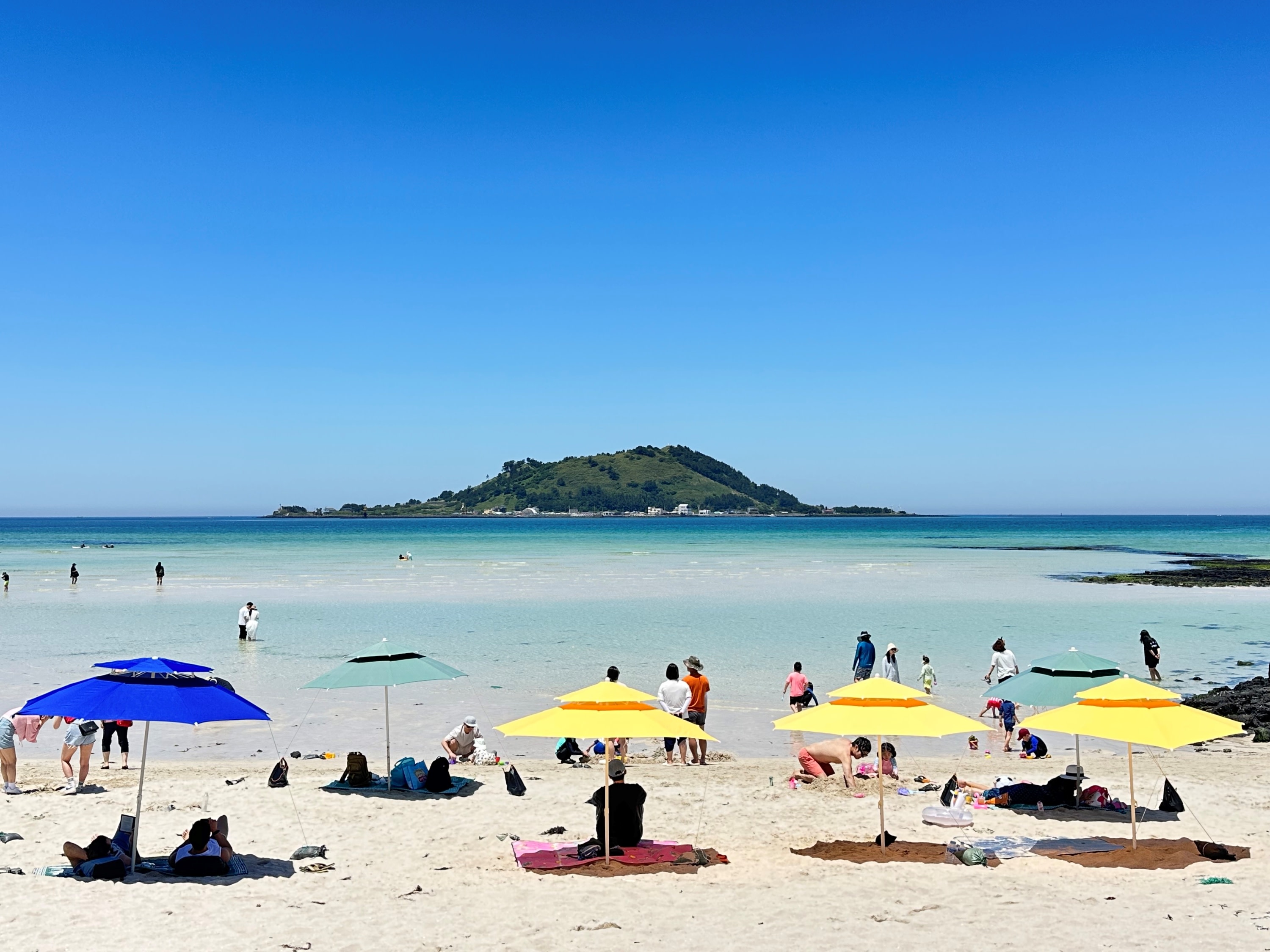
We start with the breathtaking 'Hyeopjae-Saeyeong Beach', ranked among the top three most beautiful beaches in Jeju.
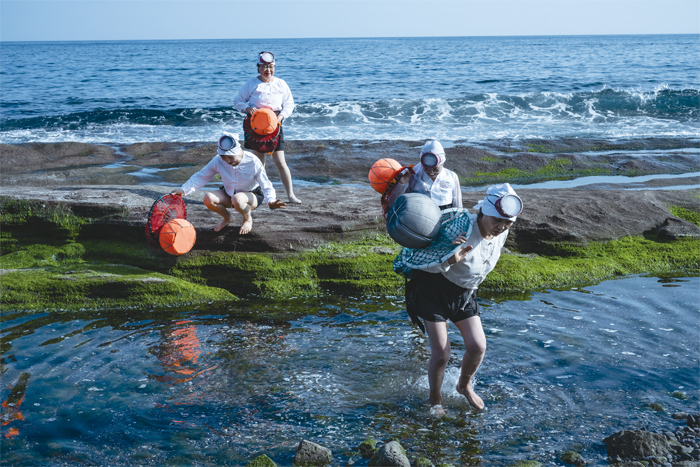
Then, we explore the 'Haenyeo Museum', dedicated to the "Haenyeo" (female divers), recognized as a National Intangible Cultural Heritage.
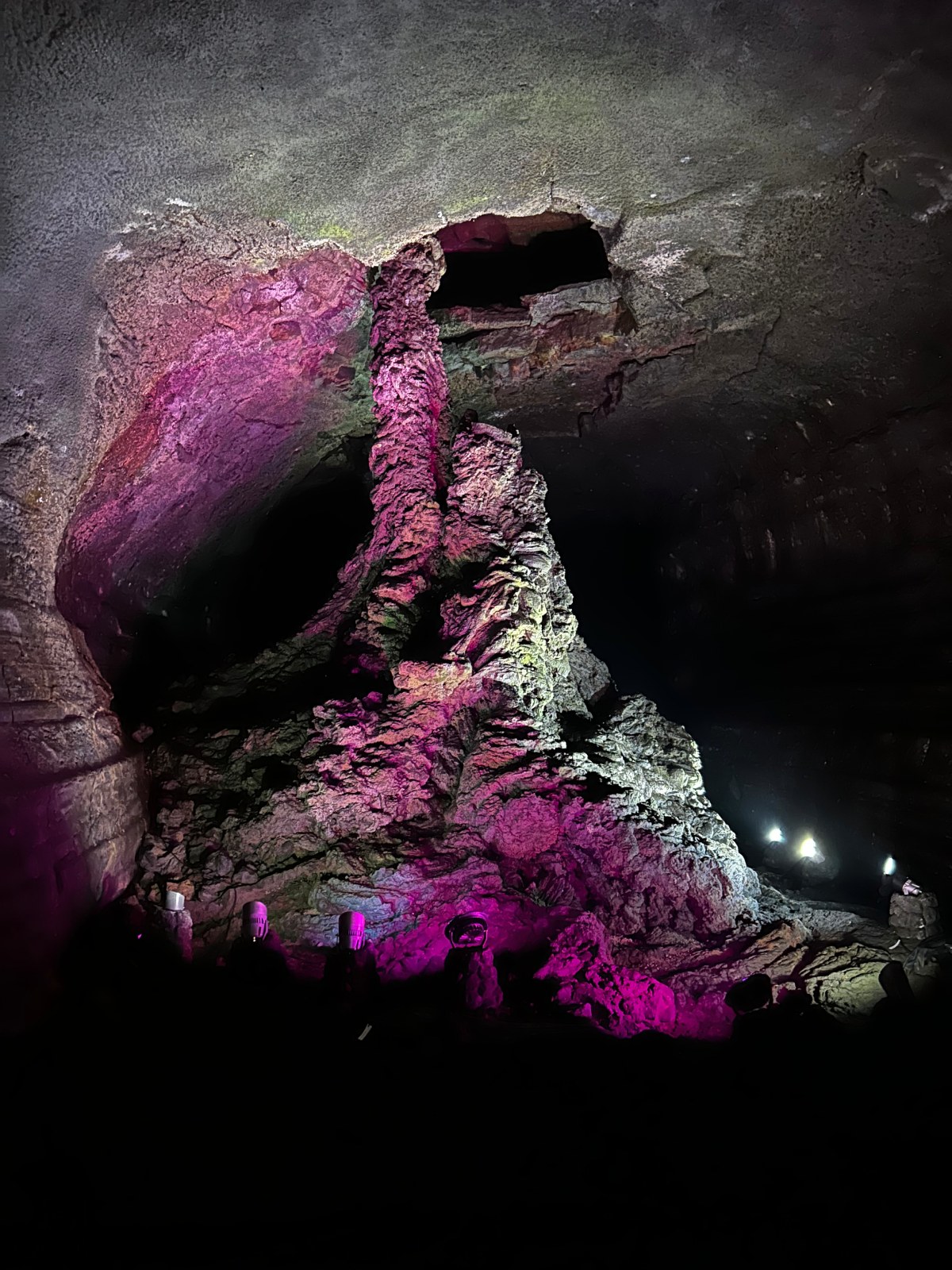
Next, we visit the UNESCO World Heritage Site, 'Seongsan Ilchulbong', and the 'ilchul Land', a botanical garden featuring the micheongul Lava Tube System underground.
Lastly, we experience the traditional culture and history of Jeju Island at 'Seongeup Folk Village', where you can glimpse into the life of Jeju Island.
This tour includes all entrance fees and is accompanied by a licensed guide and an air-conditioned vehicle.
If you use WhatsApp, you can receive quick and easy communication regarding the tour.
Available options
Jeju Eastern Must visit Unesco Spots Join In Tour
What's included
Air-conditioned vehicle
Admission Fees
Parking Fees
Detailed itinerary
1
Hamdeok Beach is located along Jeju Olle Trail Course 19. It is also referred to as Hamdeok Seoubong Beach due to the volcanic cone nearby. Located just 20 kilometers from Jeju International Airport, the beach is famous for its great scenery of emerald-blue waters, tall palm trees, and white sandy shore. The beach is considered one of Jeju's top three beaches. To the western end of the beach, there is a bridge built over the water. Additional amenities include a grassy field perfect for picnics and a coastal walking trail. In particular, many people visit during summer evenings to enjoy the night sea. Seoubong Volcanic Cone is beautiful in spring when it is covered in yellow canola blossoms. Climbing up to the summit offers fantastic views of the entire area, including Hallasan Mountain on clear days.
2
The culture of Jeju's female divers, known as haenyeo, which has been inscribed as a UNESCO Intangible Cultural Heritage of Humanity. It exhibits the history of Jeju's haenyeo culture dating back to ancient times, with all the exhibits donated by the haenyeo themselves. The museum even features a replica of a haenyeo's house and provides detailed exhibitions on their food culture, upbringing, semi-agricultural and semi-fishing culture, yeongdeunggut, and more.
In the event of closures, weather conditions, traffic, or other unexpected restrictions, the guide may replace attractions on-site at their discretion.
Haenyeo Museum (closed every Monday) → Seopjikoj
3
Stop 3
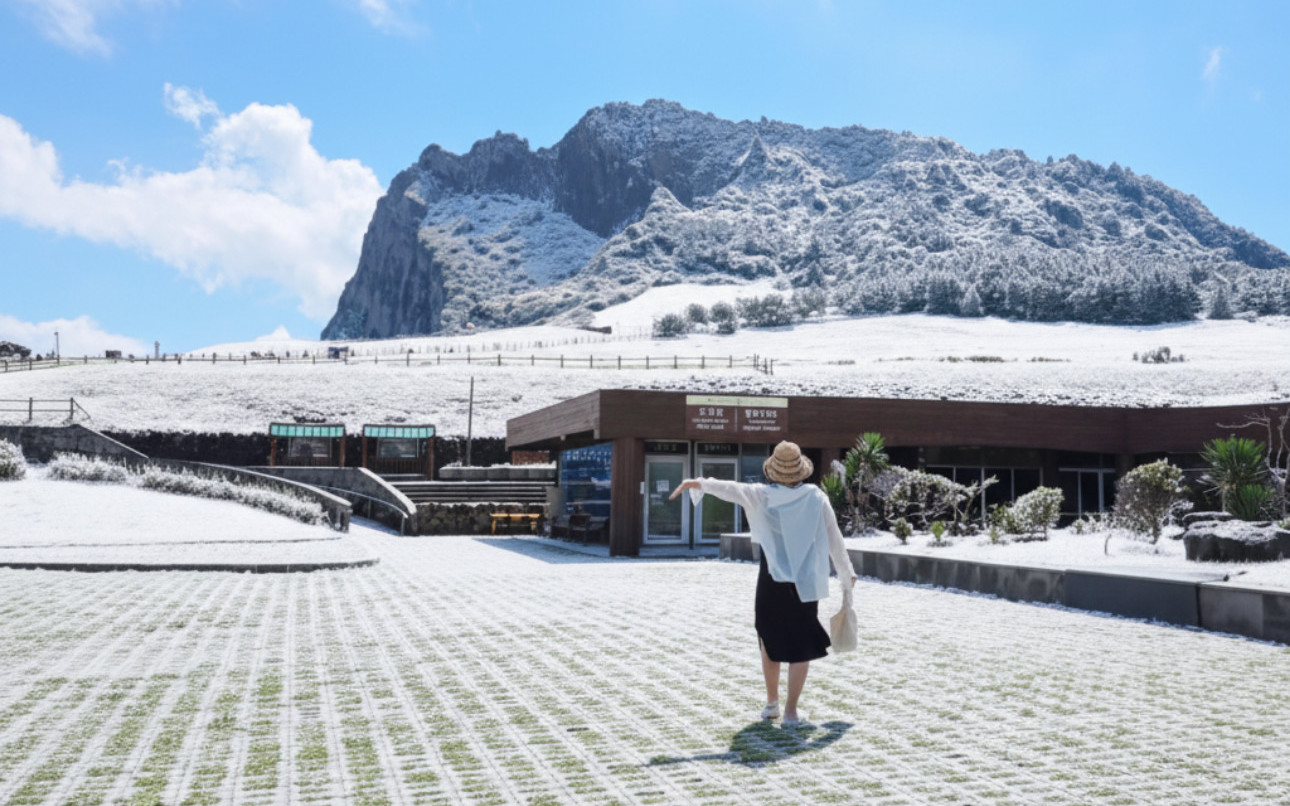
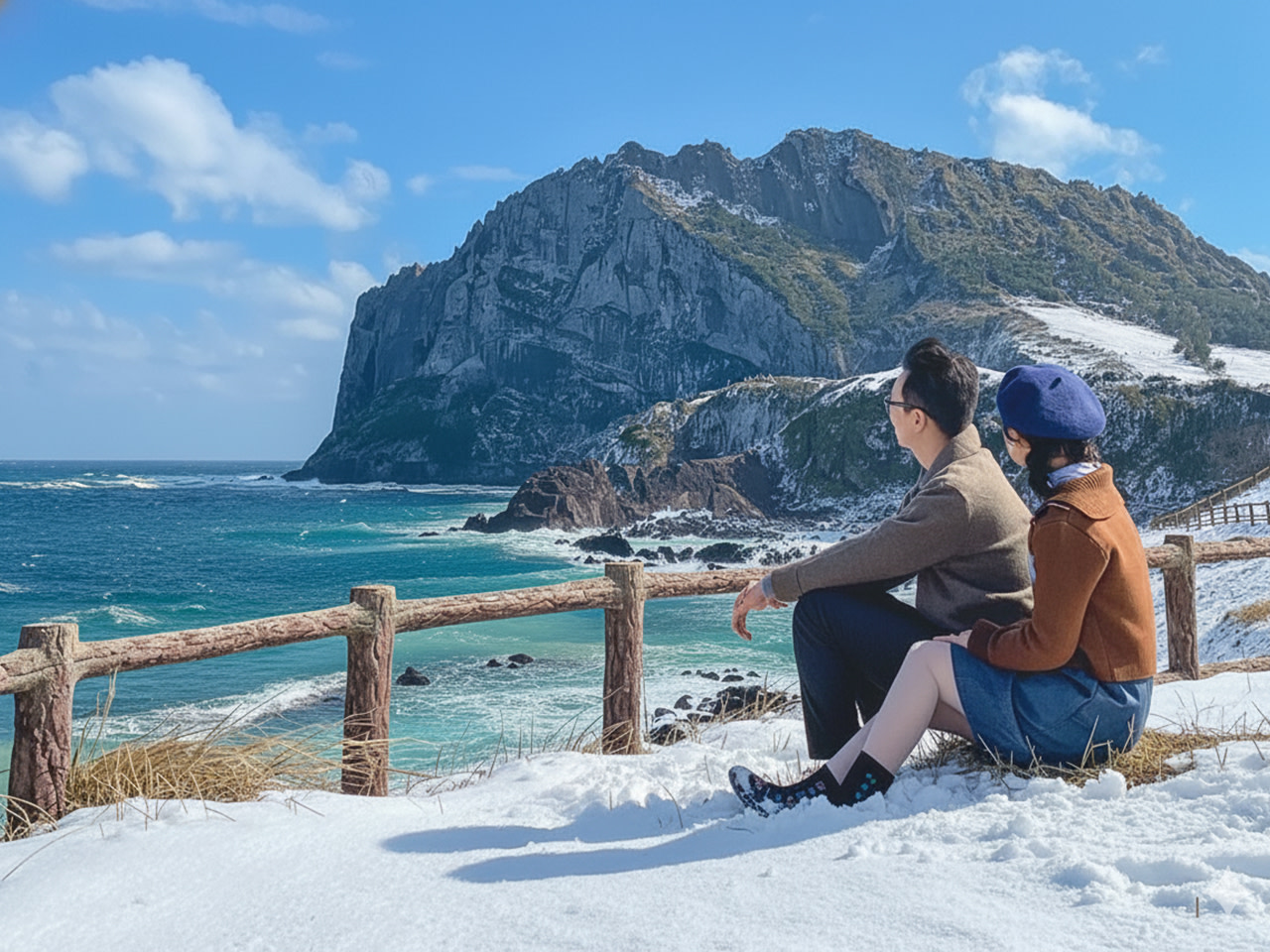
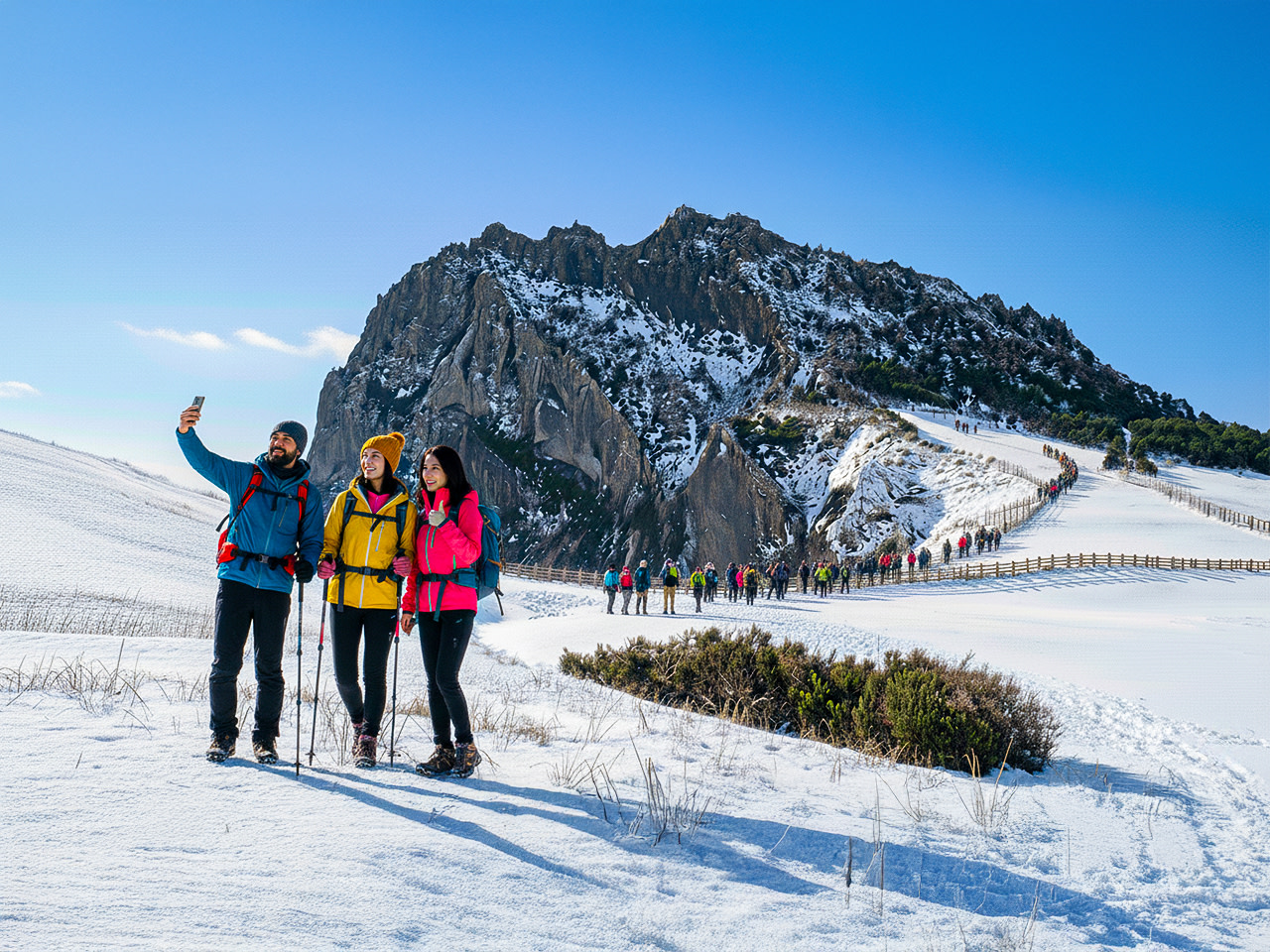
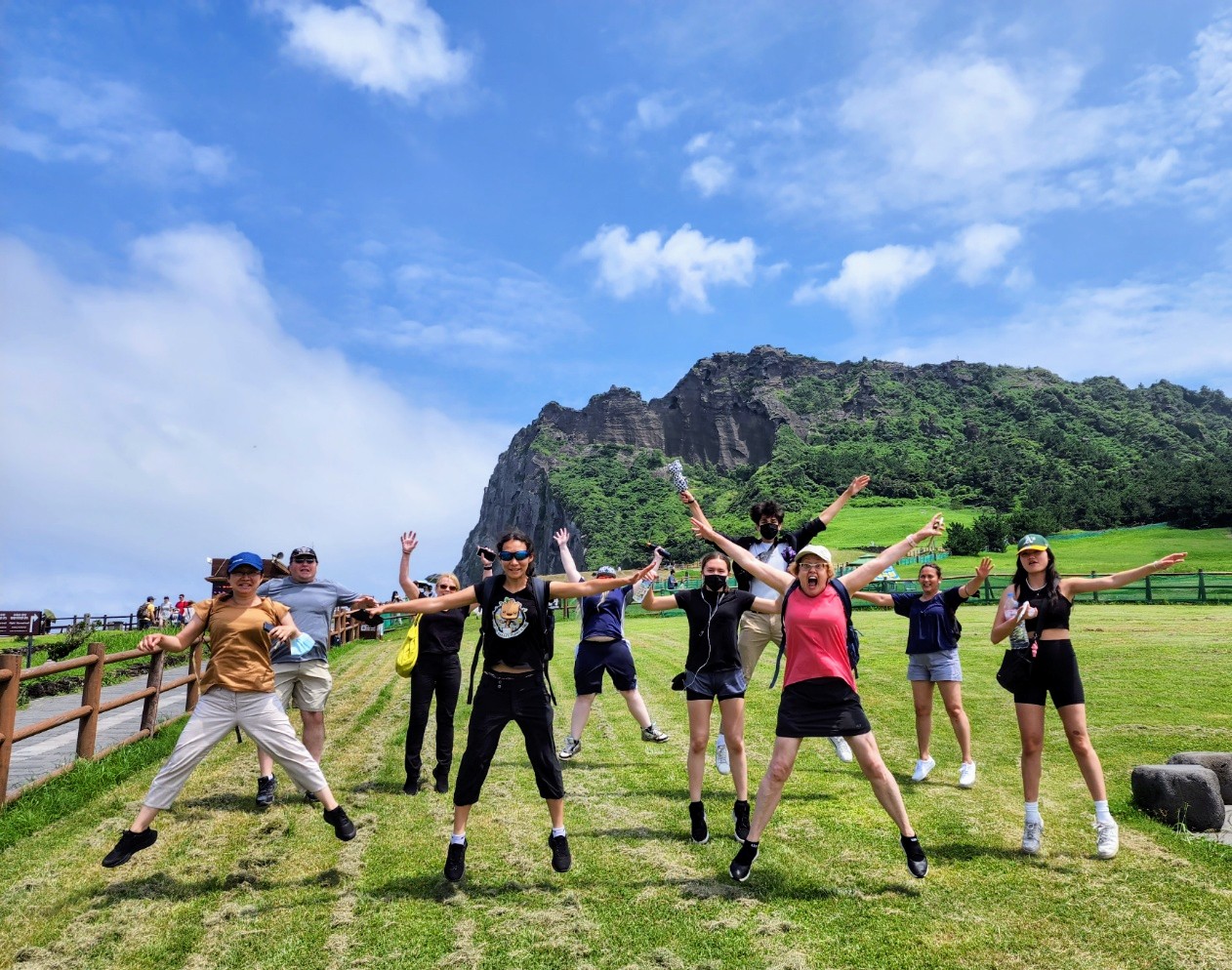
Unesco World Heritage Seongsan Ilchulbong Tuff Cone rose 180 meters above sea level due to a magma flow under the sea over 5,000 years ago. It was originally a separate island, but a build-up of sand and soil has connected it to the main island. A large crater, formed by the hot lava mixing with cold ocean water, is located at the top of Seongsan Ilchulbong Tuff Cone. The crater is about 600 meters in diameter and 90 meters deep. It has been featured in films, and was originally used for agriculture, but has now been given over to a field of silver grass. From the summit, visitors can see Udo Island, as well as take in the magnificent sunrise. The tuff cone area was designated as a natural reserve on July 19, 2000.
In the event of closures, weather conditions, traffic, or other unexpected restrictions, the guide may replace attractions on-site at their discretion.
Seongsan Ilchulbong (closed on the first Monday of each month) → Sangumburi
4
"Ilchulland" is a contemplative and abstract botanical garden contributing to the development of tourism in the eastern part of Jeju Island. It all begins with the significant resource of "Micheon Cave," preserving the mysterious charm of the underground. Holding academic, touristic, and cultural value, this attraction embodies the richness of Jeju's natural and cultural heritage.
5
Seongeup Folk Village has been designated and protected as a folk village, preserving the characteristics of Jeju's old private houses. Various tangible cultural heritage and intangible cultural heritage such as folk songs and games, local foods and craftmanship, and Jeju dialect are being passed down. The village offers traditional culture and traditional house experiences, and holds cultural events every October and November.
6
Conclude your day at Jeju’s oldest and most vibrant traditional market. While this part of the itinerary is not guided, guests may choose to end their tour here and explore the market freely.
What's not included
Any Meal Fees
Personal travel insurance
Available languages
Guide guide
CMN
EN
Reviews breakdown
Viator
5.0
4 reviews
5★
4
4★
0
3★
0
2★
0
1★
0
Tripadvisor
5.0
2 reviews
5★
2
4★
0
3★
0
2★
0
1★
0
Important information
Public transportation options are available nearby
Travelers should have at least a moderate level of physical fitness
In the event of closures, weather conditions, traffic, or other unexpected restrictions, the guide may replace attractions on-site at their discretion. Haenyeo Museum (closed every Monday) → Seopjikoji // Seongsan Ilchulbong (closed on the first Monday of each month) → Sangumburi
Meeting point
4.Shilla Duty-Free Jeju Store at 09:05
We recommend arriving at each location 10 minutes before the scheduled time.
If you are more than 10 minutes late, you will be considered a no-show and no refund will be given.
About Jeju
Jeju is a volcanic island located in the Korea Strait, known for its beautiful landscapes, unique volcanic formations, and rich cultural heritage. It's a popular destination for both domestic and international travelers seeking natural beauty and outdoor adventures.
Top Attractions
Hallasan Mountain
Hallasan is a dormant volcano and the highest mountain in South Korea, offering stunning landscapes and hiking trails.
Nature
Half to full day
Free
Jeju Loveland
An adult-themed sculpture park featuring erotic art and sculptures, offering a unique and provocative experience.
Entertainment
2-3 hours
₩14,000 (approx. $11)
Seongsan Ilchulbong (Sunrise Peak)
A tuff cone volcano known for its stunning sunrise views and crater rim walk.
Nature
1-2 hours
₩2,000 (approx. $1.60)
Manjanggul Cave
One of the longest lava tunnels in the world, offering a unique geological experience.
Historical
1 hour
₩2,000 (approx. $1.60)
Jeju Folk Village
An open-air museum showcasing traditional Korean houses and cultural performances.
Cultural
2-3 hours
₩10,000 (approx. $8)
Must-Try Local Dishes
Black Pork BBQ (Heukdwaeji Gui)
Jeju black pork is known for its tender and flavorful meat, often grilled and served with various side dishes.
Dinner
Contains pork, not suitable for vegetarians or vegans.
Halliang (Jeju Soup)
A hearty soup made with local ingredients like black pork, vegetables, and sometimes seafood.
Lunch/Dinner
Contains meat, can be made vegetarian upon request.
Haenyeo Sundae
A blood sausage made with pork blood and various ingredients, named after the female divers of Jeju.
Snack
Contains pork and blood, not suitable for vegetarians or vegans.
Hallabong
A sweet and juicy tangerine unique to Jeju, often enjoyed fresh or in various desserts.
Snack/Dessert
Vegan-friendly.
Popular Activities
Hiking
Scuba diving
Snorkeling
Paragliding
Horseback riding
Beach lounging
Spa and wellness
Hot springs
Best Time to Visit
April to June, September to November
Spring and autumn offer pleasant weather with mild temperatures and lower humidity. These seasons are ideal for outdoor activities and sightseeing.
15°C to 25°C
59°F to 77°F
Practical Information
Language
- Official: Korean
- Widely spoken: English (limited), Japanese (in tourist areas)
- English: Limited
Currency
South Korean Won (KRW)
Time Zone
GMT+9
Electricity
220VV, 60HzHz
Safety Information
Overall Safety Rating: Generally safe
Jeju is a safe destination with low crime rates. However, travelers should exercise normal precautions to protect themselves and their belongings.
Important Precautions:
- • Keep valuables secure and out of sight.
- • Use reputable tour operators and taxis.
- • Be cautious of strangers offering unsolicited help or services.
Getting there
By air
- Jeju International Airport • 12 km from Jeju City
By bus
Jeju Intercity Bus Terminal
Getting around
Public transport
Buses are the primary mode of public transport on Jeju, with a comprehensive network connecting major attractions and towns.
Taxis
Available • Apps: KakaoTaxi
Rentals
Car, Bike, Scooter
Neighborhoods
Jeju City
Seogwipo
Ara-dong
Day trips
Udo Island
15 km from Jeju City • Full day
A small island known for its beautiful beaches, lush landscapes, and unique volcanic formations.
Seopjikoji
20 km from Jeju City • Half day
A scenic coastal area known for its beautiful views, lighthouse, and nearby attractions.
Oedolgae Rock
10 km from Jeju City • Half day
A unique rock formation rising from the sea, offering beautiful views and a small temple.
Festivals
Jeju Fire Festival • February 28 - March 2
Jeju Haenyeo (Female Diver) Festival • June 2-3
Jeju Olle Culture Festival • October 1-7
Pro tips
- Rent a car for the ultimate flexibility and freedom to explore the island at your own pace.
- Try local street food and snacks for an authentic and delicious culinary experience.
- Visit popular attractions early in the morning or late in the afternoon to avoid crowds and enjoy the best light for photography.
- Pack layers, as Jeju's weather can be unpredictable and variable throughout the day.
- Learn a few basic Korean phrases to enhance your interactions with locals and show respect for their culture.
From $25
per person
Price varies by option
Secure booking
Free cancellation available
Instant confirmation