Authentic Busan Full-Day City Highlights Tour
Active
9h
For a full refund, cancel at least 24 hours before the scheduled departure time.
Instant confirmation
Mobile or paper ticket accepted
About this experience
Why This Tour is Unique
What makes this Busan tour truly special is not just the places you visit, but the way you experience them. Led by a professional local guide, each stop becomes more than a photo opportunity – it becomes a story.
Beyond Simple Introductions – Rather than surface facts, your guide brings Busan’s history, culture, and traditions to life with storytelling.
See With New Eyes – Landmarks and hidden corners gain deeper meaning when explained in the context of Busan’s heritage and identity.
A Human Connection – Your guide is not only a navigator, but a bridge to culture – answering questions, sharing insights, and helping you feel part of the city.
Memorable Moments – By the end of the day, you won’t just see Busan, you’ll understand it – and carry home experiences beyond sightseeing. ✨
This is more than a tour; it’s a day of discovery, guided by passion and knowledge, designed to let you truly feel the spirit of Busan.
Available options
Busan Subway Station EXIT 4
Busan Subway Station EXIT 4 : Busan Subway Station EXIT 4 (8:30) , NOT KTX<br/>Starting point:<br/>Busan Station, Choryang-dong, Busan, South Korea
Haeundae Subway Station EXIT 5
Haeundae Subway Station EXIT 5 (9:30)<br/>Starting point:<br/>Haeundae, U-dong, Busan, South Korea
Seomyeon Subway EXIT 4
Seomyeon Subway EXIT 4 (8:50)<br/>Starting point:<br/>Seomyeon, 지하 730 Jungang-daero, Busanjin District, Busan, South Korea
What's included
Professional guide
Toll fees
Fuel fees
Parking fees
Admission to attractions
No shopping
Detailed itinerary
1
Stop 1
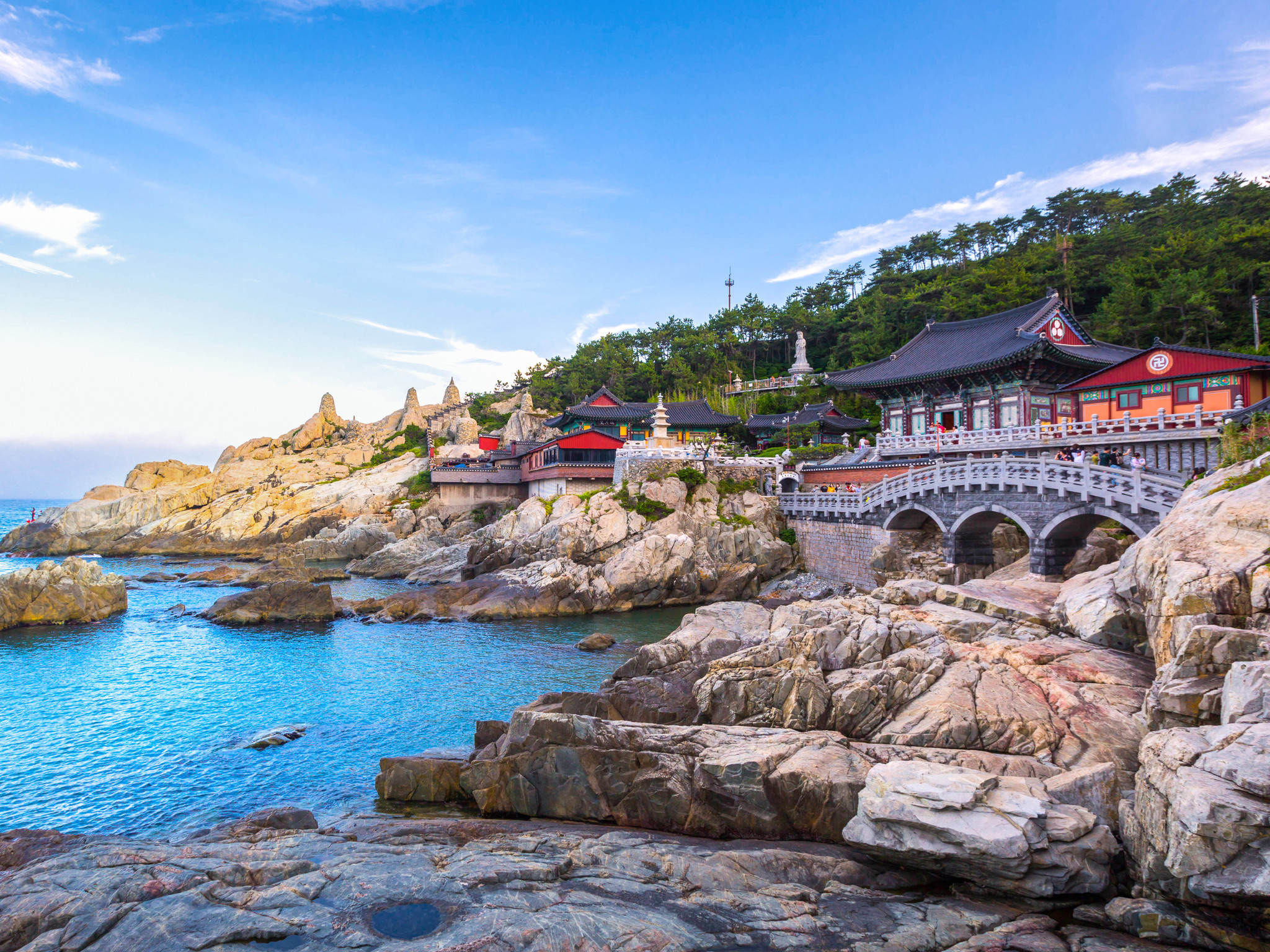
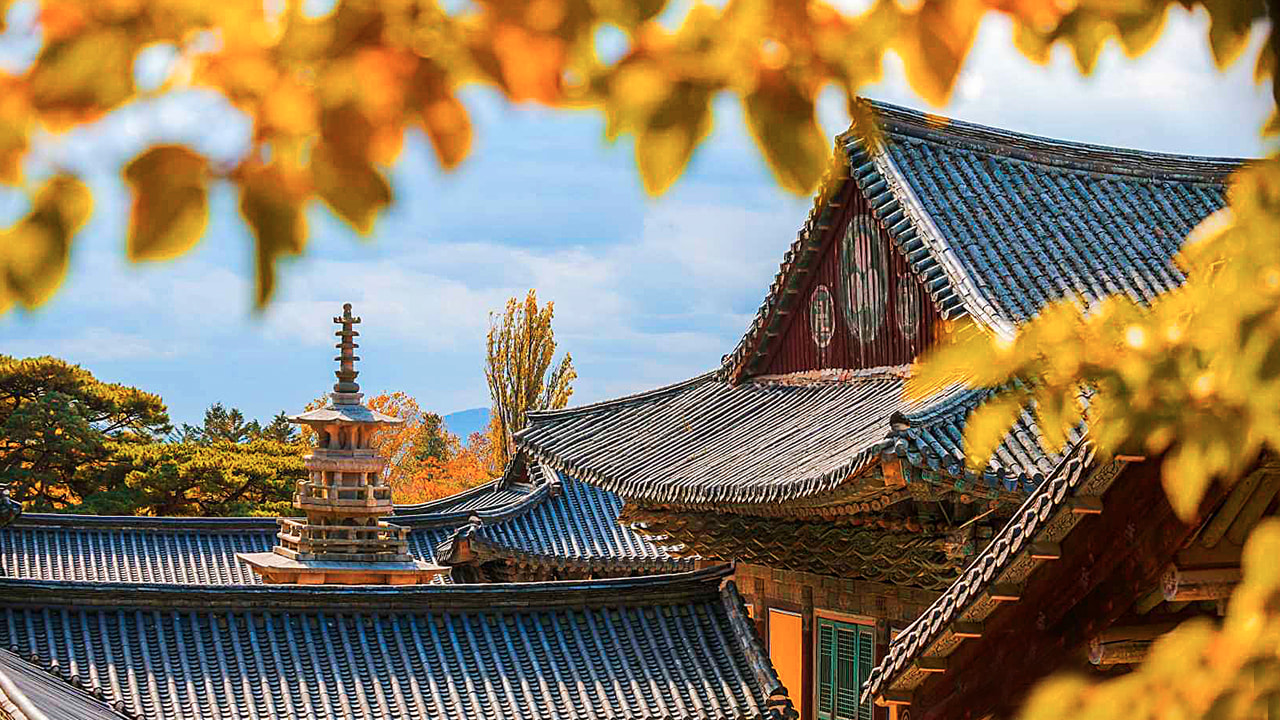
Haedong Yonggungsa Temple is the temple closest to the sea. Known as the site of Avalokiteshvara in Korea, it also houses the Diamond Sutra of Haedong Yonggungsa, a tangible cultural property of Busan. Here, you can witness the breathtaking panoramic view of the East Sea.
2
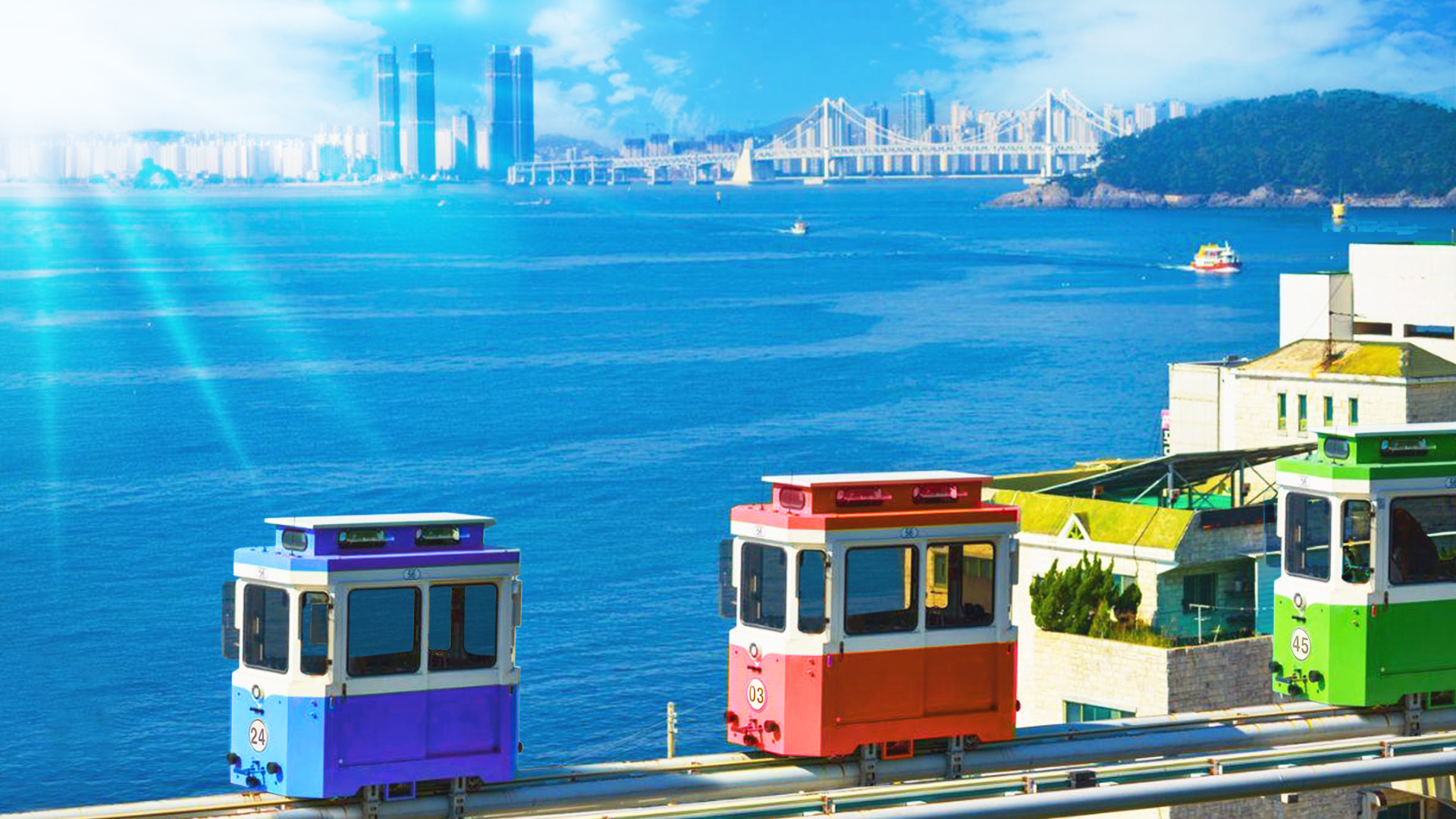
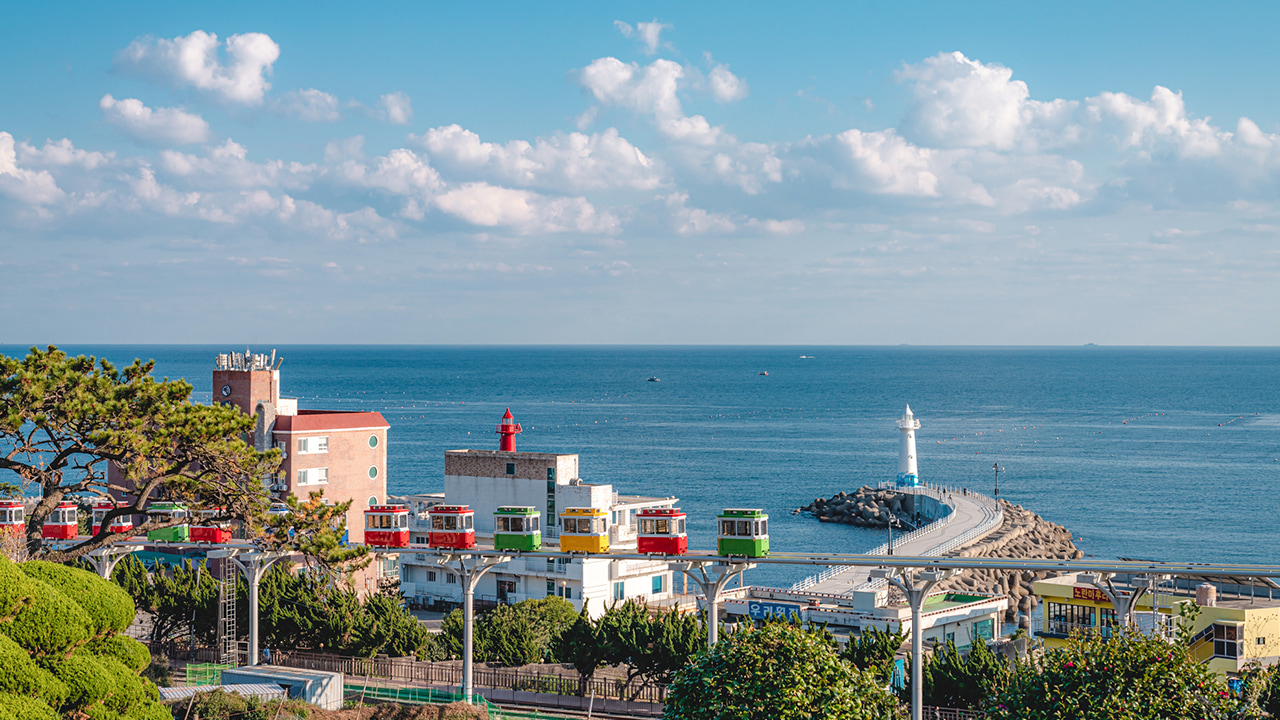
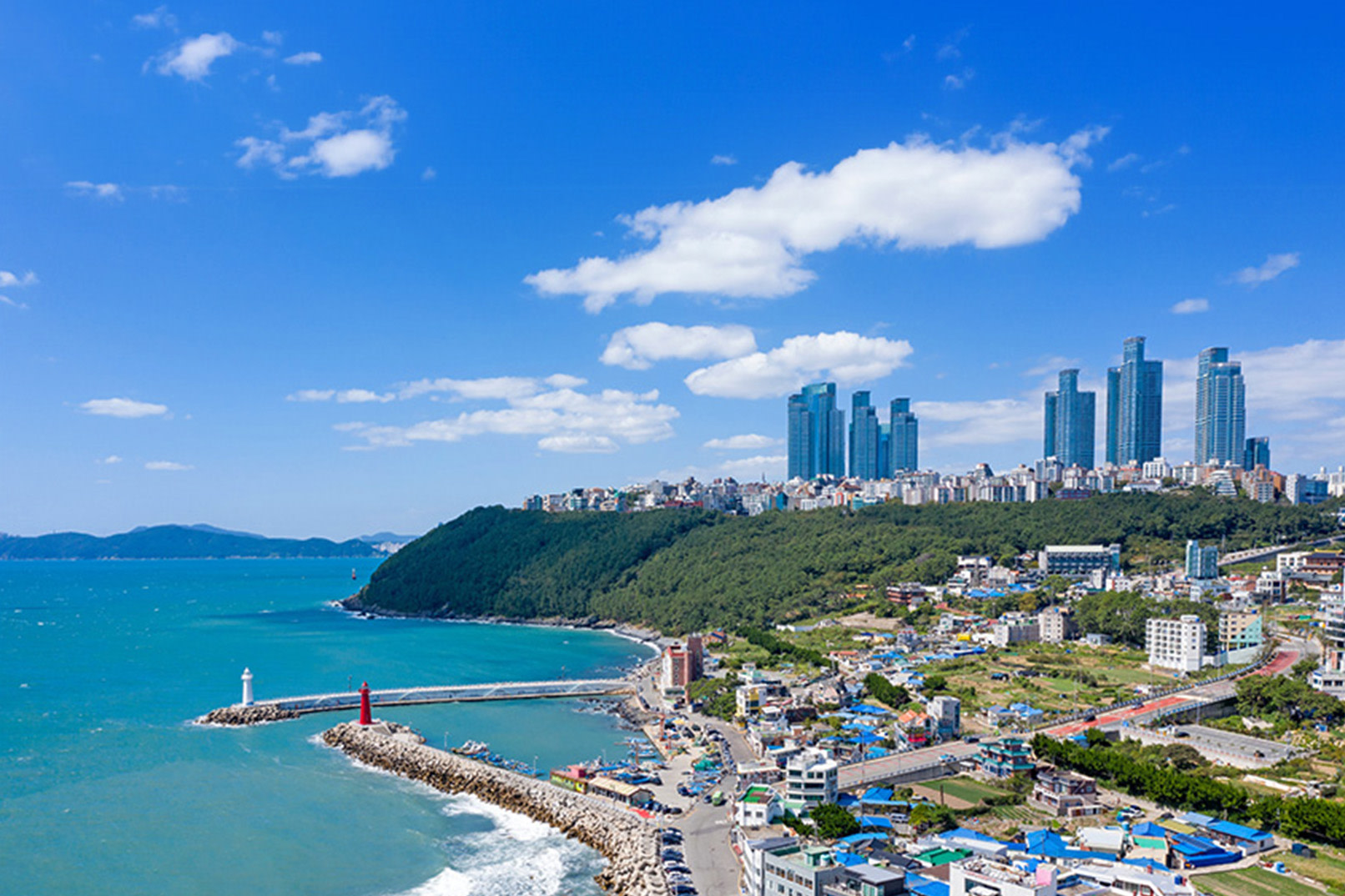
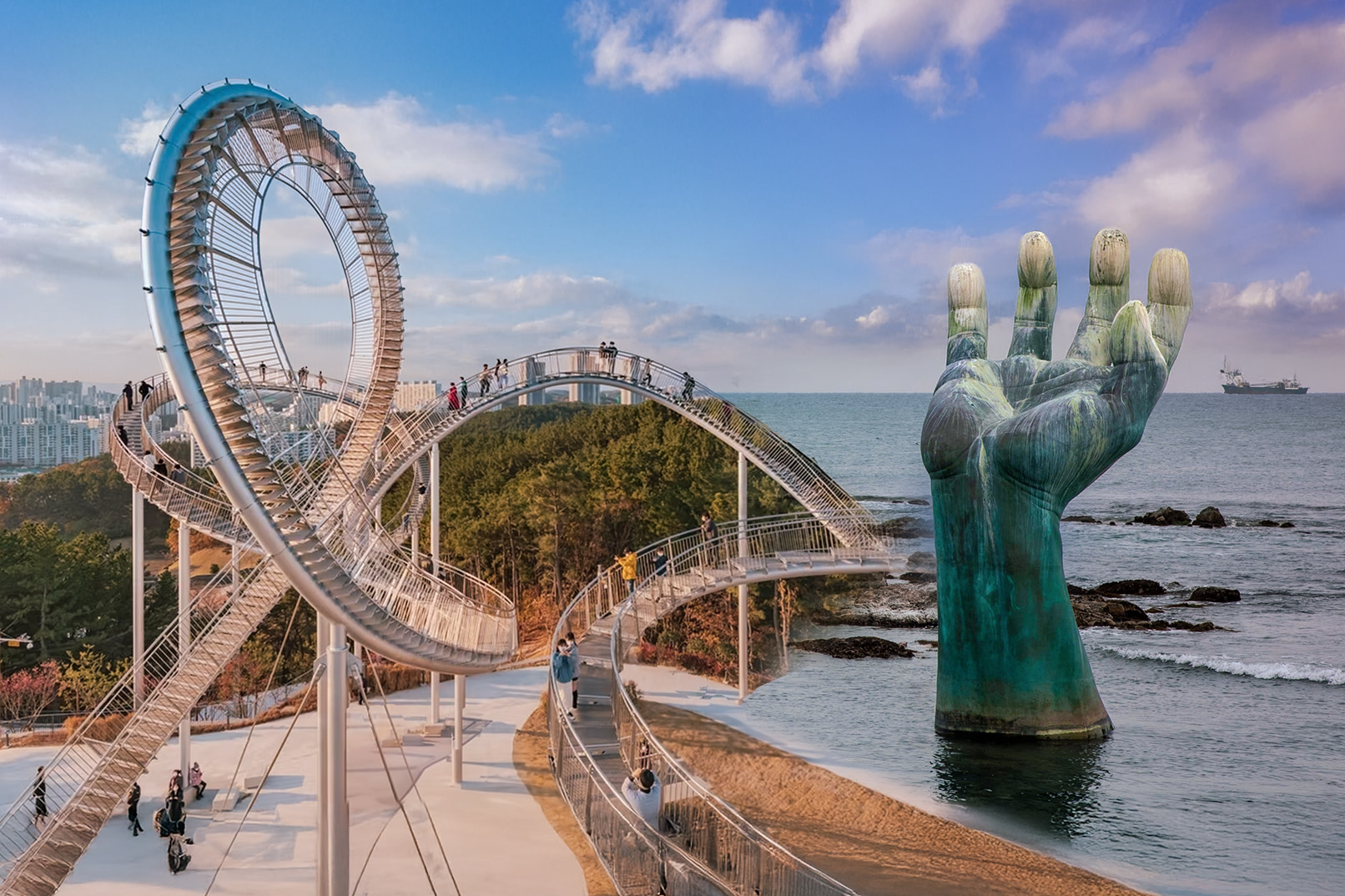
The Cheongsapo Daritdol Observatory is located on the Green Railway, a walking trail created from the abandoned tracks of the Haeundae South Line. It’s a top attraction in Busan, offering views of the fishing village of Cheongsapo, beautiful coastal scenery, sunrise, and sunset. From the observatory, visitors can admire the natural scenery of Cheongsapo’s stunning coastline and view the five rocky islands, known as Daritdol, lined up all the way to the offshore lighthouse.
3
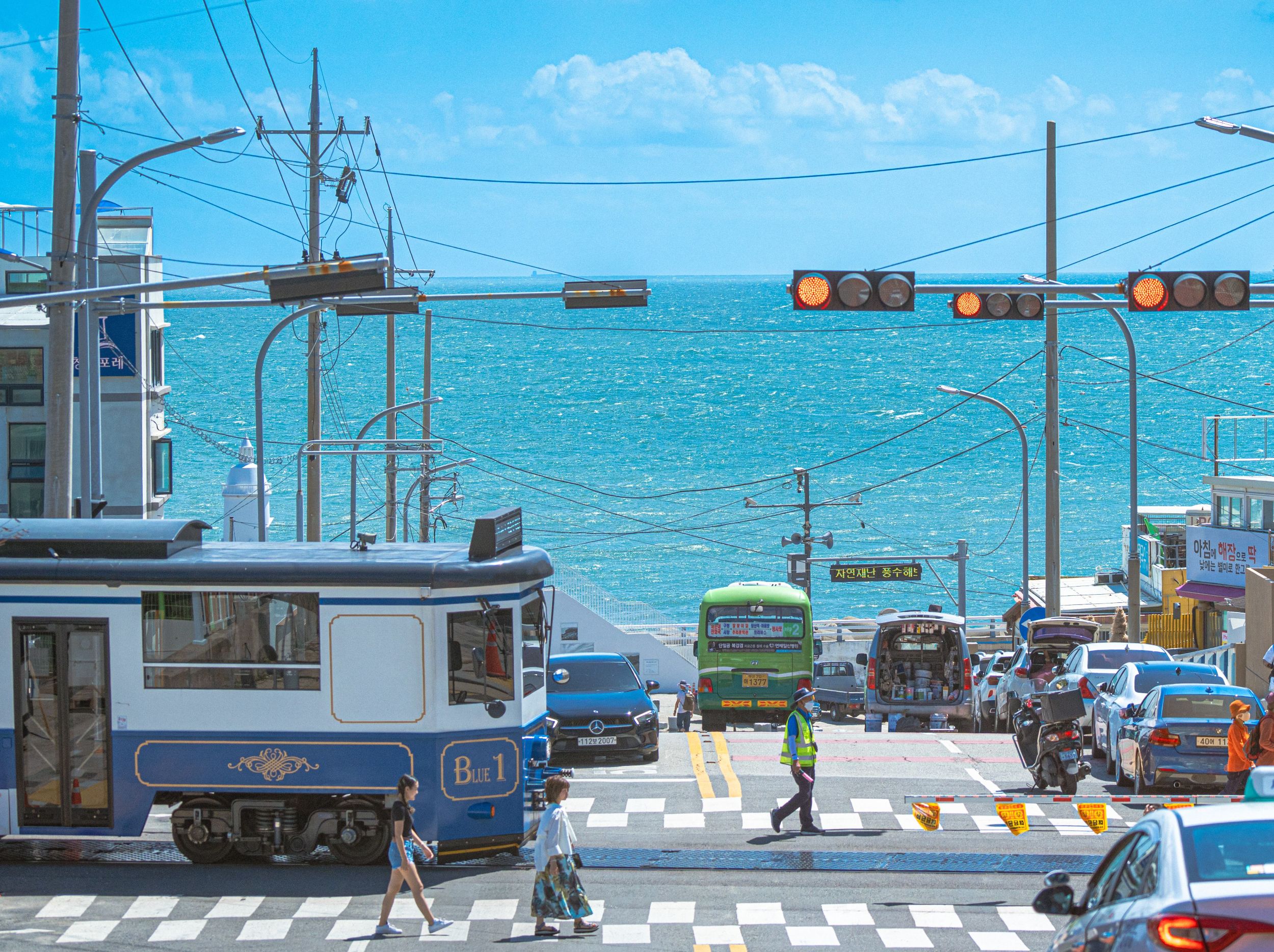
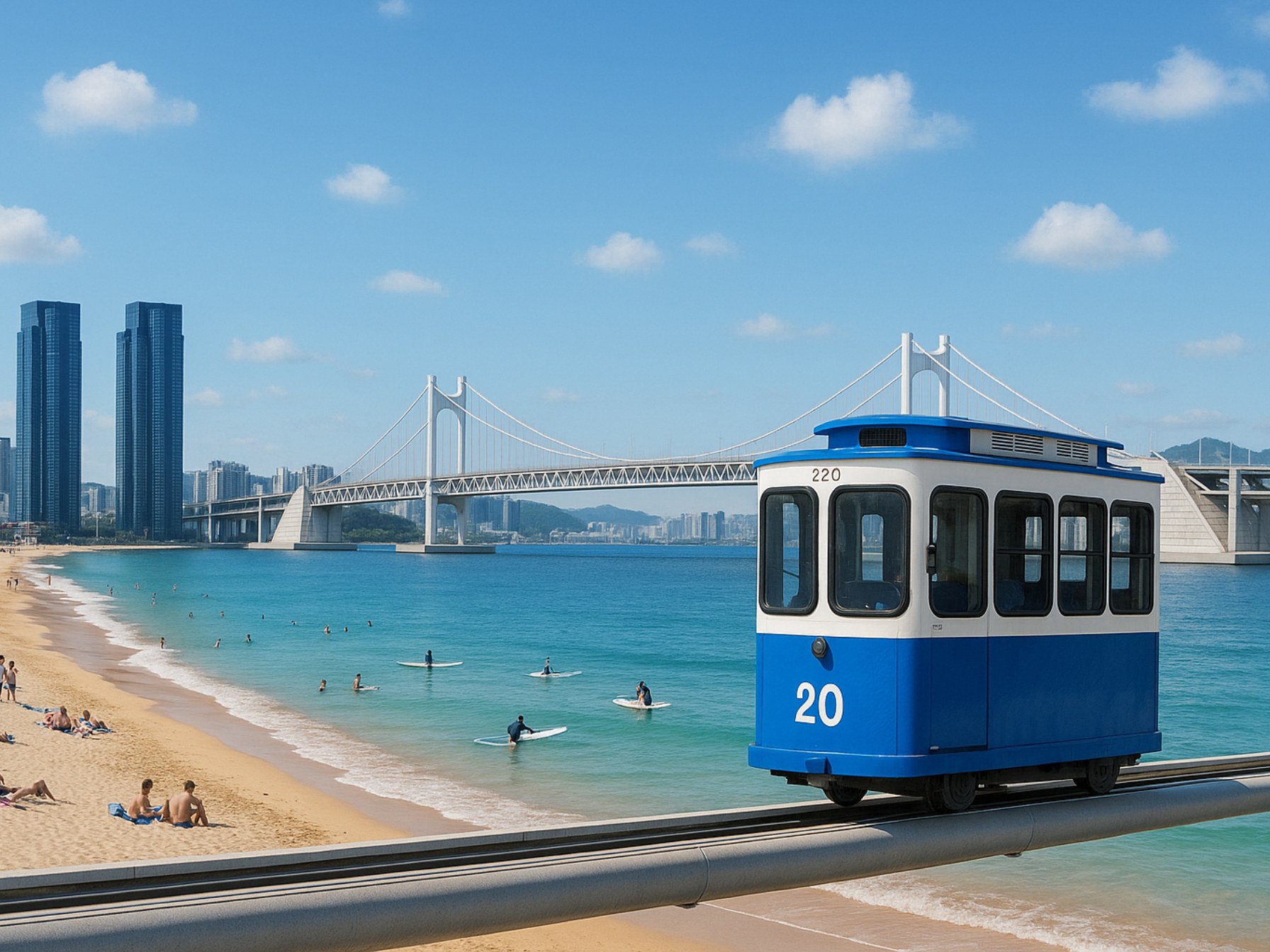
At Haeundae Blue Line Park's Cheongsapo Station, you can enjoy free time. Cheongsapo is famous for its high-quality seaweed and its beautiful East Sea sunrise, which has made it a well-known attraction in Busan. On New Year’s Day, many visitors gather here along with Haeundae Beach and Mipo to witness the first sunrise of the year. Cheongsapo's "Moon Over Cheongsapo" is considered one of the Eight Scenic Views of Busan. The name Cheongsapo originally used the Chinese character for "snake," but now refers to "blue sand," fitting its location between Dalmaji Road in Haeundae and Songjeong Beach.
4
Stop 4
The United Nations Memorial Cemetery is the world's only UN memorial cemetery, where fallen UN soldiers who gave their lives for the cause of world peace and freedom are laid to rest. As a UNESCO World Heritage Park, it offers a detailed insight into South Korea's war history. In November 1955, the National Assembly of South Korea resolved to permanently donate this land to the United Nations as a gesture of gratitude for the sacrifices of UN forces, designating the cemetery as a sacred site.
5
Stop 5
Nicknamed the "Machu Picchu" or "Santorini" of Korea, this location has been selected almost every year in the Korea Tourism Organization's Top 100 Tourist Sites in Korea.
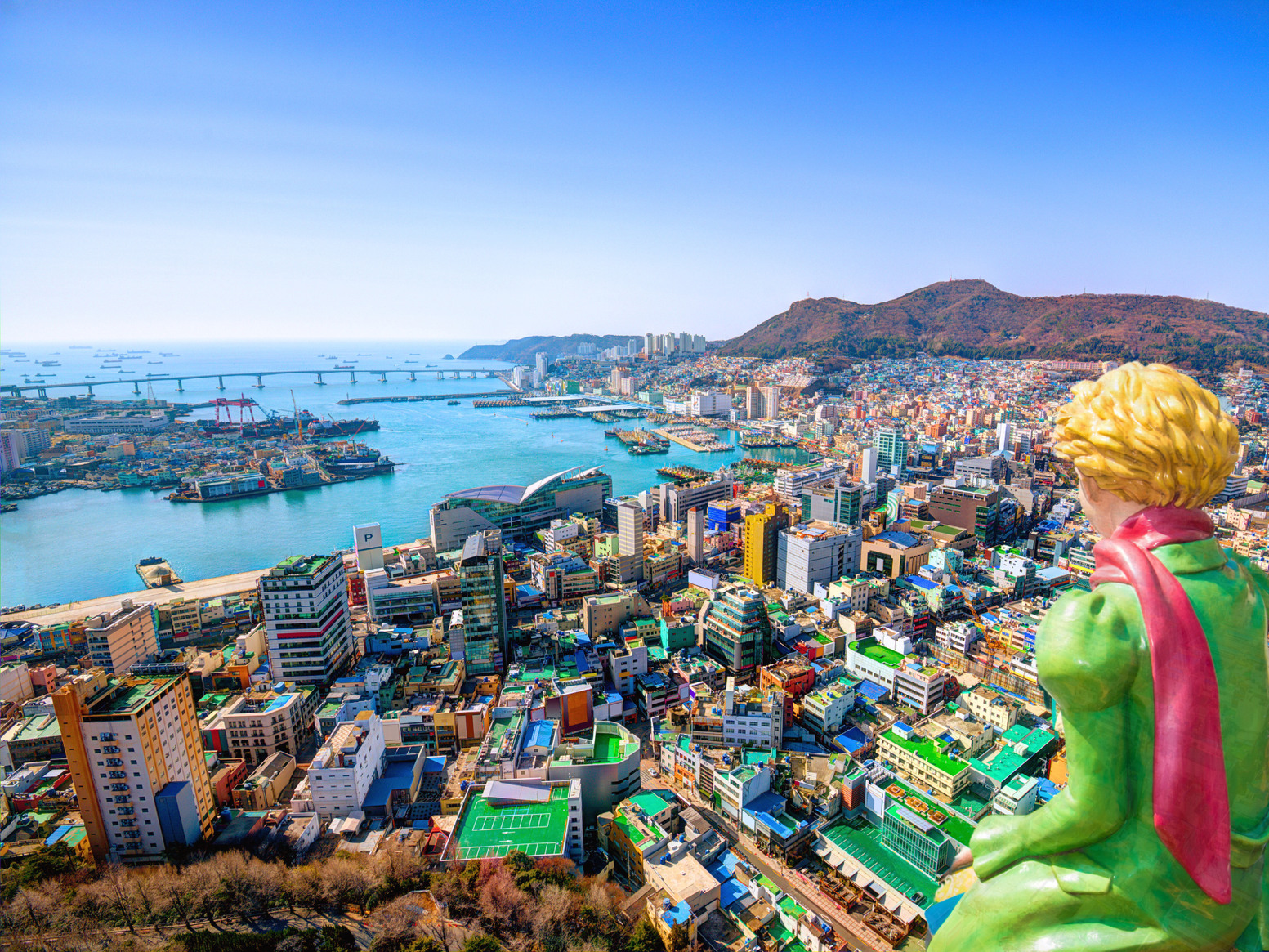
In the 1950s, followers of the Taegukdo faith and refugees from the Korean War gathered to form this village, which still houses the headquarters of Taegukdo. Once known as a deteriorated area called “Taegukdo Village,” the community underwent urban regeneration starting in 2009 based on the concept of “preservation and revitalization.” Local artists and residents collaborated to paint murals and artwork on walls and buildings, transforming it into one of Busan's prominent tourist attractions.
6
Stop 6
This is the hidden drop-off point at Jagalchi (Nampo-dong) Station. When you get off atJagalchi (Nampo-dong) Station, you can see Yongdusan Park, Kkangtong Market (night market), Bupyeong Market, BIFF Square, and Jagalchi Market, making it a great area for accommodation as it is densely populated with lodging options. If you have booked accommodation in Nampo-dong, you can enjoy a comfortable trip by simply getting off here without any special transportation. There will be no guide accompanying you here.
What's not included
Meals and beverages (Lunch Fee)
Personal expenses
Personal Insurance
Sky Capsule admission fee (on-site purchase, optional)
Available languages
Guide guide
CMN
EN
Reviews breakdown
Viator
5.0
90 reviews
5★
89
4★
1
3★
0
2★
0
1★
0
Tripadvisor
5.0
66 reviews
5★
63
4★
3
3★
0
2★
0
1★
0
Important information
Public transportation options are available nearby
Suitable for all physical fitness levels
▶ Please write your contact number with the country code in the ★“Special requirements” ★ section (e.g., +00 00 0000 0000). This is required — without it, the guide will not be able to contact you.
You can talk to us by entering the phone number we provide into WhatsApp. If you do not receive any contact the day before the tour, please be sure to contact us through ‘WhatsApp’.
Meeting point
Haeundae Station Exit 5 (09:30)
About Busan
Busan, South Korea's second-largest city, is a vibrant coastal metropolis known for its stunning beaches, fresh seafood, and unique cultural heritage. Nestled between mountains and the sea, Busan offers a dynamic blend of modern urban life and traditional charm, making it a must-visit destination in South Korea.
Top Attractions
Haeundae Beach
One of the most famous beaches in South Korea, Haeundae Beach is known for its beautiful coastline, vibrant atmosphere, and water sports. It's a popular spot for swimming, sunbathing, and enjoying the beachside cafes and restaurants.
Beach
Half day to full day
Free (activities and rentals may cost extra)
Gamcheon Culture Village
Known as the 'Machu Picchu of Busan', Gamcheon Culture Village is a colorful and artistic neighborhood built on a hillside. The village is filled with vibrant murals, installations, and quirky shops, making it a unique and photogenic destination.
Cultural
2-3 hours
Free to explore (some shops and cafes may charge for services)
Busan Tower
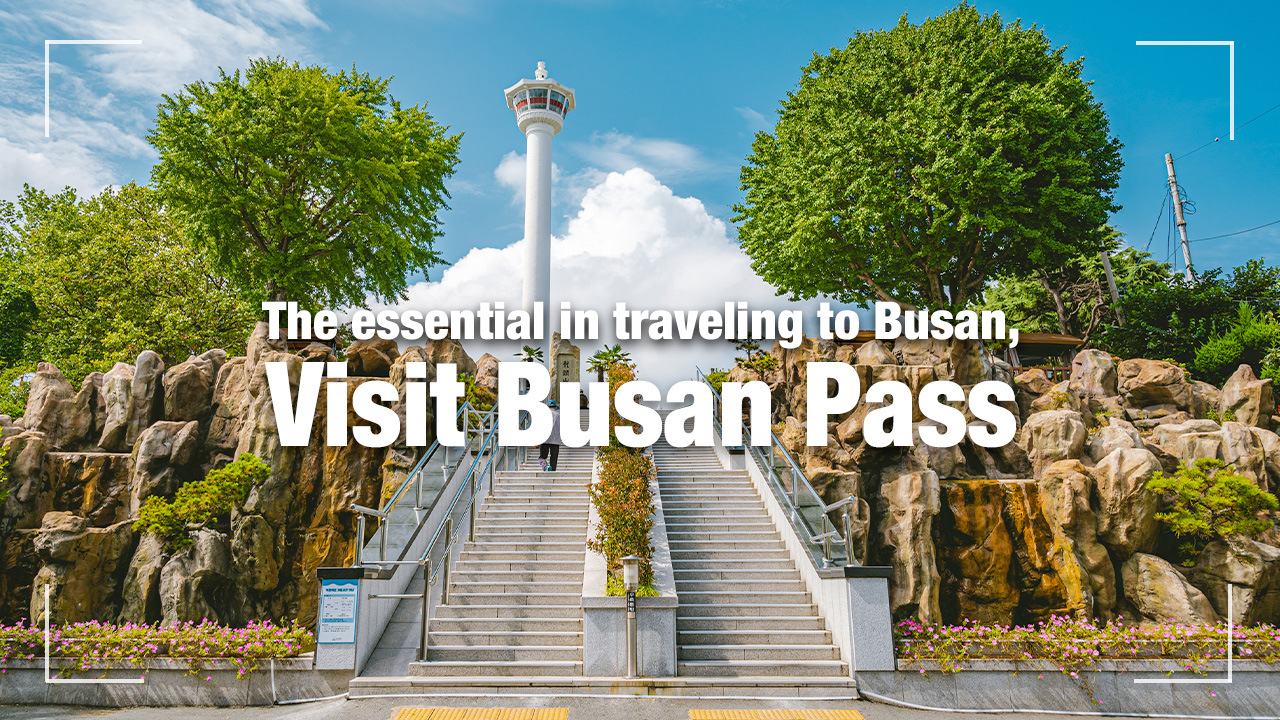
Located on Yongdusan Park, Busan Tower offers panoramic views of the city and the sea. The tower is a symbol of Busan and a popular spot for visitors to enjoy the scenery and learn about the city's history.
Historical/Architecture
1-2 hours
KRW 10,000 (adults), discounts for children and seniors
Haedong Yonggungsa Temple
This stunning seaside temple is one of the most famous Buddhist temples in South Korea. Haedong Yonggungsa Temple is known for its beautiful architecture, serene atmosphere, and the unique experience of praying by the sea.
Religious/Cultural
1-2 hours
Free (donations welcome)
Gwangalli Beach
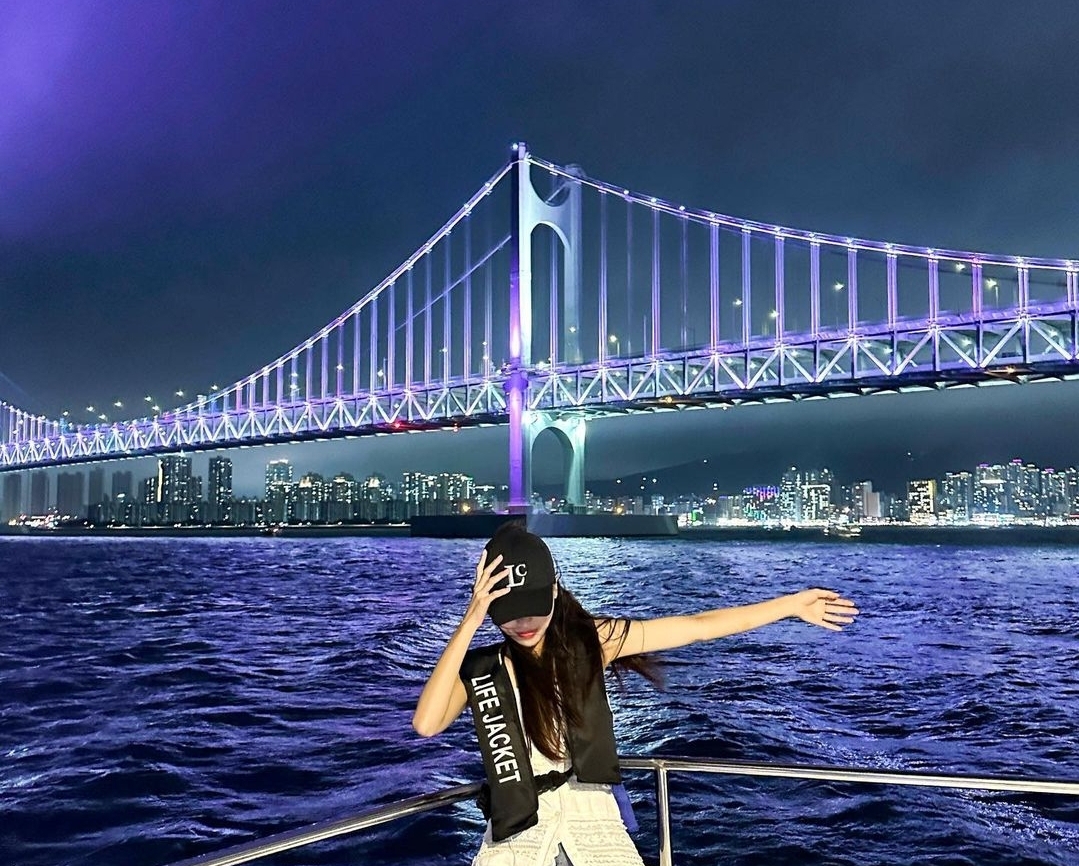
Gwangalli Beach is famous for its beautiful night views and the stunning Gwangan Bridge. The beach is a popular spot for swimming, picnicking, and enjoying the vibrant nightlife, including beach bars and clubs.
Beach/Entertainment
Half day to full day
Free (activities and rentals may cost extra)
Must-Try Local Dishes
Milmyeon
A cold wheat noodle dish served with a spicy seafood broth, topped with various seafood and vegetables. It's a refreshing and flavorful dish, perfect for hot summer days.
Noodle dish
Contains seafood, may not be suitable for those with seafood allergies.
Dwaeji Gukbap
A hearty pork soup made with pork bones, meat, and vegetables, served with rice. It's a comforting and flavorful dish that's popular in Busan.
Pork soup with rice
Contains pork, may not be suitable for vegetarians or those with pork allergies.
Busan-style Sundae
A type of blood sausage made with pork blood, noodles, and various ingredients, grilled and served with soup. It's a unique and flavorful street food that's a must-try in Busan.
Blood sausage
Contains pork and blood, may not be suitable for vegetarians or those with pork allergies.
Ganjang Gejang
A popular seafood dish made with raw crab marinated in soy sauce, garlic, and ginger. It's typically served with rice and vegetables, and is a delicacy in Busan.
Raw crab marinated in soy sauce
Contains raw seafood, may not be suitable for those with seafood allergies or pregnant women.
Popular Activities
Hiking in Geumjeongsan Mountain
Glass-bottom walkway at Oryukdo Skywalk
Water sports at Haeundae Beach
Beach lounging at Haeundae Beach
Spas and saunas in Busan
Picnicking in Yongdusan Park
Visiting Gamcheon Culture Village
Exploring Haedong Yonggungsa Temple
Best Time to Visit
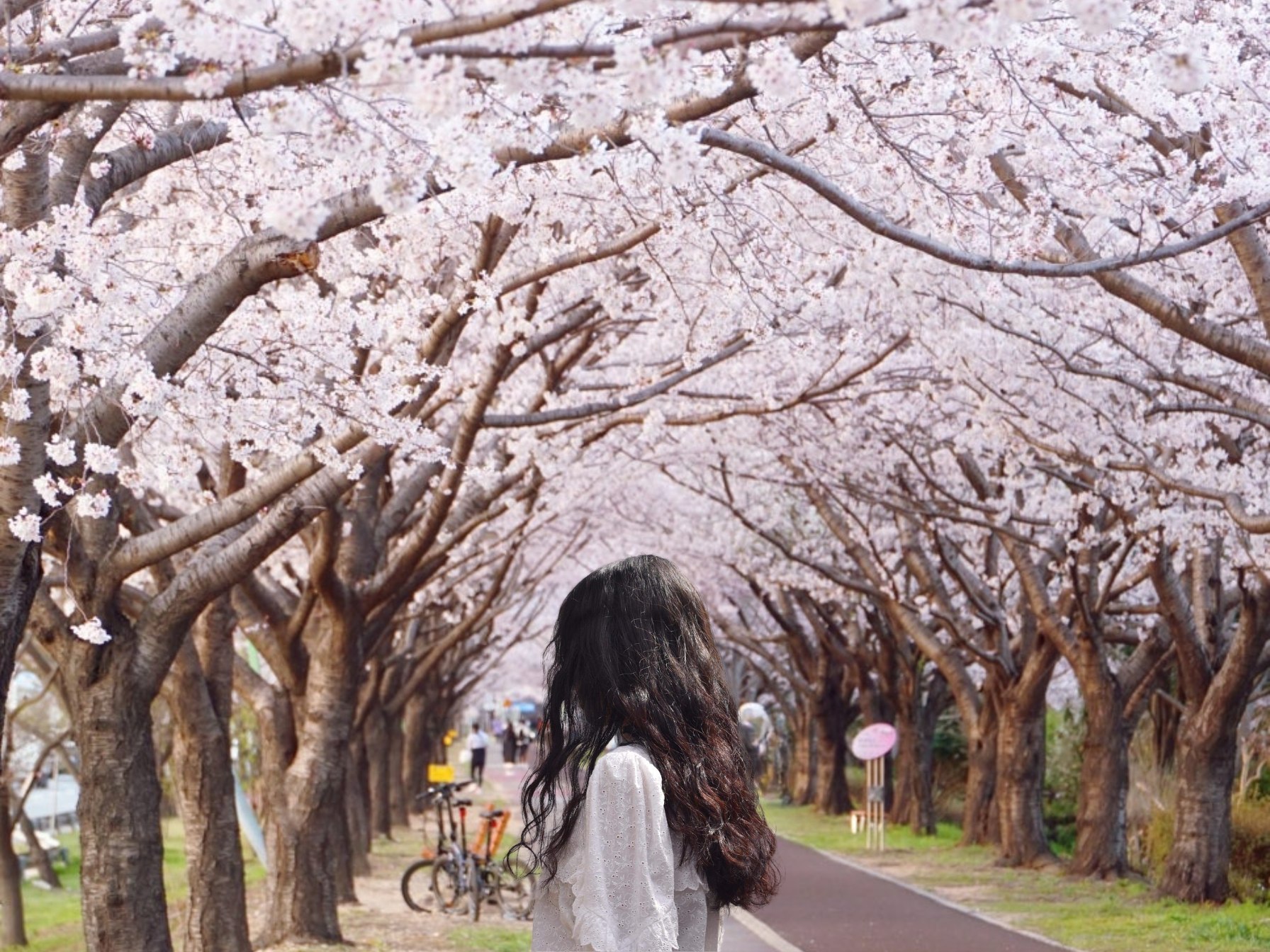
April to June, September to October
The best time to visit Busan is during the spring and autumn months when the weather is mild and pleasant. These months offer ideal conditions for outdoor activities and sightseeing.
15-25°C (59-77°F)
59-77°F
Practical Information
Language
- Official: Korean
- Widely spoken: English (limited)
- English: Limited (especially outside tourist areas)
Currency
South Korean Won (KRW)
Time Zone
Korea Standard Time (KST, GMT+9)
Electricity
220VV, 60HzHz
Safety Information
Overall Safety Rating: Generally safe
Busan is generally a safe city for travelers, with low crime rates and a welcoming atmosphere. However, as with any destination, it's important to be aware of your surroundings and take precautions to ensure a safe and enjoyable trip.
Important Precautions:
- • Be cautious of your belongings in crowded areas, such as markets and public transportation.
- • Use reputable taxi services or ride-hailing apps, such as KakaoTaxi, to avoid scams.
- • Be aware of your surroundings, especially at night, and avoid walking alone in isolated areas.
Getting there
By air
- Busan Gimhae International Airport • 15 km from city center
By train
Busan Station
By bus
Nopodong Bus Terminal, Sasang Bus Terminal
Getting around
Public transport
The Busan Metro is efficient, clean, and easy to use. It consists of four lines that connect major attractions, shopping districts, and residential areas.
Taxis
Available • Apps: KakaoTaxi
Rentals
Car, Bike, Scooter
Neighborhoods
Haeundae
Seomyeon
Gwangalli
Jagalchi
Day trips
Taejongdae
15 km from Busan city center • Half day to full day
Taejongdae is a scenic coastal park located at the southern tip of Yeongdo Island, offering stunning views of the sea, cliffs, and lighthouse. The park is also home to historical sites and walking trails.
Oryukdo Skywalk
10 km from Busan city center • Half day
The Oryukdo Skywalk is a thrilling glass-bottom walkway that extends over the sea, offering breathtaking views of the coastline and the city. The skywalk is a popular attraction for adventure seekers and photography enthusiasts.
Geumjeongsan Mountain
15 km from Busan city center • Full day
Geumjeongsan Mountain is the highest peak in Busan, offering stunning views of the city and the sea. The mountain is home to numerous hiking trails, temples, and historical sites, making it a popular destination for nature lovers and hikers.
Festivals
Busan International Film Festival (BIFF) • October (annually)
Busan Sea Festival • July (annually)
Busan Fireworks Festival • October (annually, during BIFF)
Pro tips
- Visit the Jagalchi Fish Market early in the morning to see the bustling fish auction and enjoy the freshest seafood.
- Try the local street food at the Haeundae Night Market, such as Busan-style Sundae and grilled seafood skewers.
- Explore the colorful and artistic Gamcheon Culture Village, also known as the 'Machu Picchu of Busan', for a unique and photogenic experience.
- Take a stroll along the beautiful Haeundae Beach and enjoy the vibrant atmosphere, especially during the summer months.
- Visit the Busan Tower and Yongdusan Park for stunning views of the city and the sea, especially during sunset or at night.
From $25
per person
Price varies by option
Secure booking
Free cancellation available
Instant confirmation


![[BUSAN,GamcheonVillage] Private Korean Art Painting Class](https://media-cdn.tripadvisor.com/media/attractions-splice-spp-674x446/0f/e6/3f/ac.jpg)