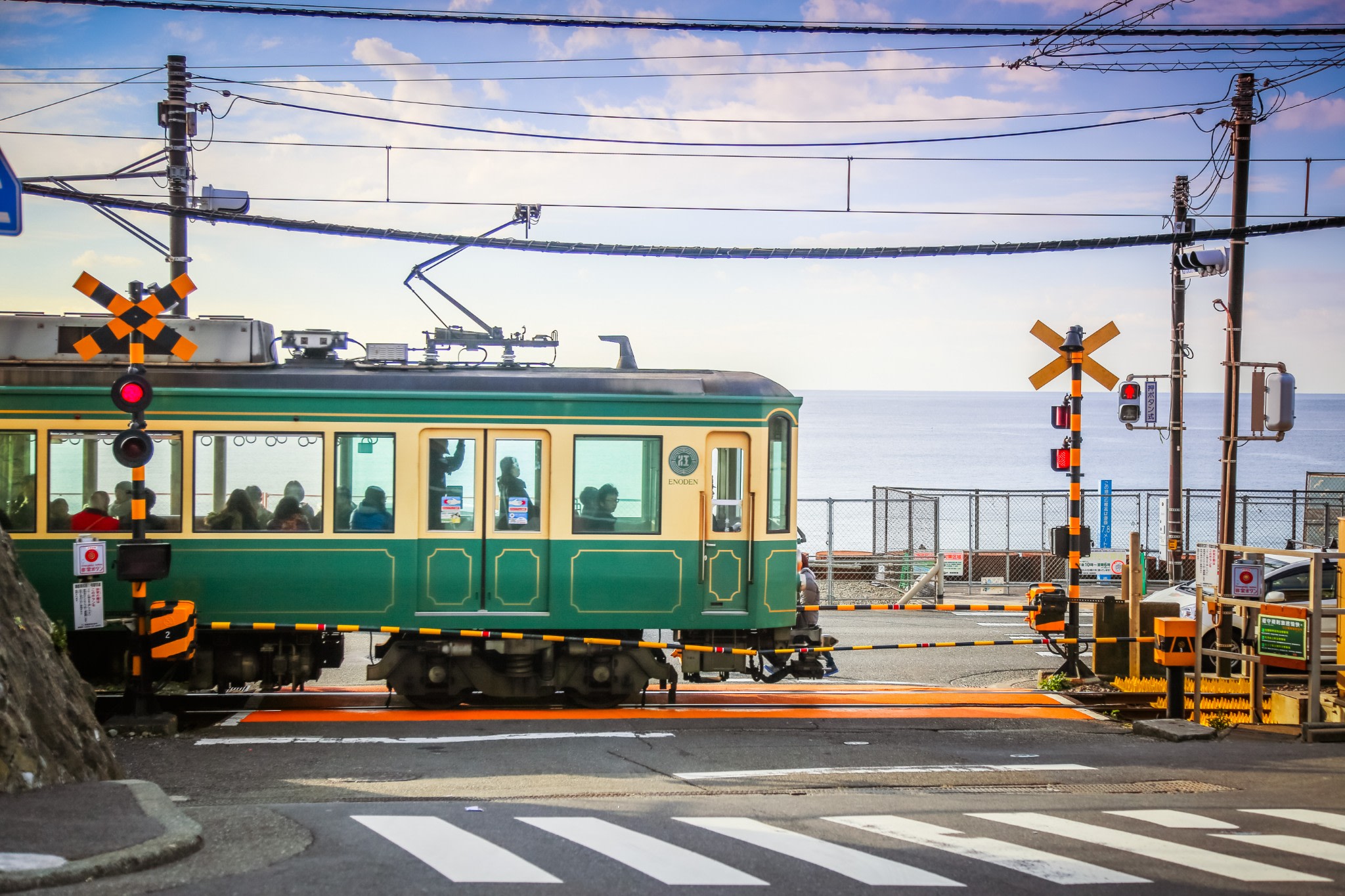
From Tokyo Kamakura and Enoshima Private Day Tour
Active
10h
For a full refund, cancel at least 24 hours before the scheduled departure time.
Instant confirmation
Mobile or paper ticket accepted
About this experience
Escape Tokyo s hustle with our Kamakura, Enoshima Private Day Tour. Discover the rich history and
vibrant culture of Kamakura and Enoshima. Enjoy a personalized, unforgettable adventure.
Why Choose Us
Personalized Experience
Enjoy a private tour tailored to your interests and preferences, ensuring a comfortable and memorable journey.
Expert Driver
Our knowledgeable guides provide insightful commentary and personalized attention, enhancing your understanding and appreciation
of each site.
Comprehensive Itinerary
Our thoughtfully crafted itinerary covers a diverse range of attractions, offering
a well-rounded exploration of Kamakura and Enoshima.
Join us for an unforgettable adventure where every detail
is designed to create lasting memories. Book your "From Tokyo Kamakura, Enoshima Private Day Tour"
today and discover the magic of these captivating destination
Available options
From Tokyo Kamakura and Enoshima Private Day Tour
Pickup included
What's included
Private transportation
English Speaking Driver
Air-conditioned vehicle
Detailed itinerary
1
Zeniarai Benzaiten Shrine, located in Kamakura, Japan, is a small yet popular Shinto shrine known for
its unique water ritual. Visitors wash their money in the shrine s spring water, believed
to multiply it and bring financial prosperity. Founded in 1185 by Minamoto no Yoritomo, the
shrine is dedicated to the deity Benzaiten and combines elements of both Shinto and Buddhist
traditions. Nestled in a tranquil valley surrounded by lush greenery, it offers a serene and
mystical atmosphere for visitors seeking good fortune
2
Stop 2
Engaku-ji, located in Kamakura, Kanagawa Prefecture, is one of the leading Zen Buddhist temples in Japan.
Founded in 1282 by the regent HÅjÅ Tokimune and the Chinese Zen monk Wuxue Zuyuan,
the temple was established to honor the fallen Japanese and Mongolian soldiers of the Mongol
invasions of Japan. Engaku-ji is part of the Rinzai Zen sect and ranks second among
Kamakura s Five Mountains (a group of the most important Zen temples in the area).
The
temple complex features numerous historic buildings and beautiful gardens, offering a serene environment ideal for
meditation and reflection. Notable structures include the Sanmon (main gate), Butsuden (Buddha Hall), and the
Shariden, which houses a relic of the Buddha. The temple also provides stunning views of
the surrounding hills and is particularly famous for its autumn foliage. Engaku-ji continues to serve
as an active center for Zen practice and cultural heritage
3
Stop 3
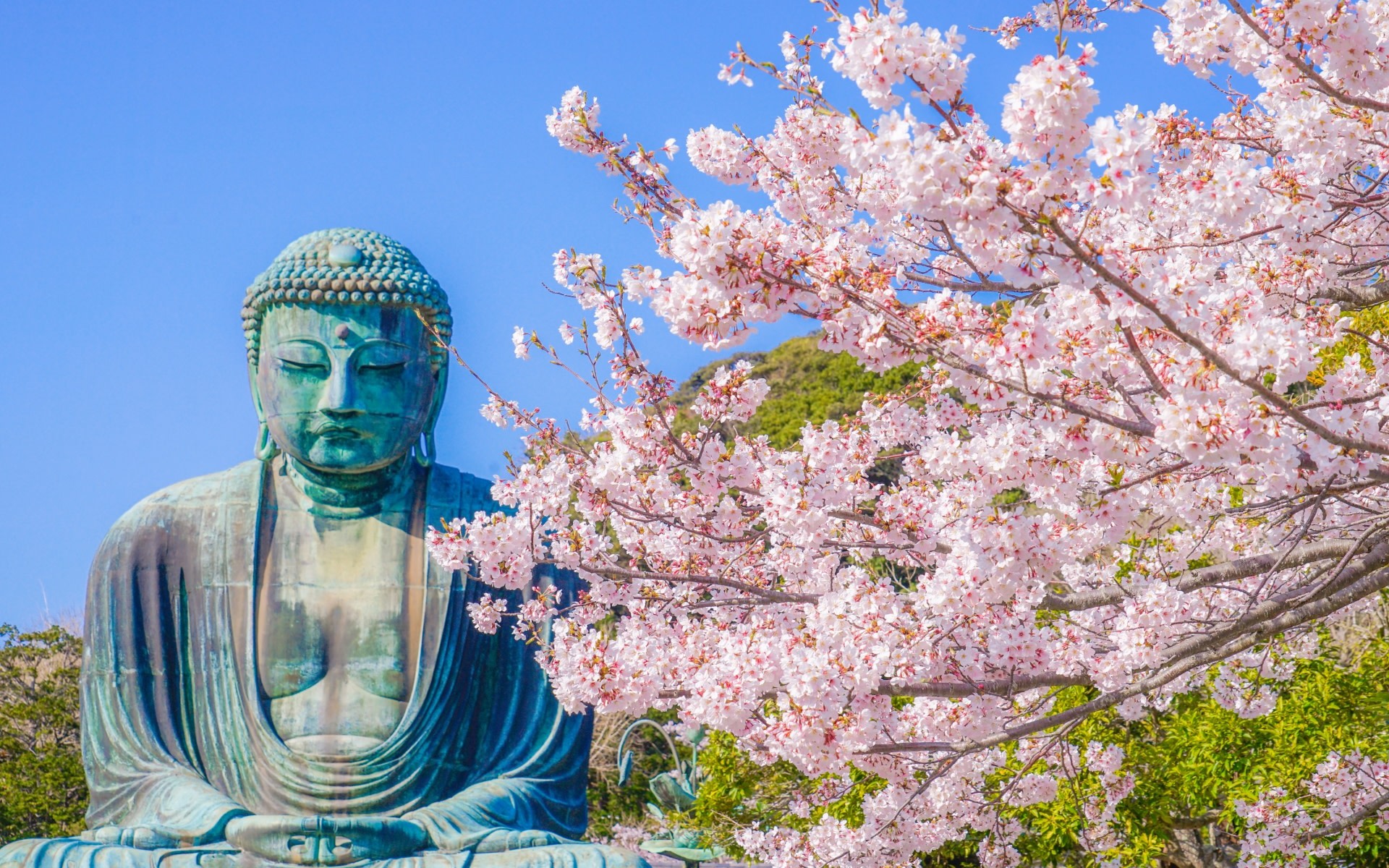
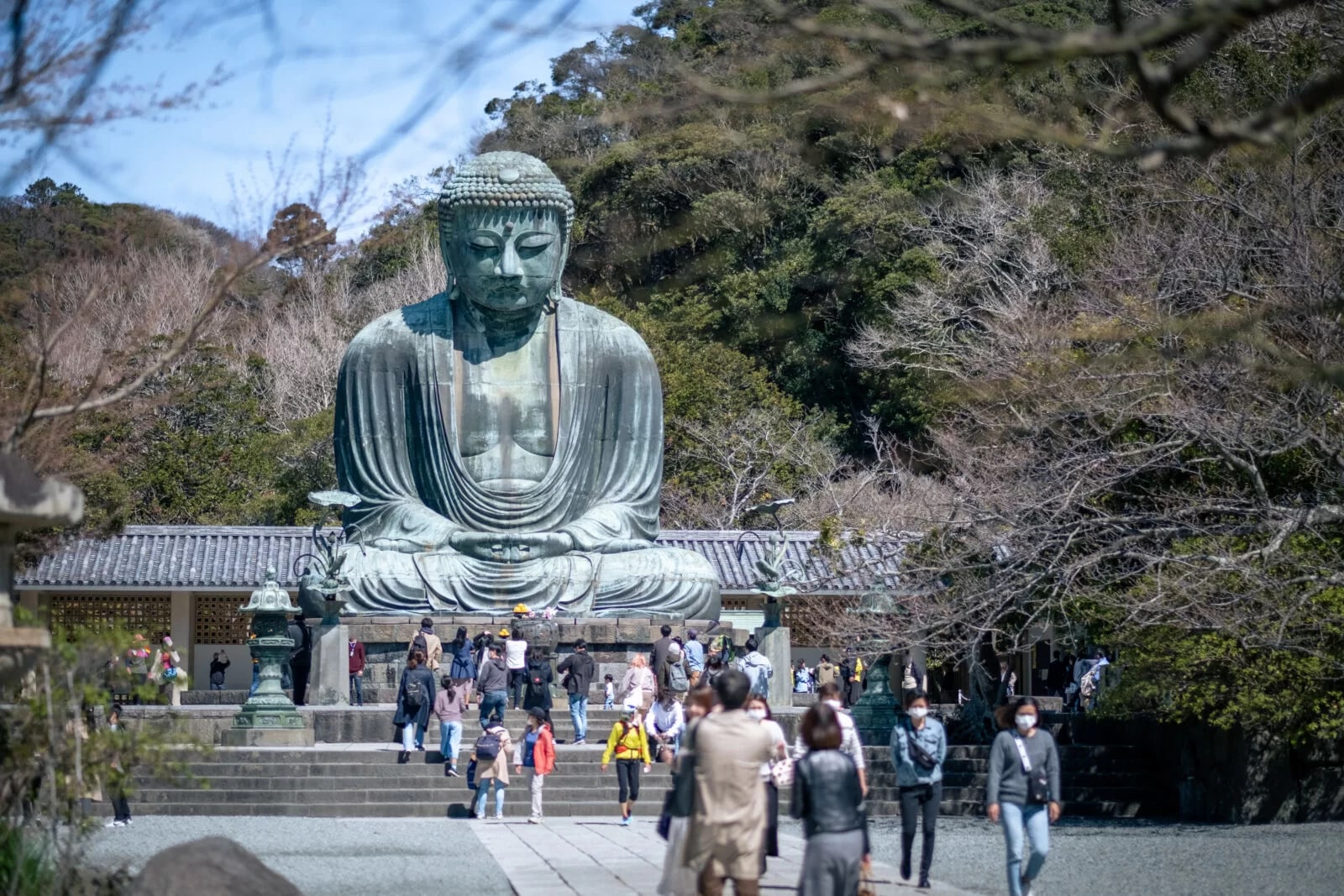
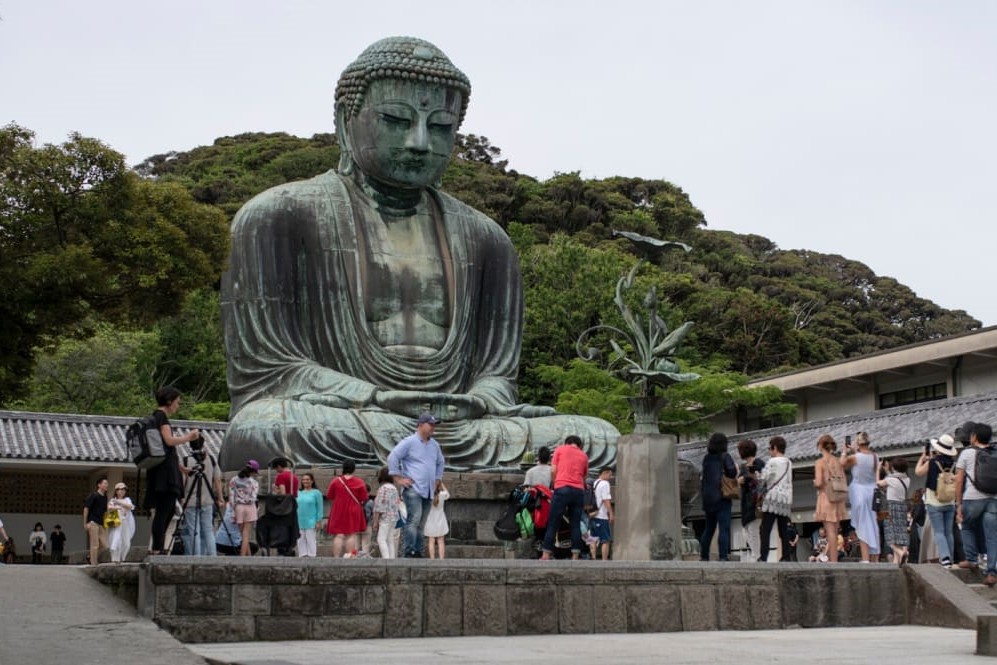
KÅtoku-in is a Buddhist temple in Kamakura, Kanagawa Prefecture, Japan, renowned for its Great Buddha (Daibutsu),
a monumental outdoor bronze statue of Amida Buddha. The temple belongs to the JÅdo-shÅ« (Pure
Land) sect and was originally constructed in 1252 during the Kamakura period.
The Great Buddha
of Kamakura, standing at approximately 13.35 meters (44 feet) tall and weighing around 93 tons,
is one of Japan s most iconic and revered statues. Originally housed in a large
temple hall, the statue has been exposed to the elements since the building was destroyed
by a tsunami in the late 15th century.
KÅtoku-in s serene and spacious grounds offer
visitors a place for contemplation and reflection, with the statue serving as a powerful symbol
of the enduring nature of Buddhist teachings. The temple attracts numerous visitors and pilgrims, drawn
by the statue s majestic presence and historical significance
4
Hase-dera, also known as Hase Kannon, is a Buddhist temple in Kamakura, Kanagawa Prefecture, Japan. It
is part of the JÅdo sect and is famous for its statue of Kannon, the
goddess of mercy. This eleven-headed statue, standing over 9 meters (30 feet) tall, is one
of the largest wooden statues in Japan and is believed to date back to the
8th century.
The temple is situated on a hillside, providing stunning views of the coastal city
of Kamakura and the ocean. Its grounds feature beautiful gardens, ponds, and seasonal flowers, particularly
renowned for hydrangeas in early summer.
Hase-dera also houses a cave called Benten-kutsu, dedicated to
Benzaiten, the goddess of the sea and one of the Seven Lucky Gods in Japanese
mythology. The cave contains numerous carved statues and offers a mystical experience to visitors.
The temple
s serene environment and historical significance make it a popular destination for both pilgrims and
tourists seeking tranquility and spiritual in
5
Enoshima is a small island off the coast of Kanagawa Prefecture, Japan, known for its scenic
beauty, cultural attractions, and recreational activities. Connected to the mainland by a bridge, the island
is a popular destination for day trips and offers a mix of natural landscapes, historical
sites, and modern entertainment.
Key attractions on Enoshima include the Enoshima Shrine, dedicated to the goddess
Benzaiten, and the Samuel Cocking Garden, featuring beautiful botanical displays and an observation tower with
panoramic views of the island and surrounding area. The island s caves, known as the
Iwaya Caves, add a sense of adventure with their historic and geological significance.
Enoshima s beaches
are ideal for swimming, surfing, and other water sports, making it a favorite spot for
locals and tourists alike. The island also boasts numerous restaurants, shops, and traditional inns, providing
a blend of relaxation and exploration in a picturesque coastal setting
What's not included
Lunch
All Fees and Taxes
Engakuji Zen Temple
Kotoku in temple
Hase dera temple
Enoshima
Guide
Engaku-ji Temple
Kotoku-in (Great Buddha of Kamakura)
Hase-dera Temple
Available languages
Written guide
EN
Reviews breakdown
Viator
5.0
1 reviews
5★
1
4★
0
3★
0
2★
0
1★
0
Important information
Public transportation options are available nearby
Specialized infant seats are available
Suitable for all physical fitness levels
About Asakusa
Asakusa is one of Tokyo's most colorful and traditional districts, famous for its historic temples, vibrant streets, and rich cultural heritage. This area offers a glimpse into old Edo-era Tokyo, making it a must-visit for those seeking authentic Japanese experiences.
Top Attractions
Senso-ji Temple
Senso-ji is Tokyo's oldest temple and one of its most significant. The temple complex includes the main hall, a five-story pagoda, and various shops and stalls.
Historical/Religious
1-2 hours
Free (donations welcome)
Tokyo Skytree
Tokyo Skytree is the tallest tower in Japan and offers breathtaking views of the city from its observation decks.
Architecture/Observation Deck
2-3 hours
¥2,100-¥3,100 (depending on the deck)
Sumida River Cruise
A relaxing cruise along the Sumida River offers stunning views of Tokyo's skyline, including the Tokyo Skytree and Rainbow Bridge.
Scenic/Boat Tour
1 hour
¥1,000-¥1,500 (depending on the route)
Edo-Tokyo Museum
This museum showcases the history and culture of Edo-era Tokyo through life-sized replicas, artifacts, and interactive exhibits.
Museum
1-2 hours
¥600 (adults), ¥300 (children)
Must-Try Local Dishes
Tempura
Deep-fried seafood and vegetables, often served with dipping sauce.
Main Dish
Contains gluten (soy sauce in the dipping sauce).
Unagi (Grilled Eel)
Grilled eel glazed with a sweet soy-based sauce, served over rice.
Main Dish
Contains fish and soy.
Melon Pan
A sweet bread roll with a crispy cookie-like crust, resembling a melon.
Dessert
Contains wheat and dairy.
Popular Activities
Hiking in nearby mountains
Sumo wrestling matches in Ryogoku
Onsen (hot spring) visits
Sumida River Cruise
Temple and shrine visits
Traditional tea ceremonies
Boat tours on Sumida River
Swimming at nearby beaches
Best Time to Visit
Spring (March to May) and Autumn (September to November)
Spring offers cherry blossoms and pleasant weather, while autumn provides comfortable temperatures and beautiful fall foliage. These seasons are ideal for outdoor activities and sightseeing.
15-25°C
59-77°F
Practical Information
Language
- Official: Japanese
- Widely spoken: English, Chinese, Korean
- English: Moderately spoken in tourist areas, limited elsewhere
Currency
Japanese Yen (JPY)
Time Zone
Japan Standard Time (JST, GMT+9)
Electricity
100VV, 50/60HzHz
Safety Information
Overall Safety Rating: Very safe
Asakusa is generally very safe, with low crime rates and a strong police presence. However, as with any tourist destination, it's important to be aware of your surroundings and take precautions to protect your belongings.
Important Precautions:
- • Keep valuables secure and out of sight.
- • Use official taxis or ride-hailing services.
- • Be cautious when using ATMs, and avoid carrying large amounts of cash.
Getting there
By air
- Narita International Airport • 60 km from Asakusa
- Haneda Airport • 20 km from Asakusa
By train
Asakusa Station
By bus
Tokyo Station, Shinjuku Station, Ueno Station
Getting around
Public transport
The subway system is efficient, clean, and covers most of Tokyo. Asakusa Station is a major hub.
Taxis
Available • Apps: DiDi, JapanTaxi
Rentals
Car, Bike, Scooter
Neighborhoods
Asakusa
Sumida
Ueno
Day trips
Nikko
120 km from Tokyo • Full day
Nikko is a UNESCO World Heritage site known for its stunning shrines, temples, and natural beauty. The area offers a mix of cultural and outdoor activities.
Kamakura
50 km from Tokyo • Full day
Kamakura is a historic city known for its temples, shrines, and the Great Buddha statue. It offers a mix of cultural and outdoor activities.
Hakone
80 km from Tokyo • Full day or overnight
Hakone is a popular onsen (hot spring) town known for its scenic views, hot springs, and cultural attractions. It offers a mix of relaxation and outdoor activities.
Festivals
Sanja Matsuri • Third weekend of May
Asakusa Shinto Festival • Mid-June
Pro tips
- Visit Senso-ji Temple early in the morning or late in the afternoon to avoid crowds and enjoy a more peaceful experience.
- Try traditional snacks and sweets at the stalls along Nakamise Shopping Street, such as senbei (rice crackers) and ningyo-yaki (sweet bean paste cakes).
- Take a Sumida River Cruise for stunning views of Tokyo's skyline, including the Tokyo Skytree and Rainbow Bridge.
- Explore the lesser-known temples and shrines in Asakusa, such as Asakusa Shrine and Tokyo Daijingu, for a more authentic and less crowded experience.
- Experience a traditional tea ceremony to learn about the art and history of matcha (green tea) preparation.
From $25
per person
Price varies by option
Secure booking
Free cancellation available
Instant confirmation


![[One-Day Tour Exploring the Magnificent Views of Mount Fuji] Arakurayama Sengen Park & Lake Kawaguchi Oishi Park & Oshino Hakkai & Instagram-Famous Lawson & Nikawa Tokeiten (Departure from Tokyo)](https://res.klook.com/image/upload/activities/iuqnww3unmcff9wf1zvx.jpg)
![[One-Day Tour Exploring Scenic Spots of Mt. Fuji] Iyashi no Sato Nenba in Lake Saiko & Arakurayama Sengen Park & Lake Kawaguchi Oishi Park & Oshino Hakkai (From Tokyo)](https://res.klook.com/image/upload/activities/qvv9zfzwdh5me8payfeq.jpg)
![[Kamakura Day Trip] Kamakura High School & Kamakura Great Buddha & Enoshima (Including Enoden Experience) | Departure from Tokyo](https://res.klook.com/image/upload/activities/qx0r21r2yooekgv8uf8m.jpg)