Carlsberg City Tour to Place Where The Danish Beer Was Born
Active
2h
For a full refund, cancel at least 24 hours before the scheduled departure time.
Manual confirmation
Mobile or paper ticket accepted
About this experience
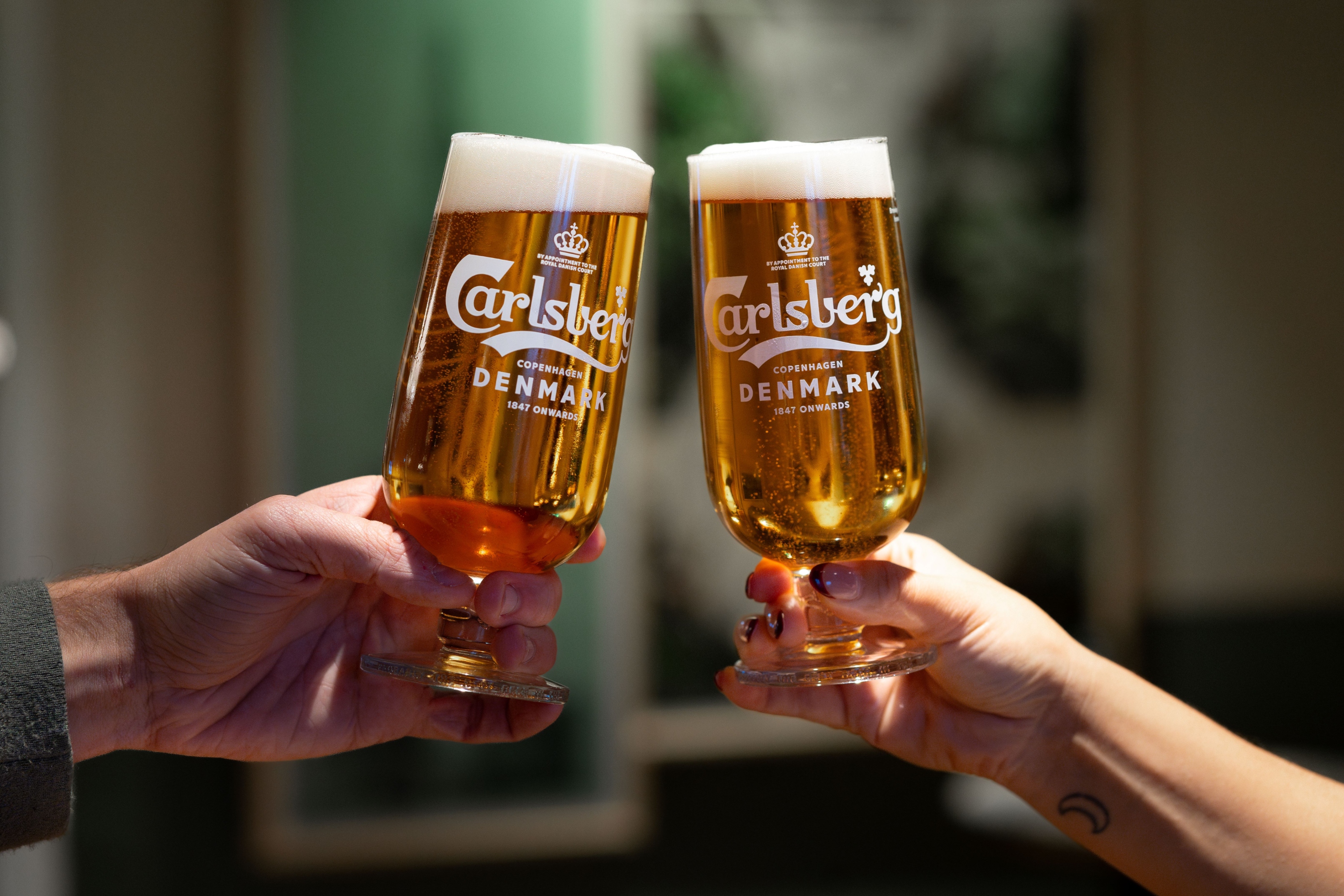
Carlsberg City is the very place where the beer that made Denmark famous was born. The place where a dramatic family saga and a history of entrepreneurship, pioneering risks and an unstoppable faith in the future came together.
On the tour, I will tell you how Carlsberg was created, because of what quarrel the founder of the brand Jacob Jacobsen stopped communicating with his son and even divided the business. You will learn the story of the famous elephants at the entrance to Carlsberg City, you will understand why one of the brand's symbols is a swastika, and also you'll see what is happening to the famous buildings today, when most of the production has moved to Jutland.
There are also many interesting things waiting for you in the second part of the tour. I will tell you why urbanists studied the psychology of city dwellers' behavior during the renovation of the area, how much local housing costs, where the SPA center is located, where you can treat yourself to a beer bath.
Available options
Carlsberg City Tour to Place Where The Danish Beer Was Born
What's included
Guide (English, Russian)
All guests will receive a surprise at the end of the walk.
Detailed itinerary
1
We begin our walk at the location of the oldest buildings in the district, those that were built by the brewery founder J.C. Jacobsen in the mid-19th century. These are the original production facilities of the brewery.
2
We will pass by the Carlsberg's Stables, The Carlsberg research laboratory and the New Carlsberg Headquaters
3
During his numerous travels, the founder of Carlsberg Jacob Jacobsen not only brought back brewing yeast but also rare species of trees and other plants. We will visit his beautiful garden. We will also see his Villa where a lot of famous people lived.
4
We will see the Carl's Villa where Carl Jacobsen (Founder's son) lived with his family and where the big family drama took place. Also here Carl Jacobsen started to collect art objects, which subsequently grew into the museum of the New Glyptoteka in Copenhagen.
5
This square features several interesting aspects. For instance, this square exemplifies what architects worldwide call the “Barcelona effect”. Next to it the famouse Elephant Gates is located as well as the other symbol of Carlsberg - Dipylon Gates.
6
Today, strolling through this area, we can trace the father-son relationship through architecture. We can see how different they were – not just in business, but in life – the different buildings they commissioned, their varied decorating styles, their contrasting hobbies, and so on. We will go through the historical part of the district and afterwards it would be possible to see the modern Carlsberg architecture and to learn more about how the modern Danes live here, what the price for the local apartments, what type of social housing is places here, etc.
7
The industrial buildings can be beautiful and can be protected as a cultural heritage - Carl Jacobsen wanted to prove this when he built such industrial buildings as Beer Fridge, New Brewery, The Twisted Chimney, Malt Tower and Yeast Cells. Let's see how they look like and what secrets they keep.
8
This is the last point of our guided tour, where I'll make the summary of the Carlsberg's story, and the last destination of our trip
What's not included
Food and beverages, tips, personal expenses
Available languages
Guide guide
RU
EN
Important information
Service animals allowed
Public transportation options are available nearby
Suitable for all physical fitness levels
Meeting point
We meet near the 7 Eleven shop (Tapperitorvet 20) - just next to the station
About Copenhagen
Copenhagen, the capital of Denmark, is a charming city known for its picturesque canals, historic architecture, and vibrant cultural scene. It seamlessly blends old-world charm with modern innovation, making it a unique and appealing destination for travelers.
Top Attractions
Tivoli Gardens
Tivoli Gardens is one of the world's oldest and most famous amusement parks, offering a mix of thrilling rides, beautiful gardens, and live entertainment.
Entertainment
3-5 hours
Moderate (150-250 DKK for entry and rides)
The Little Mermaid
The Little Mermaid is a famous statue inspired by Hans Christian Andersen's fairy tale, located by the waterside in the Langelinie park.
Historical
30 minutes to 1 hour
Free
Rosenborg Castle
Rosenborg Castle is a 17th-century castle that houses the Danish Crown Jewels and offers a glimpse into royal Danish history.
Historical
1-2 hours
Moderate (115 DKK for entry)
Nyhavn
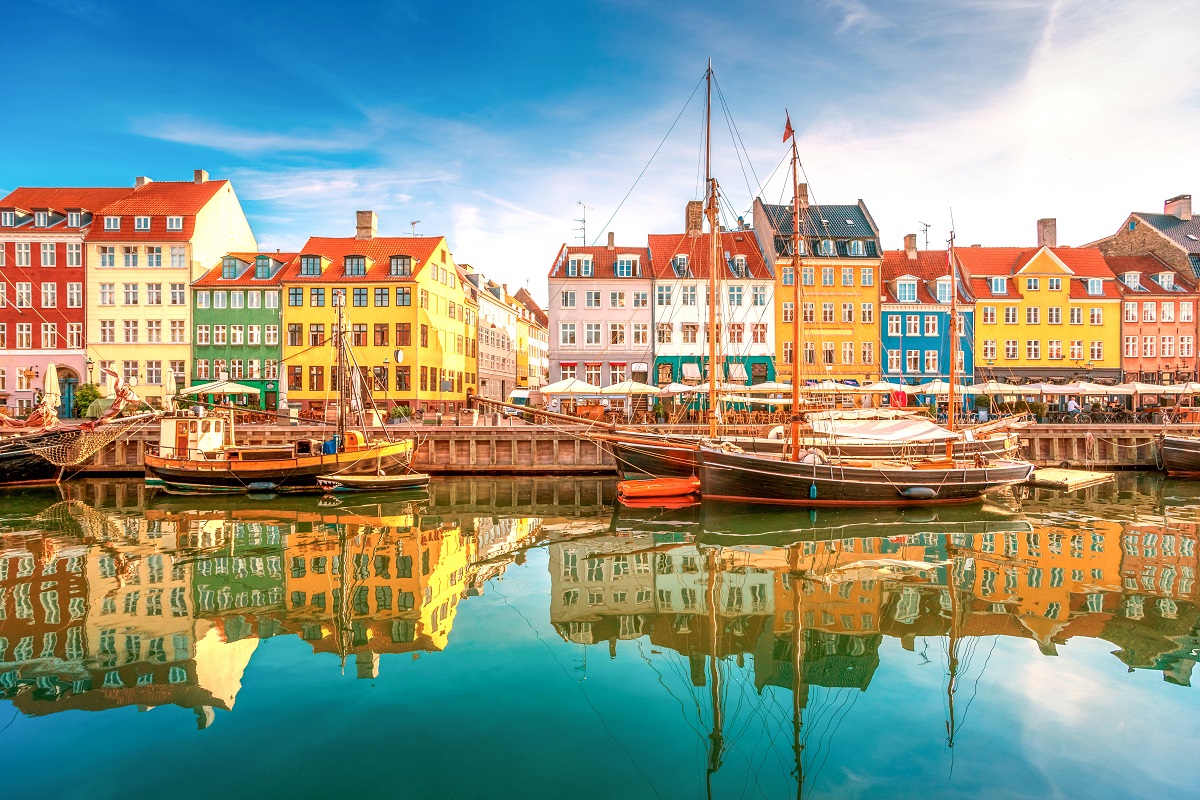
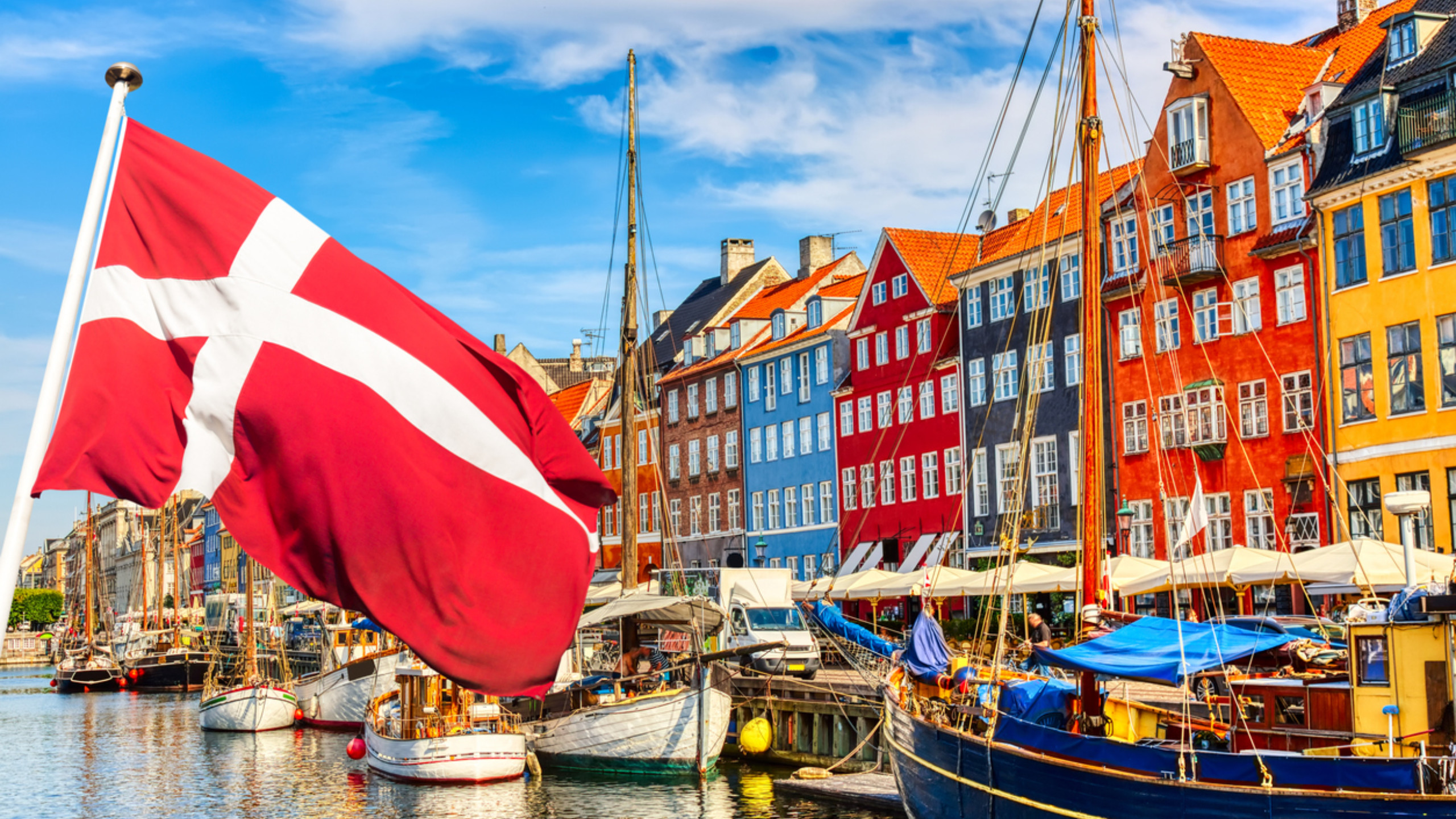
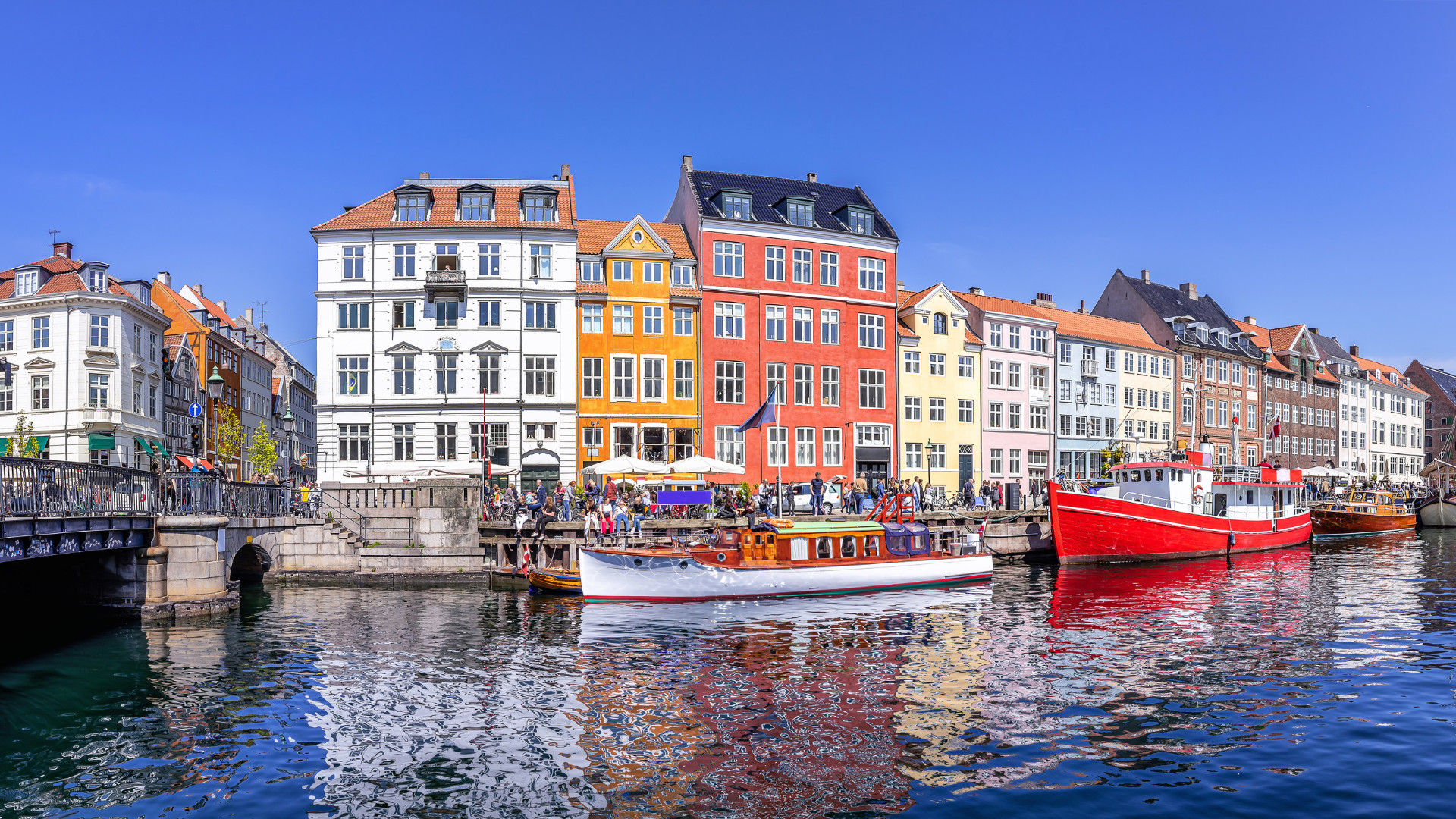
Nyhavn is a picturesque waterfront district known for its colorful 17th-century townhouses, canals, and lively atmosphere.
Historical
1-2 hours
Free to explore (costs vary for canal tours and dining)
Christiansborg Palace
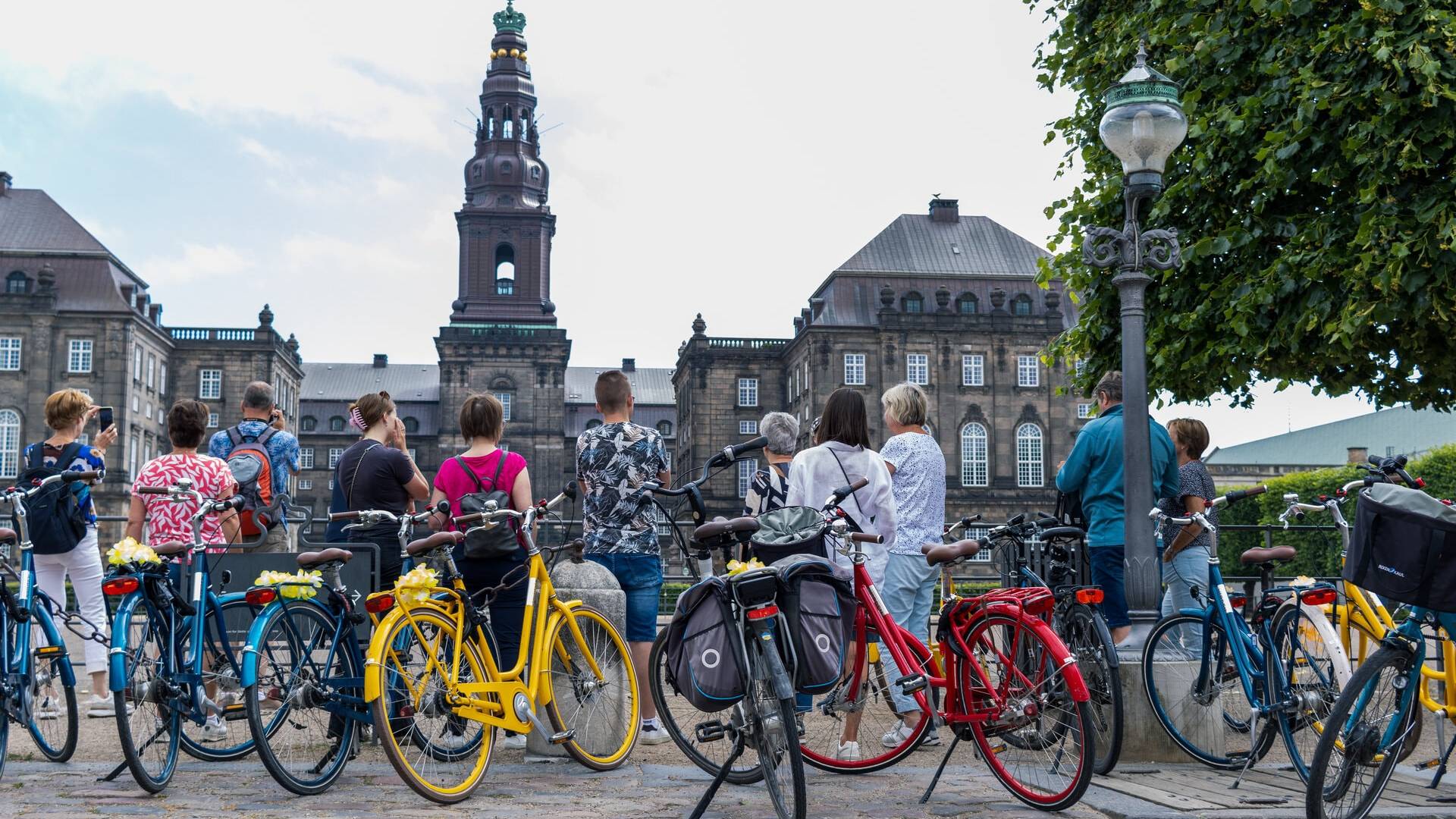
Christiansborg Palace is the seat of the Danish Parliament, the Prime Minister's Office, and the Supreme Court. It also houses the Royal Reception Rooms and the Royal Stables.
Historical
1-2 hours
Moderate (135 DKK for entry to the Royal Reception Rooms and Royal Stables)
Must-Try Local Dishes
Smørrebrød
An open-faced sandwich typically served on rye bread, topped with ingredients like pickled herring, roast beef, or shrimp.
Lunch
Can be vegetarian or vegan with appropriate toppings
Frikadeller
Danish meatballs made from a mixture of pork and veal, served with potatoes and gravy.
Dinner
Contains meat
Æbleskiver
Small, spherical pancakes traditionally served during the Christmas season, often dusted with powdered sugar and accompanied by jam and whipped cream.
Dessert
Contains gluten and dairy
Rødgrød med Fløde
A traditional Danish dessert made from berries, usually raspberries or red currants, served with cream.
Dessert
Contains dairy
Popular Activities
Biking
Kayaking
Hiking
Spas
Saunas
Picnicking in parks
Museum visits
Art galleries
Best Time to Visit
June to August
Summer is the peak tourist season in Copenhagen, offering long daylight hours, pleasant weather, and a variety of outdoor activities. The city comes alive with festivals, outdoor dining, and vibrant nightlife.
15°C to 23°C
59°F to 73°F
Practical Information
Language
- Official: Danish
- Widely spoken: English, German
- English: Widely spoken
Currency
Danish Krone (DKK)
Time Zone
GMT+1 (CET), GMT+2 (CEST during daylight saving time)
Electricity
230VV, 50HzHz
Safety Information
Overall Safety Rating: Very safe
Copenhagen is generally a very safe city with a low crime rate. However, as with any major city, it's important to be aware of your surroundings and take precautions to protect your belongings.
Important Precautions:
- • Be aware of your surroundings, especially in crowded areas
- • Keep valuables secure and out of sight
- • Use licensed taxis or ride-sharing services
Getting there
By air
- Copenhagen Airport • 8 km from city center
By train
Copenhagen Central Station
By bus
Copenhagen Central Bus Station
Getting around
Public transport
The Metro is efficient, clean, and easy to use. It operates 24 hours on Fridays and Saturdays, making it convenient for late-night travel.
Taxis
Available • Apps: Taxa 4x35, Uber
Rentals
Car, Bike, Scooter
Neighborhoods
Indre By (Inner City)
Vesterbro
Nørrebro
Østerbro
Frederiksberg
Day trips
Malmö, Sweden
35 km from Copenhagen • Half day to full day
Malmö is a vibrant Swedish city just across the Øresund Bridge from Copenhagen, offering a mix of historic sites, modern architecture, and a lively cultural scene.
Kronborg Castle
40 km from Copenhagen • Half day
Kronborg Castle is a historic castle and UNESCO World Heritage Site, best known as the setting for Shakespeare's Hamlet.
Louisiana Museum of Modern Art
50 km from Copenhagen • Full day
The Louisiana Museum of Modern Art is a renowned art museum located in Humlebæk, just north of Copenhagen, offering a stunning collection of modern and contemporary art.
Festivals
Copenhagen Jazz Festival • July
Copenhagen Pride • August
Copenhagen Christmas Markets • December
Pro tips
- Consider purchasing a Copenhagen Card for unlimited public transportation and free entry to many attractions
- Use a bike to get around the city, as Copenhagen is known for its bike-friendly infrastructure and culture
- Try local specialties like smørrebrød, frikadeller, and æbleskiver for a true taste of Danish cuisine
- Visit the city's many museums and cultural institutions, which offer a wealth of knowledge and history
- Explore the city's vibrant neighborhoods, each with its own unique character and attractions
From $25
per person
Price varies by option
Secure booking
Free cancellation available