Walking Through Dresden’s Past with Dr. Fraser Macdonald
Active
2h
For a full refund, cancel at least 24 hours before the scheduled departure time.
Instant confirmation
Mobile or paper ticket accepted
About this experience
In this rare opportunity, Dr Fraser Macdonald, anthropologist and historian, takes you on a deep journey into the hidden 700 year history of Dresden before, during, and after it became an icon of Baroque splendour. Across visits to a range of crucial sites in the city, you will learn of the prehistoric significance of the Elbe Valley for Paleolithic and Neolithic populations, the ancient origins of Dresden as a small fishing village, its growth from a tiny city to a flourishing centre of the Holy Roman Empire, the enormous impact of Luther's Reformation, as well as the damage and destruction produced by centuries of warfare.
Available options
Walking Through Dresden’s Past with Dr. Fraser Macdonald
What's included
Professional Guided Tour
Detailed itinerary
1
Stop 1
Here the tour begins on the banks of the Elbe where Dresden was first permanently settled. We will pause to consider the history, culture, language, and eventual displacement of the people who first lived here.
2
Here we will explore the fascinating history of this site, beginning in the 15th century as a fabulously wealthy Augustinian monastery before being demolished and turned into a royal hunting lodge in the 16th century after Luther's Reformation. Please note we will not be entering the building and its museums, but participants are free to do so at their own leisure. Ticket prices can be found here: https://volkskunst.skd.museum/besuch/
3
At this now beautiful Baroque church we will explore the unseen history of this crucial site in the former Altendresden., beginning in the early 15th century. Please note we will not be entering the building or climbing the tower, but participants are free to do so at their own leisure. Prices to climb the tower can be found here: https://www.hdk-dkk.de/dreikoenigskirche/der-turm/
4
From Altendresden we then cross the famous Augustus Bridge to enter the Altstadt, to continue our explorations of the deep medieval history of Dresden
5
Stop 5
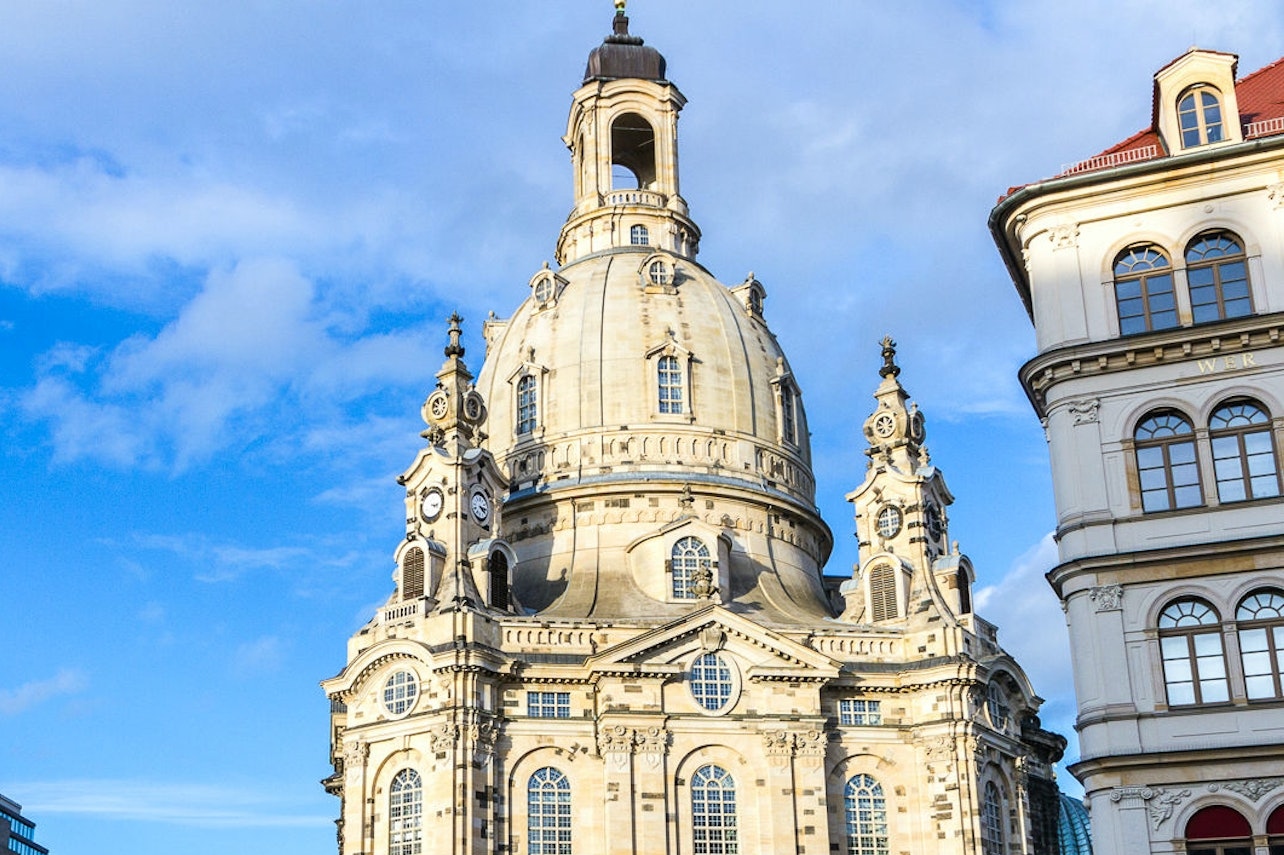
Here you will learn of the 700 year history of the Frauenkirche before it was constructed in the Baroque period and the various structural and religious changes it witnessed during this time. Please note we will not be entering the building and its museums, but participants are free to do so at their own leisure.
6
Listen to the story of how this famous church was originally built in the 13th century, destroyed multiple times in its history, and also bore witness to crucial moments in the Reformation.
7
Listen to the amazing story of the first Franciscan monastery in Dresden, originally constructed in the 13th century, including its demise and later resurrection as the iconic yet sadly lost Sophienkirche. This church, perhaps more than any other in Dresden, is a window on to the changing political and religious currents in the city's history.
8
Stop 8
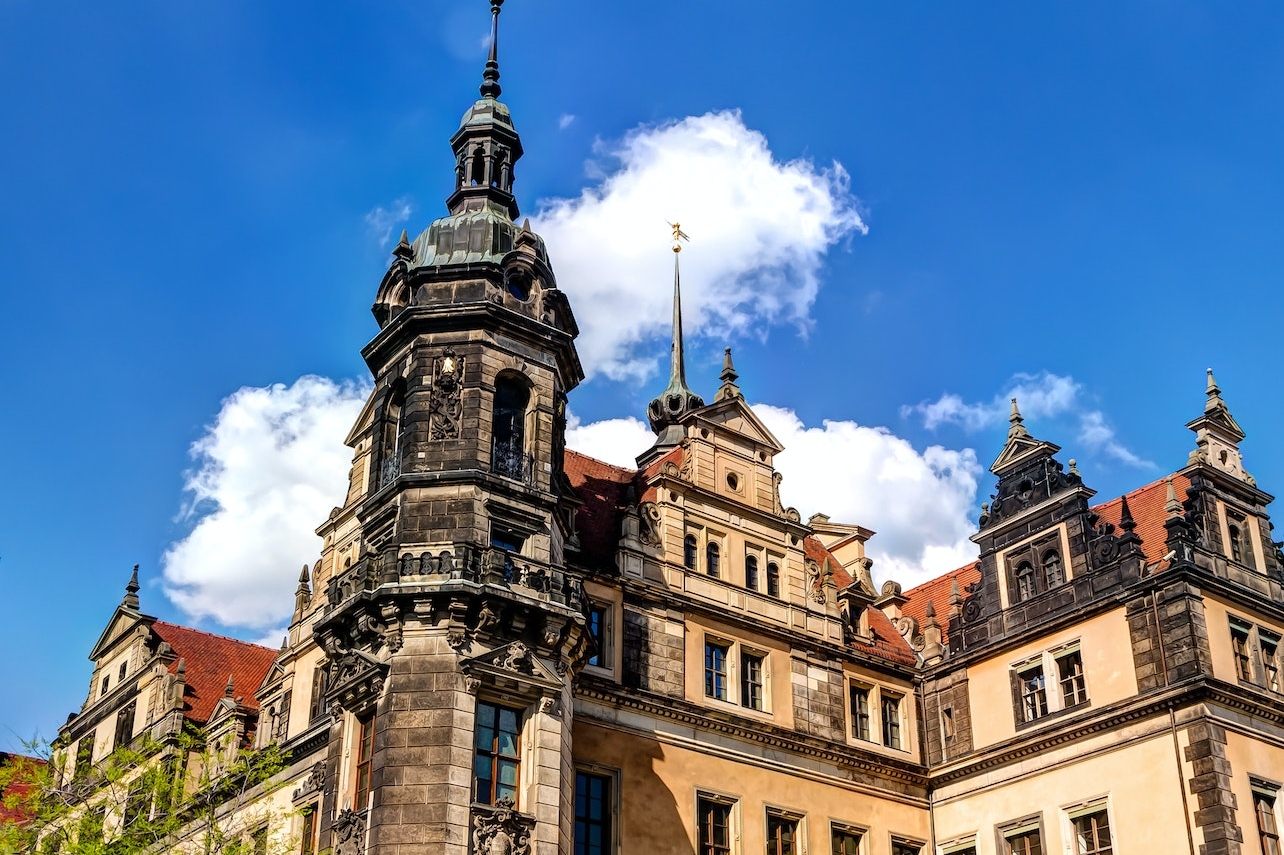
The magnificent Residenzschloss is our final stop on the tour and here we examine how Dresden went from being a small, largely insignificant city to one of the most important in the entire Holy Roman Empire. This royal residence was built to house the Electors and Kings of Saxony, and we will learn about the incredible transformations this palace represents. Please note we will not be entering the building and its museums, but participants are free to do so at their own leisure. Ticket prices can be found here: https://www.skd.museum/en/visit/royal-palace/
What's not included
Entrance to Dreikönigskirche (5 Euro to climb the tower)
Entrance to Residenzschloss (14 Euro entrance fee)
Entrance to Museum für Sächsische Volkskunst (5 Euro entrance fee)
Haus der Kirche - Dreikoenigskirche
Museum fur Sachsische Volkskunst mit Puppentheatersammlung
Available languages
Guide guide
EN
Reviews breakdown
Viator
5.0
33 reviews
5★
32
4★
1
3★
0
2★
0
1★
0
Tripadvisor
4.9
37 reviews
5★
36
4★
0
3★
1
2★
0
1★
0
Important information
Wheelchair accessible
Infants and small children can ride in a pram or stroller
Service animals allowed
Public transportation options are available nearby
Transportation options are wheelchair accessible
All areas and surfaces are wheelchair accessible
Suitable for all physical fitness levels
Infants must be carried by adults
Meeting point
Please meet at the large golden statue of August the Strong riding his stallion, you can't miss it. It is an easy walk across the Augustus Bridge from Altstadt, or take one of the many trams that stop there.
About Dresden
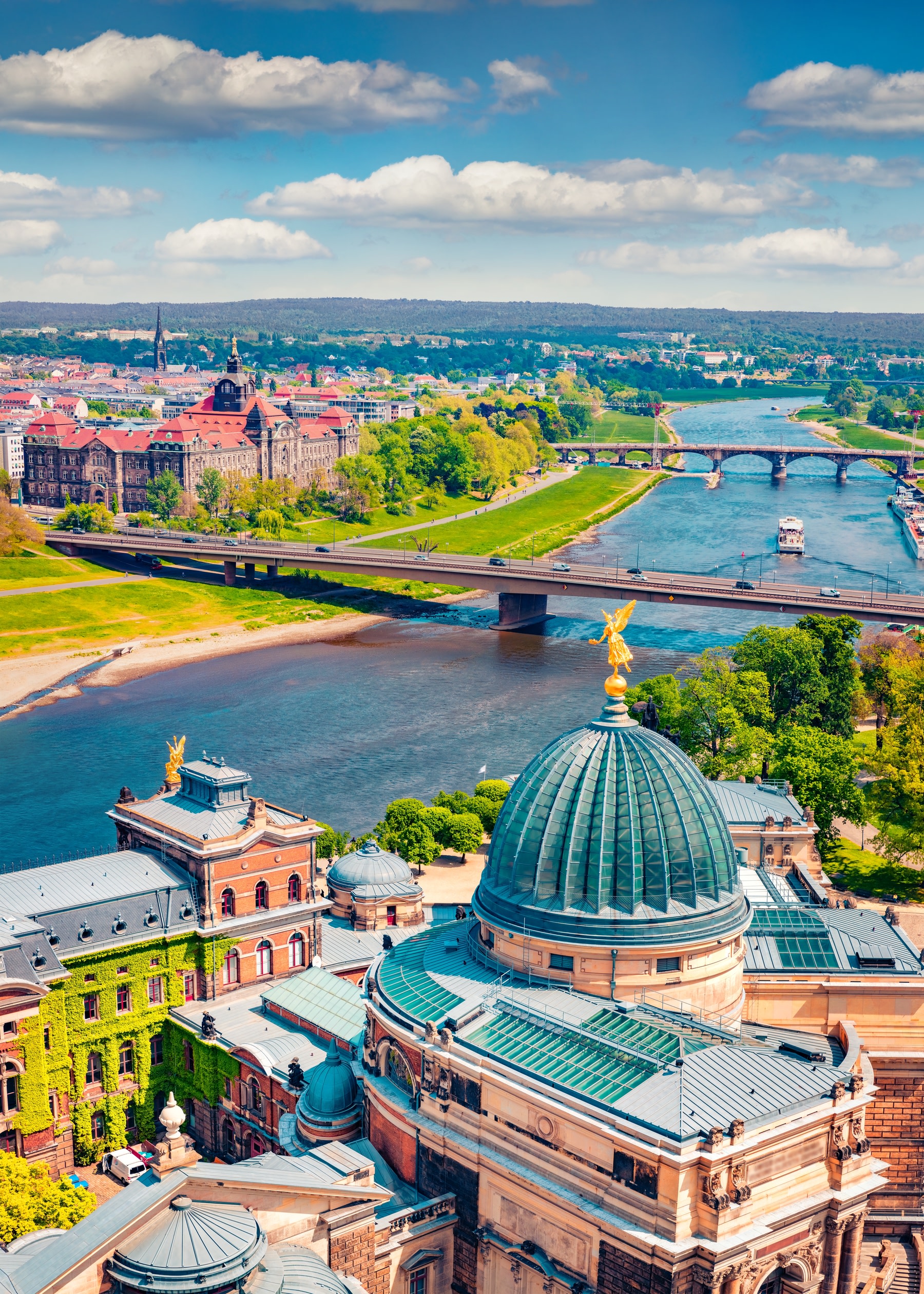
Dresden, the capital of Saxony, is renowned for its stunning architecture and rich cultural heritage. Known as the 'Florence of the Elbe' due to its baroque and rococo architecture, the city offers a blend of historic charm and modern vibrancy along the Elbe River.
Top Attractions
Frauenkirche
The Frauenkirche is a stunning Baroque church that was rebuilt after being destroyed in World War II. It is a symbol of reconciliation and peace.
Historical/Architecture
1-2 hours
Free entry, donations welcome
Zwinger Palace
The Zwinger Palace is a beautiful Baroque complex that houses several museums, including the Old Masters Picture Gallery and the Porcelain Collection.
Historical/Architecture
2-3 hours
€12-€14 for museum entry
Semperoper
The Semperoper is one of the world's most famous opera houses, known for its stunning architecture and acclaimed performances.
Architecture/Cultural
1-2 hours for a tour, longer for a performance
Tours: €9, Performances: €20-€150
Dresden Castle (Residenzschloss)
Dresden Castle is a historic palace that houses several museums, including the Green Vault and the Armory.
Historical/Architecture
2-3 hours
€12-€14 for museum entry
Elbe River Cruise
An Elbe River cruise offers a unique perspective of Dresden's skyline and landmarks. Cruises are available in various durations and themes.
Nature/Entertainment
1-3 hours
€15-€50 depending on the cruise
Must-Try Local Dishes
Dresdner Eierschecke
A traditional layered cake made with eggs, quark, and cream, topped with a layer of baked cheese.
Dessert
Contains dairy and eggs, not suitable for vegans or those with lactose intolerance
Sächsische Klöße
Potato dumplings, often served with meat and gravy.
Side Dish
Can be made gluten-free, but typically contains potatoes and flour
Dresdner Sauerbraten
A pot roast marinated in vinegar and spices, often served with red cabbage and Klöße.
Main Course
Contains meat, not suitable for vegetarians or vegans
Dresdner Christstollen
A traditional fruit bread made with dried fruits, nuts, and spices, often dusted with powdered sugar.
Dessert
Contains dairy and nuts, not suitable for vegans or those with nut allergies
Popular Activities
Hiking in Saxon Switzerland
Rock climbing
Boat tours on the Elbe
Spas and wellness centers
Elbe River cruises
Walking tours
Museum visits
Opera and ballet performances
Best Time to Visit
May to September
This is the best time to visit Dresden, with pleasant weather and numerous outdoor festivals and events. The city is bustling with tourists, and all attractions are open.
15°C to 25°C
59°F to 77°F
Practical Information
Language
- Official: German
- Widely spoken: English, French, Russian
- English: Moderately spoken, widely spoken in tourist areas
Currency
Euro (EUR)
Time Zone
GMT+1 (Central European Time, CET), GMT+2 (Central European Summer Time, CEST) during daylight saving time
Electricity
230VV, 50HzHz
Safety Information
Overall Safety Rating: Generally safe
Dresden is generally a safe city with low crime rates. However, as with any tourist destination, it's important to be aware of your surroundings and take precautions to protect your belongings.
Important Precautions:
- • Keep valuables secure and out of sight
- • Be cautious of pickpockets in crowded areas
- • Use licensed taxis or ride-sharing services
Getting there
By air
- Dresden Airport • 9 km from city center
By train
Dresden Hauptbahnhof
By bus
Dresden Central Bus Station
Getting around
Public transport
The tram system is efficient and user-friendly, with frequent services and clear signage.
Taxis
Available • Apps: Taxi Dresden, mytaxi
Rentals
Car, Bike, Scooter
Neighborhoods
Innere Altstadt
Neustadt
Blasewitz
Loschwitz
Day trips
Saxon Switzerland National Park
30 km from Dresden • Full day
A stunning national park known for its unique rock formations, hiking trails, and scenic views.
Meissen
25 km from Dresden • Half day to full day
A historic town known for its porcelain production and beautiful architecture.
Pillnitz Castle and Park
8 km from Dresden • Half day
A beautiful castle and park located along the Elbe River, offering stunning views and historic architecture.
Festivals
Dresden Music Festival • May to June
Dresden Christmas Market • Late November to December 24th
Dresden Opera Ball • Late January
Pro tips
- Visit the historic centers early in the morning or late in the afternoon to avoid crowds
- Take a guided tour of the Green Vault to learn about the fascinating history of the collection
- Explore the neighborhoods beyond the historic center for a more local experience
- Try the local specialties, such as Dresdner Eierschecke and Saxon Sauerbraten
- Attend a performance at the Semperoper for a unique cultural experience
From $25
per person
Price varies by option
Secure booking
Free cancellation available
Instant confirmation