Private Akita Samurai and History Tour by Car
Active
8h
For a full refund, cancel at least 24 hours before the scheduled departure time.
Instant_then_manual confirmation
Mobile or paper ticket accepted
About this experience
This tour offers a well-balanced journey through Akita’s nature, history, and culture, following an itinerary actually experienced by travelers.
Departing from Akita Port, enjoy a scenic drive through the countryside with a short break at Michi-no-Eki Kyowa before heading to Katamae-yama Observatory for sweeping rural views. Visit the mystical Lake Tazawa and the golden Tatsuko statue, then stroll through Kakunodate’s preserved samurai district to explore the Ishiguro and Aoyagi residences.
Savor a local lunch featuring Hinai chicken and Inaniwa udon, shop for traditional miso and soy sauce at Ando Jozo brewery, and discover Akita’s festival culture at the Neburi Nagashi-kan Museum.
End your day with a relaxing walk in Senshu Park, once home to Akita Castle, before returning to the port.
The schedule is a little tight but provides a great overview of Akita’s beauty in one day. If you prefer a slower pace or wish to visit other places, the tour can be customized to your interests.
Available options
Private Akita Samurai and History Tour by Car
Pickup included
6hours Akita City Tour
Akita City Tour: We will explore Akita City instead of going to the Kakunodate area.<br/>Duration: 6 hours: This option is recommended for those who wish to explore Akita City at a more relaxed pace.<br/>Pickup included
What's included
Private Car or Bus
Admission Fee
Port or Hotel Pickup
English Speaking Guide
Detailed itinerary
1
Your guide will meet you at Akita Port to begin your full-day journey through Akita’s scenic and cultural highlights.
2
Take a short break at this charming roadside station surrounded by fields and mountains, and enjoy local snacks or seasonal produce.
3
Admire panoramic views of Akita’s rural landscape from this peaceful hilltop observatory surrounded by lush forest.
4
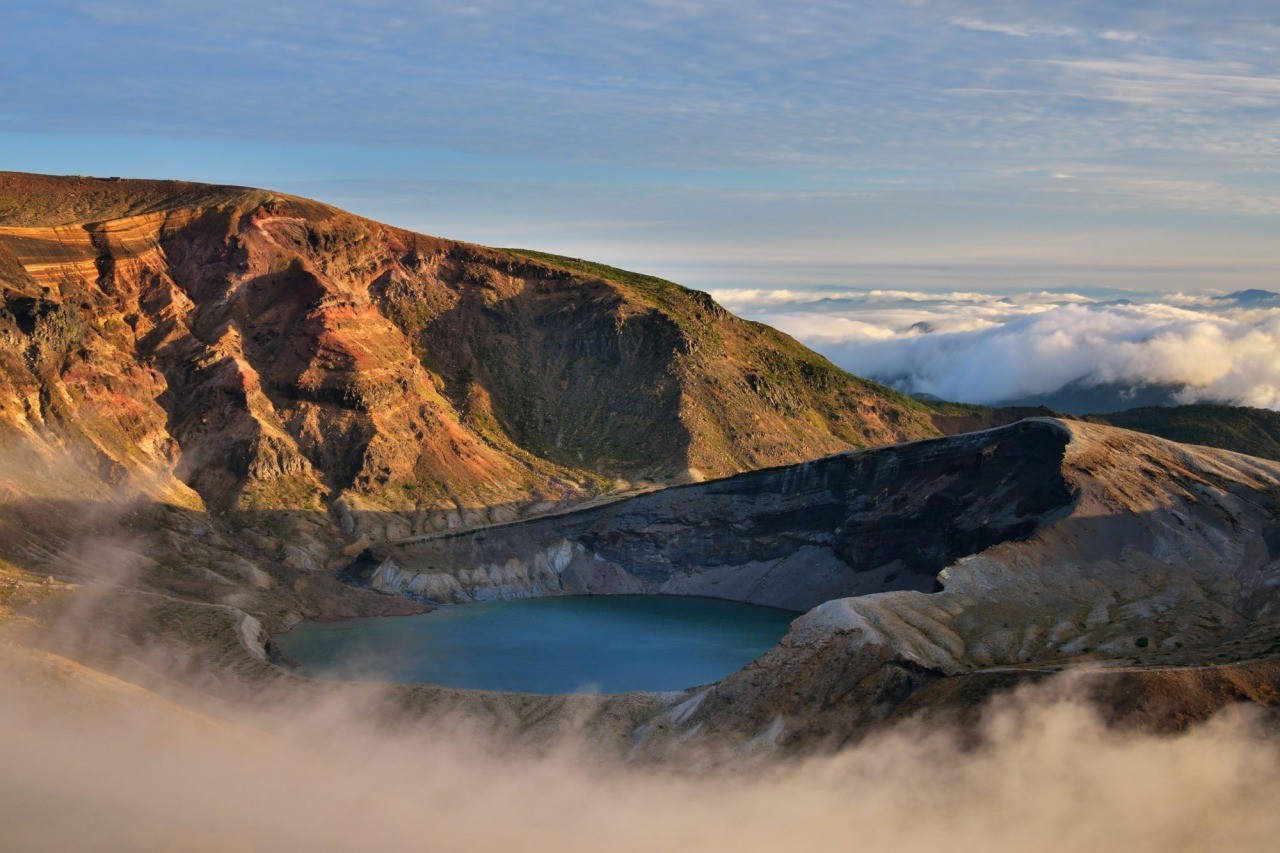
Visit Japan’s deepest lake and see the golden statue of Tatsuko, a legendary maiden said to have turned into a dragon.
5
Kakunodate's Buke Yashiki Street is a beautiful townscape that retains the atmosphere of the Edo period. Lined with samurai residences surrounded by blackboard fences, some of which can be toured inside. Walking along the cobblestone streets, you can enjoy the quiet and dignified scenery that lets you feel the breath of history.
6
The Ishiguro House is the oldest samurai residence in Kakunodate, and the current main house was built in the mid-Edo period. The descendants still live in the house, and a part of it is open to the public. The simple and sturdy architectural style and valuable furnishings offer a glimpse into the lifestyle of a high-ranking samurai. One of the highlights of the house is that the entrance hall is divided for use by different statuses, giving visitors a sense of the strict discipline of the samurai society of the time.
7
Kakunodate Historical Village, Aoyanagi House is a samurai residence with a history of about 400 years, and has a main house, an armory, and six museums in its vast grounds. The house exhibits swords, armor, Akita Dutch paintings, and other valuable items, giving visitors a sense of the life of the samurai in the Edo period. In particular, the sliding door painting “Tiger” by the painter Kyusatsu Tsuji is very powerful and worth seeing. At the “Haikara-kan” on the premises, visitors can taste Nanban-cha (coffee) brewed with Shinmei-sui, and enjoy an elegant time together with history.
8
Ando Jyozo is a long-established brewery established in 1853, and its miso and soy sauce made using traditional methods are very appealing. The aroma of soy sauce and miso made in wooden vats wafts through the air in the store, and visitors can enjoy tasting and sampling the products. The popular “nama shoyu” (soy sauce), in particular, is additive-free and unheated, so you can enjoy the original flavor of soy sauce. The atmospheric storefront and a tour of the brewery, lined with miso barrels, are also highlights of the tour, allowing visitors to get a close look at Kakunodate's food culture and craftsmanship.
Inside the brick storehouse, which is the symbol of the main storehouse, there is a storehouse tatami room, which played an important role for weddings and funerals.
The brick storehouse is the oldest in the Tohoku region and is registered as a tangible cultural property of the city.
9
The Neburi Nagashi Museum(Akita city folk arts center) is a museum that introduces the traditional culture and folk arts of Akita City. Inside the museum, visitors can see up close the actual Kanto lanterns used in the Akita Kanto Festival, one of the three major festivals in the Tohoku region, and there is also a corner where visitors can actually experience the festival. There are also exhibits showing traditional Akita crafts and the way people used to live in Akita, and visitors can experience Akita culture through Namahage costumes and folk tools. This is a valuable spot where visitors can feel the history and the power of the festival.
10
Senshu Park is a historic park developed on the ruins of Kubota Castle, the residence of the Satake clan of the Kubota domain. The beautiful moat and stonewalls in the park are reminiscent of the old days. The restored Osumi Tower and front gate are located in the park, and visitors can enjoy a walk while feeling the history of the area. The seasonal scenery is also attractive, and the Japanese garden with its lush greenery and ponds is a particularly relaxing place to visit.
11
After a day filled with nature, history, and culture, return comfortably to Akita Port.
What's not included
apx. 15-20 USD per person
Personal Expences
Available languages
Guide guide
EN
Important information
Infants and small children can ride in a pram or stroller
Specialized infant seats are available
Travelers should have at least a moderate level of physical fitness
The itinerary might be changed due to weather condition or other reasons.
We can accommodate dietary restrictions such as vegetarian, vegan, gluten-free, etc. If you have dietary requirements. Please indicate it to the special requirements at the time of booking.
Important notes
Please show the ticket to the guide when you meet.
About Akita Prefecture
Akita Prefecture, located in the northern part of Japan's main island Honshu, is known for its rich natural beauty, hot springs, and traditional festivals. The region offers a blend of rural charm and modern attractions, making it a unique destination for travelers seeking both relaxation and cultural experiences.
Top Attractions
Kakunodate
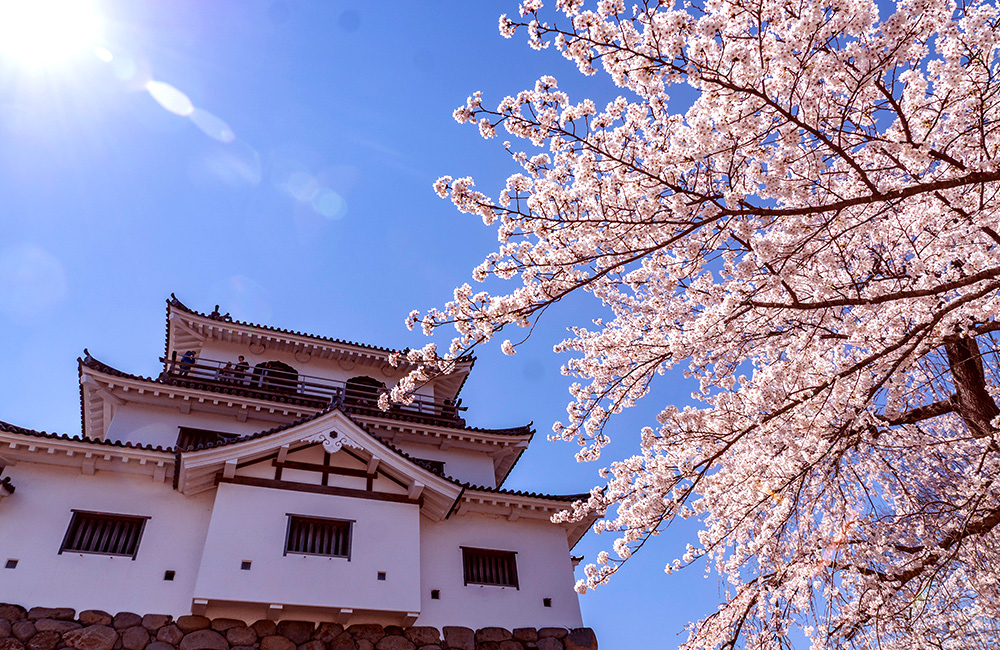
Kakunodate is a well-preserved samurai district known for its traditional houses and beautiful cherry blossoms. It offers a glimpse into the Edo period.
Historical
Half day
Free to explore, some houses may charge an entry fee
Tazawako
Lake Tazawa is the deepest lake in Japan and offers stunning views, especially during autumn. It's a popular spot for hiking and water activities.
Nature
Half day to full day
Free to explore, some activities may have fees
Akita Museum of Art
This museum showcases the works of local artist Toshi Koshiba and other contemporary artists. It's a must-visit for art enthusiasts.
Museum
1-2 hours
¥500 - ¥1,000
Must-Try Local Dishes
Kiritanpo
Pounded rice skewers grilled over an open flame, often served with hot pot or miso soup.
Dinner
Contains gluten
Inakayaki
Small, round dumplings filled with minced meat and vegetables, grilled over an open flame.
Snack
Contains gluten and meat
Akita Sake
High-quality sake produced in Akita, known for its smooth and refined taste.
Drink
Contains alcohol
Popular Activities
Hiking
Mountain biking
Onsen (hot spring) visits
Temple stays
Samurai district tours
Traditional craft workshops
Boat tours on Lake Tazawa
Fishing
Best Time to Visit
September to November
Autumn is the best time to visit Akita for its pleasant weather and stunning fall foliage. It's also a great time for outdoor activities and cultural festivals.
10°C to 20°C
50°F to 68°F
Practical Information
Language
- Official: Japanese
- Widely spoken: English (limited)
- English: Limited
Currency
Japanese Yen (JPY)
Time Zone
GMT+9
Electricity
100VV, 50/60HzHz
Safety Information
Overall Safety Rating: Generally safe
Akita is generally safe for travelers, with low crime rates and a peaceful atmosphere. However, as with any destination, it's important to stay aware of your surroundings and take precautions.
Important Precautions:
- • Keep valuables secure
- • Be cautious when using ATMs
- • Avoid walking alone at night in isolated areas
Getting there
By air
- Akita Airport • 14 km from Akita City
By train
Akita Station
By bus
Akita Station Bus Terminal
Getting around
Public transport
Buses are the primary mode of public transport in Akita. They are reliable and cover most areas of the city.
Taxis
Available • Apps:
Rentals
Car, Bike, Scooter
Neighborhoods
Akita City
Kakunodate
Tazawako
Day trips
Nyuto Onsen
60 km from Akita City • Full day
A collection of traditional hot spring inns nestled in the mountains, offering a relaxing and rejuvenating experience.
Oga Peninsula
70 km from Akita City • Full day
A scenic peninsula known for its rugged coastline, lighthouses, and traditional fishing villages.
Festivals
Namahage Festival • February 2nd
Akita Kanto Festival • August 3rd to 6th
Pro tips
- Visit during the autumn for stunning fall foliage and pleasant weather
- Try local specialties like kiritanpo and inakayaki for an authentic culinary experience
- Stay in a traditional ryokan for a unique cultural experience
- Explore the rural areas for a glimpse of traditional Japanese life
- Be prepared for winter conditions if traveling during the snowy season
From $25
per person
Price varies by option
Secure booking
Free cancellation available


![[Tohoku, Japan | Akita Private Car Tour] Akita City & Lake Tazawa/Kashima/Kakunodate/Dakigaeri Gorge | Customizable Itinerary](https://res.klook.com/image/upload/activities/zm2dt7batadqyujferwr.jpg)