Samurai Food Walk in Kakunodate
Active
2h
For a full refund, cancel at least 24 hours before the scheduled departure time.
Instant confirmation
Mobile or paper ticket accepted
About this experience
This is a guided culinary tour through the unique cultural and undiscovered sights of Kakunodate in Akita Prefecture. The tour will take you to places such as Japanese sweets stores, sake shops with different sake tastings, miso and soy sauce brewery, the one and only Samurai Street, and much more!
Available options
Samurai Food Walk in Kakunodate
What's included
Umbrellas and boots for rainy days are available for rent.
It includes dumplings from a local Japanese sweets shop that has been in business for 100 years. Also included is one locally loved street food stall.
Entrance Fee of Samurai House
Insurance
Includes a three-drink comparison at a local liquor store.
Detailed itinerary
1
We will visit a local sake shop, green grocery, Japanese sweet shop, local snack, and many more in the town!
All the places we visit has its own uniqueness and we will explain all the fun facts about it!
2
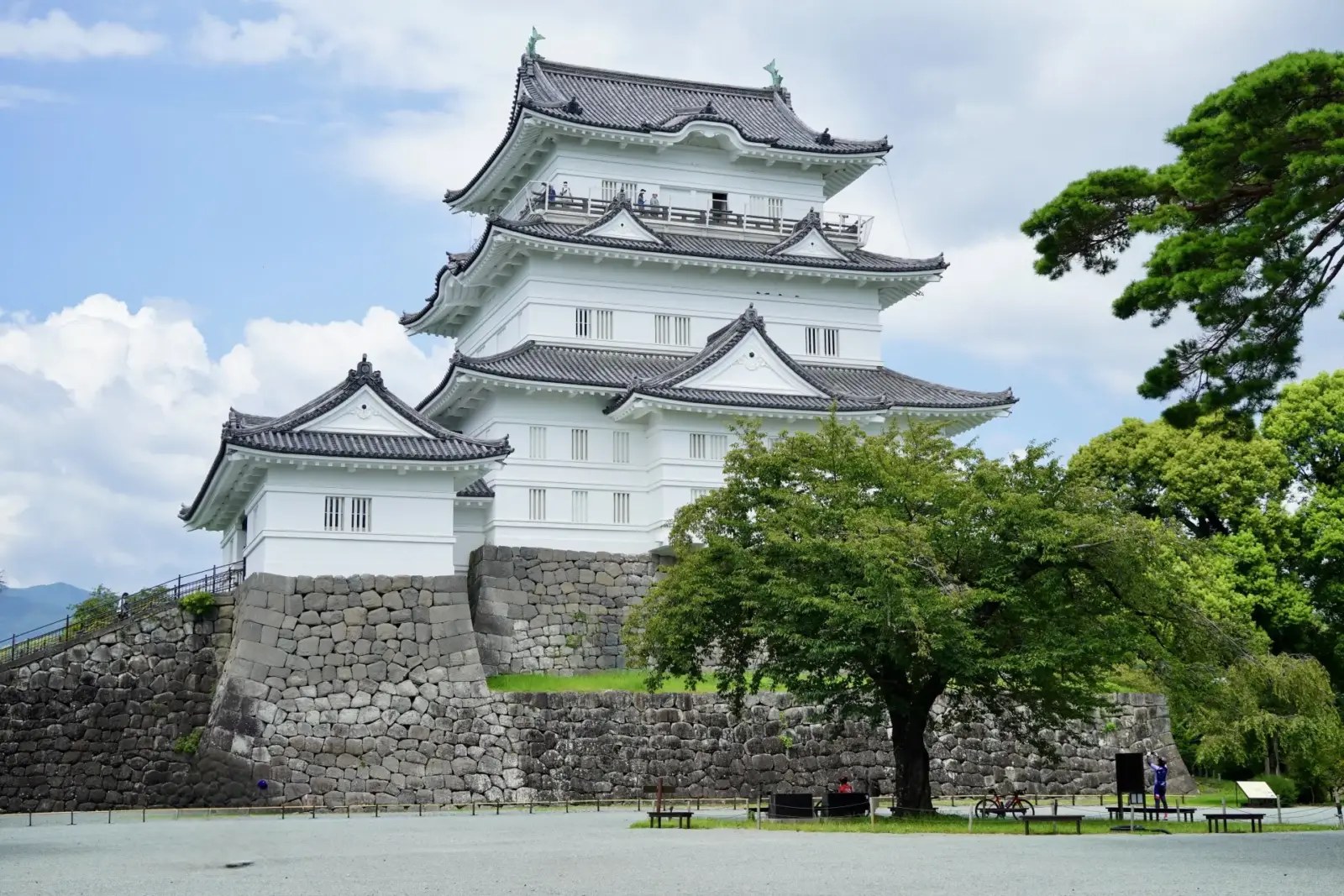
Kakunodate, a castle town that flourished in the Edo period, is called "Michinoku's Little Kyoto." In a compact area with a radius of about 2 km, many samurai residences and other old buildings still exist, making it a popular tourist spot visited by many Japanese and foreign tourists alike, who come to enjoy the elegant townscape. The main street of the samurai residences has been designated as a National Important Preservation District for Groups of Traditional Buildings and is protected as a cultural asset.
This tour explores the houses of lower and upper-class warriors and includes an entrance into the actual samurai residences. The history of the Samurai, which continues to the present day, will be explained in a fun and informative way.
3
Akita Prefecture is well known for the rich collection of Japanese sake. Here at Fujita, you will be able to try 3 different types of Japanese sake through the sake tasting experience. Fujita has various Japanese sake brands originating from Akita Prefecture that can only be bought in the region. They also sell local beer that can be bought as souvenirs along with the sake bottles.
4
Kakunodate is divided into an inner town with samurai residences and an outer town with rows of merchant houses. Ando Brewery is located in the outer town. Since the end of World War II, Ando Brewery has specialized in the production of miso, soy sauce, and pickles, and has continued to preserve the traditional flavors that have been handed down from generation to generation. The main store was rebuilt in 1883 and retains its original appearance.
On this tour, you will enjoy a tasting of miso and pickles and a taste comparison of three different types of soy sauce. You can choose from soy sauce ice cream or miso macaron, a specialty produced here in Ando Brewery.
5
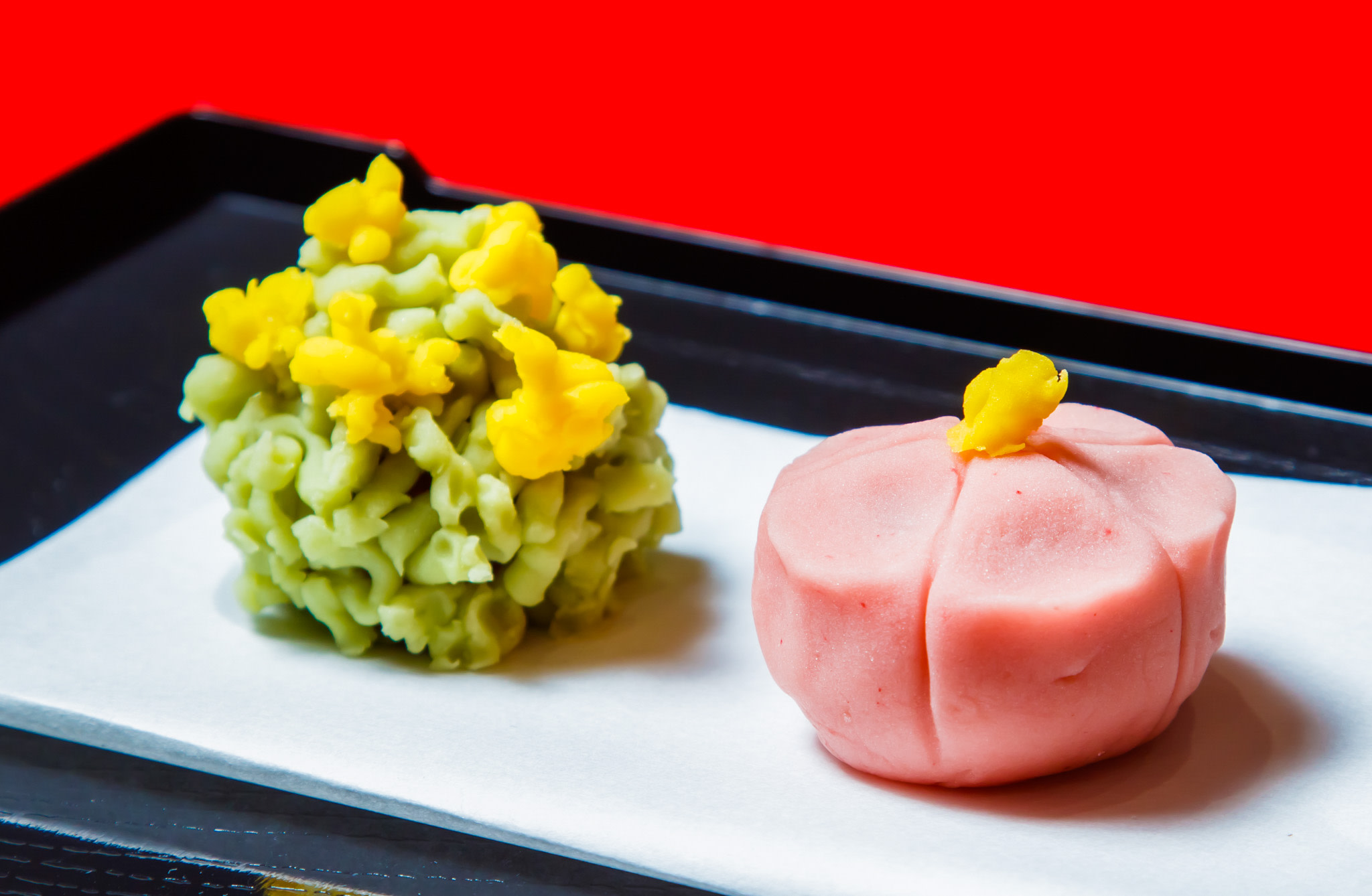
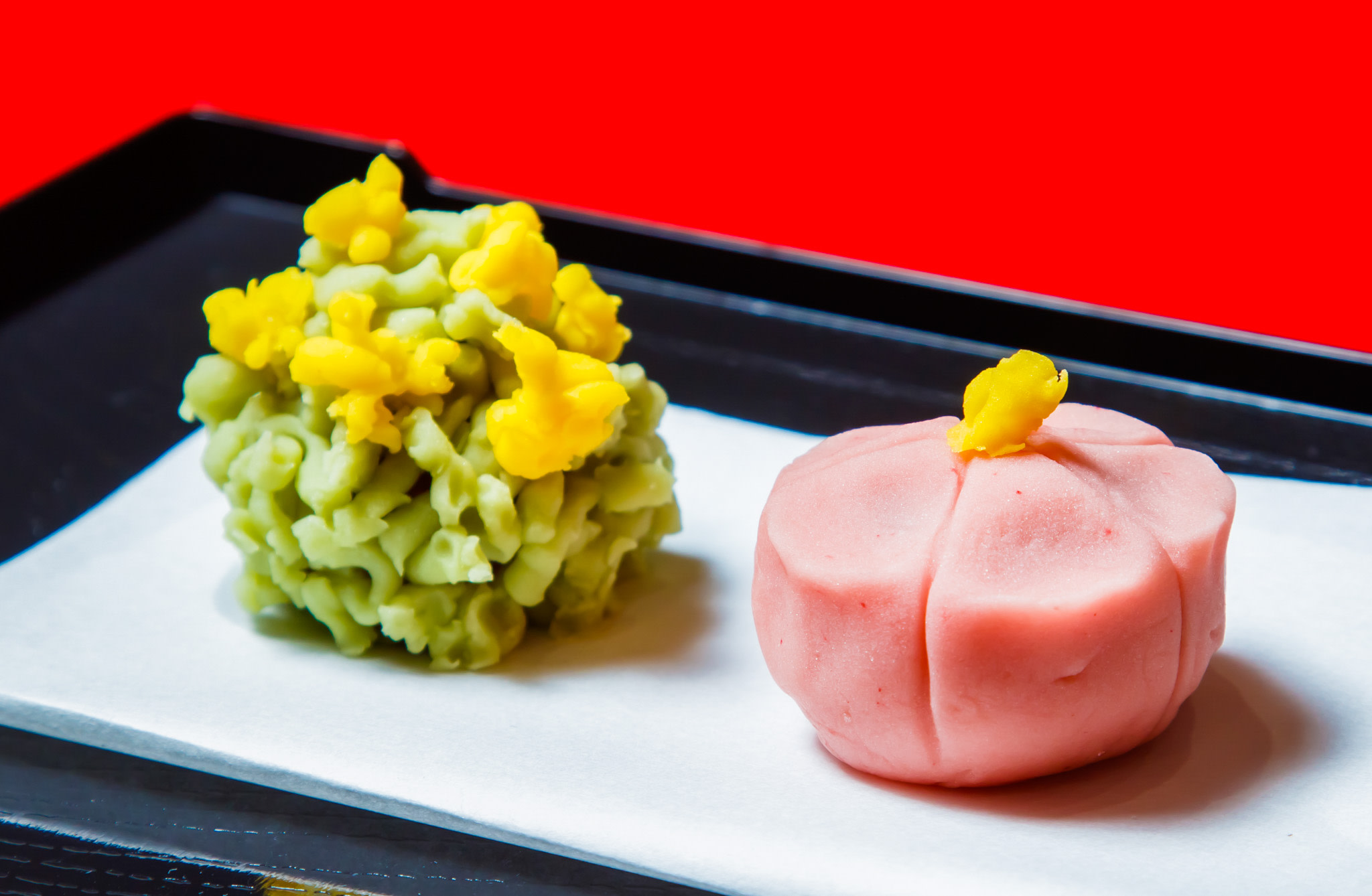
In the back street of Samurai street lies Fukushindo, a traditional Japanese sweet shop running for more than 140 years. You can try manju, dorayaki and other mochi sweets that are the local’s favorite.
6
A mid-level samurai family, the Iwahashi family (middle class samurais) were chief retainers of the Ashina clan, the rulers of Kakunodate from 1603 until 1653. After the Ashina clan ceased to exist, the Iwahashi family served the North Satake clan, who ruled Kakunodate from the 1650s until the feudal domain system was abolished in 1871.
The Iwahashi manor house, was remodeled in the late Edo period. The roof was originally thatched, but was changed to its current shingled style during a subsequent remodeling.
7
Across the street from Aoyagi Samurai Manor, the Samurai Street Teahouse offers Akita local dishes and sweets. You will be able to try the kiritanpo, an Akita classic that is usually only made at home.
8
Kaba-zaiku is a craft made from the bark of mountain cherry trees. During the Edo period (1603-1867), kabazaiku developed as a handcraft for low-ranked samurai, who, like the samurai, made inro, eyeglass cases, netsuke, and oshime, with an uncompromising one-of-a-kind style. The unique technique used to produce the unique luster of mountain cherry bark, with its austere and deep colors, is widely used as a daily material.
This will be the final stop of the tour.
What's not included
Private transportation
Available languages
Guide guide
EN
Reviews breakdown
Viator
5.0
3 reviews
5★
3
4★
0
3★
0
2★
0
1★
0
Tripadvisor
4.9
7 reviews
5★
6
4★
1
3★
0
2★
0
1★
0
Important information
Infants and small children can ride in a pram or stroller
Public transportation options are available nearby
Not recommended for travelers with spinal injuries
Not recommended for travelers with poor cardiovascular health
Suitable for all physical fitness levels
Meeting point
The front of the building has a cedar wood structure and a sign that reads ORENCHI. There is also a poster for the Samurai Food Walk.
About Akita Prefecture
Akita Prefecture, located in the northern part of Japan's main island Honshu, is known for its rich natural beauty, hot springs, and traditional festivals. The region offers a blend of rural charm and modern attractions, making it a unique destination for travelers seeking both relaxation and cultural experiences.
Top Attractions
Kakunodate
Kakunodate is a well-preserved samurai district known for its traditional houses and beautiful cherry blossoms. It offers a glimpse into the Edo period.
Historical
Half day
Free to explore, some houses may charge an entry fee
Tazawako
Lake Tazawa is the deepest lake in Japan and offers stunning views, especially during autumn. It's a popular spot for hiking and water activities.
Nature
Half day to full day
Free to explore, some activities may have fees
Akita Museum of Art
This museum showcases the works of local artist Toshi Koshiba and other contemporary artists. It's a must-visit for art enthusiasts.
Museum
1-2 hours
¥500 - ¥1,000
Must-Try Local Dishes
Kiritanpo
Pounded rice skewers grilled over an open flame, often served with hot pot or miso soup.
Dinner
Contains gluten
Inakayaki
Small, round dumplings filled with minced meat and vegetables, grilled over an open flame.
Snack
Contains gluten and meat
Akita Sake
High-quality sake produced in Akita, known for its smooth and refined taste.
Drink
Contains alcohol
Popular Activities
Hiking
Mountain biking
Onsen (hot spring) visits
Temple stays
Samurai district tours
Traditional craft workshops
Boat tours on Lake Tazawa
Fishing
Best Time to Visit
September to November
Autumn is the best time to visit Akita for its pleasant weather and stunning fall foliage. It's also a great time for outdoor activities and cultural festivals.
10°C to 20°C
50°F to 68°F
Practical Information
Language
- Official: Japanese
- Widely spoken: English (limited)
- English: Limited
Currency
Japanese Yen (JPY)
Time Zone
GMT+9
Electricity
100VV, 50/60HzHz
Safety Information
Overall Safety Rating: Generally safe
Akita is generally safe for travelers, with low crime rates and a peaceful atmosphere. However, as with any destination, it's important to stay aware of your surroundings and take precautions.
Important Precautions:
- • Keep valuables secure
- • Be cautious when using ATMs
- • Avoid walking alone at night in isolated areas
Getting there
By air
- Akita Airport • 14 km from Akita City
By train
Akita Station
By bus
Akita Station Bus Terminal
Getting around
Public transport
Buses are the primary mode of public transport in Akita. They are reliable and cover most areas of the city.
Taxis
Available • Apps:
Rentals
Car, Bike, Scooter
Neighborhoods
Akita City
Kakunodate
Tazawako
Day trips
Nyuto Onsen
60 km from Akita City • Full day
A collection of traditional hot spring inns nestled in the mountains, offering a relaxing and rejuvenating experience.
Oga Peninsula
70 km from Akita City • Full day
A scenic peninsula known for its rugged coastline, lighthouses, and traditional fishing villages.
Festivals
Namahage Festival • February 2nd
Akita Kanto Festival • August 3rd to 6th
Pro tips
- Visit during the autumn for stunning fall foliage and pleasant weather
- Try local specialties like kiritanpo and inakayaki for an authentic culinary experience
- Stay in a traditional ryokan for a unique cultural experience
- Explore the rural areas for a glimpse of traditional Japanese life
- Be prepared for winter conditions if traveling during the snowy season
From $25
per person
Price varies by option
Secure booking
Free cancellation available
Instant confirmation