Private Tour to Evora and Merida - World Heritage City of the Roman Empire
Active
10h
For a full refund, cancel at least 24 hours before the scheduled departure time.
Instant confirmation
Mobile or paper ticket accepted
About this experience
Enjoy visiting Merida, capital of the Extremadura region of western Spain, was founded by the Romans in the first century BC. Visit Mérida's UNESCO-listed archaeological sites bring to life the fascinating world of classical antiquity. Mérida is home to some of the best-preserved Roman ruins in Spain. The town of Emérita Augusta was founded in 25 BC under the rule of Emperor Augustus, when Rome was expanding its empire, and soon became the largest Roman outpost in Iberia and the capital of the Lusitania province. The legacy of this rich past is seen in Mérida's abundance of ancient monuments, including the Roman Theater, the Portico del Foro, the Temple of Diana, Casa del Mitreo, and an impressively well-preserved 2000-year-old aqueduct. The city was capital of the Roman province of Lusitania. Your Private tour also includes a free and flexible pick-up (8:00am)/drop-off (6:30pm) from your located accommodations, driver/guide.
Available options
Private Tour to Evora and Merida - World Heritage City of the Roman Empire
Pickup included
What's included
Private tour
All taxes, fees and handling charges
Driver/guide
Transport by air-conditioned minivan
Hotel/port pickup and drop-off
Detailed itinerary
1
Badajoz, a fortress dedicated to art - The Arab Alcazaba, or fortress, presides the ancient defensive system of bastions and city walls. Many of these fortified spaces have been restored and are now places dedicated to culture. The MEIAC, the Archaeological Museum and the Carnival Museum are a few examples.
2
National Museum of Roman Art - Museum of Roman mosaics, sculptures and artifacts taken from the nearby theater and amphitheater.
3
The Roman Theater of Merida was built by the consul Marco Vipsanius Agrippa and possibly opened between 16-15 AD
4
The Temple of Diana is a Roman temple built until the late 1st century BC at Emerita Augusta, which would later become the capital of the Roman province of Lusitania, present-day Merida
5
The Roman circus of Mérida is the Roman circus that was built in the Roman colony of Emerita Augusta, founded in 25 BC by Augustus, for the licensed Roman Army soldiers of two veteran legions of the Cantabrian Wars: Legio V Alaudae and Legio X Gemina. The city was capital of the Roman province of Lusitania.
6
The Acueducto de los Milagros are the ruins of a Roman aqueduct bridge, part of the aqueduct built to supply water to the Roman colony of Augusta Emerita, today's Mérida, Spain
7
In a way to Merida visit Evora a delightful Portuguese town that was originally founded by the Romans, later fortified by the Moors and flourished during the 15th century. This extensive history has provided Evora with a variety of interesting tourist attractions and historical monuments like:Thebeautiful preserved Roman Diana Temple, Evora castle, Praça do Giraldo 16th century Gothic architecture and the bone chapel the most ghoulish sight of Portugal and thus one of the most memorable monuments of Evora.
What's not included
Gratuities
Available languages
Audio guide
DE
PT
EN
FR
ES
Guide guide
DE
PT
EN
FR
ES
Written guide
DE
PT
EN
FR
ES
Reviews breakdown
Viator
5.0
1 reviews
5★
1
4★
0
3★
0
2★
0
1★
0
Tripadvisor
5.0
2 reviews
5★
2
4★
0
3★
0
2★
0
1★
0
Important information
Public transportation options are available nearby
Specialized infant seats are available
Suitable for all physical fitness levels
Children must be accompanied by an adult
Please indicate the address for the pick-up
Coronavirus Safety Measures - The safety and well-being of everyone who uses our services are always our priority. We are actively monitoring the coronavirus (COVID-19) situation and are taking steps to help keep our customers safe.
We’re certified by the Official Tourism entity ‘Turismo de Portugal’ with the hygiene certification stamp ‘Clean & Safe’.
For our safety, we operate only private tour and pick-up/drop-off all passengers. We clean and disinfect our vehicles every tour and we provide hand sanitizer and masks to our customers.
Our guides are experienced professionals, courteous and drive defensive and safety with only one objective to ensure your safety and satisfaction.
About Lisbon
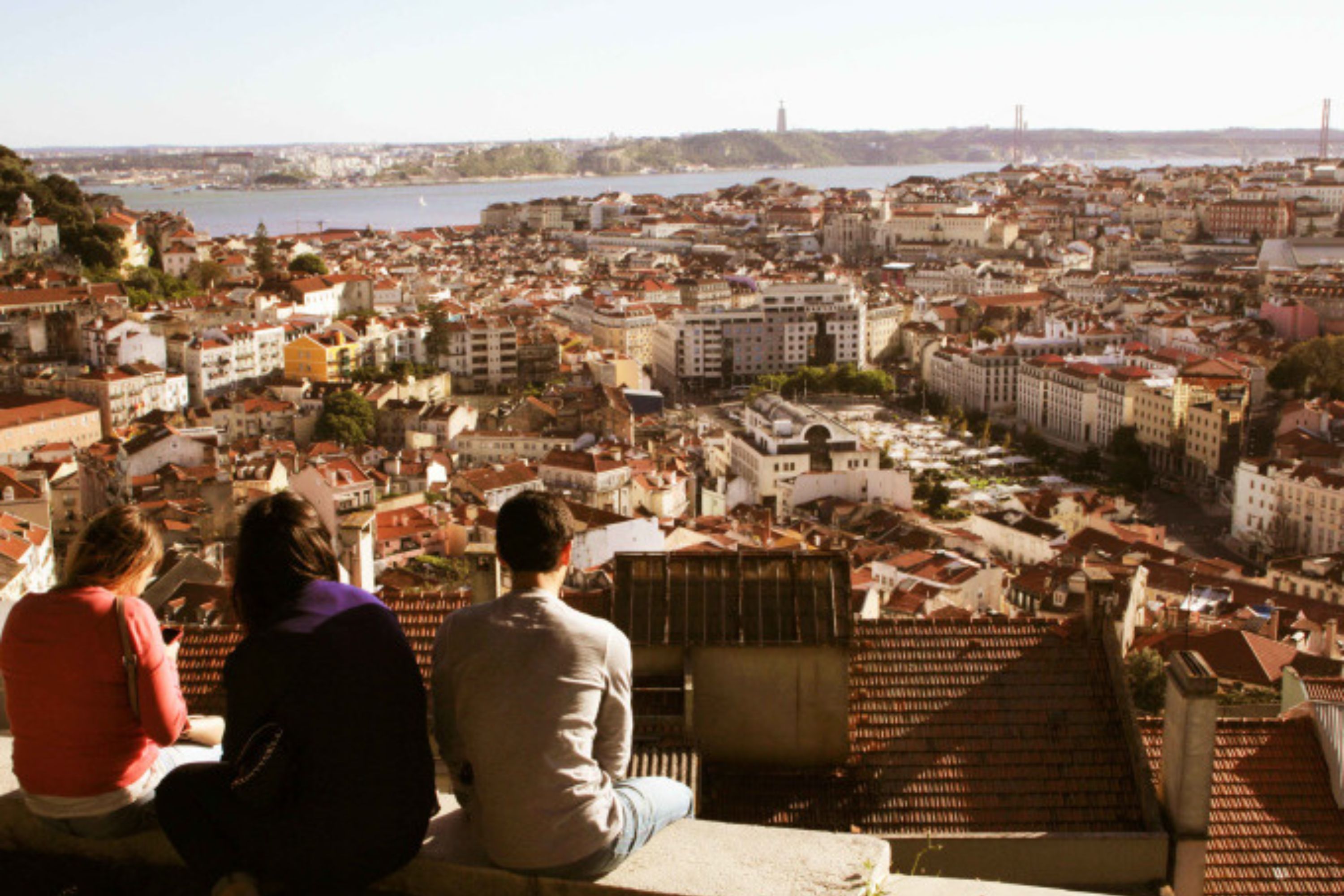
Lisbon, the capital of Portugal, is a vibrant city known for its rich history, stunning architecture, and warm climate. With its charming streets, historic trams, and breathtaking viewpoints, Lisbon offers a unique blend of old-world charm and modern energy.
Top Attractions
Belém Tower
A UNESCO World Heritage Site, this 16th-century tower is an iconic symbol of Lisbon's Age of Discoveries.
Historical
1-2 hours
€6
Alfama District
Lisbon's oldest district, known for its narrow, winding streets, Fado music, and historic charm.
Historical
Half day
Free to explore, attractions may have entry fees
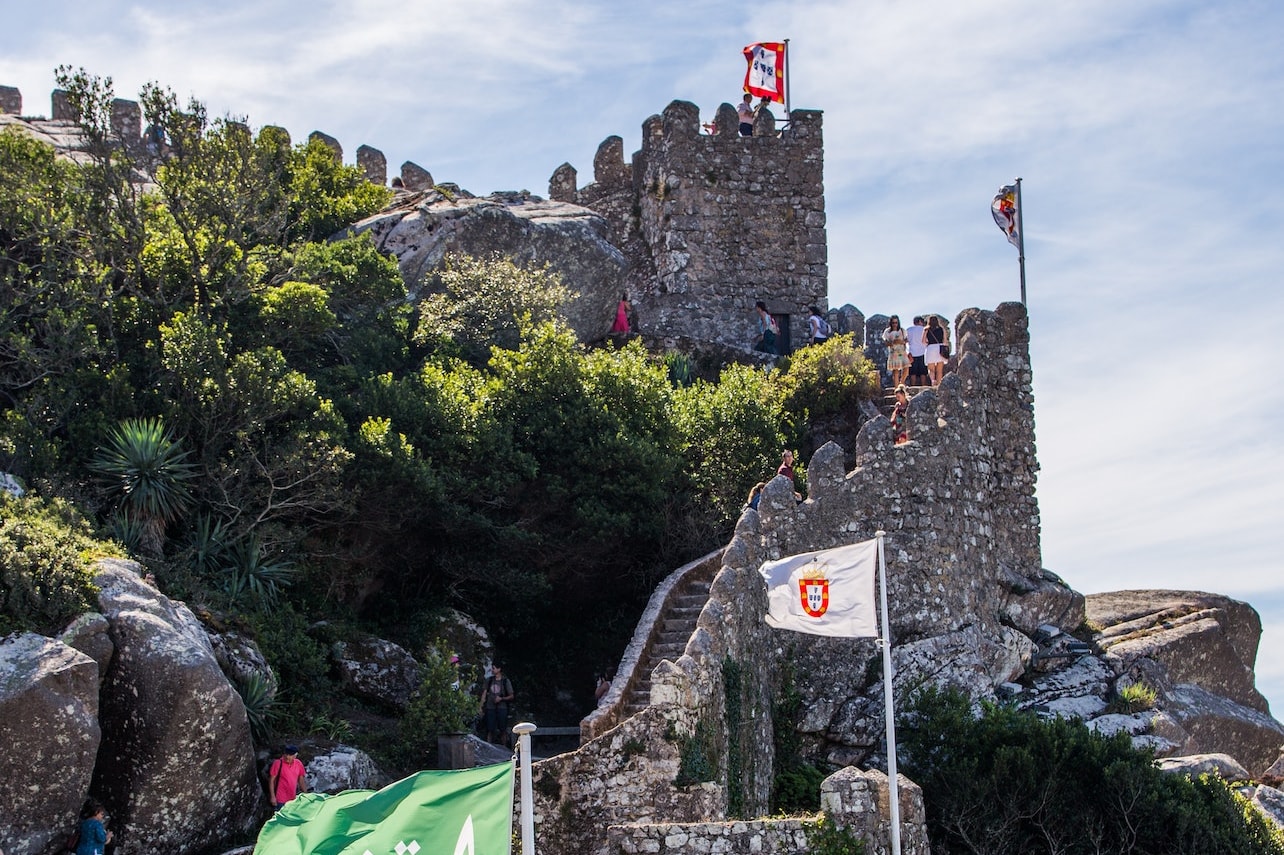
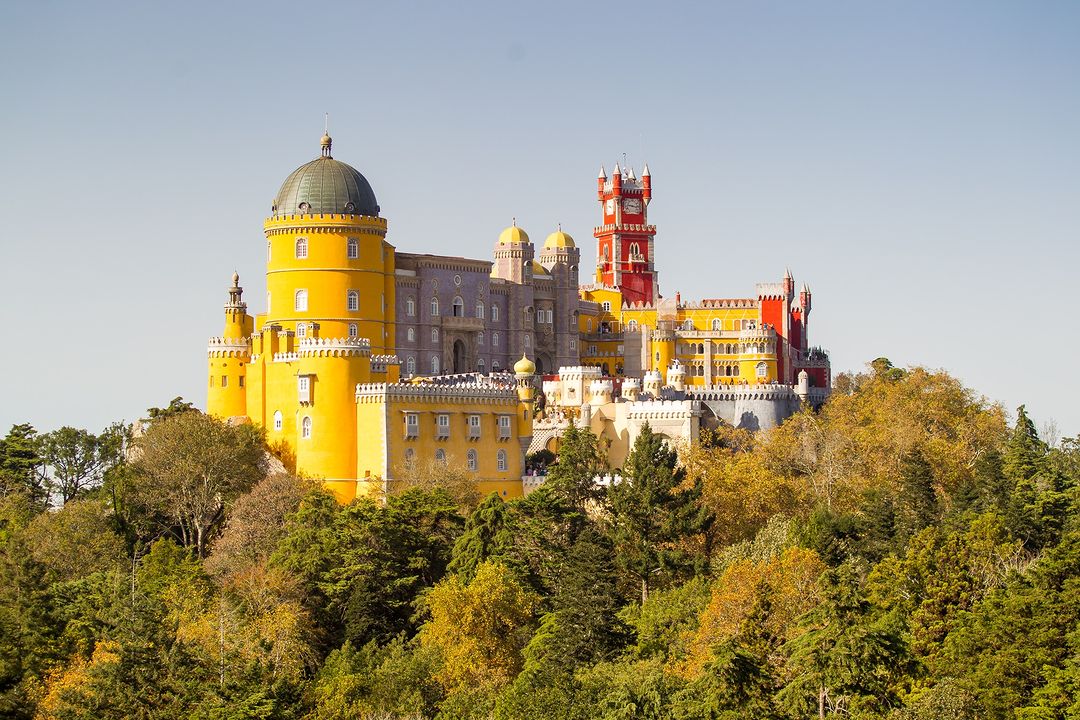
Sintra
A UNESCO World Heritage Site, Sintra is a romantic town with stunning palaces and castles.
Historical
Full day
Varies by attraction, around €10-€15 per site
Must-Try Local Dishes
Bacalhau à Brás
Shredded codfish with eggs, potatoes, and onions
Main Dish
Contains fish and eggs
Pastel de Nata
Custard tart with a flaky pastry crust
Dessert
Contains dairy and eggs
Francesinha
A sandwich with meat, cheese, and a beer-based sauce
Main Dish
Contains meat, cheese, and gluten
Popular Activities
Hiking in Sintra
Surfing in Ericeira
Parasailing in Cascais
Beach lounging in Costa da Caparica
Spa day in a luxury hotel
Picnic in Jardim da Estrela
Visiting museums and galleries
Attending Fado performances
Best Time to Visit
March to May, September to October
These months offer pleasant weather and fewer crowds, making it ideal for sightseeing and outdoor activities.
15-25°C
59-77°F
Practical Information
Language
- Official: Portuguese
- Widely spoken: English, Spanish, French
- English: Moderately spoken
Currency
Euro (EUR)
Time Zone
GMT+1 (Western European Time, WET)
Electricity
230VV, 50HzHz
Safety Information
Overall Safety Rating: Generally safe
Lisbon is generally safe, but pickpocketing and petty theft can occur in crowded areas.
Important Precautions:
- • Be cautious of pickpockets in crowded areas
- • Use licensed taxis or ride-sharing apps
- • Avoid walking alone at night in less crowded areas
Getting there
By air
- Humberto Delgado Airport • 7 km from city center
By train
Santa Apolónia, Oriente
By bus
Sete Rios, Jardim do Campo Grande, Gare do Oriente
Getting around
Public transport
Efficient and clean, with four lines connecting major attractions.
Taxis
Available • Apps: Bolt, FreeNow
Rentals
Car, Bike, Scooter
Neighborhoods
Alfama
Baixa
Bairro Alto
Day trips
Sintra
25 km from Lisbon • Full day
A romantic town with stunning palaces, castles, and lush gardens.
Cascais
30 km from Lisbon • Half day to full day
A charming coastal town with beautiful beaches, historic sites, and a relaxed atmosphere.
Óbidos
80 km from Lisbon • Full day
A medieval town with a well-preserved castle, narrow streets, and charming shops.
Festivals
Santos Populares • June 13th
Festival dos Oceanos • June to September
Arraial do Alfoz • June to September
Pro tips
- Visit the Time Out Market for a variety of local and international cuisines
- Take a day trip to Sintra and Cascais for a mix of history and beach relaxation
- Explore the LX Factory for a unique shopping and dining experience
- Ride the historic Tram 28 for a scenic tour of the city
- Visit the MAAT museum for a blend of art, architecture, and technology
From $25
per person
Price varies by option
Secure booking
Free cancellation available
Instant confirmation