Private Walking Tour in Santiago with Beer or Wine
Active
2h
For a full refund, cancel at least 24 hours before the scheduled departure time.
Instant confirmation
Mobile or paper ticket accepted
About this experience
On this Private Tour of Santiago de Compostela you will discover the magic of a city full of history, spirituality and university life. We will walk through the narrow cobblestone streets of the Historic Quarter, declared a World Heritage Site, and we will reach the majestic Plaza del Obradoiro, where the emblematic Cathedral stands, the goal of thousands of pilgrims on the Camino de Santiago. We will tour charming squares, such as Quintana and Platerías, and we will know less traveled corners that keep the soul of the city.
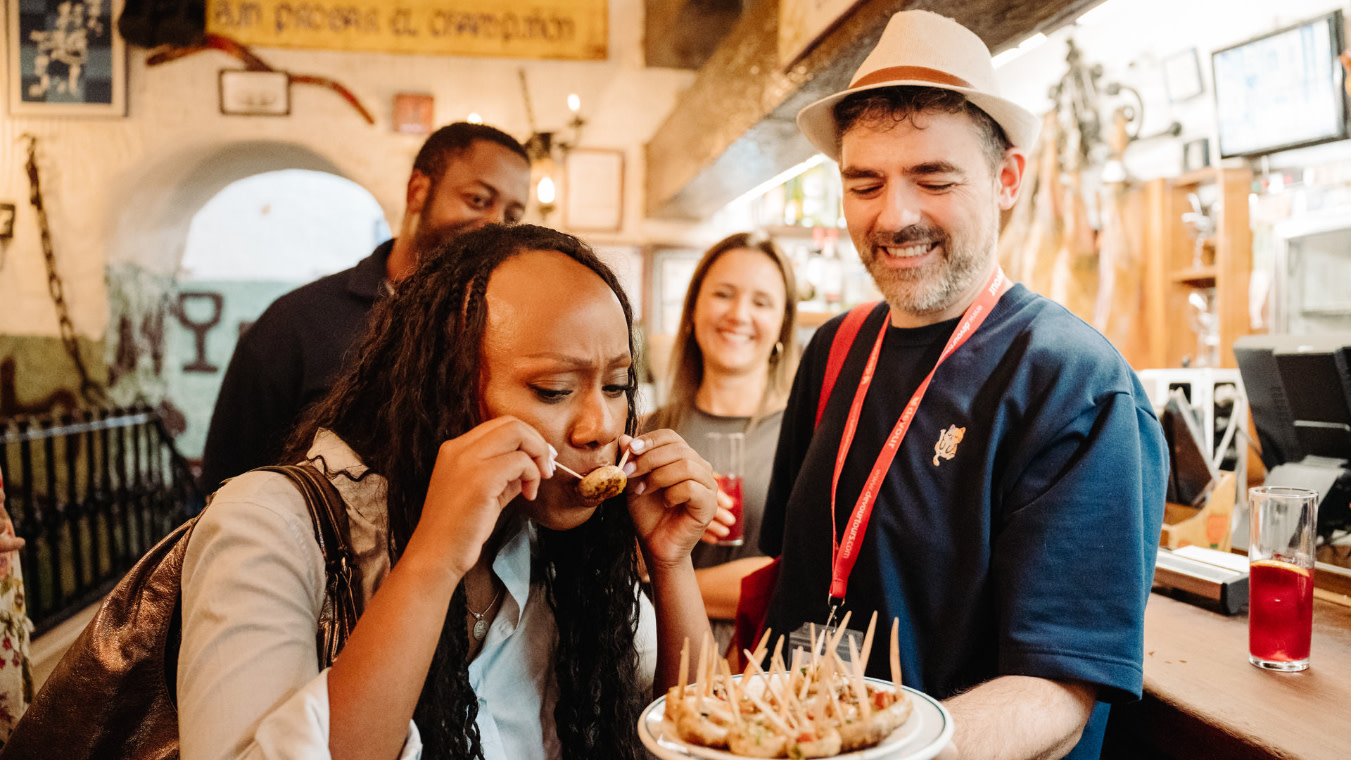
To cap off the experience, we will enjoy a glass of wine or local beer accompanied by a typical Galician appetizer in a traditional bar, the perfect brooch to taste the authentic character of Santiago.
A complete, pleasant and close tour that combines history, spirituality and gastronomy to live the city in a unique way.
Available options
Private Tour in Santiago
What's included
Local guide
Snacks
All Fees and Taxes
Enjoy a beer or a glass of wine, both from the Galician region.
Detailed itinerary
1
Alameda Park in Santiago de Compostela is an iconic green space, known for its charming landscaping, tree-lined avenues and grassy areas. It stands out for its statues, such as the one dedicated to Valle-Inclán, and offers panoramic views of the city. With kiosks, cafes and games areas, it's a versatile place to relax. In addition, it hosts cultural events, contributing to its vitality and connection with the community.
2
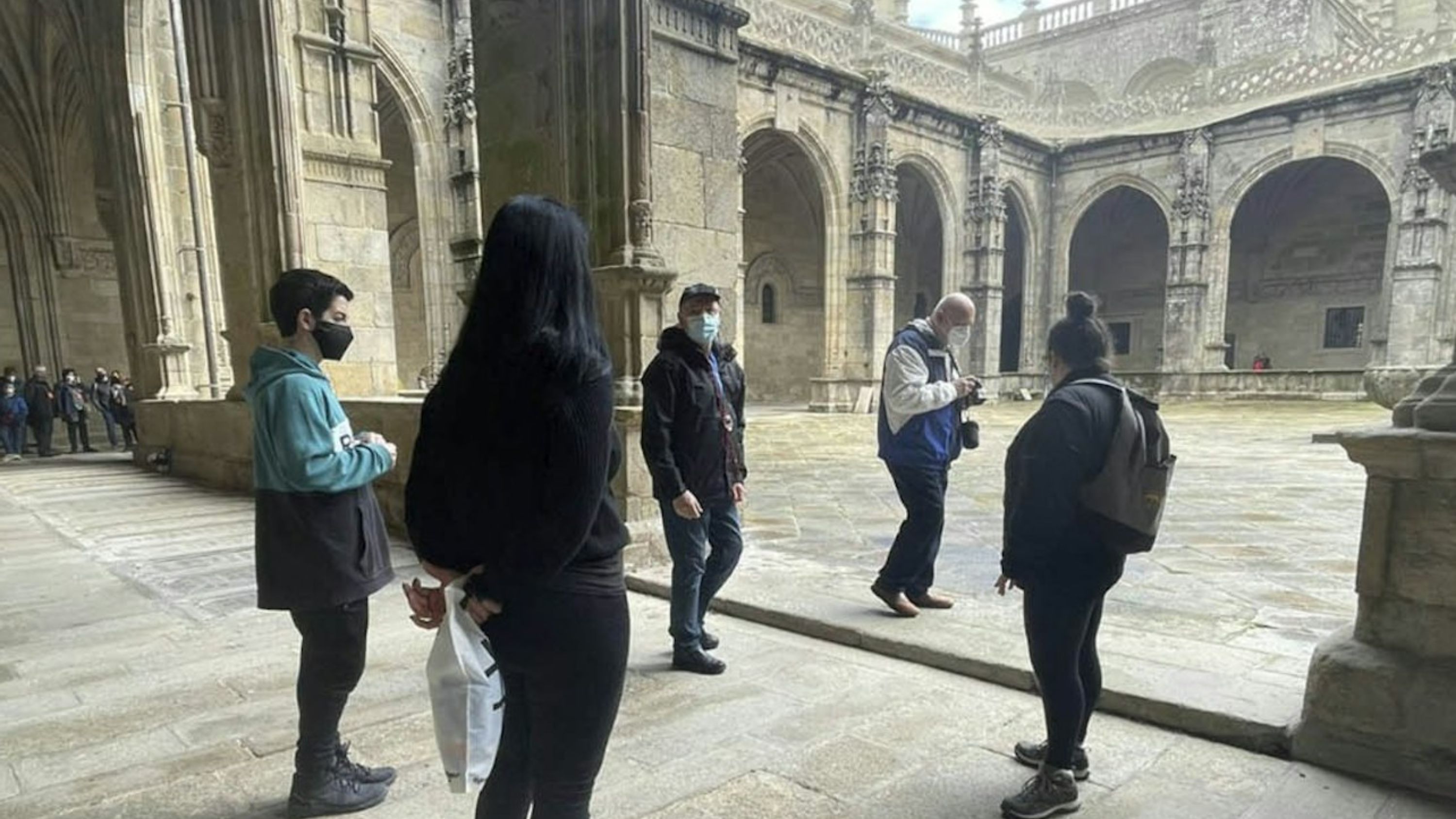
The Pazo de Fonseca, located in the historic center of Santiago de Compostela, is a Renaissance building from the 16th century that was originally the College of Santiago Alfeo, antecedent of the current University of Santiago de Compostela (USC). Its Plateresque-style facade and impressive cloister are some of its highlights. Inside, it houses the Xeral Library of the university and usually hosts exhibitions and cultural events.
3
The heart of Santiago de Compostela and a focal point for pilgrims. Surrounded by the imposing Cathedral, the Rajoy Palace, the Colegio de San Jerónimo and the Hostal de los Reyes Católicos, the square is an impressive setting. With a wide cobbled esplanade, it is a place where we will discover history, architecture and we will participate in the energy of the visitors who complete the Camino de Santiago.
4
Stop 4
Pass by
An imposing baroque structure with a rich history. Founded in the 10th century, it stands out for its architecture and its cultural and religious role. It is one of the largest monasteries in Spain and is home to artistic treasures and an impressive church. Its name comes from the "pinas" (pine cones) that formerly adorned the façade.
5
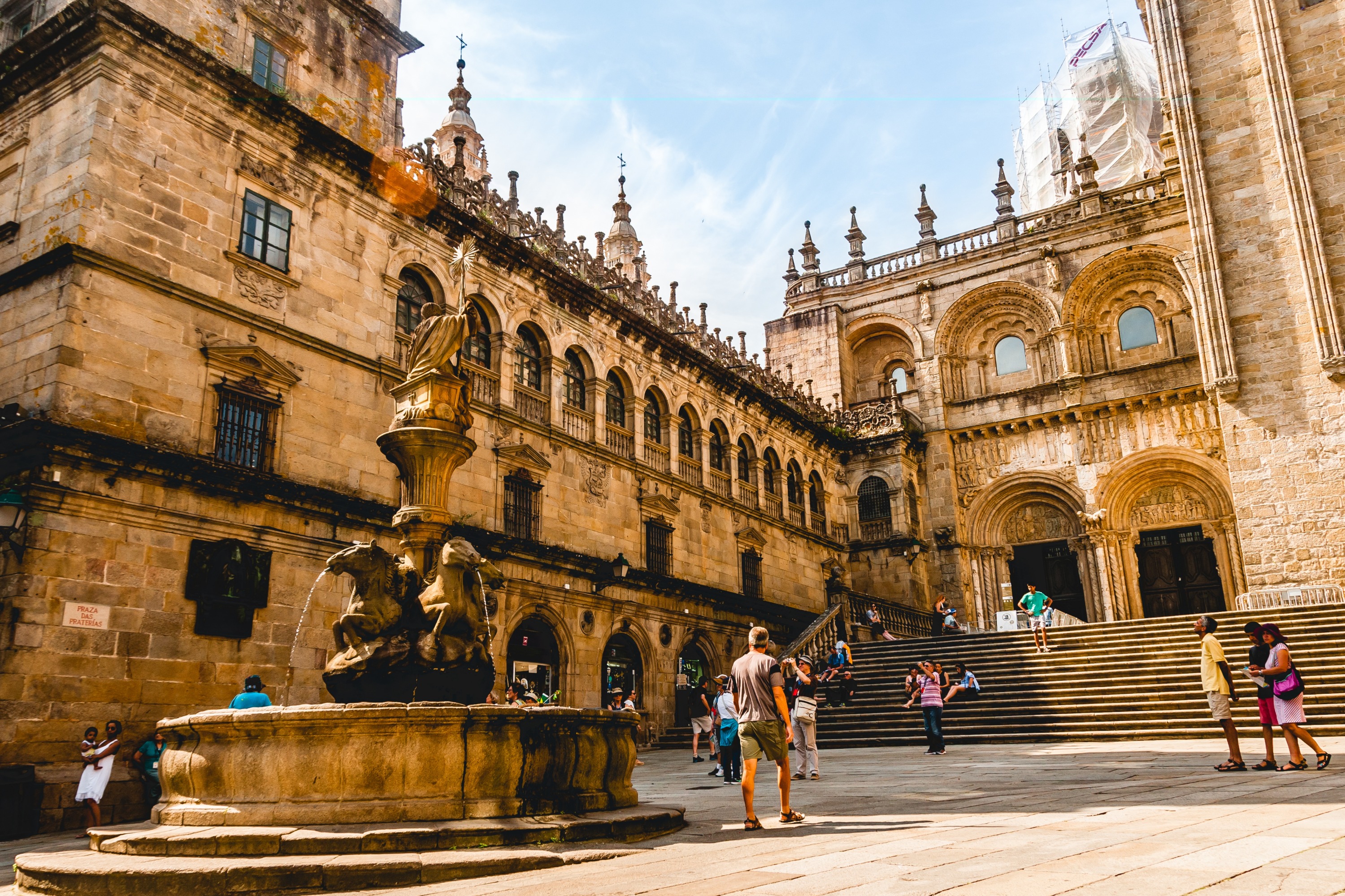
Surrounded by the Church of San Paio de Antealtares and the south façade of the Cathedral, the square exudes serenity. In its center is the Fountain of the Horses, and along its cobblestones, you can perceive the spiritual atmosphere that characterizes this city.
6
It is one of the most emblematic places in the city and is steeped in history and culture. The square takes its name from the numerous silversmiths' workshops that used to occupy the area in the Middle Ages.
In the center of the square stands the Fountain of the Horses, a baroque fountain that adds a touch of elegance to the surroundings. Around it, there are historic buildings with facades of great architectural beauty. Highlights include the façade of the Cathedral of Santiago de Compostela, which rises majestically in the background, and the Church of Santa María Salomé.
In addition to being a meeting point, the square is a witness to cultural events and celebrations that take place throughout the year, contributing to its importance as an emblematic space in the context of the Camino de Santiago.
7
A street of noble houses, as demonstrated by the Renaissance, baroque and neoclassical houses that we can find as we move along it. These noble residences, which respond to the prototype Galician urban pazo, are characterized by their large family shields and the quality of their stonework and ornamental forge.
8
The Church of Santa Maria de Salome, located in the historic center of Santiago de Compostela, is a temple of Romanesque origin built in the twelfth century, although with later reforms in Baroque style. It is the only church in Spain dedicated to Saint Mary Salome, mother of the Apostle James. It highlights its Romanesque porch and Baroque tower, added in the 18th century.
9
In this emblematic square located next to the supply market, we will find the Church of San Fiz de Solovio, a temple of medieval origin considered one of the oldest in the city. According to tradition, here lived the hermit Paio, who would have discovered the tomb of the Apostle Santiago. Its current structure combines Romanesque, Gothic and Baroque elements, the result of various reforms over the centuries. Its sober façade and the interior of a single nave stand out.
10
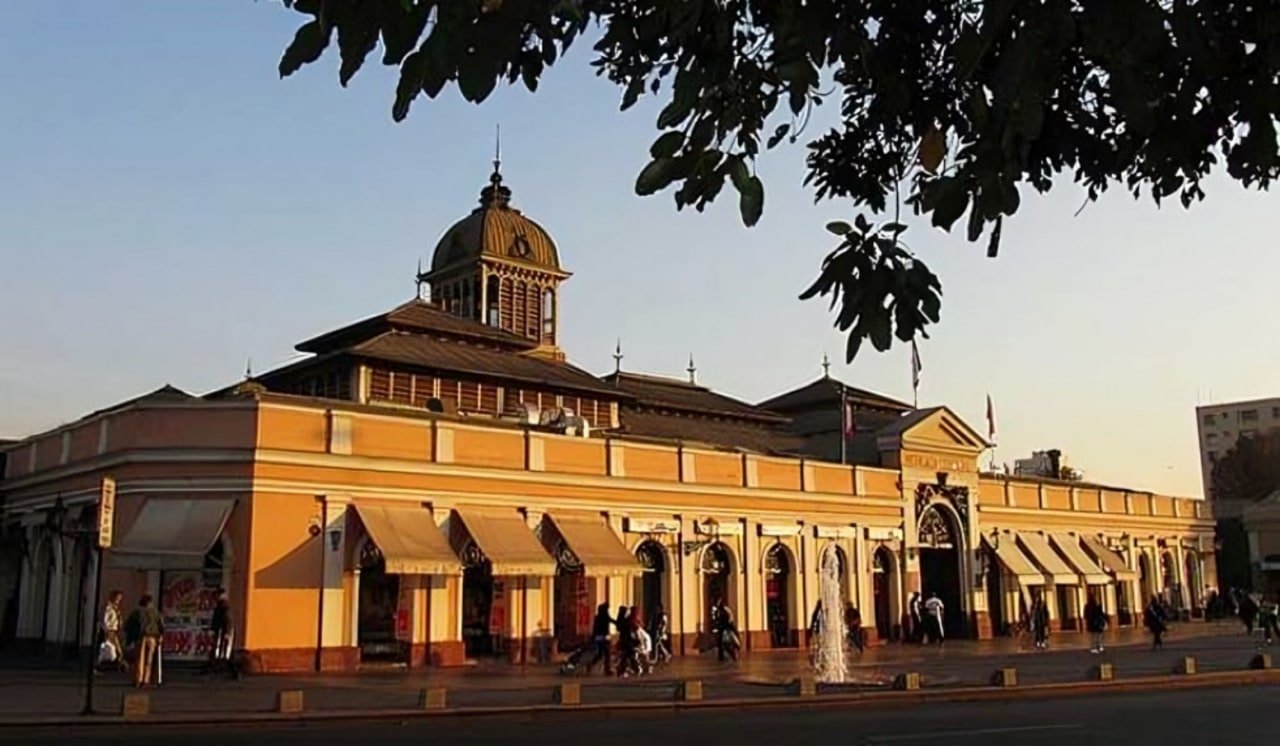
We will conclude our visit at the famous Mercado de Abastos de Santiago de Compostela, a traditional space where fresh products such as fruits, vegetables, meats and fish are sold. This market plays an important role in the local gastronomic offer, attracting both residents and visitors in search of quality products. In addition to food, it is common to find crafts and typical products from the region.
To finish our tour, we will make a stop at one of the leading hospitality establishments in the area where all visitors will have the opportunity to enjoy a beer or a glass of wine, both from the Galician region.
What's not included
Tickets to monuments or museums
Lunch
Dinner
Available languages
Guide guide
PT
EN
ES
Reviews breakdown
Viator
5.0
2 reviews
5★
2
4★
0
3★
0
2★
0
1★
0
Important information
Service animals allowed
Public transportation options are available nearby
All areas and surfaces are wheelchair accessible
Transportation options are wheelchair accessible
Wheelchair accessible
Suitable for all physical fitness levels
Important note: we only serve alcoholic beverages to travelers over 21 years of age. Guests under 21 years of age will be served non-alcoholic beverages.
Meeting point
Find our guide at the main entrance of the Capela do Pilar, wearing his distinctive bag and correctly identified. We are ready to immerse ourselves in this walking tour of Santiago, exploring its rich history and discovering its most emblematic places. Let's get started!
About Santiago de Compostela
Santiago de Compostela is a historic city in northwestern Spain, renowned as the endpoint of the Camino de Santiago pilgrimage route. It is famous for its stunning cathedral, which houses the remains of St. James the Apostle, and its rich cultural heritage. The city's medieval old town is a UNESCO World Heritage Site, offering a blend of history, architecture, and vibrant Galician culture.
Top Attractions
Santiago de Compostela Cathedral
This iconic cathedral is the final destination of the Camino de Santiago pilgrimage. It houses the remains of St. James the Apostle and is a masterpiece of Romanesque and Baroque architecture.
Historical/Religious
1-2 hours
Free (donations welcome)
Old Town (Zona Vella)
The Old Town is a UNESCO World Heritage Site with narrow medieval streets, historic buildings, and vibrant plazas. It's the heart of the city and a must-visit for its architectural and cultural charm.
Historical/Cultural
Half-day
Free to explore
Alameda Park
This beautiful park offers stunning views of the cathedral and the city. It's a great place for a leisurely stroll, picnic, or simply relaxing and enjoying the scenery.
Nature/Scenic
30 minutes to 1 hour
Free
Museo das Peregrinacións e de Santiago
This museum is dedicated to the history of the Camino de Santiago pilgrimage and the city of Santiago de Compostela. It offers a fascinating look into the cultural and religious significance of the pilgrimage.
Museum
1 hour
€3
Must-Try Local Dishes
Pulpo a la gallega
Galician-style octopus served with potatoes, paprika, and olive oil.
Main Dish
Contains seafood, gluten-free
Empanada gallega
A savory pastry filled with various ingredients like tuna, meat, or vegetables.
Snack
Can be vegetarian or vegan, contains gluten
Caldo gallego
A traditional Galician soup made with white beans, potatoes, kale, and chorizo.
Soup
Contains meat, gluten-free
Popular Activities
Hiking the Camino de Santiago
Cycling tours
Kayaking in the surrounding rivers
Visiting Alameda Park
Relaxing at local cafes
Enjoying a spa day
Visiting museums
Attending local festivals
Best Time to Visit
June to September
This is the peak tourist season with warm weather and numerous festivals. The city is bustling with pilgrims and tourists, and outdoor activities are at their best.
18°C to 28°C
64°F to 82°F
Practical Information
Language
- Official: Spanish
- Widely spoken: Galician, English (in tourist areas)
- English: Moderately spoken in tourist areas, limited elsewhere
Currency
Euro (EUR)
Time Zone
GMT+1 (CET), GMT+2 (CEST during daylight saving time)
Electricity
230VV, 50HzHz
Safety Information
Overall Safety Rating: Generally safe
Santiago de Compostela is generally safe, with low crime rates. However, as with any tourist destination, it's important to be aware of your surroundings and take basic precautions.
Important Precautions:
- • Keep valuables secure
- • Use licensed taxis
- • Be cautious of distractions and scams
Getting there
By air
- Santiago de Compostela Airport • 12 km from city center
By train
Santiago de Compostela Railway Station
By bus
Santiago de Compostela Bus Station
Getting around
Public transport
The bus system is efficient and affordable, with frequent services connecting major attractions and neighborhoods.
Taxis
Available • Apps: Free Now, Cabify
Rentals
Car, Bike, Scooter
Neighborhoods
Old Town (Zona Vella)
New Town (Zona Nova)
Day trips
A Coruña
75 km (47 miles) • Full day
A Coruña is a coastal city known for its Roman lighthouse, beautiful beaches, and historic architecture. It offers a mix of history, culture, and relaxation.
Rías Baixas Wine Region
50 km (31 miles) • Full day
The Rías Baixas region is famous for its Albariño wine, a crisp and refreshing white wine. Visitors can tour vineyards, taste local wines, and enjoy the beautiful coastal scenery.
Festivals
Festival of Saint James • July 24-25
Arts Festival (Festival de Arte Sacro) • April
Pro tips
- Visit the cathedral's rooftop for stunning views of the city
- Try pulpo a la gallega (Galician-style octopus) at a local tavern
- Explore the Old Town's narrow streets and hidden gems
- Attend the Pilgrim's Mass at the cathedral for a unique cultural experience
- Take a day trip to the Rías Baixas wine region for wine tasting and coastal scenery
From $25
per person
Price varies by option
Secure booking
Free cancellation available
Instant confirmation