Temples of Mt Jirisan along the Seomjin River (private)
Active
9h - 10h
For a full refund, cancel at least 24 hours before the scheduled departure time.
Instant confirmation
Mobile or paper ticket accepted
About this experience
This tour begins in Gwangju Metropolitan City and takes you to Gokseong and Gurye in South Jeolla Province. It takes about 1 hour to reach Gokseong from Gwangju, and about 1.5 hours to get from Gurye to Gwangju.
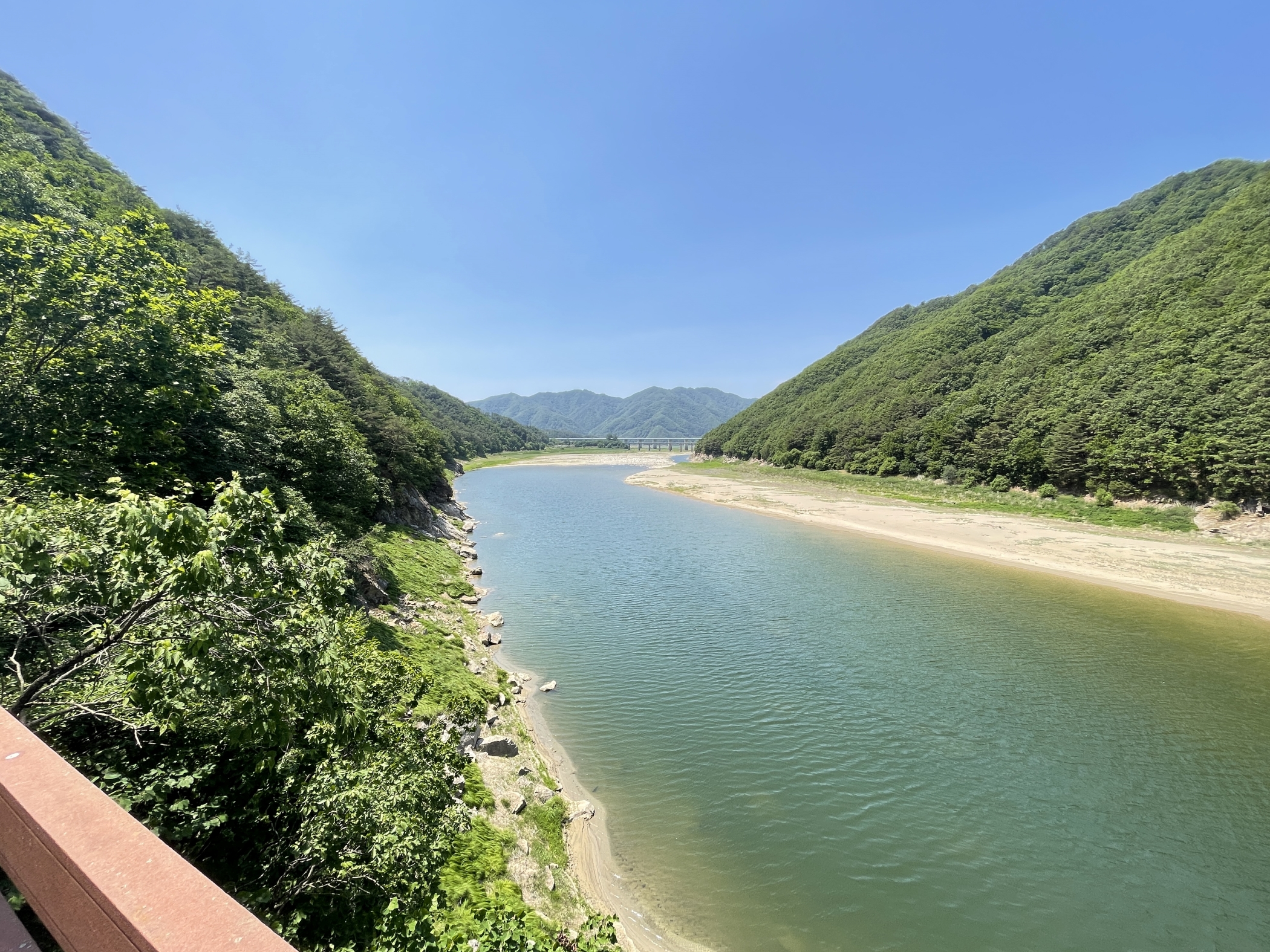
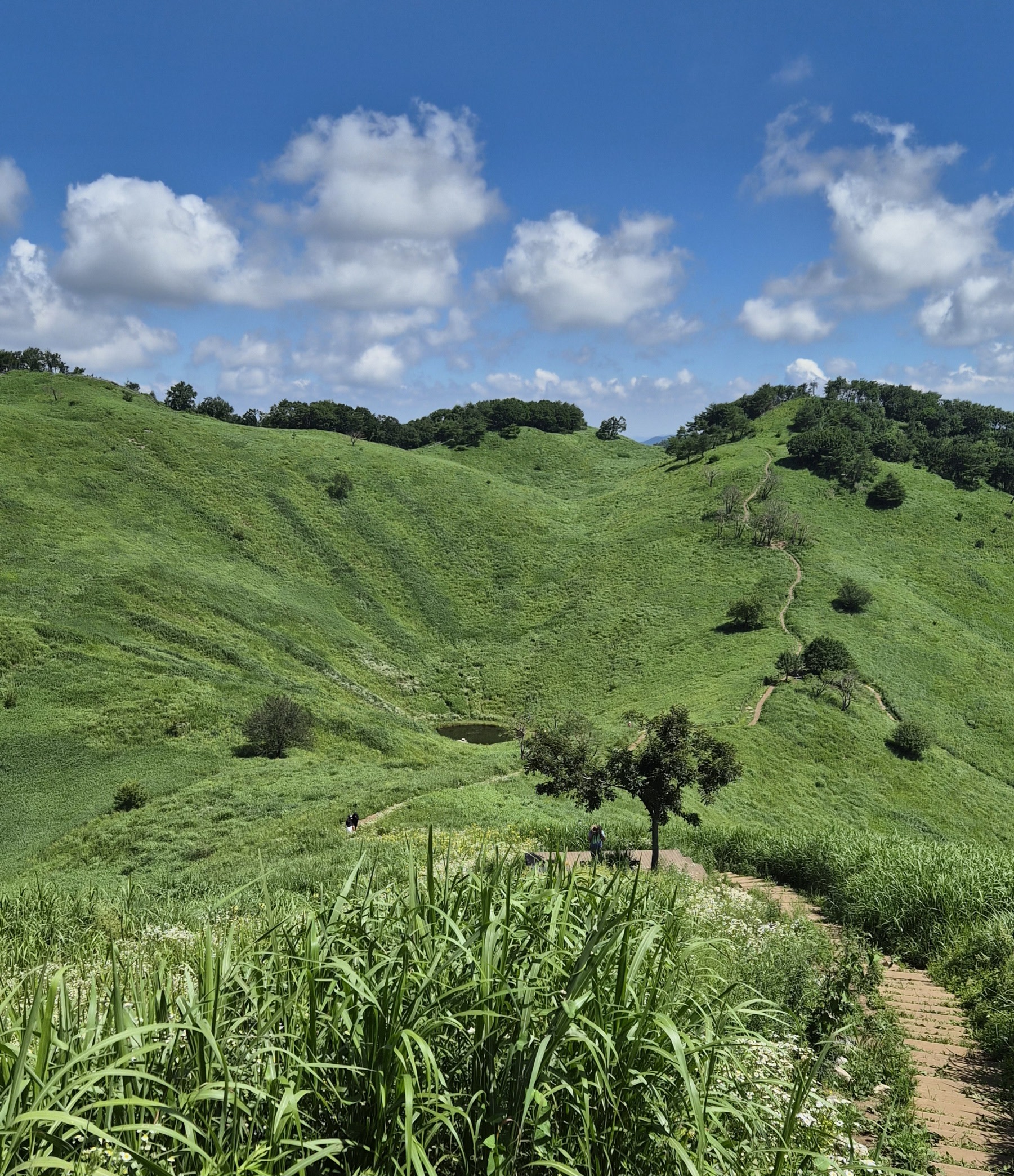
Embark on a scenic journey through the majestic surroundings of Mt. Jirisan and the Seomjin River in Gurye and Gokseong.
This tour immerses you in Korea’s rich cultural and natural heritage, offering a chance to explore holy temples and experience the peaceful rhythms of mountain life—without the need for an overnight temple stay. And don’t miss one of the best ways to enjoy the Seomjin River: a nostalgic ride on the iconic steam train, included as part of this tour.
If you’d like to hike Nogodan Peak in Jirisan after the tour, we recommend spending a night in Gurye.
You can enjoy the hike on your own the following day, and we’re happy to offer complimentary support with hotel bookings, Nogodan hiking reservations, and transportation arrangements for your next destination.
Available options
Temples of Mt Jirisan along the Seomjin River (private)
Pickup included
What's included
Private transportation
Entrance fee
Lunch
Coffee and/or Tea
Detailed itinerary
1
First opened in 1933, the original Gokseong Station served the region until a new station opened in 1999. After the old line was closed, the old station and its tracks were transformed into Seomjingang Train Village, where the nearby streets have been recreated to look just like they did in the past.
Its highlight is the steam train ride, often called the best way to enjoy the Seomjin River. Step aboard the vintage locomotive and take a slow, scenic 10 km journey to Gajeong Station, following the crystal-clear river and peaceful countryside views. It’s one of the most charming rides in Korea.
2
Sangsanjae, a historic house that has been home to the Haeju Oh family for over 200 years, was originally built as a private study. Inside the simple gate lies a hidden courtyard surrounded by the main house, guest quarters, and a shrine. Passing the guest quarters and climbing the stone steps reveals a secluded garden with bamboo, tea trees, and camellia tunnels leading to a broad lawn.
Beyond the lawn stands the Seodangchae—the study hall that gave Sangsanjae its name—where the family’s descendants once studied. A pond and reservoir complete this serene landscape.
Sangsanjae reflects the humble spirit of its ancestors, who sought a life of quiet contemplation, surrounded by books and nature. This is the perfect place to experience the essence of Korea’s traditional architecture and the tranquil beauty of its natural surroundings
3
Lunch in Gurye
1. Sanchae Jeongsik (Mountain Vegetable Set Meal)
A traditional set meal featuring wild mountain vegetables from Jirisan, with rice, pickles, and seasonal side dishes
2. Jaecheop Set Meal (Freshwater Clams)
Freshwater clams from the Seomjin River, known for their sweet, delicate flavor, served in soups, pancakes, or cold dishes.
3. Lotus Leaf Rice
Rice wrapped in a lotus leaf, served with side dishes made from locally grown vegetables and fermented ingredients
4. Pork Cutlet
Handmade pork cutlet served with a delicate Cornelian cherry (Sansuyu) sauce. Gurye produces about 70% of Korea’s Cornelian cherries, making this a signature local flavor.
5. Fried Sweetfish
Sweetfish from the clean waters of the Seomjin River. Mild, tender, and with no fishy smell, they are enjoyed even by those who usually avoid fish.
Our lunch menus are reasonably priced, from 15,000 KRW to 35,000 KRW, depending on your choice.
4
Perched on the 530-meter peak of Mt. Osan, Saseongam Hermitage is said to have been founded in 544 by the monk Yeongi. Its name, meaning “Hermitage of the Four Saints,” comes from the tradition that four renowned monks once practiced spiritual discipline here.
Saseongam is known for three highlights:
1. Wish Rock – A stone said to resemble the image of the Buddha. Local belief holds that one sincere wish made here will surely come true.
2. Yaksa-jeon (Medicine Buddha Hall) – On the rock wall behind the hall is an engraved image of the Medicine Buddha, which legend attributes to Master Wonhyo, who is said to have drawn it with his fingernail.
3. Scenic Views – The hermitage offers breathtaking panoramic views of both Jirisan National Park and the Seomjin River.
5
Hwaeomsa Temple, founded in 544 AD in the heart of Jirisan—Korea’s spiritual mountain—is one of the most important centers of Korean Buddhism. It played a key role in “Buddhism for the protection of the nation” (hoguk Buddhism), serving as a spiritual stronghold that combined religious practice with the country’s defense. Over the centuries, it has preserved remarkable cultural and architectural heritage.
Don’t miss the majestic Gakhwangjeon Hall, the largest wooden structure of its kind in Korea, named by King Sukjong for its role in protecting the nation. Every evening at sunset, the temple holds the traditional Samul ritual to signal the start of the evening prayer. In the quiet dusk, the deep, resonant sounds of the temple instruments create a truly spiritual atmosphere.
What's not included
Alcoholic Beverages
Personal Travel Insurance
Available languages
Guide guide
EN
Important information
Not recommended for travelers with poor cardiovascular health
Service animals allowed
Public transportation options are available nearby
Suitable for all physical fitness levels
About South Korea
South Korea is a dynamic and vibrant destination where ancient traditions meet cutting-edge technology. From the bustling streets of Seoul to the serene temples of Jeonju, it offers a rich cultural experience and stunning natural landscapes.
Top Attractions
Gyeongbokgung Palace
The largest of the Five Grand Palaces built during the Joseon Dynasty, Gyeongbokgung Palace is a must-visit for its historical significance and beautiful architecture.
Historical
2-3 hours
₩3,000 (adults), Free (traditional costume rental available for ₩5,000)
Bukhan Mountain
Bukhan Mountain is a popular hiking spot near Seoul, offering stunning views of the city and surrounding landscapes.
Nature
Half-day to full day
Free
Jeonju Hanok Village
A traditional Korean village with over 800 hanok (traditional houses), Jeonju Hanok Village is a UNESCO World Heritage site and a great place to experience Korean culture.
Cultural
Full day
Free to explore, ₩5,000-₩10,000 for cultural experiences
Must-Try Local Dishes
Kimchi
Fermented spicy cabbage, a staple in Korean cuisine.
Side dish
Vegan (if made without fish sauce)
Bibimbap
Mixed rice bowl with vegetables, meat, and gochujang sauce.
Lunch/Dinner
Can be made vegetarian or vegan
Bulgogi
Grilled marinated beef, often served with rice and side dishes.
Dinner
Contains meat
Popular Activities
Hiking in national parks
Skiing in winter resorts
Spa and sauna experiences (jjimjilbang)
Tea ceremonies
Traditional hanbok wearing
Korean cooking classes
Surfing in Busan
Boat tours in Jeju Island
Best Time to Visit
Spring (April to June) and Autumn (September to November)
Spring and autumn offer pleasant weather with mild temperatures, making it ideal for outdoor activities and sightseeing. The cherry blossoms in spring and vibrant foliage in autumn are major attractions.
15-25°C
59-77°F
Practical Information
Language
- Official: Korean
- Widely spoken: English, Chinese, Japanese
- English: Moderately spoken in urban areas, limited in rural areas
Currency
South Korean Won (KRW)
Time Zone
GMT+9
Electricity
220VV, 60HzHz
Safety Information
Overall Safety Rating: Generally safe
South Korea is generally safe with low crime rates. However, petty crimes like pickpocketing can occur in tourist areas.
Important Precautions:
- • Be cautious of your belongings in crowded areas
- • Use reputable taxi services or apps like KakaoTaxi
- • Avoid unlicensed tour guides and services
Getting there
By air
- Incheon International Airport • 52 km west of Seoul
- Gimpo International Airport • 15 km west of Seoul
By train
Seoul Station, Busan Station
By bus
Seoul Express Bus Terminal, Busan Central Bus Terminal
Getting around
Public transport
The subway system is efficient, clean, and easy to navigate with English signage. It's the most convenient way to get around Seoul.
Taxis
Available • Apps: KakaoTaxi
Rentals
Car, Bike, Scooter
Neighborhoods
Gangnam
Hongdae
Insadong
Day trips
Nami Island
63 km northeast of Seoul • Half day to full day
A picturesque island known for its beautiful trees and scenic landscapes, featured in the popular drama 'Winter Sonata'.
Everland
40 km south of Seoul • Full day
South Korea's largest theme park, featuring a variety of rides, shows, and attractions.
Suwon Hwaseong Fortress
30 km south of Seoul • Half day to full day
A UNESCO World Heritage site featuring a well-preserved fortress from the Joseon Dynasty.
Festivals
Seoul Lantern Festival • Late November to early December
Busan International Film Festival (BIFF) • Early October
Pro tips
- Learn basic Korean phrases to enhance your travel experience
- Use a T-money card for convenient and discounted public transportation
- Try local street food for an authentic culinary experience
- Visit popular attractions early in the morning to avoid crowds
- Explore lesser-known neighborhoods for a more local experience
From $25
per person
Price varies by option
Secure booking
Free cancellation available
Instant confirmation