Private Tour of Gran Canaria with Culture, Nature and Local Food
Active
9h
All sales are final. No refund is available for cancellations.
Instant confirmation
Mobile or paper ticket accepted
About this experience
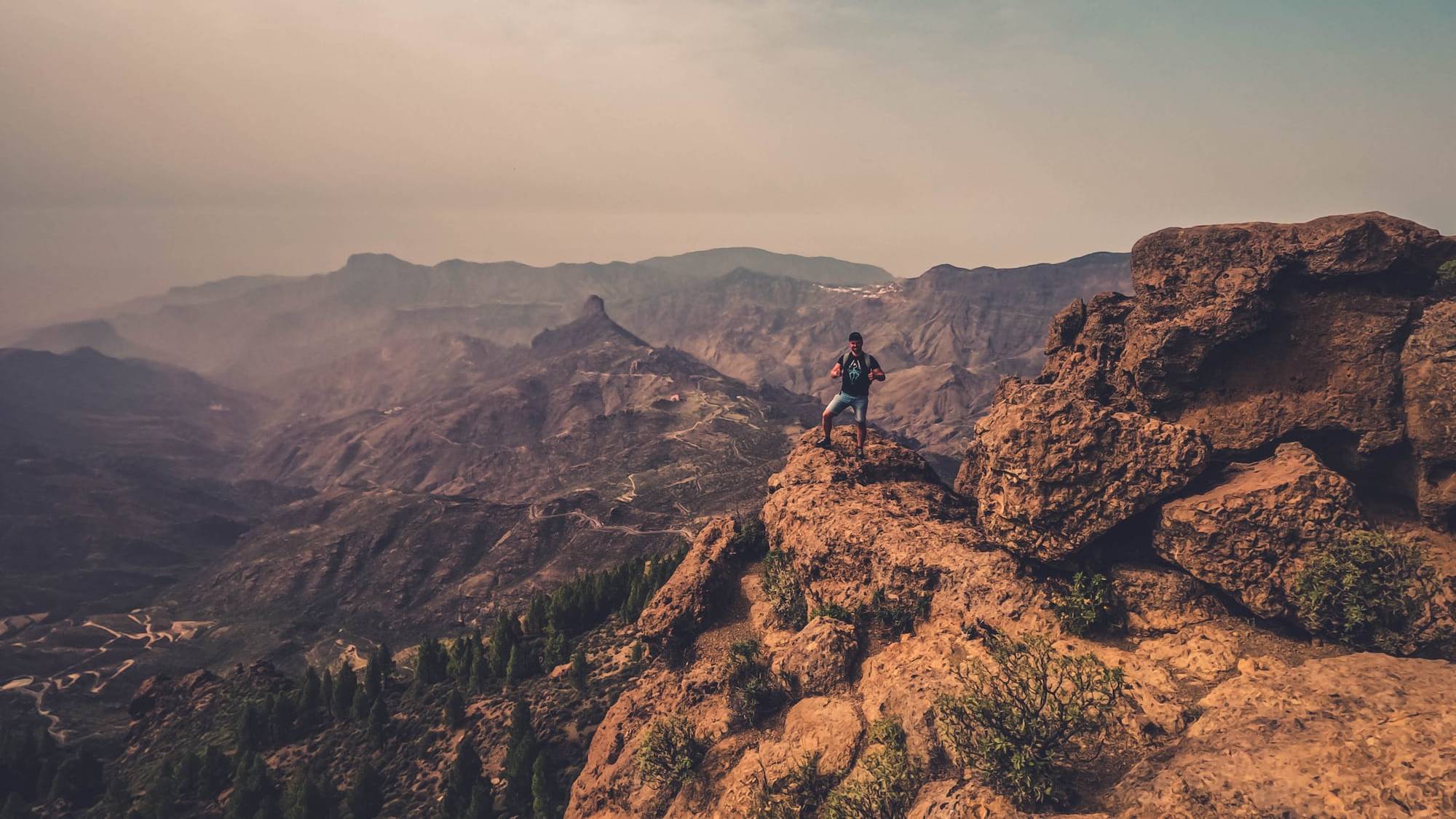
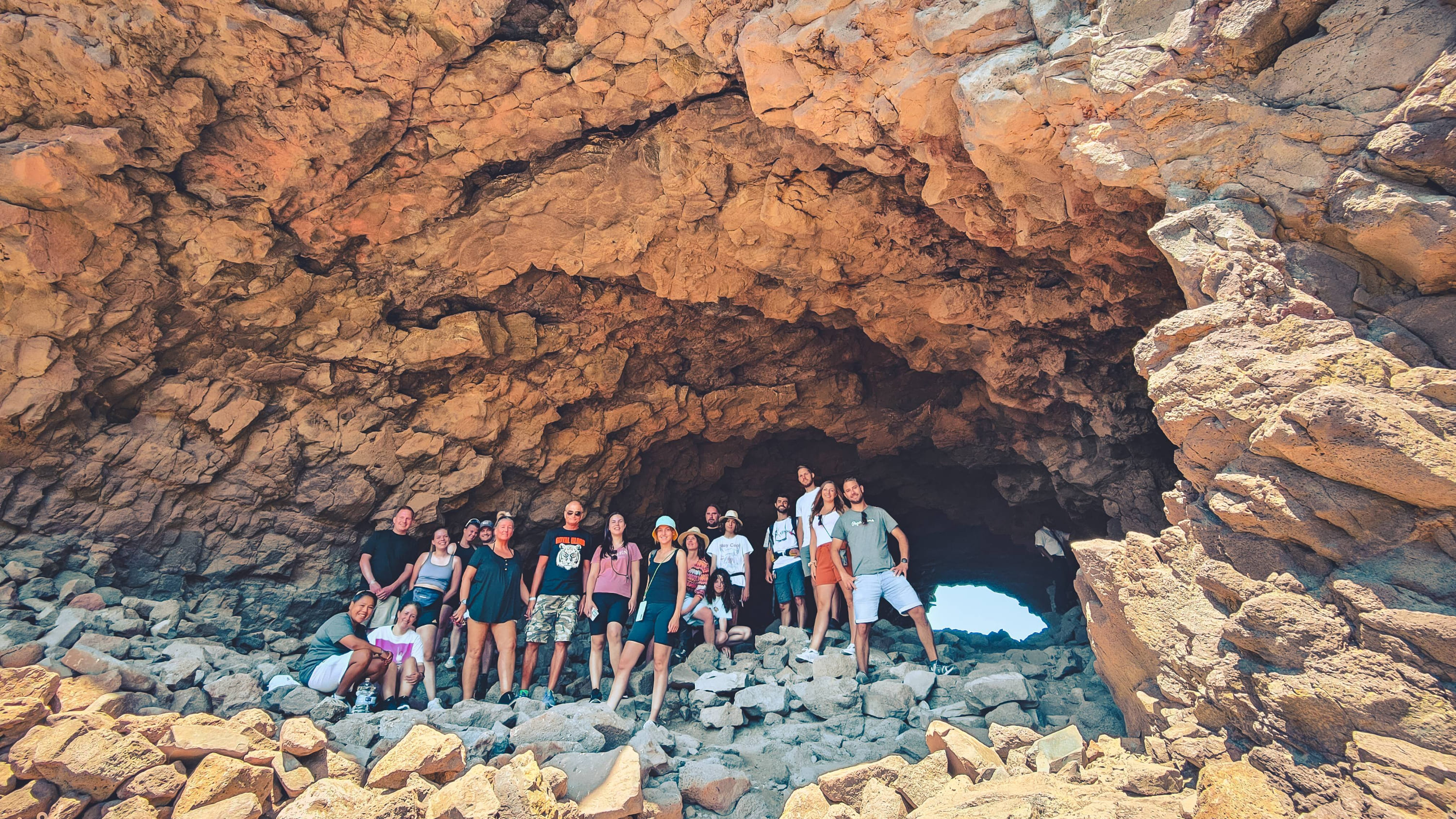
Gran Canaria beckons with its diverse landscapes and rich cultural heritage on this full-day private tour. Discover the island's hidden gems, starting with the traditional windmill, Molino de Viento, before marveling at the stunning Azulejos de Veneguera rock formation. Enjoy a leisurely stroll on La Aldea beach, then relax by the tranquil La Charca lagoon. Savor a delicious lunch in the picturesque fishing village of Agaete and explore its charming streets. Complete your journey with a visit to the stunning neo-Gothic Church of San Juan Bautista in Arucas, all in an exclusive experience designed for those seeking authenticity.
- Full-day private tour showcasing Gran Canaria's highlights
- Discover significant cultural sites like Molino de Viento and the Church of San Juan Bautista
- Enjoy local flavors with lunch in the fishing village of Agaete
- Opportunity for a refreshing dip in natural pools along the coast
Available options
Private Tour of Gran Canaria with Culture, Nature and Local Food
Pickup included
What's included
Live-tour guide
Private transportation
Detailed itinerary
1
We will begin the tour at 9:00 AM promptly heading south west to Mogan village. Because we have so much to see today, we will not be visiting “Puerto de Mogan”, but instead pass by the small village of Mogan. We will stop for photos at the “Molino de Viento” also name “Molino Quemado” (burnt Mill). As you might have guessed from its name, it was burnt down but has been restored to its former beauty, working parts and all, thanks to the Mogán City Council and the local neighbourhood association.
2
This natural rock formation was formed 13 million years ago when the steak and gas from a volcano reacted with iron in the rock producing beautiful red, blue and green tones. Locals called it “los azulejos” because of their resemblance to the glazed tiles walls of San Nicolas de Tolentino. We then continue our route along the wild and rocky west coast.
3
In Puerto de la Aldea we will make a stop at the only easily accessible beach in the area to take
pictures. Then, we will visit the large pond called "El Charco";. There, hordes of people celebrate the ever popular ”Fiesta del Charco” every September, and it is always a comforting stop off on our journey. When there are no fiestas on, the still waters reflect the calm and brightness of the municipality itself, and the deep roots of its history. A time long ago, early aboriginal dwellers set up a series of settlements here, some of which are said to date to before 500 years B.C. Beyond this point there is a long drive along the impressive cliffs where we can stop for photos on our way to Agaete.
4
It’s time to go now to the picturesque fishing port of Puerto de las Nieves in Agaete. You will admire the blue and white houses on the natural pebble beach. This area of the island is much loved and visited by all the islanders. Its main tourist attraction is the fishing village of Puerto de Las Nieves, probably because it is one of the parts of the island that has maintained 100% of its essence. The Port of Las Nieves is in the coastal area of the municipality. In the Port of Las Nieves one can appreciate the Roque Partido (Broken Rock) or Dedo de Dios (God’s Finger), a symbol for the people of Gran Canarian.
5
Agaete also has some of the most popular natural pools and beaches of the northern part of the island. We will walk on its picturesque maritime walk and stop in the Natural pools (If you want to swim, don't forget your swimwear!).
6
The next stop is Arucas with its iconic neo-Gothic church “Inglesia de San Juan Bautista” constructed in 1909. We will see the Church (exterior), one of the most characteristic icons of Gran Canaria. This parish Church is named “San Juan Bautista”, though the locals usually call it by mistake the “Arucas Cathedral”. The reason why people commonly call this church a cathedral is because it is so large. It is majestic and grandiose and stands high above the rest of Arucas and, indeed, the surrounding area. In fact, you can see the main tower from well outside the town. This church is neogothic style and it was started to be built in 1909 and finished officially in 1977. They say that it was built by hand, with any type of mechanic or technologic help. It is completely sculpted with the centenary stone of Arucas. We will then drive along the capital, las Palmas, on our return to the south. We will arrive at 6:00 pm approximately.
What's not included
Gratuities
Lunch fees not included
Available languages
Guide guide
EN
ES
Important information
Not recommended for travelers with poor cardiovascular health
Travelers should have at least a moderate level of physical fitness
About Gran Canaria
Gran Canaria, known as 'The Miniature Continent' due to its diverse landscapes, is the third most populous island of the Canary Islands. It offers a unique blend of stunning beaches, lush mountains, and vibrant culture, making it a top destination for all types of travelers.
Top Attractions
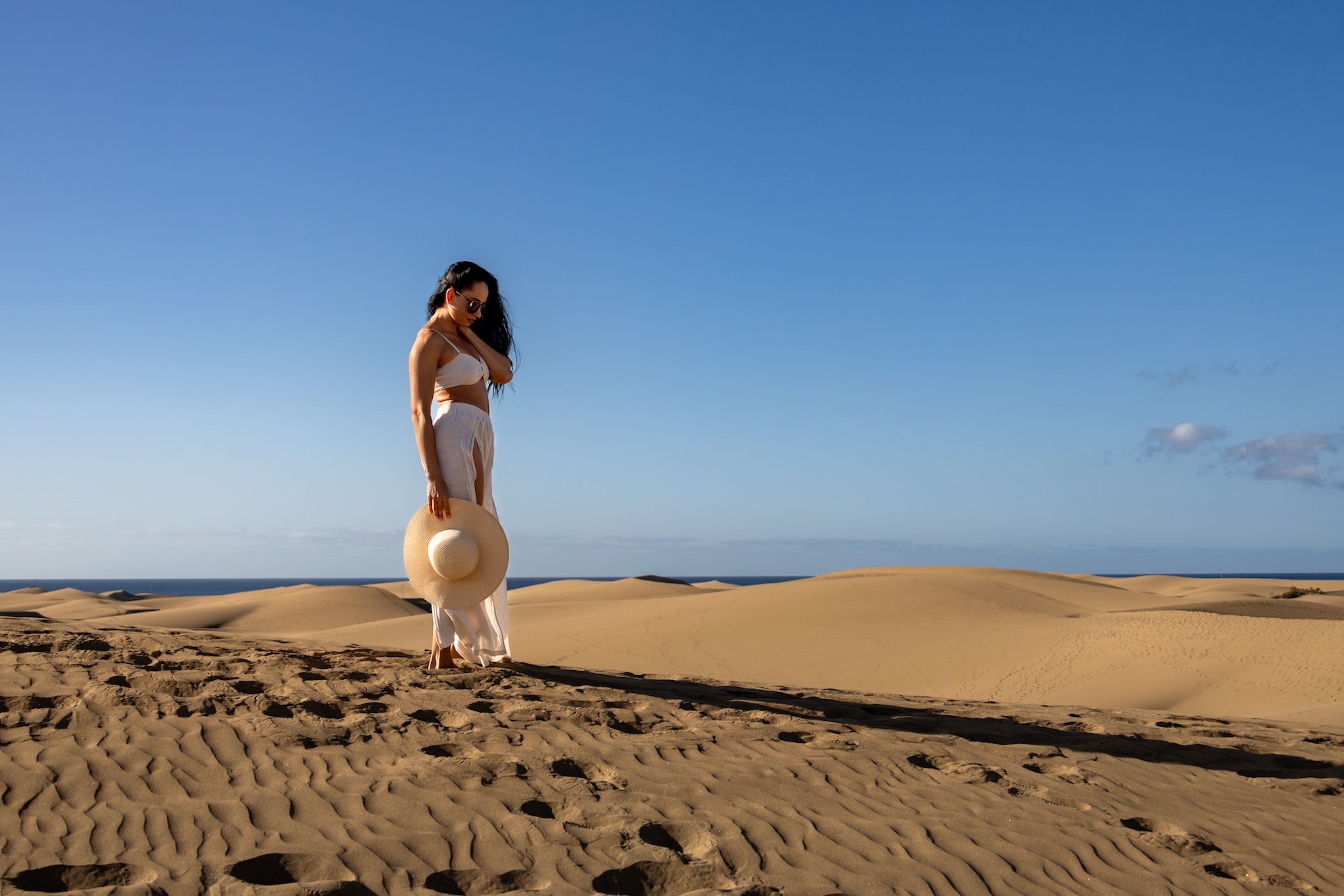
Dunas de Maspalomas
A stunning desert-like dune system with golden sands, perfect for sunbathing, walking, and camel rides.
Nature
2-3 hours
Free
Roque Nublo
A iconic rock formation and a popular hiking destination with panoramic views of the island.
Nature
Half-day
Free
Vegueta
The historic quarter of Las Palmas, filled with colonial architecture, museums, and charming streets.
Historical
Half-day
Free to explore, museums may charge entry fees
Must-Try Local Dishes
Papas arrugadas con mojo
Wrinkled potatoes boiled in saltwater and served with a spicy mojo sauce.
Side Dish
Vegetarian
Sancocho Canario
A traditional fish stew made with salted fish, potatoes, and sweet potatoes.
Main Course
Contains fish
Bienmesabe
A sweet almond-based cream often served with ice cream or fruit.
Dessert
Vegetarian, contains nuts
Popular Activities
Hiking
Mountain biking
Paragliding
Beach lounging
Spa treatments
Yoga
Museum visits
Historical tours
Best Time to Visit
December to April
This is the most popular time to visit, with pleasant temperatures and minimal rain. Ideal for beachgoers and outdoor activities.
18-24°C
64-75°F
Practical Information
Language
- Official: Spanish
- Widely spoken: English, German
- English: Moderately spoken
Currency
Euro (EUR)
Time Zone
GMT+0 (WET) / GMT+1 (WEST during daylight saving time)
Electricity
230VV, 50HzHz
Safety Information
Overall Safety Rating: Generally safe
Gran Canaria is generally safe, but travelers should be aware of pickpockets and scams in tourist areas.
Important Precautions:
- • Keep valuables secure
- • Be cautious of strangers approaching you
- • Use licensed taxis or ride-sharing apps
Getting there
By air
- Gran Canaria Airport • 20 km from Las Palmas
By bus
Las Palmas, Maspalomas, Arucas
Getting around
Public transport
Buses are the primary public transport option. They are affordable but can be slow and infrequent.
Taxis
Available • Apps: Free Now
Rentals
Car, Bike, Scooter
Neighborhoods
Las Palmas de Gran Canaria
Maspalomas
Agaete
Day trips
Telde
15 km from Las Palmas • Half-day
A historic town with a rich cultural heritage and beautiful architecture.
Arucas
10 km from Las Palmas • Half-day
A charming town known for its beautiful church and rum distillery.
Teror
20 km from Las Palmas • Half-day
A picturesque town with a historic center and traditional Canarian architecture.
Festivals
Carnival of Las Palmas de Gran Canaria • February
Fiesta de la Rama • September
Fiesta de la Virgen del Pino • September
Pro tips
- Rent a car for flexibility and to explore the island's diverse landscapes
- Visit the Dunas de Maspalomas for a unique desert-like experience
- Try local dishes like papas arrugadas and sancocho for an authentic taste of Gran Canaria
- Explore the historic Vegueta district in Las Palmas for a glimpse into the island's rich history
- Hike to Roque Nublo for breathtaking views of the island
From $25
per person
Price varies by option
Secure booking
Free cancellation available
Instant confirmation