Live Guided Communism's Tour in Prague
Active
3h
For a full refund, cancel at least 24 hours before the scheduled departure time.
Instant confirmation
Mobile or paper ticket accepted
About this experience
Embark on a moving journey with our local guide who experienced Communism and whose family members were persecuted in those times. Learn what life was like for ordinary families who endured endless queues in shops, propaganda, spying, fear and persecution. You will hear stories of Cold War political prisoners, dissidents and other brave people who opposed or tried to escape the regime. Hear entertaining accounts of major events that shaped modern history, including the WWII and post-war events that contributed to the popularity of the Communists and their takeover in 1948. Learn how the Soviet Occupation of 1968 crushed people’s hope for democracy and ended the Prague Spring.
Have the privilege of hearing all that in a small group from our enthusiastic Czech guide with excellent English (qualified teacher of English) and second-level license for guides.
Available options
Live Guided Communism's Tour in Prague
What's included
Water in the office
Breaks for WC etc
Live guiding
Friendly Czech guide
Detailed itinerary
1
Meeting Point - You will meet your guide and we will start the tour from here.
2
Prague Lucerna Passage : A legend of the Prague cultural scene, the multifunctional Lucerna Palace is still a popular destination not only for Prague residents.
The palace passage is dominated by the original Horse sculpture by David Černý, which is a controversial adaptation of the statue of St. Wenceslas on Wenceslas Square. One of the most interesting modern palaces in Prague was built in 1907—1920.
3
Customers will see on Wenceslas Square:
1. The Jalta Hotel
2. Prague Spring memorials
3. National Museum ( from outside )
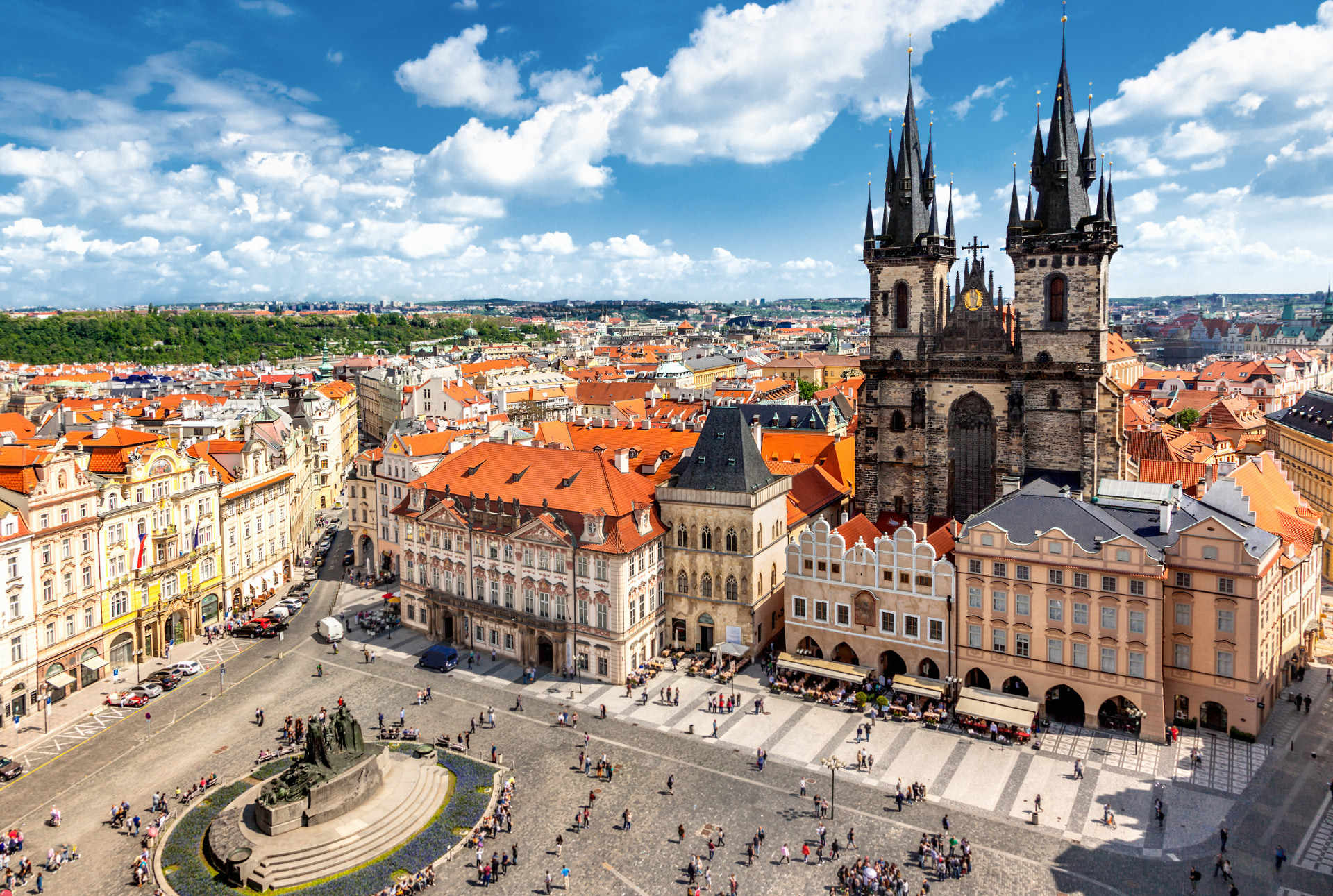
This square is the commercial and administrative centre of the city as well as the site of important social and historical events. Here you'll find cinemas, theatres, banks, hotels, restaurants, dozens of small and large shops, and administrative centres. The square was created during the founding of the New Town by Charles IV in 1348. Today it is dominated by the National Museum (1885—1891) and Josef Václav Myslbek’s statue of the national patron St Wenceslas from 1912.
4
The Buštěhradská dráhy Headquarters Building is a neo-Renaissance house located at Politických vězňů 1531/9, 110 00 in Nové Město , Prague 1. It was built as the headquarters of the wealthy railway company Buštěhradská dráha, which had been building lines in the north and north-west direction from Prague to the coal basin areas since 1855. The house is protected as a cultural monument of the Czech Republic .
The official building was built from 1871 to 1874 as an addition to the Schebka Palace , which was built on the northern side of the building from 1870 to 1872 on the street then called Bredova. After the formation of Czechoslovakia, the Buštěhradská dráha company was based here until its nationalization in 1922, when the property was taken over by the Czechoslovak State Railways .
5
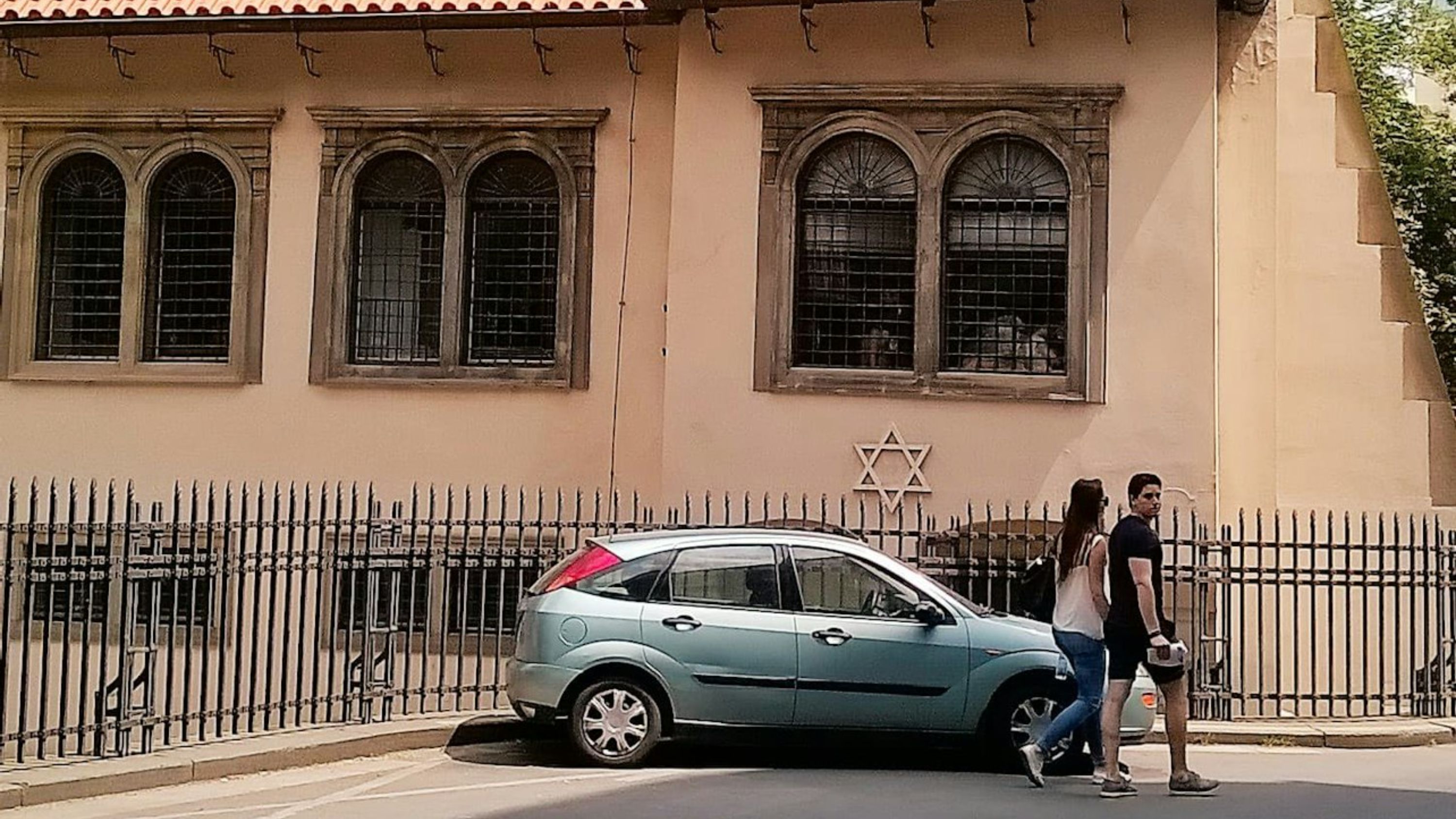
The Jubilee Synagogue also known as the Jerusalem Synagogue is an Orthodox Jewish synagogue, located on Jerusalem Street in the Nové Město district of Prague, in the Czech Republic. It is the largest synagogue in Prague.
The synagogue was built in 1906, designed by Wilhelm Stiassny and built by Alois Richte the synagogue was initially named in honor of the golden Jubilee of the reign of Emperor Franz Joseph I of Austria in 1898.
6
The Czech National Bank, is the central bank and financial market supervisor in the Czech Republic, headquartered in Prague. It is a member of the European System of Central Banks. It was established on 1 January 1993 from the division of the State Bank of Czechoslovakia as part of the process of dissolution of Czechoslovakia, together with the National Bank of Slovakia.
7
Municipal House Restaurant (Restaurace Obecní dům) in Prague is known as the most beautiful Art Nouveau restaurant in Europe, and is the premier place to dine at Municipal House.
8
Gun Powder Tower - his monumental entrance by which the coronation processions of Czech kings entered the Old Town is one of the most significant monuments of Late Gothic Prague. Completed in 1475, the Powder Gate Tower, which formerly served as a gunpowder store, is still the starting point for the Coronation or Royal Route to Prague Castle. The viewing gallery is located at a height of 44 m.
9
Stop 9
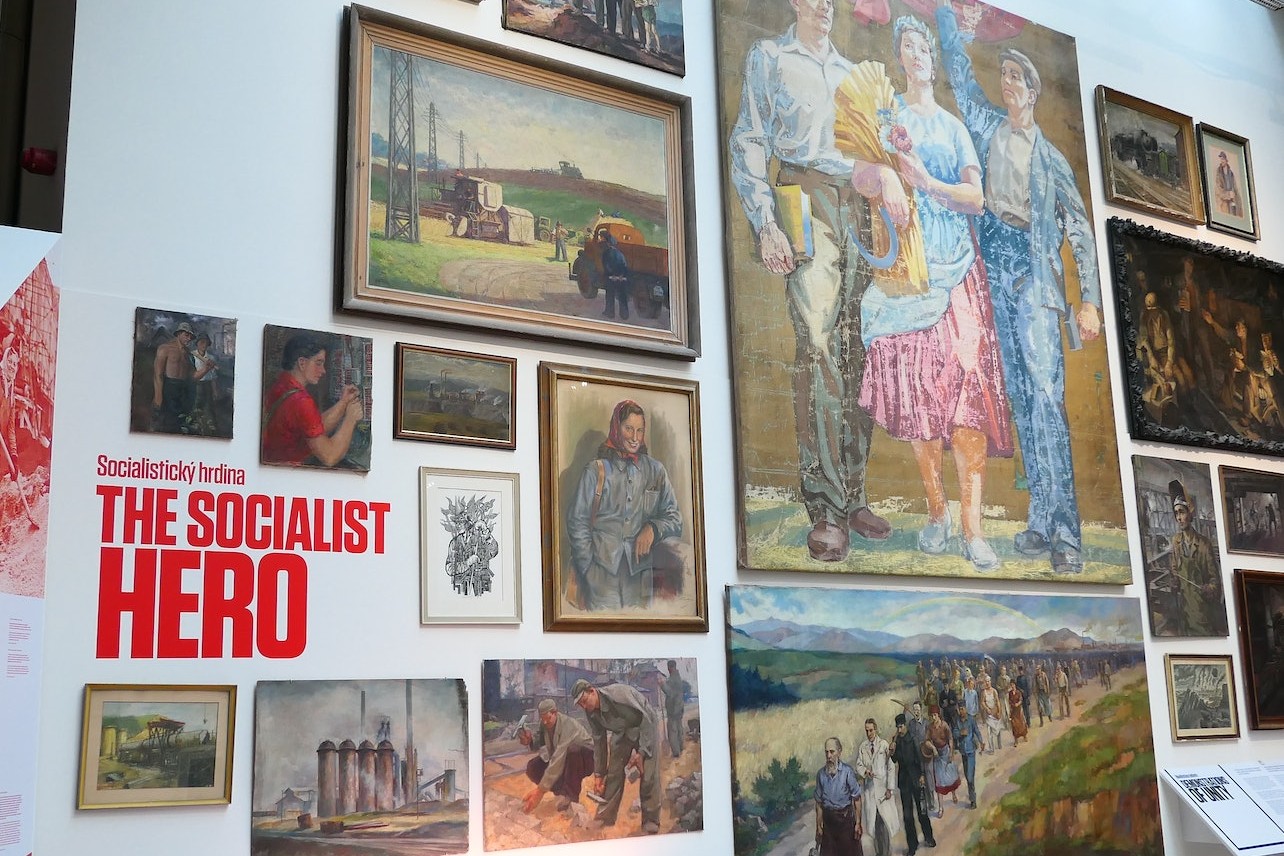
The Museum of Communism - is a museum dedicated to presenting an account of the post–World War II communist regime in Czechoslovakia, with a focus on Prague.
10
Secret Police Buildings (outside) STB : Socialist-realist figures decorate the former headquarters of the StB (in Slovak, ŠtB): the secret police force of communist Czechoslovakia.
This building at 4 Bartolomějská street has since had the statues removed.
11
Velvet Revolution monument - The plaque with a hand sculpture and the date 17. 11. 1989 is a reminder of the events of November 1989, when a clash between the Public Security Forces and students occurred near the corner of Mikulandská and Národní streets. This event began the so-called Velvet Revolution, which marked the end of the communist regime in the Czechoslovakia.
12
Václav Havel Square - It is named on the first Czech President Václav Havel's 80th birthday , on 27 September 2016 , the Prague City Council approved the renaming of the area to Václav Havel Square. The ceremonial placement of the plaque took place the day before his birthday, on Tuesday 4 October 2016, in the presence of his widow Dagmar Havel , Minister of Culture Daniel Herman , Prague Mayor Adriana Krnáčová , actress Vlasta Chramostová and the general director of the theatre Jan Burian , who had suggested the name.
13
Stop 13
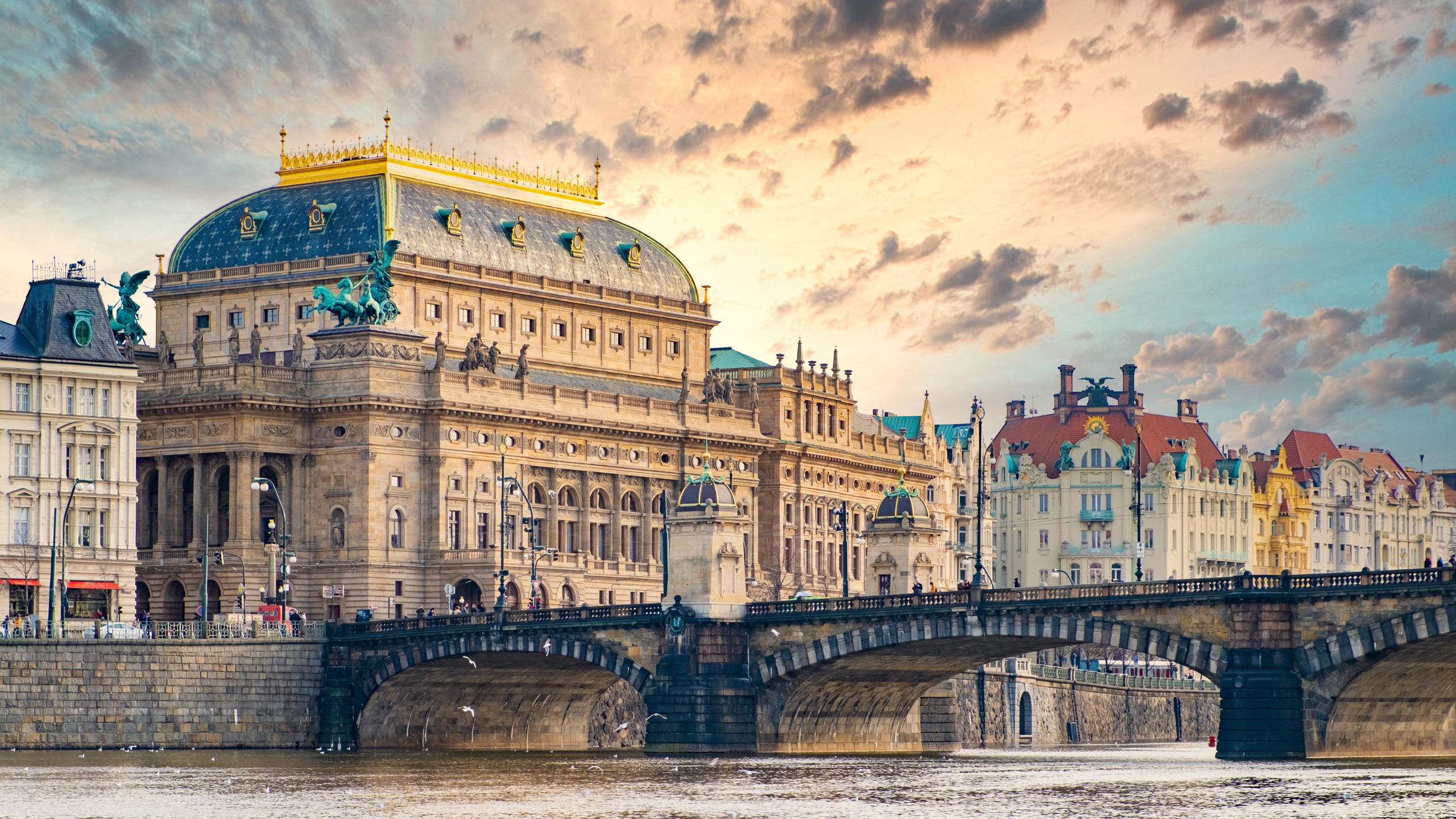
The National Theatre - is a historic opera house in Prague, Czech Republic. It is known as the alma mater of Czech opera, and as the national monument of Czech history and art.
END
14
Café Slavia is a café in Prague, Czech Republic, located on the corner of Národní street and Smetanovo nábřeží, next to the Vltava river and opposite the National Theatre. It was opened in August 1884. Poet and novelist Rainer Maria Rilke regularly spent time in the café.
It was known for its associations with Prague's dissident community, hosting people such as Václav Havel, who would later become his country's president, and poet Jiří Kolář during the normalization period.
15
Legions Bridge - was constructed between 1899-1901 and spans the Vltava River and offers great views of both the Left and Right Bank of the river and of the beautiful Vltava River itself,the very best views of the National Theatre are offered from this bridge.
16
End of Tour - We end the tour here with a beautiful view of Prague.
What's not included
Coffee and/or Tea
Hotel pickup and drop-off.
Tips
Available languages
Guide guide
CS
EN
Important information
Infants and small children can ride in a pram or stroller
Public transportation options are available nearby
Not recommended for travelers with poor cardiovascular health
Suitable for all physical fitness levels
Meeting point
Opposite to Hotel Alcron
About Prague
Prague, the capital of the Czech Republic, is a city of stunning architecture, rich history, and vibrant culture. Known for its well-preserved Old Town, Prague Castle, and the iconic Charles Bridge, it offers a blend of medieval charm and modern sophistication. The city is a UNESCO World Heritage site and a must-visit destination in Europe.
Top Attractions
Prague Castle
Prague Castle is the largest ancient castle in the world and a UNESCO World Heritage site. It offers stunning views of the city and houses several historical buildings, including St. Vitus Cathedral and the Old Royal Palace.
Historical/Architecture
2-3 hours
Moderate (15 EUR for adults, discounts available)
Charles Bridge
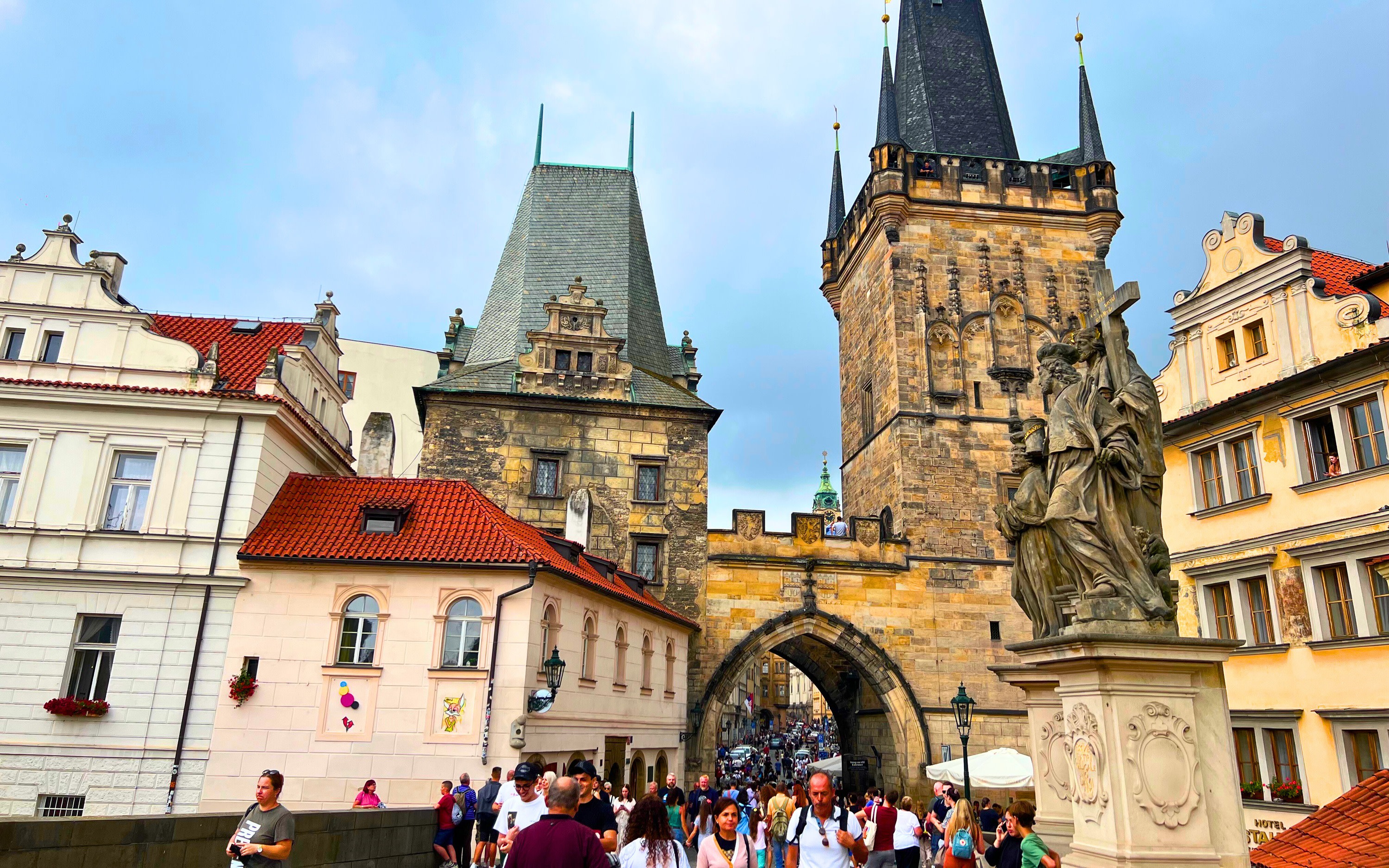
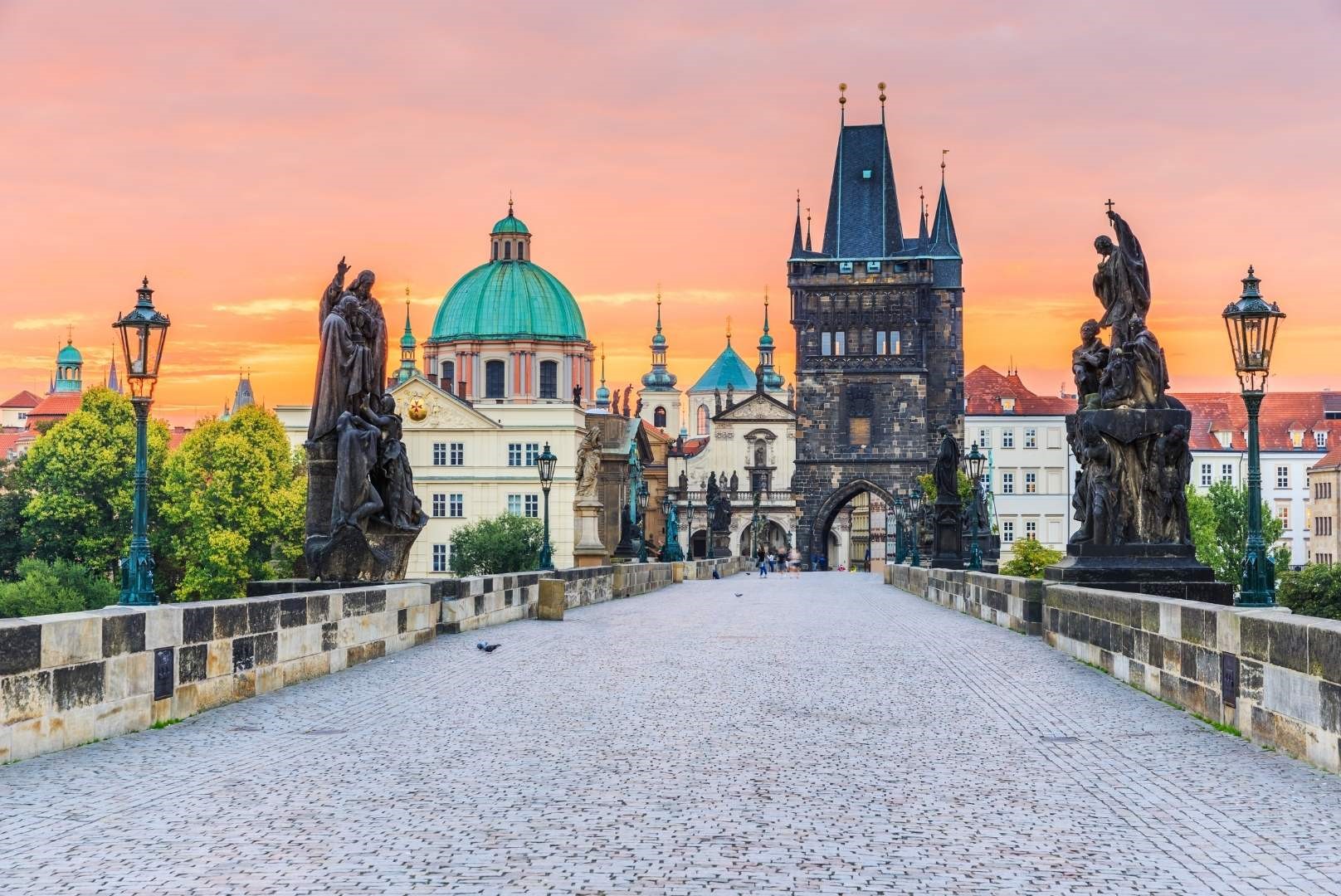
Charles Bridge is one of the most iconic landmarks in Prague. Built in the 14th century, it is lined with statues of saints and offers beautiful views of the Vltava River and Prague's skyline.
Historical/Architecture
1-2 hours
Free
Old Town Square
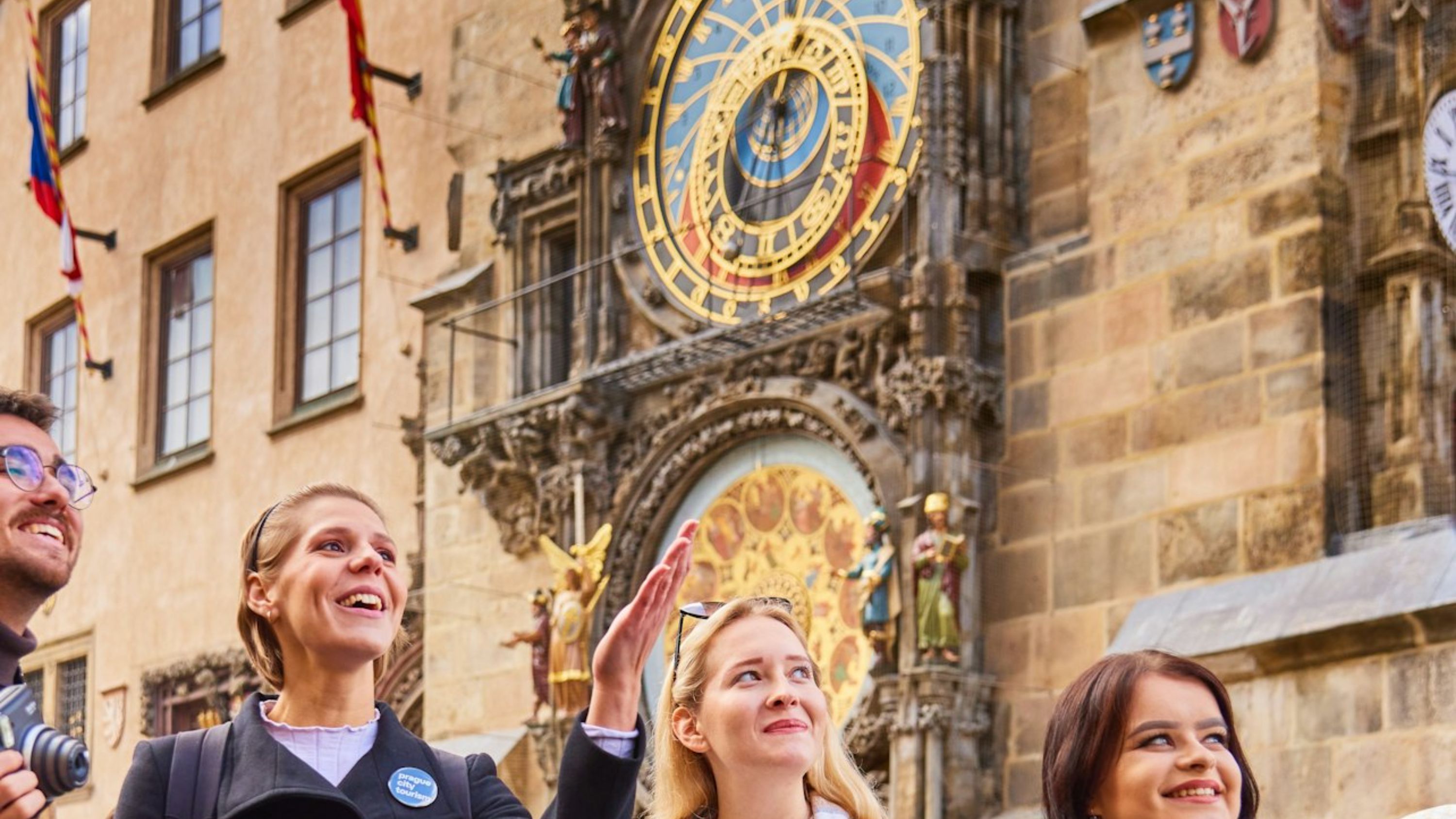
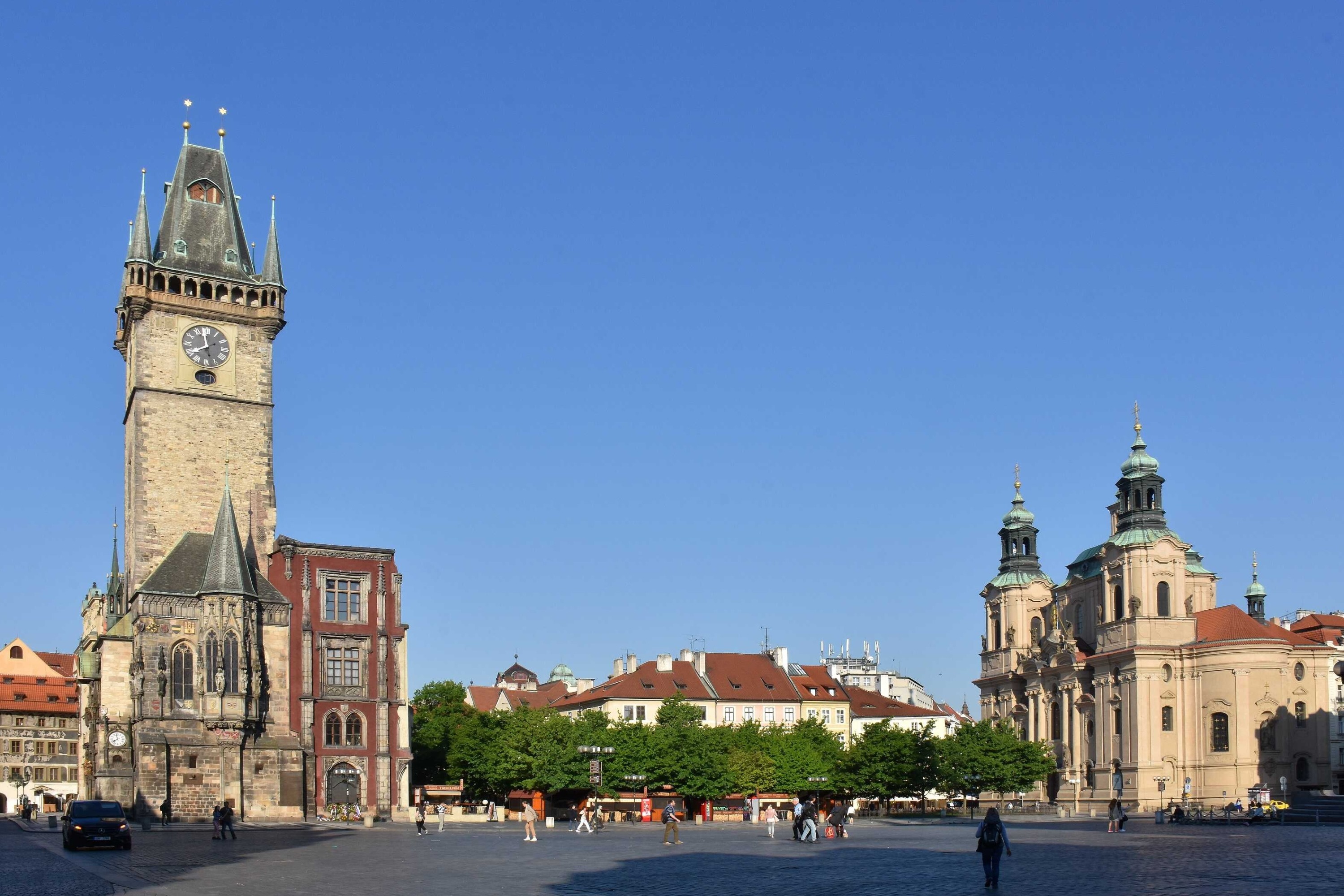
Old Town Square is the heart of Prague's historic center and home to the famous Astronomical Clock and the Church of Our Lady before Týn. It's a vibrant hub of activity with markets, events, and street performances.
Historical/Cultural
1-2 hours
Free (some attractions may have entry fees)
Petřín Hill and Lookout Tower
Petřín Hill is a beautiful park offering panoramic views of Prague. The Petřín Lookout Tower, often referred to as 'Prague's Eiffel Tower,' is a miniature version of the famous Parisian landmark and provides stunning views from its observation deck.
Nature/Adventure
2-3 hours
Moderate (10 EUR for tower entry, discounts available)
Jewish Quarter (Josefov)
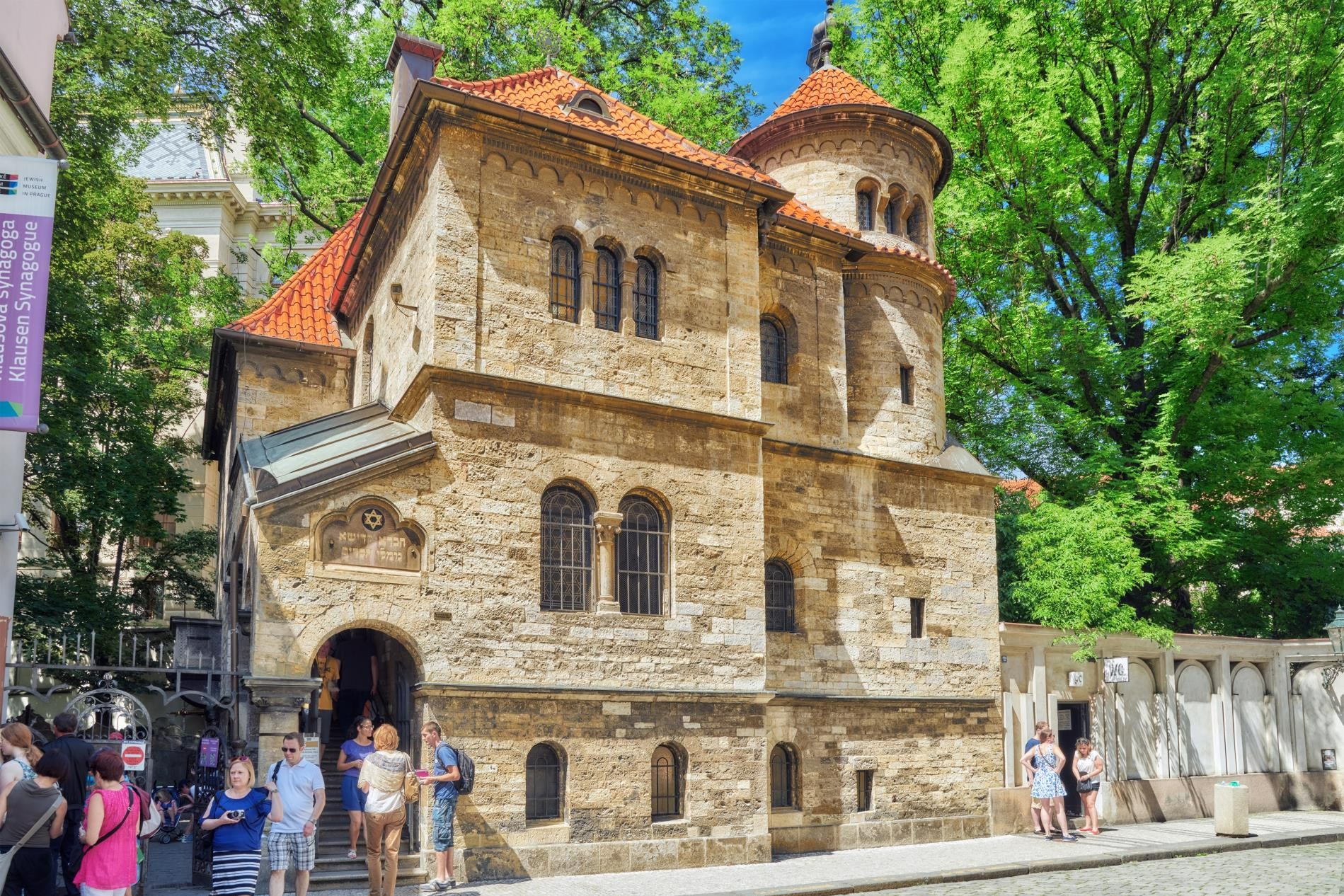
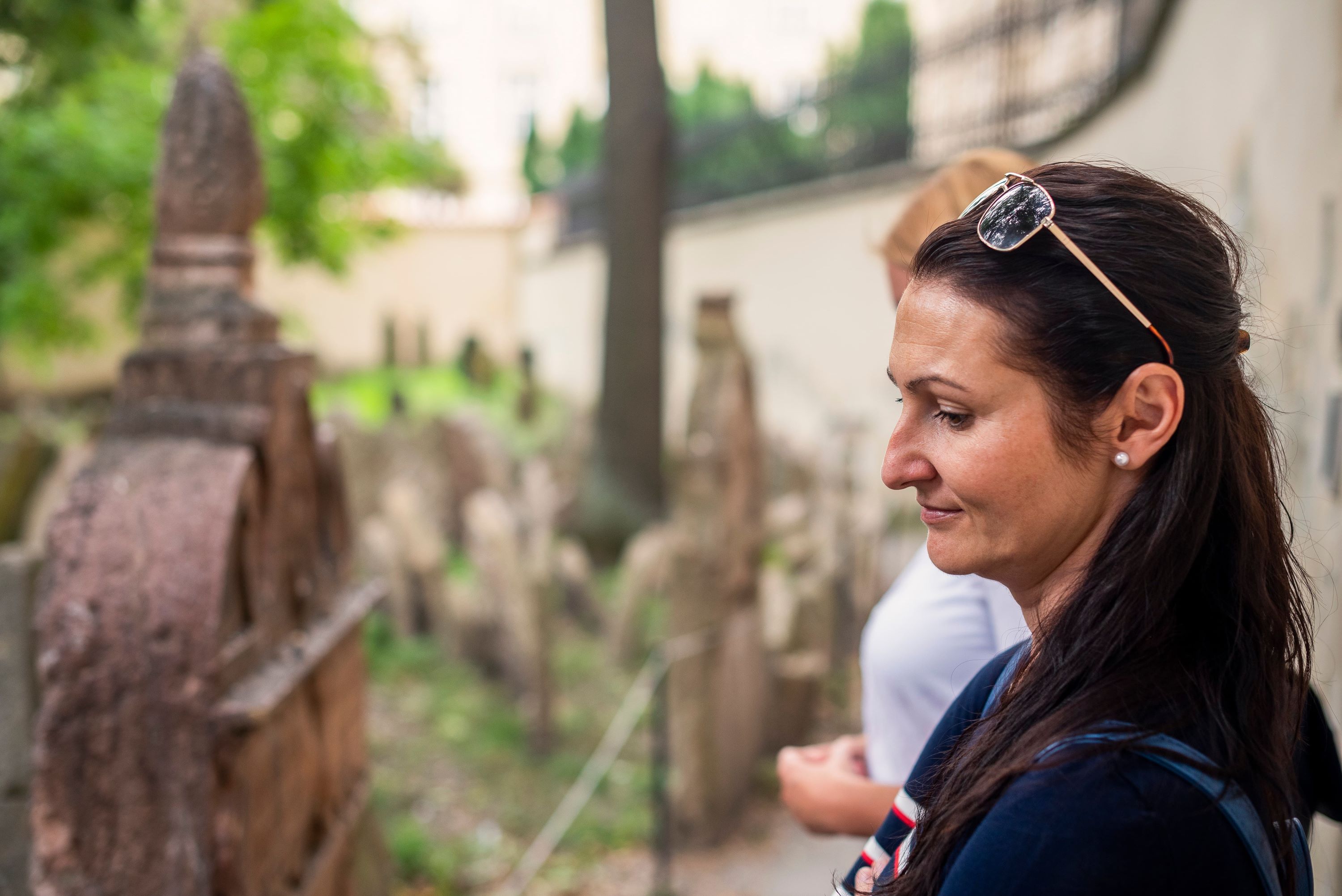
The Jewish Quarter, known as Josefov, is a historic area with a rich cultural heritage. It includes several synagogues, the Old Jewish Cemetery, and the Jewish Museum, which provide insight into the history of Prague's Jewish community.
Historical/Cultural
2-3 hours
Moderate (15 EUR for combined museum entry, discounts available)
Must-Try Local Dishes
Svíčková
A traditional Czech dish consisting of marinated beef sirloin in a creamy vegetable sauce, served with bread dumplings and whipped cream.
Main Course
Contains beef, dairy, and gluten.
Guláš
A rich and flavorful Czech goulash made with beef, onions, and paprika, typically served with bread dumplings or potatoes.
Main Course
Contains beef, onions, and gluten (if served with dumplings).
Trdelník
A sweet pastry made from rolled dough wrapped around a stick, grilled, and coated with sugar and cinnamon. Often filled with ice cream or whipped cream.
Dessert
Contains wheat, sugar, and may contain dairy.
Pilsner Urquell
A world-famous Czech pilsner beer, known for its crisp and refreshing taste. It's brewed using traditional methods and high-quality ingredients.
Drink
Contains barley and hops.
Popular Activities
Hiking in the Bohemian Switzerland National Park
Rafting on the Vltava River
Cycling tours
Spa treatments in Karlovy Vary
Boat tours on the Vltava River
Picnics in Letná Park
Visiting museums and galleries
Attending classical music performances
Best Time to Visit
May to September
The weather is pleasant, and all tourist attractions are open. It's the best time for sightseeing and outdoor activities.
15°C to 25°C
59°F to 77°F
Practical Information
Language
- Official: Czech
- Widely spoken: English, German
- English: Moderately spoken
Currency
Czech Koruna (CZK)
Time Zone
GMT+1 (Central European Time, CET)
Electricity
230VV, 50HzHz
Safety Information
Overall Safety Rating: Generally safe
Prague is generally a safe city for travelers, with low crime rates and a welcoming atmosphere. However, as with any major city, it's important to be aware of your surroundings and take precautions to protect yourself and your belongings.
Important Precautions:
- • Keep valuables secure and out of sight
- • Use reputable taxi services or apps
- • Be cautious of strangers approaching you with offers or requests
Getting there
By air
- Václav Havel Airport Prague • 10 km from city center
By train
Prague Main Station, Holešovice Station
By bus
Florenc Central Bus Station, Černý Most Bus Station
Getting around
Public transport
Trams are the most iconic and efficient way to get around Prague. The network covers most of the city and is well-connected to metro and bus lines.
Taxis
Available • Apps: Uber, Bolt
Rentals
Car, Bike, Scooter
Neighborhoods
Old Town (Staré Město)
Malá Strana
Vinohrady
Žižkov
New Town (Nové Město)
Day trips
Kutná Hora
70 km from Prague • Half day to full day
Kutná Hora is a historic town known for its stunning architecture, including the Sedlec Ossuary (Bone Church) and St. Barbara's Cathedral. It offers a unique glimpse into the region's rich history and cultural heritage.
Karlštejn Castle
25 km from Prague • Half day
Karlštejn Castle is a stunning Gothic castle built in the 14th century by King Charles IV. It offers beautiful views of the surrounding countryside and a fascinating insight into the region's medieval history.
Český Krumlov
180 km from Prague • Full day to overnight
Český Krumlov is a charming and well-preserved medieval town, known for its stunning architecture, cobblestone streets, and the impressive Český Krumlov Castle. It's a UNESCO World Heritage site and a popular day trip from Prague.
Festivals
Prague Spring International Music Festival • May to June
Prague International Film Festival • March
Prague Beer Fest • May
Pro tips
- Visit the Prague Castle early in the morning to avoid crowds
- Explore the city's historic sites and architecture on foot
- Try traditional Czech dishes at local restaurants and pubs
- Experience the city's vibrant nightlife and entertainment scene
- Take a day trip to nearby destinations, such as Kutná Hora or Karlštejn Castle
From $25
per person
Price varies by option
Secure booking
Free cancellation available
Instant confirmation