Dublin Private Walking Tour
Active
3h
For a full refund, cancel at least 24 hours before the scheduled departure time.
Instant confirmation
Mobile or paper ticket accepted
About this experience
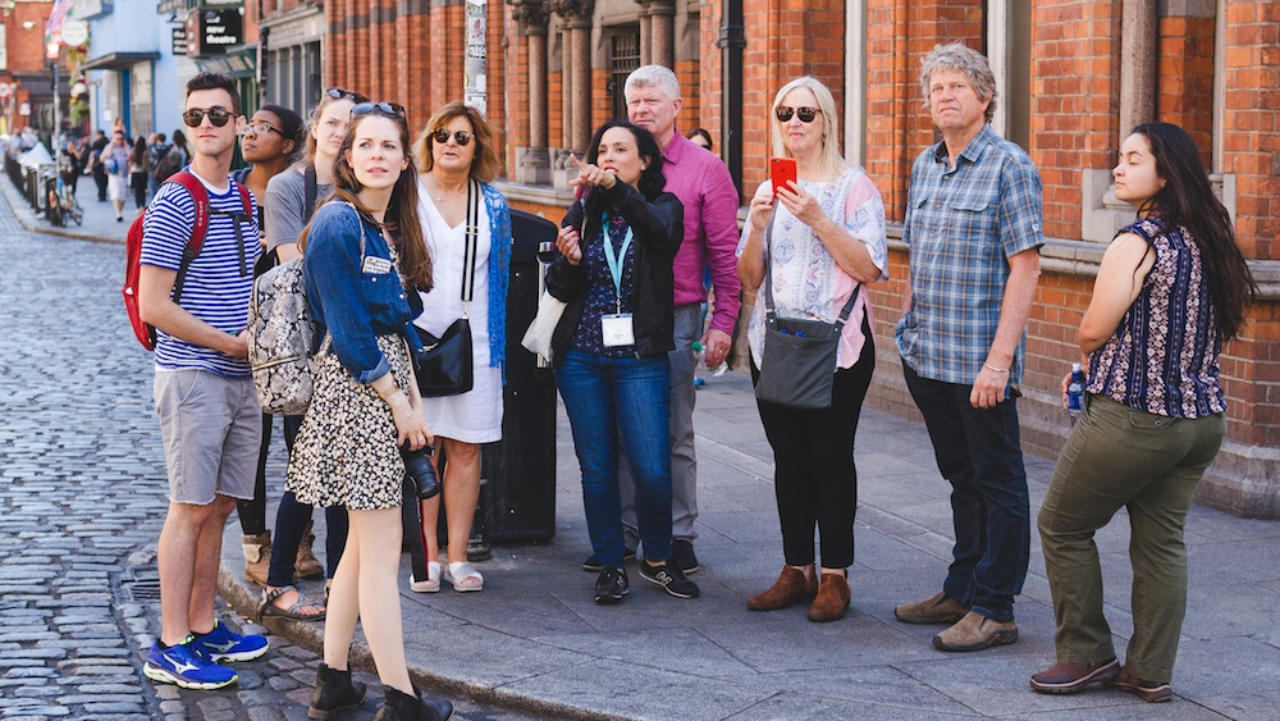
Step into the heart of Dublin, a city forged by a 1000 years of incredible history, vibrant culture, and rich traditions. With an Irish local guide, explore iconic highlights and discover hidden gems as you journey through the cultural quarters and cobblestone streets of the city. Through the art of Irish storytelling, learn about the history, people, places and characters, who have shaped Dublin from its medieval past up to its present day.
• Personalized Experience: A private tour just for you/family/group, enjoyed at your own pace.
• Option to 100% customize this tour to your own personal preference.
• Flexible Meeting: Meet from your Hotel Lobby or a city center location.
• Insider Tips: Recommendations for the best local eateries, restaurants, and traditional pubs.
• Your Pace, Your Way: Opportunities to stop for photos and refreshments.
Available options
Dublin Private Walking Tour
Options to be met/collected from the list of City Center Hotels or to meet at the designated City Center location.<br/>Pickup included
What's included
Expert Historical Overview: Of Dublin & Ireland's history from its Medieval roots to the modern day.
Dublin Orientation: Advice on navigating the city, using transport, & tips for your stay in Dublin.
Digital Pdf Recommendations: for the Best Cafes, Restaurants, Pubs & Irish Traditional Music Venues
Dedicated Personal Attention: As a 100% private experience, the tour is solely provided for you.
Certified Guide: A 3-hour private tour led by a qualified, licensed, experienced professional guide.
Detailed itinerary
1
Stop 1
DUBLIN CASTLE the once seat of British rule and administration in Ireland dates back to medieval times since the first stone was laid in 1204. Discover the Incredible History of one of Dublin's most significant and important landmarks. External Tour of the Grounds of the Castle.
2
Stop 2
Derived from Dublin’s unofficial singing anthem. Molly Malone is a character revered by both Dubliners and Irish alike. Since the statues physical appearance in the city it has become the most visited and photographed statue in all of Dublin.
3
College Green is a splendid three-sided plaza in the heart of Dublin City. On its northern side lies the Bank of Ireland building, one of Dublin s magnificent architectural gems ,initially Ireland's Parliament House. To its east stands Trinity College Dublin, Ireland's oldest university renowned for its academic excellence and beautiful campus. To its south College Green hosts a variety of monuments dedicated to Irish history in addition to some of Dublin's magnificent Georgian & Victorian architecture
4
The Powerscourt Townhouse, was originally built in the 18th century as the city residence for the very wealthy Richard Wingfield, the 2nd Viscount Powerscourt, and his wife, Lady Elizabeth.. The townhouse served as a social hub for Dublin's elite, hosting lavish parties and events. Now a magnificent hidden gem in the heart of the city, it is often missed by visitors to Dublin.
5
Stop 5
Stand on Dublin’s oldest foot bridge and take in the views as you look to the East and West of the City. One of Dublin’s most famous bridges that links the south to north of the City, or maybe the north to the south of the city, depending on your point of view. Identified as one of the oldest wrought iron Bridges in the world, steeped in over 200 years of history it is one of the most treasured iconic bridges in Dublin.
6
Stop 6
Founded in 1592 by Queen Elizabeth I, Trinity College is Ireland’s oldest university and home to a beautiful campus rich in history and architecture. Stroll the grounds of this magnificent college, which Forbes's Magazine voted as one of the most beautiful to visit in the world. External walk through the grounds of the college
7
Stop 7
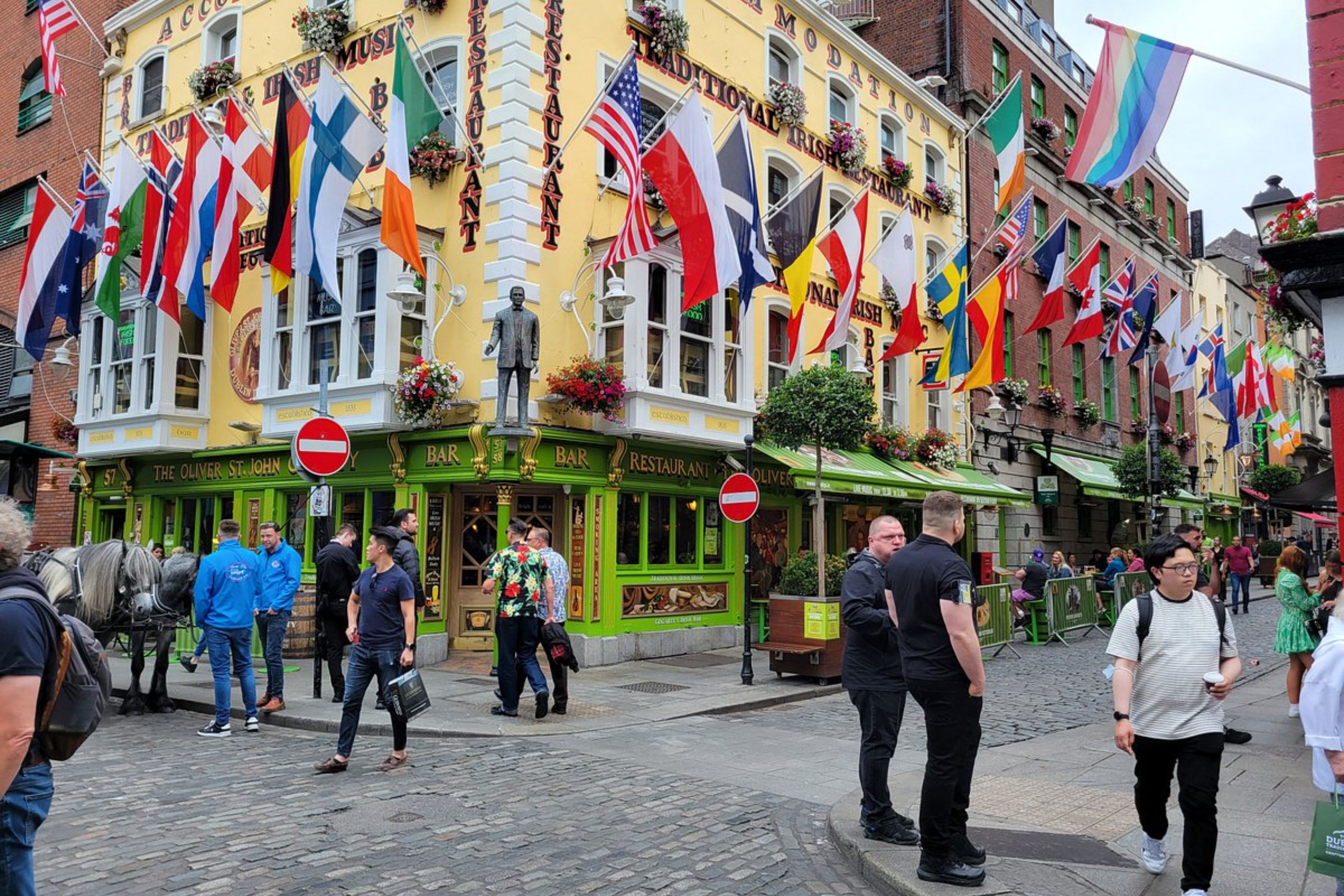
Although the Temple Bar Pub is a now famous landmark, Temple Bar itself is an area of some 28 acres.A vibrant and colorful cultural destination, particularly for the enthusiastic reveler. Temple Bar is a wonderful maze of eateries and public houses showcasing Irish Traditional music and the like. Temple Bar is full of wonderful side streets alleys and lane-ways rich in Irish history and stories.
8
Stop 8
St Stephen's Green Park is a beautiful hidden oasis located in the heart of Dublin City. Approximately 22 acres in size, the park features lush gardens, flower beds, lakes, and a variety of wildlife and exotic plants. With mix of winding paths and walkways, the park is host to numerous sculptures and monuments that reflect the rich and diverse history of Dublin and Irish history.
9
Hidden in the heart of Dublin. This picturesque garden is a hidden gem often missed by guests and travelers alike. With a unique history all of its own, discover the secrets and stories behind this beautiful green adorned with unique brickwork and Celtic patterns
10
The Dublin Famine Memorial is a powerful tribute to over one million victims of the Great Irish Famine of 1845. It features haunting sculptures of emaciated figures, symbolizing the suffering endured during this tragic period. The memorial serves as a reminder of the millions affected by starvation and displacement which contributed to the formation of one of the largest Irish diaspora populations in the world.
11
Dublin's old Parliament house, containg the original House of Lords (Now Bank of Ireland) was originally constructed in the early 18th century. One of Dublin's most significant historical and architectural gems. Enter into the House of Lords and discover it as it was over 250 years ago. Entry subject to times and opening
12
Dublin's Music Wall of Fame is a vibrant tribute to the legendary Irish bands and singers who have made significant contributions to both Irish and world music. This iconic landmark celebrates the rich musical heritage of Ireland, showcasing the talents of many of its most famous renowned artists.
13
Stop 13
The Theobald Wolfe Tone statue commemorates one of Ireland's most influential figures known for his role in the quest for greater autonomy and independence from British Rule. Regarded as the father of Irish nationalism, Tone played a significant role in the 1798 rebellion. This monument honors his legacy and contributions to Irish history.
14
Learn about the events of the 1916 Rising as we view a copy of the original Irish Proclamation, officially known as the Proclamation of the Irish Republic. Issued on April 24, 1916, during the Easter Rising against British rule. It declared the establishment of an independent republic and outlined fundamental rights, including equal citizenship and respect for all people's rights. The proclamation is a cornerstone document in Irish history, symbolizing the aspiration for self-determination and national sovereignty, and continues to be celebrated as a foundational text in modern Ireland.
Available languages
Guide guide
EN
Reviews breakdown
Viator
5.0
7 reviews
5★
7
4★
0
3★
0
2★
0
1★
0
Tripadvisor
5.0
16 reviews
5★
16
4★
0
3★
0
2★
0
1★
0
Important information
Service animals allowed
Public transportation options are available nearby
Not recommended for travelers with spinal injuries
Not recommended for pregnant travelers
Not recommended for travelers with poor cardiovascular health
Suitable for all physical fitness levels
Not recommended for babies or children under the age of 5 years
Meeting point
The Molly Malone statue is situated on Suffolk Street at the intersection with Andrew Street in Dublin. This bronze statue depicts the legendary fishmonger pushing a wheelbarrow, celebrating Dublin's rich cultural heritage and the famous song "Molly Malone."
About Dublin
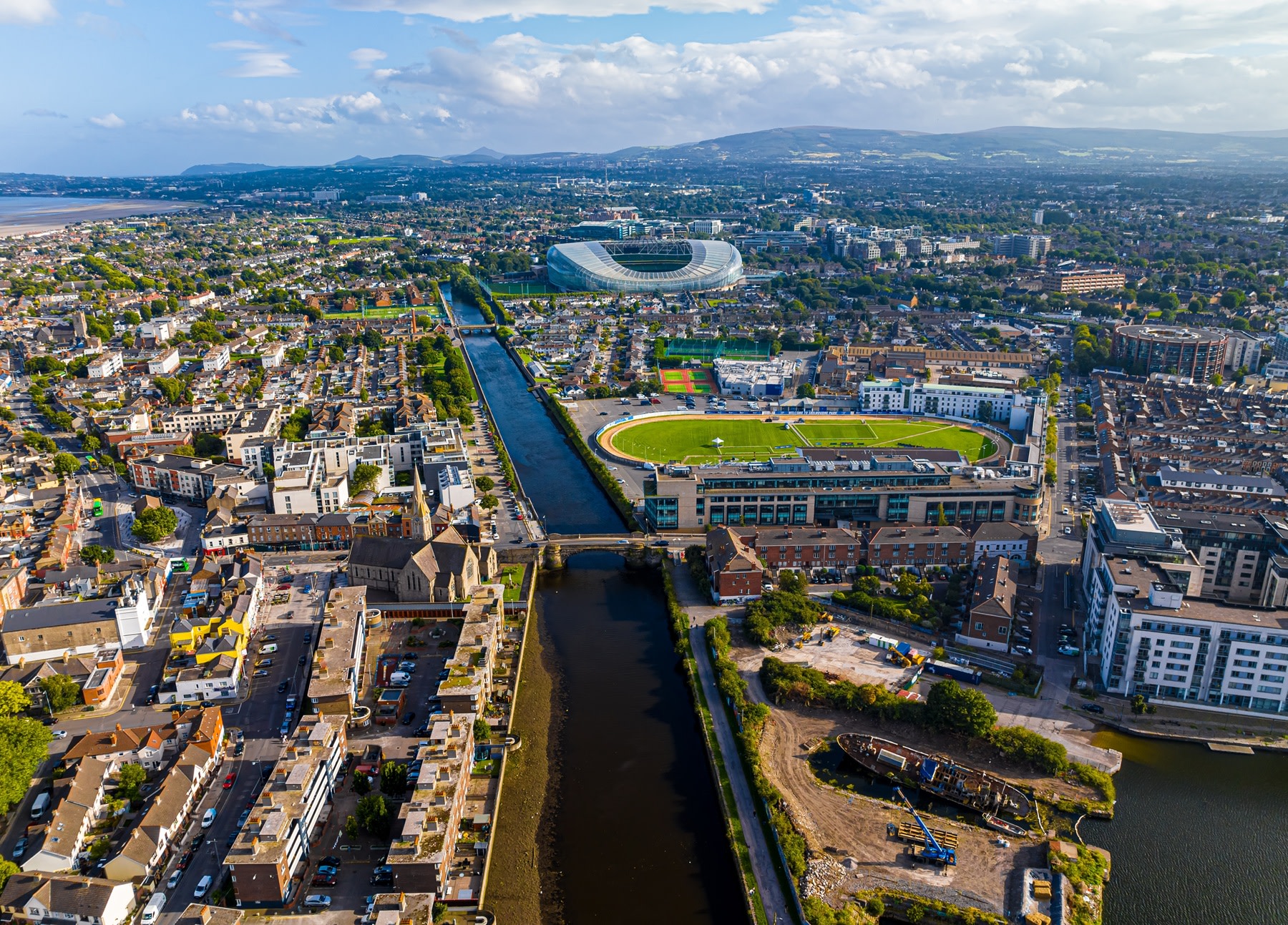
Dublin, the capital of Ireland, is a vibrant city rich in history, culture, and charm. Known for its welcoming atmosphere, literary heritage, and lively pub scene, Dublin offers a unique blend of medieval architecture, modern amenities, and stunning coastal landscapes.
Top Attractions
Trinity College and the Book of Kells
Trinity College is Ireland's oldest university and home to the famous Book of Kells, a beautifully illustrated manuscript from the 9th century.
Historical
1-2 hours
€16 (Book of Kells exhibition)
Guinness Storehouse
The Guinness Storehouse is a seven-story interactive experience dedicated to the history and brewing process of Ireland's most famous beer.
Cultural
2-3 hours
€25-€30
Kilmainham Gaol
Kilmainham Gaol is a former prison that played a significant role in Irish history, particularly during the struggle for independence.
Historical
1-2 hours
€8
Dublin Castle
Dublin Castle has been a symbol of British rule in Ireland for centuries and is now a major government complex and tourist attraction.
Historical
1-2 hours
€10-€12
St. Patrick's Cathedral
St. Patrick's Cathedral is one of Dublin's most impressive churches, known for its stunning architecture and historical significance.
Religious
1 hour
€7.50
Phoenix Park
Phoenix Park is one of the largest urban parks in Europe, offering a peaceful escape from the city with its lush greenery and wildlife.
Nature
2-3 hours
Free
Must-Try Local Dishes
Irish Stew
A hearty dish made with lamb or beef, potatoes, carrots, and onions, slow-cooked to perfection.
Main Course
Contains meat, can be made vegetarian
Boxty
A traditional Irish potato pancake made with grated and mashed potatoes, flour, and buttermilk.
Side Dish
Vegetarian
Coddle
A comforting dish made with sausages, bacon, potatoes, and onions, slow-cooked in a rich broth.
Main Course
Contains meat
Soda Bread
A traditional Irish bread made with flour, baking soda, and buttermilk, known for its dense texture and slightly tangy flavor.
Bread
Vegetarian
Popular Activities
Hiking in the Wicklow Mountains
Kayaking on the River Liffey
Rock climbing at Dublin Rock Climbing Centre
Spa day at a luxury hotel
Strolling through St. Stephen's Green
Enjoying a pint in a cozy pub
Visiting museums and galleries
Attending a traditional music session
Best Time to Visit
June to August
Summer is the peak tourist season with the warmest weather and longest daylight hours. This is the best time for outdoor activities and festivals.
15°C to 20°C
59°F to 68°F
Practical Information
Language
- Official: Irish, English
- Widely spoken: English
- English: Widely spoken
Currency
Euro (EUR)
Time Zone
GMT (UTC+0) or GMT+1 during daylight saving time
Electricity
230VV, 50HzHz
Safety Information
Overall Safety Rating: Generally safe
Dublin is generally safe, with low levels of violent crime. However, petty crime such as pickpocketing and bag snatching can occur, especially in tourist areas and on public transport.
Getting there
By air
- Dublin Airport • 10 km (6 miles) north of the city center
By train
Heuston Station, Connolly Station
By bus
Busáras Central Bus Station
Getting around
Public transport
Dublin Bus offers a comprehensive network covering the entire city and surrounding areas.
Taxis
Available • Apps: Free Now, Uber
Rentals
Car, Bike, Scooter
Neighborhoods
Temple Bar
Dublin 2 (City Center)
Dublin 4 (Ballsbridge and Sandymount)
Dublin 7 (Smithfield and Stoneybatter)
Dublin 8 (The Liberties)
Day trips
Howth
13 km (8 miles) from Dublin • Half day to full day
A charming coastal village known for its scenic cliffs, fishing harbor, and fresh seafood.
Malahide Castle and Gardens
14 km (9 miles) from Dublin • Half day
A historic castle and beautiful gardens offering a glimpse into Ireland's medieval past.
Glendalough
50 km (31 miles) from Dublin • Full day
A scenic monastic site and glacial valley in the Wicklow Mountains, known for its ancient ruins and hiking trails.
Festivals
St. Patrick's Festival • March 17
Dublin Theatre Festival • September-October
Temple Bar Traditional Music Festival • March
Pro tips
- Visit the Guinness Storehouse for a complimentary pint and stunning views of the city
- Explore the historic Trinity College and the Book of Kells, but book tickets in advance to avoid long queues
- Take a stroll through St. Stephen's Green, a beautiful urban park in the heart of the city
- Experience traditional Irish music in a cozy pub, such as The Brazen Head or The Cobblestone
- Try Irish stew, a hearty and comforting dish made with lamb or beef, potatoes, and onions
From $25
per person
Price varies by option
Secure booking
Free cancellation available
Instant confirmation