Hiroshima and Miyajima Bus Tour with Indian Lunch
Active
6h - 8h
For a full refund, cancel at least 24 hours before the scheduled departure time.
Manual confirmation
Mobile or paper ticket accepted
About this experience
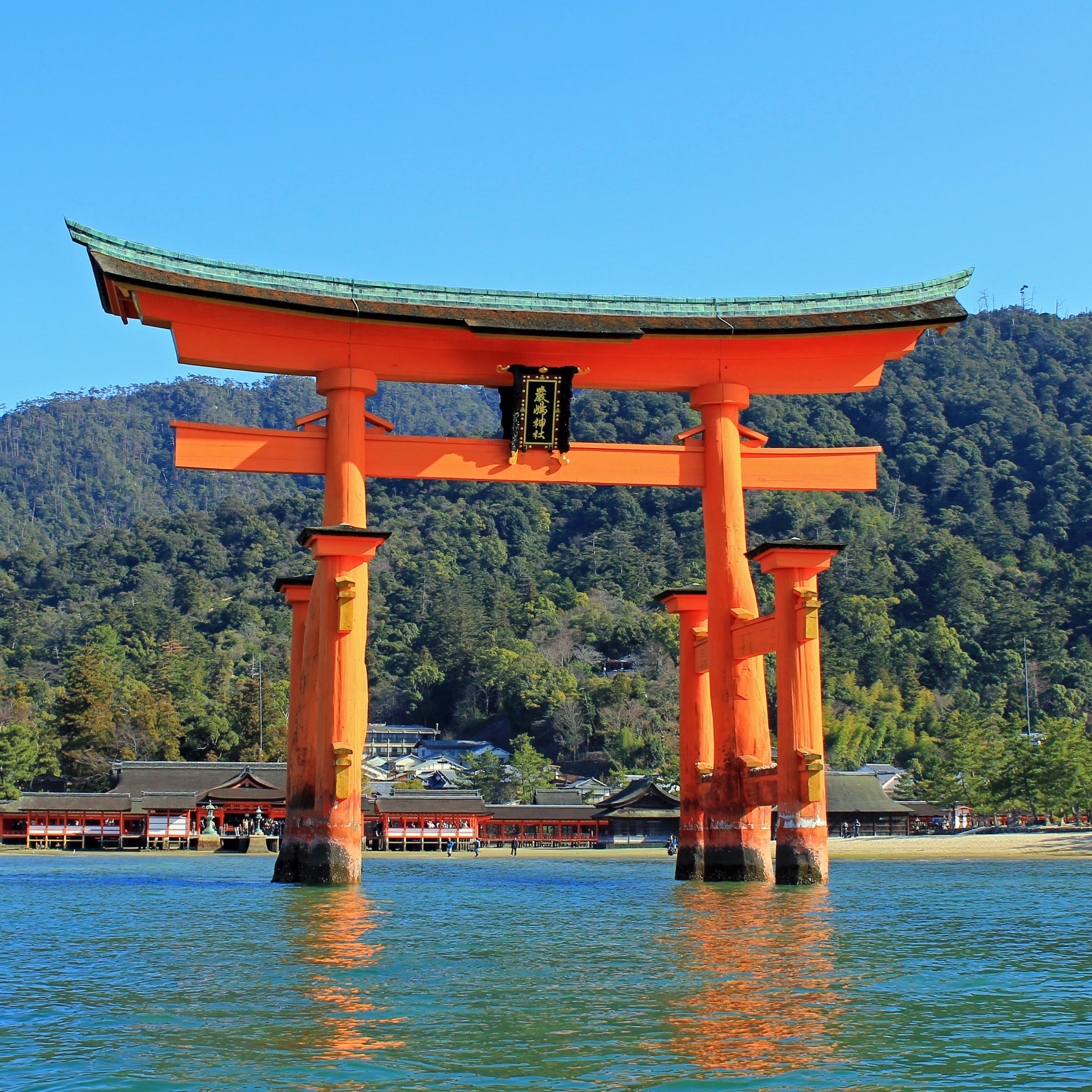
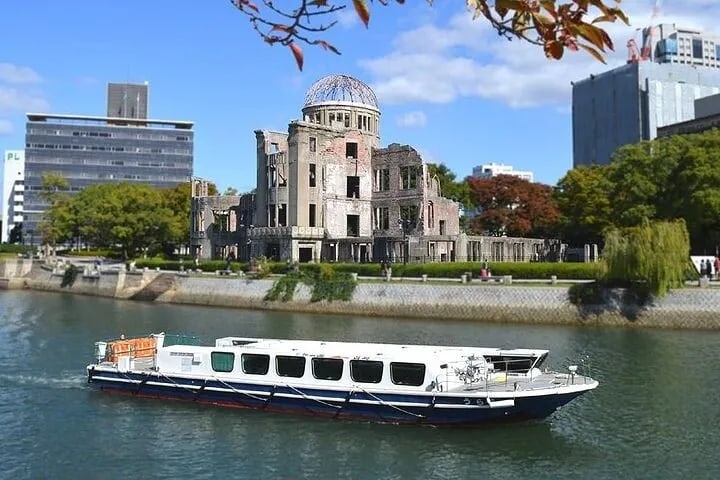
Explore Hiroshima city with a Tour bus and a comfortable air-conditioned. Stop by the statue of Gandhi while sightseeing at the Atomic Bomb Dome. Have Indian food (curry) for lunch which can be arranged for vegetarians as well. Special Ferry route from Hiroshima to Miyajimaguchi. Take pictures of Great Torii from the nearest location on the ferry.
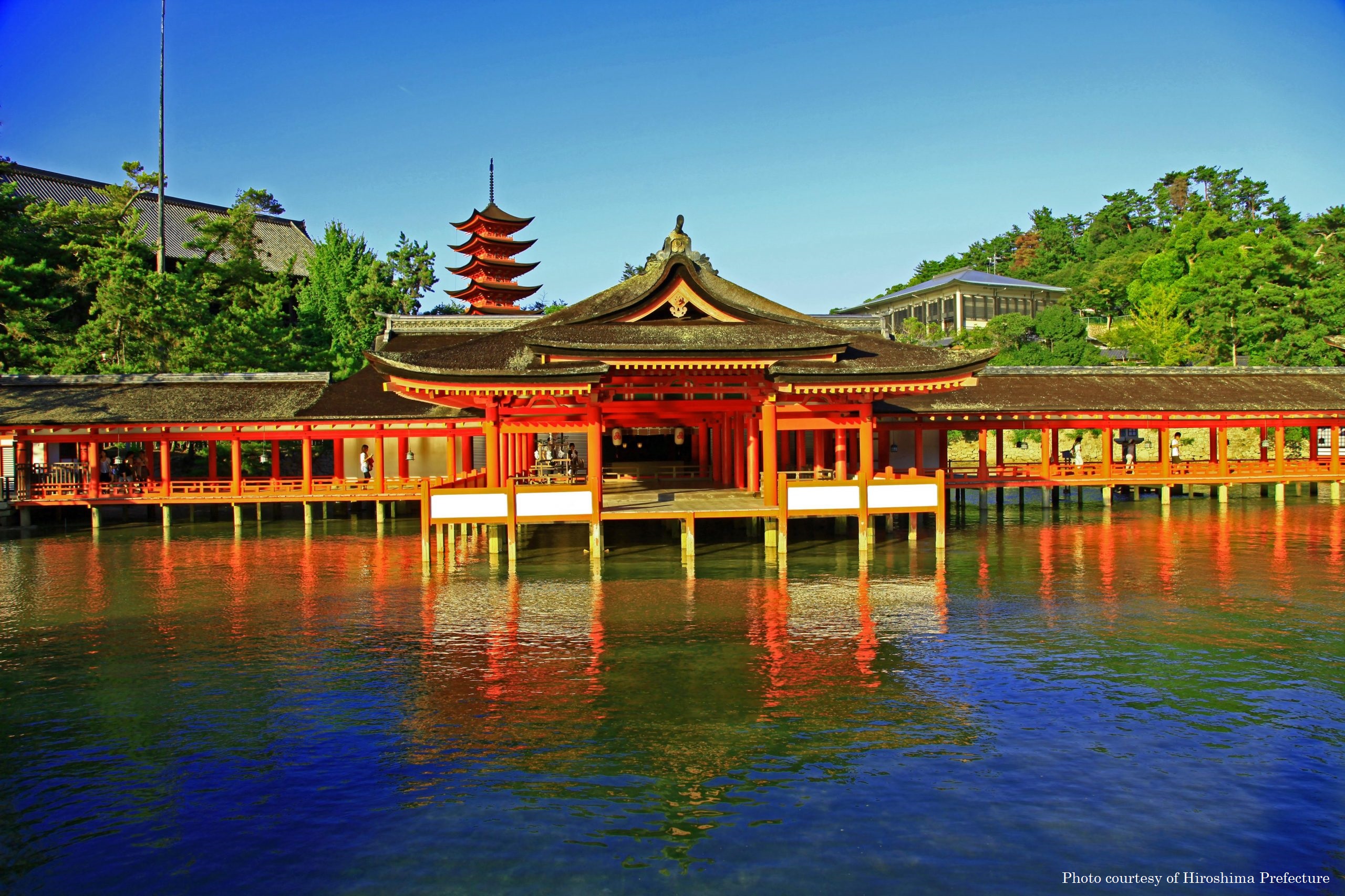
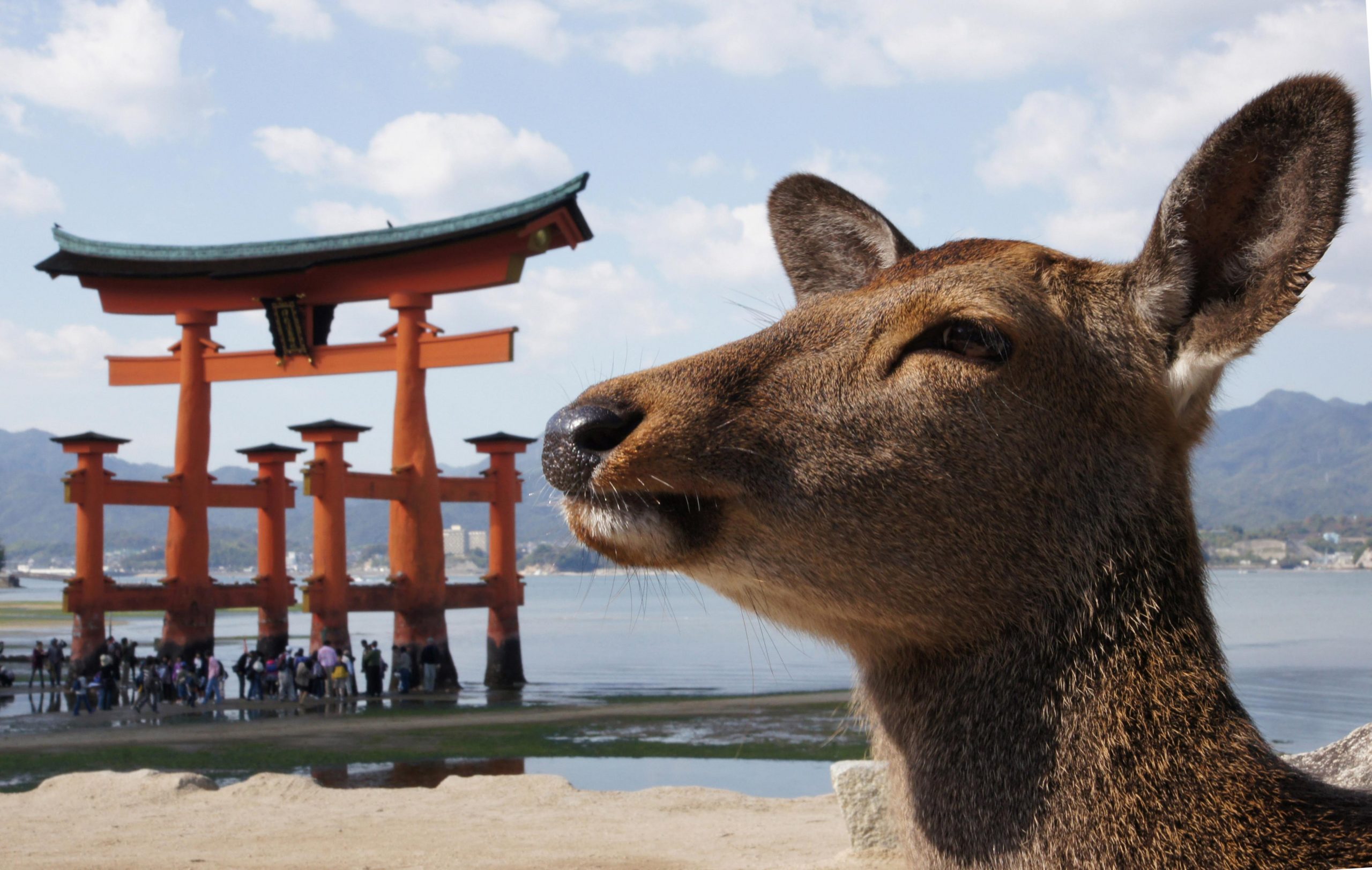
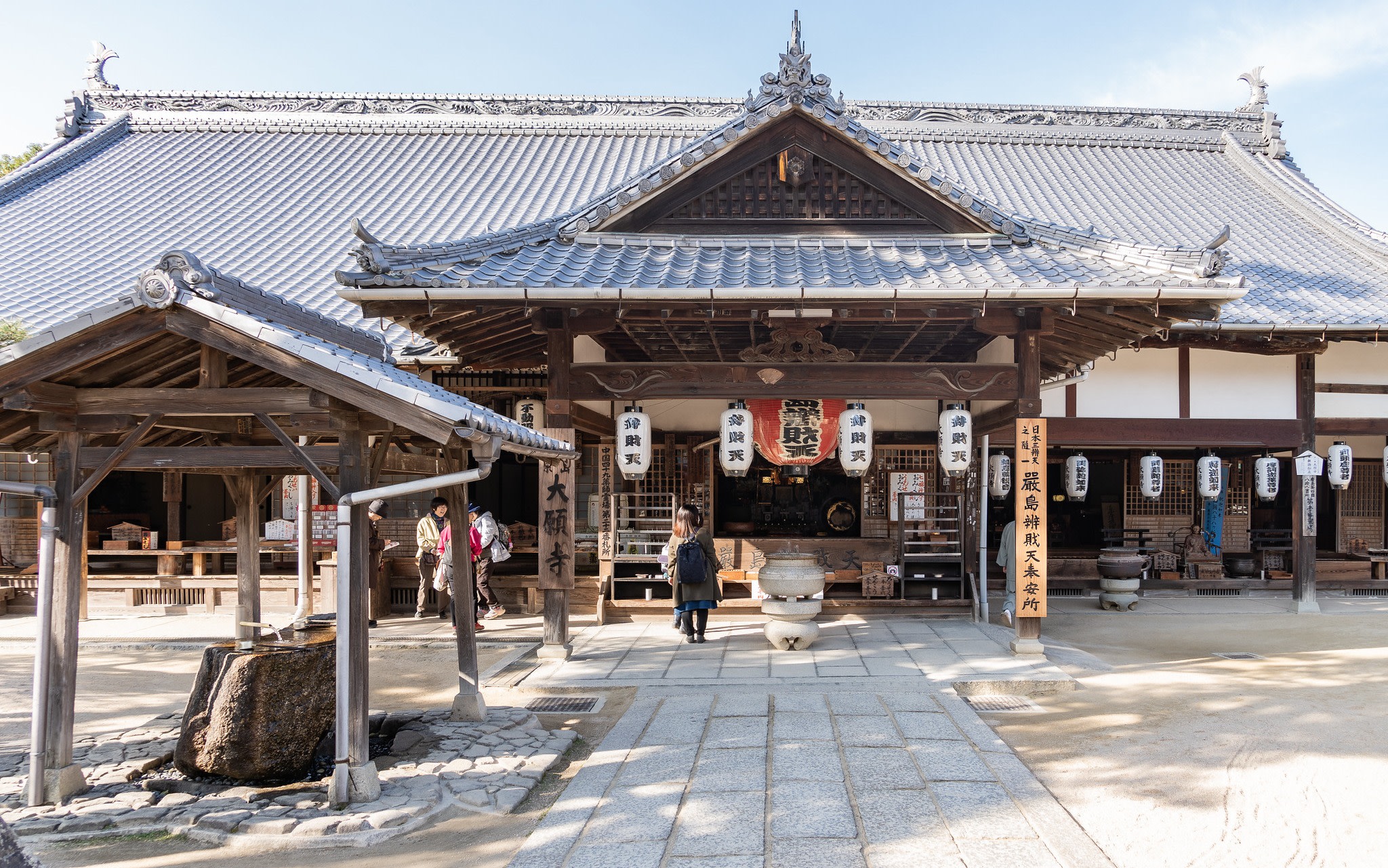
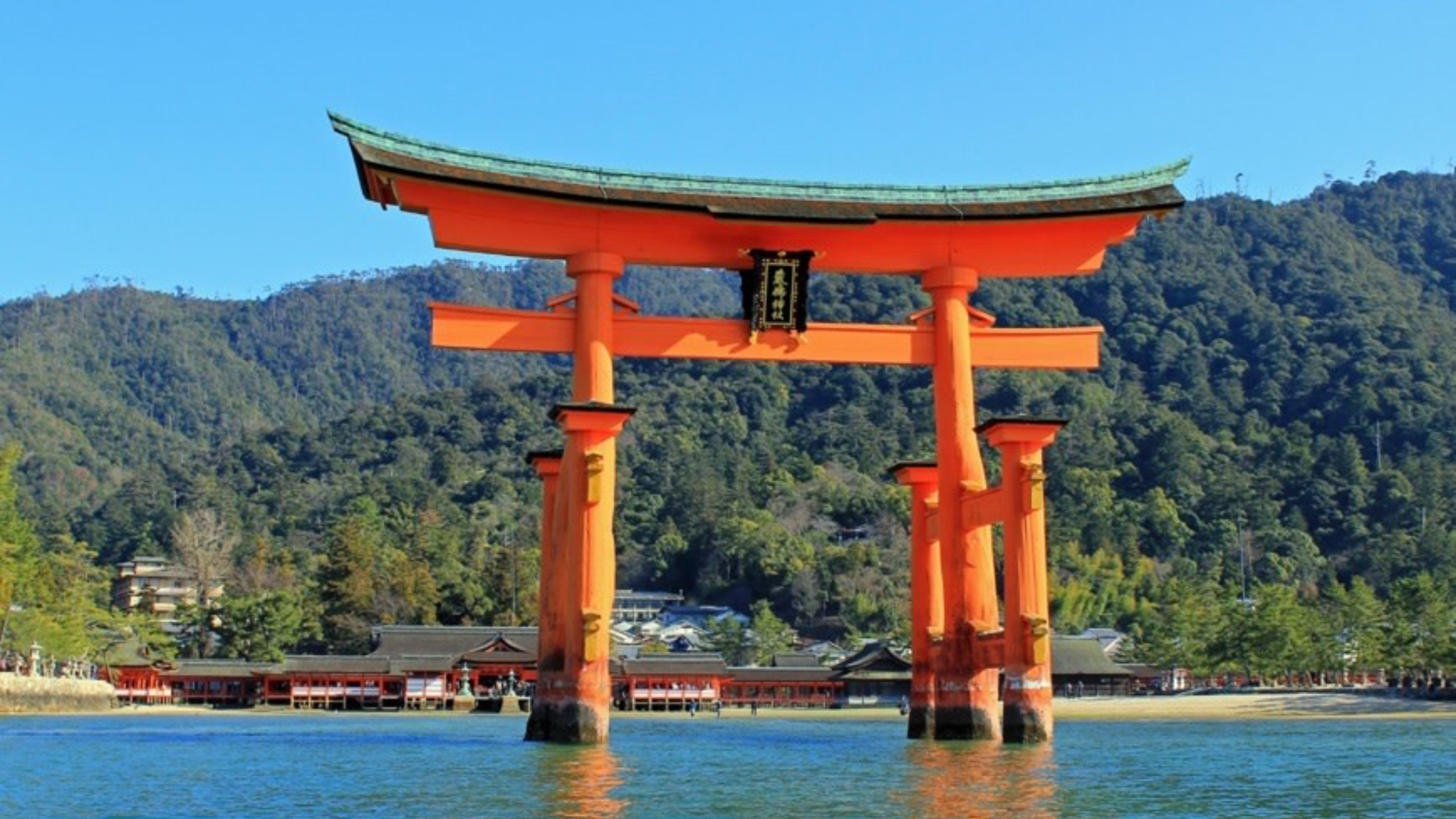
Join this full-day bus tour from Hiroshima Station, as we will visit some popular attractions. The first stop will be Itsukushima Shrine at Miyajima Island, which is famous for the historic site of Shinto. This shrine is known as one of the most scenic spots in Japan.
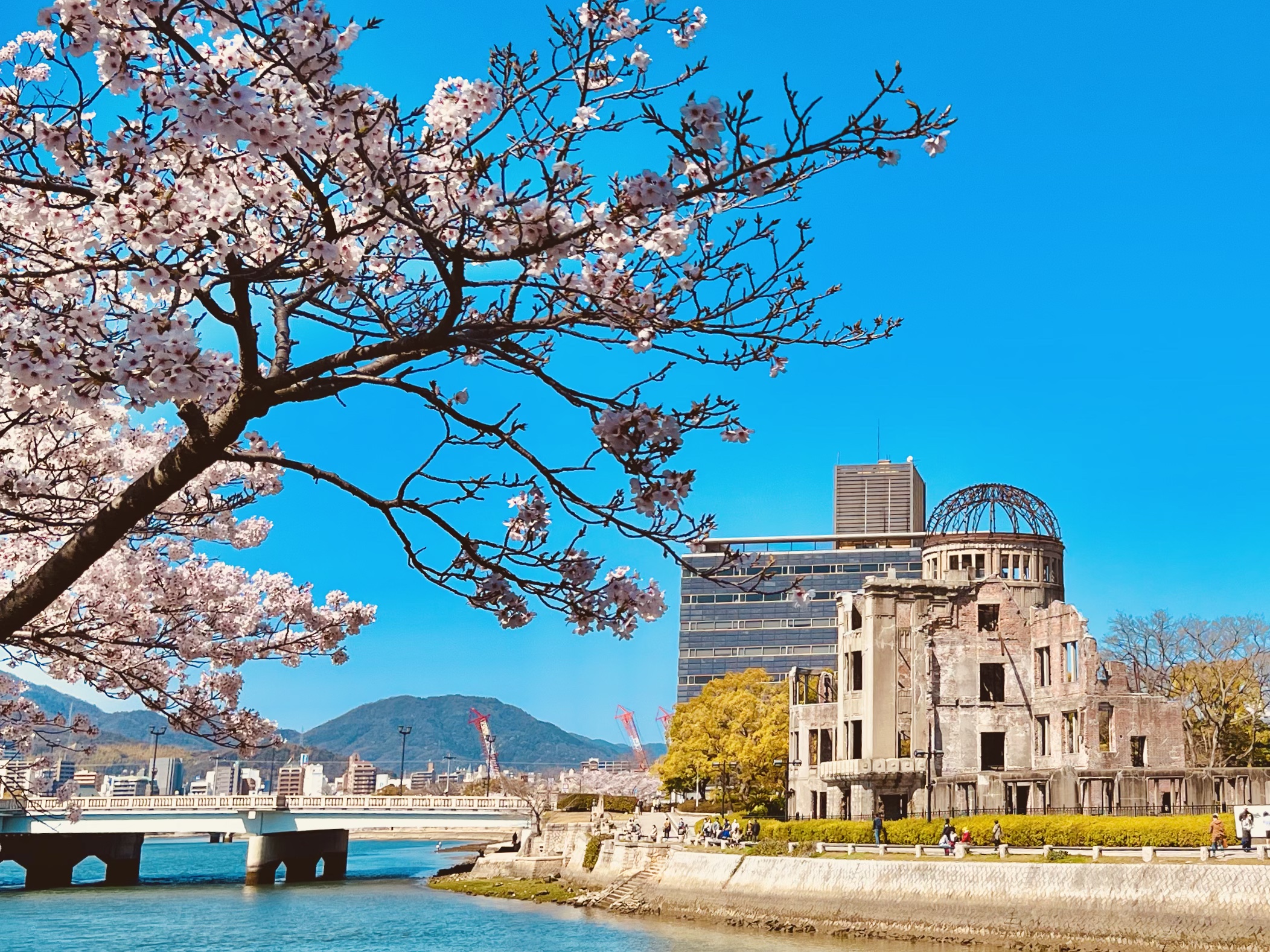
You will enjoy the beautiful red shrine as if it were floating in the middle of the sea. We will also visit the Atomic Bomb Dome, which tells us how miserable the destructive effects of nuclear warfare are and how important peace is. We will also visit the Hiroshima Peace Memorial Park and Museum.
Available options
Standard Plan from Hiroshima
What's included
Admission (Peace Memorial Museum, Itsukushima Shrine)
Miyajima Ferry Ticket
Air-conditioned vehicle
Indian Curry
Detailed itinerary
1
The castle, with its striking architecture and historical significance, stands as a testament to Japan's rich heritage. Its commanding presence amid the cityscape serves as a reminder of resilience and history, offering a fleeting but impactful view of Hiroshima's cultural heritage. The bus will stop by for photo taking.
2
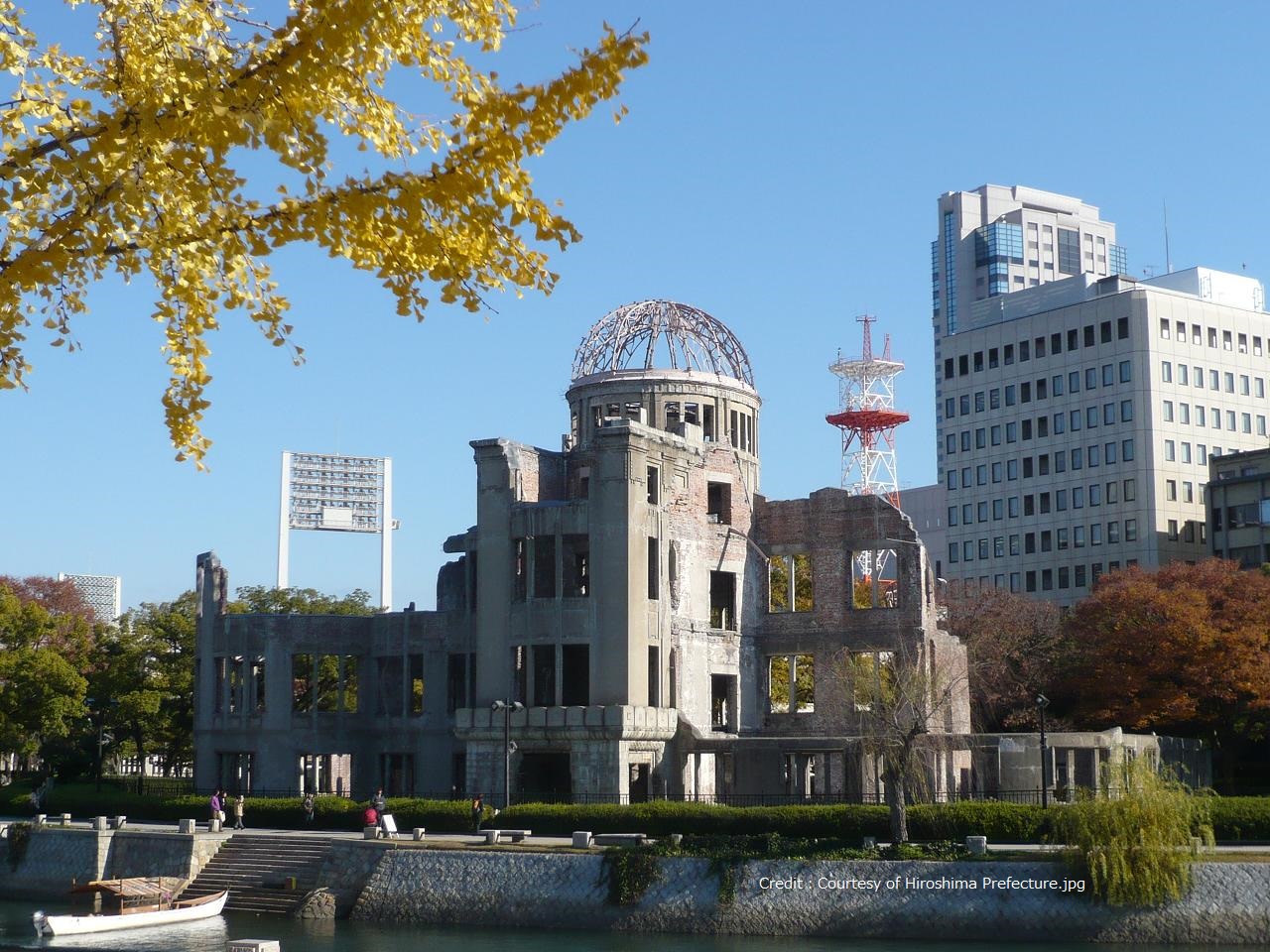
When Japan joined the UNESCO World Heritage Convention in 1992, people including a-bombed survivors began to raise their voice in support of making the A-bomb Dome a World Heritage Site.
A national campaign to collect signatures conducted by the citizens of Hiroshima was a success, and it was designated as a national historical site in June 1995 and registered on the list of World Heritage Sites in 1996 as a symbol calling for the abolition of nuclear weapons and for world peace.
3
Stop 3
On August 6, 1949, with the enactment of the Hiroshima Peace Memorial City Construction Law, it was decided that the entire Nakajima District would be devoted to "peace memorial facilities," and that was the beginning of what is now Peace Memorial Park.
The park covers approximately 122,100 square meters. It was designed by Kenzo Tange, a professor at Tokyo University, and three others, whose proposal was selected through a design competition that drew 145 proposals.
At the south edge of the park is a line of three buildings: the East Building the Main Building of the Peace Memorial Museum, and the International Conference Center Hiroshima.
4
Drop by at the statue of Gandhi where located near Atomic Bomb Dome
5
Stop 5
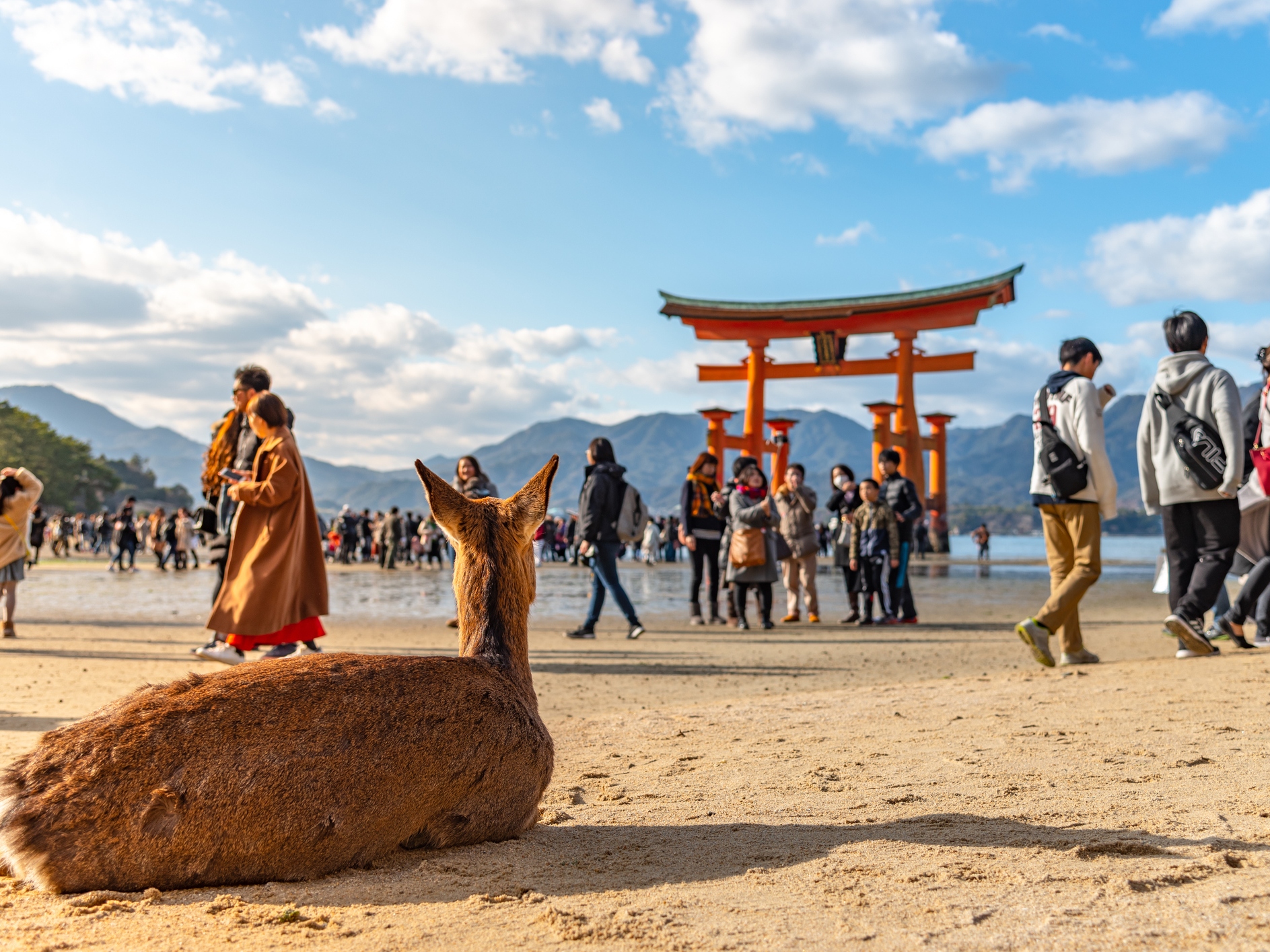
The shrine is located in a small inlet, while the torii gate is set out in the Seto Inland Sea. Paths lead around the inlet, and visitors enjoy walking along them while looking out onto the sea. After sunset, the shrine and the torii gate are illuminated daily until 23:00, providing a perfect backdrop for Ryokan guests to enjoy an evening walk in yukata and geta sandals. It is not possible to enter the shrine after sunset though. 1 hour is lunchtime.
The mid-movement time is about 30 minutes.
Available languages
Guide guide
EN
Reviews breakdown
Viator
5.0
6 reviews
5★
6
4★
0
3★
0
2★
0
1★
0
Tripadvisor
5.0
4 reviews
5★
4
4★
0
3★
0
2★
0
1★
0
Important information
Infants are required to sit on an adult’s lap
Not recommended for travelers with spinal injuries
Not recommended for pregnant travelers
Not recommended for travelers with poor cardiovascular health
Suitable for all physical fitness levels
If the minimum number of participants 10 is not met by 14 days before the scheduled date, the tour on that date might be cancelled. you can book an alternative date or request a full refund
Lunch is Indian curry which is available to be changed vegetable.
Please inform us in advance if you have any allergies or dietary restrictions when you book.
Please note that we are unable to accommodate menu changes on the day of the tour.
Please refrain from bringing your own food and drinks into the restaurant.
When the Peace Memorial Museum is closed, the itinerary may be changed to another peace memorial facility.
Not recommended for those who have difficulty walking for long periods of time.
Meeting point
The meeting point is Hiroshima Station Shinkansen ticket gate 2nd floor.
Guide bring "HIS" board and wait for you.
Please arrive at the meeting location 15 minutes before the departure time.
IMPORTANT: The bus will depart according to the schedule and will not wait for late arrivals.
Important notes
Please arrive at the meeting point at least 10 minute prior to the start time. We will not be
able to wait if you are late. Thank you.
About Hiroshima
Hiroshima is a vibrant city known for its poignant history and remarkable resilience. It is the capital of Hiroshima Prefecture and serves as a powerful reminder of the atomic bombing during World War II, while also offering rich cultural experiences and natural beauty.
Top Attractions
Peace Memorial Park and Museum
A poignant and powerful site dedicated to the memory of the atomic bombing in 1945. The park and museum serve as a symbol of peace and a reminder of the horrors of war.
Historical
2-3 hours
Free (Museum: ¥200)
Miyajima Island
A beautiful island known for its floating torii gate, scenic views, and historic temples. It is a UNESCO World Heritage site and a must-visit destination near Hiroshima.
Nature/Historical
Full day
Ferry: ¥360 (round trip), Shrine: ¥300
Shukkeien Garden
A beautiful traditional Japanese garden with ponds, bridges, and meticulously landscaped areas. It offers a peaceful retreat from the city bustle.
Nature
1-2 hours
¥260
Hiroshima Castle
A reconstructed castle that offers a glimpse into Hiroshima's feudal past. The castle houses a museum and provides panoramic views of the city.
Historical/Architecture
1-2 hours
¥370
Hiroshima Okonomimura
A multi-story building dedicated to Hiroshima's famous okonomiyaki (savory pancake). It houses several restaurants and offers a fun, interactive dining experience.
Food/Cultural
1-2 hours
Budget to Moderate
Must-Try Local Dishes
Hiroshima-style Okonomiyaki
A layered savory pancake made with noodles, cabbage, and various toppings, typically cooked on a teppan (iron griddle).
Dinner
Contains wheat, meat, and seafood. Vegetarian and vegan options may be available.
Hiroshima-style Oysters
Hiroshima is famous for its oysters, which are often grilled, fried, or served raw. They are typically harvested from the Seto Inland Sea.
Snack/Dinner
Contains shellfish. Not suitable for those with seafood allergies.
Hiroshima-style Udon
Thick, chewy wheat noodles served in a hot broth, often with various toppings like tempura or beef.
Lunch/Dinner
Contains wheat. Vegetarian and vegan options may be available.
Hiroshima-style Anago Meshi
Grilled saltwater eel served over rice, a local delicacy with a rich, savory flavor.
Lunch/Dinner
Contains fish. Not suitable for those with seafood allergies.
Popular Activities
Hiking on Miyajima Island
Cycling around Hiroshima
Kayaking in the Seto Inland Sea
Visiting Shukkeien Garden
Taking a leisurely streetcar ride
Enjoying a traditional tea ceremony
Visiting the Peace Memorial Park and Museum
Exploring the Hiroshima Castle
Best Time to Visit
Spring (March to May) and Autumn (September to November)
Spring offers cherry blossoms and mild weather, while autumn provides comfortable temperatures and vibrant foliage. These are the best times to visit for pleasant weather and outdoor activities.
15-25°C
59-77°F
Practical Information
Language
- Official: Japanese
- Widely spoken: English (limited)
- English: Limited
Currency
Japanese Yen (JPY)
Time Zone
GMT+9
Electricity
100VV, 50/60HzHz
Safety Information
Overall Safety Rating: Very safe
Hiroshima is a very safe city with a low crime rate. Violent crime is rare, and pickpocketing or petty theft is uncommon. However, travelers should still exercise caution and be aware of their surroundings.
Important Precautions:
- • Be cautious of unlicensed taxis and always check that the taxi has a meter.
- • Keep valuables secure and be aware of your surroundings in crowded areas.
- • Use reputable tour guides and services, and be wary of offers that seem too good to be true.
Getting there
By air
- Hiroshima Airport • 50 km from city center
By train
Hiroshima Station
By bus
Hiroshima Bus Center
Getting around
Public transport
The streetcar system is the main form of public transport in Hiroshima, offering an affordable and convenient way to get around.
Taxis
Available • Apps: JapanTaxi, DiDi
Rentals
Car, Bike, Scooter
Neighborhoods
Naka-ku
Higashi-ku
Nishi-ku
Minami-ku
Asaminami-ku
Day trips
Miyajima Island
10 km from Hiroshima • Full day
A beautiful island known for its floating torii gate, scenic views, and historic temples. It is a UNESCO World Heritage site and a must-visit destination near Hiroshima.
Onomichi
80 km from Hiroshima • Full day
A charming port city known for its historic temples, scenic views, and literary connections. Onomichi offers a mix of cultural attractions and natural beauty.
Iwakuni
50 km from Hiroshima • Full day
A historic city known for its stunning castle, beautiful gardens, and traditional samurai district. Iwakuni offers a mix of cultural attractions and scenic views.
Festivals
Hiroshima Flower Festival • May 3-5
Hiroshima International Animation Festival • August (varies by year)
Hiroshima Peace Memorial Ceremony • August 6
Pro tips
- Get a Hiroshima Amazing Pass for unlimited rides on the streetcar, bus, and ferry to Miyajima Island, as well as entry to major attractions.
- Visit the Peace Memorial Park and Museum early in the morning for a more serene and reflective experience.
- Try cooking your own Hiroshima-style okonomiyaki at Okonomimura for a fun and interactive dining experience.
- Hike Mount Misen on Miyajima Island for stunning views of the Seto Inland Sea and the surrounding area.
- Use IC cards like ICOCA for seamless payments on public transport and to save money on fares.
From $25
per person
Price varies by option
Secure booking
Free cancellation available