Setúbal Walking Tour with Gastronomic Tasting
Active
2h
For a full refund, cancel at least 24 hours before the scheduled departure time.
Instant confirmation
Mobile or paper ticket accepted
About this experience
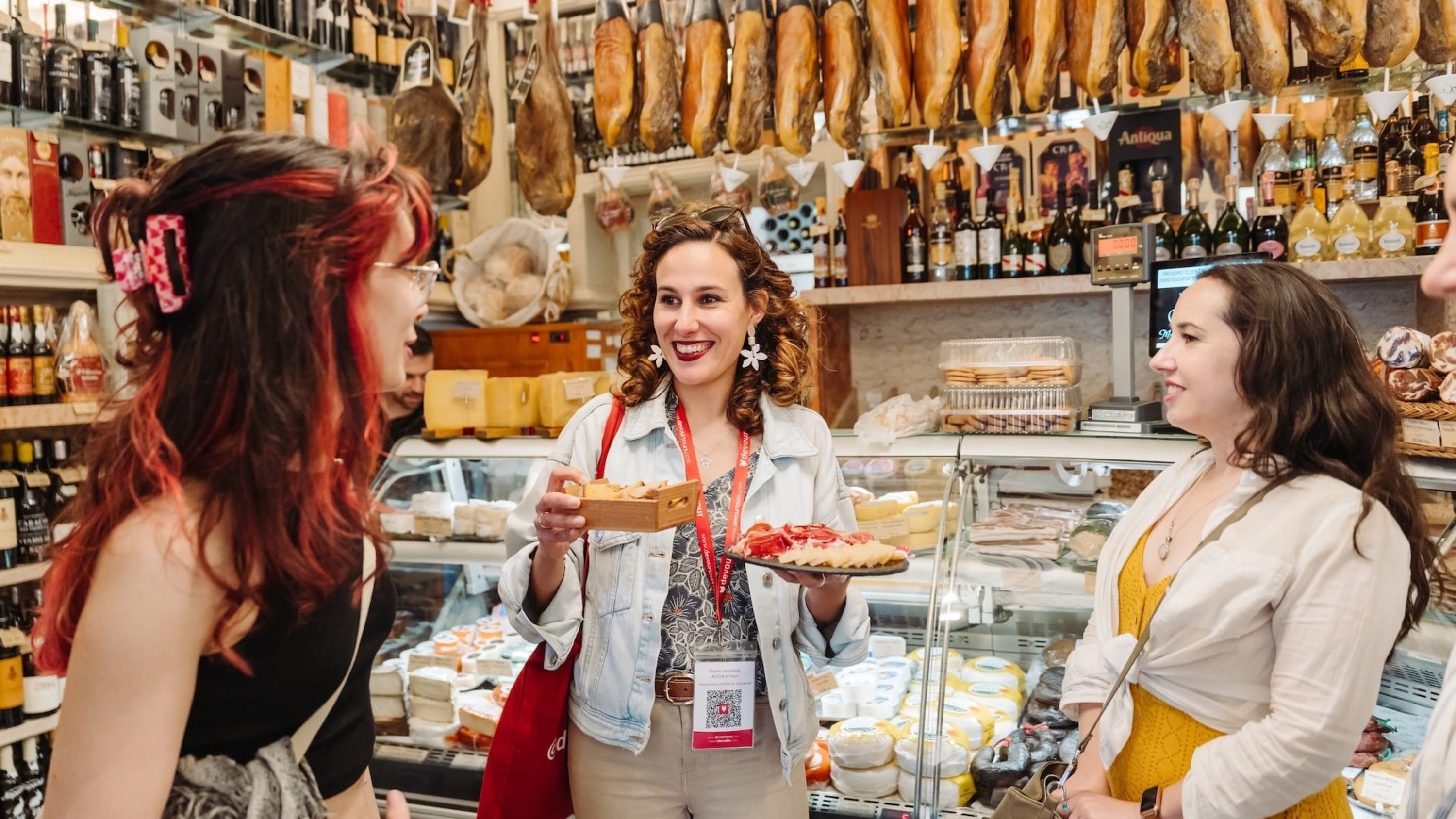
Explore the charming city of Setúbal with a guided walking tour that weaves through its rich history, vibrant culture, and delightful gastronomy. This immersive experience will take you to the city’s most iconic landmarks, stunning viewpoints, and hidden gems, all while indulging in local culinary delights. Opt for the full program to end your tour with a tasting of Setúbal’s famous red wine, Moscatel wine, Azeitão cheese, and Setúbal bread.
Available options
Sem prova Gastronómica
Duration: 2 hours
Setúbal Walking Tour with Gastronomic Tasting
What's included
Gastronomic tasting, where the visitor, will taste, the world famous Moscatel Wine, the renowned red wine, the setubal bread, the azeitão cheese, and local sweet torta de azeitão
Detailed itinerary
1
The walking Tour, starts at Setubal Souv, a souvenir shop, where the building is made with wood and cork, have a fish form, and ofter local art and souvenirs.
2
The S. Sebastião Viewpoint, also known as S. Domingos, offers you the calm to observe the hustle and bustle of the river and its boats, the Troia peninsula, the S. Filipe Fort and the beauty of the encounter between the Serra da Arrábida and the bay of Setúbal.
3
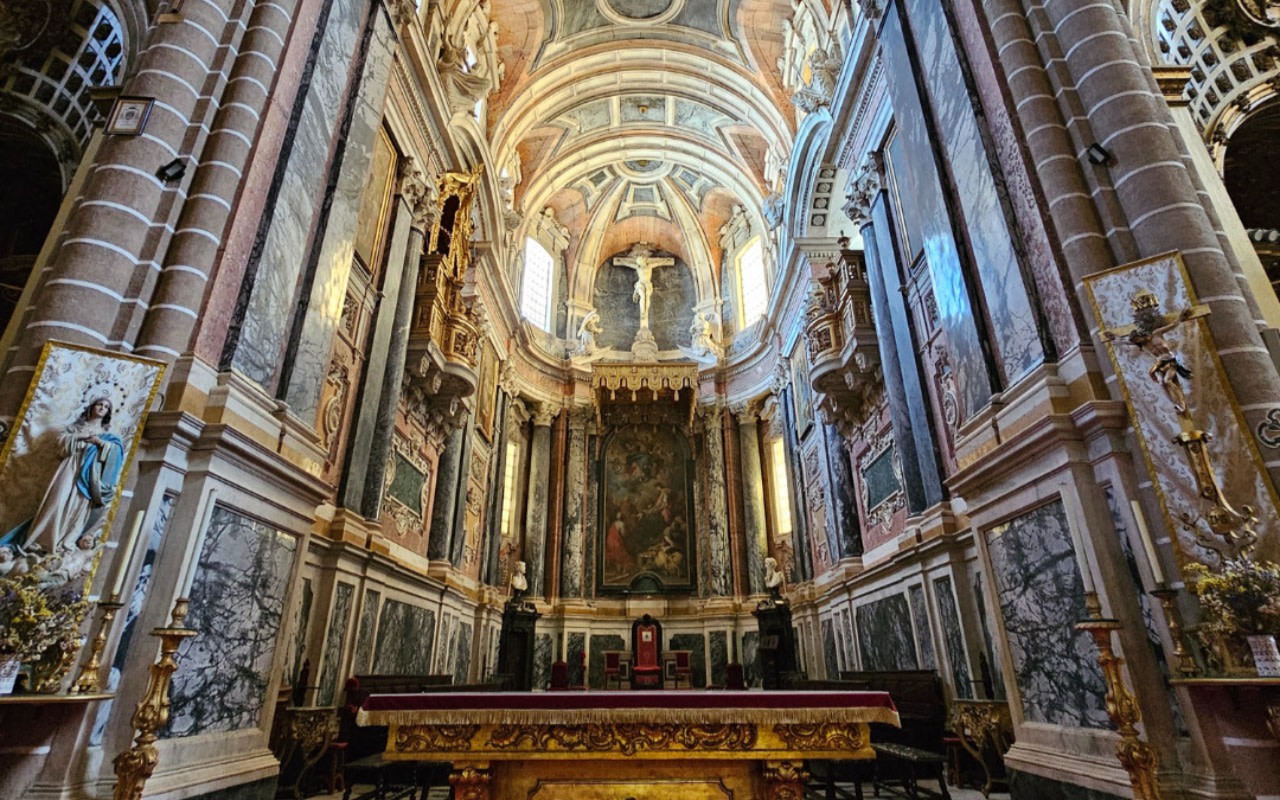
Built in the Roman-Gothic style, it dates back to the 17th century. XIII.
It was rebuilt in the second half of the 16th century, according to plans by António Rodrigues.
Of particular note is the imposing façade, in which two robust towers flank the entrance to a Serlian portal.
Inside, the Tuscan order columns stand out, with frescoes from the end of the 18th century.
The ceiling is from the second half of the 18th century.
The Main Chapel in “National Style”, a gilded work, is by master José Rodrigues Ramalho (with deed dated February 3, 1697). The tiles are from the late 1700s.
4
The Praça de Bocage is the main square in Setúbal.
This elegant space is named after the poet, Manuel Bocage, a Neo-classical poet and dramatist, born in the city.
Here, is located the Turism center and the town hall.
5
It dates back to the end of the 13th century, owing its foundation to the Setubal fishing community.
It was rebuilt in the 16th and 18th centuries, after the damage suffered during the various earthquakes that occurred in the region, changing its original appearance.
It preserves the two Manueline portals, the most notable being the one facing north.
Highlights include the main chapel, with a painting by Pedro Alexandrino de Carvalho, and the tile panels with a polychrome frame, narrating episodes from the lives of S. Julião and Santa Vasilissa.
6
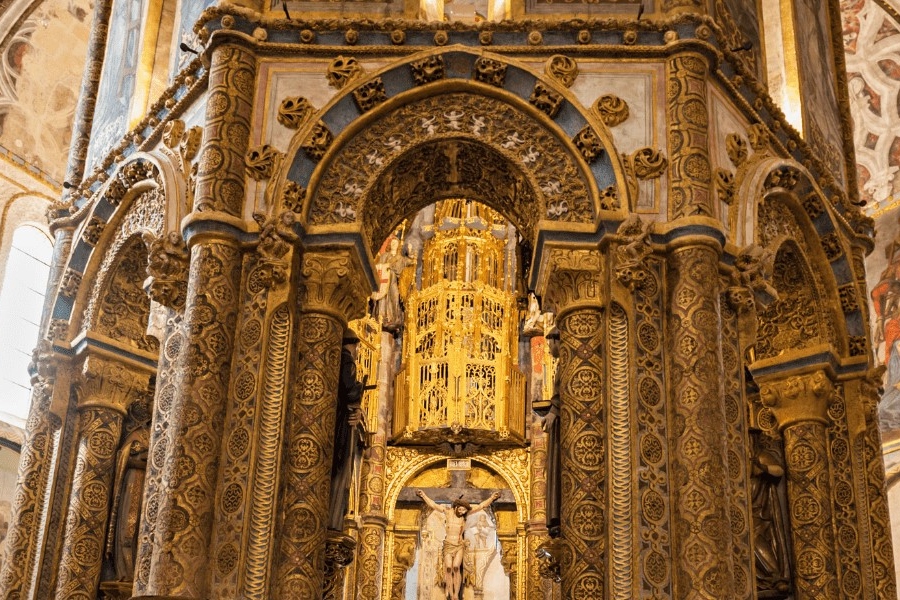
The Convent and the Church of Jesus constitute true landmarks in Portuguese architectural history, marking the beginning of the Manueline style.
The project was born at the end of the 15th century.
The works, which began in 1490 and, apparently, ended in 1496, were led by Diogo Boitaca who signed works on monuments such as the Jerónimos Monastery, the Belém Tower and the Batalha Monastery.
The Church of Jesus is considered the first attempt at a church-hall in Portugal, designed as a homogeneously lit space.
In 1888, with the extinction of religious orders, the building was converted into the Hospital da Misericórdia, which operated there until 1959.
The Church of Jesus, as well as the cloister and the Chapter House of the Convent, have been classified as national monuments since 1910 and 1933.
The Setúbal Museum has been operating in the Convento de Jesus since 1961.
7
Built to replace another market, demolished in 1876, it was opened in 1930.
The interior was completely remodeled following renovation work on the facilities carried out between 2010 and 2011.
The tile panels inside stand out, depicting the city's various economic activities, designed by Portuguese engraver and painter Pedro Pinto, dating from 1929.
At the north entrance there are also, on both sides, two other panels by Rosa Rodrigues, with images of the city, dating from 1944.
In June 2014, the North American magazine USA Today recognized Mercado do Livramento as one of the best fish markets in the world.
8
an avenue next to the river, named after the famous football coach Jose Mourinho.
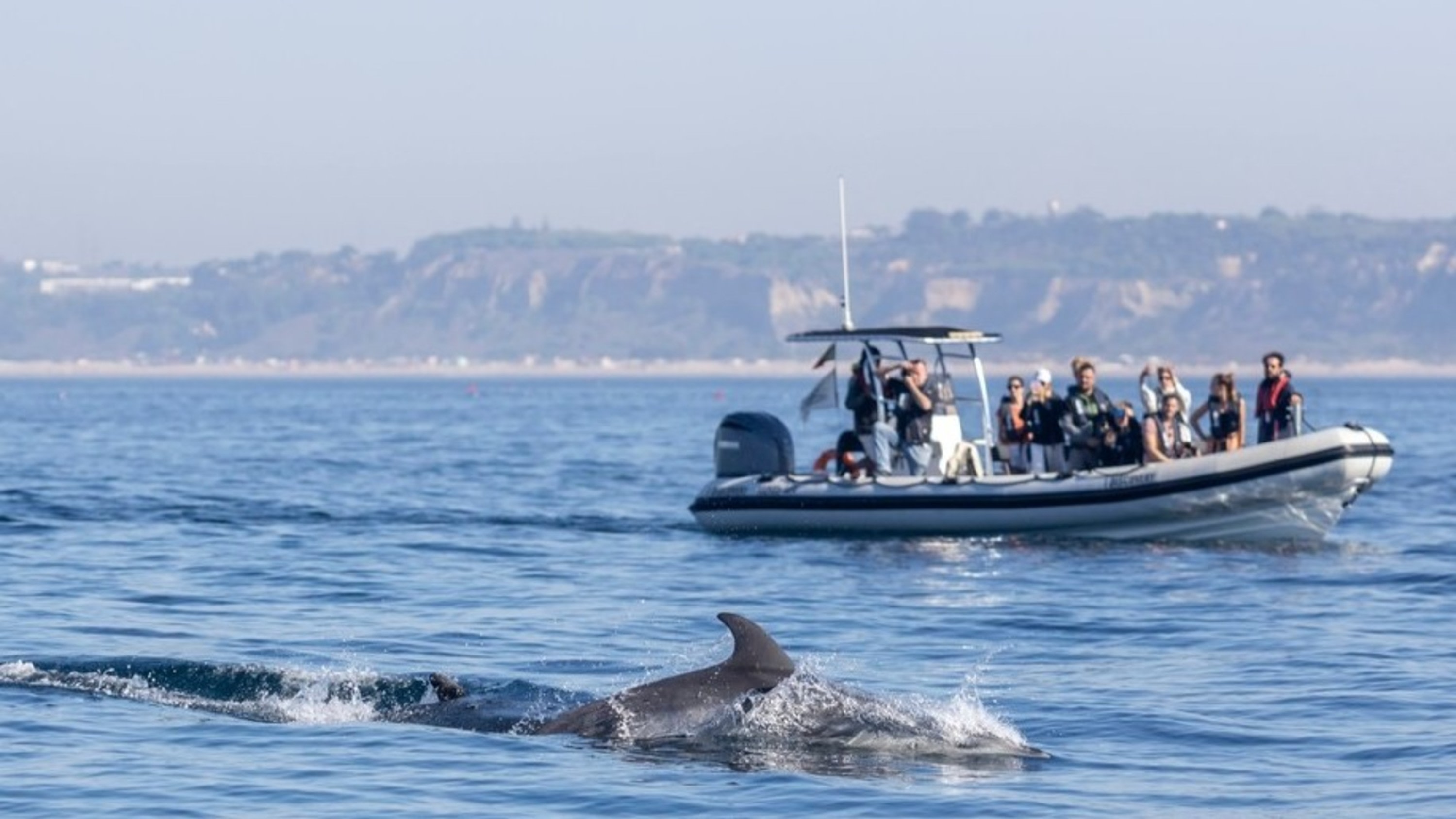
Here we can see several statues of dolphins, alluding to the strong community of these mammals that chose Setubal Bay to settle there and feel safe here.
9
The walking Tour, end at Setubal Souv, a souvenir shop, where the building is made with wood and cork, have a fish form, and ofter local art and souvenirs.
Here we will finish the walking tour, and if you chose the gastronomic test, we will offer a wine, cheese and bread tasting, traditional from the region.
Available languages
Guide guide
PT
EN
Important information
Infants and small children can ride in a pram or stroller
Service animals allowed
Public transportation options are available nearby
Suitable for all physical fitness levels
Meeting point
Just next to Tourism School in the end of Setubal main avenue
The Guide will be wearing a blue polo with the Logo of the The Guru Guide, and will be identified with a employe card ID.
About Setúbal District
Setúbal District is a coastal region in Portugal known for its stunning landscapes, rich biodiversity, and delicious local cuisine. With its proximity to the Atlantic Ocean and the Sado Estuary, it offers a unique blend of natural beauty and cultural heritage. The district is famous for its wine production, particularly the Moscatel de Setúbal, and its salt flats that have been in operation since Roman times.
Top Attractions
Arrábida Natural Park
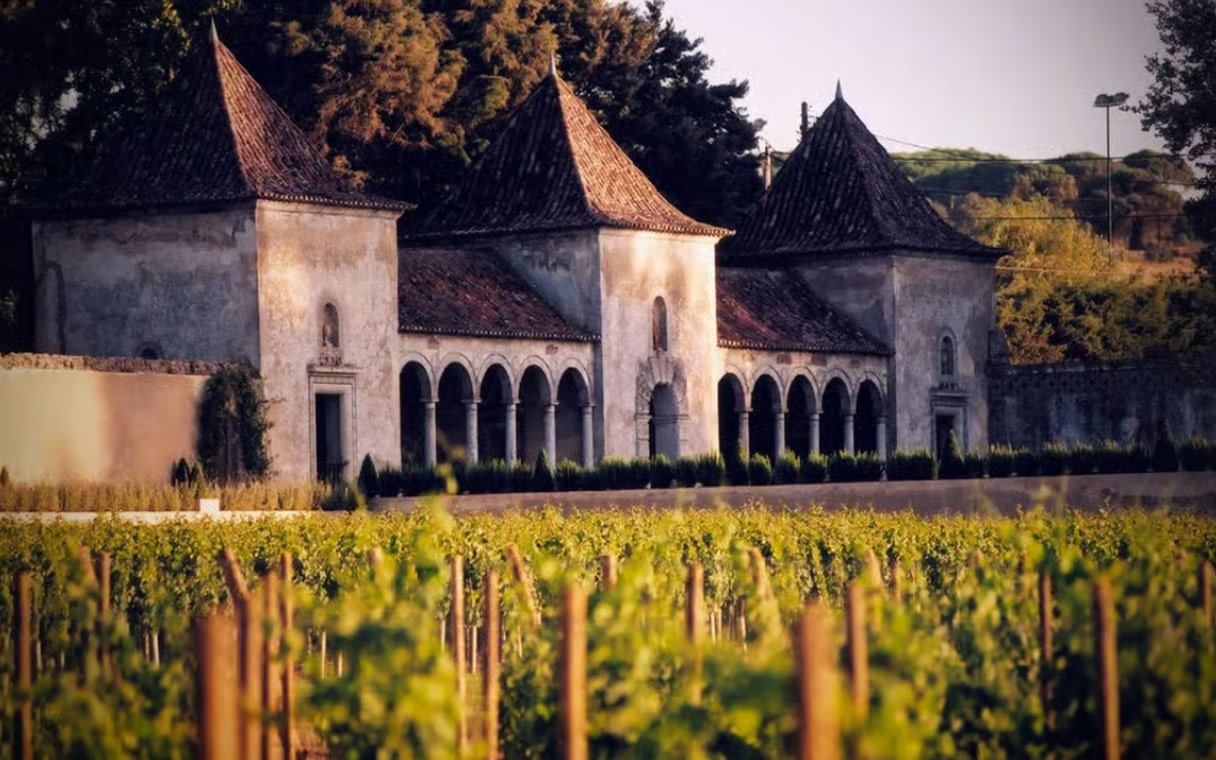
Arrábida Natural Park is a stunning protected area known for its rugged coastline, crystal-clear waters, and diverse wildlife. The park offers numerous hiking trails, scenic viewpoints, and opportunities for water sports.
Nature
Half day to full day
Free (parking fees may apply)
Sado Estuary Natural Reserve
The Sado Estuary Natural Reserve is a haven for birdwatchers and nature lovers. The reserve is home to a diverse range of bird species, including the famous Sado dolphins. Visitors can take boat tours, go kayaking, or simply enjoy the scenic beauty of the estuary.
Nature
Half day to full day
Free (boat tours and activities may have fees)
Setúbal Castle
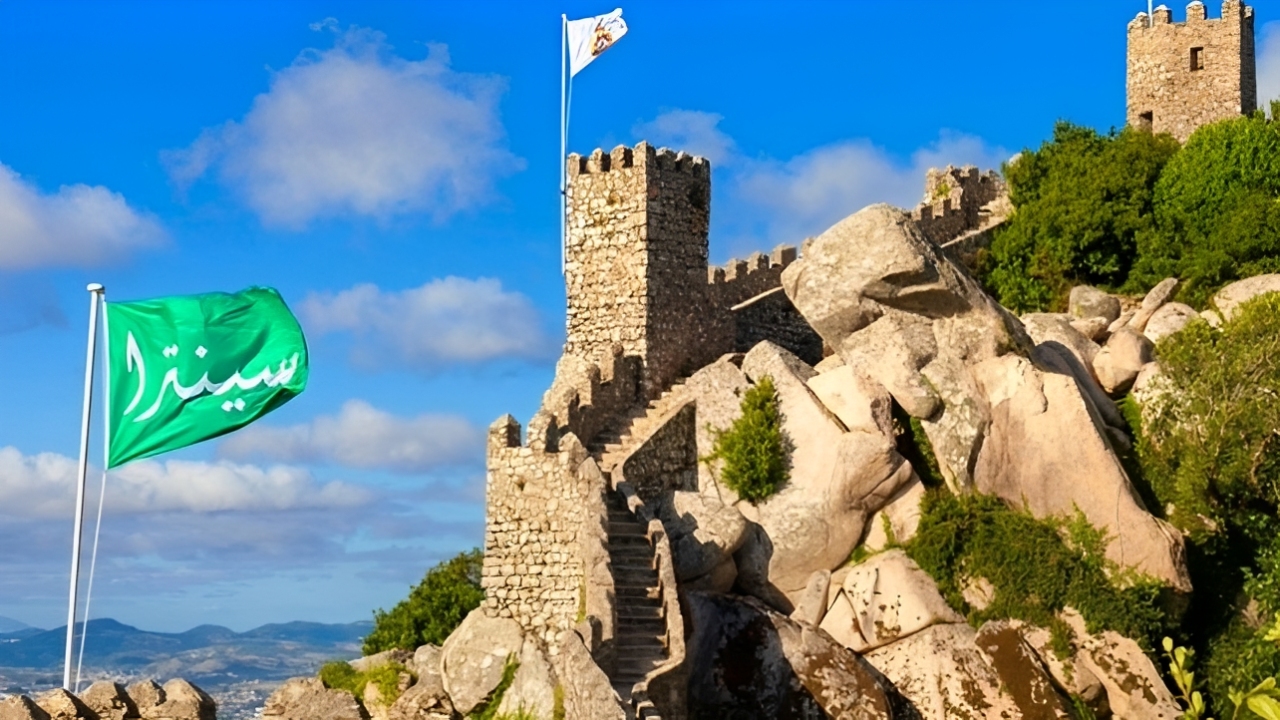
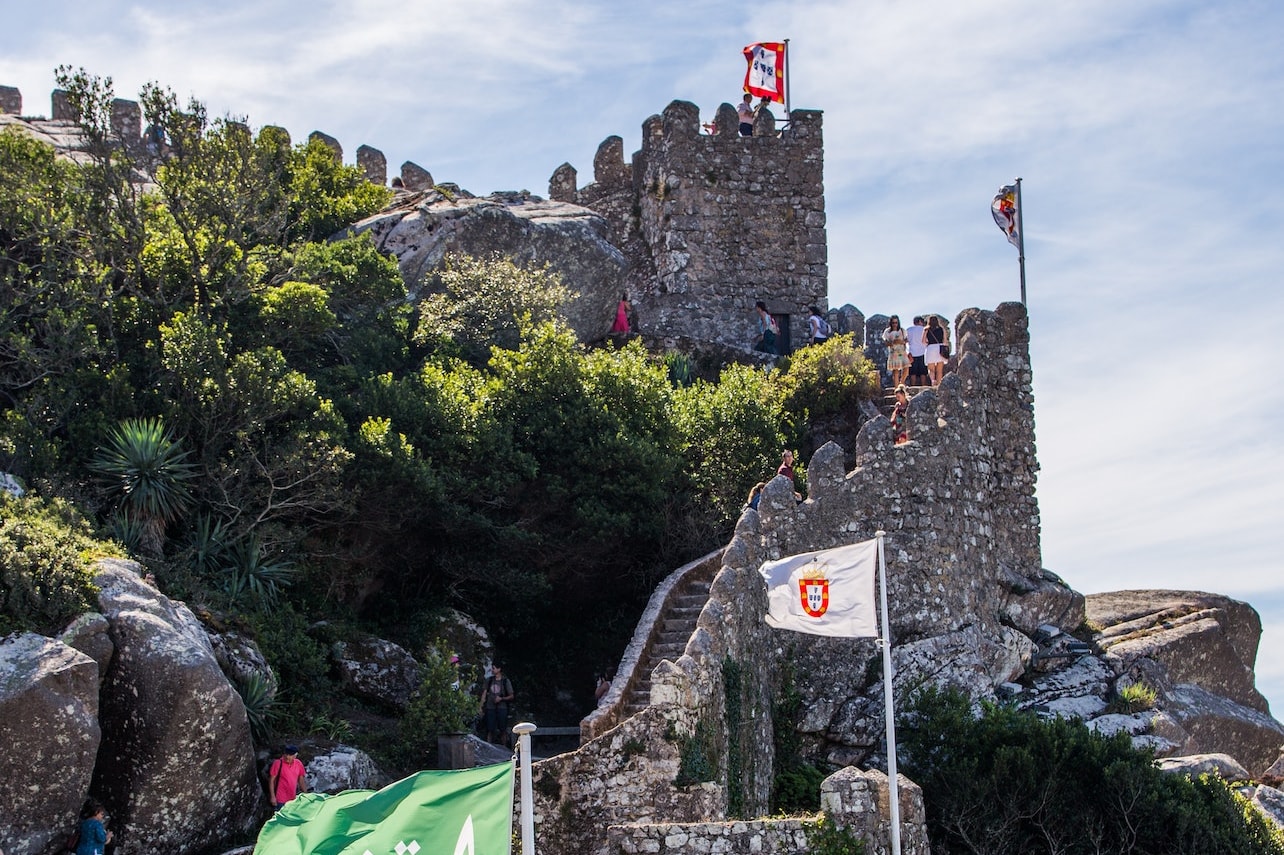
Setúbal Castle is a medieval fortress that offers a glimpse into the region's rich history. The castle has been well-preserved and is a popular attraction for history enthusiasts. Visitors can explore the castle grounds and enjoy panoramic views of the city.
Historical
1-2 hours
€2-€5
Sesimbra
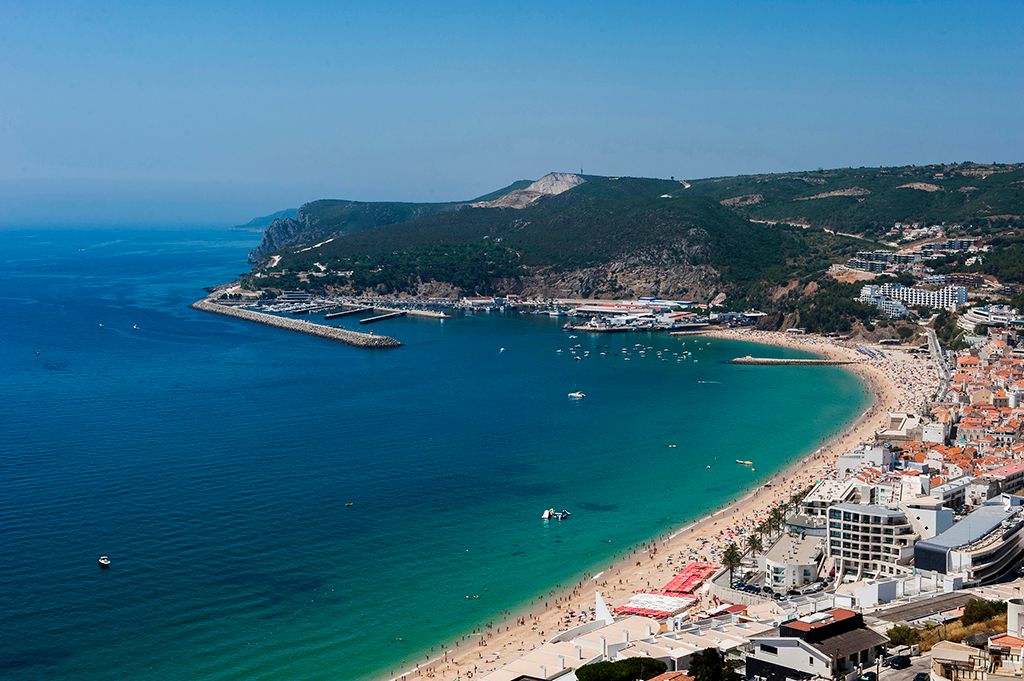
Sesimbra is a charming coastal town known for its beautiful beaches, fresh seafood, and historic sites. The town offers a relaxed atmosphere and is a popular destination for both locals and tourists.
Beach
Half day to full day
Free (activities and dining may have fees)
Palmela
Palmela is a historic town known for its well-preserved castle, wine production, and scenic views. The town offers a mix of cultural and natural attractions, making it a great destination for a day trip.
Historical
Half day to full day
Free (activities and dining may have fees)
Must-Try Local Dishes
Choco Frito (Fried Cuttlefish)
A local delicacy made from small cuttlefish that are coated in flour and fried to perfection. Served with a side of salad and lemon.
Main Course
Contains seafood
Açorda à Alentejana
A traditional bread soup made with garlic, coriander, eggs, and olive oil. Often served with fresh fish or seafood.
Main Course
Contains eggs, garlic, and olive oil
Moscatel de Setúbal
A sweet fortified wine produced in the Setúbal region. Known for its rich, fruity flavors and smooth finish.
Dessert/Drink
Contains alcohol
Bifanas
Small, thin pork sandwiches seasoned with garlic and spices. A popular street food and snack.
Snack
Contains pork
Popular Activities
Hiking in Arrábida Natural Park
Kayaking in the Sado Estuary
Dolphin watching tours
Beach activities in Sesimbra
Wine tasting in local wineries
Scenic walks in Palmela
Exploring Setúbal Castle
Visiting museums in Évora
Best Time to Visit
June to September
The summer months are ideal for beach activities and outdoor exploration. The weather is warm and sunny, perfect for enjoying the coastal areas and local festivals. However, this is also the busiest time of year with higher tourist volumes.
20°C to 30°C
68°F to 86°F
Practical Information
Language
- Official: Portuguese
- Widely spoken: English, Spanish, French
- English: Moderately spoken
Currency
Euro (EUR)
Time Zone
GMT+1 (Western European Time)
Electricity
230VV, 50HzHz
Safety Information
Overall Safety Rating: Generally safe
Setúbal District is generally safe for travelers, with low crime rates and a welcoming atmosphere. However, as with any destination, it's important to stay aware of your surroundings and take precautions to ensure a safe and enjoyable trip.
Important Precautions:
- • Stay aware of your surroundings, especially in crowded areas.
- • Keep valuables secure and out of sight.
- • Use reputable tour operators and guides.
Getting there
By air
- Lisbon Portela Airport • 40 km (25 miles)
By train
Setúbal Station
By bus
Setúbal Bus Terminal
Getting around
Public transport
Buses are the primary mode of public transport in Setúbal District, connecting major towns and cities. The Rodoteia network is reliable and affordable, with frequent services throughout the day.
Taxis
Available • Apps: Bolt, FreeNow
Rentals
Car, Bike, Scooter
Neighborhoods
Setúbal City Center
Sado Estuary Area
Arrábida Coast
Sesimbra
Palmela
Day trips
Lisbon
40 km (25 miles) • Half day to full day
Lisbon, the capital of Portugal, is a vibrant city known for its historic sites, vibrant nightlife, and stunning architecture. Visitors can explore the city's historic neighborhoods, enjoy its famous pastries, and take in the panoramic views from its many viewpoints.
Évora
100 km (62 miles) • Full day
Évora is a historic city known for its well-preserved Roman and medieval architecture. The city is a UNESCO World Heritage Site and offers a wealth of cultural and historical attractions.
Sines
50 km (31 miles) • Half day to full day
Sines is a coastal town known for its beautiful beaches, historic sites, and as the birthplace of the famous explorer Vasco da Gama. The town offers a mix of cultural and outdoor activities.
Festivals
Setúbal Wine Festival • August
Feast of the Divine Holy Spirit • May/June (varies by year)
Arrábida Film Festival • July
Pro tips
- Visit the Sado Estuary Natural Reserve for a unique opportunity to see dolphins in their natural habitat.
- Explore the historic sites and scenic viewpoints of Palmela Castle for a glimpse into the region's rich history.
- Sample the local wines and enjoy a wine tasting at one of the region's many wineries, such as José Maria da Fonseca.
- Take a scenic hike in Arrábida Natural Park to experience the region's stunning landscapes and diverse wildlife.
- Enjoy the fresh seafood and traditional Portuguese cuisine at local restaurants and taverns, such as Restaurante O Pescador and Adega do Sado.
From $25
per person
Price varies by option
Secure booking
Free cancellation available
Instant confirmation