Lisbon Belém By the Paths of the Navigators
Active
8h
For a full refund, cancel at least 24 hours before the scheduled departure time.
Instant confirmation
Mobile or paper ticket accepted
About this experience
- Visit the iconic Antiga Confeitaria of Belém, where you can taste the world famous sandwiches, a true delight of Portuguese cuisine.
- Majestic Monastery of Jerónimos, one of the greatest landmarks of Manueline architecture and UNESCO World Heritage Site.
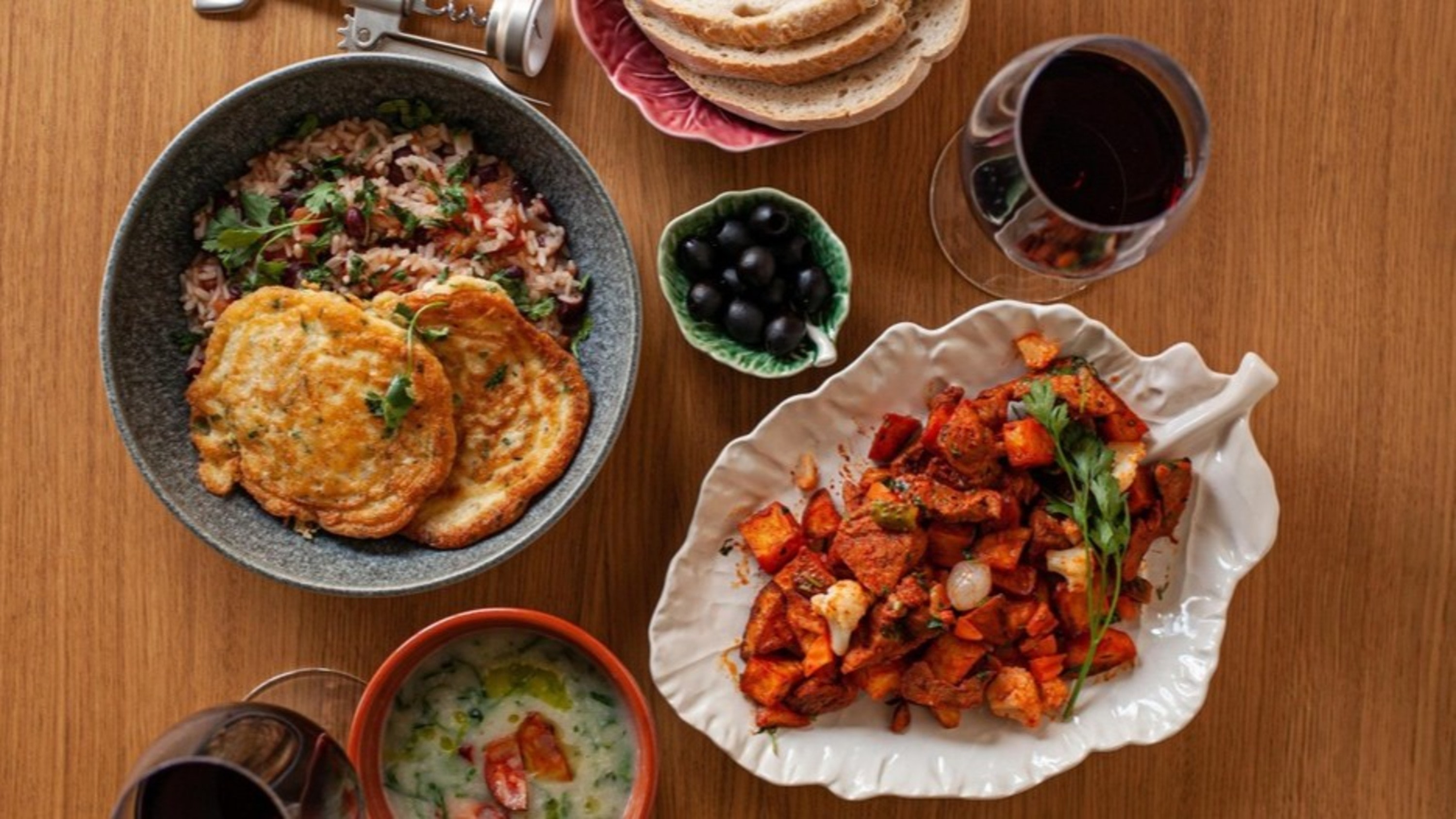
Pause at a traditional restaurant in Bethlehem, where you can taste typical dishes of the region.
-Imponent Tower of Belém, one of the symbols of Portugal, and the Pattern of Discoveries, a monument dedicated to Portuguese navigators.
- Historic Commerce Square, overlooking the river Tagus, where you can relax.
A unique experience that combines history, culture and authentic flavors of Lisbon.
Tickets to the monuments are not included. You will need to purchase them separately—either online, directly at the sites, or, even better, with the Lisbon Card, which offers the best value for visiting paid monuments in Portugal.
Children up to 5 years old do not pay, so you do not have to book.
Available options
Group
Pickup included
What's included
All Fees and Taxes
Air-conditioned vehicle
Detailed itinerary
1
Stop 1
The Pastels de Belém, produced at the iconic Fábrica dos Pastéis de Belém, are one of Lisbon’s most famous delicacies. With a secret and traditional recipe, the confectionery, founded in 1837, prepares these crisp leaf pasta sweets, filled with a gentle and delicate cream, slightly aromatized with vanilla and cinnamon. The tradition and quality preserved over the years have made the Belém Pastels a true culinary reference. Located in the neighborhood of Belém, the bakery attracts tourists and locals who enjoy the unique flavor, accompanied by a coffee or tea, in a cosy and historic atmosphere.
2
Stop 2
The Jerónimos Monastery, located in Belém, Lisbon, is a jewel of Manueline architecture and one of Portugal's most iconic monuments. Built in the 16th century, it was commissioned by Dom Manuel I to celebrate the Portuguese maritime discoveries and is a UNESCO World Heritage Site. The monastery impresses with its details carved in stone, representing nautical and religious themes. The interior houses the tomb of Vasco da Gama and other great names of Portuguese history and culture. In addition, the cloister is a space of unique beauty, combining architectural harmony and serenity. A symbol of the height of the Age of Discoveries.
3
Stop 3
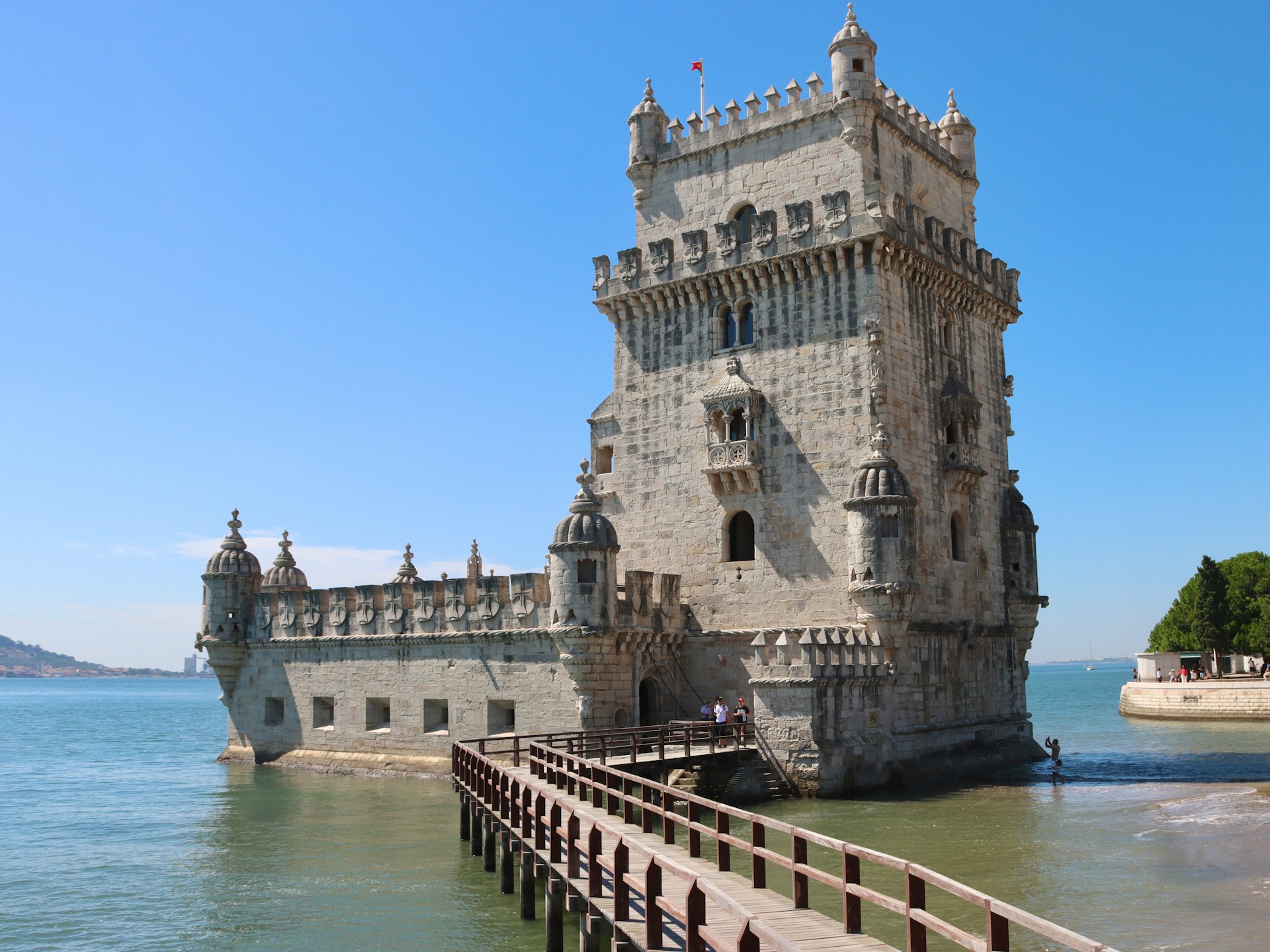
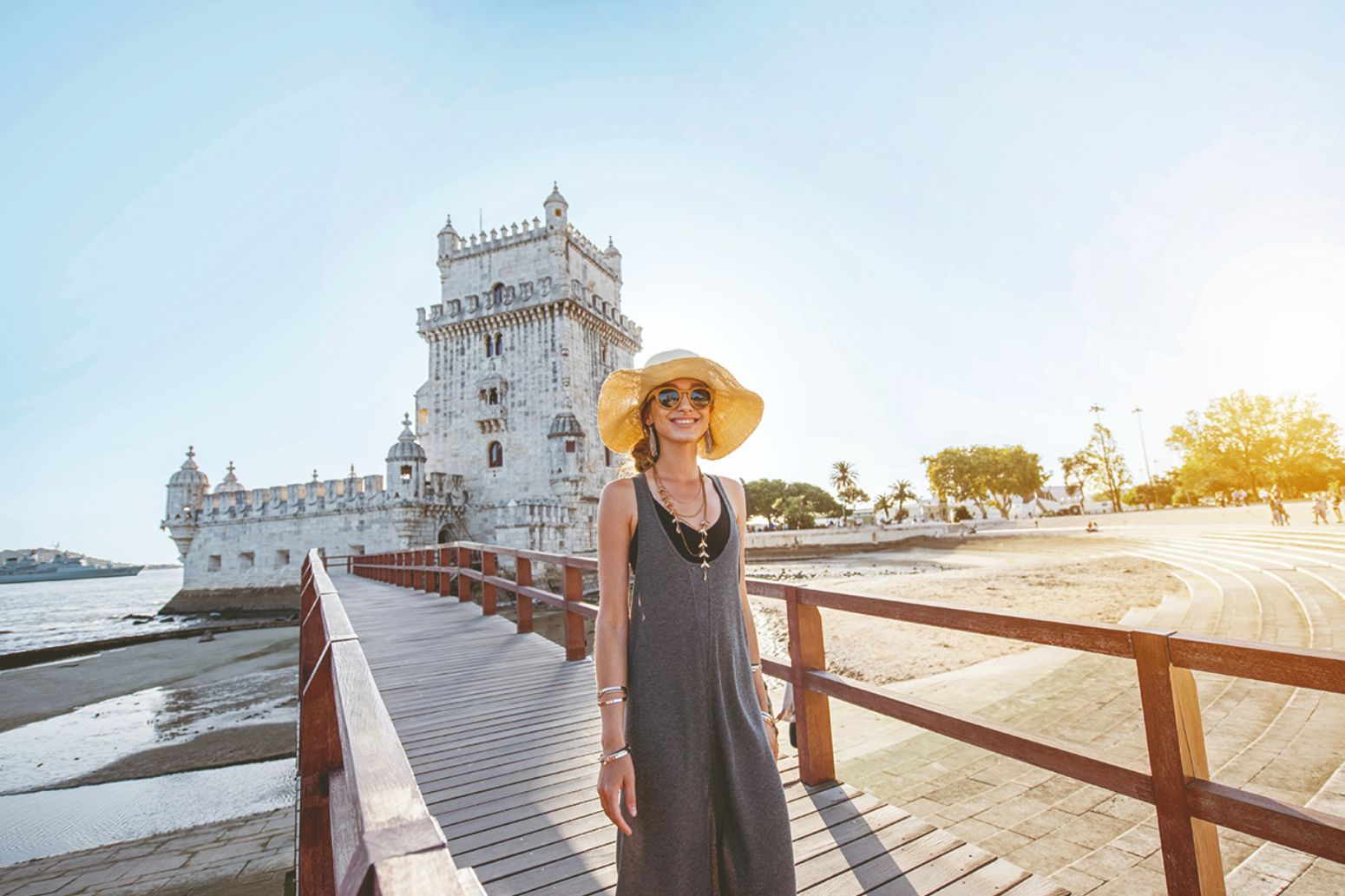
The Tower of Belém, located on the banks of the Tejo River in Lisbon, is an iconic symbol of the UNESCO Age of Discoveries and World Heritage. Built in the early 16th century in Manueline style, the tower originally served as a fortress to defend the entrance to the port of Lisbon. With its detailed architecture, it stands out for nautical elements such as carved strings and the iconic Cross of the Order of Christ. The interior has several rooms and terraces that offer stunning views of the river. Today, the Tower of Bethlehem is a historical and cultural landmark celebrating Portugal’s maritime history.
4
Stop 4
The Age of Portuguese Discoveries, between the 15th and 16th centuries, was marked by the expansion of Portugal's sea, with the aim of finding new trade routes and exploring wealth. Under the leadership of Infante Dom Henrique, the Portuguese began exploring the African coast. The greatest achievement was achieved by Vasco da Gama in 1498, when he arrived in India, opening a direct route for the spice trade. In 1500, Pedro Álvares Cabral arrived in Brazil, beginning the Portuguese colonization. These discoveries made Portugal a global powerhouse, although they also involved the exploitation of indigenous populations. The legacy of the Discoveries remains alive in Portuguese culture and heritage.
5
Stop 5
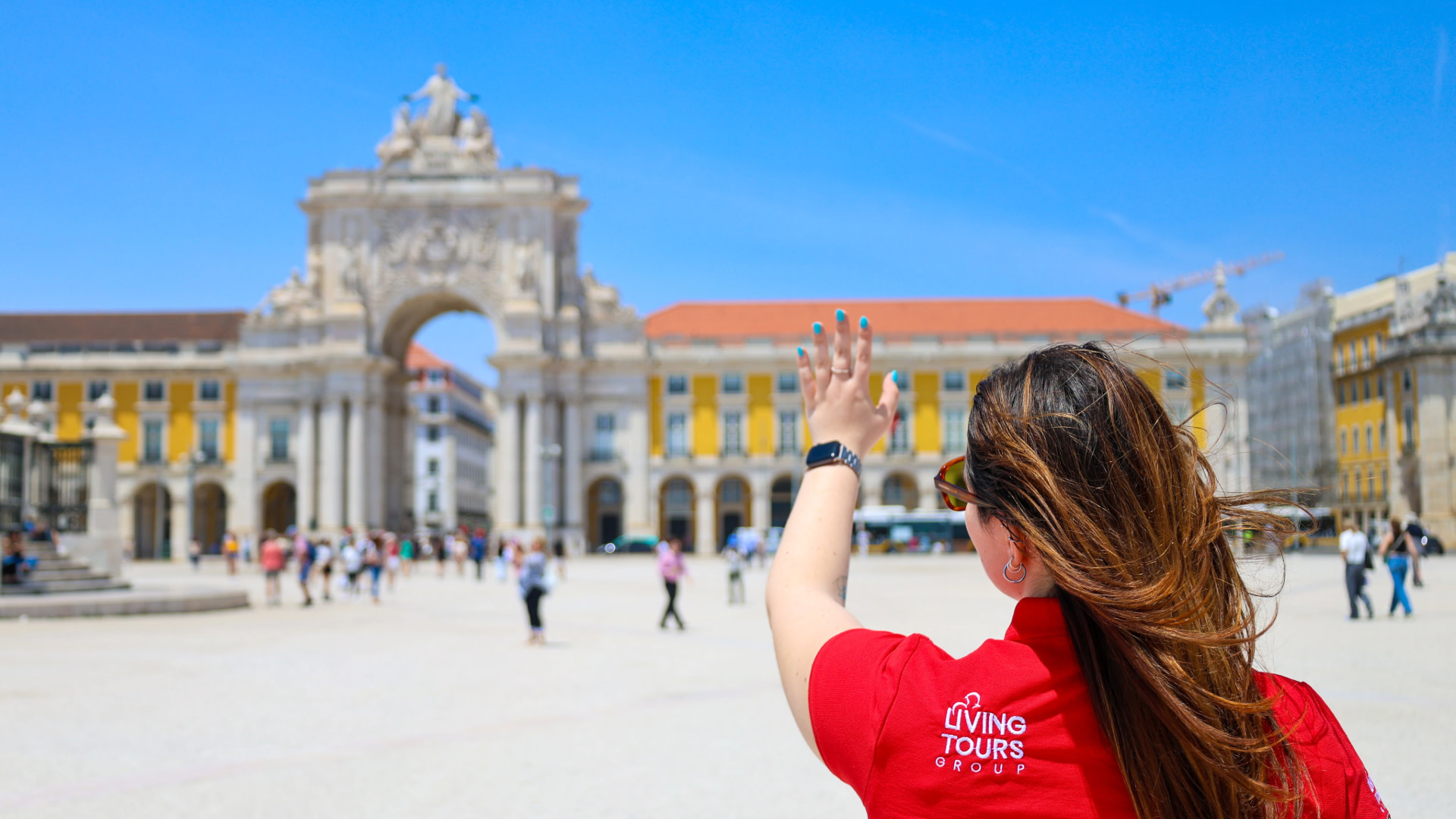
The Plaza do Comércio, located in Lisbon, was one of the main commercial and administrative centers during the Age of Discoveries. Originally called Terreiro do Paço, due to the Royal Palace that was located there, the square was the point of arrival of goods from all parts of the world, especially from the Portuguese colonies. With the development of maritime trade, the area became the pulsing heart of Renaissance Lisbon, with busy warehouses, markets and cafes, where merchants and travelers exchanged products such as spices, gold and slaves.
After the 1755 earthquake that destroyed much of Lisbon, the square was rebuilt with a new design, more open and grandiose, with arcades and the famous Arch of Rua Augusta, creating a monumental setting. The Plaza do Comércio, overlooking the Tejo River, remains a symbol of the greatness of the Portuguese Empire, celebrating both global trade and the power and prosperity of the time.
What's not included
Lunch
Visitor's personal expenses
Paid entrance to the monuments
Available languages
Guide guide
PT
EN
Important information
Infants and small children can ride in a pram or stroller
Service animals allowed
Public transportation options are available nearby
Specialized infant seats are available
Not recommended for travelers with spinal injuries
Suitable for all physical fitness levels
Our guide will contact you the day before to confirm the booking, address and pick-up time
About Lisbon
Lisbon, the capital of Portugal, is a vibrant city known for its rich history, stunning architecture, and warm climate. With its charming streets, historic trams, and breathtaking viewpoints, Lisbon offers a unique blend of old-world charm and modern energy.
Top Attractions
Belém Tower
A UNESCO World Heritage Site, this 16th-century tower is an iconic symbol of Lisbon's Age of Discoveries.
Historical
1-2 hours
€6
Alfama District
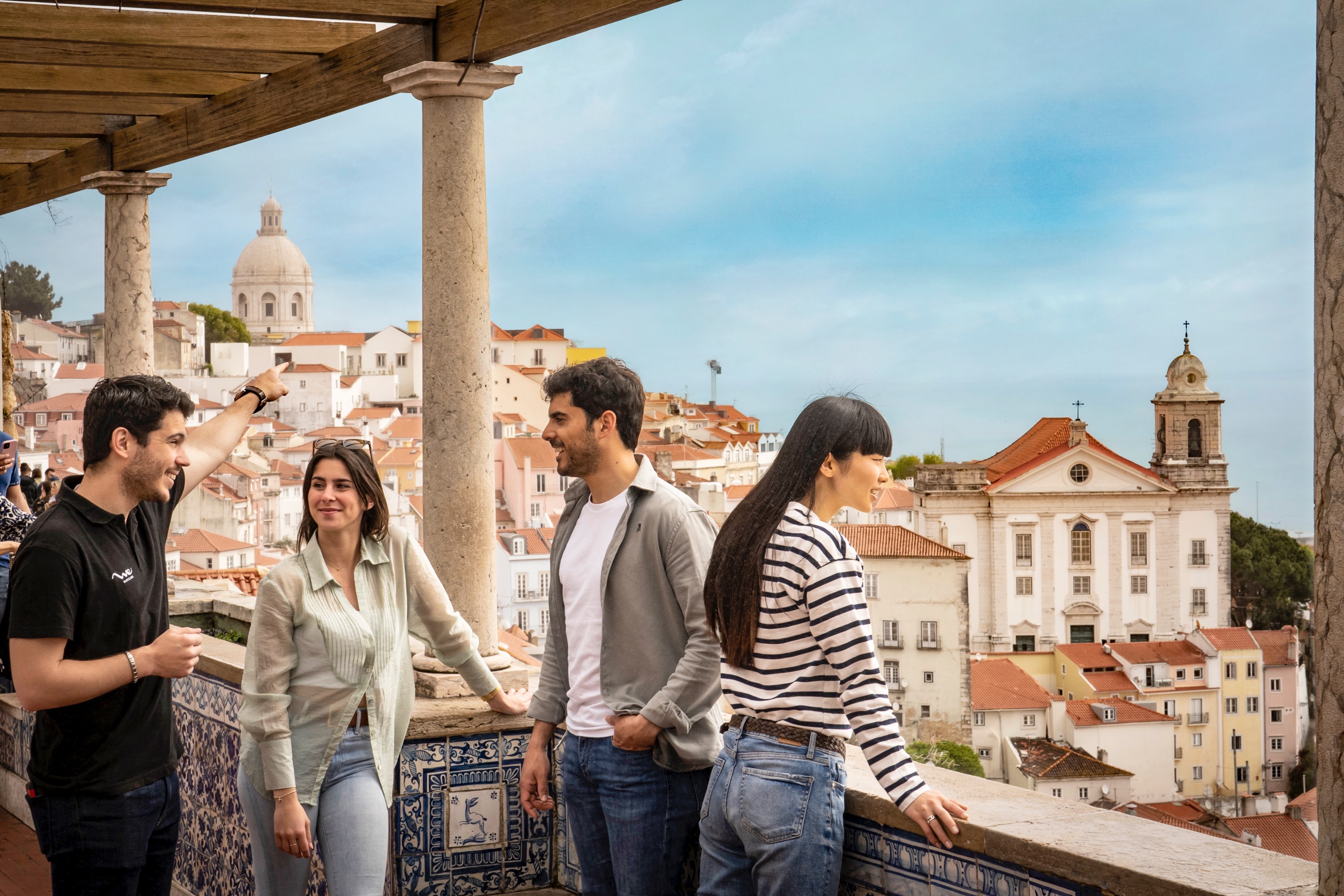
Lisbon's oldest district, known for its narrow, winding streets, Fado music, and historic charm.
Historical
Half day
Free to explore, attractions may have entry fees
Sintra
A UNESCO World Heritage Site, Sintra is a romantic town with stunning palaces and castles.
Historical
Full day
Varies by attraction, around €10-€15 per site
Must-Try Local Dishes
Bacalhau à Brás
Shredded codfish with eggs, potatoes, and onions
Main Dish
Contains fish and eggs
Pastel de Nata
Custard tart with a flaky pastry crust
Dessert
Contains dairy and eggs
Francesinha
A sandwich with meat, cheese, and a beer-based sauce
Main Dish
Contains meat, cheese, and gluten
Popular Activities
Hiking in Sintra
Surfing in Ericeira
Parasailing in Cascais
Beach lounging in Costa da Caparica
Spa day in a luxury hotel
Picnic in Jardim da Estrela
Visiting museums and galleries
Attending Fado performances
Best Time to Visit
March to May, September to October
These months offer pleasant weather and fewer crowds, making it ideal for sightseeing and outdoor activities.
15-25°C
59-77°F
Practical Information
Language
- Official: Portuguese
- Widely spoken: English, Spanish, French
- English: Moderately spoken
Currency
Euro (EUR)
Time Zone
GMT+1 (Western European Time, WET)
Electricity
230VV, 50HzHz
Safety Information
Overall Safety Rating: Generally safe
Lisbon is generally safe, but pickpocketing and petty theft can occur in crowded areas.
Important Precautions:
- • Be cautious of pickpockets in crowded areas
- • Use licensed taxis or ride-sharing apps
- • Avoid walking alone at night in less crowded areas
Getting there
By air
- Humberto Delgado Airport • 7 km from city center
By train
Santa Apolónia, Oriente
By bus
Sete Rios, Jardim do Campo Grande, Gare do Oriente
Getting around
Public transport
Efficient and clean, with four lines connecting major attractions.
Taxis
Available • Apps: Bolt, FreeNow
Rentals
Car, Bike, Scooter
Neighborhoods
Alfama
Baixa
Bairro Alto
Day trips
Sintra
25 km from Lisbon • Full day
A romantic town with stunning palaces, castles, and lush gardens.
Cascais
30 km from Lisbon • Half day to full day
A charming coastal town with beautiful beaches, historic sites, and a relaxed atmosphere.
Óbidos
80 km from Lisbon • Full day
A medieval town with a well-preserved castle, narrow streets, and charming shops.
Festivals
Santos Populares • June 13th
Festival dos Oceanos • June to September
Arraial do Alfoz • June to September
Pro tips
- Visit the Time Out Market for a variety of local and international cuisines
- Take a day trip to Sintra and Cascais for a mix of history and beach relaxation
- Explore the LX Factory for a unique shopping and dining experience
- Ride the historic Tram 28 for a scenic tour of the city
- Visit the MAAT museum for a blend of art, architecture, and technology
From $25
per person
Price varies by option
Secure booking
Free cancellation available
Instant confirmation