Gyeongju private tour with an official tour guide (Unesco)
Active
8h - 9h
For a full refund, cancel at least 24 hours before the scheduled departure time.
Instant confirmation
Mobile or paper ticket accepted
About this experience
Gyeongju was capital of Silla dynasty. It's during 5th~7th century.
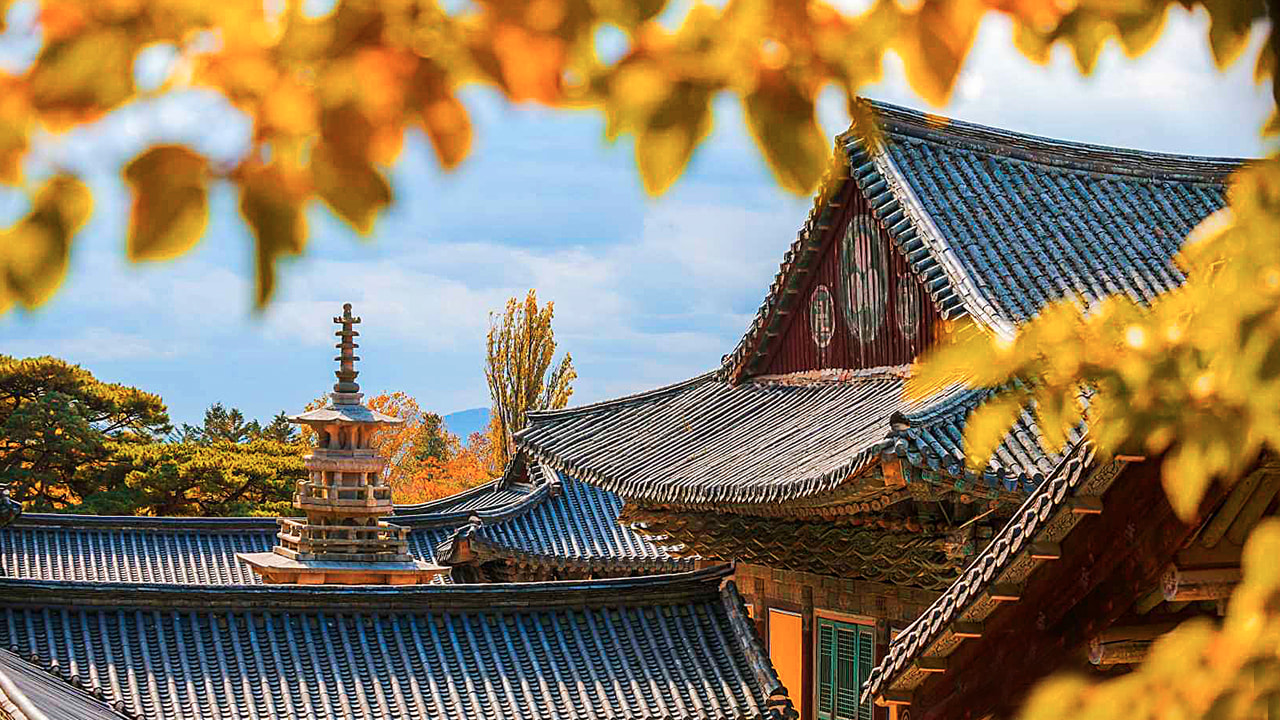
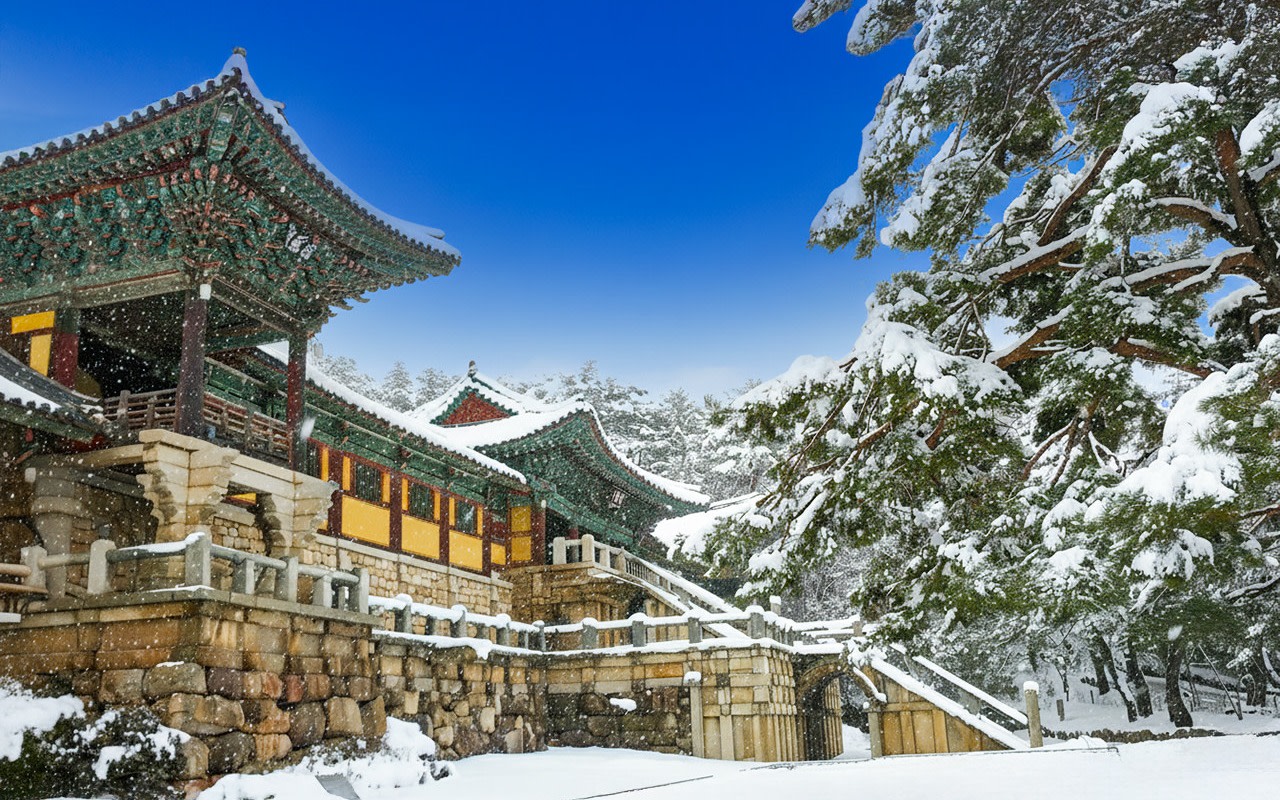
First, we will visit Unecso cultural heritage site,Bulguksa temple.
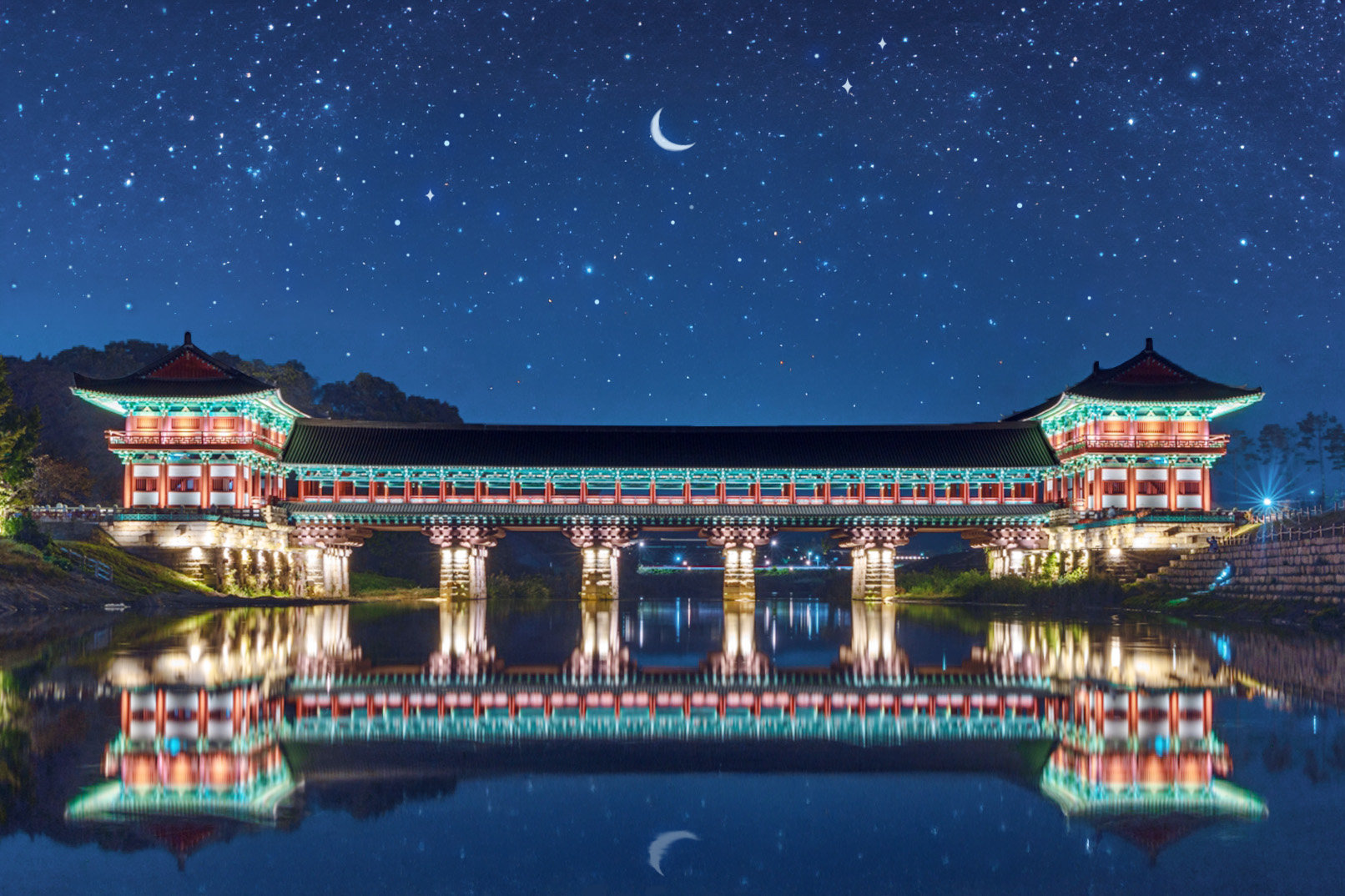
Second, we will visit Gyochon village and Woljeonggyo bridge.
Third, Deareongwon ancient tombs and Cheomseongdea observatory. Fourth, Donggung palce and wolji pond.
1> We move in a private vehicle.
2> English/Chinese speaking tour guide who has tour guide license will do tour.
3> If you want to visit Unesco heritage site, don't hesitate to sign up this tour.
4> The tour is for a maximum of 15 guests.
Available options
Chinese speaking tour guide
Pickup included
English speaking tour guide
Pickup included
What's included
port pick up / drop off
hotel pick up / drop off
toll gate fee / parking lot fee /fuel charge
Busan station pick up / drop off
English / Chinese / Korean speaking official tour guide
Air-conditioned vehicle
Detailed itinerary
1
Stop 1
Bulguksa Temple (Historic Site No. 502)
Construction of Bulguksa Temple is said to have been started by Prime Minister Kim Daeseong under King Gyeongdeok of Silla in 751, and was completed by the government after his death. Most of the buildings were burned down during the Japanese invasions. The current temple was finished after years of excavations and renovations. The cultural properties in the precincts, Dabotap and Seokgatap pagodas, and Cheongungyo, Baegungyo, Yeonhwagyo, and Chilbogyo Bridges show the restorers' excellent skills with stone structures. The framed stone structure (constructed of granite material connected with joints like those seen in wooden architecture), also built in the middle of the 8th century with its aesthetic architecture having a unique technique, represents a high level of stone structure during the Shilla period.
2
Woljeonggyo bridge was place that only noble and high class people could pass by. The bridge was built at Silla dynasty. This days one was restored one at 2008. There is love story between a monk and Yosuk princess.
3
A university used to be at Gyochon village during Silla dynasty. Worth to visit place in Gyochon village is Mr. Chui's house.
4
This place is Where Silla's ancient tombs are and are considered as symbols of Silla. The ancient tombs are like museums. Total 23 tombs are in the park. They are kings , queens and noble's one.
5
Stop 5
Cheomsungdea observatory is the national treasure No. 31.
It was built at 7th century. They watched stars at the sky through Cheomsungdea observatory.
6
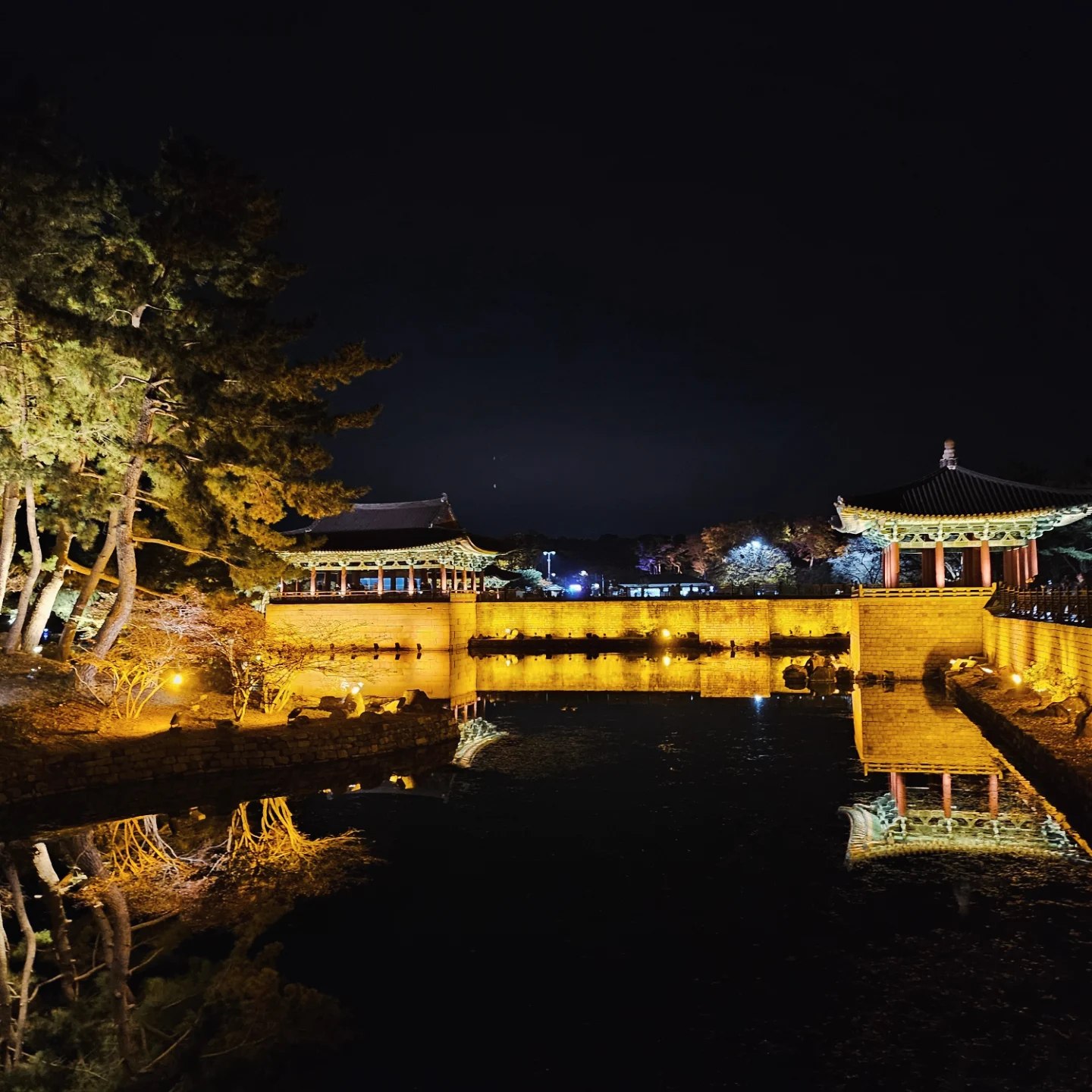
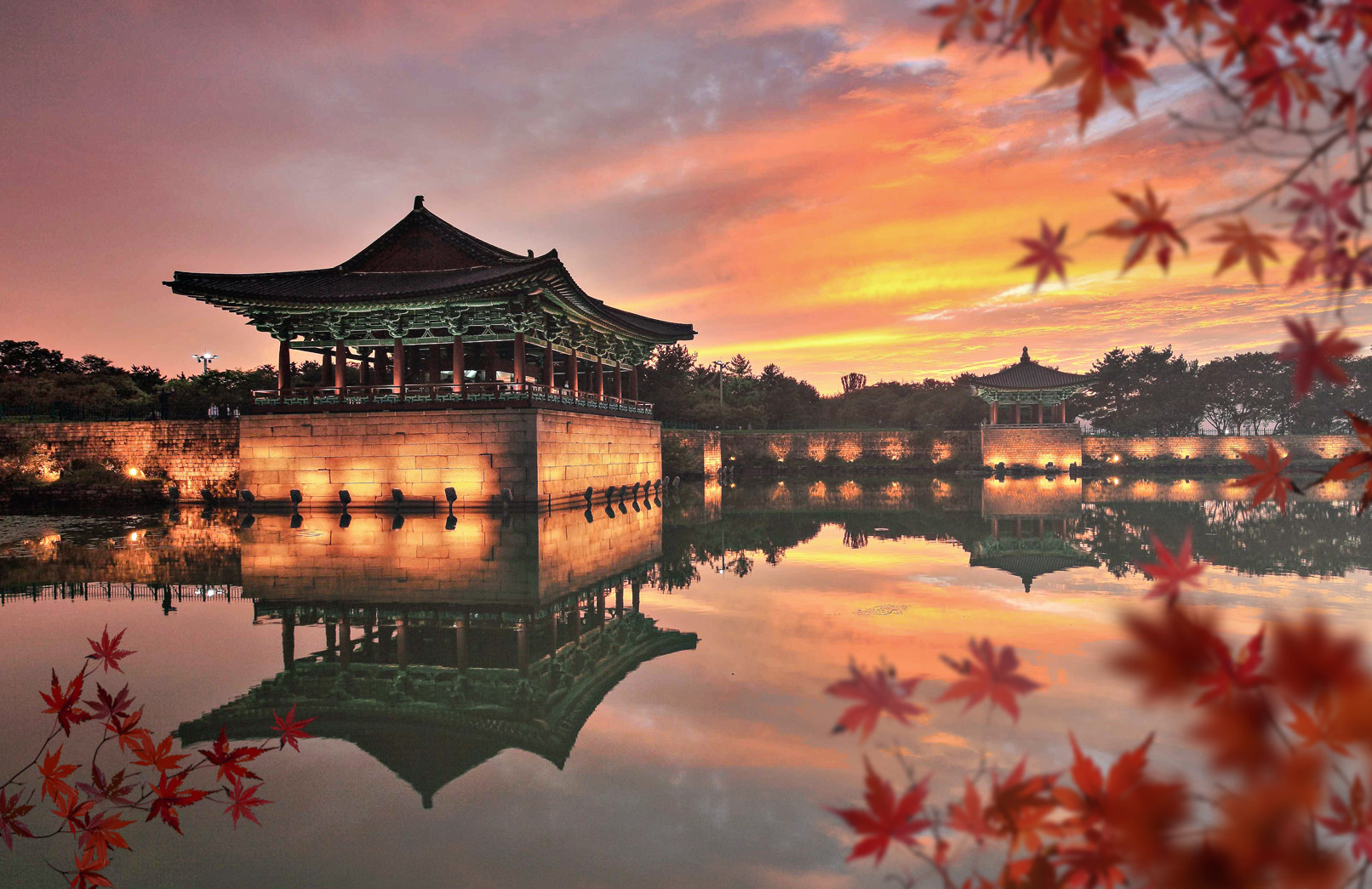
Donggung Palace and Wolji Pond (Historic Site No. 18)
Donggung and Wolji were the secondary palace site. After Silla unified the Three Kingdoms, a large pond was dug. The pond also had beautiful flowers, trees, rare birds and animals. Established in the 19th year of King Munmu (A.D. 679). Donggung was the banquet site for important national events and important visitors. This is also a place where, after the invasion of Gyeonhwon, King Gyeongsun held a reception for Wang Geon to request help. Samguk Sagi had only a record of Imhaejeon Pavilion. The current site is presumedly the location of Donggung and Wolji. Hoerang (corridor area) and 26 other building sites were found around Wolji, among which three building sites of the five ones of the Silla Kingdom at the west of the pond. Dongggung and Wolji (Anapji) were restored in the 1980s and remain to the present day.
What's not included
Lunch
gratuity and tip
tourists' insurance
Entrance fee : Cheonmachong in Deareunwon - 3000won
Entrance fee : Donggung palace and Wolji pond - 3000won
Available languages
Guide guide
KO
CMN
EN
ZH-CN
Reviews breakdown
Viator
4.0
1 reviews
5★
0
4★
1
3★
0
2★
0
1★
0
Tripadvisor
4.7
3 reviews
5★
2
4★
1
3★
0
2★
0
1★
0
Important information
Service animals allowed
Specialized infant seats are available
Suitable for all physical fitness levels
About Busan
Busan, South Korea's second-largest city, is a vibrant coastal metropolis known for its stunning beaches, fresh seafood, and unique cultural heritage. Nestled between mountains and the sea, Busan offers a dynamic blend of modern urban life and traditional charm, making it a must-visit destination in South Korea.
Top Attractions
Haeundae Beach
One of the most famous beaches in South Korea, Haeundae Beach is known for its beautiful coastline, vibrant atmosphere, and water sports. It's a popular spot for swimming, sunbathing, and enjoying the beachside cafes and restaurants.
Beach
Half day to full day
Free (activities and rentals may cost extra)
Gamcheon Culture Village
Known as the 'Machu Picchu of Busan', Gamcheon Culture Village is a colorful and artistic neighborhood built on a hillside. The village is filled with vibrant murals, installations, and quirky shops, making it a unique and photogenic destination.
Cultural
2-3 hours
Free to explore (some shops and cafes may charge for services)
Busan Tower
Located on Yongdusan Park, Busan Tower offers panoramic views of the city and the sea. The tower is a symbol of Busan and a popular spot for visitors to enjoy the scenery and learn about the city's history.
Historical/Architecture
1-2 hours
KRW 10,000 (adults), discounts for children and seniors
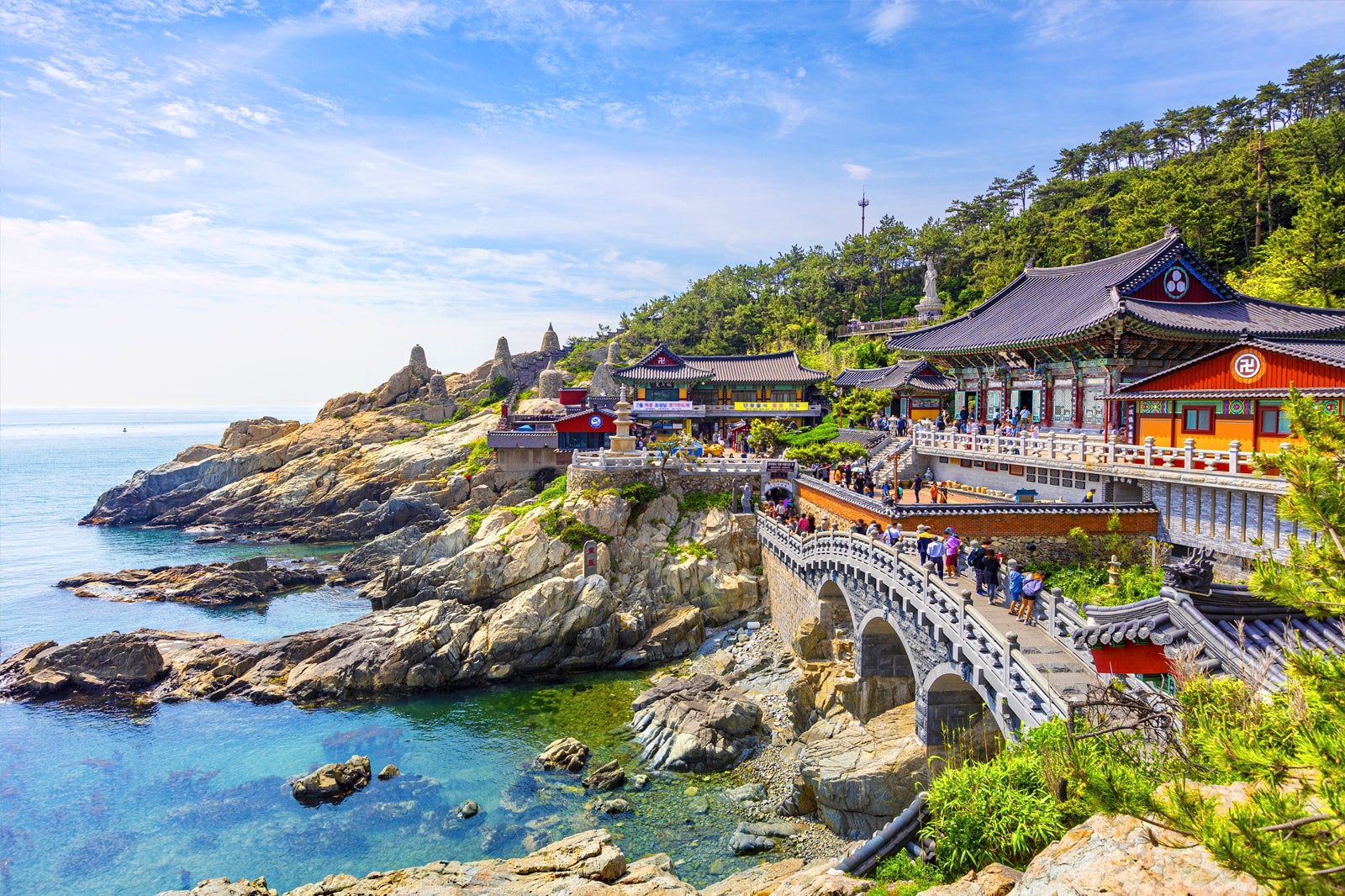
Haedong Yonggungsa Temple
This stunning seaside temple is one of the most famous Buddhist temples in South Korea. Haedong Yonggungsa Temple is known for its beautiful architecture, serene atmosphere, and the unique experience of praying by the sea.
Religious/Cultural
1-2 hours
Free (donations welcome)
Gwangalli Beach
Gwangalli Beach is famous for its beautiful night views and the stunning Gwangan Bridge. The beach is a popular spot for swimming, picnicking, and enjoying the vibrant nightlife, including beach bars and clubs.
Beach/Entertainment
Half day to full day
Free (activities and rentals may cost extra)
Must-Try Local Dishes
Milmyeon
A cold wheat noodle dish served with a spicy seafood broth, topped with various seafood and vegetables. It's a refreshing and flavorful dish, perfect for hot summer days.
Noodle dish
Contains seafood, may not be suitable for those with seafood allergies.
Dwaeji Gukbap
A hearty pork soup made with pork bones, meat, and vegetables, served with rice. It's a comforting and flavorful dish that's popular in Busan.
Pork soup with rice
Contains pork, may not be suitable for vegetarians or those with pork allergies.
Busan-style Sundae
A type of blood sausage made with pork blood, noodles, and various ingredients, grilled and served with soup. It's a unique and flavorful street food that's a must-try in Busan.
Blood sausage
Contains pork and blood, may not be suitable for vegetarians or those with pork allergies.
Ganjang Gejang
A popular seafood dish made with raw crab marinated in soy sauce, garlic, and ginger. It's typically served with rice and vegetables, and is a delicacy in Busan.
Raw crab marinated in soy sauce
Contains raw seafood, may not be suitable for those with seafood allergies or pregnant women.
Popular Activities
Hiking in Geumjeongsan Mountain
Glass-bottom walkway at Oryukdo Skywalk
Water sports at Haeundae Beach
Beach lounging at Haeundae Beach
Spas and saunas in Busan
Picnicking in Yongdusan Park
Visiting Gamcheon Culture Village
Exploring Haedong Yonggungsa Temple
Best Time to Visit
April to June, September to October
The best time to visit Busan is during the spring and autumn months when the weather is mild and pleasant. These months offer ideal conditions for outdoor activities and sightseeing.
15-25°C (59-77°F)
59-77°F
Practical Information
Language
- Official: Korean
- Widely spoken: English (limited)
- English: Limited (especially outside tourist areas)
Currency
South Korean Won (KRW)
Time Zone
Korea Standard Time (KST, GMT+9)
Electricity
220VV, 60HzHz
Safety Information
Overall Safety Rating: Generally safe
Busan is generally a safe city for travelers, with low crime rates and a welcoming atmosphere. However, as with any destination, it's important to be aware of your surroundings and take precautions to ensure a safe and enjoyable trip.
Important Precautions:
- • Be cautious of your belongings in crowded areas, such as markets and public transportation.
- • Use reputable taxi services or ride-hailing apps, such as KakaoTaxi, to avoid scams.
- • Be aware of your surroundings, especially at night, and avoid walking alone in isolated areas.
Getting there
By air
- Busan Gimhae International Airport • 15 km from city center
By train
Busan Station
By bus
Nopodong Bus Terminal, Sasang Bus Terminal
Getting around
Public transport
The Busan Metro is efficient, clean, and easy to use. It consists of four lines that connect major attractions, shopping districts, and residential areas.
Taxis
Available • Apps: KakaoTaxi
Rentals
Car, Bike, Scooter
Neighborhoods
Haeundae
Seomyeon
Gwangalli
Jagalchi
Day trips
Taejongdae
15 km from Busan city center • Half day to full day
Taejongdae is a scenic coastal park located at the southern tip of Yeongdo Island, offering stunning views of the sea, cliffs, and lighthouse. The park is also home to historical sites and walking trails.
Oryukdo Skywalk
10 km from Busan city center • Half day
The Oryukdo Skywalk is a thrilling glass-bottom walkway that extends over the sea, offering breathtaking views of the coastline and the city. The skywalk is a popular attraction for adventure seekers and photography enthusiasts.
Geumjeongsan Mountain
15 km from Busan city center • Full day
Geumjeongsan Mountain is the highest peak in Busan, offering stunning views of the city and the sea. The mountain is home to numerous hiking trails, temples, and historical sites, making it a popular destination for nature lovers and hikers.
Festivals
Busan International Film Festival (BIFF) • October (annually)
Busan Sea Festival • July (annually)
Busan Fireworks Festival • October (annually, during BIFF)
Pro tips
- Visit the Jagalchi Fish Market early in the morning to see the bustling fish auction and enjoy the freshest seafood.
- Try the local street food at the Haeundae Night Market, such as Busan-style Sundae and grilled seafood skewers.
- Explore the colorful and artistic Gamcheon Culture Village, also known as the 'Machu Picchu of Busan', for a unique and photogenic experience.
- Take a stroll along the beautiful Haeundae Beach and enjoy the vibrant atmosphere, especially during the summer months.
- Visit the Busan Tower and Yongdusan Park for stunning views of the city and the sea, especially during sunset or at night.
From $25
per person
Price varies by option
Secure booking
Free cancellation available
Instant confirmation


![[BUSAN,GamcheonVillage] Private Korean Art Painting Class](https://media-cdn.tripadvisor.com/media/attractions-splice-spp-674x446/0f/e6/3f/ac.jpg)


![[Private Tour] Busan and Gyeongju Top Attractions Day Tour](https://res.klook.com/image/upload/activities/pj3cuzsrkoqkakpc0sma.jpg)