Ho Chi Minh City Half Day Tour: Morning or Afternoon
Active
4h
For a full refund, cancel at least 24 hours before the scheduled departure time.
Instant confirmation
Mobile or paper ticket accepted
About this experience
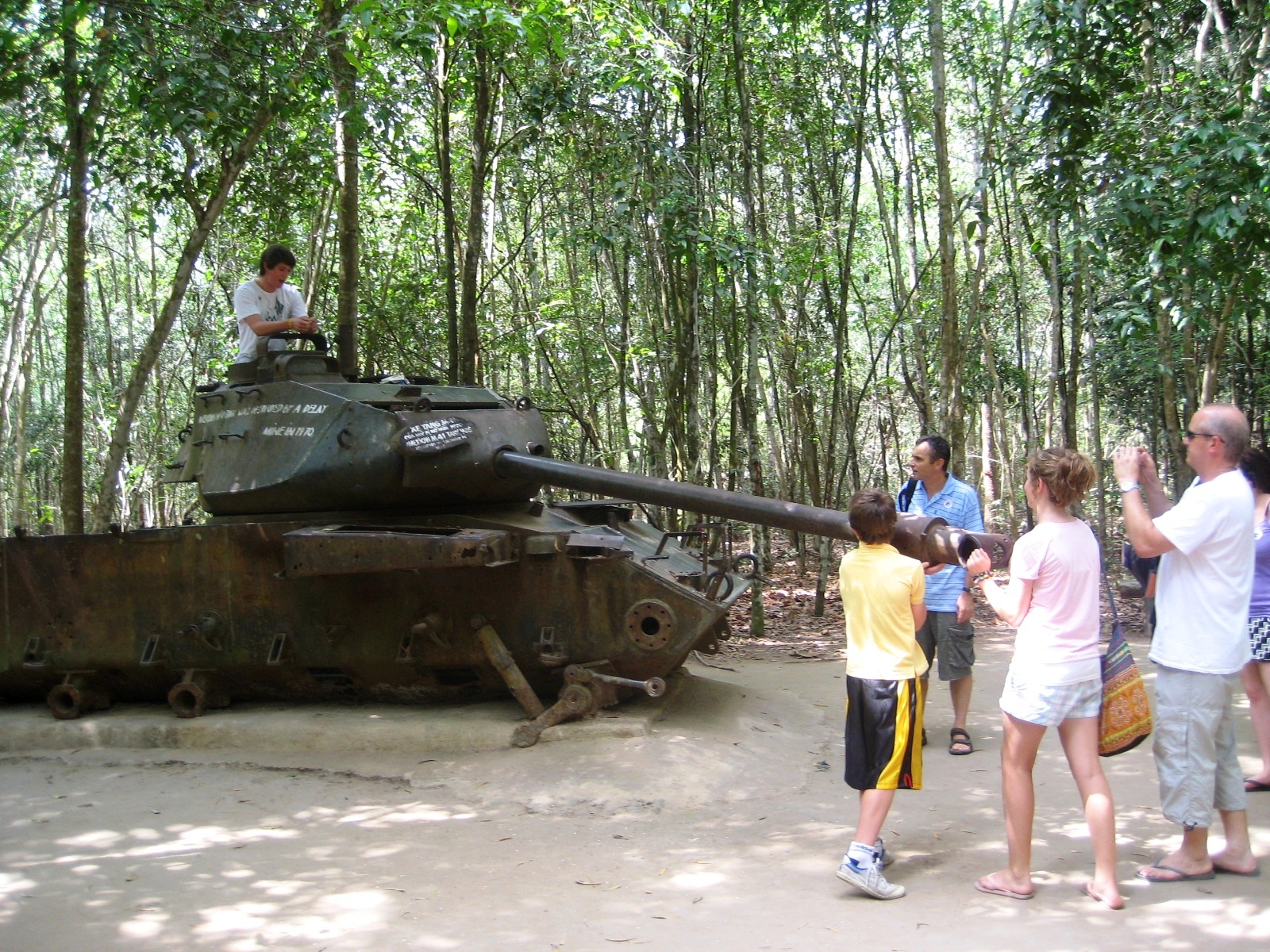
You will take a photo stop at the French colonial marvel architecture of Notre Dame Cathedral and the historic 18th-century Central Post Office before visiting the Witness of Reunification Palace, as well as a vintage collection of military equipment in the War Remnants Museum, where you can appreciate the wide collection of images dedicated to deceased American and Vietnamese photographers and journalists from the French and American conflicts.
One of the most famous typical pagodas is the Jade Emperor Pagoda, where we will see what local people believe in and how they worship.
Afterwards, we will visit the lacquerware factory. Here, experience the daily lives of many craftsmen who make famous traditional handmade art products and see the colorful arrangements of handcrafted art.
You can learn about Ho Chi Minh City's cultural sites and Vietnam's fascinating history.
Available options
Private Family Tour
Duration: 4 hours<br/>Private Transportation: Private Air-conditioning Vehicle<br/>Pickup included
Small Group Tour Max 10
Pickup included
What's included
Entrance fees & Bottled water
Air-conditioned vehicle
Pick up/ Drop off at hotels within district 1, Ho Chi Minh City
English Speaking Tour Guide
Detailed itinerary
1
During the past war, this place functioned as South Vietnamese President Nguyen Van Thieu's residence and office. Having witnessed many significant changes in Saigon's history, the Independence Palace, which is called as Reunification Palace nowadays, is considered one of the most precious historical monuments in Vietnam.
The Independence Palace possesses a classic design. It has hundreds of rooms with top-notch furnishings and decorations, and a spacious and beautiful exterior. It is the ideal place for travelers to learn about Vietnamese history, enjoy the fresh cool air, and explore one of Ho Chi Minh City's most spectacular constructions.
2
Stop 2
Standing out in the heart of Ho Chi Minh City, is recognized as one of the world's 19 most majestic cathedrals and the only Southeast Asian representative on the list. This timeless masterpiece, regarded as an architectural icon of Ho Chi Minh City, attracts a large number of both domestic and foreign visitors every day, especially those who are in search of a magnificent background to take charming photos.
Saigon Notre Dame Cathedral’s solemn and grand overlook is formed by a distinctive mix of neo-Romanesque and Gothic styles. Twin bell towers, stained-glass windows, and red-brick exterior are some prominent features that significantly contribute to the spectacular magnificence of the church.
3
Stop 3
Saigon Central Post Office, situated in the center of Ho Chi Minh City, is unquestionably a must-see attraction for any traveler coming to this beautiful city. It was built during the French colonial period in Vietnam, has a stunning facade that feature the spectacular characteristics of French architecture with yellow walls, arched doors and windows, and decorative reliefs.
Entering the post office, you will see a hanging huge portrait of President Ho Chi Minh in the center, who was the great leader of the Vietnamese revolution in the twentieth century. Covering the whole length of the post office is a dome roof created in a highly sophisticated arched structure and supported by a row of pillars on the two sides.
On both sides of the post office’s walls, there are two large meticulously drawn maps, one depicts Saigon and its neighborhoods in 1892, while the other illustrates the network of telegraph lines across Vietnam and Cambodia in 1936.
4
The art of lacquerware (nghề sơn mài) as a means of decorating objects was probably introduced from China during the first century CE. The lacquer itself is actually the resin of a tree which is mixed with coloured pigments and solvents and applied layer after layer to the object's surface, producing a shiny and durable finish. Other substances, such as eggshell and gold leaf, may be applied to the surface before the lacquer is applied, in which case the finished product is sanded down to reveal the decoration beneath. The high quality of resin from Vietnamese lacquer trees, notably those of Phú Thọ in the north, was a crucial factor in the rapid development of this art form, which became very popular at the court of Đại Việt during the feudal period. Decorated lacquer statues, panels, boxes and trays, some dating back to the Lê era (1428-1527), may still be seen at many temples and pagodas throughout the country.
5
Stop 5
Jade Emperor Pagoda (Chùa Ngọc Hoàng ) was built from 1892 to 1900 by a Chinese man named Luu Minh, who left China and went to Vietnam for living and doing business. He strongly believe in Buddhism, Taoism, and Confucianism, so he wanted to build a pagoda to worship Buddha and Jade Emperor.
In 1982, Venerable Buddhist monk Thich Vinh Khuong came to live in the pagoda. From that, the pagoda has pertained to the Vietnam Buddhist Association.In 1984, Jade Emperor Pagoda was changed into Phuoc Hai Tu. However, local people still call ”Jade Emperor Pagoda” because the main chamber of Pagoda is a place to worship the Jade Emperor according to Chinese religious belief.
Jade Emperor Pagoda is one of the most famous Buddhist Temples in Ho Chi Minh City, that is always busy with locals and foreign tourists daily. So the Best Time to visit Jade Emperor Temple is in the early morning to avoid the crowd and enjoy the peaceful and tranquil atmosphere here.
6
Stop 6
The War Remnants Museum holds immense historical significance as a testament to the brutal realities of the Second Indochina War and its profound impact on the Vietnamese people. It provides a broader historical context. Its exhibits, including disturbing photographs of war atrocities, present a vivid portrayal of the suffering endured by the Vietnamese population, with many images coming from US sources.
The ground floor's collection of posters and photographs showcasing international antiwar support offers a counterbalance to the horrors depicted upstairs. With exhibits featuring widespread destruction caused by napalm bombs and the devastating effects of Agent Orange, the museum confronts visitors with the harsh realities of war. The inclusion of experimental weapons and the Requiem Exhibition, which pays tribute to photographers who lost their lives during the conflict, further contribute to the museum's historical significance.
What's not included
Tipping/ Gratuities for tour guide & driver or personal expenses
Available languages
Guide guide
EN
Reviews breakdown
Tripadvisor
5.0
1 reviews
5★
1
4★
0
3★
0
2★
0
1★
0
Important information
Infants are required to sit on an adult’s lap
Suitable for all physical fitness levels
About Ho Chi Minh City
Ho Chi Minh City, Vietnam's largest metropolis, is a vibrant blend of tradition and modernity. Known for its rich history, bustling markets, and French colonial architecture, it offers a dynamic travel experience with its lively street food culture, historical landmarks, and energetic nightlife.
Top Attractions
War Remnants Museum
This museum provides a sobering look at the Vietnam War and its impact on the country. It houses a collection of war machinery, photographs, and artifacts.
Historical
1-2 hours
Free (donations appreciated)
Cu Chi Tunnels
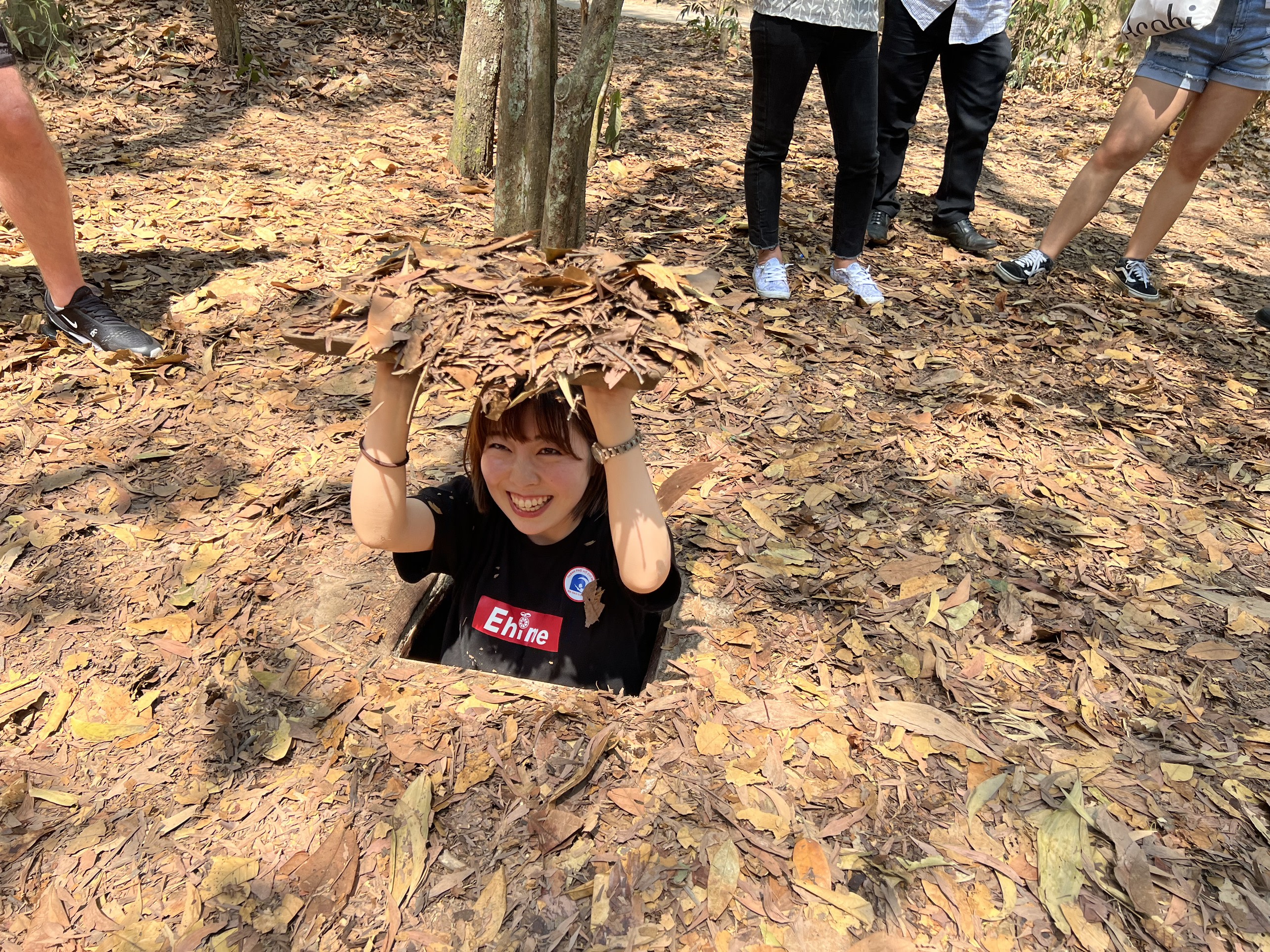
A network of underground tunnels used by Viet Cong soldiers during the Vietnam War. Visitors can explore the tunnels, learn about their history, and see various war relics.
Historical
Half-day tour
Moderate (tour prices vary)
Notre-Dame Cathedral Basilica of Saigon
A beautiful example of French colonial architecture, this cathedral is a prominent landmark in the city. It is a peaceful place to visit and offers a glimpse into the city's religious heritage.
Religious
30 minutes to 1 hour
Free
Ben Thanh Market
One of the most famous markets in Ho Chi Minh City, offering a wide variety of goods, including food, clothing, souvenirs, and handicrafts. It's a great place to experience local culture and shop for bargains.
Market
1-2 hours
Budget to Moderate
Bitexco Financial Tower Skydeck
Offers panoramic views of the city from the 49th floor. The Skydeck provides a unique perspective on Ho Chi Minh City's skyline and landmarks.
Observation Deck
1 hour
Moderate
Must-Try Local Dishes
Pho
A traditional Vietnamese noodle soup made with beef or chicken broth, rice noodles, and various toppings such as meat, herbs, and bean sprouts.
Dinner
Vegetarian options available
Banh Mi
A Vietnamese sandwich made with a baguette, filled with various ingredients such as grilled meat, pâté, pickled vegetables, and fresh herbs.
Lunch
Vegetarian options available
Com Tam
Broken rice served with grilled pork, a fried egg, and various accompaniments like pickled vegetables and fish sauce.
Lunch
Vegetarian options available
Goi Cuon
Fresh spring rolls filled with shrimp, pork, herbs, and rice vermicelli, served with a peanut or fish sauce dipping sauce.
Appetizer
Vegetarian options available
Popular Activities
Golfing at Long Thanh Golf Resort
Exploring the Cu Chi Tunnels
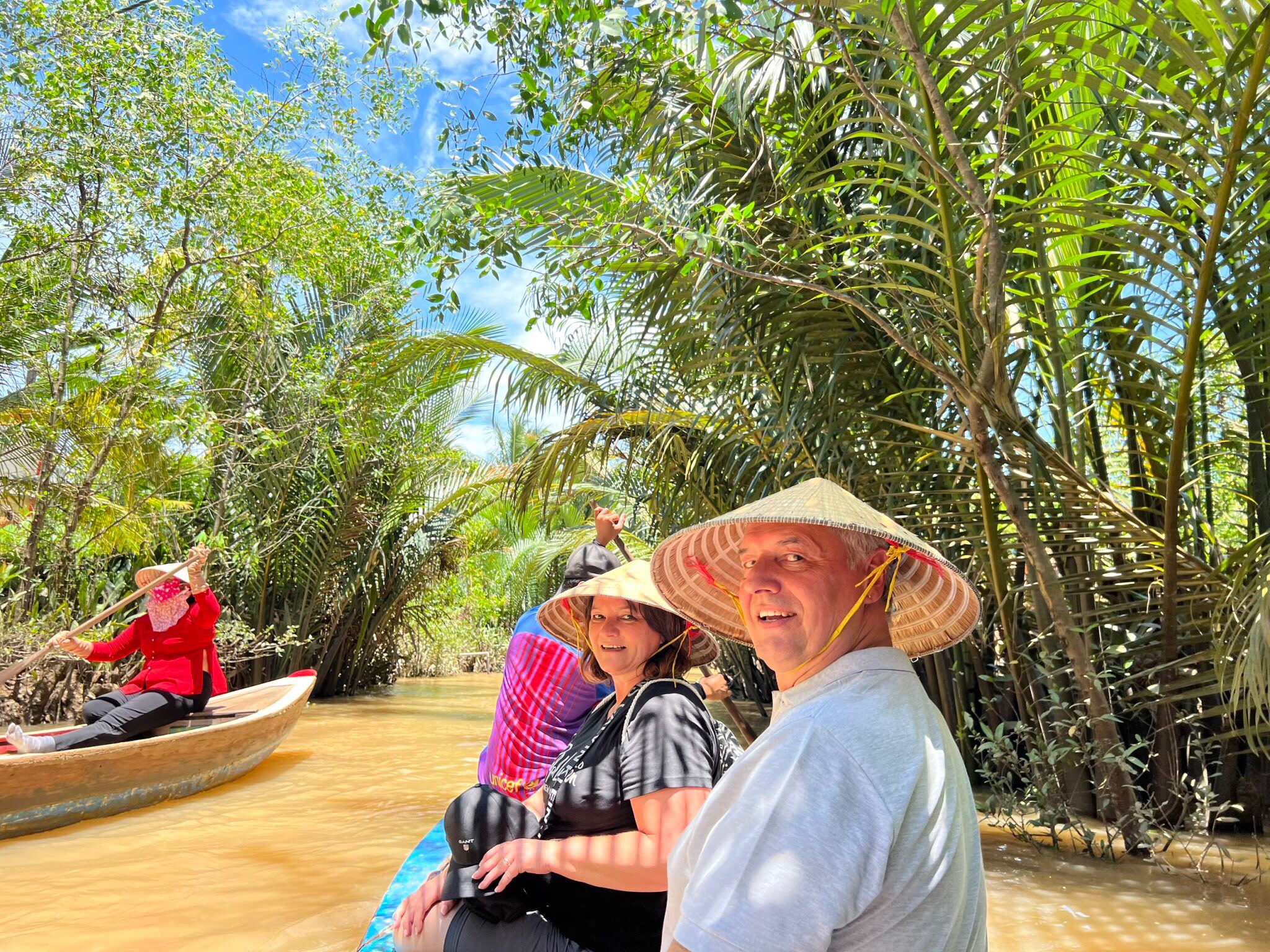
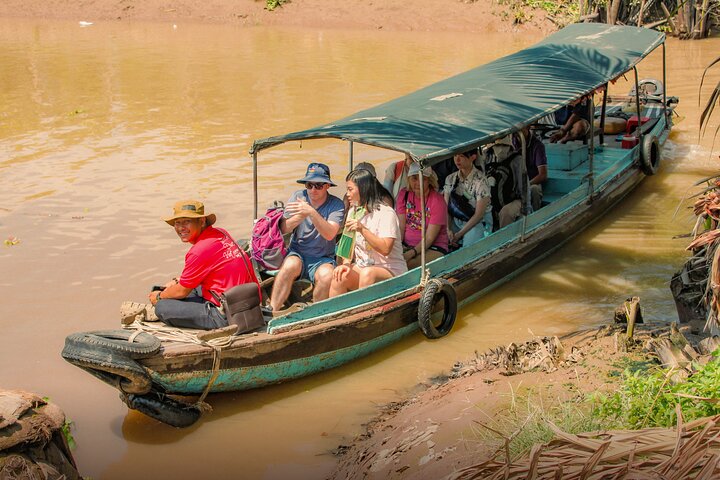
Boat tours in the Mekong Delta
Beach relaxation in Vung Tau
Nature walks in Cần Giờ Mangrove Forest
Spa and wellness treatments
Visiting historical sites like the War Remnants Museum
Exploring local markets and temples
Best Time to Visit
December to April
This is the dry season with lower humidity and less rain, making it ideal for outdoor activities and sightseeing. The weather is generally pleasant, though it can be quite hot.
25-35°C
77-95°F
Practical Information
Language
- Official: Vietnamese
- Widely spoken: English
- English: Moderately spoken in tourist areas, limited in other areas
Currency
Vietnamese Dong (VND)
Time Zone
GMT+7
Electricity
220VV, 50HzHz
Safety Information
Overall Safety Rating: Generally safe, but exercise caution in crowded areas and at night
Ho Chi Minh City is generally safe for travelers, but petty crime and scams can occur, especially in crowded areas and at night. Exercise caution and be aware of your surroundings.
Important Precautions:
- • Use licensed taxis or ride-hailing apps
- • Keep valuables secure and out of sight
- • Bargain for better prices at markets
Getting there
By air
- Tan Son Nhat International Airport • 7 km from city center
By train
Saigon Railway Station
By bus
Mien Dong Bus Station, Mien Tay Bus Station
Getting around
Public transport
Buses are an affordable way to get around, but they can be crowded and slow due to traffic. Routes are numerous and well-marked.
Taxis
Available • Apps: Grab, Gojek
Rentals
Car, Bike, Scooter
Neighborhoods
District 1
District 3
District 5 (Chinatown)
District 7
Phu Nhuan District
Day trips
Mekong Delta
130 km from Ho Chi Minh City • Full day
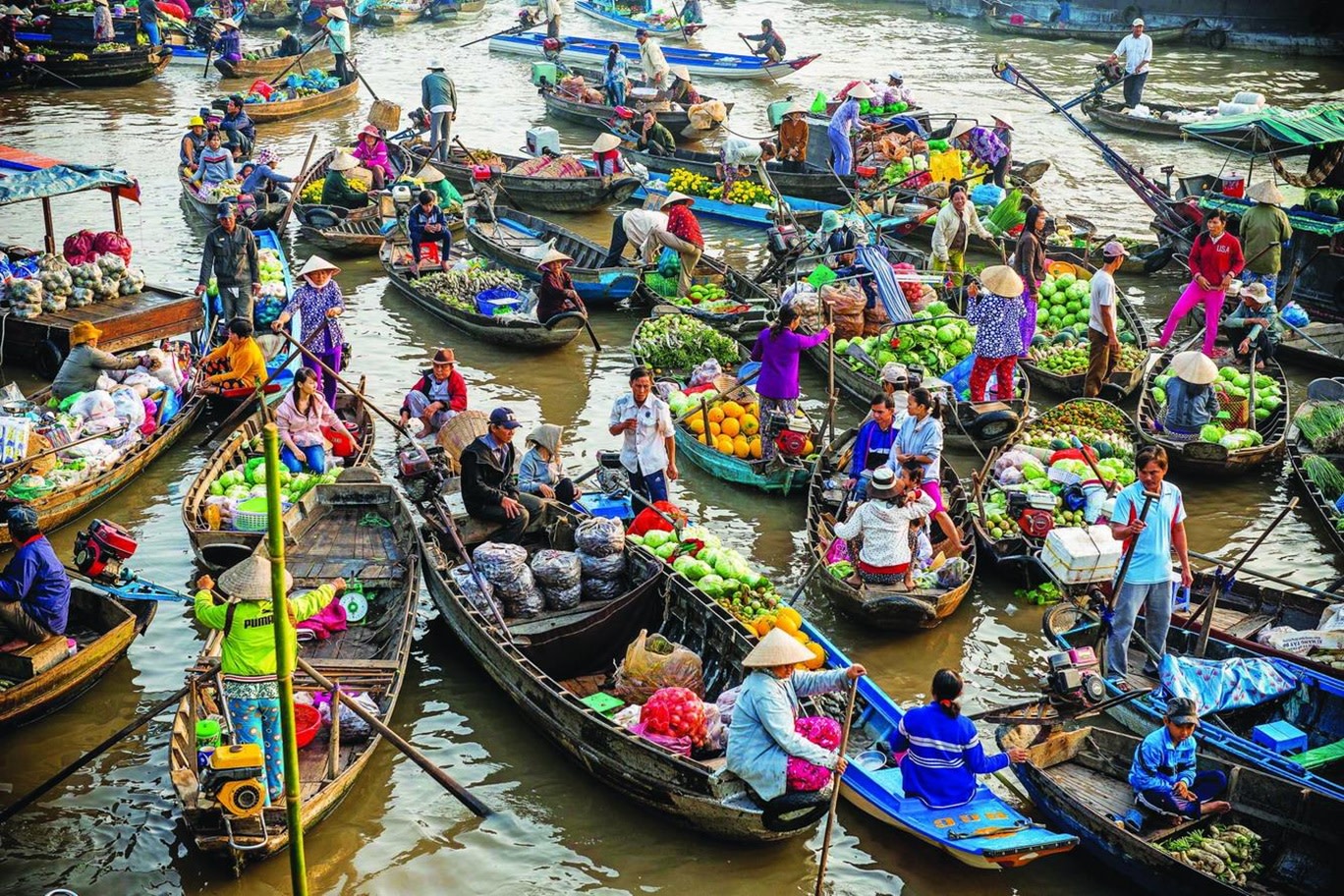
The Mekong Delta is a vast network of rivers, canals, and islands known for its lush landscapes, floating markets, and traditional villages. It offers a unique glimpse into rural Vietnamese life.
Cu Chi Tunnels
60 km from Ho Chi Minh City • Half day
A network of underground tunnels used by Viet Cong soldiers during the Vietnam War. Visitors can explore the tunnels, learn about their history, and see various war relics.
Vung Tau
120 km from Ho Chi Minh City • Full day
A coastal city known for its beautiful beaches, seafood, and relaxed atmosphere. It's a popular destination for a day trip from Ho Chi Minh City.
Festivals
Tet Holiday (Vietnamese New Year) • January or February (varies each year)
Ho Chi Minh City International Film Festival • December (varies each year)
Mid-Autumn Festival • September or October (varies each year)
Pro tips
- Learn a few basic Vietnamese phrases to enhance your experience and interact with locals
- Use ride-hailing apps like Grab or Gojek for convenient and affordable transportation
- Bargain for better prices at markets and street vendors, but do so politely and with a smile
- Try street food and local eateries for an authentic and delicious culinary experience
- Visit popular attractions early in the morning or late in the afternoon to avoid crowds and the midday heat
From $25
per person
Price varies by option
Secure booking
Free cancellation available
Instant confirmation