All American Sidecar Tour
Active
7h
For a full refund, cancel at least 24 hours before the scheduled departure time.
Instant confirmation
Mobile or paper ticket accepted
About this experience
Feel history come alive on an 8-hour vintage sidecar journey along Normandy’s hidden backroads, far from crowded buses. Stand on Omaha Beach’s solemn sands, reflect at the American Cemetery, and witness Pointe du Hoc’s battle-scarred cliffs. Finish at Utah Beach’s quiet shore, a poignant contrast to Omaha, where fewer fell, yet bravery prevailed. Wind on your face, ride through peaceful countryside roads, deeply connecting with Normandy's past and the courage that shaped our freedom.
Available options
2 Sidecars 3 passengers
Pickup included
2 Sidecars 4 passengers
Pickup included
1 Sidecar 1 passenger
Pickup included
1 Sidecar 2 passengers
Pickup included
What's included
Raincoat
Gloves
Helmets
Detailed itinerary
1
Your Guide will meet you at the place of your choice, whether it is Bayeux's tourist office, your hotel or Bayeux's train station.
Your guide will assist you in your choice of equipment, glasses helmet and gloves.
Then once you are comfortably settled on the bike, it might be time for the 1st of numerous pictures
2
Stop 2
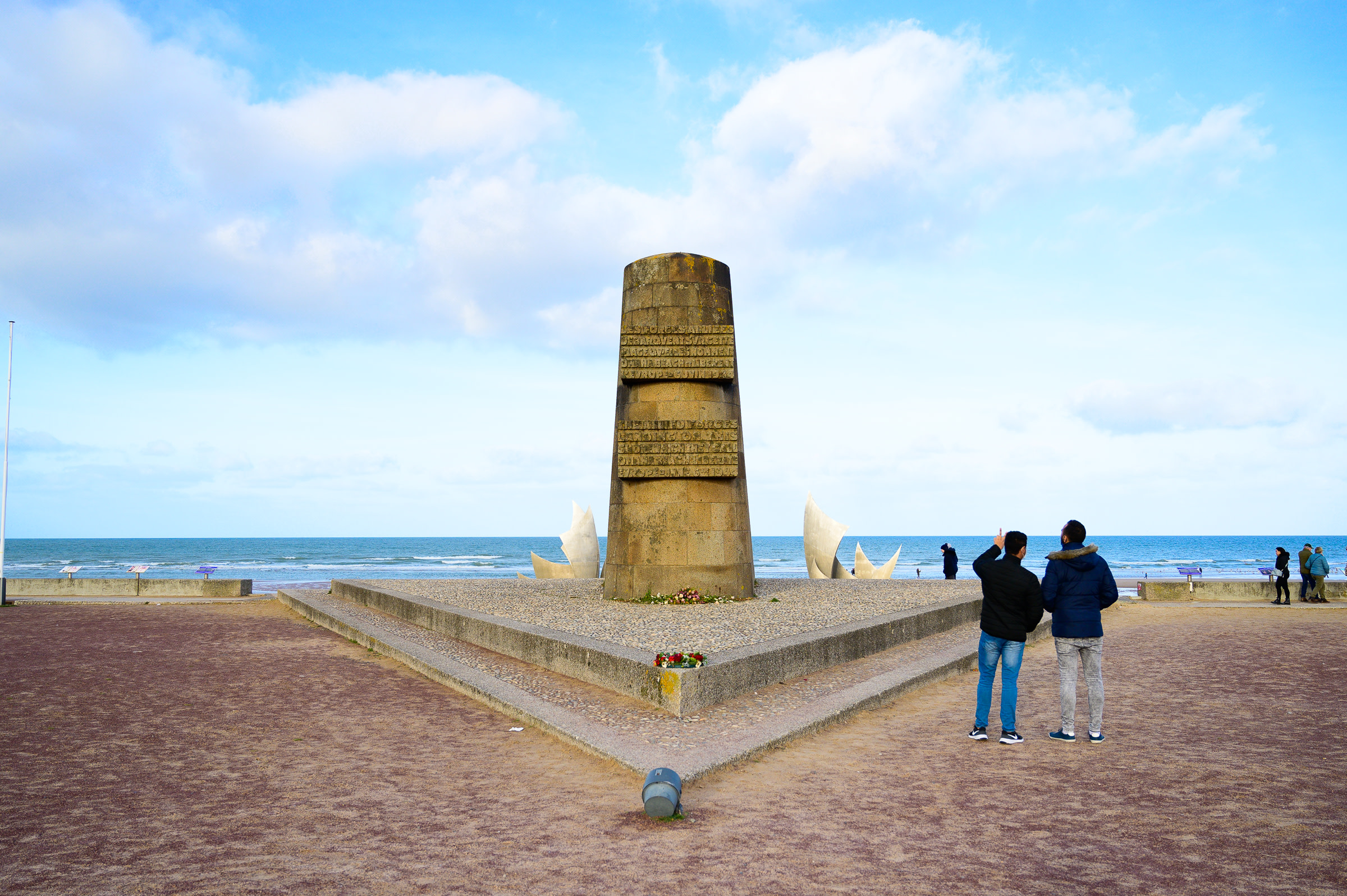
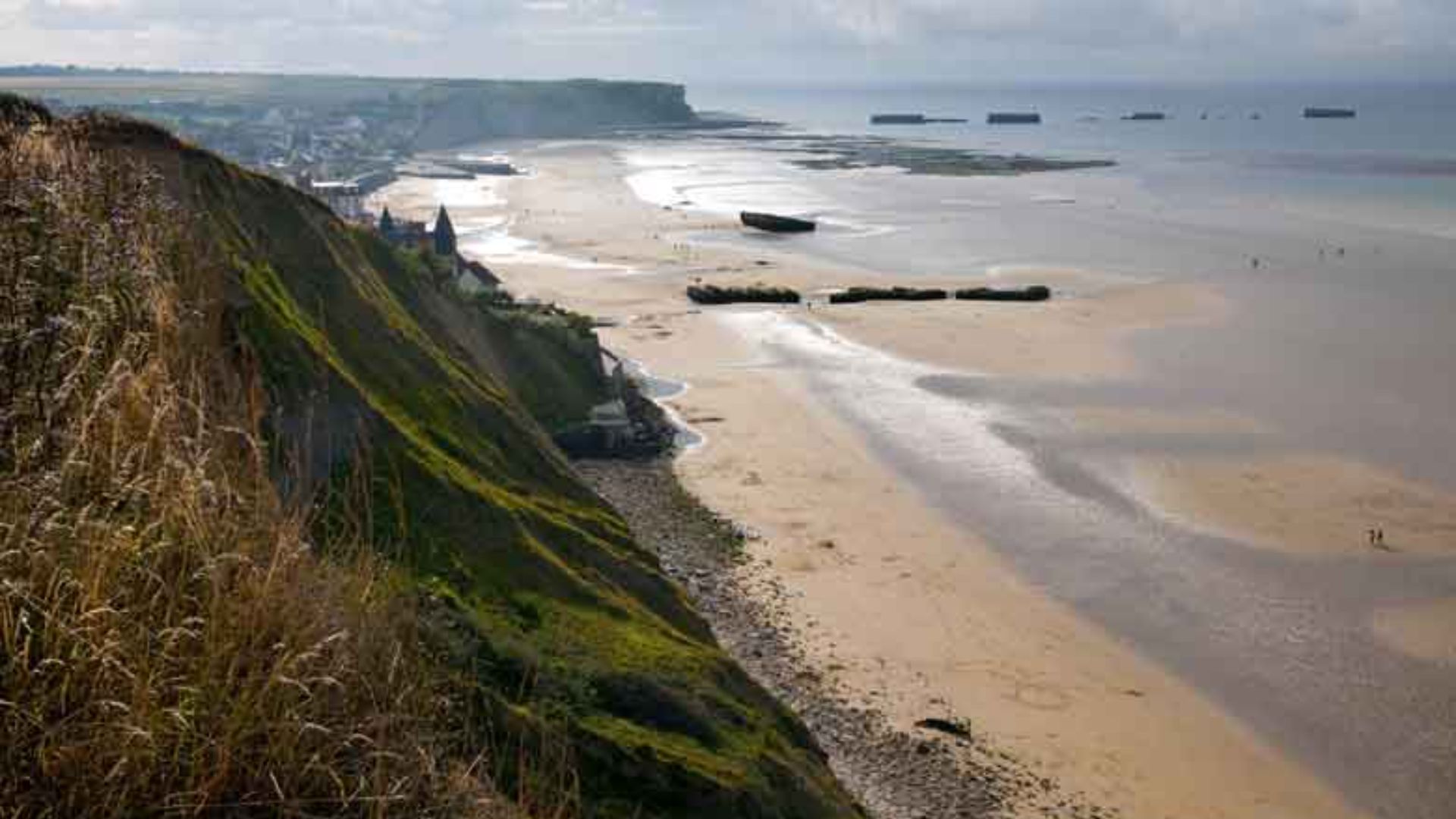
Omaha Beach is one of the most famous landing sites of D-Day and holds significant historical importance. Here, you'll stand on the same sands where thousands of American troops bravely stormed the shore amid heavy gunfire and artillery. Your guide will provide a moving account of the challenges faced by the soldiers during this intense battle. As you walk along the beach, you can pay your respects at the memorials and reflect on the valor and sacrifice of those who fought here.
3
Stop 3
The Normandy American Cemetery and Memorial, situated on a bluff overlooking Omaha Beach, is a poignant and deeply moving tribute to the fallen soldiers. As you wander through rows of white marble crosses and Stars of David, you'll experience a profound sense of gratitude and respect for those who gave their lives for freedom. Your guide will share stories about the individuals laid to rest here and provide insight into the profound impact of their sacrifices on the course of history.
4
Stop 4
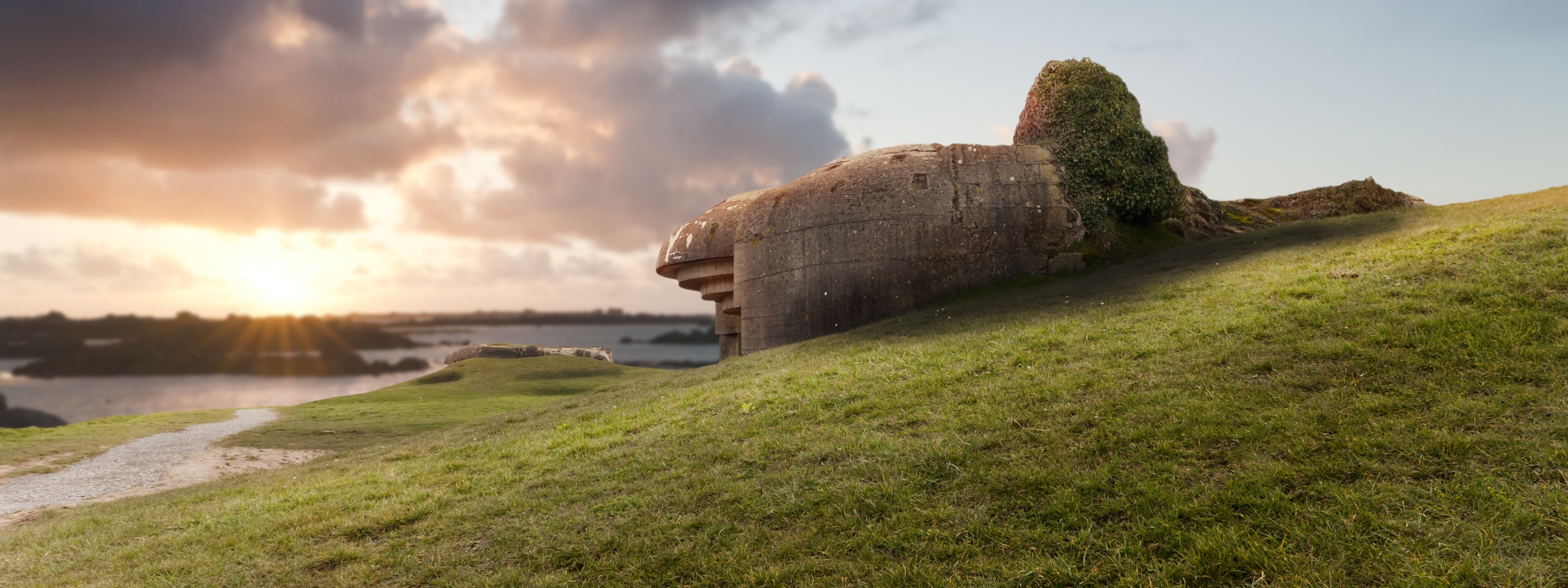
This quiet path, far from traffic, winds through grassy fields and coastal scrubland, following the very ground Allied troops once crossed in 1944. As we ride westward, the cliffs grow wilder and the wind stronger, and a sense of anticipation builds. Arriving at Pointe du Hoc, the landscape suddenly shifts—deep bomb craters, shattered bunkers, and dramatic cliffs tell the story of the U.S. Rangers who scaled the heights under fire. The contrast between the peaceful ride and the violence that once occurred here is striking. This section of the journey is not only scenic, but deeply moving—a ride through beauty, memory, and courage etched into the very land.
5
Utah Beach is a peaceful yet powerful D-Day landing site. Unlike Omaha, American forces here faced fewer losses, making it a place of quiet reflection and gratitude. Today, its serene coastline echoes the bravery and sacrifices of those who helped liberate Europe in June 1944.
6
Leaving Utah beach, we begin a peaceful return to Bayeux along some of the smallest countryside roads Normandy has to offer. These quiet lanes wind through open fields, apple orchards, and hedgerows, far from traffic and noise. It feels like stepping into another time—just you, the landscape, and the soft hum of your electric bike.
We pass through tiny hamlets and farms, where stone houses and old barns sit untouched by modern life. Birdsong and the scent of blooming hedges accompany us as we gently climb rolling hills and coast down into valleys. There are no cars, no crowds—just endless green and the freedom of the open path.
This hidden route offers not only beauty, but reflection—on the land, the history, and the peaceful contrast to the stories of war we've uncovered. As the cathedral spires of Bayeux appear in the distance, you return with a sense of calm, connection, and quiet wonder.
What's not included
Snacks
Available languages
Guide guide
EN
FR
Reviews breakdown
Tripadvisor
5.0
1 reviews
5★
1
4★
0
3★
0
2★
0
1★
0
Important information
Public transportation options are available nearby
Suitable for all physical fitness levels
Déconseillé aux enfants de moins de 10 ans
About Bayeux
Bayeux is a charming town in Normandy, France, famous for the Bayeux Tapestry, a medieval embroidery that tells the story of the Norman Conquest of England. The town's well-preserved architecture, rich history, and proximity to the D-Day landing beaches make it a compelling destination for history enthusiasts and cultural travelers.
Top Attractions
Bayeux Tapestry
A 70-meter-long embroidered cloth depicting the events leading up to the Norman Conquest of England in 1066.
Historical
1-2 hours
€12
Bayeux Cathedral
A stunning Gothic cathedral with beautiful stained glass windows and a rich history.
Religious
30-60 minutes
Free (donations welcome)
D-Day Landing Beaches
The site of the Allied landings on June 6, 1944, during World War II.
Historical
Half to full day
Free (museums may charge)
Bayeux War Cemetery
A Commonwealth war cemetery containing the graves of soldiers who died in the D-Day landings and the Battle of Normandy.
Historical
30-60 minutes
Free
Bayeux Museum of Battle of Normandy
A museum dedicated to the Battle of Normandy, with exhibits on the D-Day landings and the subsequent campaign.
Historical
1-2 hours
€8.50
Must-Try Local Dishes
Moules à la Crème Normande
Mussels cooked in a creamy sauce with Norman butter and cider.
Main
Contains seafood and dairy
Tarte Normande
A traditional apple tart with a caramelized top, often served with cream.
Dessert
Contains gluten and dairy
Camembert
A famous Norman cheese made from cow's milk, with a rich and creamy flavor.
Dairy
Contains dairy
Cidre
Norman cider, made from apples grown in the region, often served with meals.
Drink
Alcoholic beverage
Popular Activities
Hiking along the Normandy coastline
Cycling through the countryside
Kayaking on the River Aure
Strolling along the River Aure
Visiting local cider houses
Enjoying the peaceful town center
Visiting the Bayeux Tapestry
Exploring Bayeux Cathedral
Best Time to Visit
June to August
Summer is the peak tourist season with warm weather and numerous festivals. It's the best time for outdoor activities and visiting the D-Day beaches.
15°C to 25°C
59°F to 77°F
Practical Information
Language
- Official: French
- Widely spoken: English, Spanish, German
- English: Moderately spoken
Currency
Euro (EUR)
Time Zone
GMT+1 (CET), GMT+2 (CEST) during daylight saving time
Electricity
230VV, 50HzHz
Safety Information
Overall Safety Rating: Generally safe
Bayeux is generally safe, with low crime rates. However, as with any tourist destination, it's important to be aware of your surroundings and take basic precautions.
Important Precautions:
- • Keep valuables secure
- • Be cautious of pickpockets in crowded areas
- • Use licensed taxis
Getting there
By air
- Normandy-Caen Carpiquet Airport • 25 km from Bayeux
- Deauville-Normandy Airport • 80 km from Bayeux
By train
Bayeux Train Station
By bus
Bayeux Bus Station
Getting around
Public transport
The local bus system is affordable and covers most of the town and nearby areas.
Taxis
Available • Apps:
Rentals
Car, Bike
Neighborhoods
Town Center
Saint-Lô Street
Port de Bayeux
Day trips
Caen
30 km • Half day to full day
A historic city with a rich past, known for its castle, museums, and memorials.
Mont Saint-Michel
100 km • Full day
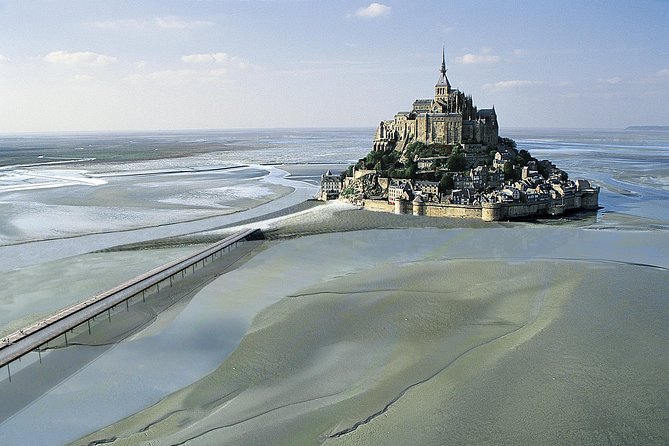
A stunning island commune with a medieval abbey, known for its unique architecture and tidal surroundings.
Arromanches-les-Bains
15 km • Half day
A coastal town known for its role in the D-Day landings and its museum dedicated to the Normandy landings.
Festivals
D-Day Commemorations • June 6th
Bayeux International Arts Festival • July
Medieval Festival • August
Pro tips
- Visit the Bayeux Tapestry early in the morning to avoid crowds
- Rent a car for flexibility in visiting the D-Day beaches and other nearby attractions
- Try local specialties like Norman cider and Camembert cheese
- Explore the town's medieval streets and hidden courtyards
- Check for local festivals and events during your visit
From $25
per person
Price varies by option
Secure booking
Free cancellation available
Instant confirmation