Backroads to Omaha D-Day E-Bike and Cemetery Private Tour
Active
5h
For a full refund, cancel at least 24 hours before the scheduled departure time.
Instant confirmation
Mobile or paper ticket accepted
About this experience
Leaving Bayeux, we set off on a scenic ride through the Normandy countryside, following small backroads rarely traveled by tourists. We pass through charming villages, where stone farmhouses, rolling fields, and apple orchards paint a timeless picture of rural Normandy.
As we approach the coast, a hidden path suddenly opens onto Omaha Beach, revealing its vast, windswept shoreline in a breathtaking moment of surprise. We pause to take in the historic landscape before continuing toward the American Cemetery in Colleville-sur-Mer. Here, 9,387 white crosses stand in perfect alignment, a powerful tribute to the soldiers who gave their lives for freedom.
After this moving visit, we take another peaceful countryside road back to Bayeux, winding through serene farmland and hedgerows once crossed by Allied troops. With more time to absorb the beauty and history of the region, this electric bike journey offers a deep, personal connection to the stunning landscapes of Normandy.
Available options
Backroads to Omaha D-Day E-Bike and Cemetery Private Tour
What's included
E-Bike
casque, gants, raingear
Detailed itinerary
1
Stop 1
Standing at the heart of Bayeux, the stunning Bayeux Cathedral is a masterpiece of Norman and Gothic architecture. Consecrated in 1077 in the presence of William the Conqueror, this grand cathedral played a key role in medieval history. Once home to the famous Bayeux Tapestry, it boasts intricate stained-glass windows, soaring arches, and remarkable Romanesque details. Its impressive facade and towering spires dominate the skyline, while its crypt reveals centuries-old frescoes. A visit to this magnificent cathedral offers a journey through time, blending history, art, and spirituality in a breathtaking setting.
2
Pedal through Normandy’s peaceful countryside on your electric bike, following scenic backroads from Bayeux to Omaha Beach. Leaving the city, you glide past lush fields and stone farmhouses, reaching the quiet and charming villages. The ride offers a glimpse into rural Normandy, far from the main roads. As you approach the coast, a narrow path suddenly opens onto Omaha Beach, revealing its vast shoreline in a breathtaking moment of surprise. This serene yet powerful journey blends nature, history, and the unexpected beauty of Normandy’s D-Day landscapes.
3
Stop 3
Stretching over 6 miles along the Normandy coast, Omaha Beach was the most challenging landing site of D-Day on June 6, 1944. U.S. forces faced intense German resistance, with high cliffs and fortified bunkers turning the beach into a deadly battlefield. Despite heavy losses, their bravery secured a crucial foothold in Europe. Today, Omaha Beach is a place of reflection, with vast sands, remnants of war, and memorials honoring the fallen. The peaceful waves contrast with its violent past, making it a deeply moving site where history and sacrifice come alive.
4
Stop 4
Overlooking Omaha Beach, the Normandy American Cemetery in Colleville-sur-Mer is a solemn tribute to the 9,387 U.S. soldiers who lost their lives during the Battle of Normandy. Perfectly aligned white crosses and Stars of David stretch across 172 acres, creating a powerful visual symbol of sacrifice. The site includes the Memorial, the Chapel, and the Garden of the Missing, honoring those whose bodies were never found. The sound of the waves below contrasts with the cemetery’s quiet dignity. A visit here is a deeply moving experience, offering reflection on the cost of freedom and the bravery of those who fought.
5
Leaving Omaha Beach behind, we take another peaceful countryside road back to Bayeux, far from the main traffic. The ride winds through rolling fields, dense hedgerows, and quiet farmland, following paths once used by Allied troops after D-Day. Passing through charming villages, we soak in the essence of rural Normandy—stone cottages, apple orchards, and grazing cattle. The road feels timeless, offering a moment to reflect on the history we've just witnessed. As Bayeux’s cathedral towers appear in the distance, the journey comes full circle, blending nature, history, and tranquility.
What's not included
Lunch
Soda/Pop
Available languages
Guide guide
CMN
EN
FR
Reviews breakdown
Viator
5.0
2 reviews
5★
2
4★
0
3★
0
2★
0
1★
0
Tripadvisor
5.0
1 reviews
5★
1
4★
0
3★
0
2★
0
1★
0
Important information
Public transportation options are available nearby
Specialized infant seats are available
Travelers should have at least a moderate level of physical fitness
Kids between 4 and 12 years old cannot participate
Meeting point
We will meet at the café de la gare next to the station
About Bayeux
Bayeux is a charming town in Normandy, France, famous for the Bayeux Tapestry, a medieval embroidery that tells the story of the Norman Conquest of England. The town's well-preserved architecture, rich history, and proximity to the D-Day landing beaches make it a compelling destination for history enthusiasts and cultural travelers.
Top Attractions
Bayeux Tapestry
A 70-meter-long embroidered cloth depicting the events leading up to the Norman Conquest of England in 1066.
Historical
1-2 hours
€12
Bayeux Cathedral
A stunning Gothic cathedral with beautiful stained glass windows and a rich history.
Religious
30-60 minutes
Free (donations welcome)
D-Day Landing Beaches
The site of the Allied landings on June 6, 1944, during World War II.
Historical
Half to full day
Free (museums may charge)
Bayeux War Cemetery
A Commonwealth war cemetery containing the graves of soldiers who died in the D-Day landings and the Battle of Normandy.
Historical
30-60 minutes
Free
Bayeux Museum of Battle of Normandy
A museum dedicated to the Battle of Normandy, with exhibits on the D-Day landings and the subsequent campaign.
Historical
1-2 hours
€8.50
Must-Try Local Dishes
Moules à la Crème Normande
Mussels cooked in a creamy sauce with Norman butter and cider.
Main
Contains seafood and dairy
Tarte Normande
A traditional apple tart with a caramelized top, often served with cream.
Dessert
Contains gluten and dairy
Camembert
A famous Norman cheese made from cow's milk, with a rich and creamy flavor.
Dairy
Contains dairy
Cidre
Norman cider, made from apples grown in the region, often served with meals.
Drink
Alcoholic beverage
Popular Activities
Hiking along the Normandy coastline
Cycling through the countryside
Kayaking on the River Aure
Strolling along the River Aure
Visiting local cider houses
Enjoying the peaceful town center
Visiting the Bayeux Tapestry
Exploring Bayeux Cathedral
Best Time to Visit
June to August
Summer is the peak tourist season with warm weather and numerous festivals. It's the best time for outdoor activities and visiting the D-Day beaches.
15°C to 25°C
59°F to 77°F
Practical Information
Language
- Official: French
- Widely spoken: English, Spanish, German
- English: Moderately spoken
Currency
Euro (EUR)
Time Zone
GMT+1 (CET), GMT+2 (CEST) during daylight saving time
Electricity
230VV, 50HzHz
Safety Information
Overall Safety Rating: Generally safe
Bayeux is generally safe, with low crime rates. However, as with any tourist destination, it's important to be aware of your surroundings and take basic precautions.
Important Precautions:
- • Keep valuables secure
- • Be cautious of pickpockets in crowded areas
- • Use licensed taxis
Getting there
By air
- Normandy-Caen Carpiquet Airport • 25 km from Bayeux
- Deauville-Normandy Airport • 80 km from Bayeux
By train
Bayeux Train Station
By bus
Bayeux Bus Station
Getting around
Public transport
The local bus system is affordable and covers most of the town and nearby areas.
Taxis
Available • Apps:
Rentals
Car, Bike
Neighborhoods
Town Center
Saint-Lô Street
Port de Bayeux
Day trips
Caen
30 km • Half day to full day
A historic city with a rich past, known for its castle, museums, and memorials.
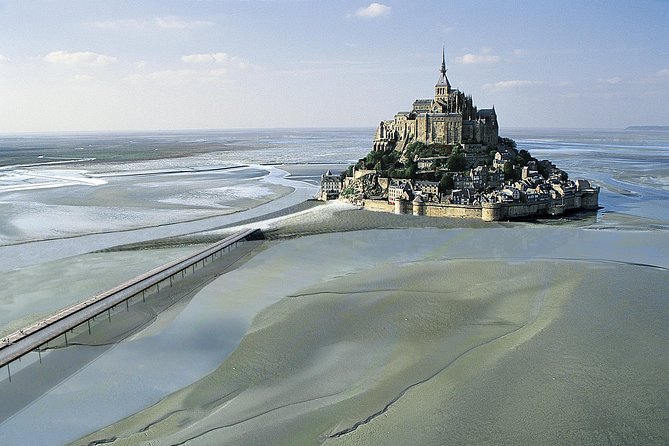
Mont Saint-Michel
100 km • Full day
A stunning island commune with a medieval abbey, known for its unique architecture and tidal surroundings.
Arromanches-les-Bains
15 km • Half day
A coastal town known for its role in the D-Day landings and its museum dedicated to the Normandy landings.
Festivals
D-Day Commemorations • June 6th
Bayeux International Arts Festival • July
Medieval Festival • August
Pro tips
- Visit the Bayeux Tapestry early in the morning to avoid crowds
- Rent a car for flexibility in visiting the D-Day beaches and other nearby attractions
- Try local specialties like Norman cider and Camembert cheese
- Explore the town's medieval streets and hidden courtyards
- Check for local festivals and events during your visit
From $25
per person
Price varies by option
Secure booking
Free cancellation available
Instant confirmation







![[Private Tour] Busan and Gyeongju Top Attractions Day Tour](https://res.klook.com/image/upload/activities/pj3cuzsrkoqkakpc0sma.jpg)