Private Former Concentration Camp Terezin Tour from Prague
Active
6h
For a full refund, cancel at least 24 hours before the scheduled departure time.
Instant confirmation
Mobile or paper ticket accepted
About this experience
Theresienstadt, the concentration camp, also referred to as Theresienstadt Ghetto, was established by the SS during World War II in the fortress and garrison city of Terezín. During World War II it served as a Nazi concentration camp staffed by German Nazi guards.
Tons of thousands of people died there, some killed outright and others dying from malnutrition and disease. More than 150,000 other persons (including tons of thousands of children) were held there for months or years, before being sent by rail transports to their deaths at Treblinka and Auschwitz extermination camps in occupied Poland, as well as to smaller camps elsewhere.
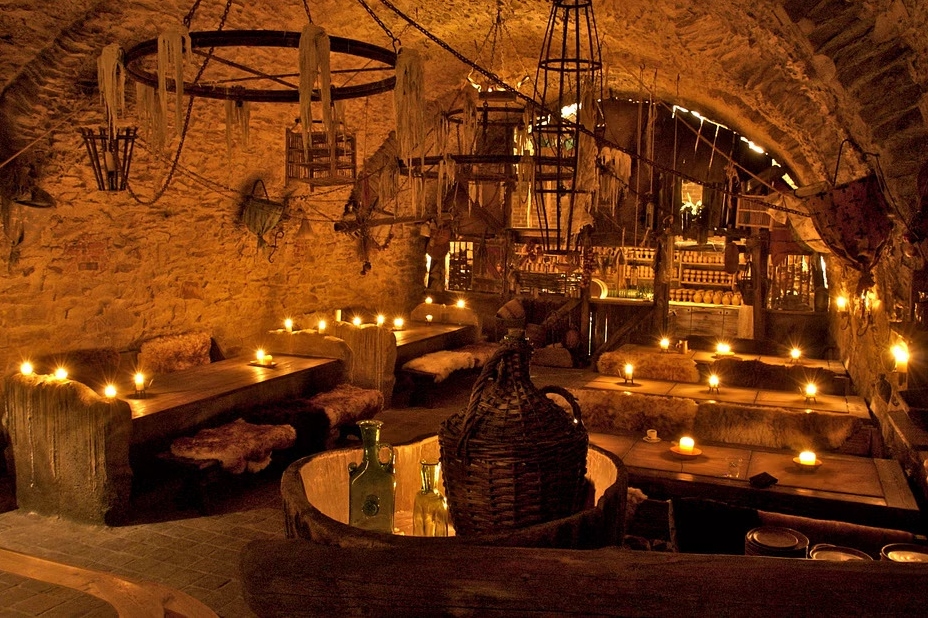
I will pick you up with a professional driver at 9am in a lobby of the hotel you are located in. It takes approximately an hour to get there. Entrance fees are included in this tour. After the tour we will have delicious Czech meal in a local small Terezín restaurant you enjoy.
Available options
Private Former Concentration Camp Terezin Tour from Prague
Pickup included
What's included
Hotel pickup and drop-off
Professional guide
Bottled water
Entrance fees to all the sites
Air-conditioned vehicle
Detailed itinerary
1
Stop 1
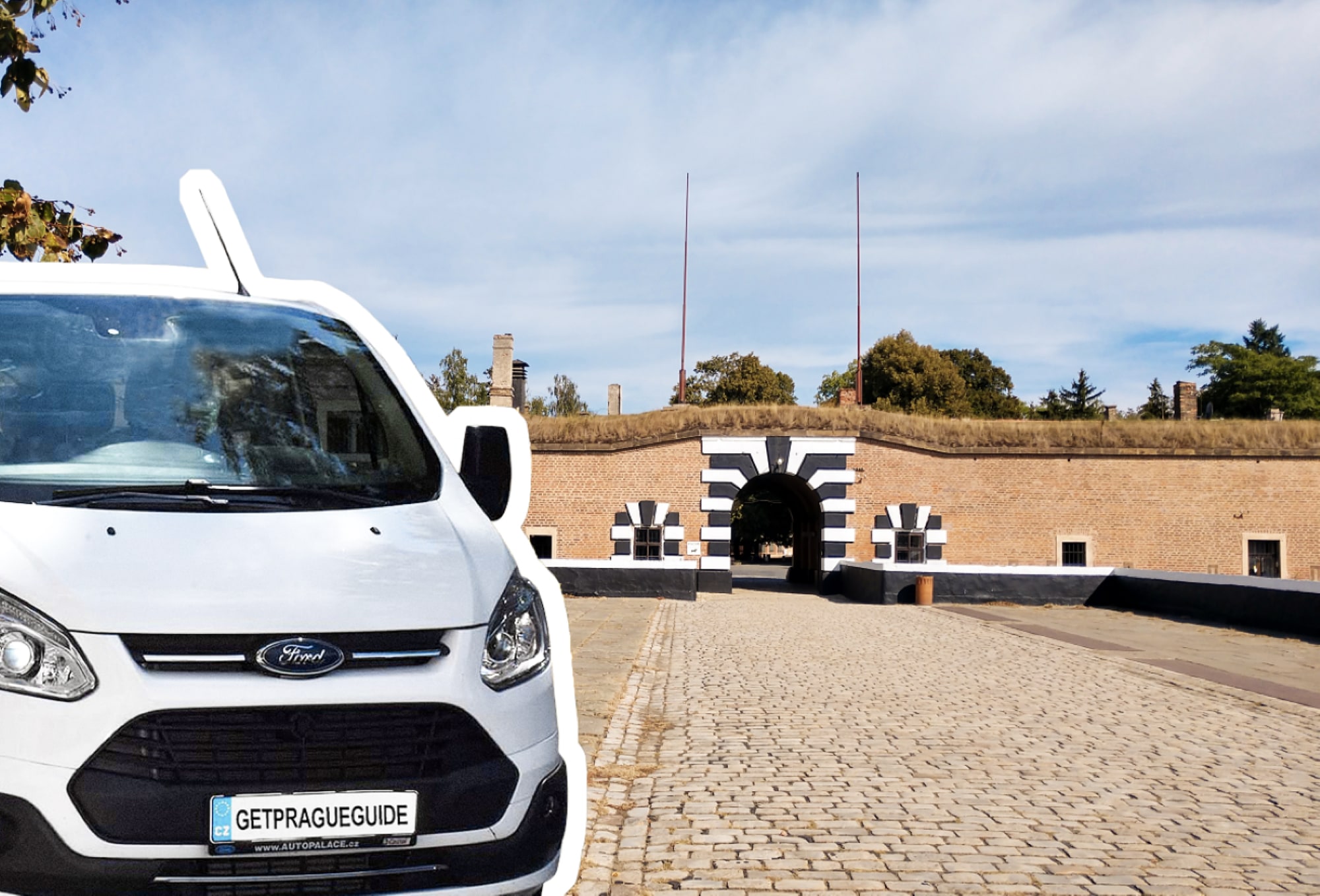
It was originally built to become a proud and impregnable fortress surrounded by walls and protected by a sophisticated system of flood trenches. Built in 11 years at the end of the 18th century this fortress, whose first cornerstone was laid by Emperor Joseph II, and the city carrying the name of his mother Empress Maria Theresa,never protected anything from anyone in the end.Terezín was determined to become a huge jail. It first became a jail as early as in the mid-19th century. Its most famous prisoner was Gavrilo Princip, who fired the first shot in Sarajevo and started the First World War before being brought here in 1914. However, the fate of this town was fulfilled during the Second World War. In 1940 the Small Fortress of Terezín became a prison of the Prague Gestapo, to which especially political prisoners were sent. Only one year later the whole town was turned into a collective and pass-through camp for Jews.
2
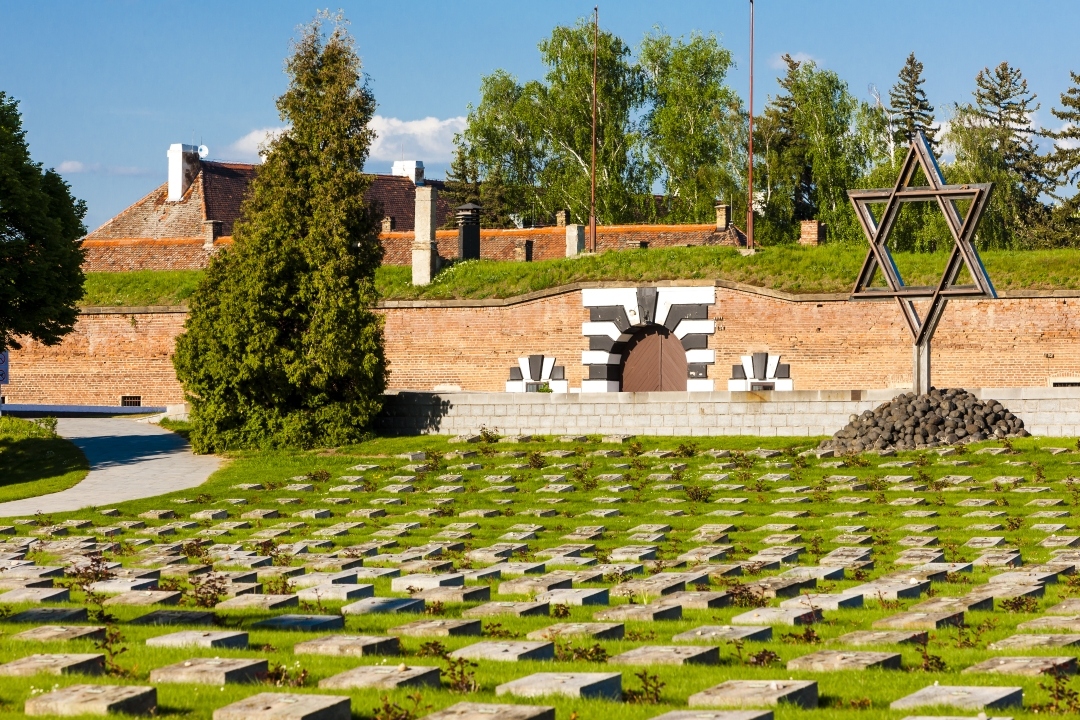
The National Cemetery was created artificially after liberation in 1945. The stimulus for its creation came from among former prisoners and the heirs of those who died, at whose request physical remains were exhumed from six mass graves in the ramparts of the Small Fortress which had been in use from March 1st to May 7th 1945. Among those who were exhumed were prisoners from the death march that in May 1945 arrived at the Small Fortress.
3
Terezín Ghetto was opened in the former municipal school in 1991. In this way, efforts for a dignified commemoration of the Ghetto victims and correct explanation of its history, tasks facing not only the employees of the Terezín Memorial together with the former inmates but also other representatives of the country’s public life, finally come to fruition after more than forty years. The Museum’s newly conceived permanent exhibition entitled ”Terezín in the 'Final Solution of the Jewish Question '1941 – 1945“ was inaugurated in 2001. We can also find here a Memorial Hall of the Terezín Ghetto’s Children, devoted to its youngest victims, plus a selection from the world-famous drawings made by children from the Ghetto, a scale model of the Ghetto with an electronic orientation system showing its individual thematic units and with relevant information for visitors, for the local reading room and the cinema where documentary films are screened.
4
Stop 4
The small Jewish prayer hall was founded during the Ghetto period and served spiritual needs of the prisoners who were accomodated in the neighbouring houses.
Owned by František Bubák, the space served as part of a funeral parlor before World War II. Though forced to leave Terezín during 1942, Bubák reclaimed the property after the war. Because his family feared repercussions from the Communist regime, they kept the prayer room’s existence a secret while using it as a storage facility. Bubák’s descendants did not notify the authorities about it until after the 1989 Velvet Revolution that brought democracy to what was then Czechoslovakia. Visitors have been allowed to see the room since the late 1990s.
5
Stop 5
The Jewish ghetto’s local government was headquartered in the former Magdeburg Barracks building. It officially took care of the internal affairs of the ghetto, though all important issues were fully under the control of camp SS command. Opened in 1997 following renovations, the Magdeburg Barracks today features a replica of prison barracks from the ghetto period and other items, though its main function is as the venue for an exhibition on the ghetto’s artistic and cultural life. This includes artefacts relating to music, the visual arts, literature and theatre that attest to the huge desire of the forced inhabitants for a little humanity and hope in concentration camp conditions. Alongside the exhibition the building houses an educational Meeting Centre.
6
The crematorium at the Terezín Jewish Cemetery was built by ghetto prisoners by order of the SS commanders. Its operation was launched at the beginning of October 1942. The central part of the facility comprised four oil-powered incinerators supplied by Ignis Hüttenbau from Teplice-Šanov. The front section served as a space for unloading the corpses from coffins. On one side it bordered with the autopsy room, on the other there was an annex that housed the guards made up of Czech police officers and prisoners working at the crematorium. At the time of the highest mortality rate, there were up to eighteen prisoner workers who rotated in permanent shifts. Whenever the mortality rate dropped, the number of workers decreased to four. The crematorium was supervised by SS-Scharführer Heindl, one of the camp's feared top officers, yet routine checks were carried out by the camp commanders as well.
Available languages
Guide guide
DE
EN
Reviews breakdown
Tripadvisor
5.0
8 reviews
5★
8
4★
0
3★
0
2★
0
1★
0
Important information
Public transportation options are available nearby
Suitable for all physical fitness levels
Children must be accompanied by an adult
Dress code is smart casual
Meeting point
In front of the hotel
Important notes
• Dress code is smart casual
Hotel pickups commence prior to this time
About Prague
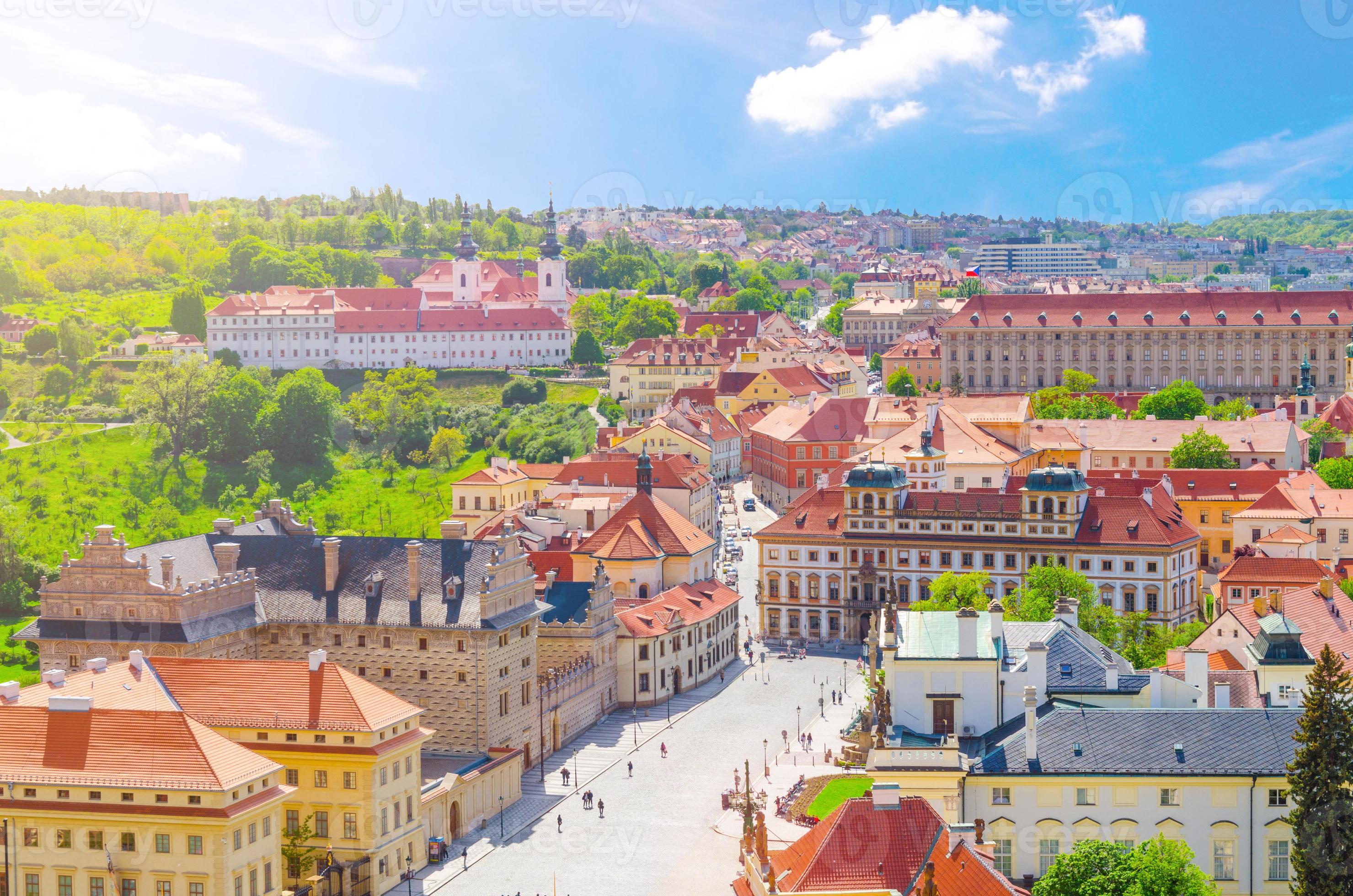
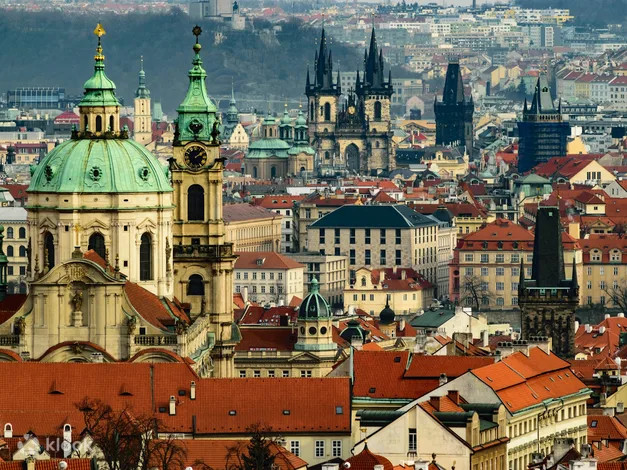
Prague, the capital of the Czech Republic, is a city of stunning architecture, rich history, and vibrant culture. Known for its well-preserved Old Town, Prague Castle, and the iconic Charles Bridge, it offers a blend of medieval charm and modern sophistication. The city is a UNESCO World Heritage site and a must-visit destination in Europe.
Top Attractions
Prague Castle
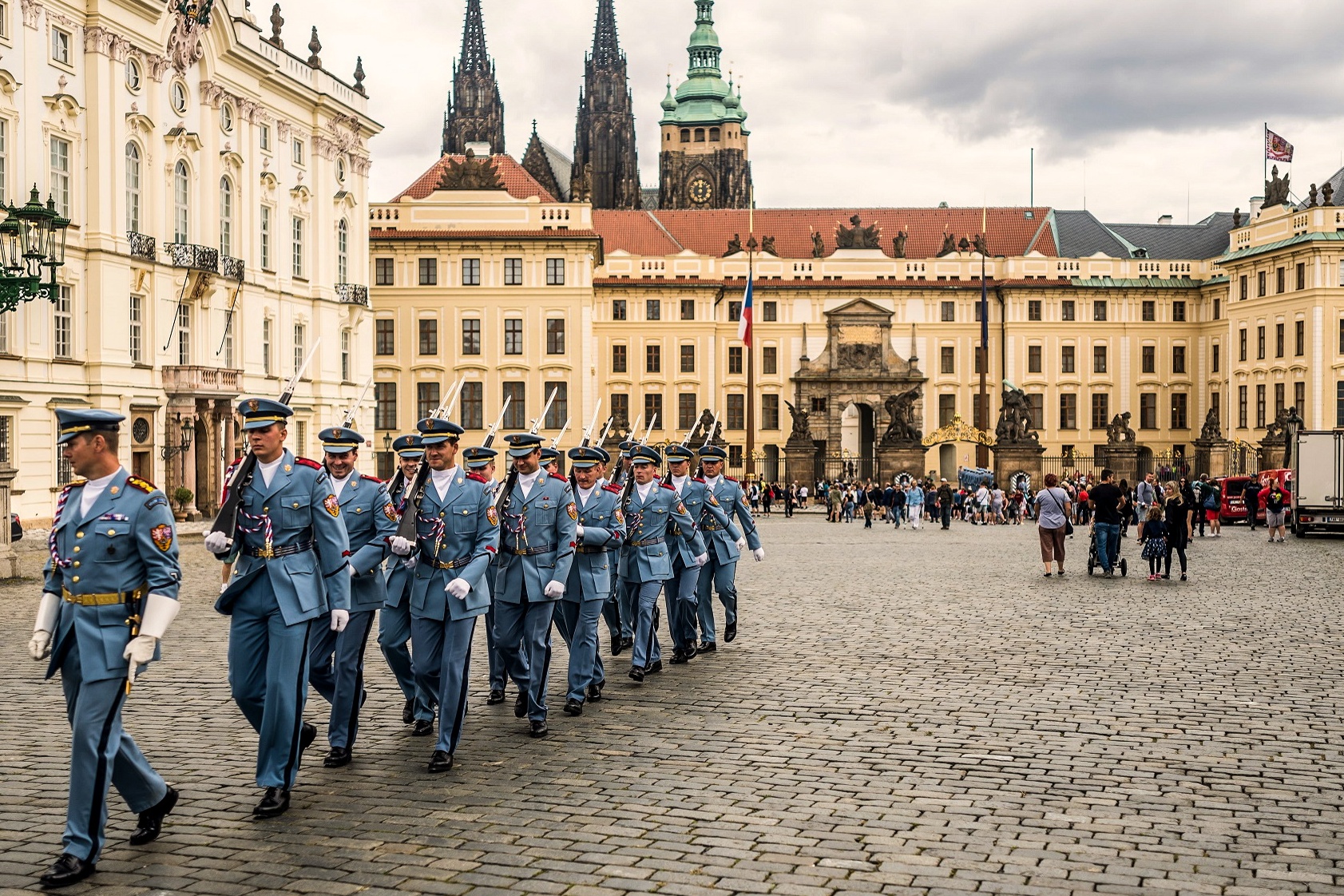
Prague Castle is the largest ancient castle in the world and a UNESCO World Heritage site. It offers stunning views of the city and houses several historical buildings, including St. Vitus Cathedral and the Old Royal Palace.
Historical/Architecture
2-3 hours
Moderate (15 EUR for adults, discounts available)
Charles Bridge
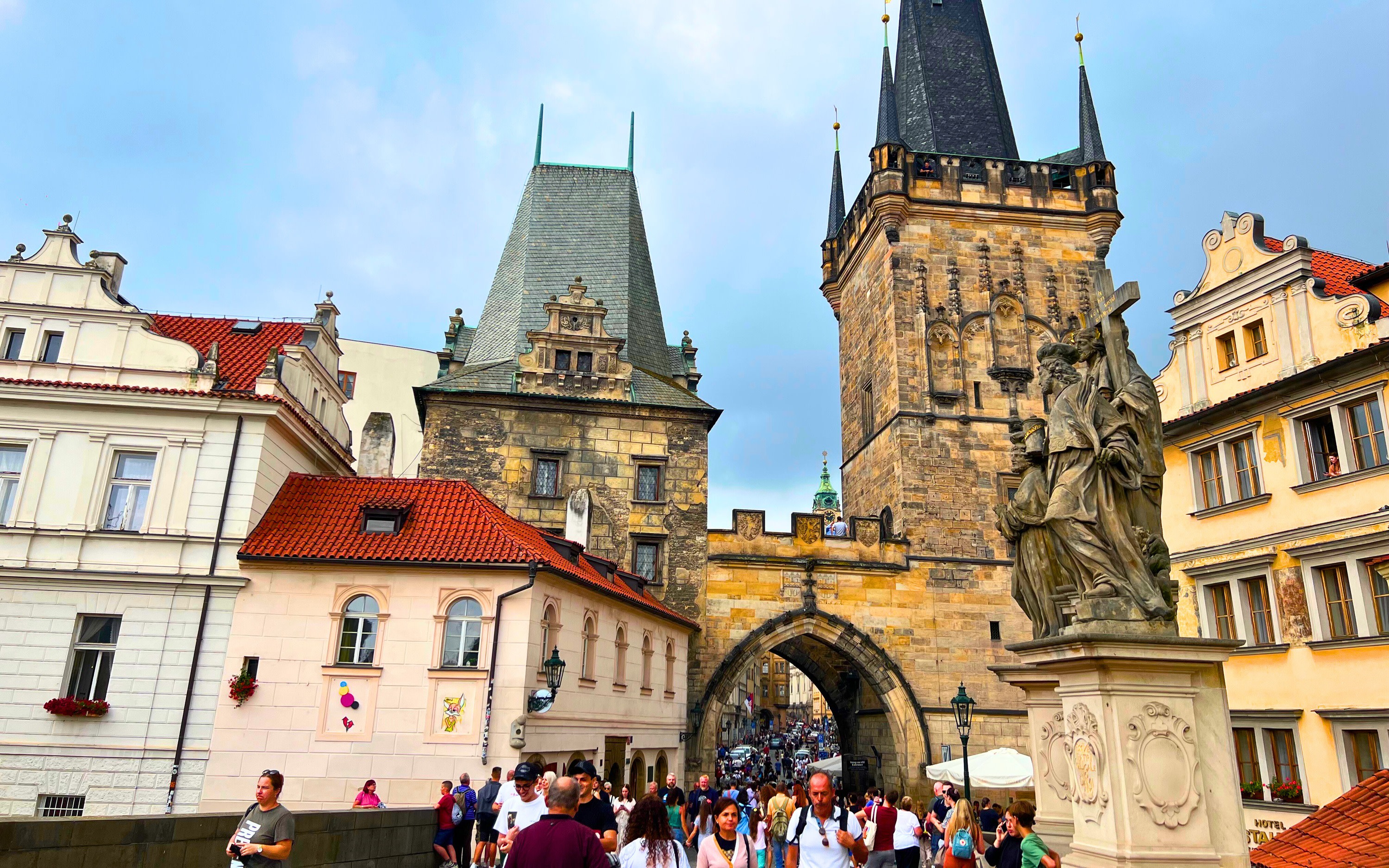
Charles Bridge is one of the most iconic landmarks in Prague. Built in the 14th century, it is lined with statues of saints and offers beautiful views of the Vltava River and Prague's skyline.
Historical/Architecture
1-2 hours
Free
Old Town Square
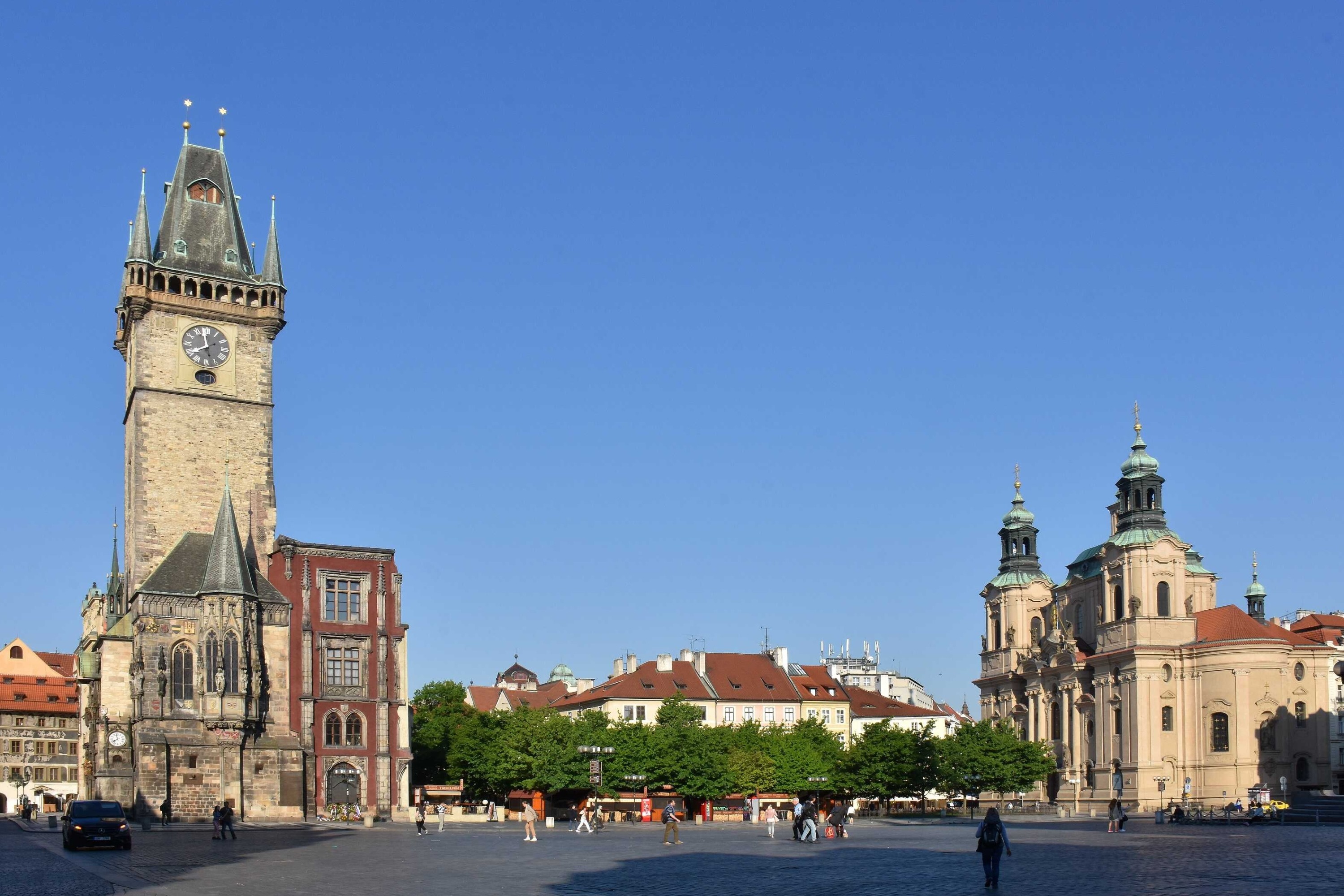
Old Town Square is the heart of Prague's historic center and home to the famous Astronomical Clock and the Church of Our Lady before Týn. It's a vibrant hub of activity with markets, events, and street performances.
Historical/Cultural
1-2 hours
Free (some attractions may have entry fees)
Petřín Hill and Lookout Tower
Petřín Hill is a beautiful park offering panoramic views of Prague. The Petřín Lookout Tower, often referred to as 'Prague's Eiffel Tower,' is a miniature version of the famous Parisian landmark and provides stunning views from its observation deck.
Nature/Adventure
2-3 hours
Moderate (10 EUR for tower entry, discounts available)
Jewish Quarter (Josefov)
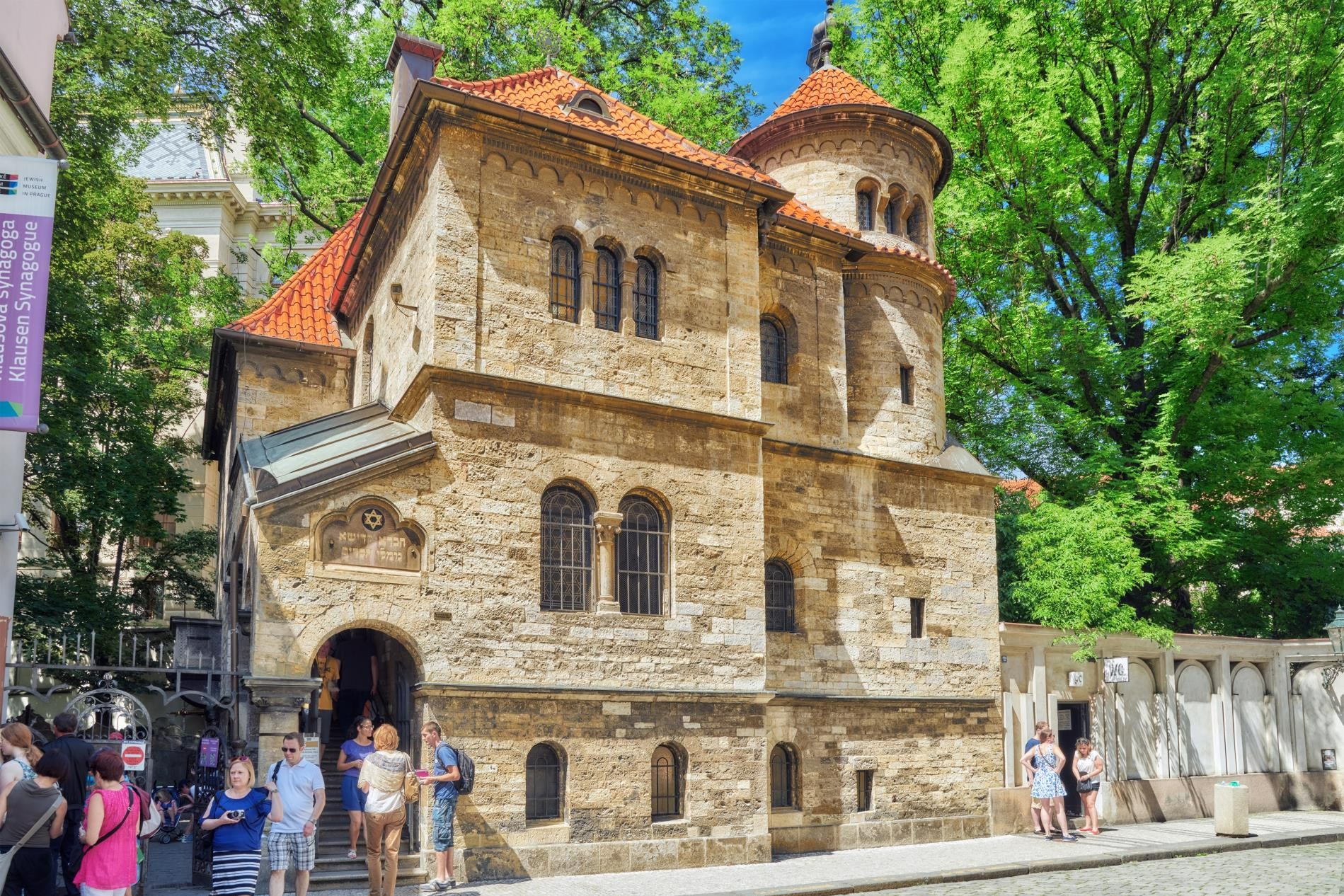
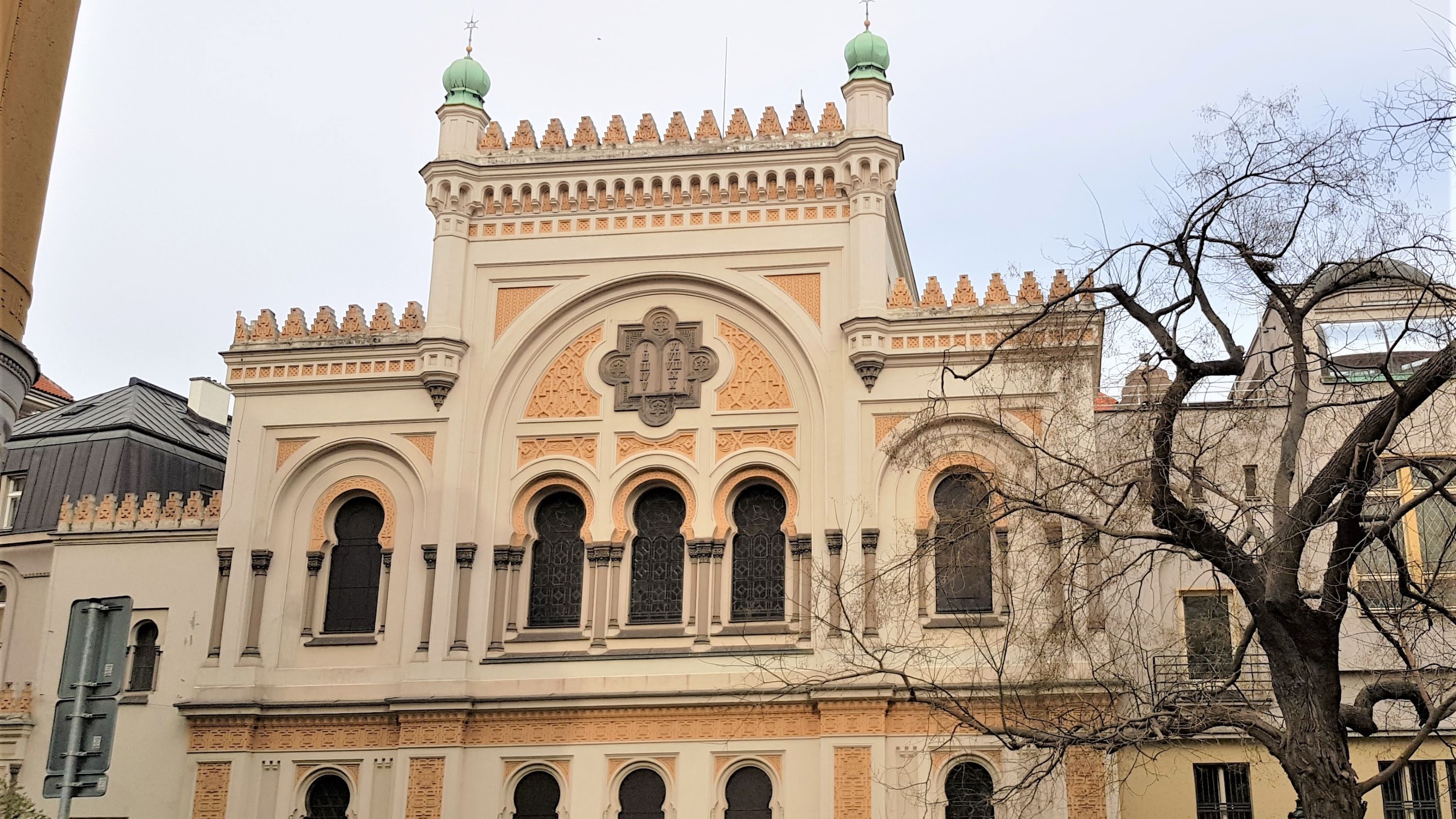
The Jewish Quarter, known as Josefov, is a historic area with a rich cultural heritage. It includes several synagogues, the Old Jewish Cemetery, and the Jewish Museum, which provide insight into the history of Prague's Jewish community.
Historical/Cultural
2-3 hours
Moderate (15 EUR for combined museum entry, discounts available)
Must-Try Local Dishes
Svíčková
A traditional Czech dish consisting of marinated beef sirloin in a creamy vegetable sauce, served with bread dumplings and whipped cream.
Main Course
Contains beef, dairy, and gluten.
Guláš
A rich and flavorful Czech goulash made with beef, onions, and paprika, typically served with bread dumplings or potatoes.
Main Course
Contains beef, onions, and gluten (if served with dumplings).
Trdelník
A sweet pastry made from rolled dough wrapped around a stick, grilled, and coated with sugar and cinnamon. Often filled with ice cream or whipped cream.
Dessert
Contains wheat, sugar, and may contain dairy.
Pilsner Urquell
A world-famous Czech pilsner beer, known for its crisp and refreshing taste. It's brewed using traditional methods and high-quality ingredients.
Drink
Contains barley and hops.
Popular Activities
Hiking in the Bohemian Switzerland National Park
Rafting on the Vltava River
Cycling tours
Spa treatments in Karlovy Vary
Boat tours on the Vltava River
Picnics in Letná Park
Visiting museums and galleries
Attending classical music performances
Best Time to Visit
May to September
The weather is pleasant, and all tourist attractions are open. It's the best time for sightseeing and outdoor activities.
15°C to 25°C
59°F to 77°F
Practical Information
Language
- Official: Czech
- Widely spoken: English, German
- English: Moderately spoken
Currency
Czech Koruna (CZK)
Time Zone
GMT+1 (Central European Time, CET)
Electricity
230VV, 50HzHz
Safety Information
Overall Safety Rating: Generally safe
Prague is generally a safe city for travelers, with low crime rates and a welcoming atmosphere. However, as with any major city, it's important to be aware of your surroundings and take precautions to protect yourself and your belongings.
Important Precautions:
- • Keep valuables secure and out of sight
- • Use reputable taxi services or apps
- • Be cautious of strangers approaching you with offers or requests
Getting there
By air
- Václav Havel Airport Prague • 10 km from city center
By train
Prague Main Station, Holešovice Station
By bus
Florenc Central Bus Station, Černý Most Bus Station
Getting around
Public transport
Trams are the most iconic and efficient way to get around Prague. The network covers most of the city and is well-connected to metro and bus lines.
Taxis
Available • Apps: Uber, Bolt
Rentals
Car, Bike, Scooter
Neighborhoods
Old Town (Staré Město)
Malá Strana
Vinohrady
Žižkov
New Town (Nové Město)
Day trips
Kutná Hora
70 km from Prague • Half day to full day
Kutná Hora is a historic town known for its stunning architecture, including the Sedlec Ossuary (Bone Church) and St. Barbara's Cathedral. It offers a unique glimpse into the region's rich history and cultural heritage.
Karlštejn Castle
25 km from Prague • Half day
Karlštejn Castle is a stunning Gothic castle built in the 14th century by King Charles IV. It offers beautiful views of the surrounding countryside and a fascinating insight into the region's medieval history.
Český Krumlov
180 km from Prague • Full day to overnight
Český Krumlov is a charming and well-preserved medieval town, known for its stunning architecture, cobblestone streets, and the impressive Český Krumlov Castle. It's a UNESCO World Heritage site and a popular day trip from Prague.
Festivals
Prague Spring International Music Festival • May to June
Prague International Film Festival • March
Prague Beer Fest • May
Pro tips
- Visit the Prague Castle early in the morning to avoid crowds
- Explore the city's historic sites and architecture on foot
- Try traditional Czech dishes at local restaurants and pubs
- Experience the city's vibrant nightlife and entertainment scene
- Take a day trip to nearby destinations, such as Kutná Hora or Karlštejn Castle
From $25
per person
Price varies by option
Secure booking
Free cancellation available
Instant confirmation