Feel Lisbon: a journey of discoveries, history, and fado soul.
Active
8h
For a full refund, cancel at least 24 hours before the scheduled departure time.
Instant confirmation
Mobile or paper ticket accepted
About this experience
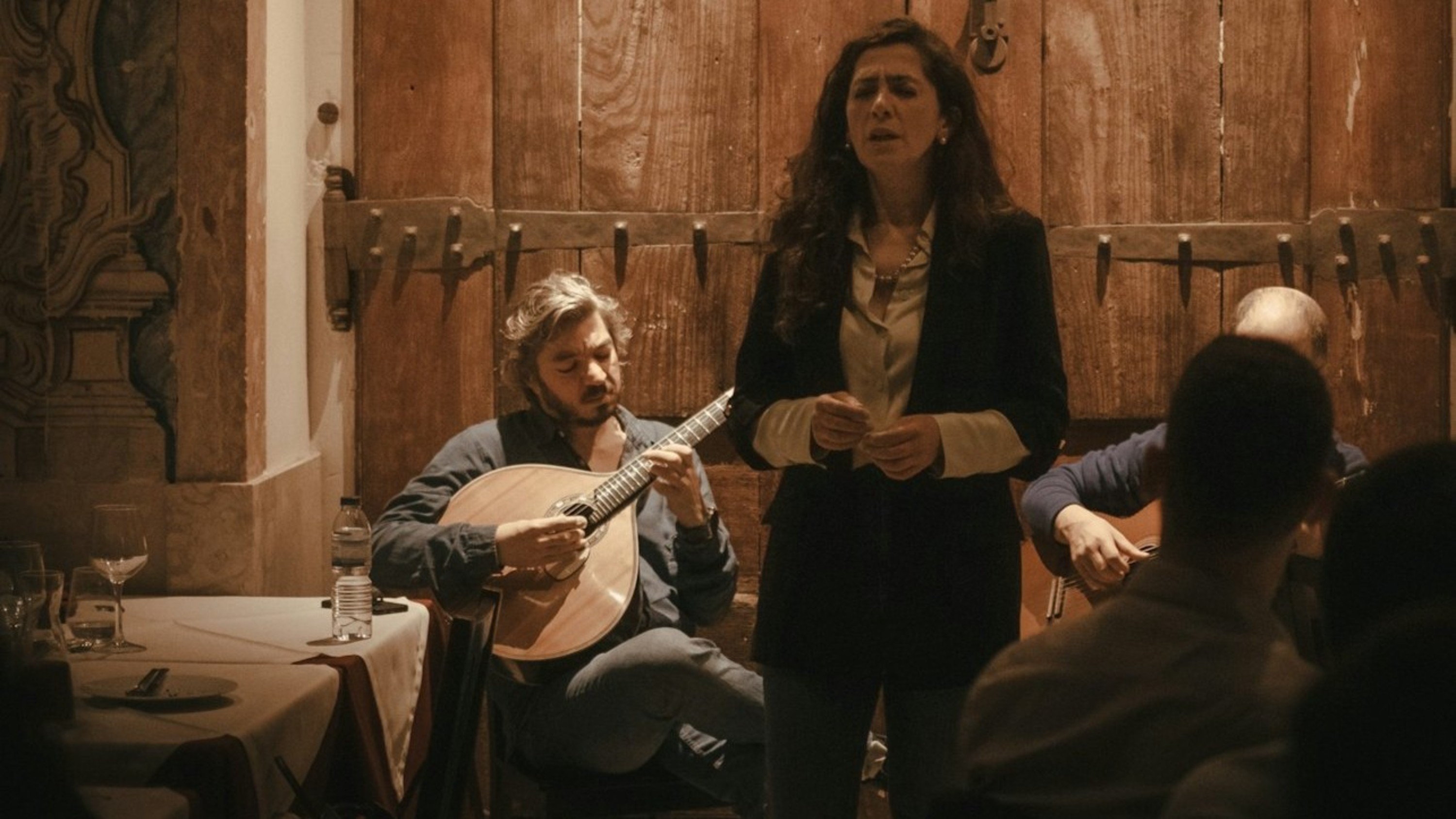
Discover the history of Lisbon with a guided tour by our Outing Portugal professionals. Start at Praça do Comércio, where Portugal's independence was restored in 1640 and the Regicide of 1908 changed the fate of the monarchy. Climb up to the Miradouro de Santa Luzia, with breathtaking views of Alfama and the Convento de São Vicente de Fora. At the Senhora do Monte viewpoint, enjoy a unique panorama of the city. Next, explore the heart of Lisbon at Rossio Square, the scene of historic events, including the presence of the Jews and the reign of King Manuel I. The National Palace of Belém and the Jerónimos Monastery, a World Heritage Site, tell the story of the Portuguese Discoveries. The Belém Tower and the Monument to the Discoveries celebrate the Portuguese navigators. Finish off with the legacy of Amália Rodrigues, in the House-Museum that brings back the soul of fado, a symbol of Portuguese culture.
Available options
Feel Lisbon: a journey of discoveries, history, and fado soul.
Pickup included
What's included
Private transportation
Entrance to the Church-Monastery of Jerónimos
WiFi on board
Amália Rodrigues House-Museum Ticket
Air-conditioned vehicle
Parking Fees
Detailed itinerary
1
Stop 1
On the site of the current square stood the Royal Palace, the center of Portuguese power until it was destroyed by the earthquake of 1755. Here, in 1640, Portuguese conspirators began the revolt that restored Portugal's independence after 60 years under Spanish rule. Centuries later, in 1908, King Carlos I and his son Luís Filipe were assassinated, precipitating the end of the monarchy. Rebuilt by the Marquis of Pombal, the square became a symbol of modern Lisbon, with the Rua Augusta Arch linking it to Baixa Pombalina. Today, on the banks of the Tagus, it remains one of the city's most iconic sites.
2
Stop 2
We arrive at the Miradouro de Santa Luzia, one of the most charming spots in Lisbon. Here, the view opens up to the Alfama district, with its labyrinthine alleyways, historic churches and red roofs. In the distance, we can see the Convento de São Vicente de Fora, founded in the 16th century, which was the scene of important events, including the resistance to the French invasion of 1808. This viewpoint offers us a unique perspective of São Jorge Castle and the Tagus River, with a peaceful atmosphere away from the hustle and bustle of the center. In addition, the traditional Portuguese tiles that adorn the site further enrich the experience, providing a journey back in time through one of Lisbon's oldest and most historic areas.
3
Stop 3
Now we come to the Miradouro da Senhora do Monte, one of the highest and most imposing viewpoints in Lisbon. Here, we have a spectacular view of the entire city, from São Jorge Castle to the Tagus River. This point offers a unique perspective of the city of seven hills, with the Alfama district stretching out around us. In addition to its scenic beauty, the viewpoint is linked to Lisbon's religious history, with the church dedicated to Senhora do Monte dating back to the 14th century. During the Napoleonic invasion, this area was important for the city's defenses. Today, it is a peaceful spot, perfect for soaking up the beauty and serenity of Lisbon.
4
Stop 4
We've arrived at Rossio Square, one of Lisbon's most historic and vibrant places. Officially known as Praça Dom Pedro IV, it has been the scene of important events over the centuries, such as horse races and public executions. During the Middle Ages, the square was linked to the Jewish community that lived in Lisbon, being a central point of commerce and activity. With the arrival of the Inquisition, many Jews were forced to convert to Christianity or leave the city. The square was also the site of the tragic massacre of Jews during the reign of King Manuel I in 1506. This episode, marked by religious intolerance, is one of the shadows in the square's history. After the earthquake of 1755, the square was remodeled under the guidance of the Marquis of Pombal, becoming the heart of modern Lisbon. Today, the square remains a vibrant meeting place, reflecting both the turbulent history and energy of the city
5
We arrive at Praça do Carmo, one of the most symbolic places in Lisbon, marked by decisive events in the country's modern history. Here, at the Carmo Convent, which dates back to the 14th century, we can still see the imposing ruins that survived the great earthquake of 1755. The convent, which was one of the most important religious institutions in the city, was partially destroyed, but its ruins remain as a memorial to ancient Lisbon. The square is also historic for being the scene of the Carnation Revolution on April 25, 1974, when the dictatorial Estado Novo regime was peacefully deposed. The revolutionary movement got its name from the fact that the military put red carnations on their weapons, symbolizing the freedom won without bloodshed
6
Stop 6
We arrive at the imposing Basílica da Estrela, one of the most beautiful churches in Lisbon and a magnificent example of the Baroque style. Built in the 18th century, the basilica was begun by Queen Maria I as a promise of protection after the birth of her son, the crown prince. Its grandiose façade and the dome that dominates the Lisbon skyline are a landmark in the city's religious architecture. The interior, richly decorated with tiles and paintings, also houses the remains of Queen Maria I. Surrounding the basilica, the Jardim da Estrela offers a peaceful, green space, perfect for a moment of relaxation, while reminding us of the religious and historical importance of this place.
7
Stop 7
We arrived at the National Palace of Belém, a historic landmark that has been a royal residence since the 16th century and today serves as the official seat of the President of the Republic. Opposite, in Afonso de Albuquerque Square, important political and cultural events have taken place throughout history, including receptions for monarchs and official ceremonies. A few steps away, the Jerónimos Monastery, a masterpiece of Manueline style, celebrates the Age of Discovery. Built in the 16th century in gratitude for Vasco da Gama's voyage to India, the monastery houses the remains of great figures in Portuguese history, such as Vasco da Gama and the great poet Luís de Camões, author of “Os Lusíadas”, and is a World Heritage Site.
8
Stop 8
The Tower of Belém, built in the 16th century, was a strategic fortress to protect the entrance to the River Tagus and symbolizes the golden age of the Portuguese Discoveries. With its Manueline architecture, it is a landmark of the grandeur of the Portuguese empire. Nearby, the Padrão dos Descobrimentos celebrates the navigators who expanded Portugal's horizons, with figures such as Vasco da Gama and Fernão de Magalhães. Erected in 1960, this monument pays homage to the courage and adventurous spirit that shaped the Portuguese empire, making Belém a true center of history and discovery.
9
Stop 9
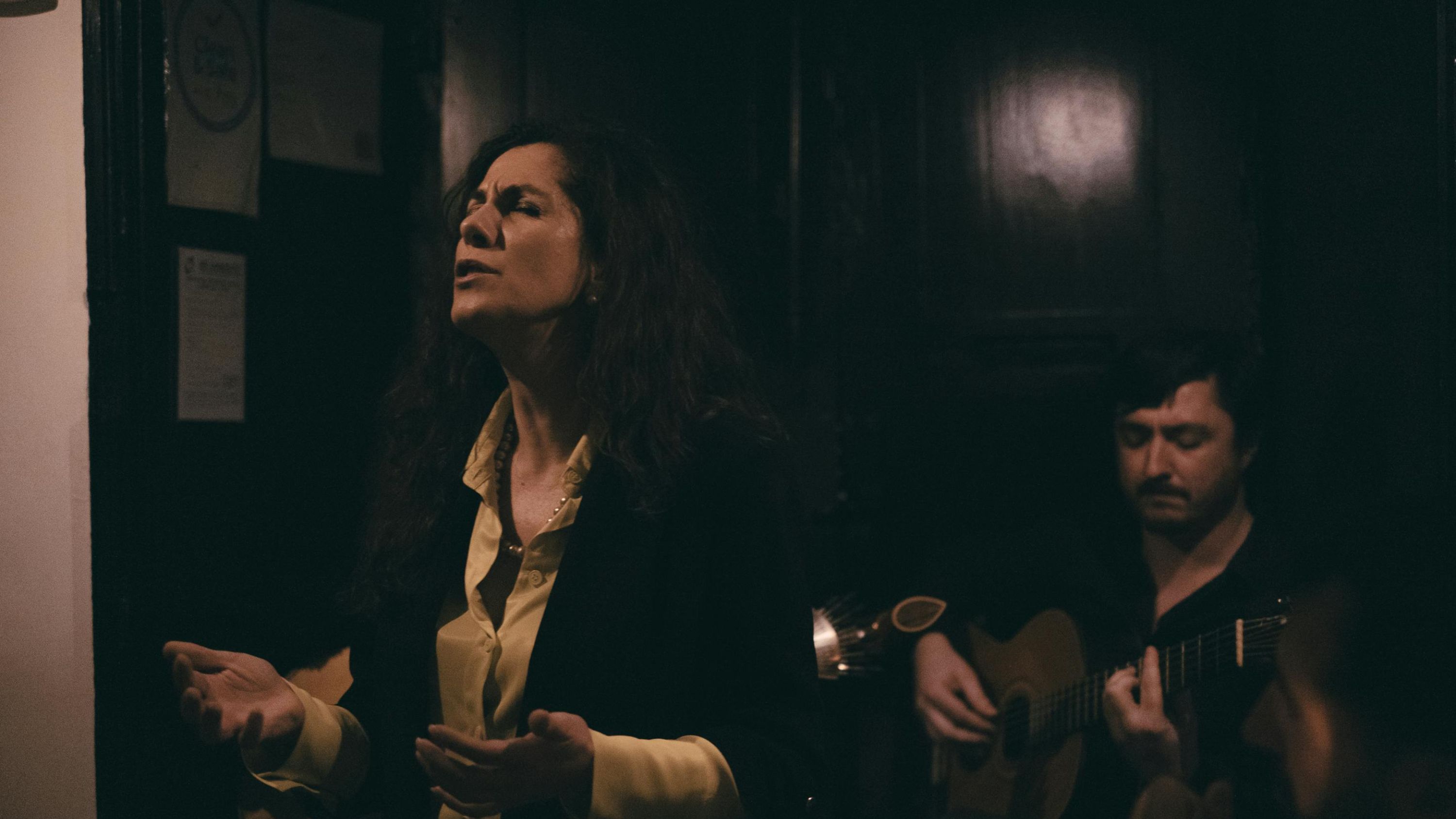
We arrived at the Casa-Museu Amália Rodrigues, dedicated to the life and career of the iconic singer, who is considered the soul of fado. Located in the Alfama district, the house preserves memories of Amália, with personal objects, clothing and musical instruments that tell the story of her unique career. Amália Rodrigues elevated fado to a universal expression of Portuguese music and her unmistakable voice became a symbol of Portugal's cultural identity. A visit to this space is a true immersion in the universe of one of Portugal's most admired artists.
What's not included
Lunch
Breakfast
Available languages
Guide guide
PT
EN
ES
Reviews breakdown
Tripadvisor
5.0
1 reviews
5★
1
4★
0
3★
0
2★
0
1★
0
Important information
Wheelchair accessible
Infants and small children can ride in a pram or stroller
Service animals allowed
Specialized infant seats are available
Transportation options are wheelchair accessible
All areas and surfaces are wheelchair accessible
Not recommended for travelers with spinal injuries
Not recommended for pregnant travelers
Not recommended for travelers with poor cardiovascular health
Suitable for all physical fitness levels
About Lisbon
Lisbon, the capital of Portugal, is a vibrant city known for its rich history, stunning architecture, and warm climate. With its charming streets, historic trams, and breathtaking viewpoints, Lisbon offers a unique blend of old-world charm and modern energy.
Top Attractions
Belém Tower
A UNESCO World Heritage Site, this 16th-century tower is an iconic symbol of Lisbon's Age of Discoveries.
Historical
1-2 hours
€6
Alfama District
Lisbon's oldest district, known for its narrow, winding streets, Fado music, and historic charm.
Historical
Half day
Free to explore, attractions may have entry fees
Sintra
A UNESCO World Heritage Site, Sintra is a romantic town with stunning palaces and castles.
Historical
Full day
Varies by attraction, around €10-€15 per site
Must-Try Local Dishes
Bacalhau à Brás
Shredded codfish with eggs, potatoes, and onions
Main Dish
Contains fish and eggs
Pastel de Nata
Custard tart with a flaky pastry crust
Dessert
Contains dairy and eggs
Francesinha
A sandwich with meat, cheese, and a beer-based sauce
Main Dish
Contains meat, cheese, and gluten
Popular Activities
Hiking in Sintra
Surfing in Ericeira
Parasailing in Cascais
Beach lounging in Costa da Caparica
Spa day in a luxury hotel
Picnic in Jardim da Estrela
Visiting museums and galleries
Attending Fado performances
Best Time to Visit
March to May, September to October
These months offer pleasant weather and fewer crowds, making it ideal for sightseeing and outdoor activities.
15-25°C
59-77°F
Practical Information
Language
- Official: Portuguese
- Widely spoken: English, Spanish, French
- English: Moderately spoken
Currency
Euro (EUR)
Time Zone
GMT+1 (Western European Time, WET)
Electricity
230VV, 50HzHz
Safety Information
Overall Safety Rating: Generally safe
Lisbon is generally safe, but pickpocketing and petty theft can occur in crowded areas.
Important Precautions:
- • Be cautious of pickpockets in crowded areas
- • Use licensed taxis or ride-sharing apps
- • Avoid walking alone at night in less crowded areas
Getting there
By air
- Humberto Delgado Airport • 7 km from city center
By train
Santa Apolónia, Oriente
By bus
Sete Rios, Jardim do Campo Grande, Gare do Oriente
Getting around
Public transport
Efficient and clean, with four lines connecting major attractions.
Taxis
Available • Apps: Bolt, FreeNow
Rentals
Car, Bike, Scooter
Neighborhoods
Alfama
Baixa
Bairro Alto
Day trips
Sintra
25 km from Lisbon • Full day
A romantic town with stunning palaces, castles, and lush gardens.
Cascais
30 km from Lisbon • Half day to full day
A charming coastal town with beautiful beaches, historic sites, and a relaxed atmosphere.
Óbidos
80 km from Lisbon • Full day
A medieval town with a well-preserved castle, narrow streets, and charming shops.
Festivals
Santos Populares • June 13th
Festival dos Oceanos • June to September
Arraial do Alfoz • June to September
Pro tips
- Visit the Time Out Market for a variety of local and international cuisines
- Take a day trip to Sintra and Cascais for a mix of history and beach relaxation
- Explore the LX Factory for a unique shopping and dining experience
- Ride the historic Tram 28 for a scenic tour of the city
- Visit the MAAT museum for a blend of art, architecture, and technology
From $25
per person
Price varies by option
Secure booking
Free cancellation available
Instant confirmation