North Coast of Easter Island: Full day Private Trekking Tour
Active
6h
For a full refund, cancel at least 24 hours before the scheduled departure time.
Instant_then_manual confirmation
Mobile or paper ticket accepted
About this experience
Enjoy this trekking to the untouched coast. Visit caves, archeological platforms, and petroglyphs and discover how the islanders lived completely isolated from the rest of the Island.
The North coast is a place of settlement of the "Miru" clans, ancient descendants of the first King Hotu Matu'a, this sector is undoubtedly the one that remains mostly intact from the impact of man, its geographical location between the slopes of the highest volcano Terevaka and the West coast of Rapa Nui allows it to be the setting that even in these times transports us to the desolate past of Rapa Nui.
In this hiking, it is possible to see how animals that freely graze the surroundings and the archaeological remains that are preserved as in the past combine.
It is only possible to access this sector on foot or horseback.
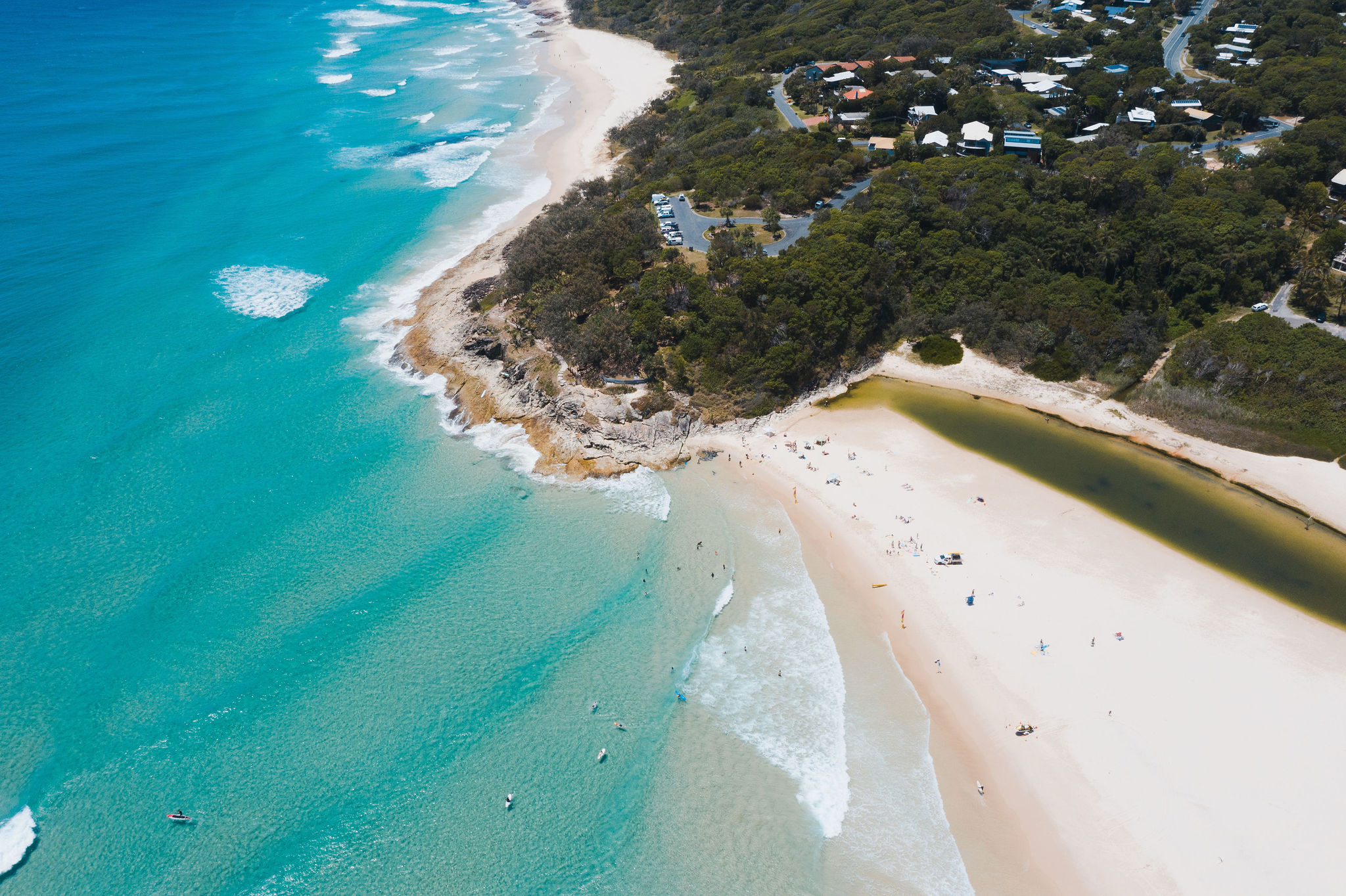
This trekking will end up in Anakena, an ancient royal settlement characteristic of its white sands, turquoise waters, and palm trees
Available options
North Coast of Easter Island: Full day Private Trekking Tour
Pickup included
What's included
Private transportation
Hotel pickup and drop-off
Professional guide
Bottled water
rain capes
Detailed itinerary
1
Ahu Te Peu is an area with a high archeological value. Since it hasn’t been restored it is possible to observe the site exactly as the old inhabitants who, after internal wars, knocked down the moais left it. There used to be a village there. In fact, you can see the biggest boathouse or hare paenga in the island, which is 43 metres long and is called Tore Tahuna which, according to tradition, belonged to the famous Ariki Tu’u Ko Ihu. In front of the village, there are two ahu or ceremonial platforms, the biggest of which has a back wall with huge well assembled blocks with 4 knocked down moais.
2
MA'IRAKI TE MOA:
The Ma'ítaki te Moa sector has a unique "Ahu" ceremonial platform, with a rear wall of large stones with precise cuts between stones that speak of the high level and experience in the construction of the ancient Rapa Nui who inhabited the area.
Inserted into the same platform as another stone is a unique Moai made of a different material from the 98% of the Moai that were built in the Rano Raraku quarry, among other archaeological features scattered around the place.
3
VAI MATA: The archaeological complex where it is possible to see the settlement of a town that also developed constructions of a high architectural level, evidence at a glance in the design of its "Ahu" platform, which has more precise stone cuts. We can also see, just a few meters away, some Moai that fell in their transport process to the place, old Hare Vaka constructions, or houseboats that were the typical Rapa Nui dwelling of that time, among other typical archaeological features of an ancient village.
One of the points of greatest interest is a house called Ana or Haro, a cave created by man that was used as a home and has a lining of rectangular blocks of reused boat house bases, making it destable its design and unique on the island.
4
OMOHI: The clan that inhabited this sector registered innumerable petroglyphs immortalized in the rocks called "Papa" of the sector which can be seen in this sector.
5
ANA O' HEU: Popularly known as the "Cave of the Make Make", the petroglyphs inside correspond to the image of the god Make Make, which is undoubtedly one of the must-visit points on this tour.
6
MOAI OF BLACK BASALT: This is one of the few moai statues made of basalt rock, one of the few remaining in Rapa Nui, it is made of the same material as the Moai statue that is now in the British museum "Hoa Hakanana'ia"
7
AHU A'TANGA: One of the astronomically oriented platforms on the island. Points out the astronomical north with millimeter precision at only 0.2° difference from our current reference, is located at the northern end of Rapa Nui and is an "Ahu" platform of the "Poe Poe" type, which was built after European contact ( 1722) and that emulate a western boat, in turn, the largest in Rapa Nui with 25 meters in length.
8
HANGA O'TEO: Archaeological settlements of the “Miru” clan that inhabited the area and ruins of the old cattle station converge in this place, its palm trees give us the impression of an oasis in the middle of the completely deforested road on the north coast.
9
ANA PAPA TEKENA: Small tunnel formation cave from the ground, some ancestral dwellings, and petroglyphs
10
Stop 10
Pass by
This beach is characterized by warm turquoise waters and coral sand. It is the main beach of the island and used to be the ancestral residence of the Miru Araki royal family. The ahu Nau Nau is undoubtedly one of the most accomplished Ahu of the island because of the refinement of its moai.
What's not included
Tour not available for cruise ship passengers
Food and drinks
Gratuities
National Park ticket mandatory - Valid for 10 days from first entry and for all park sites.
Available languages
Guide guide
EN
ES
Reviews breakdown
Tripadvisor
5.0
1 reviews
5★
1
4★
0
3★
0
2★
0
1★
0
Important information
Not recommended for pregnant travelers
Not recommended for travelers with poor cardiovascular health
Travelers should have at least a moderate level of physical fitness
About Hanga Roa
Hanga Roa is the main town and capital of Easter Island, known for its mysterious Moai statues and rich Polynesian culture. This remote island offers a unique blend of natural beauty, archaeological wonders, and a laid-back island lifestyle.
Top Attractions
Ahahu Tahai
An ancient ceremonial site with restored Moai statues and a beautiful sunset view.
Historical
1-2 hours
Free
Rano Raraku
The quarry where most of the Moai statues were carved. It offers a unique insight into the island's history.
Historical
2-3 hours
Moderate (entry fee)
Ahu Tongariki
The largest ahu (ceremonial platform) on Easter Island, featuring 15 restored Moai statues.
Historical
1-2 hours
Moderate (entry fee)
Anakena Beach
The most famous beach on Easter Island, known for its white sand and clear waters.
Beach
Half-day
Free
Orongo
A ceremonial village with a rich history, offering stunning views of the island's coastline.
Historical
2-3 hours
Moderate (entry fee)
Must-Try Local Dishes
Curanto
A traditional Rapa Nui dish cooked in an underground oven, featuring a mix of meats, seafood, and vegetables.
Main Dish
Contains meat and seafood, can be adapted for vegetarian/vegan
Po'e
A sweet banana pudding made from bananas, sugar, and sometimes coconut milk.
Dessert
Vegetarian, can be vegan with substitutions
Ika Mata
Raw fish marinated in citrus juice, similar to ceviche, often served with vegetables.
Appetizer
Contains fish, can be made with other seafood
Popular Activities
Hiking
Scuba diving
Surfing
Beach lounging
Yoga
Spa treatments
Visiting archaeological sites
Attending local festivals
Best Time to Visit
December to March
This is the summer season with warm temperatures, clear skies, and vibrant festivals. It's the best time for beach activities and outdoor exploration.
20-28°C
68-82°F
Practical Information
Language
- Official: Spanish
- Widely spoken: Rapa Nui (local Polynesian language), English (limited)
- English: Limited
Currency
Chilean Peso (CLP)
Time Zone
CLST (Chile Summer Time, GMT-4)
Electricity
220VV, 50HzHz
Safety Information
Overall Safety Rating: Generally safe
Hanga Roa is generally safe with low crime rates, but travelers should take standard precautions.
Important Precautions:
- • Keep valuables secure
- • Avoid walking alone at night
- • Use reputable tour operators
Getting there
By air
- Mata Uri Airport • 2 km from city center
Getting around
Public transport
Buses are not extensive but can be used for some routes around the island.
Taxis
Available • Apps:
Rentals
Car, Bike, Scooter
Neighborhoods
Hanga Piko
Vaihua
Mataveri
Day trips
Rano Kau
3 km from Hanga Roa • Half-day
A volcanic crater offering stunning views of the island and the Pacific Ocean.
Ana Kai Tangata
12 km from Hanga Roa • Half-day
A cave with ancient petroglyphs and a rich history of cannibalism.
Vaihu
18 km from Hanga Roa • Full-day
An archaeological site with restored Moai statues and ahu platforms.
Festivals
Tapati Festival • January or February (varies yearly)
Easter Celebrations • March or April (varies yearly)
Pro tips
- Book accommodation and tours well in advance, especially during peak season.
- Rent a car or bike to explore the island at your own pace.
- Visit the Moai statues early in the morning or late in the afternoon to avoid crowds and the heat.
- Try the local cuisine, especially the traditional Curanto.
- Respect the local culture and customs, and be mindful of the island's fragile environment.
From $25
per person
Price varies by option
Secure booking
Free cancellation available