Cape Town Shaping A Nation Walking Tour
Active
4h
For a full refund, cancel at least 24 hours before the scheduled departure time.
Instant confirmation
Mobile or paper ticket accepted
About this experience
If you have an interest in history, economics, and the shaping of a nation, this Cape Town Walking Tour unravels the complex dynamics that have influenced South Africa.
Our skilled guides appraise the roles played by people, institutions and politics and share insights into the events and policies that shaped South Africa. They will highlight fateful events and legislations, how the arrival of Europeans changed a uniquely African way of life, and the injustice of colonization, slavery, racial segregation and apartheid. History provides many lessons to be learned.
Available options
Cape Town Shaping A Nation Walking Tour
What's included
All Fees and Taxes
Free WiFi
A local Tour Guide
Entry Tickets
Detailed itinerary
1
Stop 1
Pass by
Our certified tour guide will accompany you on a journey through the remaining section of South Africa's oldest garden. Originally established by Dutch settlers upon their arrival at the Cape in 1652, this garden was designed to cultivate fresh vegetables for their ships en route to destinations in Southeast Asia. Presently, the Company Gardens stand as a serene and picturesque haven, cherished by local residents who frequent its lush surroundings.
2
Stop 2
At this location, you will see exhibits that delve into the profound history of slavery and the harrowing experiences endured by enslaved people in South Africa. When the VOC (the Dutch East Indian Company) arrived to establish their presence at the Cape in 1652, they quickly realized that enslaving the indigenous Khoisan population to fulfill their labor needs was impractical. As a result, they made the decision to import cargoes of slaves from the Gulf of Guinea (today the area from Angola to Benin and Guinea in West Africa), who were initially housed at the Slave Lodge. Over a span of more than 200 years, additional human cargo arrived from Ceylon, Batavia, and various other locations in the Southeast Asian region, satiating the insatiable appetite for the slave trade prevalent during that era.
3
During your visit, you will have the opportunity to see the magnificent Great Church (Groote Kerk), constructed in 1665 to serve the needs of the members of the Dutch East Indian Company who began arriving in 1652. The church's significance later extended beyond religious worship, as it also played a crucial role in the baptism of former slaves who were required to convert to Christianity before attaining the status of citizenship once slavery was abolished in 1834.
4
Stop 4
Constructed in the 18th century, during an era when slavery prevailed, Greenmarket Square originally functioned as a bustling slave market. However, as the economy shifted towards agriculture in subsequent years, it transformed into a vibrant marketplace where cattle, produce, and various goods were traded, attracting merchants of diverse backgrounds. Notably, in the vicinity, the Old Town House was erected in 1775, believed to be the first two-story building in the area. It would later evolve into the first municipal building in South Africa.
5
Stop 5
The apartheid government, upon attaining power in 1948, aimed to eradicate diversity. During this tour, our guide will illustrate how the infamous Group Areas Act disrupted the rich diversity that once thrived in the vibrant community of central Cape Town in the late 1950s. Notably, apart from District Six, the Apartheid government forcibly displaced residents from over forty other communities within the Cape Town metropolis.
6
As you visit this site, it's impossible not to envision the anticipation and emotions of the massive crowd that gathered when Nelson Mandela made his historic appearance and delivered his first speech after being released from prison on 11th February 1990. The grandeur of this King Edward-era building, constructed in 1905, is truly captivating, situated at the heart of the city and providing a picturesque view of the magnificent Grand Parade. If time permits, our guide could lead you into the building to see the Nelson Mandela Exhibition currently on display.
7
Stop 7
Against the backdrop of a military-powered forceful removal of the indigenous Khoisan inhabitants from this very original shoreline in Cape Town, the Castle of Good Hope was built as a fortified sanctuary for officials of the Dutch East Indian Company (VOC) in 1666. Its construction was driven by the need to safeguard the settlers from potential attacks by displaced locals and rival European powers during the seventeenth century. Today, this remarkable structure stands proudly as a designated World Heritage Site by UNESCO, offering a poignant narrative of power dynamics, land invasion, imperialism, and the tragic dismantling of a thriving community. As you explore this site, you will witness a captivating reenactment of the long-lost history. You will also experience the openness of this space today - repurposed to foster healing and bridge the divides of bygone eras. It serves as a powerful reminder of the work that still remains to be done in the pursuit of reconciliation.
What's not included
Discretionary Gratuities
Available languages
Guide guide
EN
Reviews breakdown
Tripadvisor
5.0
1 reviews
5★
1
4★
0
3★
0
2★
0
1★
0
Important information
Infants and small children can ride in a pram or stroller
Public transportation options are available nearby
Suitable for all physical fitness levels
Meeting point
Go to the open square on the corner of Spin & Parliament Street. Our tour guide will be waiting at the feet of Jan Hendrik Hofmeyr (Onze Jan).
About Cape Town
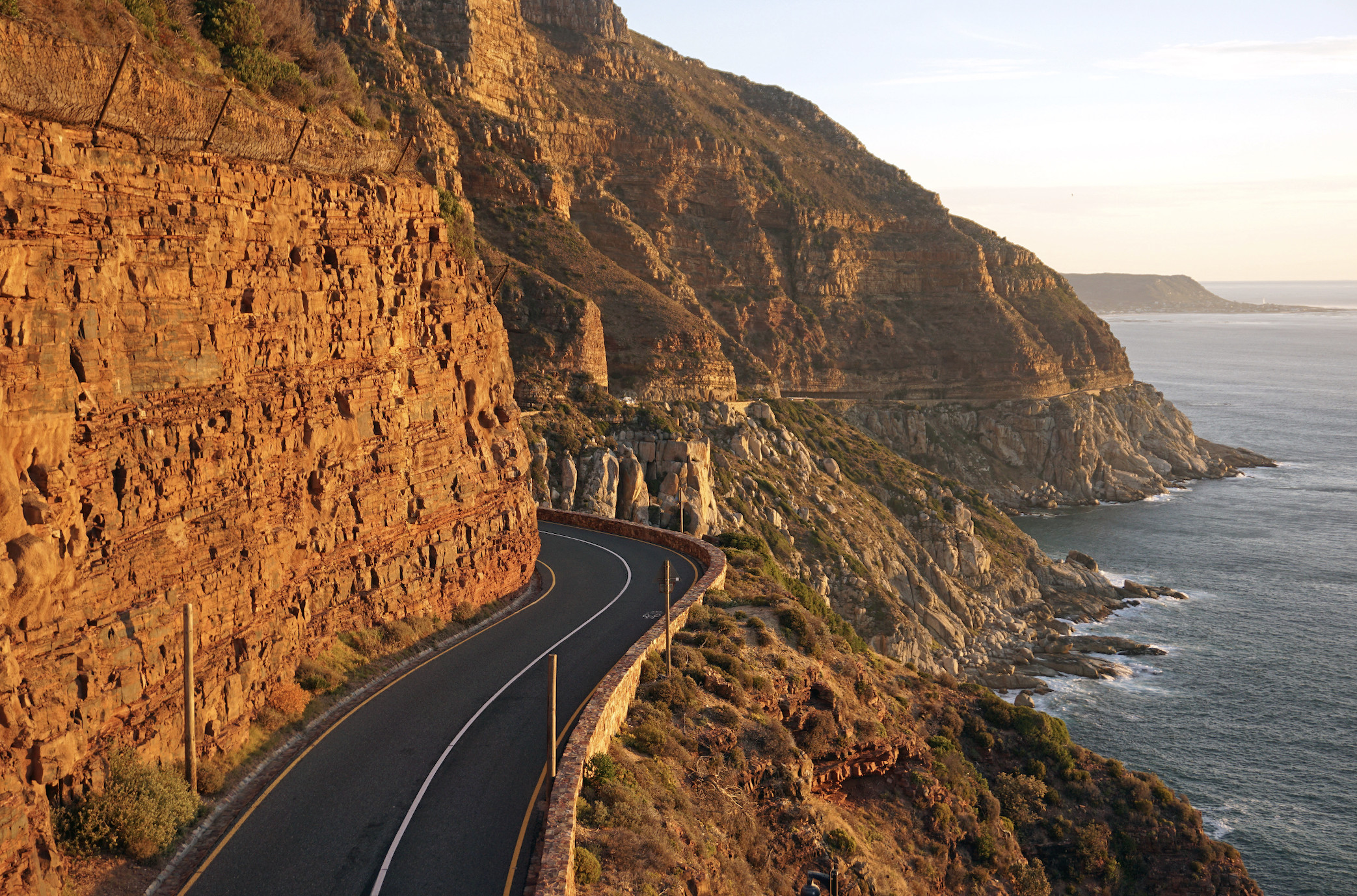
Cape Town is a stunning coastal city known for its dramatic landscapes, rich history, and vibrant culture. Nestled between the iconic Table Mountain and the Atlantic Ocean, it offers a unique blend of natural beauty, cosmopolitan living, and historical significance.
Top Attractions
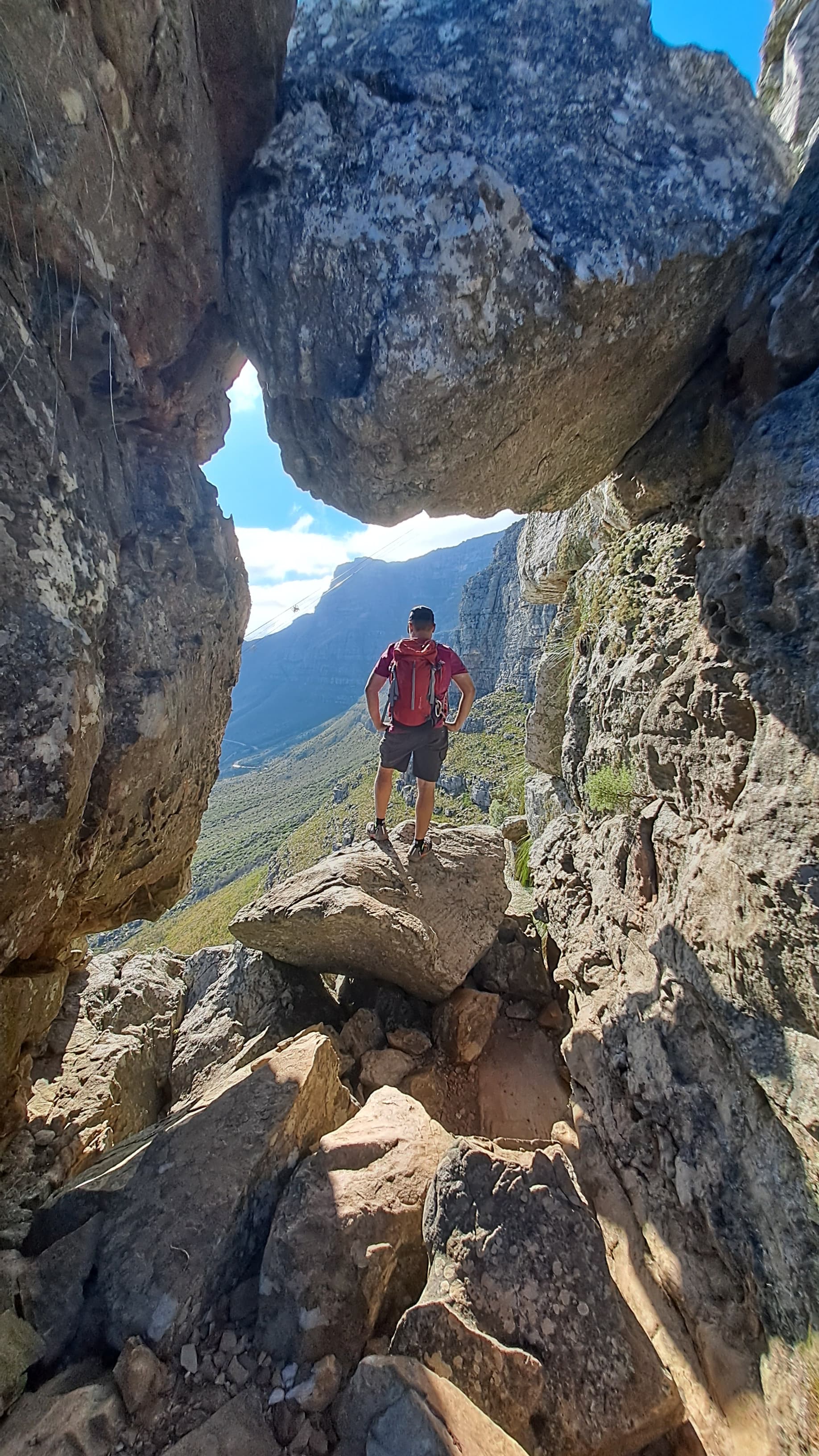
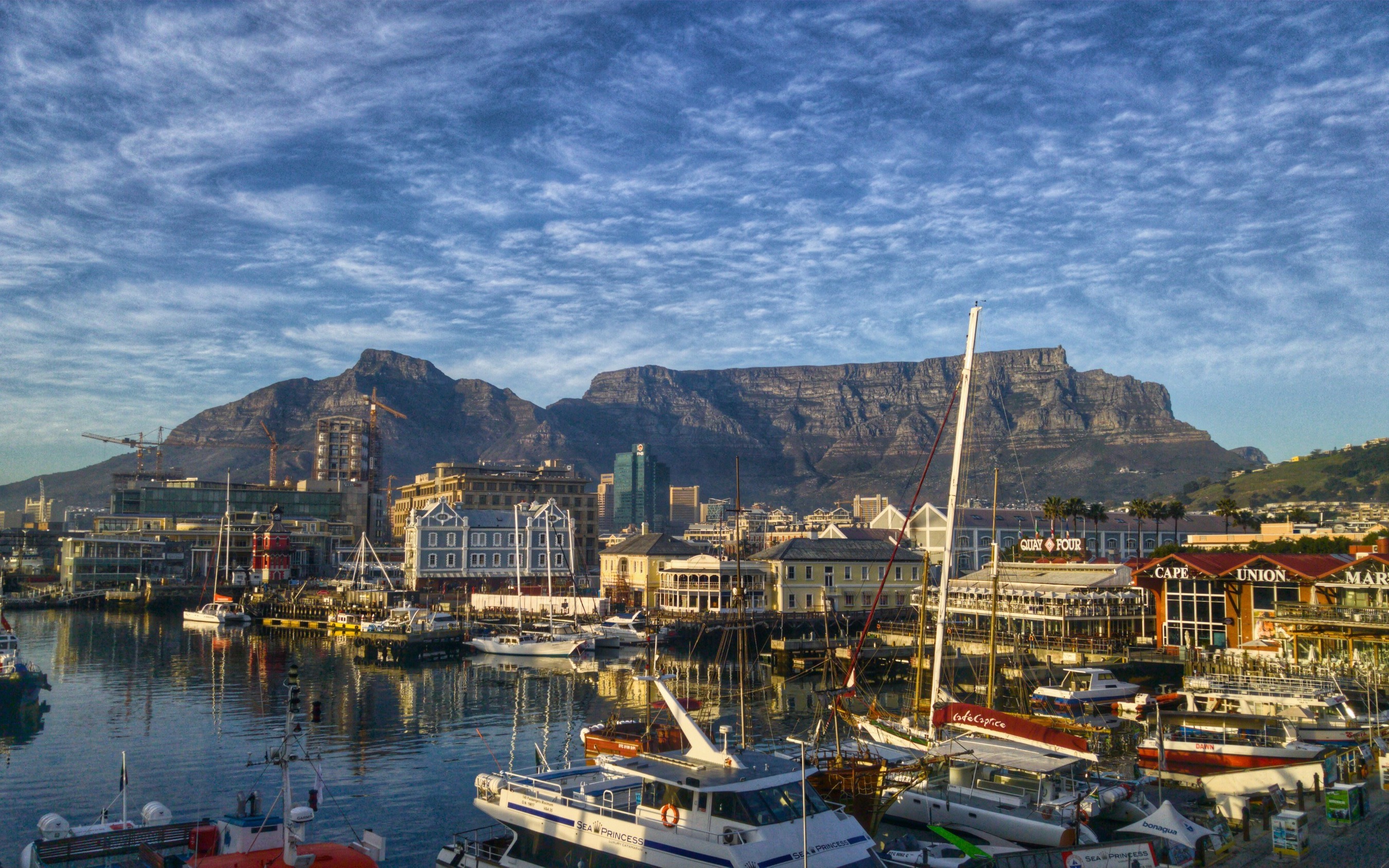
Table Mountain
Table Mountain is an iconic landmark and one of the New7Wonders of Nature. It offers breathtaking views of Cape Town and the surrounding coastline.
Nature
2-4 hours
Moderate (Cableway ticket: R380 return)
V&A Waterfront
The V&A Waterfront is a bustling hub of activity, featuring shopping, dining, and entertainment options. It's a great place to experience Cape Town's vibrant atmosphere.
Entertainment
Half day to full day
Free to explore, with varying costs for activities and dining
Robben Island
Robben Island is a UNESCO World Heritage Site where Nelson Mandela was imprisoned for 18 years. It's a powerful reminder of South Africa's apartheid history.
Historical
3-4 hours
Moderate (Tour ticket: R500 including ferry)
Must-Try Local Dishes
Bunny Chow
A hollowed-out loaf of bread filled with curry, typically made with chicken or lamb. It's a popular street food dish with Indian roots.
Lunch/Dinner
Vegetarian options available, but traditionally contains meat.
Cape Malay Curry
A flavorful curry made with spices, herbs, and often includes meat or vegetables. It's a staple of Cape Malay cuisine and is typically served with rice.
Dinner
Vegetarian options available, but traditionally contains meat.
Biltong
A dried, cured meat similar to jerky, but with a unique South African flavor. It's a popular snack and can be found in various flavors and cuts.
Snack
Contains meat, not suitable for vegetarians or vegans.
Popular Activities
Hiking
Paragliding
Shark cage diving
Surfing
Mountain biking
Beach lounging
Spa treatments
Wine tasting
Best Time to Visit
November to March
This is the summer season, characterized by warm, dry weather and long daylight hours. It's the peak tourist season, perfect for beach activities, hiking, and outdoor adventures.
18°C to 30°C
64°F to 86°F
Practical Information
Language
- Official: English, Afrikaans
- Widely spoken: Xhosa, Zulu
- English: Widely spoken
Currency
South African Rand (ZAR)
Time Zone
GMT+2
Electricity
220VV, 50HzHz
Safety Information
Overall Safety Rating: Exercise caution
Cape Town is a generally safe city for tourists, but visitors should be aware of their surroundings and take precautions to protect themselves and their belongings. Petty crime, such as pickpocketing and bag snatching, can occur in crowded areas and on public transportation. Violent crime is less common but can occur, particularly in certain neighborhoods and at night.
Important Precautions:
- • Avoid walking alone at night
- • Be cautious with valuables in crowded areas
- • Use reputable transport services
Getting there
By air
- Cape Town International Airport • 20 km from city center
By train
Cape Town Station
By bus
Cape Town Bus Station
Getting around
Public transport
The MyCiTi Bus system is efficient and affordable, with dedicated bus lanes to avoid traffic. It's a popular choice for both locals and tourists.
Taxis
Available • Apps: Uber, Bolt
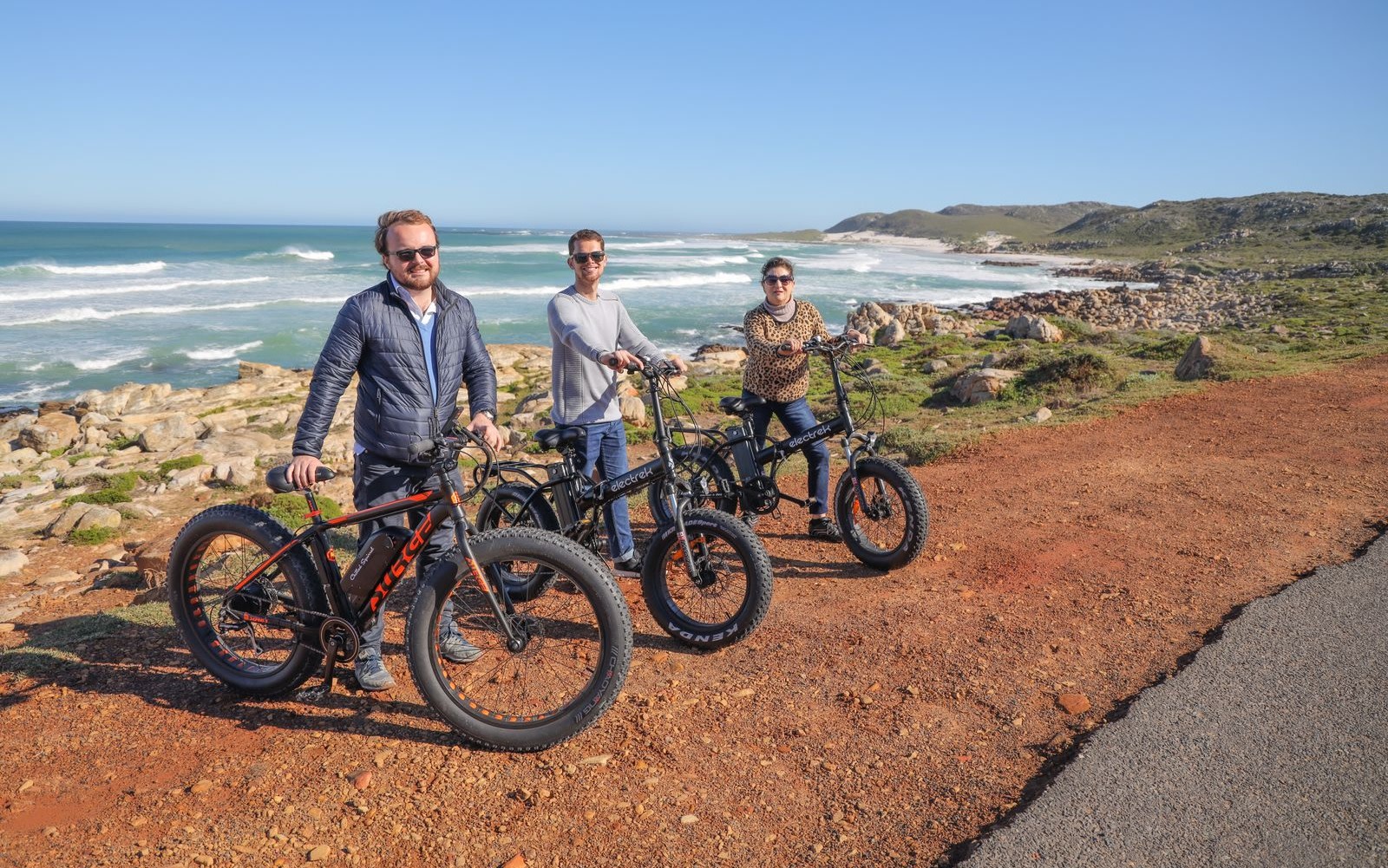
Rentals
Car, Bike, Scooter
Neighborhoods
Cape Town City Centre
Camps Bay
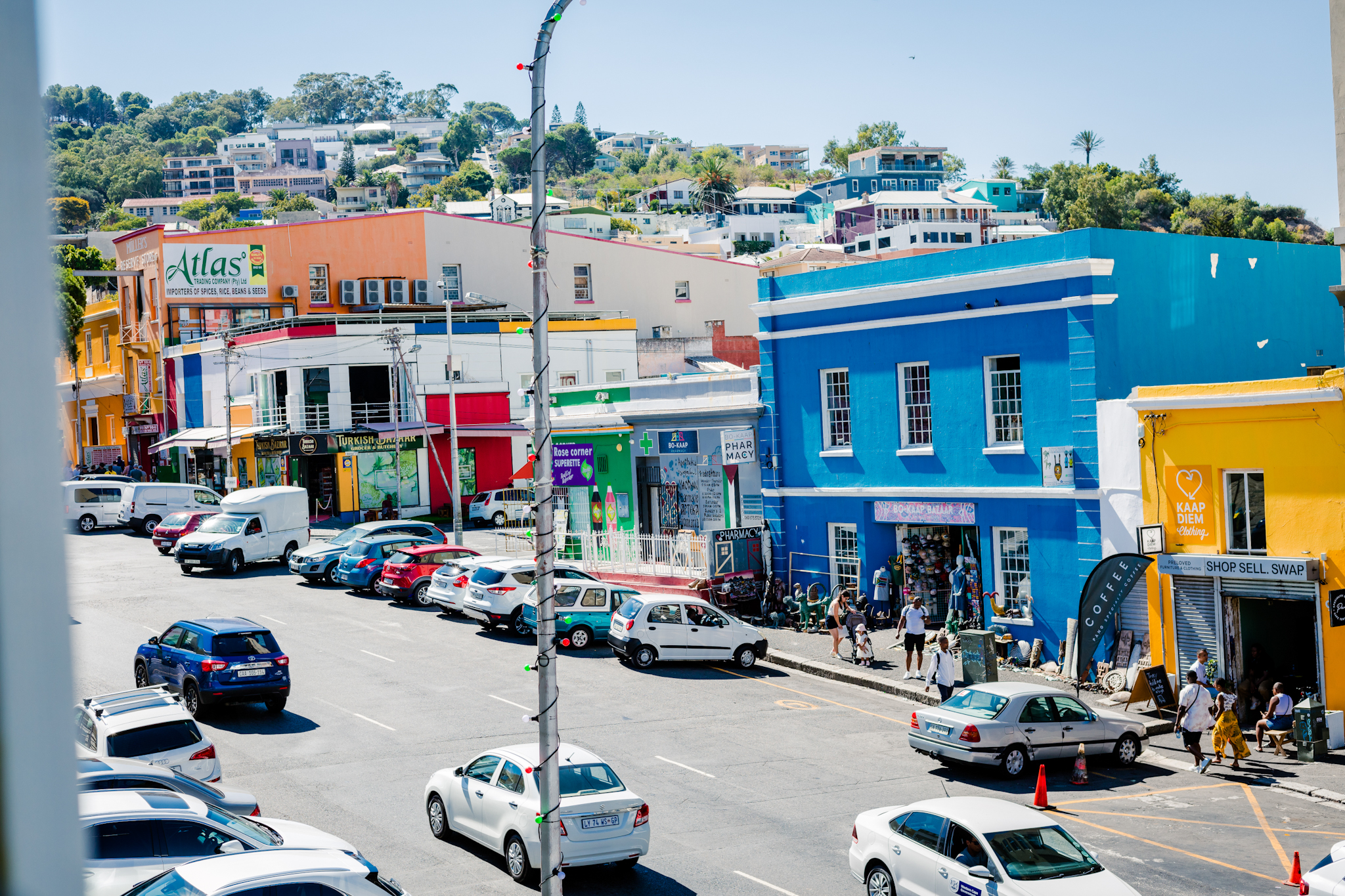
Bo-Kaap
Day trips
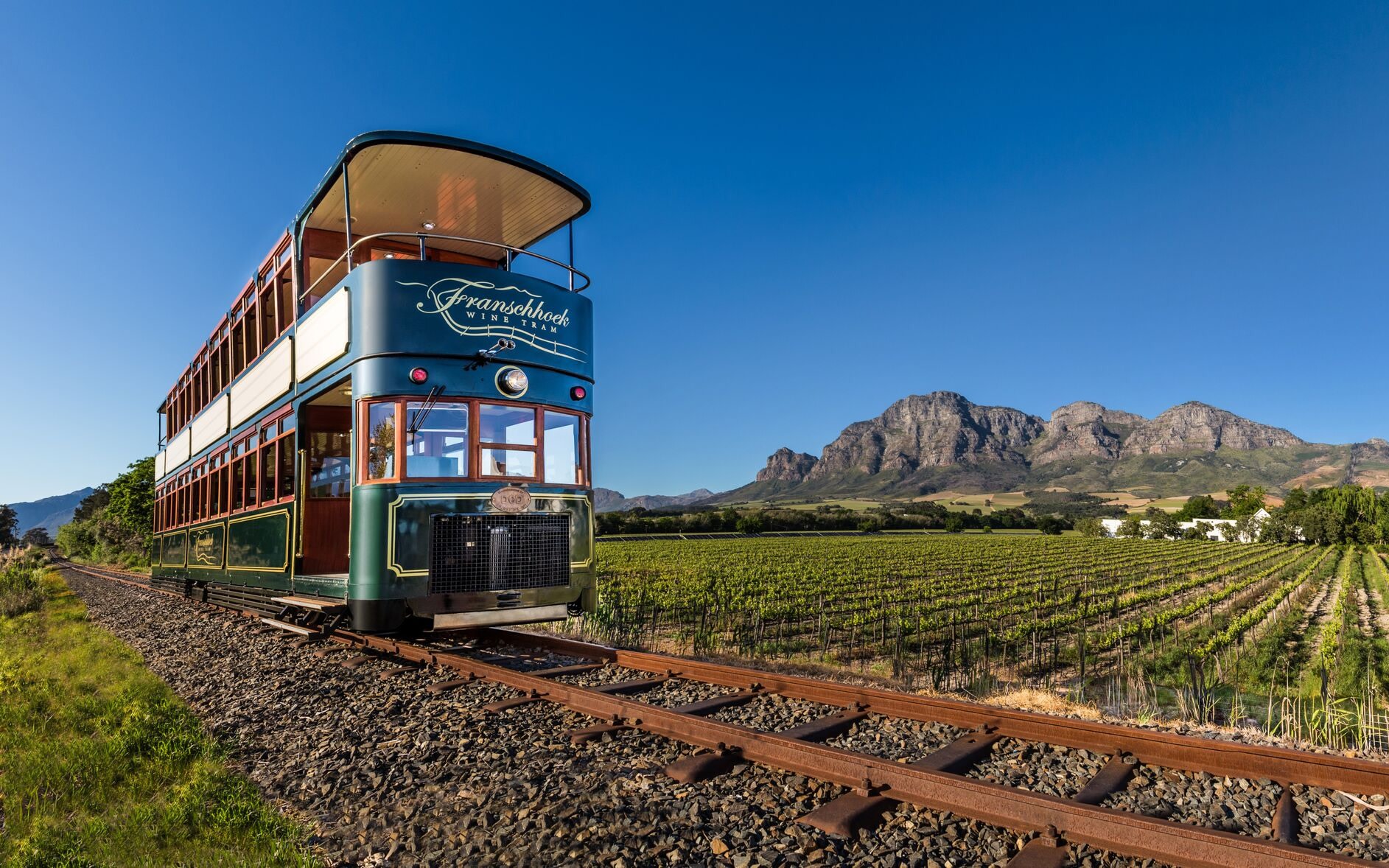
Stellenbosch
50 km from Cape Town • Full day recommended
Stellenbosch is a charming university town in the heart of the Cape Winelands, known for its historic architecture, world-class wine estates, and vibrant student culture. It's a great place to explore South Africa's rich history and indulge in some of the country's best wines.
Hermanus
120 km from Cape Town • Full day recommended
Hermanus is a coastal town known for its stunning whale watching opportunities, beautiful beaches, and scenic coastal walks. It's a great place to escape the city and enjoy some of South Africa's most breathtaking natural landscapes.
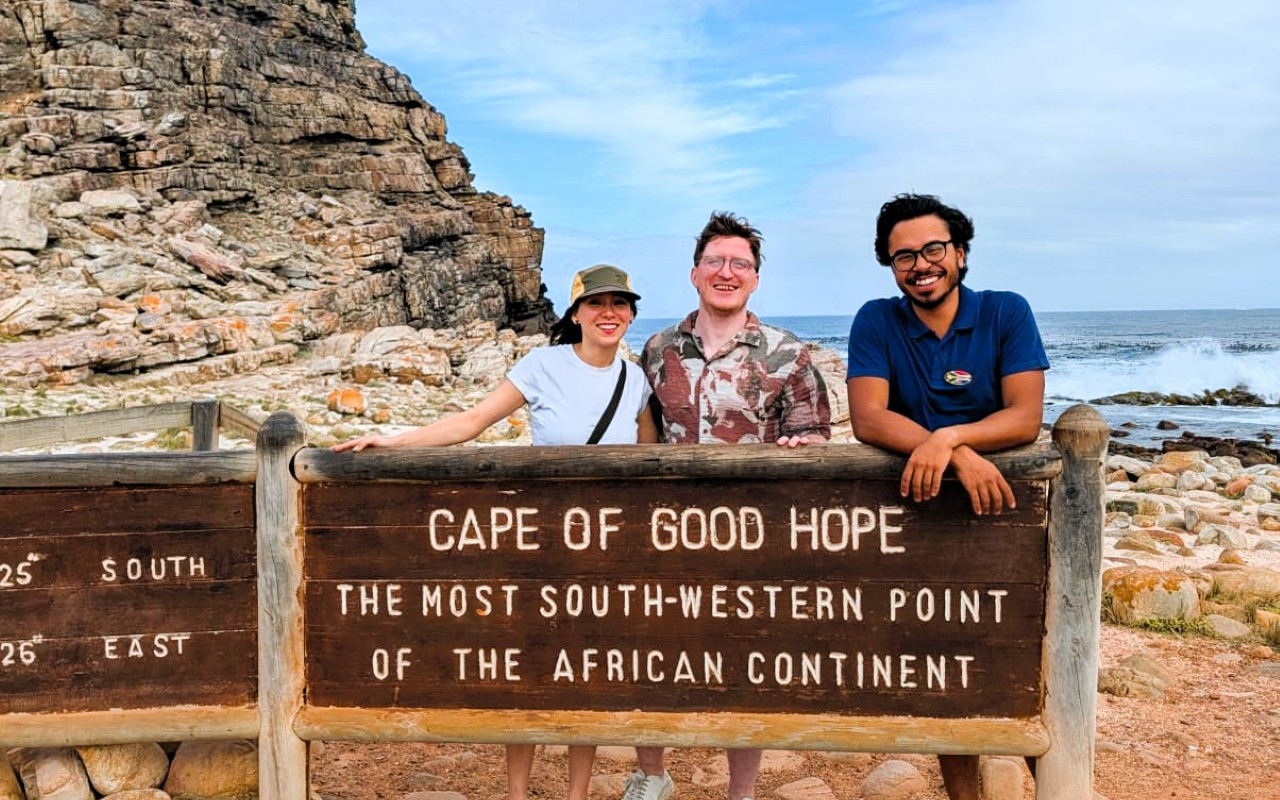
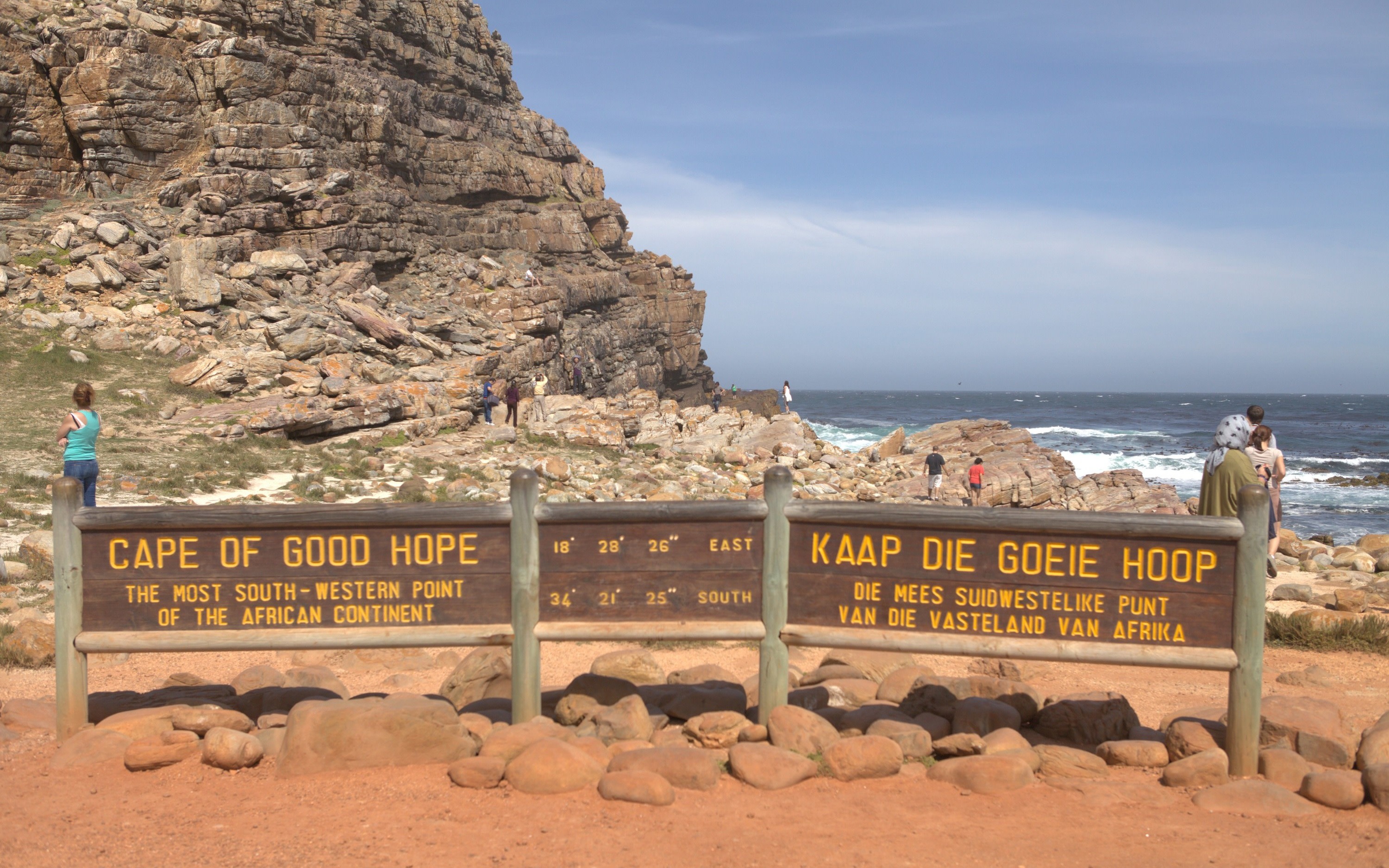
Cape Point and Cape of Good Hope
60 km from Cape Town • Full day recommended
Cape Point and the Cape of Good Hope are two of South Africa's most iconic natural landmarks, offering breathtaking views, scenic hikes, and a rich history. It's a great place to explore the country's diverse wildlife and experience the raw beauty of the Atlantic Ocean.
Festivals
Cape Town International Jazz Festival • March (annual)
Cape Town Carnival • January (annual)
Cape Town Fashion Week • September (annual)
Pro tips
- Visit Table Mountain early in the morning or late in the afternoon to avoid crowds and strong winds
- Explore the city's diverse neighborhoods, from the vibrant Bo-Kaap to the upscale Camps Bay
- Take a day trip to the Cape Winelands to sample some of South Africa's best wines
- Visit the V&A Waterfront for shopping, dining, and entertainment options
- Take a harbor cruise for stunning views of the city and Table Mountain
From $25
per person
Price varies by option
Secure booking
Free cancellation available
Instant confirmation