Tour Lima "Off the Chart"
Active
6h - 7h
For a full refund, cancel at least 24 hours before the scheduled departure time.
Instant confirmation
Mobile or paper ticket accepted
About this experience
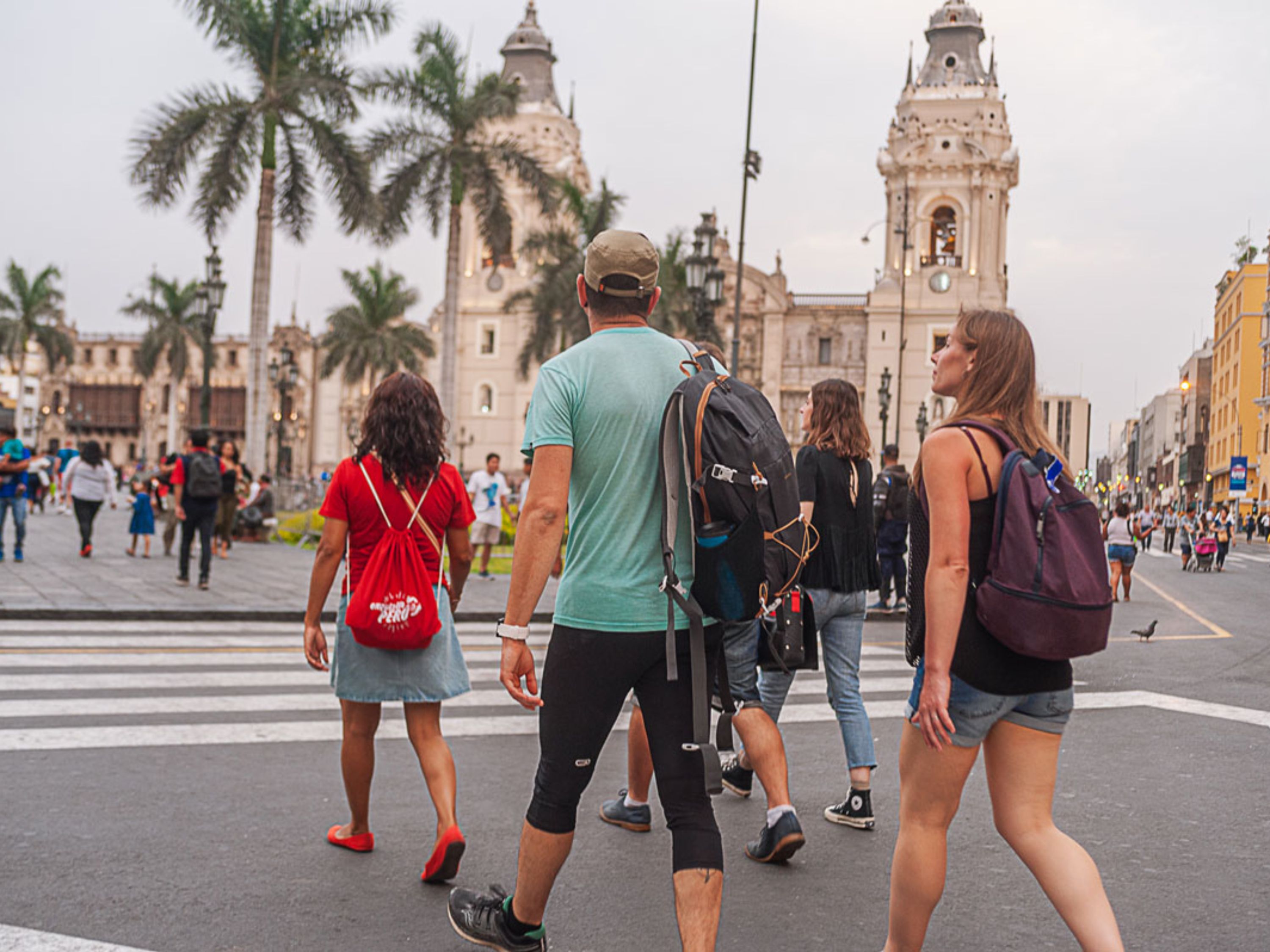
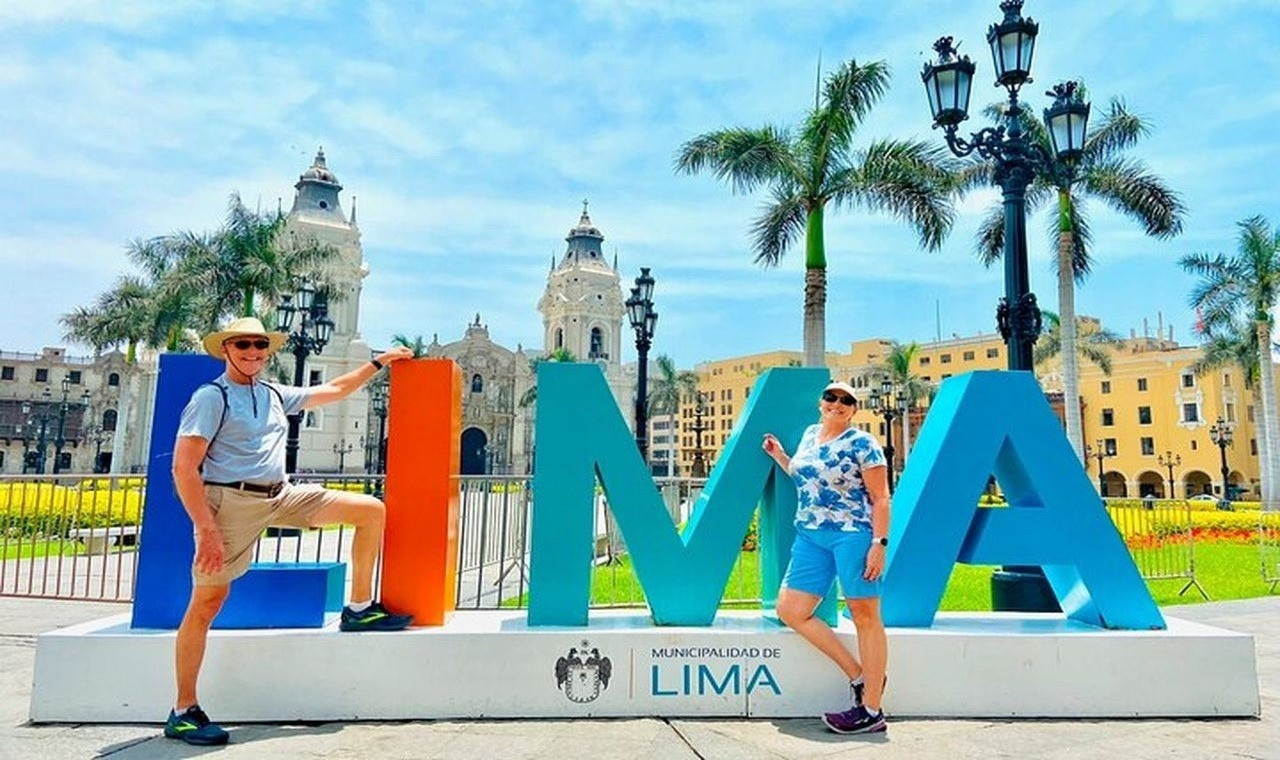
Hello! I invite you to a historical and gastronomic tour of Lima.
We will start at the Josefina Ramos de Cox Archaeology Museum, exploring the pre-Hispanic history of Lima. Then, at the Casa de La Cultura Criolla, we will discover how traditions have intertwined to form the Creole culture.
We will visit the Bodega Restaurant Carbone, founded by Italians in the 19th century, and enjoy delicious sandwiches. Afterwards, we will have a coffee at San Oxapampino, inside the San Agustín convent, learning about the Austro-German migration.
At the Casa de las 13 Puertas, we will see the relationship of ancient Peru and food. Then, at the Museo Nacional Afroperuano, we will learn about the African legacy in Peruvian culture.
We will explore Chinatown about the Chinese and Japanese migrations of the 19th century. At the Hotel Maury, we will enjoy the best pisco sour in the city. Finally, at Casa Tambo Restaurant, we will enjoy the best gastronomic offering in Lima.
Let's get to know Lima!
Available options
Tour Lima "Off the Chart"
What's included
Lunch
Breakfast
Detailed itinerary
1
Stop 1
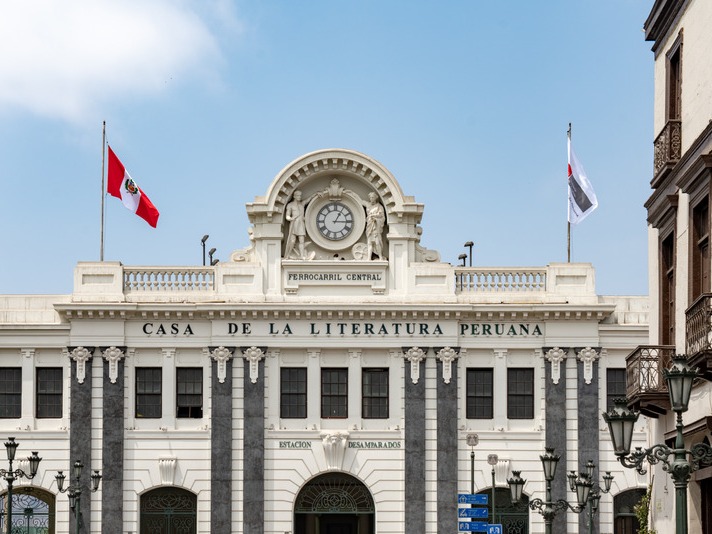
At the Casa de la Cultura Criolla, travelers will have the opportunity to immerse themselves in the Creole life of Lima during the Republican era. We will explore the different environments of this 18th century mansion, where details that last to this day in Peruvian homes can be appreciated.
We will discover the mixture of pre-Hispanic roots with Spanish Creole influences, through elements such as the fulling mill, the pishcos, charcoal stoves and clay pots. We will learn about the history and legacy of Rosa Mercedes Ayarza de Morales, a prominent composer and promoter of Peruvian music.
In this experience, we will share family stories and traditions, enriching our cultural identity and valuing the importance of music and gastronomy in our history.
2
Stop 2
We will begin our adventure with a delicious breakfast at the emblematic Bodega Carbone, a winery founded in 1923 by Italian immigrants, then we will go to taste and learn about Peruvian Coffee from Oxapampa, with an interesting history of Austro-German migration at the beginning of the 19th century.
3
Stop 3
This museum is located in the "House of the 13 doors", a building located in front of the Church and Convent of San Francisco. Inside, it houses a valuable collection of ceramics from the Nasca, Moche, Lambayeque, Chimú and Chancay cultures, which was generously donated by Mr. Jaime del Castillo to the city of Lima.
The exhibition in this museum is colorful and educational, giving us the opportunity to explore the meaning of the symbols present in ceramics, as well as understand their cultural importance. In addition, we are shown how this ceramic was made by ancient Peruvian cultures and what meaning it had for them. It is an enriching experience that immerses us in the ancient world of Peru.
During our tour, we will visit this fascinating museum, where we will be able to admire and learn from this beautiful ceramic collection, discovering the secrets and worldview of the pre-Hispanic cultures that inhabited these lands.
4
Continuing our tour, we are now heading to the Afro-Peruvian Museum, where we will discover the rich history and contributions of the Afro-descendant community in Peru. Accompanied by an expert guide, we will explore the exhibits that show us Afro-Peruvian culture, music, dance, and gastronomy. Through artifacts, photographs and stories, we will learn about the importance of this community in Peruvian identity and its influence on the country's culinary culture. The museum invites us to reflect on the diversity and miscegenation that have shaped our current society.
5
Stop 5
We will explore Capón street, an emblematic place in Lima that houses the history and development of one of the most popular mestizo culinary currents in Peru: the renowned CHIFA. We will learn about its origins and how Chinese culinary traditions merged with Peruvian gastronomy, creating a unique culinary experience. In addition, at this point we will highlight another important influence on Peruvian cuisine: Japanese migration and its contribution to the NIKKEI culture. We will discover how Japanese flavors and techniques were intertwined with local ingredients, generating an exceptional culinary fusion.
6
Stop 6
An emblematic place in Lima, full of history and anecdotes, it is one of the most beautiful bars in Lima and here was where one of the bartenders of the legendary Victor Morry's Bar (where the pisco sour was created) continued the legacy, today prepared by the Great Braulio Álvarez.
7
Stop 7
At our next stop, we will arrive at Casa Tambo, a restored colonial house that will transport you back in time. You will enjoy authentic Peruvian cuisine. You will be able to explore the three rooms of the house, each one with its unique charm.
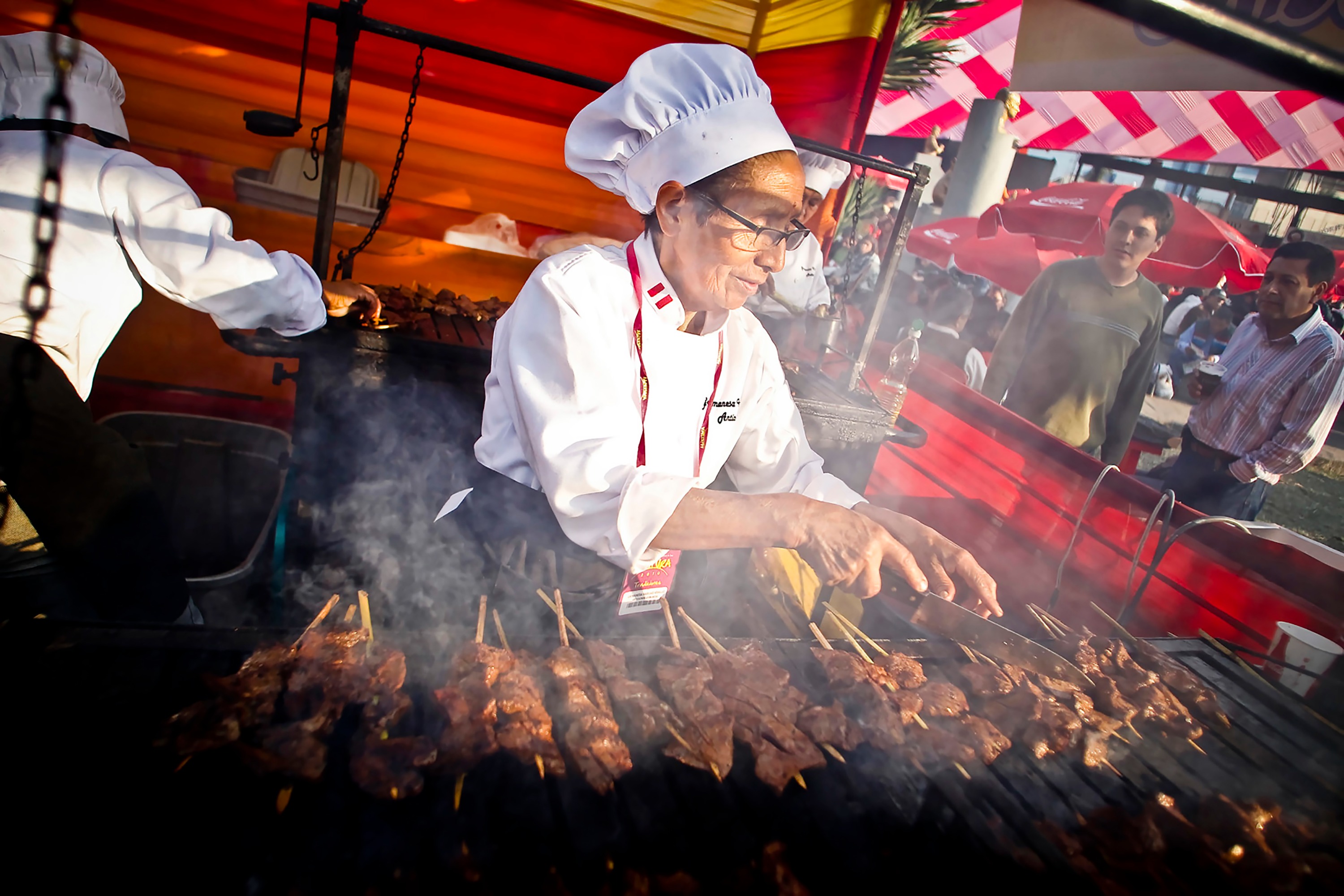
You will be delighted with the revaluation of Peruvian dishes and supplies, experiencing flavors from the coast, mountains and jungle. We will have Creole dishes for lunch prepared on the grill, such as the delicious rice with roast duck in Josper. In addition, you will have the opportunity to enjoy a variety of signature and classic cocktails.
In addition to the gastronomic experience, you can visit the museum located on the second level of Casa Tambo. This space exhibits a collection of popular art, including works by renowned Peruvian artists.
In our experience at Casa Tambo, you will immerse yourself in the history and flavors of Peruvian cuisine in a historic and welcoming environment.
What's not included
Gratuities
Available languages
Guide guide
EN
ES
Important information
Public transportation options are available nearby
Not recommended for travelers with spinal injuries
Not recommended for pregnant travelers
Not recommended for travelers with poor cardiovascular health
Travelers should have at least a moderate level of physical fitness
Meeting point
We will meet at the tourist information module located between the Museum of Italian Art and the Sheraton Hotel in Lima, at 9 am. Please be punctual to begin the tour in the Historic Center.
Important notes
At the meeting point, the tickets will be delivered to the museums that are requested.
About Lima
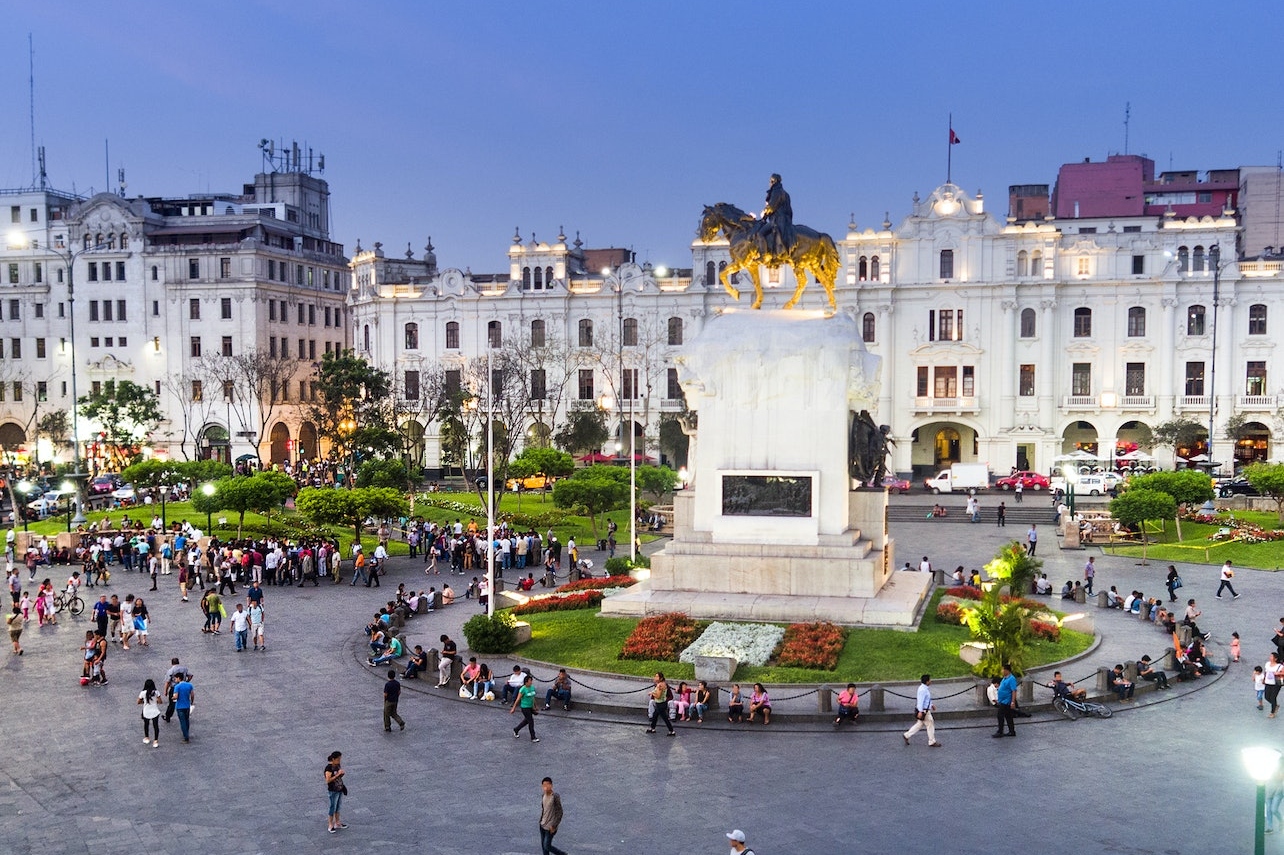
Lima, the capital of Peru, is a vibrant city where colonial architecture meets modern skyscrapers. Known for its rich history, diverse cuisine, and stunning coastal views, Lima offers a unique blend of cultural experiences and natural beauty. The city's historic center, a UNESCO World Heritage Site, is a must-visit for its well-preserved colonial buildings and museums.
Top Attractions
Historic Center of Lima
The Historic Center of Lima is a UNESCO World Heritage Site that showcases the city's colonial architecture and rich history. It's home to numerous churches, museums, and plazas.
Historical
Half day to full day
Free to $10 (for museum entries)
Miraflores
Miraflores is a upscale district known for its shopping, dining, and nightlife. It's also home to the Parque del Amor and the Larcomar shopping center.
Cultural
Half day to full day
Free to $50 (for shopping and dining)
Barranco
Barranco is a bohemian district known for its art galleries, street art, and vibrant nightlife. It's a great place to experience Lima's creative side.
Cultural
Half day to full day
Free to $30 (for dining and drinks)
Huaca Pucllana
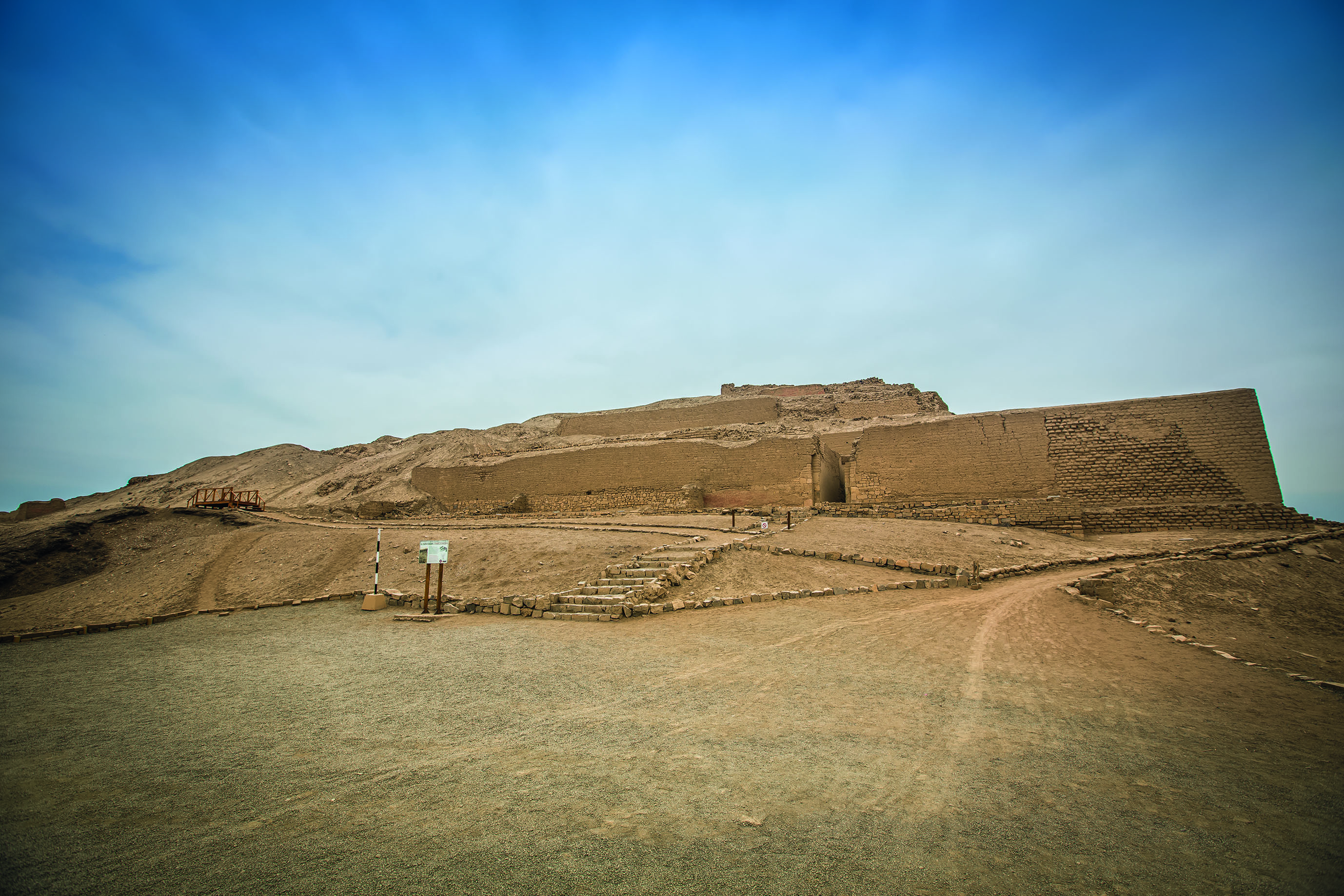
Huaca Pucllana is an ancient pyramidd built by the Lima Culture around 200 AD. It's a fascinating archaeological site located in the heart of Miraflores.
Historical
1-2 hours
$5
Must-Try Local Dishes
Ceviche
A dish made from fresh raw fish cured in citrus juices, spiced with ají or chili peppers, and served with side dishes such as sweet potato, corn on the cob, and lettuce.
Lunch/Dinner
Contains fish, citrus, and chili peppers. Can be made gluten-free and dairy-free.
Lomo Saltado
A Peruvian dish consisting of marinated beef stir-fried with onions, tomatoes, and fries, served with rice. It's a fusion dish that combines Peruvian and Chinese flavors.
Lunch/Dinner
Contains beef, onions, tomatoes, and fries. Can be made gluten-free with modifications.
Aji de Gallina
A Peruvian dish consisting of a creamy chicken stew made with aji amarillo (yellow chili pepper) sauce, garlic, and walnuts, served with rice and potatoes.
Lunch/Dinner
Contains chicken, dairy, and nuts. Can be made gluten-free.
Popular Activities
Surfing
Paragliding
Hiking
Beach lounging
Spa treatments
Hot springs
Museum visits
Historical tours
Best Time to Visit
December to April
This is the summer season in Lima, characterized by warm temperatures and sunny days. It's the best time for outdoor activities and exploring the city's beaches.
18°C to 28°C
64°F to 82°F
Practical Information
Language
- Official: Spanish
- Widely spoken: English
- English: Moderately spoken in tourist areas, limited elsewhere
Currency
Peruvian Sol (PEN)
Time Zone
GMT-5
Electricity
220VV, 60HzHz
Safety Information
Overall Safety Rating: Exercise caution
Lima is generally safe for tourists, but petty crime and scams can occur, particularly in crowded areas and on public transportation. Exercise caution and be aware of your surroundings.
Important Precautions:
- • Use official taxis or app-based services
- • Keep an eye on your belongings in crowded areas
- • Be cautious when using ATMs
Getting there
By air
- Jorge Chávez International Airport • 11 km from city center
By bus
Plaza Norte, Plaza Sur
Getting around
Public transport
The metro is efficient and affordable, but can be crowded during peak hours. It's a good option for getting around quickly.
Taxis
Available • Apps: Uber, Beat
Rentals
Car, Bike, Scooter
Neighborhoods
Miraflores
Barranco
San Isidro
Day trips
Pachacamac
40 km from Lima • Half day
Pachacamac is an ancient archaeological site located south of Lima. It was an important religious center for the Inca civilization and features several temples, pyramids, and museums.
Paracas and Ballestas Islands
250 km from Lima • Full day
Paracas is a coastal town known for its stunning natural beauty and wildlife. The Ballestas Islands, often referred to as the 'poor man's Galapagos', are home to a variety of seabirds, sea lions, and other marine life.
Huaral
80 km from Lima • Full day
Huaral is a small town located north of Lima, known for its colonial architecture, hot springs, and traditional festivals. It's a great place to experience authentic Peruvian culture and hospitality.
Festivals
Fiesta de la Candelaria • February 2
Festival Internacional de Cine de Lima • August
Inti Raymi • June 24
Pro tips
- Learn a few basic Spanish phrases to enhance your experience and connect with locals
- Try a ceviche-making class to learn about Peruvian cuisine and culture
- Visit the Larco Museum to see the largest private collection of pre-Columbian art in Peru
- Explore the street art and murals in Barranco for a unique cultural experience
- Take a day trip to Pachacamac to learn about Inca history and explore ancient ruins
From $25
per person
Price varies by option
Secure booking
Free cancellation available
Instant confirmation