Private Tour to Meet Lisbon by Car
Active
10h
For a full refund, cancel at least 24 hours before the scheduled departure time.
Instant confirmation
Mobile or paper ticket accepted
About this experience
Private transportation service, sightseeing tours, tours, transfers, transportation service and small trips.
Experienced driver with some history knowledge.
Comfortable car, private, maximum 4 people per car.
Tour with variable destination and to the pace of passengers.
Available options
Meet Lisbon
Tourist tour: Visit to Lisbon by car in the morning or afternoon<br/>Tour Lisbon: Private car tour of the main monuments of Lisbon<br/>Duration: 5 hours<br/>Car<br/>Pickup included
What's included
Private transportation
Detailed itinerary
1
Stop 1
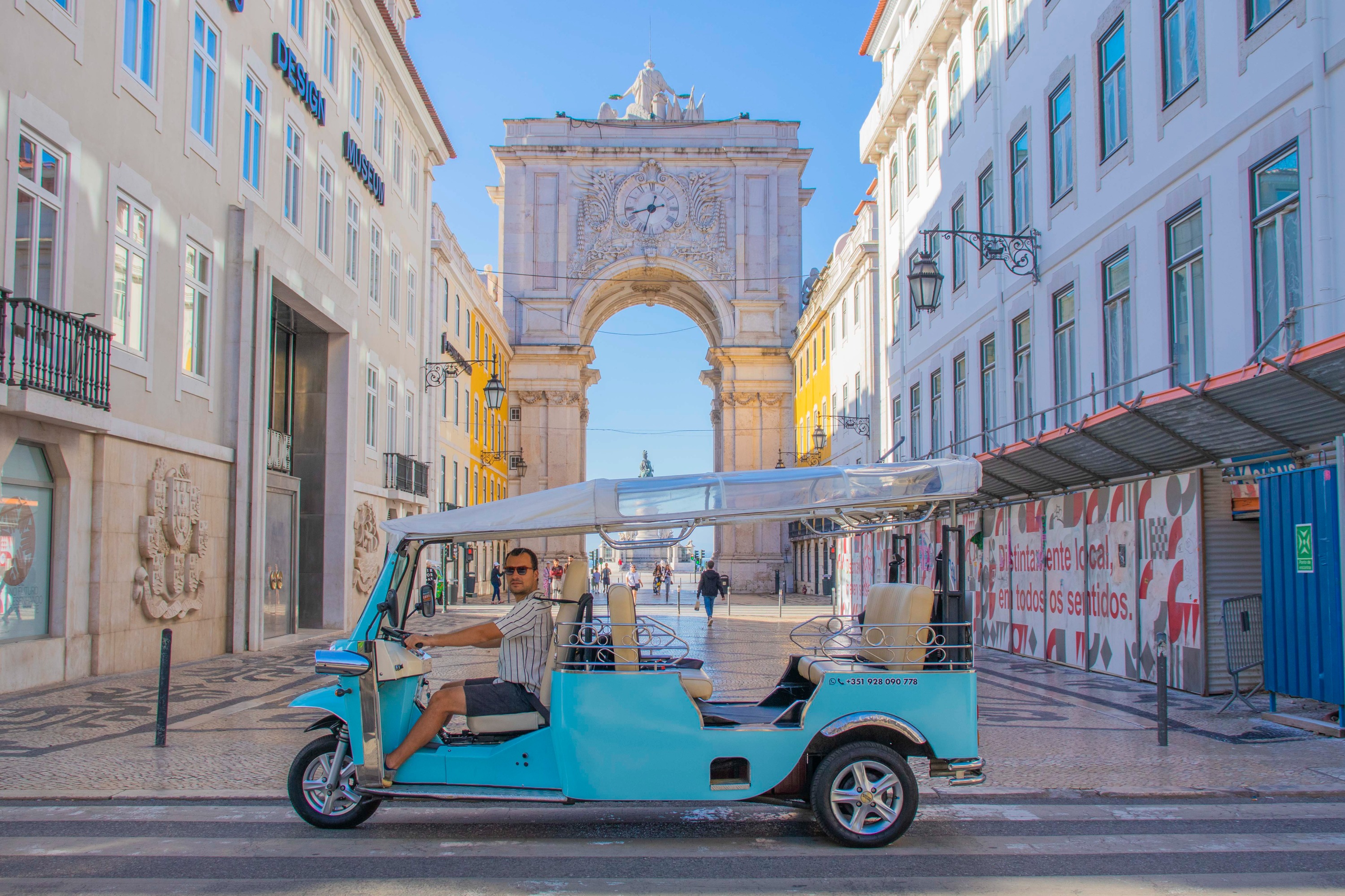
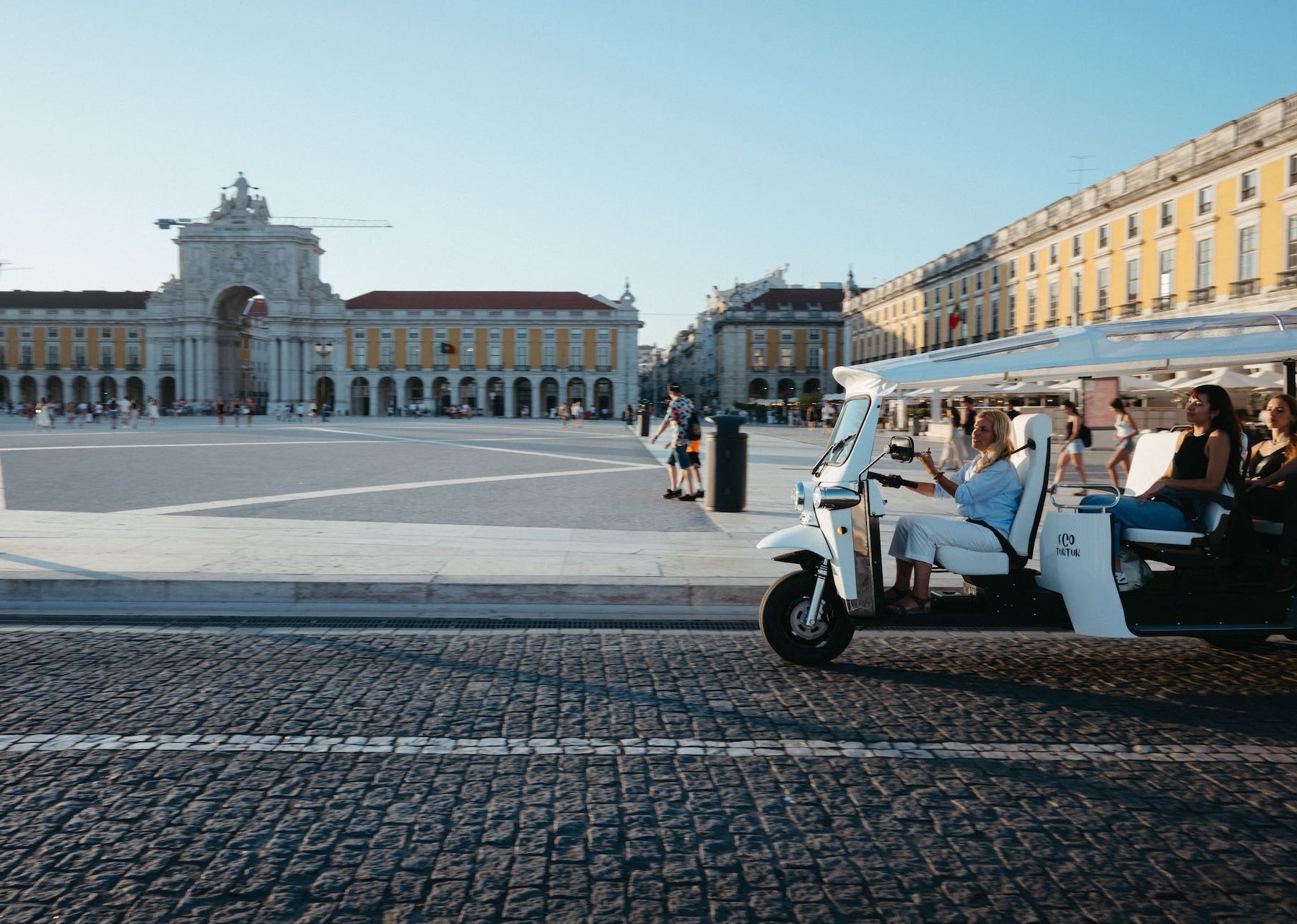
The Plaza do Comércio, still commonly referred to by its former designation of Terreiro do Paço, is a square of the Baixa de Lisboa located by the river Tejo, in the area that was the site of the palace of the kings of Portugal for about two centuries and which is now partly occupied by some government departments. It is one of the largest squares in Europe, with about 36 000 m2 (180m x 200m).
2
Stop 2
The Lisbon Cathedral is located in the city of the same name in Portugal. It is the seat of the Lisbon Patriarchate and the Parish of the See. Its construction began in the second half of the 12th century, after the conquest of the city by D. Afonso Henriques, and is presented today as a mix of architectural styles.
3
Stop 3
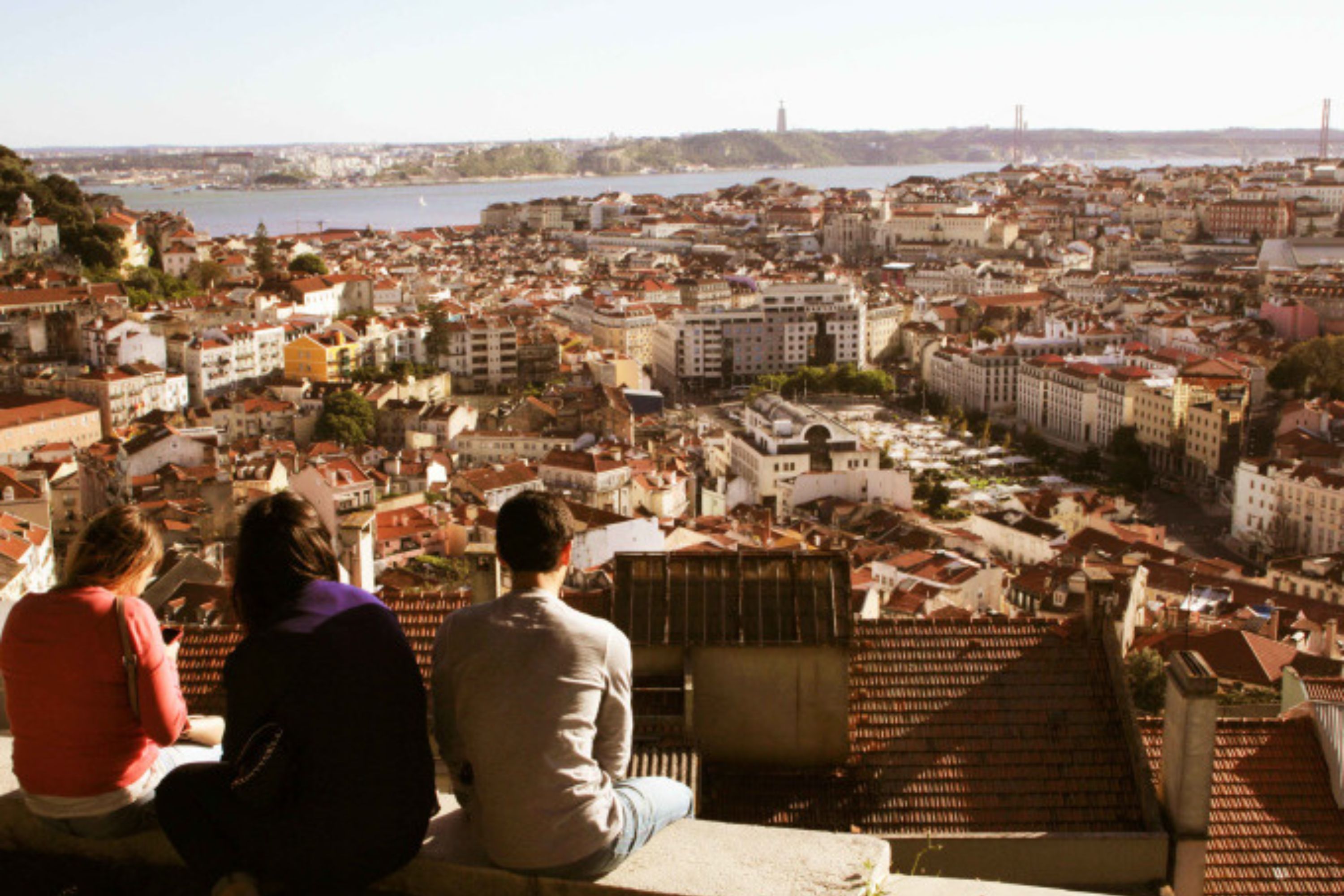
Another view with a beautiful view of the Tagus, the Castle of St. George and part of the city. There are always many tourists, street artists and walking vendors.
4
Stop 4
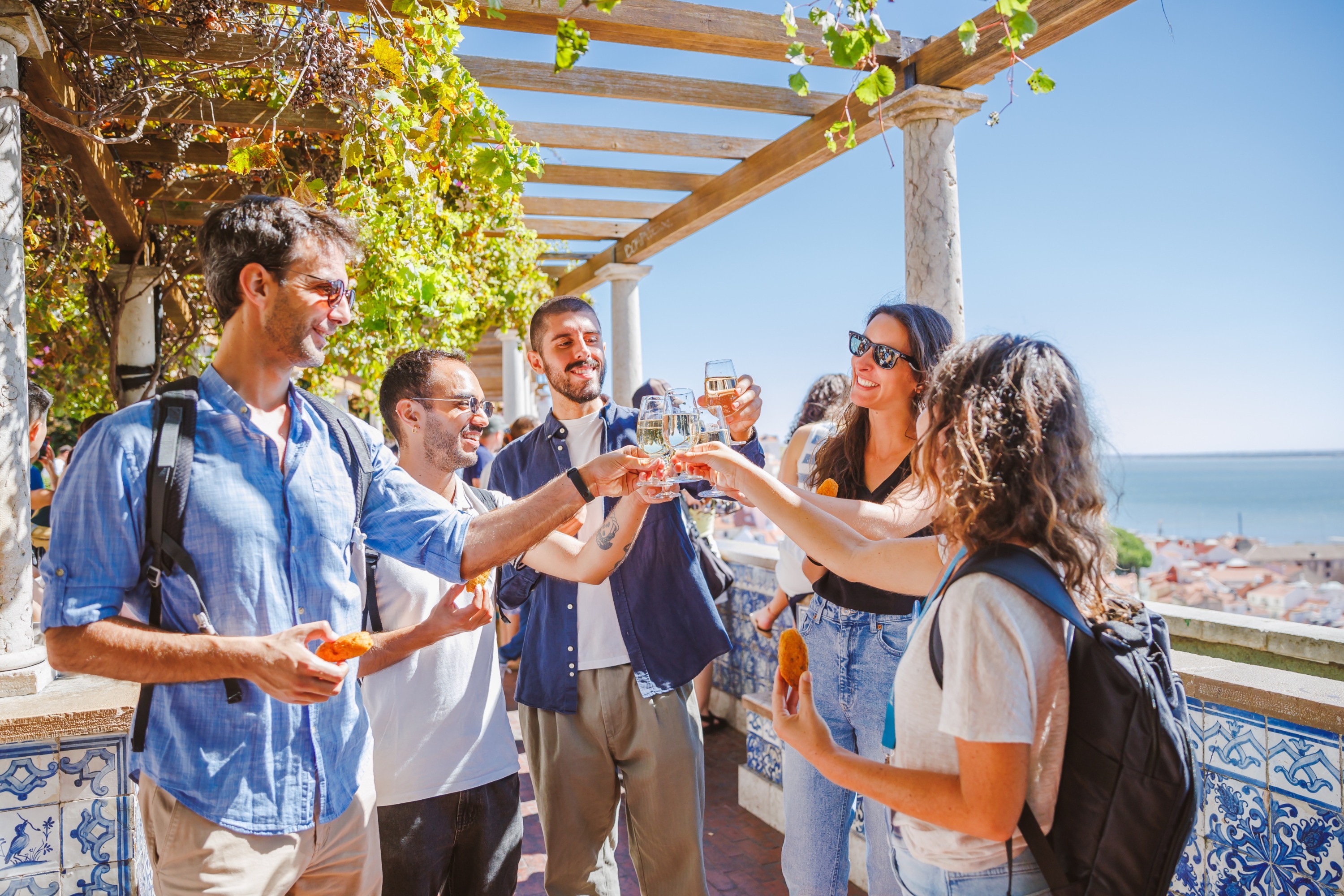
Miradouro de Santa Luzia
View of the Miradouro.
Location Rua do Limoeiro, Lisbon, Portugal
Public Type
City Hall of Lisbon
The Miradouro de Santa Luzia has a wide view of Alfama and the Tejo River. The characteristic points, from left to right, are the dome of Santa Engrácia, the Church of St. Stephen and the two white towers of the Church of St. Michael.
5
Stop 5
Castle of St. George
General information
Initial Military Function
Current owner State Portuguese
Current Function Private Monument
Visitors 1 025 000 (2014)
Website castelodesaojorge.pt
Heritage of Portugal
Classification National Monument
Year 1910
DGPC 70523
SIPA 3128
Geography
Country Portugal Portugal
City of Lisbon
Coordinates 38° 42′ 51′′ N, 9° 08′ 00′′ O
Map
Wikimedia | OpenStreetMap
Location on dynamic map
Castelo de San Jorge, formerly Paço de Alcáçova, is located in the parish of Santa Maria Maior (Castelo), in the city and municipality of Lisbon, Portugal.1] Classified as a National Monument since 1910,[2] it stands in a dominant position on the highest hill in the historic centre, providing visitors with one of the most beautiful views over the city and the Estuary of the River Tejo.
The first walls of the castle, which was rebuilt several times by various peoples and received different names, date from the 2nd century BC.C.
6
Stop 6
The National Pantheon, created by Decree of 26 September 1836,[1] has been installed in Lisbon, in the Church of Santa Engracia, since 1 December 1966.2]
7
Stop 7
The Tower of Belém, formerly Torre de São Vicente a Par de Belém, officially Torre de São Vicente,[1] is a fortification located in the parish of Belém, Municipality and District of Lisbon, in Portugal. On the right bank of the Tejo River, where the beach of Bethlehem once existed, it was primitively surrounded by water throughout its perimeter. Over the centuries it was surrounded by the beach, until the firm land is incorporated today.
8
Stop 8
Pasta de nata is a popular specialty of the Portuguese confectionery, of conventual inspiration. It was created by monks in the Monastery of Jerónimos and has certified origin. The original recipe is called Pastel de Belém, produced exclusively at the Fabbrica dos Pastéis de Belém in Lisbon, and is based on ingredients such as egg, milk, sugar, lemon and cinnamon.
9
Stop 9
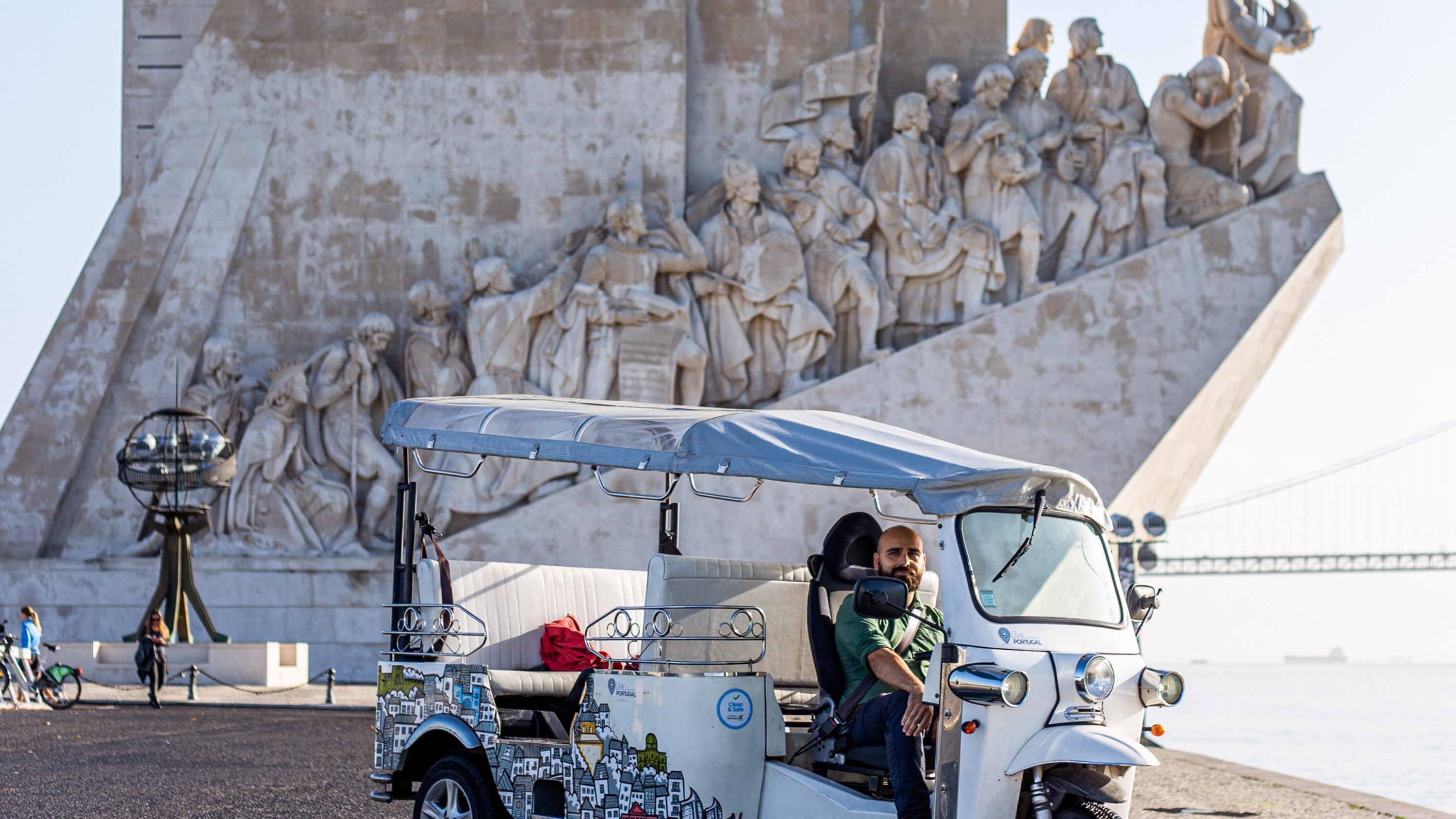
The Pattern of Discoveries (or Monument to the Discoveries; or Monument to the Navigators) is located in the parish of Belém, in the city and district of Lisbon, Portugal. The architectural design is by Cottinelli Telmo and the sculptures are by Leopoldo de Almeida.
10
Stop 10
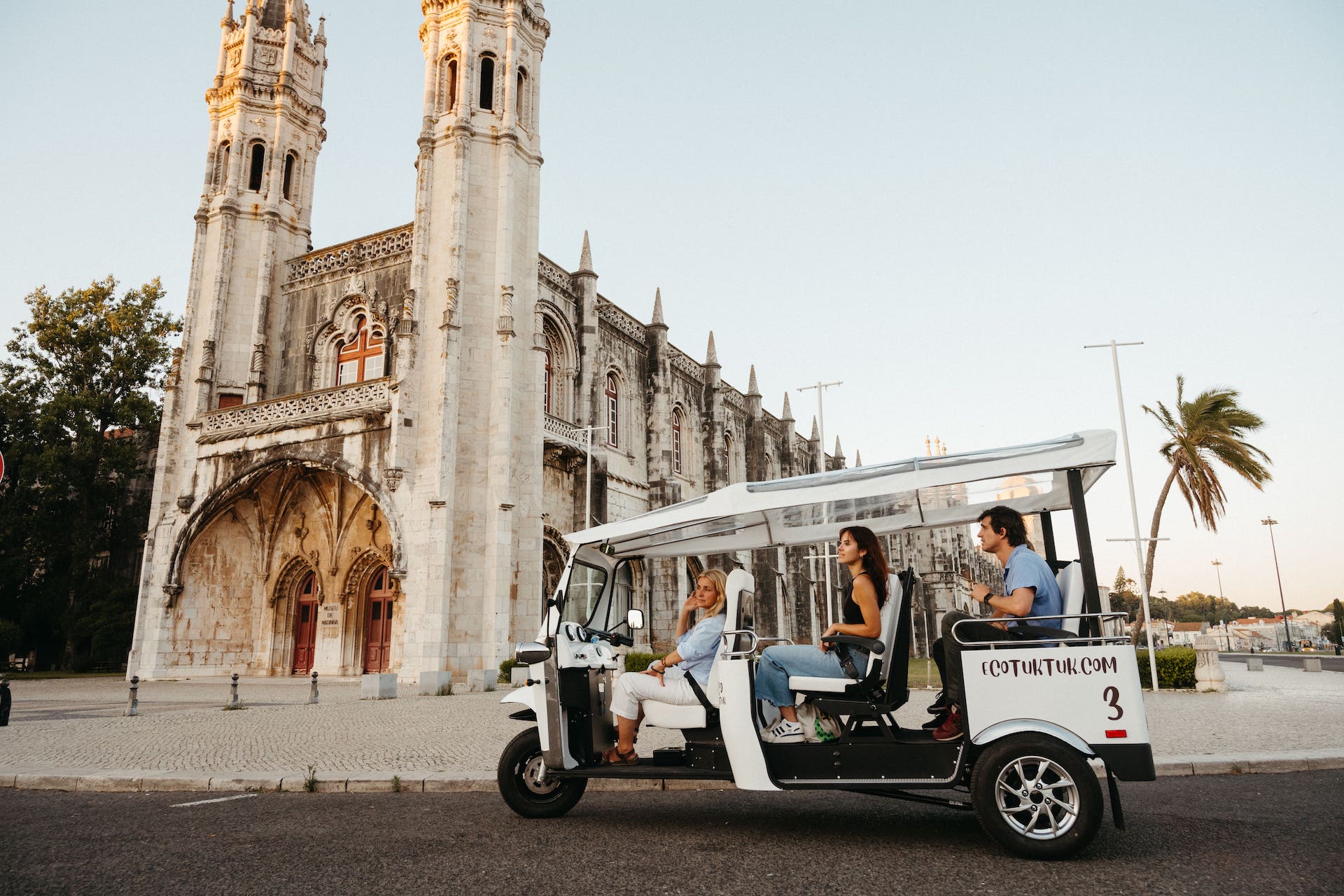
The Monastery of Santa Maria de Belém, better known as the Monastery of Jerónimos, is a Portuguese monastery, ordered to build at the end of the 15th century by King D. Manuel I and was handed over to the Order of St. Jerónimo. It is located in the parish of Belém, in the city and county of Lisbon. It has, since 2016, the status of National Pantheon.
11
Stop 11
The Basilica of the Star, also referred to as the Royal Basilica and Convent of the Most Holy Heart of Jesus, Monastery of the Most Holy Heart of Jesus, Basilica and Convent of the Star, Parish Church of Lapa or Church of Our Lady of Lapa, is a Catholic temple and ancient convent of Carmelite nuns located in the city of Lisbon, Portugal.
What's not included
Lunch
Coffee and/or Tea
Entrance tickets to paid tourist attractions
Available languages
Guide guide
PT
EN
ES
Important information
Infants and small children can ride in a pram or stroller
Public transportation options are available nearby
Specialized infant seats are available
Suitable for all physical fitness levels
About Lisbon
Lisbon, the capital of Portugal, is a vibrant city known for its rich history, stunning architecture, and warm climate. With its charming streets, historic trams, and breathtaking viewpoints, Lisbon offers a unique blend of old-world charm and modern energy.
Top Attractions
Belém Tower
A UNESCO World Heritage Site, this 16th-century tower is an iconic symbol of Lisbon's Age of Discoveries.
Historical
1-2 hours
€6
Alfama District
Lisbon's oldest district, known for its narrow, winding streets, Fado music, and historic charm.
Historical
Half day
Free to explore, attractions may have entry fees
Sintra
A UNESCO World Heritage Site, Sintra is a romantic town with stunning palaces and castles.
Historical
Full day
Varies by attraction, around €10-€15 per site
Must-Try Local Dishes
Bacalhau à Brás
Shredded codfish with eggs, potatoes, and onions
Main Dish
Contains fish and eggs
Pastel de Nata
Custard tart with a flaky pastry crust
Dessert
Contains dairy and eggs
Francesinha
A sandwich with meat, cheese, and a beer-based sauce
Main Dish
Contains meat, cheese, and gluten
Popular Activities
Hiking in Sintra
Surfing in Ericeira
Parasailing in Cascais
Beach lounging in Costa da Caparica
Spa day in a luxury hotel
Picnic in Jardim da Estrela
Visiting museums and galleries
Attending Fado performances
Best Time to Visit
March to May, September to October
These months offer pleasant weather and fewer crowds, making it ideal for sightseeing and outdoor activities.
15-25°C
59-77°F
Practical Information
Language
- Official: Portuguese
- Widely spoken: English, Spanish, French
- English: Moderately spoken
Currency
Euro (EUR)
Time Zone
GMT+1 (Western European Time, WET)
Electricity
230VV, 50HzHz
Safety Information
Overall Safety Rating: Generally safe
Lisbon is generally safe, but pickpocketing and petty theft can occur in crowded areas.
Important Precautions:
- • Be cautious of pickpockets in crowded areas
- • Use licensed taxis or ride-sharing apps
- • Avoid walking alone at night in less crowded areas
Getting there
By air
- Humberto Delgado Airport • 7 km from city center
By train
Santa Apolónia, Oriente
By bus
Sete Rios, Jardim do Campo Grande, Gare do Oriente
Getting around
Public transport
Efficient and clean, with four lines connecting major attractions.
Taxis
Available • Apps: Bolt, FreeNow
Rentals
Car, Bike, Scooter
Neighborhoods
Alfama
Baixa
Bairro Alto
Day trips
Sintra
25 km from Lisbon • Full day
A romantic town with stunning palaces, castles, and lush gardens.
Cascais
30 km from Lisbon • Half day to full day
A charming coastal town with beautiful beaches, historic sites, and a relaxed atmosphere.
Óbidos
80 km from Lisbon • Full day
A medieval town with a well-preserved castle, narrow streets, and charming shops.
Festivals
Santos Populares • June 13th
Festival dos Oceanos • June to September
Arraial do Alfoz • June to September
Pro tips
- Visit the Time Out Market for a variety of local and international cuisines
- Take a day trip to Sintra and Cascais for a mix of history and beach relaxation
- Explore the LX Factory for a unique shopping and dining experience
- Ride the historic Tram 28 for a scenic tour of the city
- Visit the MAAT museum for a blend of art, architecture, and technology
From $25
per person
Price varies by option
Secure booking
Free cancellation available
Instant confirmation