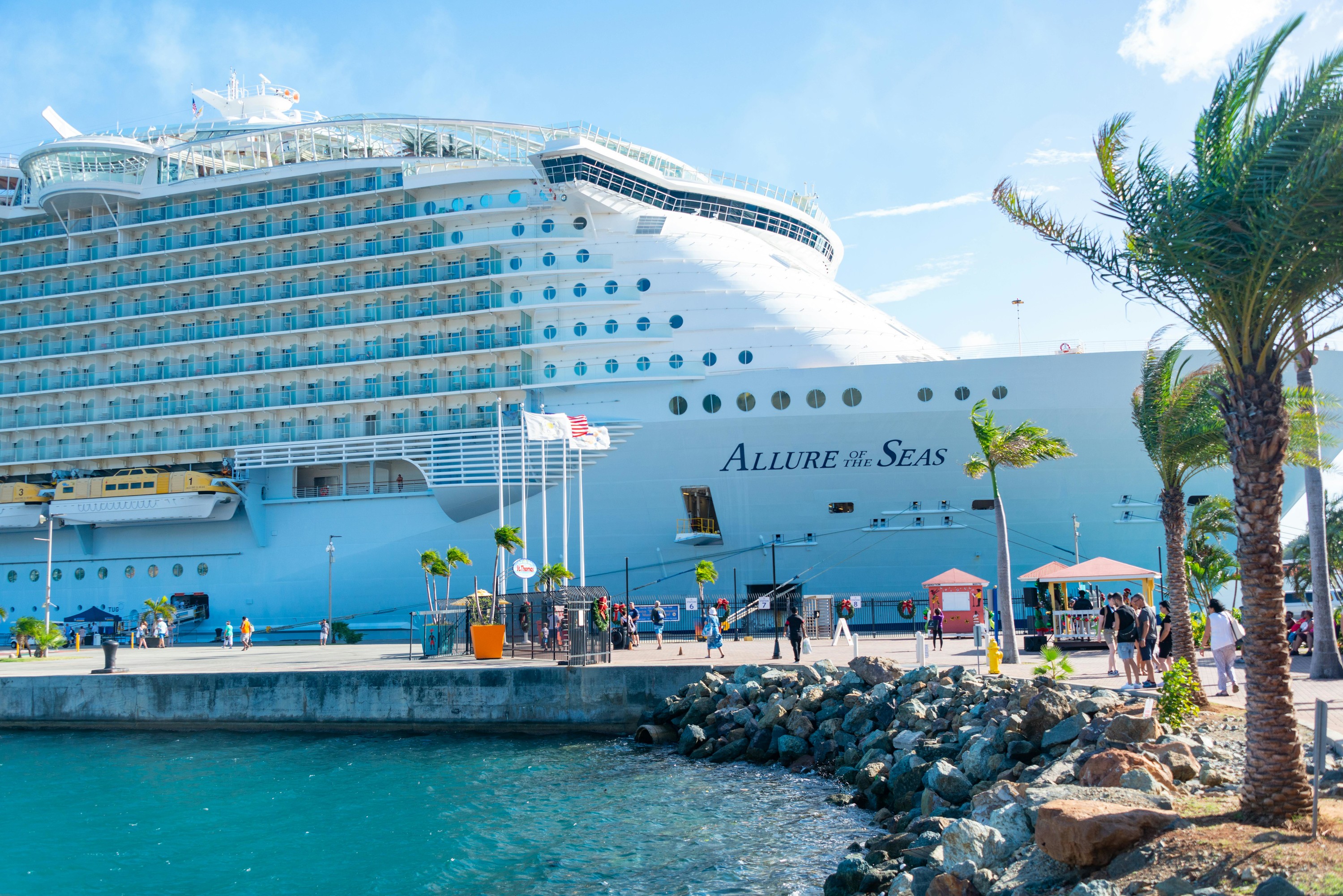
Jeju Private Day Tour from Gangjeong Cruise Terminal.
Active
5h - 8h
For a full refund, cancel at least 24 hours before the scheduled departure time.
Instant confirmation
Mobile or paper ticket accepted
About this experience
This itinerary is a private tour and is for your group only.
This trip can accommodate from up to a maximum of 12 people.
This is a comfortable itinerary to explore the southern parts of Jeju Island, an island famous for its cleanliness and beauty.
Relax with a cup of tea in a vast green tea field where people of all ages and genders feel comfortable.
Yongmeori Beach, which is open only when the waves are low, is a geologically famous tourist attraction on Jeju, a volcanic island.
Strange stone pillars formed when lava flows and cools when it meets sea water.. Columnar joints
Jeongbang Waterfall, which can be confidently said to be the best among the famous waterfalls in Jeju, is the only waterfall where the water falls directly into the sea.
Food is an important part of traveling. We will guide you to local restaurants that are delicious and frequented by locals.
The total tour time is 8 hours including travel time.
Available options
Mini-BUS Tour
Mini-BUS<br/>Pickup included
Regular Taxi tour
Regular taxi tour<br/>Pickup included
Jumbo Taxi / Minivan Tour
Jumbo Taxi Or Minvan<br/>Pickup included
What's included
insurance
The fuel and parking fees are included in the price
we offer pick-up and drop-off services from your Cruise Terminal.
Speaks Simple English / Simple Chinese / japanese Driver
Detailed itinerary
1
Oedolgae, the starting point of Jeju Olle Trail Course 7, is a stone pillar that rises 20m high from the sea. Standing alone on the sea, it was named ‘Oedolgae’. It is also called ‘General Stone’ and ‘Grandma Rock’, and there is a story that General Choi Yeong decorated this rock like a general when fighting against the Yuan Dynasty and made the enemy self-destruct. For the origin of the name 'Grandma Rock', read the legend below. Not only the visible rocks, but also the life of Jeju people waiting for the people of the sea can be seen.
These stone pillars are believed to have been created during a volcanic eruption. A chimney-shaped stone pillar in which the surrounding rocks are eroded by waves and only such strong rocks remain is called a sea stack in scientific terms. Pine trees grow naturally on the top of Oedolgae, giving a picturesque impression. Depending on the viewing direction, it shows a different appearance, and you can feel the beauty of nature.
2
Stop 2
Jeongbang Falls is one of the Jejudo Island’s top 3 falls, along with Cheonjiyeon Falls and Cheonjeyeon Falls. It is the only fall in Korea where water falls directly into the sea. The fall is 23m high and the two streams of waterfall that fall down the black cliff create a thrilling sound and a wonderful view. Moreover, the steep cliffs and old pine trees around the fall create a picturesque view, and this view was chosen as one of Ten Scenic Sights of Yeongju with the name of “Jeongbanghapok.” It is said that the words ‘Seobulgwacha’ are engraved on the cliffs of Jeongbang Falls.According to legends, a man named Seobul came to the island in search of an elixir plant on the orders of China’s Qin Shu Huangdi a long time ago. Unable to find the elixir plant, he headed west to return to China, and became captivated by the site of Jeongbang Falls, leading to him writing “Seobulgwacha’ on the cliff. However, these words have yet to be found in real life.
3
The columnar joints near the coast in the eastern Jungmun Tourist Complex, where the waves breaks and dark red hexagonal stones make up tall layers, is considered a gift of nature and was designated as Natural Monument No. 443 (12/27/04). If you stand in front of the joints you can see the waves hitting the stones and breaking into white bubbles, which feels as if they carry the sad stories of stone carvers, and the scenery is incredible as when the waves are turbulent they reach a height of about 20m. The place is becoming ever more popular with tourists as they walk around and look at the incredible scenery along with the fresh scent of the sea
4
The Yongmeori Coast got its name because the beach looks like a dragon that is jumping into the ocean with its head raised (“Yong” means dragon and “Meori” means head in Korean).Yongmeori is a sandstone bed created by layers of sand that have been deposited for tens of millions of years. The mysterious scenery of the coast is enough to make anyone who witnesses it exclaim in wonder.At the foot of the coast is a Hamel Monument. This monument was established by the Embassy of the Netherlands and the Korean Foundation on April 1st, 1980 to strengthen the diplomatic ties between Korean and the Netherlands, as well as to commemorate the dedication and hard work of Hendrick Hamel
5
Stop 5
Osulloc Tea Museum, which is adjacent to the Seogwang tea field in Jeju, is the first tea museum in Korea opened in 2001 by AMOREPACIFIC to introduce and widely disseminate tea and Korean traditional tea culture. It is a cultural space that harmonizes East and West, tradition and modernity, and consists of a tea museum, a nature-friendly rest area, and a cafe space where you can enjoy delicious and diverse menus using tea.
6
The temple was named after the spring water that gushes out from spring to fall and the pond with medicinal water that flows all year round. It boasts the largest main hall in the East, and it became famous when Daejeokgwangjeon was built in 1996 after a large-scale Buddhist ceremony was held under Hyein, who was appointed as the chief priest in 1981. The 29m-tall Daejeokgwangjeon is a concrete building in the style of early Joseon Buddhist architecture, with one underground floor and five above-ground floors. In front of the main hall hangs an 18-ton bell with inscriptions and pictures emphasizing filial piety. The temple houses the memorial tablets of four Joseon Dynasty kings: King Munjong, Queen Hyeondeok, Prince Yeongchin, and Lady Yi Bangja
What's not included
Entry / Admission Fee - ($ 6 Per person)
Personal Expenses / Food and Drinks
Gratuities are recommended, but not compulsory
Available languages
Guide guide
JA
EN
ZH-CN
Reviews breakdown
Viator
5.0
1 reviews
5★
1
4★
0
3★
0
2★
0
1★
0
Tripadvisor
5.0
1 reviews
5★
1
4★
0
3★
0
2★
0
1★
0
Important information
Suitable for all physical fitness levels
About Jeju Island
Jeju Island, a volcanic island off the coast of the Korean Peninsula, is known for its stunning natural landscapes, unique cultural heritage, and mild climate. It's a UNESCO World Heritage site, offering a mix of volcanic landscapes, lush greenery, and beautiful beaches, making it a perfect destination for nature lovers and adventure seekers.
Top Attractions
Hallasan Mountain
Hallasan is a dormant volcano and the highest mountain in South Korea, offering stunning views and diverse ecosystems. It's a UNESCO World Heritage site and a great spot for hiking and nature lovers.
Nature
Half day to full day
Free
Jeju Loveland
An adult-themed amusement park with sculptures and exhibits focused on human sexuality and relationships. It's a unique and educational experience for adults.
Entertainment
2-3 hours
KRW 12,000
Manjanggul Cave
A UNESCO World Heritage site, Manjanggul is one of the longest lava tubes in the world. It offers a fascinating glimpse into the volcanic history of Jeju Island.
Historical
1-2 hours
KRW 2,000
Seongsan Ilchulbong (Sunrise Peak)
A tuff cone volcano known for its stunning sunrise views. The hike to the top is relatively easy and offers breathtaking panoramic views of the island.
Nature
1-2 hours
KRW 2,000
Jeju Folk Village
A living museum showcasing the traditional life and culture of Jeju Island. Visitors can see traditional houses, costumes, and learn about the island's history and customs.
Cultural
2-3 hours
KRW 6,000
Must-Try Local Dishes
Black Pork (Heukdwaeji)
Jeju Island's black pork is known for its tender and flavorful meat. It's often grilled or used in various dishes like stews and soups.
Main Course
Contains pork, not suitable for vegetarians or vegans
Haemul Pajeon (Seafood Pancake)
A savory pancake made with a variety of fresh seafood, vegetables, and a crispy batter. It's a popular dish in coastal regions and pairs well with soju.
Appetizer
Contains seafood, may contain gluten
Gogiguksu (Oyster Rice)
A local specialty made with fresh oysters and rice, often served with a savory broth. It's a comforting and hearty dish.
Main Course
Contains seafood, may not be suitable for those with shellfish allergies
Jeju Mandu (Dumplings)
Jeju-style dumplings are larger and more flavorful than their mainland counterparts. They can be steamed, boiled, or fried and are often filled with pork, vegetables, and seafood.
Appetizer/Snack
May contain pork or seafood, may not be suitable for vegetarians or vegans
Popular Activities
Hiking
Scuba diving
Snorkeling
Surfing
Paragliding
Beach relaxation
Spa treatments
Tea tasting
Best Time to Visit
April to June, September to October
These months offer pleasant weather with mild temperatures and less rainfall, making it ideal for outdoor activities and sightseeing. The cherry blossoms in spring and the autumn foliage are particularly beautiful.
15°C to 25°C
59°F to 77°F
Practical Information
Language
- Official: Korean
- Widely spoken: English, Japanese, Chinese
- English: Moderately spoken in tourist areas, limited elsewhere
Currency
South Korean Won (KRW)
Time Zone
GMT+9
Electricity
220VV, 60HzHz
Safety Information
Overall Safety Rating: Generally safe
Jeju Island is generally safe for travelers, with low crime rates and a welcoming atmosphere. However, it's always important to exercise common sense and take precautions to ensure a safe and enjoyable trip.
Important Precautions:
- • Keep valuables secure and out of sight
- • Be cautious when using ATMs, especially at night
- • Avoid unlicensed taxis and tour services
Getting there
By air
- Jeju International Airport • 7 km from Jeju City center
By bus
Jeju Intercity Bus Terminal
Getting around
Public transport
The bus system in Jeju Island is efficient and covers most of the island. There are express buses, local buses, and airport buses.
Taxis
Available • Apps: KakaoTaxi, T-Money
Rentals
Car, Bike, Scooter
Neighborhoods
Jeju City
Seogwipo
Aewol
Day trips
Udo Island
10 km from Jeju City • Half day to full day
Udo Island is a small, picturesque island known for its beautiful beaches, scenic views, and unique volcanic landscapes. It's a popular spot for relaxation, hiking, and water activities.
Seongsan Ilchulbong (Sunrise Peak)
20 km from Jeju City • Half day
A tuff cone volcano known for its stunning sunrise views. The hike to the top is relatively easy and offers breathtaking panoramic views of the island.
Manjanggul Cave
15 km from Jeju City • Half day
A UNESCO World Heritage site, Manjanggul is one of the longest lava tubes in the world. It offers a fascinating glimpse into the volcanic history of Jeju Island.
Festivals
Jeju Fire Festival • March 1-3
Jeju Haenyeo (Women Divers) Festival • May 31 - June 2
Jeju Olle Culture Festival • October 1-7
Pro tips
- Rent a car for flexibility and to explore the island at your own pace
- Try local specialties like black pork, seafood, and Jeju tea
- Visit popular attractions early in the morning or late in the afternoon to avoid crowds
- Pack layers and be prepared for various weather conditions, especially in the mountains
- Learn a few basic Korean phrases to enhance your travel experience and interact with locals
From $25
per person
Price varies by option
Secure booking
Free cancellation available
Instant confirmation




![[For Cruise Guests] Jeju Shore Excursion Day Tour](https://res.klook.com/image/upload/activities/t6dzgpom376spoczw0e6.jpg)