Small group tour FULL - PACKAGE Tour to All Areas in Jeju Island
Active
10h
For a full refund, cancel at least 24 hours before the scheduled departure time.
Instant confirmation
Mobile or paper ticket accepted
About this experience
This is the general itinerary for this trip and departs from Jeju City.
If your departure point is Seogwipo City or Gangjeong Cruise Terminal, coordinate your schedule with your driver. Customized tours are available.
The tour cost includes entrance fees to natural attractions .
and This product has a duration time of 10 hours.
Customers can decide on their itinerary depending on the length of stay. This is a customized tour for customers who do not have much time. As short as 4 hours to 1 day, this is not enough time to explore Jeju. That’s why we highly recommend this product to our customers. This is because local Jeju drivers recommend attractions according to the customer’s time.
As it`s a private tour, you do not need to worry about unwanted shopping stops. We are very passionate about our job and take pictures in beautiful places. We capture the memories of our customers in photos. We hope that we have the opportunity to help many people who want to travel to Jeju Island.
Available options
Jumbo Taxi / Minivan Tour
Jumbo Taxi / Mini-Van<br/>Pickup included
Mini-BUS Tour
mini-bus tour<br/>Pickup included
Regular Taxi Tour
Regular taxi tour<br/>Pickup included
What's included
CAR and The fuel and parking fees are included in the price
we offer pick-up and drop-off services from your located in Jeju
Insurance included
Entry / Admission fee (Includes only natural tourist site )
Speaking Simple English Driver or Speaks Korean Driver or japanese or Chinese Driver
Detailed itinerary
1
Stop 1
(seongsan illchulbong)
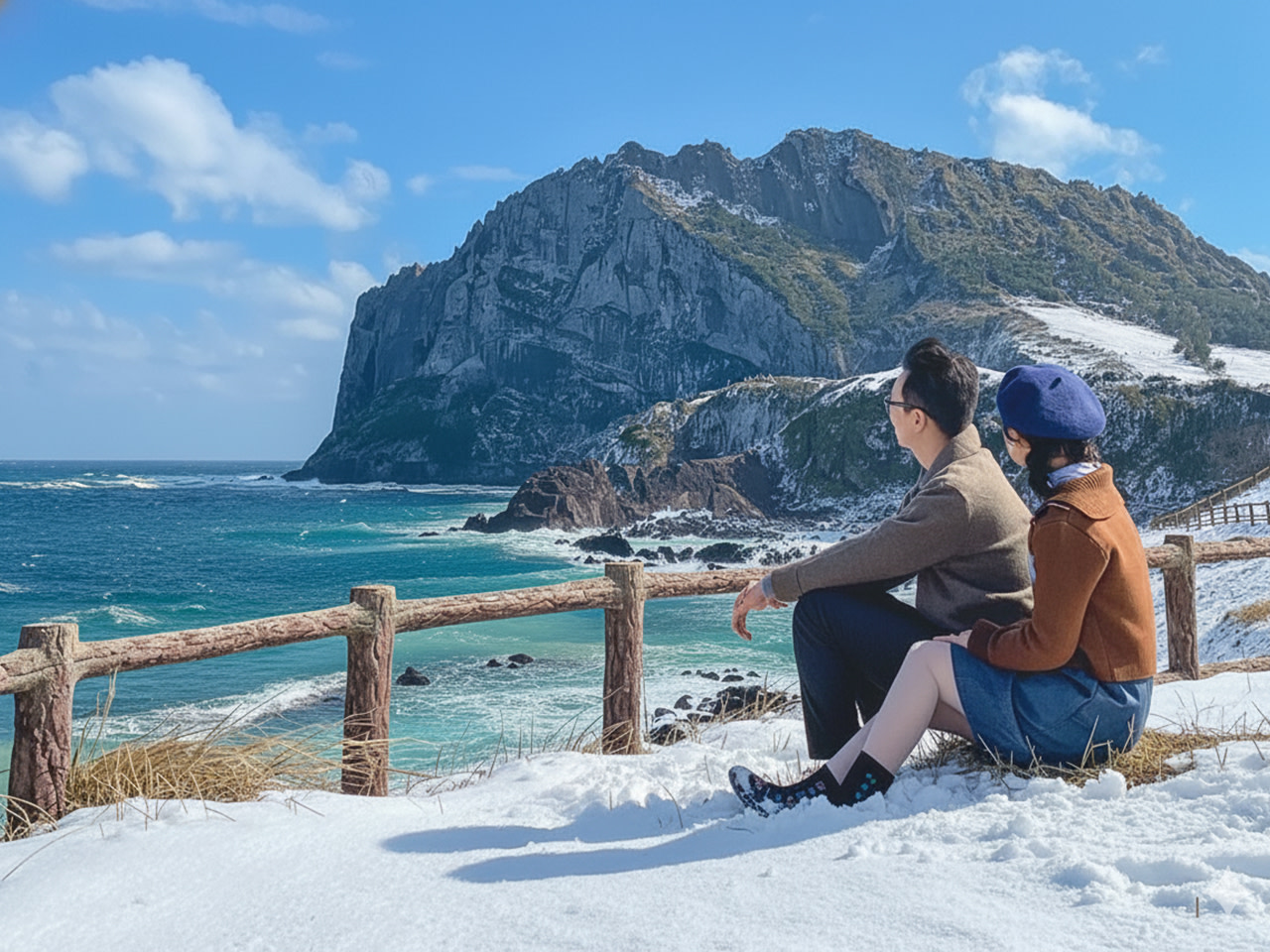
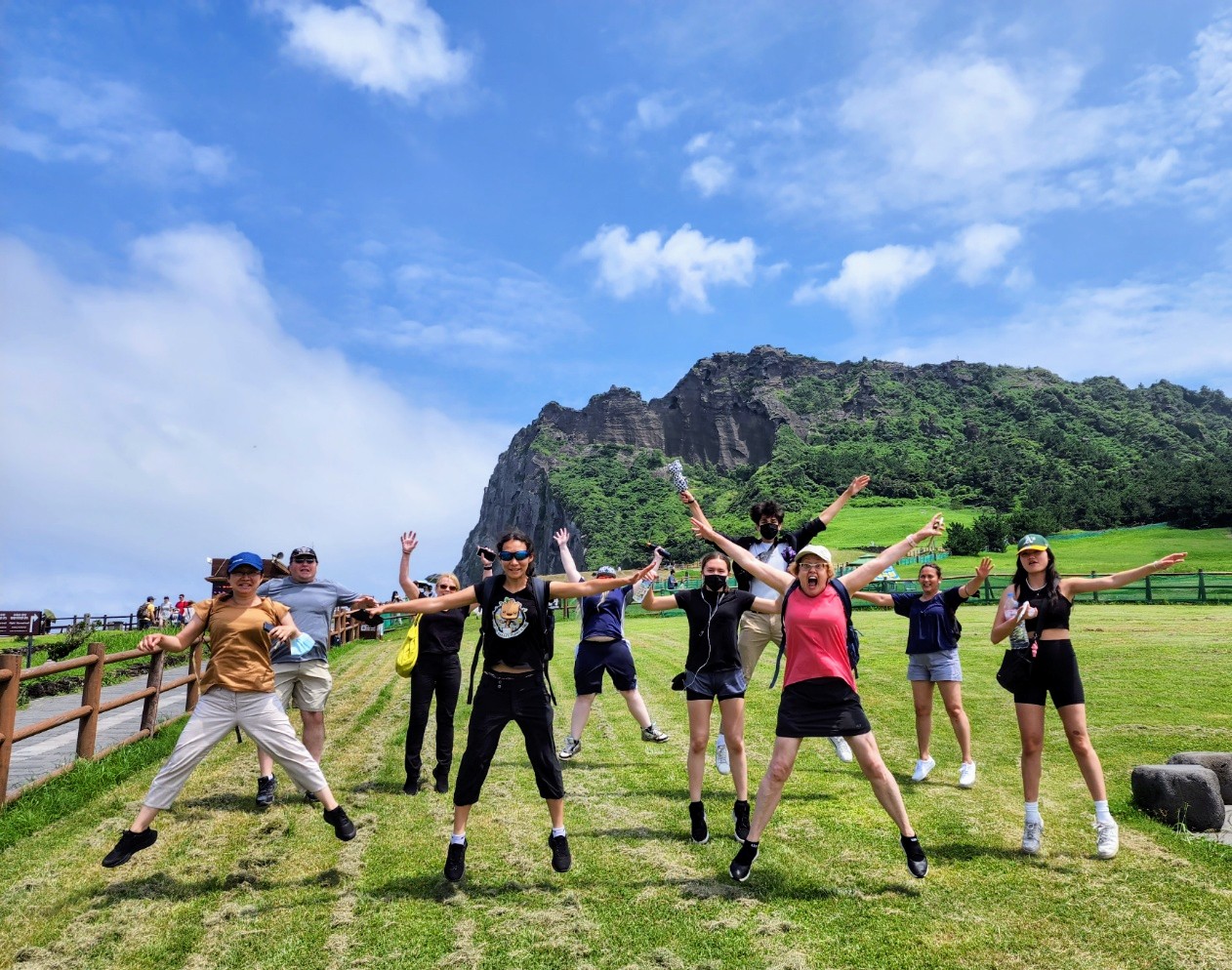
Seongsan Ilchulbong Tuff Cone, a landmark attraction of Jeju, was formed about 5,000 years ago from an eruption of magma on the ocean floor. It is especially famous as a sunrise viewing spot, known to be one of the top ten exquisite sceneries of Jeju Island. Besides viewing the sunrise, Seongsan Ilchulbong Tuff Cone is also known to be an excellent trekking spot. The Seongsan-Ojo Trail connects two villages by crossing the peak. Another popular trail, the Jijil Trail, offers a closer look at the UNESCO-designated geopark as well as Jeju’s local culture. Walking along one of these paths is recommended to experience the area; walking to the summit offers views of both the vast volcanic crater in the center and the blue ocean surrounding the area. To complete your trip, head to Seongsanpo Port to watch Hengyeo (female divers) at work.
2
( Manjanggul Lava Tube)
Of all the oreum on Jeju, Geomunoreum is the only parasitic cone to be designated as a UNESCO World Natural Heritage site. The forum holds over 20 caves within its body, although only the Manjanggul Lava Tube is open to the public. With its profoundly mysterious and grand appearance, taking a step inside the cave is like stepping into Hades’ underworld. Follow the tunnel of articulate lava rock formations, and you will soon reach a giant rock pillar that indicates the end of the cave. The cave’s temperature fluctuates within 11-21℃ regardless of season, allowing visitors to enjoy the magnificent cave all year round
3
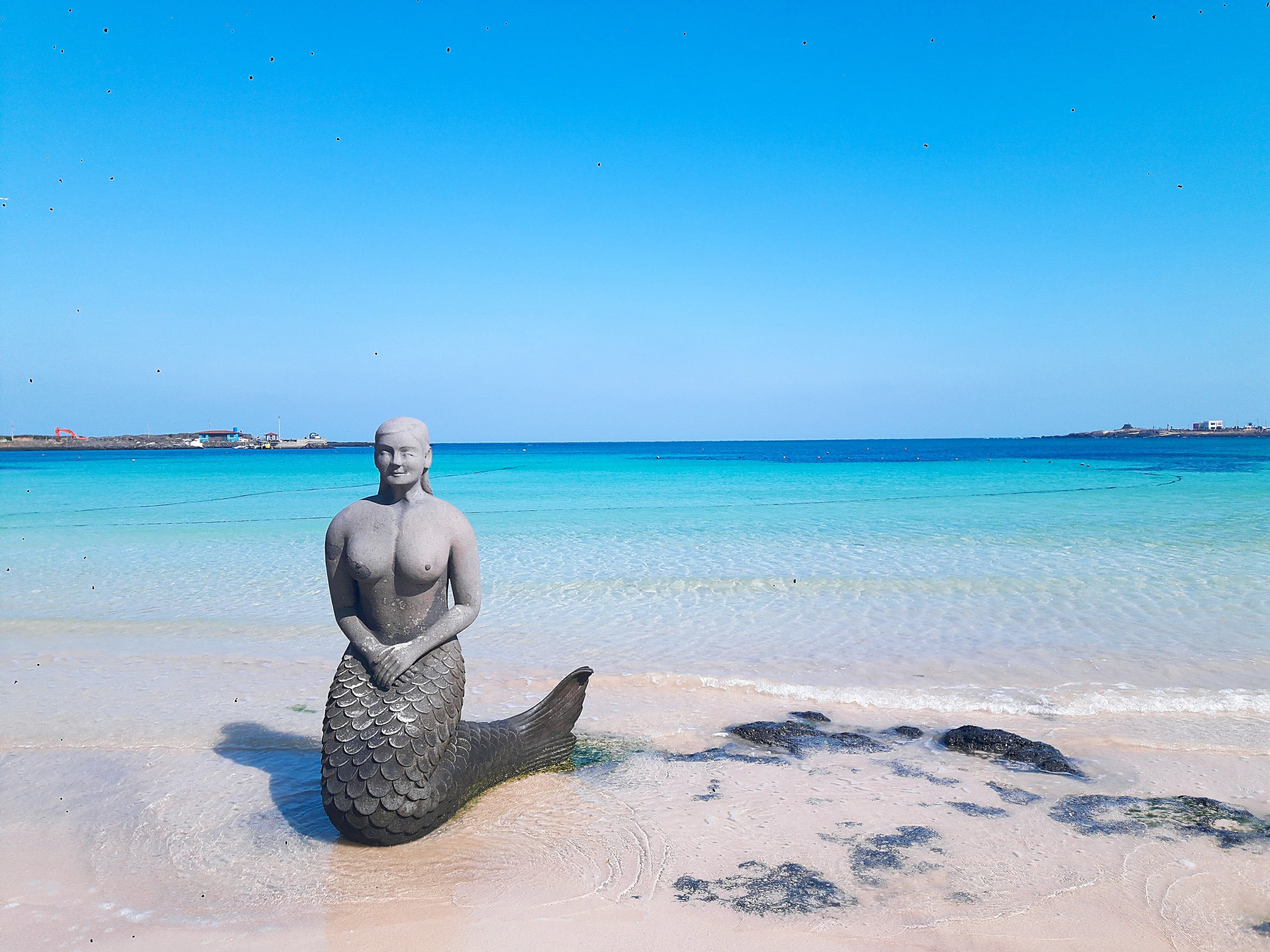
If you walk along Jeju Olle Course 19, you will come across Hamdeok Beach, which has an emerald jewel. Hamdeok Beach, located in Hamdeok-ri, Jocheon-eup, Jeju-si, is also called ‘Hamdeok Seoubong Beach’ because of Oreum (Seoubong Peak) standing right next to the beach.
It is only 20km away from Jeju Airport, but the moment you arrive here, you feel like you are in another country. The tall palm trees that welcome you from the entrance, the emerald sea that contrasts with the white sand, and the clear water and white waves that make even the sand and seaweed transparent are like that.
Among the numerous beaches in Jeju Island, if you choose three places with the most beautiful sea color, it is Hyeopjae Beach, Gimnyeong Beach, and Hamdeok Beach. The water is clear and the water depth is shallow, so it is also a good summer resort for families. The west side of the beach is connected by an overpass, so you can experience walking on the sea.
4
Jeju haenyeo are the strong mothers of Jeju and the spiritual pillars of Jeju residents.
Also, the life of the Jeju haenyeo community is a model that humanity should aim for.
Jeju haenyeo formed a merit-based community and democratically decided through discussions. She not only cared for the elderly and infirm, such as Halmang Badang and Geseok, and raised funds with her material profits to contribute to society, such as villages and schools.
She also came up with various contraptions to coexist with the sea, such as beach sweeping, gold snatching, and dialysis.
Jeju haenyeo culture was recognized for its value and was registered as a UNESCO Intangible Cultural Heritage of Humanity on November 30, 2016 (local time).
5
The entire village, which preserves the living site of the people of old Jeju, has been designated as an Important Folklore Cultural Heritage. Though it can be considered a folk village of sorts, it differs from regular folk villages in that people still live in it to this day. The village residents act as volunteer guides to offer visitors all sorts of information. The Saw-leaf Zelkova and Japanese hackberry in the center of the village are worth taking time to see.
6
Stop 6
(Jeongbang Falls)
Jeongbang Falls is one of Jejudo Island’s top 3 falls, along with Cheonjiyeon Falls and Cheonjeyeon Falls. It is the only fall in Korea where water falls directly into the sea. The fall is 23m high and the two streams of waterfall that fall down the black cliff create a thrilling sound and a wonderful view. Moreover, the cliffs and old pine trees around the fall create a picturesque view, and this view was chosen as one of the Ten Scenic Sights of Yeongju with the name “Jeongbanghapok.” It is said that the words ‘Seobulgwacha’ are engraved on the cliffs of Jeongbang Falls. According to legends, a man named Seobul came to the island in search of an elixir plant on the orders of China’s Qin Shu Huangdi a long time ago. Unable to find the elixir plant, he headed west to return to China and became captivated by the site of Jeongbang Falls, leading to him writing “Seobulgwacha’ on the cliff.
7
(Jusangjeolli Cliff)
Jeju Jungmun Resort is blessed with not only beautiful natural scenery but also numerous entertainment and convenience facilities catering to both domestic and international tourists. Jusangjeolli Cliff, near the International Convention Center Jeju, delivers a sight to behold with its gigantic rock pillars running along the coastal line.
8
(Yongmeori Coast)
The Yongmeori Coast got its name because the beach looks like a dragon that is jumping into the ocean with its head raised (“Yong” means dragon and “Meori” means head in Korean). Yongmeori is a sandstone bed created by layers of sand that have been deposited for tens of millions of years. The mysterious scenery of the coast is enough to make anyone who witnesses it exclaim in wonder. At the foot of the coast is a Hamel Monument. This monument was established by the Embassy of the Netherlands and the Korean Foundation on April 1st, 1980 to strengthen the diplomatic ties between Korea and the Netherlands, as well as to commemorate the dedication and hard work of Hendrick Hamel
9
Stop 9
Osulloc Tea Museum, which is adjacent to the Seogwang tea field in Jeju, is the first tea museum in Korea opened in 2001 by AMOREPACIFIC to introduce and widely disseminate tea and Korean traditional tea culture. It is a cultural space that harmonizes East and West, tradition and modernity and consists of a tea museum, a nature-friendly rest area, and a cafe space where you can enjoy delicious and diverse menus using tea.
10
You can find the largest seafood market in Jeju-si, a place that includes Sanjicheon Fountain. Dongmun Market Place consists of Dongmun Street Market, Dongmun Traditional Market, and Dongmun seafood market. You can buy all different kinds of seasonal fish and pickled fish here, among other things.
What's not included
Personal Expenses
Gratuities are recommended, but not compulsory
Lunch
Available languages
Guide guide
KO
CMN
JA
EN
Reviews breakdown
Viator
5.0
7 reviews
5★
7
4★
0
3★
0
2★
0
1★
0
Tripadvisor
5.0
7 reviews
5★
7
4★
0
3★
0
2★
0
1★
0
Important information
Suitable for all physical fitness levels
If Manjanggul Cave is closed (on the first Wednesday of every month), Jeju Haenyeo Museum will be offered as an alternative tour
Manjanggul Cave, a World Natural Heritage site, will be closed for safety inspection and internal construction as follows. Suspension of operation 2023.12.29. ~ 2025.12.31. so, replaced by another place.
About Jeju
Jeju is a volcanic island located in the Korea Strait, known for its beautiful landscapes, unique volcanic formations, and rich cultural heritage. It's a popular destination for both domestic and international travelers seeking natural beauty and outdoor adventures.
Top Attractions
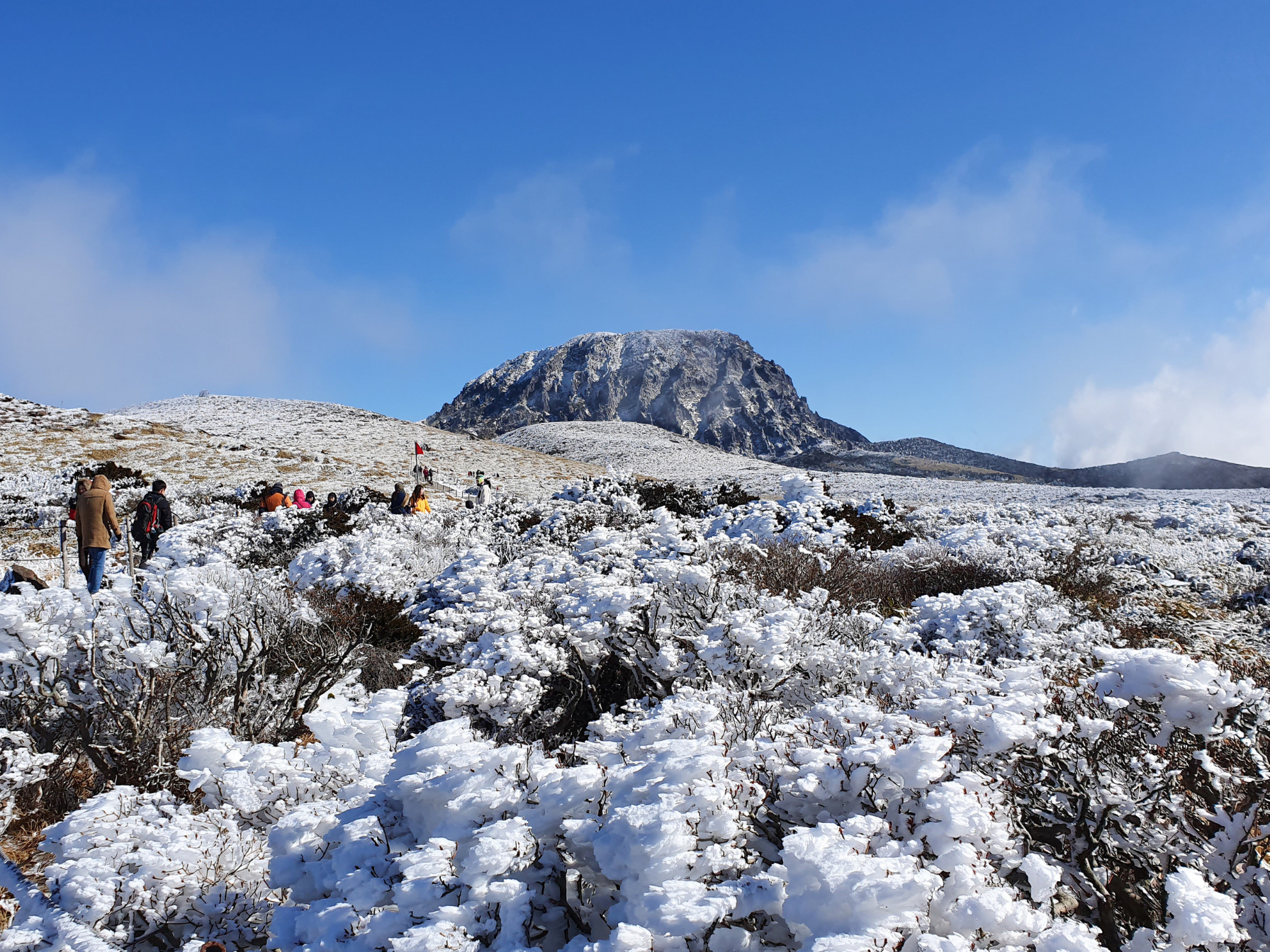
Hallasan Mountain
Hallasan is a dormant volcano and the highest mountain in South Korea, offering stunning landscapes and hiking trails.
Nature
Half to full day
Free
Jeju Loveland
An adult-themed sculpture park featuring erotic art and sculptures, offering a unique and provocative experience.
Entertainment
2-3 hours
₩14,000 (approx. $11)
Seongsan Ilchulbong (Sunrise Peak)
A tuff cone volcano known for its stunning sunrise views and crater rim walk.
Nature
1-2 hours
₩2,000 (approx. $1.60)
Manjanggul Cave
One of the longest lava tunnels in the world, offering a unique geological experience.
Historical
1 hour
₩2,000 (approx. $1.60)
Jeju Folk Village
An open-air museum showcasing traditional Korean houses and cultural performances.
Cultural
2-3 hours
₩10,000 (approx. $8)
Must-Try Local Dishes
Black Pork BBQ (Heukdwaeji Gui)
Jeju black pork is known for its tender and flavorful meat, often grilled and served with various side dishes.
Dinner
Contains pork, not suitable for vegetarians or vegans.
Halliang (Jeju Soup)
A hearty soup made with local ingredients like black pork, vegetables, and sometimes seafood.
Lunch/Dinner
Contains meat, can be made vegetarian upon request.
Haenyeo Sundae
A blood sausage made with pork blood and various ingredients, named after the female divers of Jeju.
Snack
Contains pork and blood, not suitable for vegetarians or vegans.
Hallabong
A sweet and juicy tangerine unique to Jeju, often enjoyed fresh or in various desserts.
Snack/Dessert
Vegan-friendly.
Popular Activities
Hiking
Scuba diving
Snorkeling
Paragliding
Horseback riding
Beach lounging
Spa and wellness
Hot springs
Best Time to Visit
April to June, September to November
Spring and autumn offer pleasant weather with mild temperatures and lower humidity. These seasons are ideal for outdoor activities and sightseeing.
15°C to 25°C
59°F to 77°F
Practical Information
Language
- Official: Korean
- Widely spoken: English (limited), Japanese (in tourist areas)
- English: Limited
Currency
South Korean Won (KRW)
Time Zone
GMT+9
Electricity
220VV, 60HzHz
Safety Information
Overall Safety Rating: Generally safe
Jeju is a safe destination with low crime rates. However, travelers should exercise normal precautions to protect themselves and their belongings.
Important Precautions:
- • Keep valuables secure and out of sight.
- • Use reputable tour operators and taxis.
- • Be cautious of strangers offering unsolicited help or services.
Getting there
By air
- Jeju International Airport • 12 km from Jeju City
By bus
Jeju Intercity Bus Terminal
Getting around
Public transport
Buses are the primary mode of public transport on Jeju, with a comprehensive network connecting major attractions and towns.
Taxis
Available • Apps: KakaoTaxi
Rentals
Car, Bike, Scooter
Neighborhoods
Jeju City
Seogwipo
Ara-dong
Day trips
Udo Island
15 km from Jeju City • Full day
A small island known for its beautiful beaches, lush landscapes, and unique volcanic formations.
Seopjikoji
20 km from Jeju City • Half day
A scenic coastal area known for its beautiful views, lighthouse, and nearby attractions.
Oedolgae Rock
10 km from Jeju City • Half day
A unique rock formation rising from the sea, offering beautiful views and a small temple.
Festivals
Jeju Fire Festival • February 28 - March 2
Jeju Haenyeo (Female Diver) Festival • June 2-3
Jeju Olle Culture Festival • October 1-7
Pro tips
- Rent a car for the ultimate flexibility and freedom to explore the island at your own pace.
- Try local street food and snacks for an authentic and delicious culinary experience.
- Visit popular attractions early in the morning or late in the afternoon to avoid crowds and enjoy the best light for photography.
- Pack layers, as Jeju's weather can be unpredictable and variable throughout the day.
- Learn a few basic Korean phrases to enhance your interactions with locals and show respect for their culture.
From $25
per person
Price varies by option
Secure booking
Free cancellation available
Instant confirmation