FULL DAY Private Tour of Lisbon's main tourist attractions
Active
8h
For a full refund, cancel at least 24 hours before the scheduled departure time.
Instant confirmation
Mobile or paper ticket accepted
About this experience
We will visit the main tourist sites in the city of Lisbon, capital of Portugal and former capital of the Portuguese Empire.
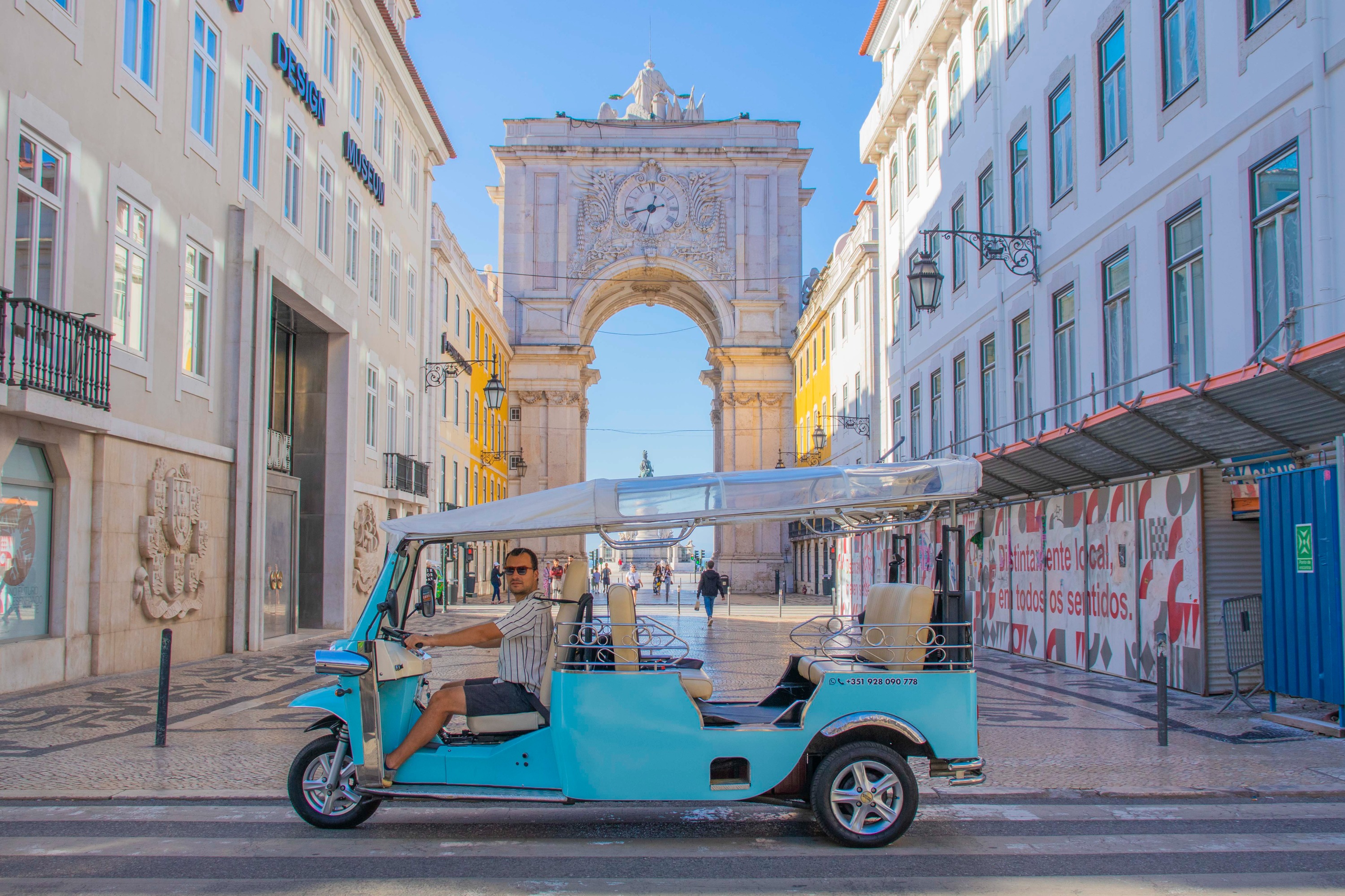
We start in the charming area of Baixa Pombalina, so named because it was built by the Marquis of Pombal, following the 1755 earthquake. Here we will admire the monumental Praça do Comércio, located next to the Tagus River, Rossio, Cais do Sodré and Chiado.
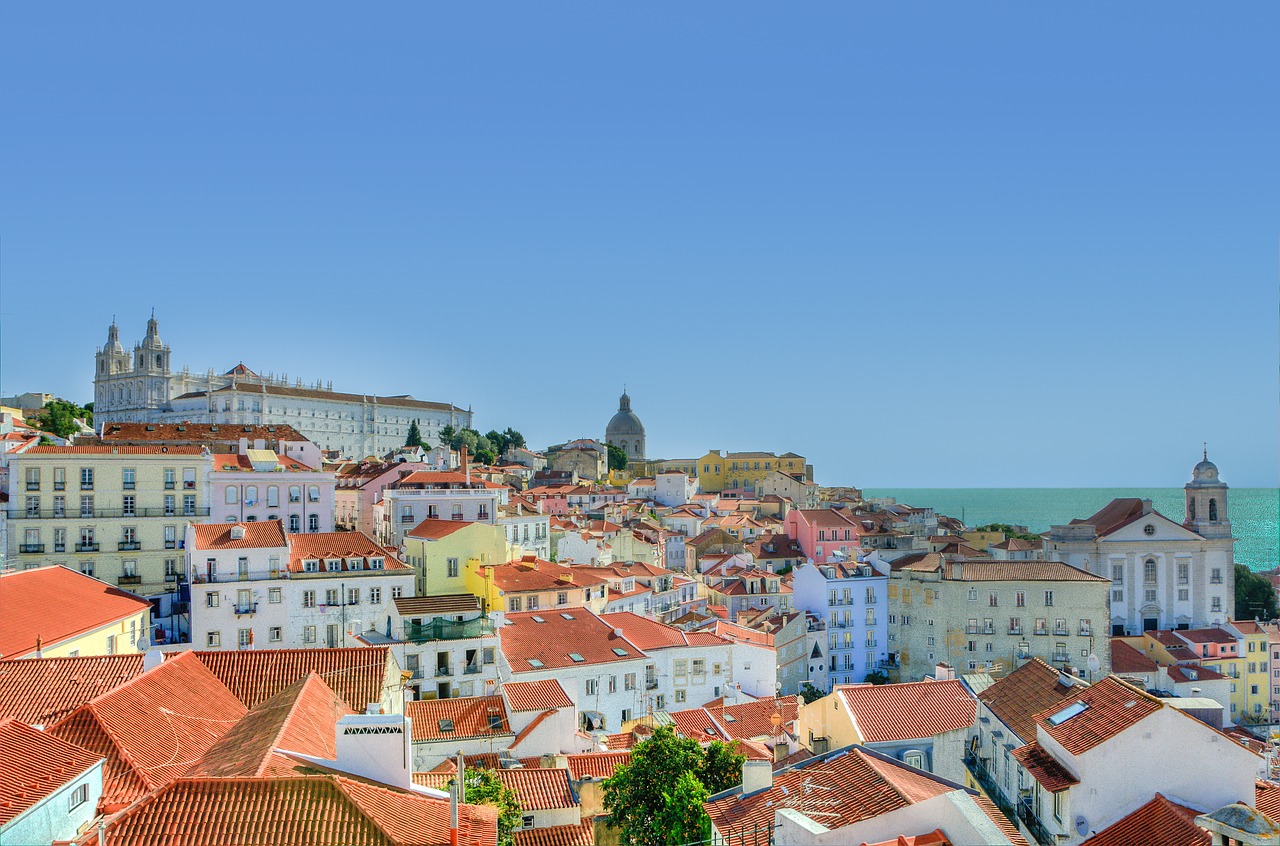
We continue to the bohemian Bairro Alto, we continue through the Alfama neighborhood, one of the most typical neighborhoods in the capital.
We finish in the emblematic area of Belém, where the monuments that mark the golden period of the Portuguese Discoveries stand.
The Jerónimos Monastery (UNESCO Heritage of the 16th century), a magnificent example of Manueline art in Portugal, and the Tower of Belém (UNESCO Heritage of the 16th century), symbolically erected at the former point of departure for ships and caravels to discover the Oceanos, Padrão dos Descobrimentos evokes its mentor Henrique, the Navigator.
Available options
Car up to 7 people
Pickup included
Car up to 3 people
Pickup included
Car up to 5 people
Pickup included
What's included
Bottle DE water
Car with air conditioning, Wifi on board, Connection for charging cell phones, water
Detailed itinerary
1
Stop 1
Pass by
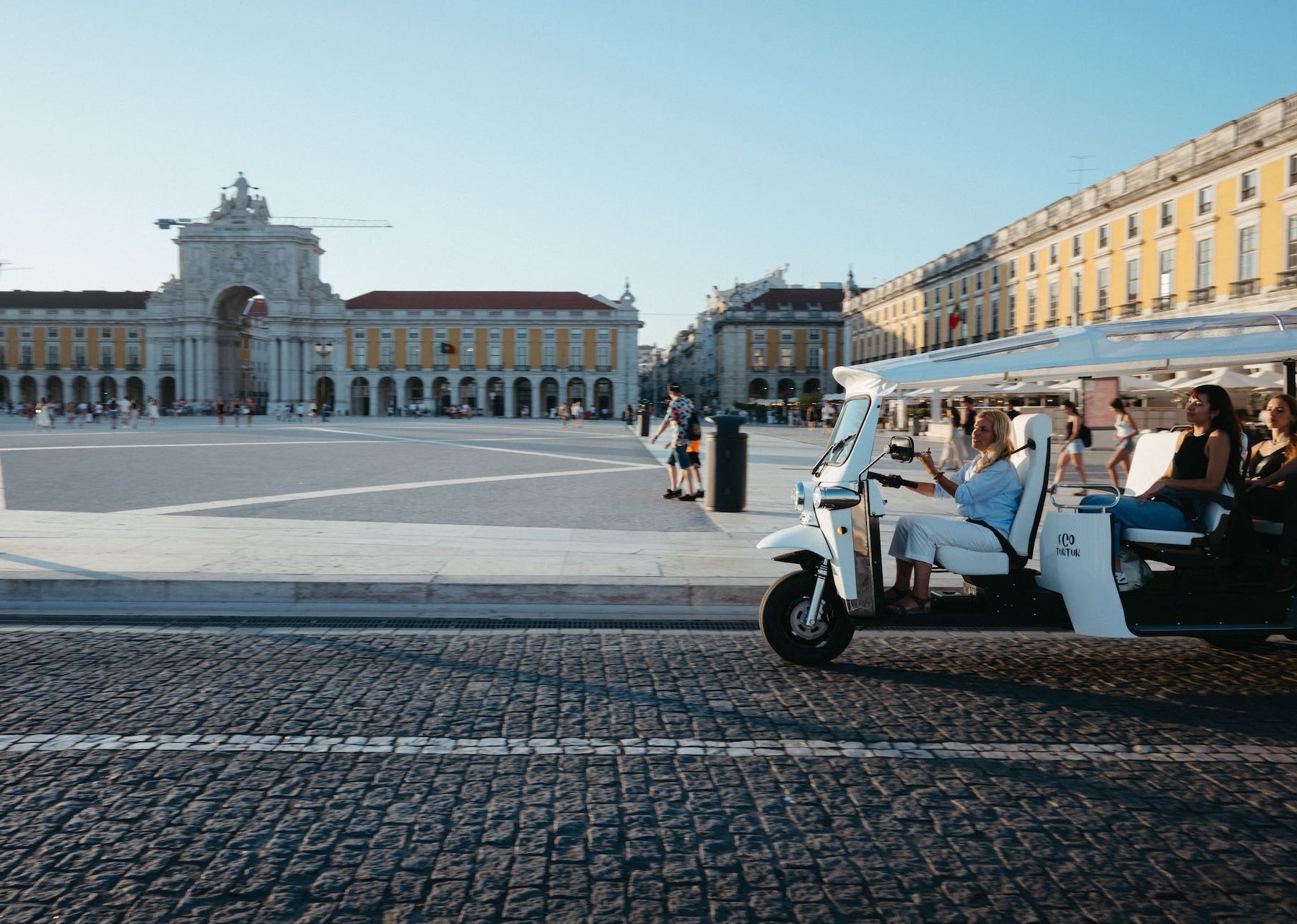
Praça do Comércio, still commonly referred to by its former name of (the) Terreiro do Paço, is a square in downtown Lisbon located next to the Tagus river, in the area being the site of the palace of the kings of Portugal for about two centuries and which today is partially occupied by some government departments. It is one of the largest squares in Europe, measuring around 36,000 m² (180m x 200m). The square is bordered by 79 arches.
It is considered a historic symbol of political power and manifestation of capital in Portugal. This symbology is generally associated with state centralism.
In 1511, King D. Manuel I transferred his residence from Castelo de São Jorge to this location by the river. The Paço da Ribeira, as well as its library of 70,000 volumes, were destroyed by the earthquake of 1755. In the reconstruction, coordinated by Eugénio dos Santos, the square became a fundamental element of the plan of the Marquês de Pombal.
2
Stop 2
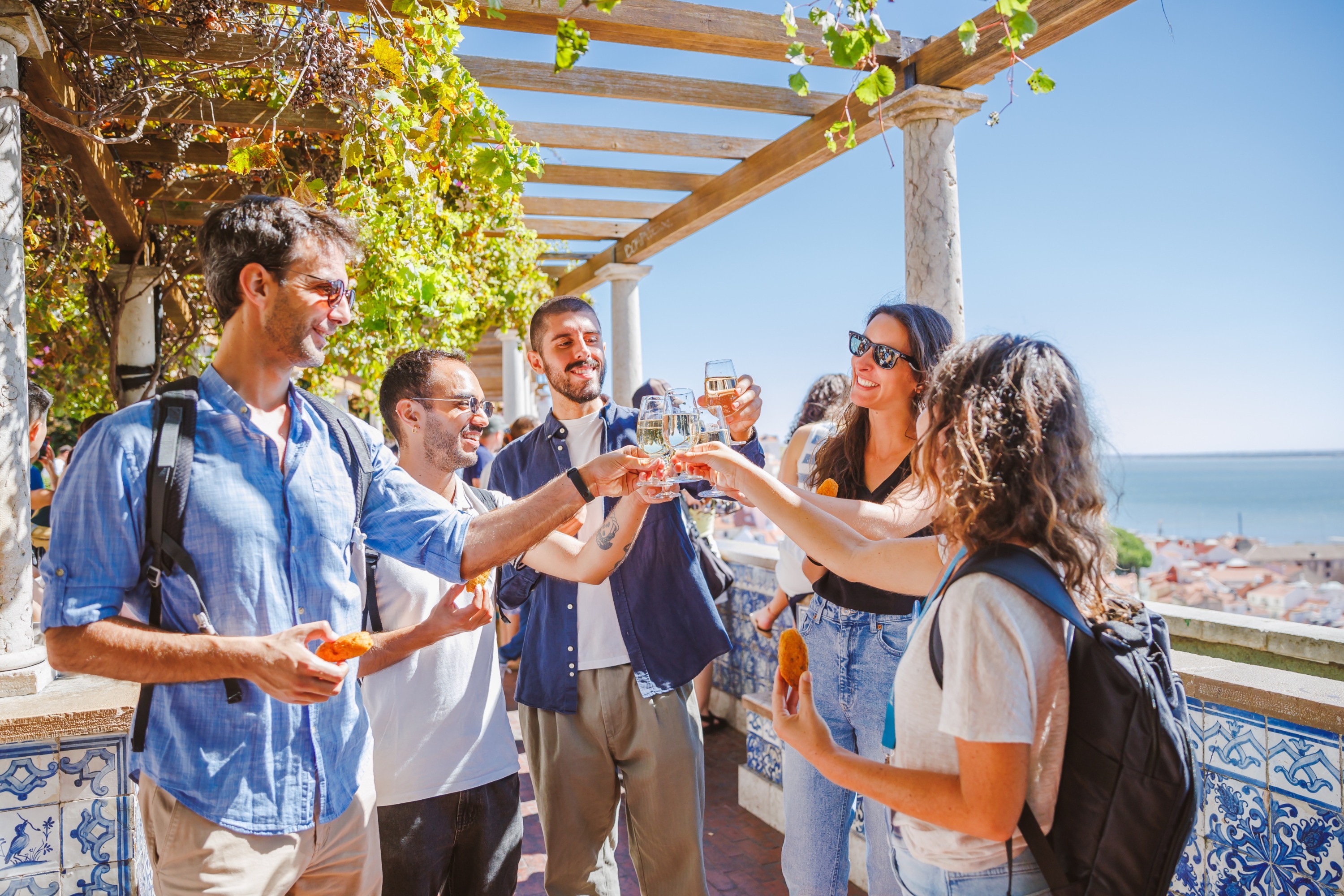
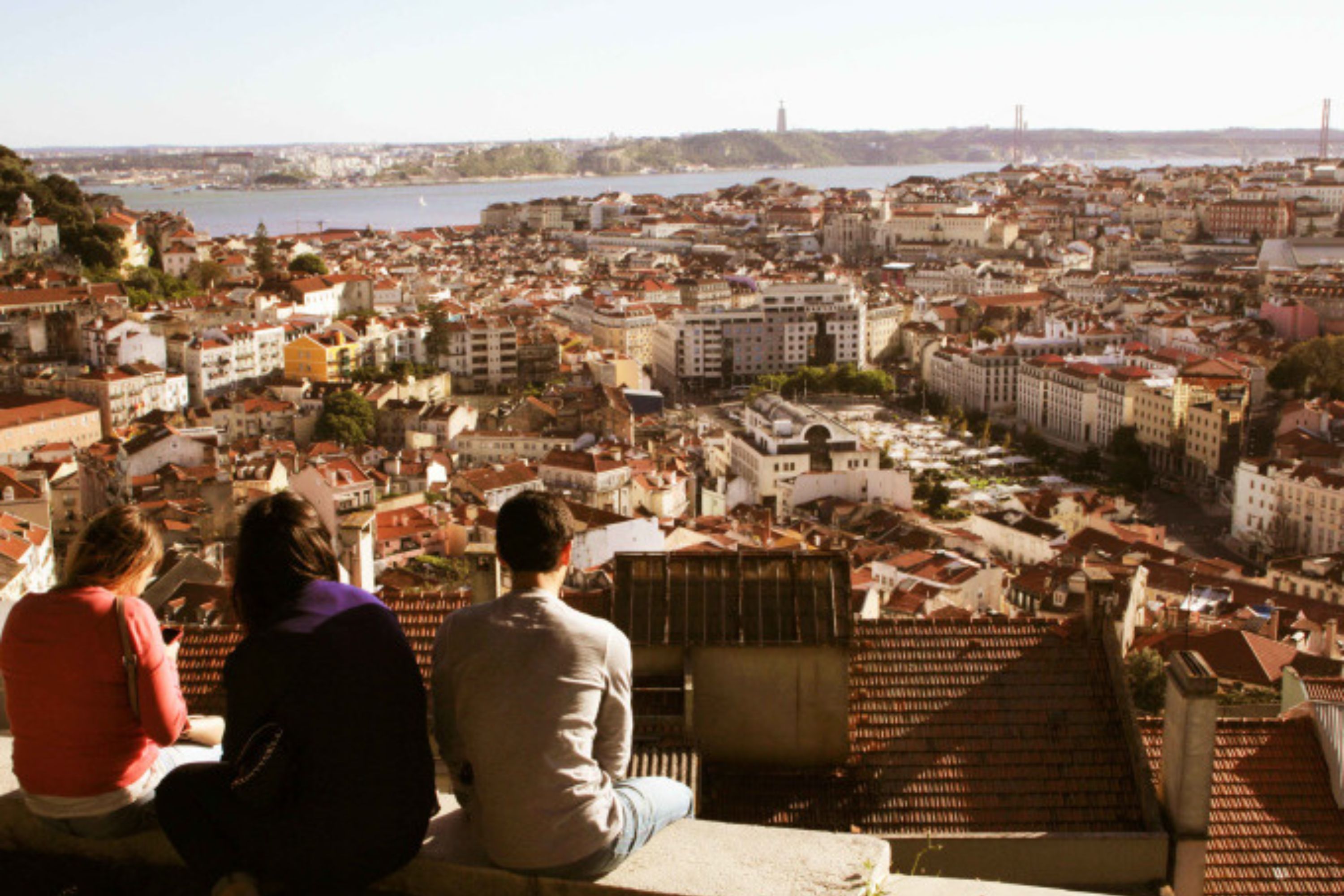
The viewpoint is located in front of the Chapel of Nossa Senhora do Monte. From it you can see, to the south, the Sea of Palha, the Castle of São Jorge, part of downtown Lisbon and the estuary of the Tagus River, to the west, from Bairro Alto to Parque Florestal de Monsanto and, to the north , the valley of Avenida Almirante Reis.
Beside this viewpoint is the small and ancient chapel of Nossa Senhora do Monte (classified as a Public Interest Property), founded in 1147 and dedicated to São Gens, the bishop who, according to tradition, was martyred here. It was on this old Mount of São Gens that D. Afonso Henriques set up camp for the conquest of the city.
The viewpoint is located in the churchyard of the small chapel and was renovated twice in the 20th century. As it is located at the highest point of Bairro da Graça, it is one of the places with the best panoramic views of the city, especially over Mouraria and São Jorge Castle.
3
Stop 3
Pass by
The 25 de Abril Bridge is a railway suspension bridge over the Tagus River that connects the city of Lisbon (north bank) to the city of Almada (south bank), in Portugal. The bridge crosses the Tagus estuary in the final and narrowest part — the so-called Tagus bottleneck.
It is 2,277 meters long. With a free span of 1,013 meters, it is the 33rd longest suspension bridge in the world. The upper deck houses 6 roadways, while the lower deck houses two electrified railway lines.
Projects for the construction of a bridge over the Tagus estuary have existed since the end of the 19th century; however, it was only in the 1950s that the Portuguese Estado Novo government proceeded with the construction of a bridge to connect the two banks of the Lisbon metropolitan area. Construction began in November 1962 and lasted four years. At least 20 workers lost their lives, much more than announced at the time. It opened on August 6, 1966.
4
Stop 4
The National Sanctuary of Christ the King is located at an altitude of 133 meters above the level of the Tagus, consisting of a portico designed by the architect António Lino, 75 meters high, topped by the statue of the Blessed Redeemer with open arms facing the city of Lisbon, 28 meters high, the work of the Portuguese sculptor Francisco Franco de Sousa. The pedestal, including the portico, rises to 82 meters in height. The sanctuary and monument to Christ the King is the biggest tourist attraction in the municipality of Almada.
This monument is the best viewpoint overlooking the city of Lisbon, offering a wide view over the capital and over the 25 de Abril Bridge. In numerous tourist reports about Lisbon, the sanctuary and monument to Cristo Rei, Almada's ex-libris, appears.
It is one of the tallest buildings in Portugal, 110 meters high.
5
Stop 5
The monument was initially thought of by Cottinelli Telmo as a tribute to Infante D. Henrique, following several projects and competitions for Sagres, carried out over the years without any being built. On the occasion of the Exhibition of the Portuguese World, 1940–of which Cottinelli Telmo was chief architect –, it became the Padrão dos Descobrimentos, celebrating not only the Infante but also his collaborators and followers. Conceived by Cottinelli Telmo and the sculptor Leopoldo de Almeida (author of the statuary) for this great exhibition, the initial monument was created in the short space of eight months. Made of perishable materials, it was dismantled in 1958 and rebuilt in the following years, in concrete and lias stone, by decision of Salazar who, on the occasion of the 5th centenary of the Infante, opposed the result of yet another Henrican tender for Sagres (won in 1955 for a remarkable project by a team formed by João Andresen, Barata Feyo and Júlio Resende).
6
Stop 6
Free visit, no set time
7
Stop 7
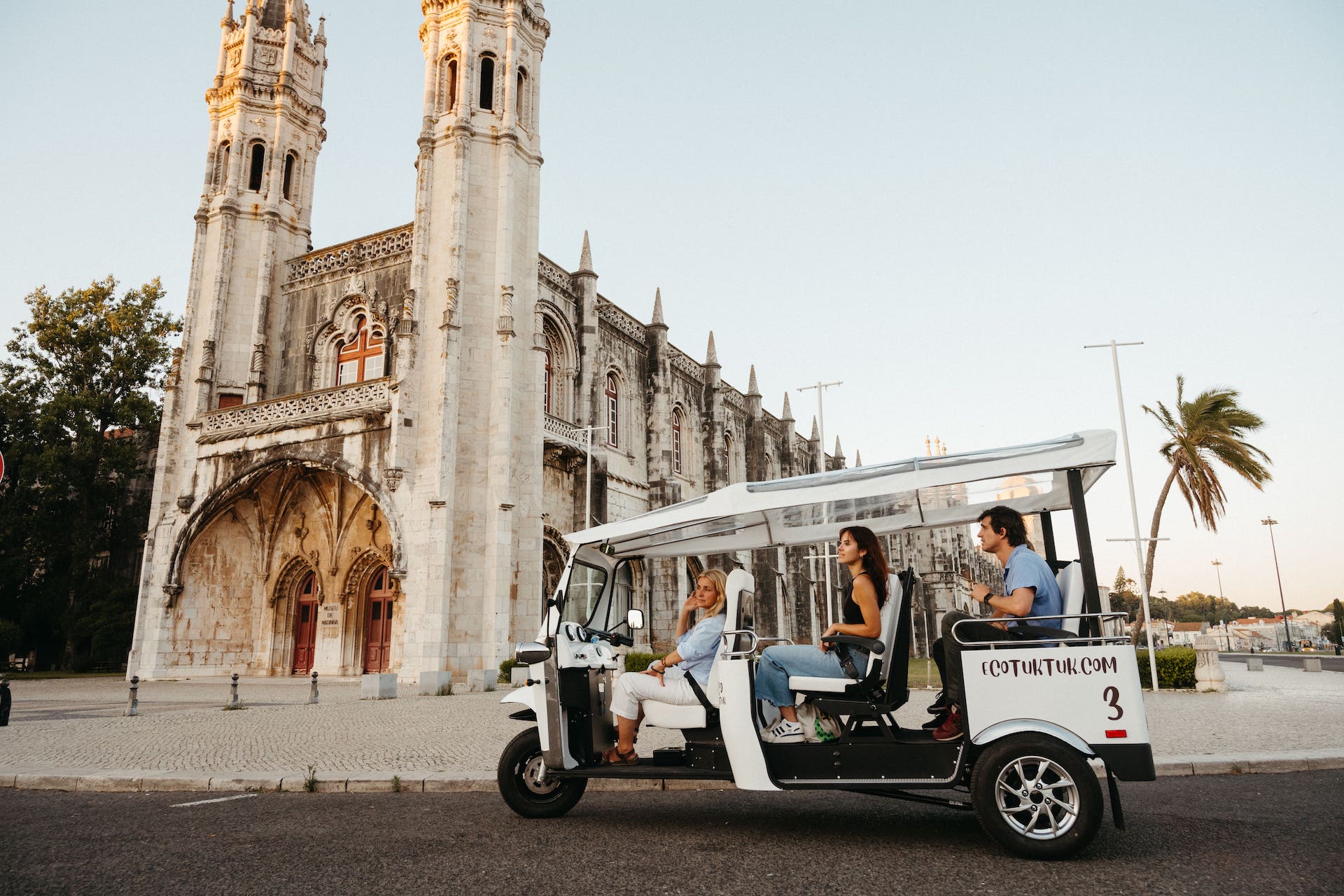
The Monastery of Santa Maria de Belém, better known as Mosteiro dos Jerónimos, is a Portuguese monastery, built at the end of the 15th century by King D. Manuel I and was entrusted to the Order of São Jerónimo.
The culmination of Manueline architecture, this monastery is the most notable Portuguese monastic complex of its time and one of the main hall churches in Europe. Its construction began at the beginning of the 16th century and lasted for a hundred years, having been directed by a remarkable group of architects/master builders.
The Jerónimos Monastery has been classified as a National Monument since 1907 and, in 1983, it was classified as a World Heritage Site by UNESCO, with the Belém Tower. On the 7th of July 2007 it was chosen as one of the seven wonders of Portugal. Closely linked to the Portuguese Royal House and the epic of the Discoveries, the Jerónimos Monastery was, from very early on, "interiorized as one of the symbols of the nation".
What's not included
Entry to the Jeronimos Monastery - €10 per person
Entrance to the Tower of Belem - €6 per person
Entrance to Monument to the Discoveries - €10 per person
Entrance to Cristo Rei - €6 per person
Monastery of Jeronimos
Patrao of Discoveries
Tower of Bethlehem
National Shrine of Christ King
Available languages
Guide guide
PT
EN
ES
Reviews breakdown
Viator
5.0
1 reviews
5★
1
4★
0
3★
0
2★
0
1★
0
Tripadvisor
5.0
13 reviews
5★
13
4★
0
3★
0
2★
0
1★
0
Important information
Infants and small children can ride in a pram or stroller
Service animals allowed
Specialized infant seats are available
Suitable for all physical fitness levels
About Lisbon
Lisbon, the capital of Portugal, is a vibrant city known for its rich history, stunning architecture, and warm climate. With its charming streets, historic trams, and breathtaking viewpoints, Lisbon offers a unique blend of old-world charm and modern energy.
Top Attractions
Belém Tower
A UNESCO World Heritage Site, this 16th-century tower is an iconic symbol of Lisbon's Age of Discoveries.
Historical
1-2 hours
€6
Alfama District
Lisbon's oldest district, known for its narrow, winding streets, Fado music, and historic charm.
Historical
Half day
Free to explore, attractions may have entry fees
Sintra
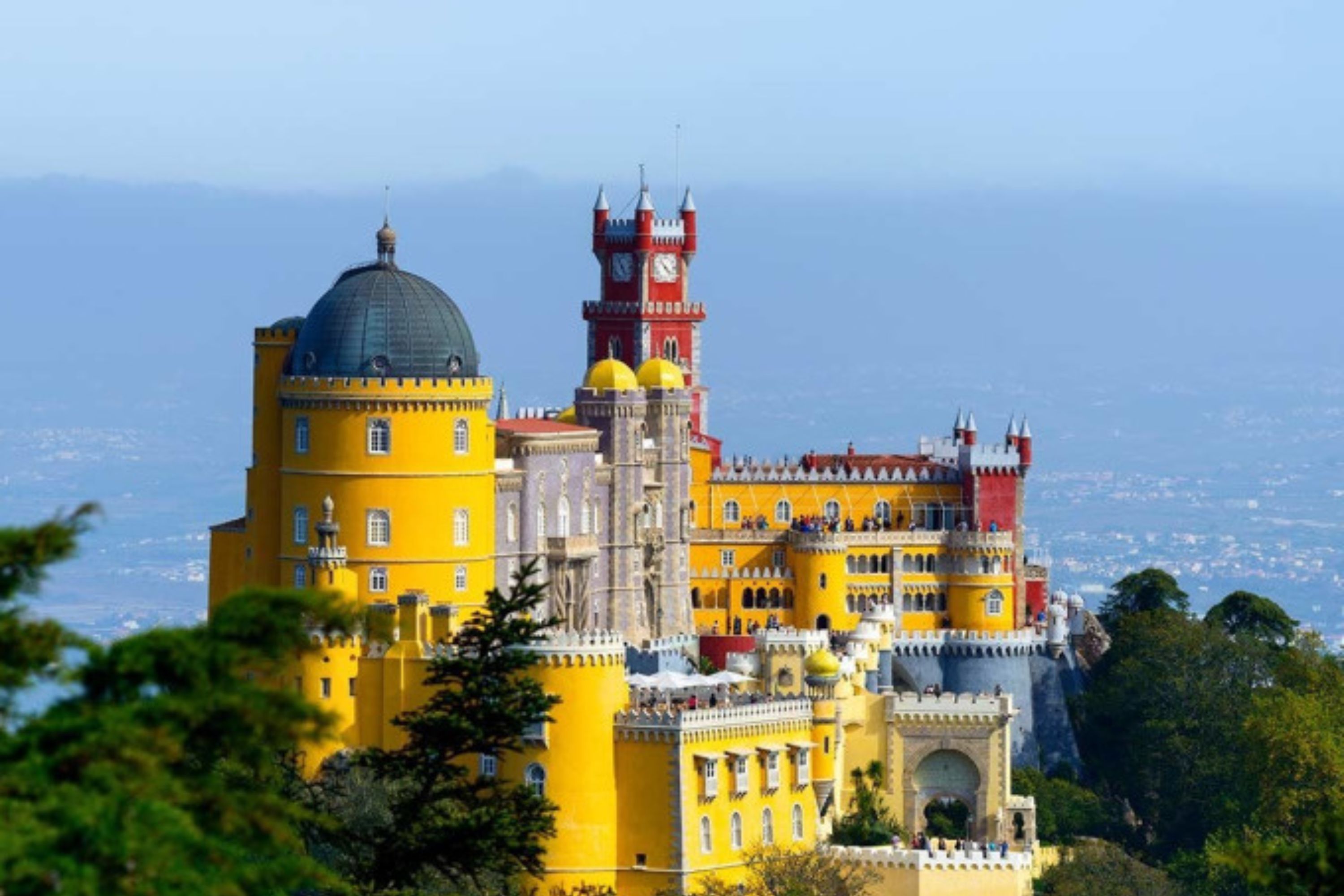
A UNESCO World Heritage Site, Sintra is a romantic town with stunning palaces and castles.
Historical
Full day
Varies by attraction, around €10-€15 per site
Must-Try Local Dishes
Bacalhau à Brás
Shredded codfish with eggs, potatoes, and onions
Main Dish
Contains fish and eggs
Pastel de Nata
Custard tart with a flaky pastry crust
Dessert
Contains dairy and eggs
Francesinha
A sandwich with meat, cheese, and a beer-based sauce
Main Dish
Contains meat, cheese, and gluten
Popular Activities
Hiking in Sintra
Surfing in Ericeira
Parasailing in Cascais
Beach lounging in Costa da Caparica
Spa day in a luxury hotel
Picnic in Jardim da Estrela
Visiting museums and galleries
Attending Fado performances
Best Time to Visit
March to May, September to October
These months offer pleasant weather and fewer crowds, making it ideal for sightseeing and outdoor activities.
15-25°C
59-77°F
Practical Information
Language
- Official: Portuguese
- Widely spoken: English, Spanish, French
- English: Moderately spoken
Currency
Euro (EUR)
Time Zone
GMT+1 (Western European Time, WET)
Electricity
230VV, 50HzHz
Safety Information
Overall Safety Rating: Generally safe
Lisbon is generally safe, but pickpocketing and petty theft can occur in crowded areas.
Important Precautions:
- • Be cautious of pickpockets in crowded areas
- • Use licensed taxis or ride-sharing apps
- • Avoid walking alone at night in less crowded areas
Getting there
By air
- Humberto Delgado Airport • 7 km from city center
By train
Santa Apolónia, Oriente
By bus
Sete Rios, Jardim do Campo Grande, Gare do Oriente
Getting around
Public transport
Efficient and clean, with four lines connecting major attractions.
Taxis
Available • Apps: Bolt, FreeNow
Rentals
Car, Bike, Scooter
Neighborhoods
Alfama
Baixa
Bairro Alto
Day trips
Sintra
25 km from Lisbon • Full day
A romantic town with stunning palaces, castles, and lush gardens.
Cascais
30 km from Lisbon • Half day to full day
A charming coastal town with beautiful beaches, historic sites, and a relaxed atmosphere.
Óbidos
80 km from Lisbon • Full day
A medieval town with a well-preserved castle, narrow streets, and charming shops.
Festivals
Santos Populares • June 13th
Festival dos Oceanos • June to September
Arraial do Alfoz • June to September
Pro tips
- Visit the Time Out Market for a variety of local and international cuisines
- Take a day trip to Sintra and Cascais for a mix of history and beach relaxation
- Explore the LX Factory for a unique shopping and dining experience
- Ride the historic Tram 28 for a scenic tour of the city
- Visit the MAAT museum for a blend of art, architecture, and technology
From $25
per person
Price varies by option
Secure booking
Free cancellation available
Instant confirmation