Private Tuk Tuk Tour in Rabat
Active
3h
For a full refund, cancel at least 24 hours before the scheduled departure time.
Instant confirmation
Mobile or paper ticket accepted
About this experience
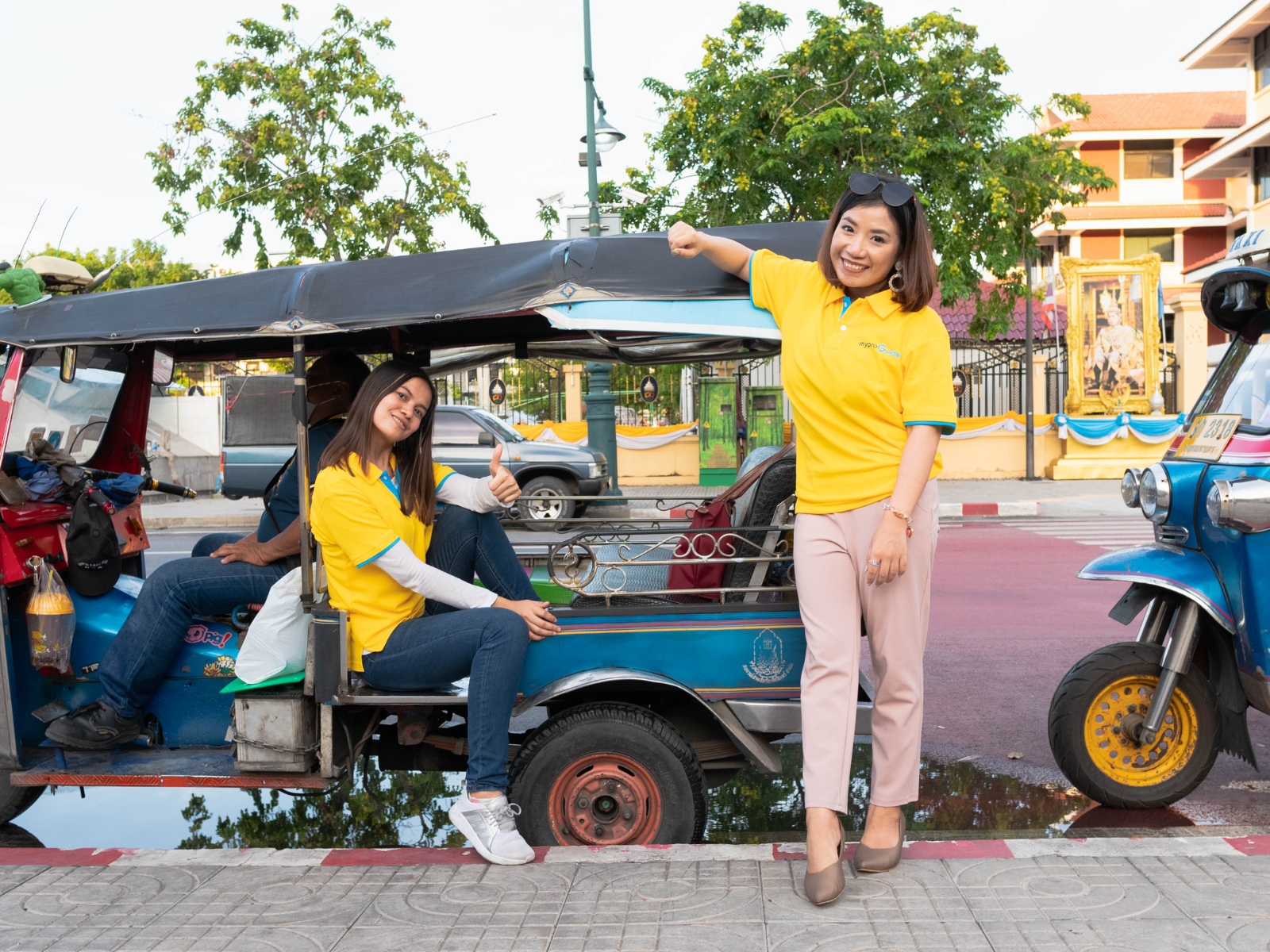
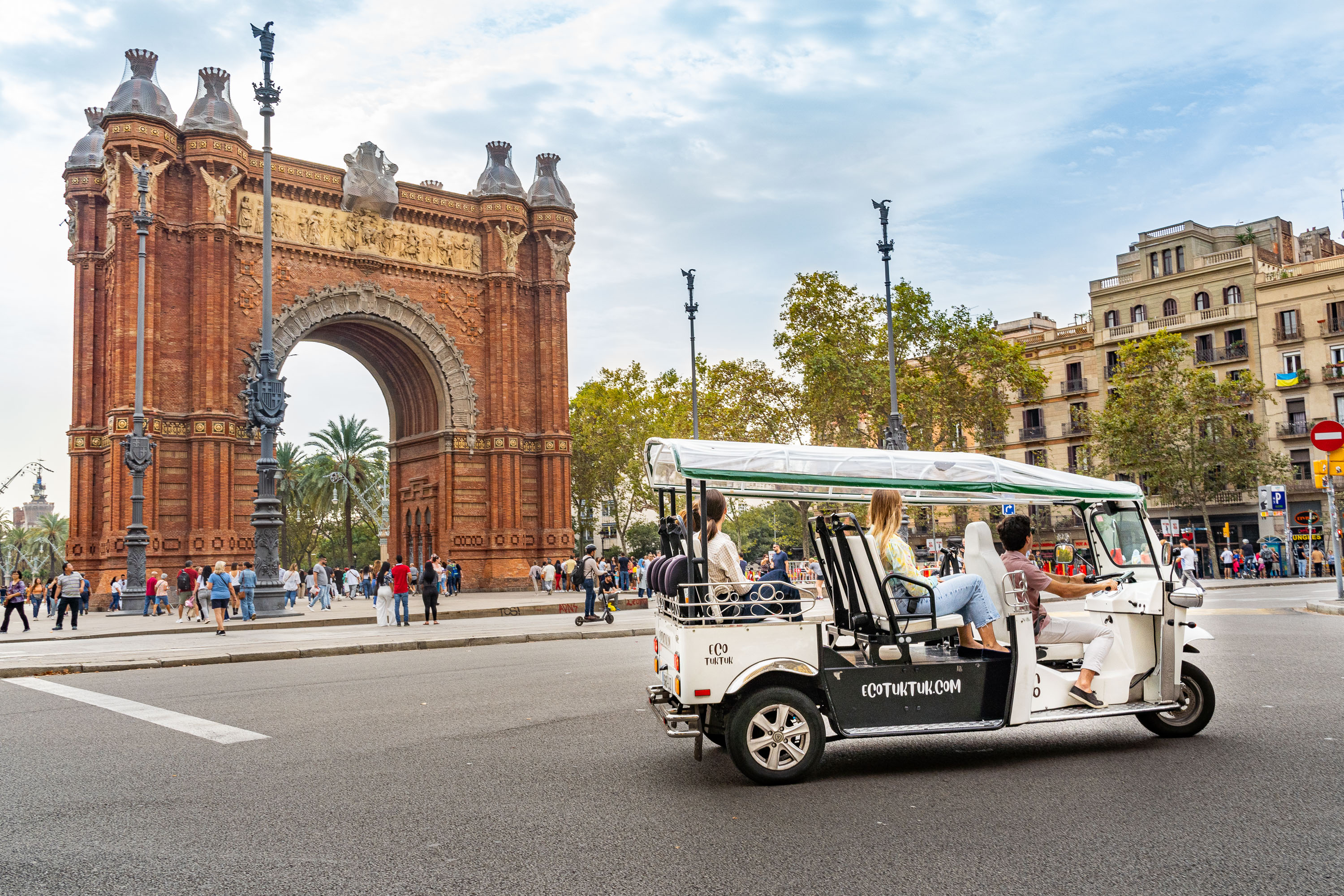
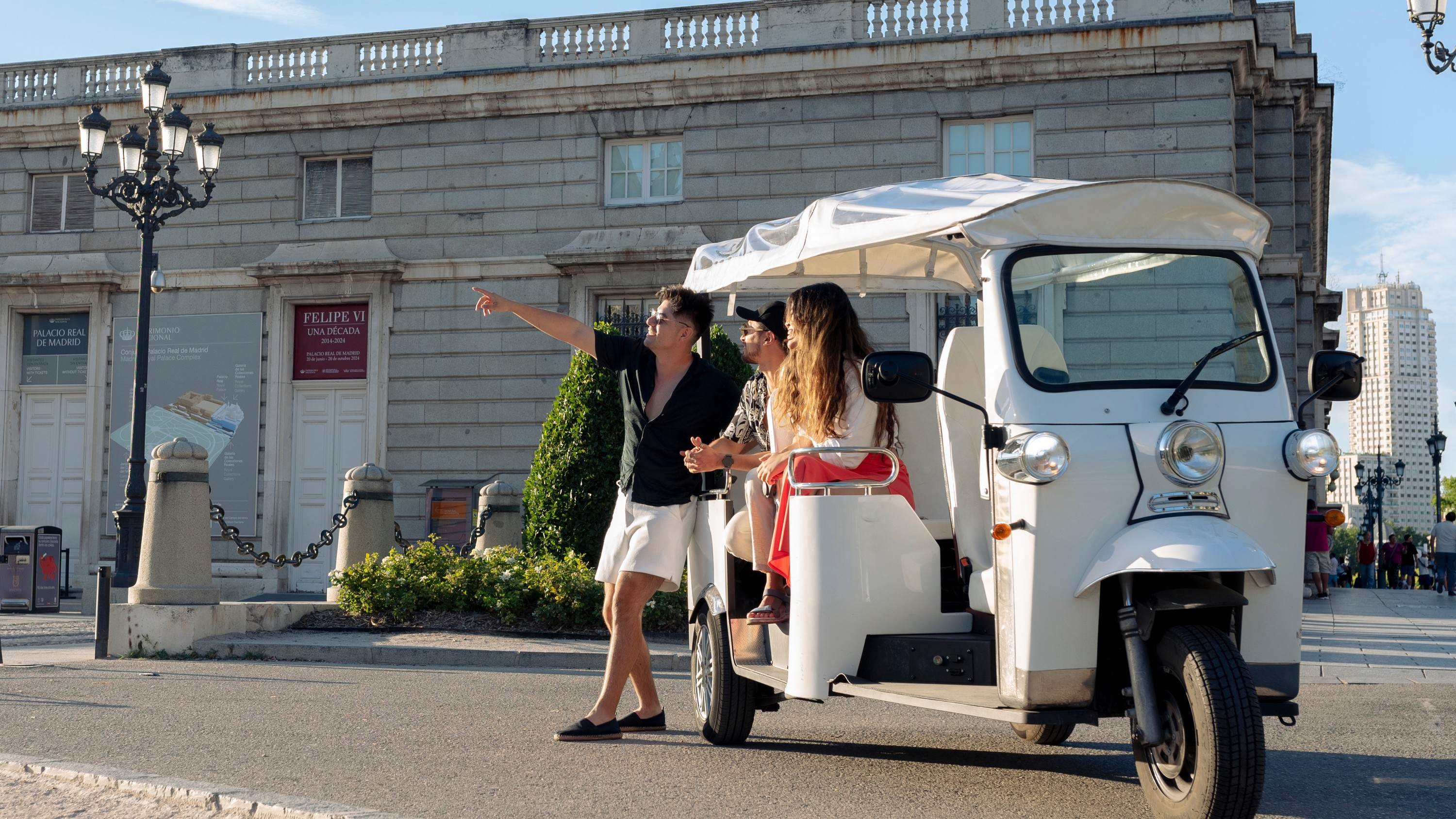
Discover Rabat in the most authentic and eco-friendly way — aboard your own private tuk-tuk!
This guided tour is a fun, comfortable, and relaxing way to explore Morocco’s capital city at your own pace.
Sit back and enjoy the ride as your local guide takes you through the city’s must-see highlights:
• The Old Medina with its vibrant markets and lively streets
• The Hassan Tower and the Mausoleum of Mohammed V, Rabat’s most iconic landmarks
• The Oudayas Kasbah, a UNESCO World Heritage site full of charm and history
• Lush gardens and scenic viewpoints perfect for photos and relaxation
Along the way, you’ll hear fascinating local stories and discover hidden gems that most visitors miss.
Whether you’re traveling solo, as a couple, or with family and friends, this private tuk-tuk tour offers the perfect mix of culture, history, and fun — all with an eco-friendly twist!
Book now and experience Rabat like a local
Available options
Private Tuk Tuk Tour in Rabat
Pickup included
What's included
Private transportation
music on demand
Photography
Detailed itinerary
1
Stop 1
The Oudayas Kasbah was initially built in the 12th century by the Almoravids to fight against the Berghouata tribes. It only became important with the Almohads, who made it a military camp, a ribat overlooking the mouth of the Bouregreg River and named it Mehdiya. The kasbah served as a base for the Moroccan armies setting out to conquer Andalusia, led by the Almohad dynasty
2
The Andalusian Gardens, nestled within the Kasbah of the Oudayas, are a serene and picturesque oasis in Rabat. These beautifully landscaped gardens, created during the French colonial period, feature a harmonious blend of lush greenery, vibrant flowers and tranquil fountains. While strolling through the gardens, visitors can enjoy the peaceful ambiance, admire traditional Moroccan architecture and take in the fragrant scents of jasmine and orange blossom. The Andalusian Gardens provide a perfect escape from the hustle and bustle of the city, offering a relaxing and visually captivating experience.
3
The Hassan Tower is an iconic historical monument in Rabat, originally intended to be the tallest minaret in the world. Commissioned in the 12th century by Sultan Yacoub al-Mansour, the tower stands 44 metres tall, a striking testament to its incomplete construction. The site also includes the ruins of an unfinished mosque and a beautifully landscaped esplanade adorned with columns. A visit to the Hassan Tower will captivate you with its intricate architectural details and panoramic views of the city and the Bou Regreg River. This remarkable monument offers a fascinating insight into Morocco’s rich history and architectural heritage
4
Stop 4
The Mausoleum of Mohammed V is a magnificent and venerated monument in Rabat, serving as the last home to King Mohammed V and his two sons, King Hassan II and Prince Abdallah. Built in the traditional Moroccan architectural style, the mausoleum features a superb white marble exterior and an interior richly decorated with intricate mosaics, carved wood and gold leaves. Visitors can marvel at the exquisite know-how and solemn beauty of this sacred site, symbol of the royal heritage of Morocco. The Mohammed V Mausoleum is a must-see destination, offering a deep insight into the country's history and a place of reflection and respect
5
Chellah is an ancient archaeological site located just outside the city walls of Rabat. This historic necropolis, dating back to the Phoenician and Roman eras, later became an important Islamic complex. As you explore Chellah, you will wander through the ruins of ancient structures, including Roman streets, Islamic minarets and beautiful gardens. The site is home to a variety of flora and fauna, creating a tranquil and enchanting atmosphere. Visiting Chellah offers a fascinating journey through Morocco’s history, offering insight into its diverse cultural and architectural heritage in a serene and picturesque setting. Entrance fee is 7 euros per person
6
The Royal Palace of Rabat, also known as Dar al-Makhzen, is the official residence of the King of Morocco. This magnificent palace complex, built in the 18th century, is a masterpiece of traditional Moroccan architecture, with vast courtyards, lush gardens, and ornate buildings. Although the interior of the palace is not open to the public, visitors can admire its impressive exterior and the grandeur of its design from the surrounding gardens. The Royal Palace is a symbol of the Moroccan monarchy and heritage, offering a glimpse into the country's royal traditions and the elegance of its historic architecture
7
Rabat’s Old Medina is a historic and vibrant district, bustling and rich in cultural heritage. This maze of narrow streets and alleys is filled with traditional souks, where you can find a variety of goods, from handmade jewelry and textiles to aromatic spices and fresh produce. As you wander through the medina, you’ll encounter historic buildings, charming cafes, and local artisans at work. The Old Medina offers an authentic Moroccan experience, allowing you to immerse yourself in the daily rhythms and vibrant atmosphere of Rabat’s ancient heart. Exploring this vibrant district is a journey back in time, showcasing Morocco’s enduring charm and cultural richness
What's not included
Coffee and/or Tea
Entry:The site of the archaeological chellah for 7 USD
Tourist guide
Available languages
Guide guide
AR
EN
FR
Reviews breakdown
Viator
5.0
5 reviews
5★
5
4★
0
3★
0
2★
0
1★
0
Tripadvisor
4.8
12 reviews
5★
10
4★
2
3★
0
2★
0
1★
0
Important information
Public transportation options are available nearby
Infants are required to sit on an adult’s lap
Suitable for all physical fitness levels
Meeting point
Pickup is available from Rabat Ville Train Station. We meet travelers at the main entrance on Avenue Mohammed V. Please wait next to the taxi area
About Rabat
Rabat is the capital of Morocco, offering a blend of historic charm and modern vibrancy. As a coastal city on the Atlantic, it boasts beautiful beaches, rich cultural heritage, and a relaxed atmosphere compared to more touristy Moroccan cities.
Top Attractions
Kasbah of the Udayas
A stunning 12th-century fortress with beautiful gardens and views of the Atlantic and Bou Regreg River. The blue-and-white buildings and narrow streets offer a picturesque setting.
Historical/Architecture
1-2 hours
Free to enter the Kasbah, 10 MAD for the museum
Hassan Tower
An unfinished 12th-century minaret that was intended to be the largest in the world. It stands as a symbol of Rabat and offers insights into Moroccan history and architecture.
Historical/Architecture
30 minutes to 1 hour
Free to view from the outside, 10 MAD to enter the mausoleum
Chellah Necropolis
A 14th-century medieval necropolis with ruins, gardens, and stork nests. It's a peaceful and historic site with a mix of Roman and Islamic influences.
Historical/Architecture
1-2 hours
Free
Rabat Beach
A long stretch of sandy beach along the Atlantic coast, offering a relaxing escape from the city. It's popular for swimming, sunbathing, and water sports.
Beach
Half day or more
Free
Mohammed VI Museum of Modern and Contemporary Art
A modern art museum showcasing works by Moroccan and international artists. The building itself is an architectural marvel with a striking design.
Museum
1-2 hours
50-100 MAD
Must-Try Local Dishes
Tagine
A slow-cooked stew made with meat (lamb, chicken, or beef), vegetables, and spices, cooked in a conical clay pot.
Main Course
Can be vegetarian or vegan if made without meat.
Couscous
Steamed semolina grains served with vegetables and meat, often cooked in a spiced broth.
Main Course
Can be vegetarian or vegan if made without meat.
Pastilla
A savory-sweet pie made with layers of thin pastry, filled with spiced pigeon or chicken, almonds, and powdered sugar.
Main Course
Contains meat and nuts.
Harira
A hearty soup made with tomatoes, lentils, chickpeas, and lamb or chicken, flavored with spices and served with lemon.
Soup
Can be vegetarian or vegan if made without meat.
Popular Activities
Hiking in the nearby mountains
Surfing and water sports at Rabat Beach
Exploring historic sites and ruins
Sunbathing and swimming at Rabat Beach
Enjoying a mint tea at a seaside cafe
Strolling through the Andalusian gardens in the Kasbah of the Udayas
Exploring the medina and its markets
Visiting historic sites like the Hassan Tower and Chellah Necropolis
Best Time to Visit
Spring (March to May) and Fall (September to November)
These seasons offer the most comfortable weather for exploring the city's attractions. The crowds are moderate, and the city is lively with cultural events.
15°C to 25°C
59°F to 77°F
Practical Information
Language
- Official: Arabic
- Widely spoken: French, Berber
- English: Moderately spoken in tourist areas, limited elsewhere
Currency
Moroccan Dirham (MAD)
Time Zone
GMT+0 (Western European Time)
Electricity
220VV, 50HzHz
Safety Information
Overall Safety Rating: Generally safe, but exercise caution in crowded areas and at night
Rabat is generally safe for tourists, but petty crime like pickpocketing and scams can occur, especially in crowded areas and tourist spots. Be cautious at night, and avoid walking alone in poorly lit areas.
Important Precautions:
- • Be cautious of your belongings in crowded areas
- • Use reputable taxi services or app-based taxis
- • Avoid walking alone at night in poorly lit areas
Getting there
By air
- Rabat-Salé Airport • 8 km from city center
By train
Rabat-Ville Station
By bus
Rabat City Center Bus Station, Salé Bus Station
Getting around
Public transport
The tram system is modern, efficient, and affordable. It's a great way to get around the city.
Taxis
Available • Apps: Careem, Heetch
Rentals
Car, Bike, Scooter
Neighborhoods
Medina of Rabat
Ville Nouvelle (New Town)
Salé
Day trips
Salé
2 km from Rabat • Half day
Salé is connected to Rabat by the Bou Regreg River and offers a mix of historic sites, beaches, and local markets. It's a great place to experience authentic Moroccan culture.
Chefchaouen
160 km from Rabat • Full day or overnight
Known as the 'Blue Pearl' for its blue-washed buildings, Chefchaouen is a charming mountain town with a relaxed atmosphere and stunning views.
Casablanca
80 km from Rabat • Half day or full day
Morocco's largest city and economic hub, Casablanca offers a mix of modern architecture, historic sites, and vibrant culture.
Festivals
Rabat Festival • June to July
Mawazine Rhythm and Blues Festival • May to June
Ramatoulaye • July
Pro tips
- Learn a few basic phrases in Arabic or French to enhance your experience and connect with locals
- Visit the medina early in the morning or late in the afternoon to avoid the heat and crowds
- Try local street food for an authentic and affordable culinary experience
- Use the tram and bus systems for affordable and efficient transportation around the city
- Be cautious of your belongings in crowded areas and tourist spots, as pickpocketing can occur
From $25
per person
Price varies by option
Secure booking
Free cancellation available
Instant confirmation