Private Port Tour with Destroy DE Port Wine
Active
12h
For a full refund, cancel at least 24 hours before the scheduled departure time.
Instant confirmation
Mobile or paper ticket accepted
About this experience
Our Tour is part of the "Clean & Safe" program that certifies that we have the hygiene and safety requirements. This is a tour that will take us to the North of Portugal We entered the city of Porto by the Infante Bridge where you will have an unforgettable business card with the views that the bridge and the whole city provides you. With your guide we will tour the most important points of the city such as the Cathedral to Torre dos Clérigo to St. Benedict's Station to Church of San Francisco and walk to Ribeira which is on the banks of the River Douro and of an unforgettable beauty with its colors and granite houses.
Before returning to Lisbon we suggest visiting a wine cellar of Porto and tasting one of the most famous wines of Portugal.
We take care of every detail so you feel safe and comfortable.
Available options
Tour Porto and Douro from Lisbon
Tour<br/>Pickup included
Private Luxury Tour to Porto.
Private Luxury Tour to Porto.<br/>Tour<br/>Duration: 10 hours<br/>Sedan/Van<br/>Pickup included
What's included
Private transportation
WiFi on board
Bottled water
Air-conditioned vehicle
Detailed itinerary
1
Stop 1
Starting point
2
Stop 2
The Clérigos Church is a genuine baroque work from the mid-19th century. XVIII, designed by Nicolau Nasoni, an architect of Italian origin who left his mark on many monuments in Porto and the northern region of Portugal. Nasoni is buried, at his request, in a small chapel.
The entire front of the temple shows a very interesting Baroque decoration, which is worth appreciating in detail. The granite and marble interior, lined with baroque carvings, also reveals the mastery of its architect. In the chancel, there is a polychrome altarpiece by Manuel Porto.
But the most striking element of this set is the Tower built in granite stone that rises from the western top of the body of the church. Unmistakable ex-libris of the city and extremely slender at its 75m high, the Tower develops in rhythmic sections that end in a crowning baroque decoration. beautiful views of Porto.
3
Stop 3
Livraria Lello is a bookstore of extraordinary historical and architectural value, located at number 144, Rua das Carmelitas, in the city of Porto, in Portugal.
Its origins date back to 1881, when the brothers José and António Lello opened an establishment in Rua do Almada, in Porto, dedicated to the trade and publication of books. In 1894 they acquired Livraria Chardron, founded in 1869 by French publisher Ernesto Chardron, responsible for publishing a large part of Camilo Castelo Branco's work. Inaugurated in 1906, the building boasts a neo-Gothic-style façade, standing out from the surrounding urban landscape. Inside, shelves and ceilings are copiously crafted, with particular emphasis on the extraordinary staircase leading to the first floor and the large stained glass window that bears the monogram with the motto of the bookshop “Decus in labore”. In 2016, the façade and the stained glass window underwent a careful restoration that brought them back to their original appearance and luminosity.
4
Stop 4
The construction of the cathedral began in the 12th century and, throughout history, it has undergone many reconstructions, which is why it has different styles. Most of the cathedral is Baroque, although the structure of the façade and the body of the church are Romanesque, and the cloister and chapel of São João Evangelista are Gothic.
Inside, the large columns increase the feeling of narrowness and height of the central nave. The decoration is very sober and the walls are empty, except for the main altar and some chapels in the Baroque style. Access to the cathedral's cloister is from the inside, through a door located on the right side. This cloister belongs to the 14th century and is decorated with tiles that reflect religious scenes. From the Cloister, you can also enter the Casa do Cabido, where the “cathedral treasure” is on display, a collection of objects of religious jewellery.
5
Stop 5
The first stone was cast in 1900 by King D. Carlos I, in the place where the old convent of S. Benedict of Ave Maria was formerly located. The initial project was by the architect Marques da Silva, denoting in its exterior trait influences of the architecture that was practiced in France at the time.
It is remarkable and deserves to be visited the interior of the large lobby, lined with twenty thousand pictorial tiles by Jorge Colaço, which represent suggestive historical and ethnographic paintings.
The colorful friso that is found all around the atrium tells the history of the means of transport in chronological order, from the beginnings to the appearance of the train. Below, large historical panels represent scenes from the history of Portugal.
6
Stop 6
The Douro is the 2nd largest river in the Iberian Peninsula. It rises in the north of Spain at an altitude of 2080 meters in the province of Soria, on the peaks of the Serra de Urbião (Sierra de Urbión) and travels 850 kilometers to its mouth in Portugal, next to the cities of Porto and Vila Nova de Gaia.
In Spain, it passes along the cities of Soria, Aranda de Duero, Valladolid, Tordesillas and Zamora.
In the International Douro, where the river marks the border between Portugal and Spain, it travels 112 kilometers, passing by the city of Miranda do Douro.
It enters Portugal in Barca D’Alva, and travels 213 kilometers to its mouth. It passes next to the towns of Vila Nova de Foz Côa, Peso da Régua, flowing next to Porto and Vila Nova de Gaia.
The Douro, more than a river, has since ancient times been a central artery of life in the region, being an essential transport channel for transporting Douro wine and people. But the Douro used to be a dangerous and untamed river where only Rabelo boats could navigate.
7
Stop 7
1879 - Gustave Eiffel presents a project for the construction of a new bridge over the Douro, with only a drawbridge to facilitate navigation; this project was turned down due to growing urban development, which made it necessary to design a bridge with two decks; 1880, November - The projects of the Compagnie de Fives-Lille, Cail & C., Schneider & C., Gustave Eiffel, Lecoq e C., Société de Braine -le-Comte, Société des Batognolles (two projects), Andrew Handyside & C., Société de Construction de Willebroek (two projects), and John Dixon; 1881, January - it is decided that one of the projects proposed by the Société de Willebroek, worth 369,000$000, is the one that offers the best conditions; 1881, 21 November - the work is awarded to the Belgian society Société Willebreck, in Brussels, for the amount of 402 contos, which Théophile Seyrig, disciple of Gustave Eiffel, was administrator
8
Taylor’s is one of the oldest Port Wine houses dedicated exclusively to the production of Port wine and, especially, its best styles.
The Porto wine is one of the great classical European wines being its history as long as fascinating. One of the fascinating aspects of Porto Wine is its variety of styles, each with its own characteristic flavors.
Created more than three centuries ago, in 1692, Taylor’s is one of the oldest wine trade houses in Porto, dedicated exclusively to the production of Porto wine and, especially, its finest styles.
9
Stop 9
point of return
What's not included
Entrance tickets to the monuments +-50€
Reviews breakdown
Tripadvisor
5.0
1 reviews
5★
1
4★
0
3★
0
2★
0
1★
0
Important information
Infants and small children can ride in a pram or stroller
Service animals allowed
Specialized infant seats are available
Suitable for all physical fitness levels
About Lisbon
Lisbon, the capital of Portugal, is a vibrant city known for its rich history, stunning architecture, and warm climate. With its charming streets, historic trams, and breathtaking viewpoints, Lisbon offers a unique blend of old-world charm and modern energy.
Top Attractions
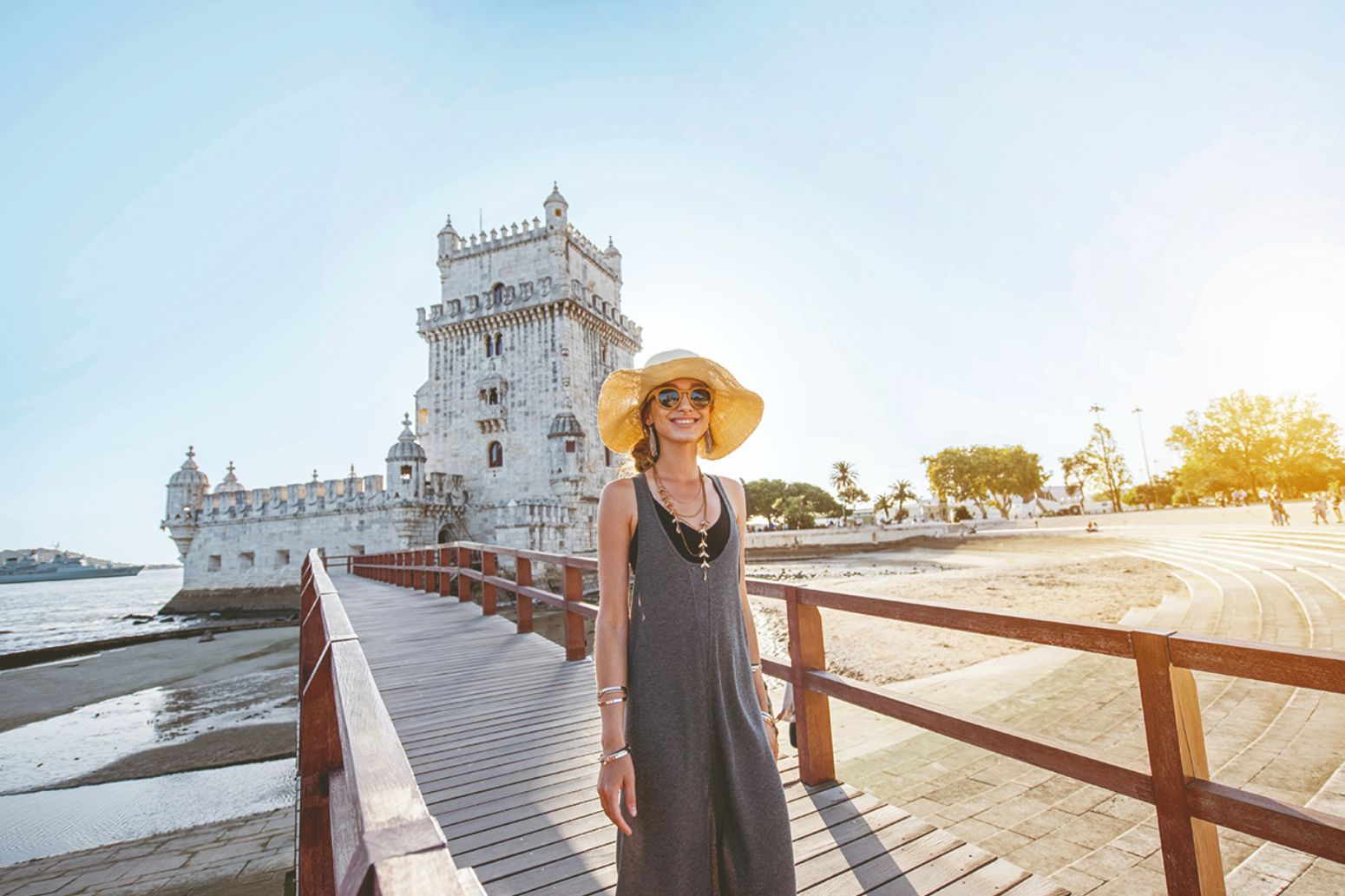
Belém Tower
A UNESCO World Heritage Site, this 16th-century tower is an iconic symbol of Lisbon's Age of Discoveries.
Historical
1-2 hours
€6
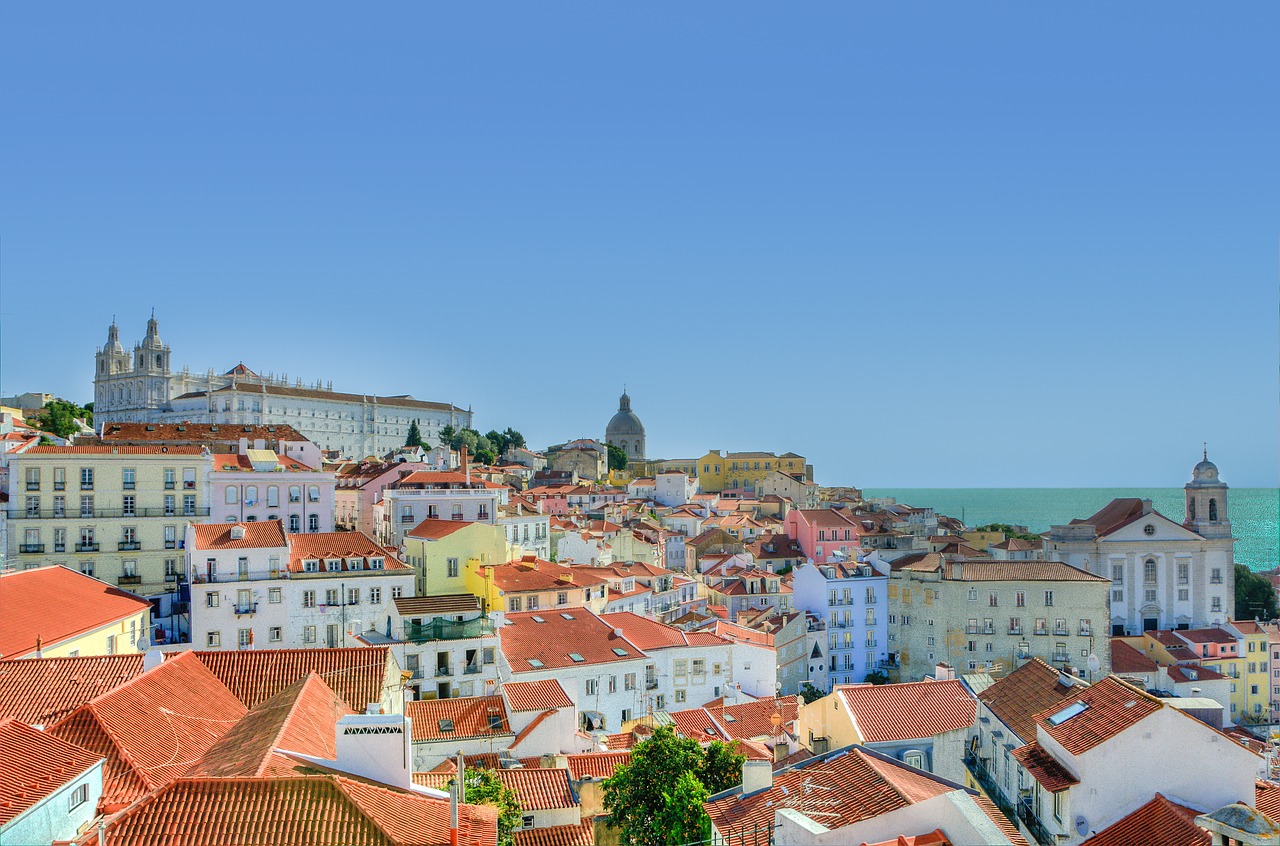
Alfama District
Lisbon's oldest district, known for its narrow, winding streets, Fado music, and historic charm.
Historical
Half day
Free to explore, attractions may have entry fees
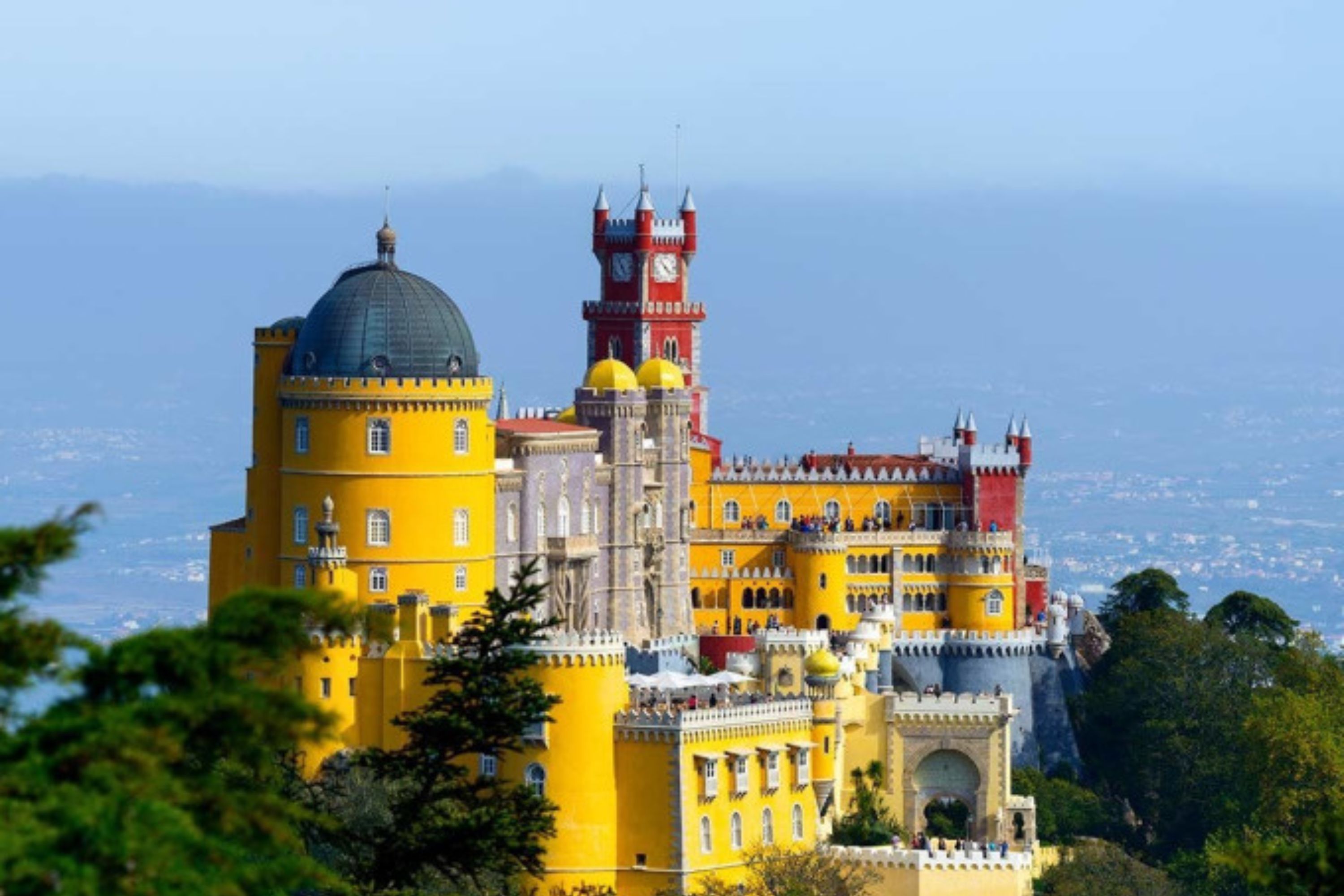
Sintra
A UNESCO World Heritage Site, Sintra is a romantic town with stunning palaces and castles.
Historical
Full day
Varies by attraction, around €10-€15 per site
Must-Try Local Dishes
Bacalhau à Brás
Shredded codfish with eggs, potatoes, and onions
Main Dish
Contains fish and eggs
Pastel de Nata
Custard tart with a flaky pastry crust
Dessert
Contains dairy and eggs
Francesinha
A sandwich with meat, cheese, and a beer-based sauce
Main Dish
Contains meat, cheese, and gluten
Popular Activities
Hiking in Sintra
Surfing in Ericeira
Parasailing in Cascais
Beach lounging in Costa da Caparica
Spa day in a luxury hotel
Picnic in Jardim da Estrela
Visiting museums and galleries
Attending Fado performances
Best Time to Visit
March to May, September to October
These months offer pleasant weather and fewer crowds, making it ideal for sightseeing and outdoor activities.
15-25°C
59-77°F
Practical Information
Language
- Official: Portuguese
- Widely spoken: English, Spanish, French
- English: Moderately spoken
Currency
Euro (EUR)
Time Zone
GMT+1 (Western European Time, WET)
Electricity
230VV, 50HzHz
Safety Information
Overall Safety Rating: Generally safe
Lisbon is generally safe, but pickpocketing and petty theft can occur in crowded areas.
Important Precautions:
- • Be cautious of pickpockets in crowded areas
- • Use licensed taxis or ride-sharing apps
- • Avoid walking alone at night in less crowded areas
Getting there
By air
- Humberto Delgado Airport • 7 km from city center
By train
Santa Apolónia, Oriente
By bus
Sete Rios, Jardim do Campo Grande, Gare do Oriente
Getting around
Public transport
Efficient and clean, with four lines connecting major attractions.
Taxis
Available • Apps: Bolt, FreeNow
Rentals
Car, Bike, Scooter
Neighborhoods
Alfama
Baixa
Bairro Alto
Day trips
Sintra
25 km from Lisbon • Full day
A romantic town with stunning palaces, castles, and lush gardens.
Cascais
30 km from Lisbon • Half day to full day
A charming coastal town with beautiful beaches, historic sites, and a relaxed atmosphere.
Óbidos
80 km from Lisbon • Full day
A medieval town with a well-preserved castle, narrow streets, and charming shops.
Festivals
Santos Populares • June 13th
Festival dos Oceanos • June to September
Arraial do Alfoz • June to September
Pro tips
- Visit the Time Out Market for a variety of local and international cuisines
- Take a day trip to Sintra and Cascais for a mix of history and beach relaxation
- Explore the LX Factory for a unique shopping and dining experience
- Ride the historic Tram 28 for a scenic tour of the city
- Visit the MAAT museum for a blend of art, architecture, and technology
From $25
per person
Price varies by option
Secure booking
Free cancellation available
Instant confirmation