Religious Tour in San Miguel de Allende
Active
2h
For a full refund, cancel at least 24 hours before the scheduled departure time.
Instant confirmation
Mobile or paper ticket accepted
About this experience
The tour has been designed to offer a comprehensive view of religiosity in San Miguel de Allende, the only tour with this approach. Whether you are interested in pilgrimage, history, or exploring the spirituality of the place, this tour represents a unique opportunity to understand the sacred legacy of St. Michael of Allende, as well as its art, ecclesiastical architecture and contemporary religious traditions. The transformation of the area, devotions, processions and cultural manifestations are analyzed, providing a historical and contemporary context from the religious aspect.
This visit is thought-provoking and respectful of traditions and customs wherever you are, since religion is everywhere.
Available options
Religious Tour in San Miguel de Allende
What's included
Government Fees
Detailed itinerary
1
At the beginning of our tour, at the meeting point that coincides with one of the most religious sites in the city, you will know the relationship between the Franciscan order and the foundation of San Miguel de los Chichimecas. We will explain the historical, architectural and artistic importance of the San Francisco temple.
In this square there is also the temple of the third order, the convent of San Antonio, a religious goods store and numerous shadow pews that invite contemplation and rest.
Before proceeding and at all our stops, participants can ask questions.
2
Using the street next to the Plaza de San Francisco, Benito Juárez Street, we will head north to the Calle de Mesons where we can see in front the temple of our lady of health, built by Father Luis Felipe Neri de Alfaro, crucial character for the Catholic life of San Miguel.
After a brief review of the temple of Our Lady of Health and Father Luis Felipe Neri of Alfaro, we will head to the Oratory of San Felipe Neri. We will walk slowly to appreciate the lively surroundings and the visitor will be able to witness the local daily life.
3
At this point we will delve into the religious complex of the Oratory of San Felipe Neri. This complex, of great historical and cultural importance, is currently made up of the Chapel of Our Lady of Health, the Chapel of the Virgin of Loreto, the Temple of San Felipe Neri and the house inhabited by the religious.
During this deepening, we will focus on the origins of the congregation, its establishment in San Miguel de Allende, as well as the key figures who promoted it. We will also analyze the values that underpinned the mission of the congregation and the profound impact that its arrival had on the then Villa of San Miguel the Great. This analysis will offer a detailed and enriching perspective on one of the city’s religious pillars, the Oratorio de San Felipe Neri.
4
From this significant religious site. We will discuss the patron saints of the town and explore the social, spiritual, economic and educational bonds that the Oratory forged with the inhabitants of various castes during the 18th century.
To enrich our discussion and offer a more complete perspective on the image of the Oratorians and its relevance in St. Michael the Great, we have carefully selected two pictorial works and a festivity that will allow us to visually illustrate the cultural and spiritual footprint of the Philippians in St. Michael of Allende.
5
On this our fifth stop, we will explore the profound importance of the "santeros" in our region. These local artists are key figures in preserving cultural and religious traditions, and their influence extends beyond what is perceived by the naked eye.
An interesting aspect is that many of these santeros have diversified their talents by entering the vibrant business of mojigangas, those colorful and festive giant figures that brighten our celebrations. Despite this commercial incursion, they have continued their work as healers, considering it a highly rewarding parallel activity. At this stop the traveler will have the opportunity to appreciate up close some examples of his exceptional work, which will allow us to better understand the richness and complexity of his art.
6
It is difficult to miss the deep devotion to the Immaculate Conception in our community, a tradition celebrated with great enthusiasm every year.
Celebrations in his honor are always a time of unity and faith for all of us, and are characterized by a series of events that enrich our culture and spirit.
The celebrations include an emotional dawn that marks the beginning of the festivities, followed by the joy of a musical band that accompanies various processions. Special masses are also given and a vibrant kermés is organized, among many other activities that invite the participation of the whole family. We cordially invite you to join these events and experience the rich tradition and festive atmosphere surrounding this important commemoration.
7
We continue with the first parish complex of the city, a place of great historical and cultural significance.
This venue is not only a center of faith, housing an impressive collection of religious art, but is also an active participant in the many processions that take place throughout the year in San Miguel de Allende. During our visit, we will explore the profound importance of the santeros in the region. Many of these artists, known for their skill in creating religious images, have also successfully ventured into the prudish business, maintaining Santeria as a side activity that they find extremely rewarding. We will have the opportunity to see some examples of his exceptional work, which will allow us to appreciate the richness of his art and his contribution to the local culture.
8
Stop 8
We will visit the city icon and marvel at its architectural stages, its art and its curious data.
What's not included
This tour does not include any food or drink
Available languages
Guide guide
EN
ES
Reviews breakdown
Viator
5.0
1 reviews
5★
1
4★
0
3★
0
2★
0
1★
0
Tripadvisor
5.0
2 reviews
5★
2
4★
0
3★
0
2★
0
1★
0
Important information
Infants and small children can ride in a pram or stroller
Service animals allowed
Public transportation options are available nearby
Infants are required to sit on an adult’s lap
Specialized infant seats are available
Travelers should have at least a moderate level of physical fitness
Meeting point
Head to the fountain in the center of San Francisco Square and look for your guide with a red umbrella with the company logo
About San Miguel de Allende
San Miguel de Allende is a charming colonial city known for its well-preserved architecture, vibrant arts scene, and rich cultural heritage. Designated as a UNESCO World Heritage site, it offers a blend of historic charm and modern sophistication, making it a popular destination for travelers seeking both cultural depth and relaxation.
Top Attractions
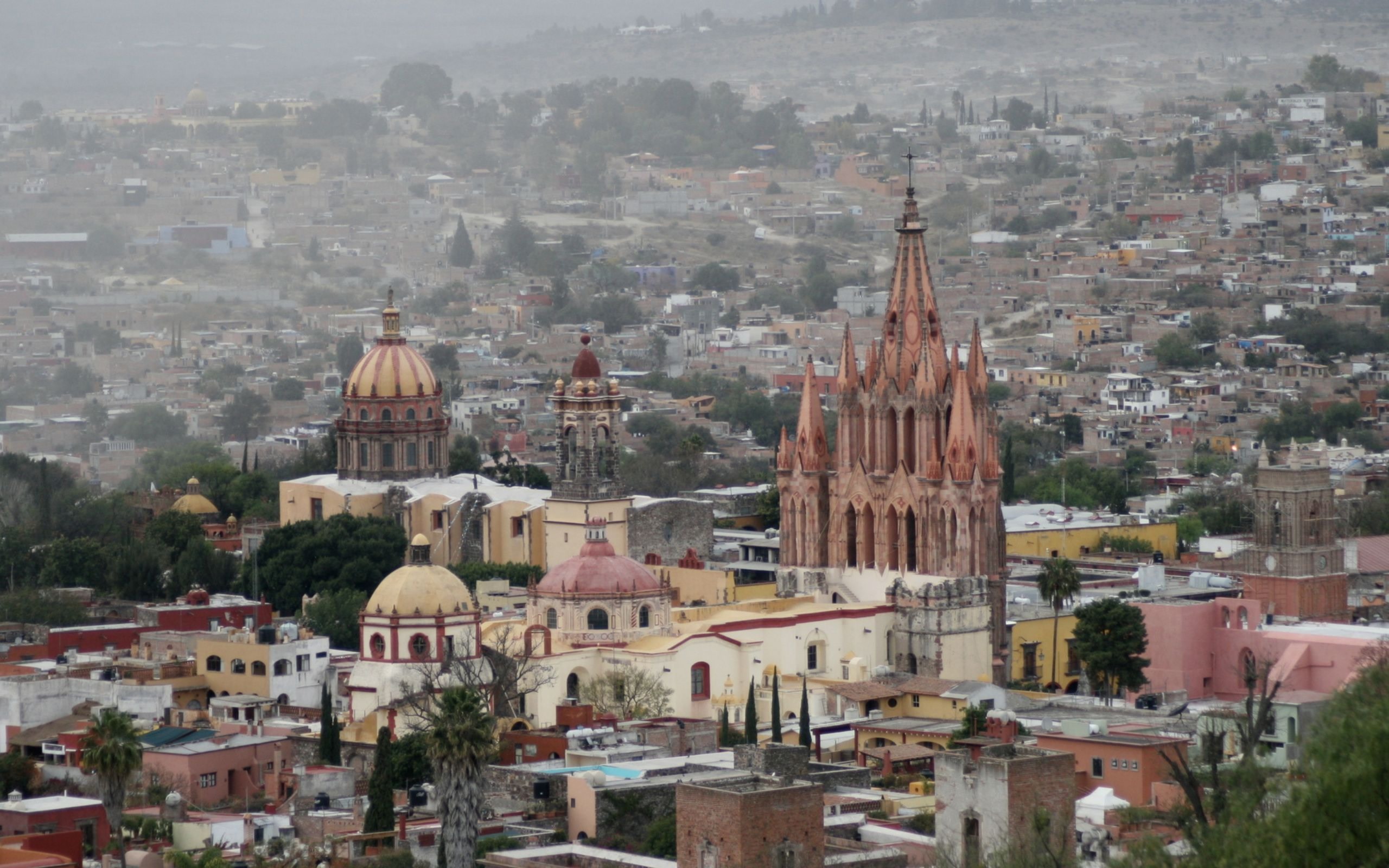
Parroquia de San Miguel Arcángel
This iconic pink neoclassical church is the symbol of San Miguel de Allende. Its distinctive pink facade and towering spire make it a must-visit landmark.
Historical/Architecture
1-2 hours
Free to enter, fee for tower access
El Jardín
The main square of San Miguel de Allende, El Jardín, is a vibrant hub of activity. It's surrounded by colorful buildings, cafes, and street performers.
Cultural
Varies, can spend hours people-watching
Free
Fabrica La Aurora
A former textile factory turned into an arts and design district. It houses numerous galleries, studios, and boutique shops.
Arts/Cultural
1-3 hours
Free entry, costs vary for shopping and dining
Must-Try Local Dishes
Enchiladas Mineras
A local specialty made with corn tortillas filled with chicken or cheese, covered in a red or green sauce, and topped with onions and cream.
Main Dish
Can be made with various fillings, including vegetarian options.
Churros con Chocolate
Fried dough pastries dusted with sugar, served with a rich chocolate dipping sauce.
Dessert
Vegetarian.
Carnitas
Slow-cooked pork that is crispy on the outside and tender on the inside, often served with tortillas and salsa.
Main Dish
Contains pork.
Popular Activities
Hiking in the nearby mountains
Hot air balloon rides
Spa treatments
Leisurely walks in the historic center
Visiting art galleries and museums
Attending local festivals and events
Swimming in nearby natural springs
Visiting during the Christmas season for festive decorations and events
Best Time to Visit
November to April
This is the dry season with pleasant weather, making it ideal for outdoor activities and sightseeing. The city is bustling with festivals and cultural events during this period.
15-28°C
59-82°F
Practical Information
Language
- Official: Spanish
- Widely spoken: English
- English: Moderately spoken in tourist areas
Currency
Mexican Peso (MXN)
Time Zone
CST (UTC -6)
Electricity
127VV, 60HzHz
Safety Information
Overall Safety Rating: Generally safe
San Miguel de Allende is generally safe for tourists, with low crime rates. However, petty theft and scams can occur, so it's important to stay vigilant.
Important Precautions:
- • Keep valuables secure and out of sight
- • Use licensed taxis or ride-sharing apps
- • Be cautious when using ATMs, especially at night
Getting there
By air
- Del Bajío International Airport • 90 km from San Miguel de Allende
By bus
Terminal de Autobuses de San Miguel de Allende
Getting around
Public transport
Local buses are affordable and convenient for getting around. They are frequent and cover most areas of the city.
Taxis
Available • Apps: Uber, Didi
Rentals
Car, Bike, Scooter
Neighborhoods
Historic Center
Rosa de Castilla
San Antonio
Day trips
Dolores Hidalgo
15 km • Half day
A small town known for its role in the Mexican War of Independence and its vibrant arts scene.
Atotonilco
12 km • Half day
A small town known for its beautiful Baroque-style church and its role in the Mexican War of Independence.
Guanajuato City
80 km • Full day
A UNESCO World Heritage site known for its colorful buildings, underground tunnels, and rich history.
Festivals
Festival de las Calaveras • Early October
Semana Santa • March or April (varies yearly)
Cervantino Festival • Mid-October
Pro tips
- Visit the Parroquia de San Miguel Arcángel early in the morning for the best photos and fewer crowds
- Explore the city's historic center on foot to fully appreciate its charm and architecture
- Try local specialties like enchiladas mineras and churros con chocolate for an authentic culinary experience
- Attend local festivals and events to immerse yourself in the city's vibrant culture
- Take a cooking class to learn traditional Mexican cuisine and bring the flavors home with you
From $25
per person
Price varies by option
Secure booking
Free cancellation available
Instant confirmation