Xi'an Cultural Tour: Highlights of Museums Collection
Active
5h
For a full refund, cancel at least 24 hours before the scheduled departure time.
Instant confirmation
Mobile or paper ticket accepted
About this experience
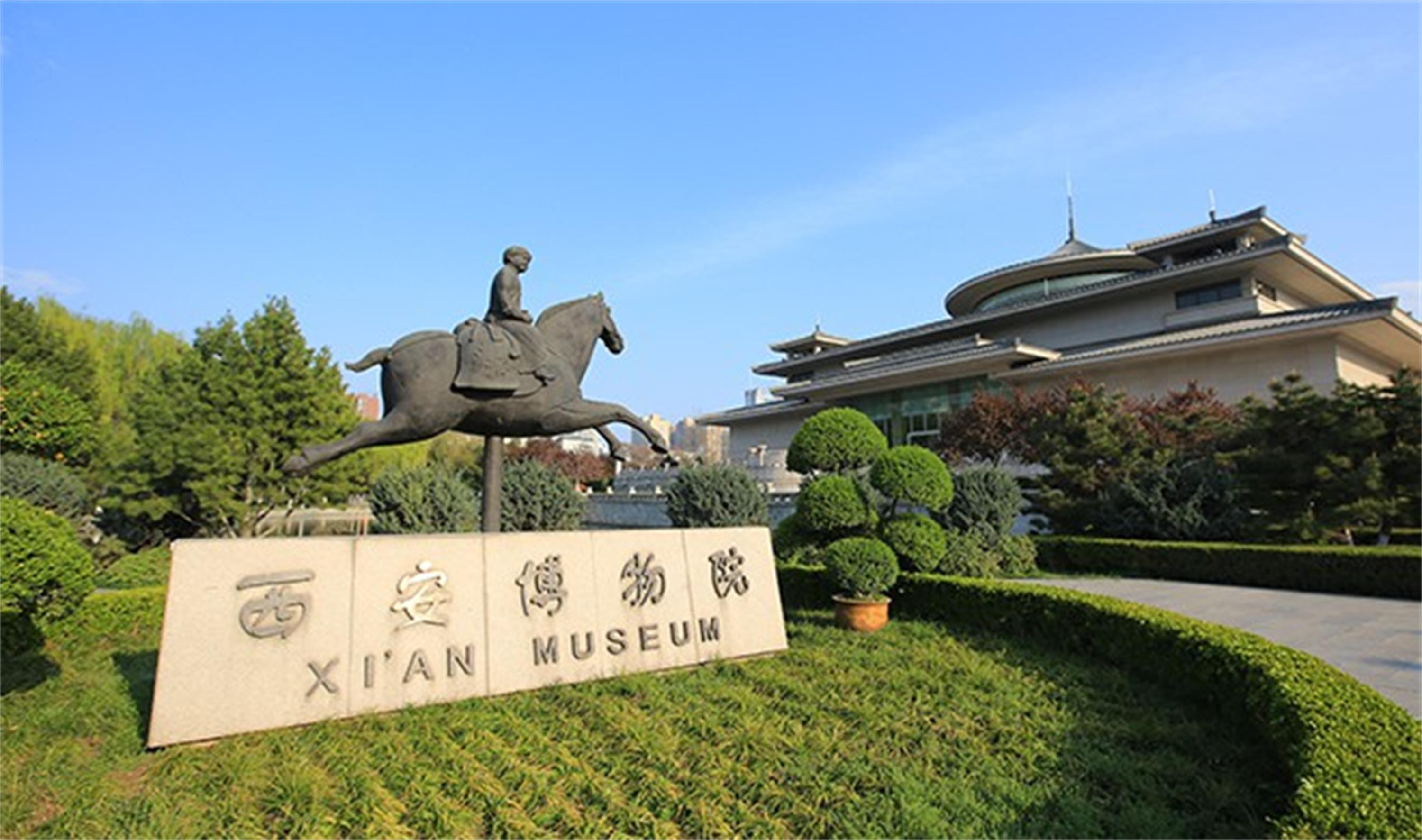
Embark on an exclusive cultural odyssey led by a seasoned guide, who will curate a bespoke exploration of Xi'an's most renowned museums. Discover the treasures housed within the Xi'an Museum, delve into millennia of history at the Shaanxi History Museum's Qin-Han Pavilion, unearth archaeological marvels at the Shaanxi Archaeology Museum, admire ancient inscriptions at the Beilin Museum, or traverse imperial legacies at the Xi 'an Hanyang Mausoleum Museum.
Each institution serves as a portal to China's storied past, inviting you to uncover the captivating narratives behind iconic artifacts and immerse yourself in the region's profound cultural heritage. Select your two preferred destinations to commence this immersive journey through time.
Available options
Booking options
Your Private Guide will pick you up at your hotel lobby, including Guide and Driver.<br/>Pickup included
What's included
Private Tour Guide
Hotel pickup and drop-off.
Detailed itinerary
1
Stop 1
The Qin-Han Gallery of Shaanxi History Museum in Xixian New Area, China’s only museum dedicated to Qin-Han civilization.
Its architecture, by Zhang Jinqiu, has seven Big Dipper-arranged buildings linked by corridors, reflecting Qin-Han styles.
The core "Unity of the World" exhibition spans two floors with 732 relics. Key units cover: centralized governance, economic monopolies, Confucianism’s rise, writing unification, Han papermaking, and Silk Road exchanges.
Standouts: the Han "Silk Road No.1" ship (China’s earliest wooden vessel, 9.71m long) with Roman-linked techniques; the Qin Du Tiger Tally, a two-part military token.
More relics await. Enjoy exploring Qin-Han civilization!
2
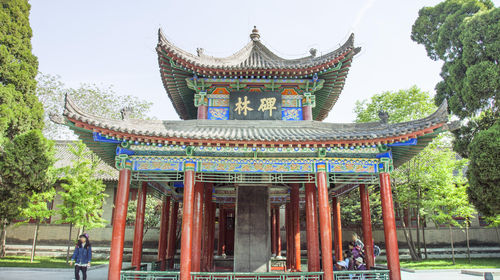
Xi'an Beilin Museum, a treasure trove of Chinese calligraphy and stone inscriptions. Known as the "Forest of Steles," it houses over 10,000 stone artifacts, spanning 2,000 years.
Its core lies in the 114 Confucian classics steles from the Tang Dynasty, crucial for preserving ancient texts. Masterpieces include Wang Xizhi's calligraphy replicas and Yan Zhenqing's works, showcasing China's calligraphic evolution.
Notable relics: the Nestorian Stele, recording early Christian history in China, and the Stone Classics of Kaicheng. These stones tell stories of culture, religion, and art.
Explore this living library of stone—where history is carved in permanence. Enjoy your visit!
3
Stop 3
Xi'an Xiaoyanta Museum, where history meets culture. Known as "Jianfu Temple Pagoda," Xiaoyanta was built in the Tang Dynasty (707-709 AD), standing opposite the Giant Wild Goose Pagoda as a symbol of ancient Chang'an.
This 43.3-meter brick pagoda, originally 15-storeyed, features a square base (11.38m per side) and shrinking storeys for elegance. Its door lintel has delicate Tang Dynasty carvings of celestial beings.
The museum holds over 43 Tang-Song steles, including the precious "Attendant Bodhisattva" engraving. Twenty steles record Ming-Qing military exam candidates, aiding research on the system.
Experience Tang charm and profound traditions here. Enjoy your visit!
4
Xi 'an Hanyang Mausoleum Museum, the burial site of Emperor Jingdi of the Western Han Dynasty and his queen. Built in the 2nd century BC, it's a key site showcasing Han Dynasty burial culture.
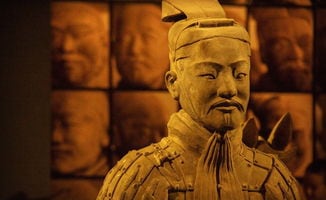
The museum features over 8,000 pottery figurines, including soldiers, eunuchs, and animals, all with vivid expressions. These life-sized figures, once clothed in silk, reveal the Han's craftsmanship and social structure.
Notable is the underground museum with glass walkways, letting visitors view excavated pits up close. The relics, from chariots to daily utensils, reflect the emperor's life and the era's prosperity.
It also displays inscriptions and burial objects that shed light on Han politics, economy, and art. A must-visit for understanding China's Han Dynasty. Enjoy exploring this ancient imperial mausoleum.
What's not included
Gratuities
Entry/Admission
Available languages
Guide guide
CMN
EN
Reviews breakdown
Tripadvisor
5.0
2 reviews
5★
2
4★
0
3★
0
2★
0
1★
0
Important information
Public transportation options are available nearby
Not recommended for travelers with spinal injuries
Not recommended for pregnant travelers
Not recommended for travelers with poor cardiovascular health
Suitable for all physical fitness levels
Children must be accompanied by an adult.
Operates in all weather conditions, please dress appropriately.
A current valid passport is required on the day of travel.
About Xian
Xian is one of the oldest cities in China, serving as the capital for 13 dynasties, including the famous Tang Dynasty. It is renowned for its rich history, ancient architecture, and as the starting point of the Silk Road. The city offers a unique blend of ancient and modern attractions, making it a must-visit destination for history enthusiasts and cultural explorers.
Top Attractions
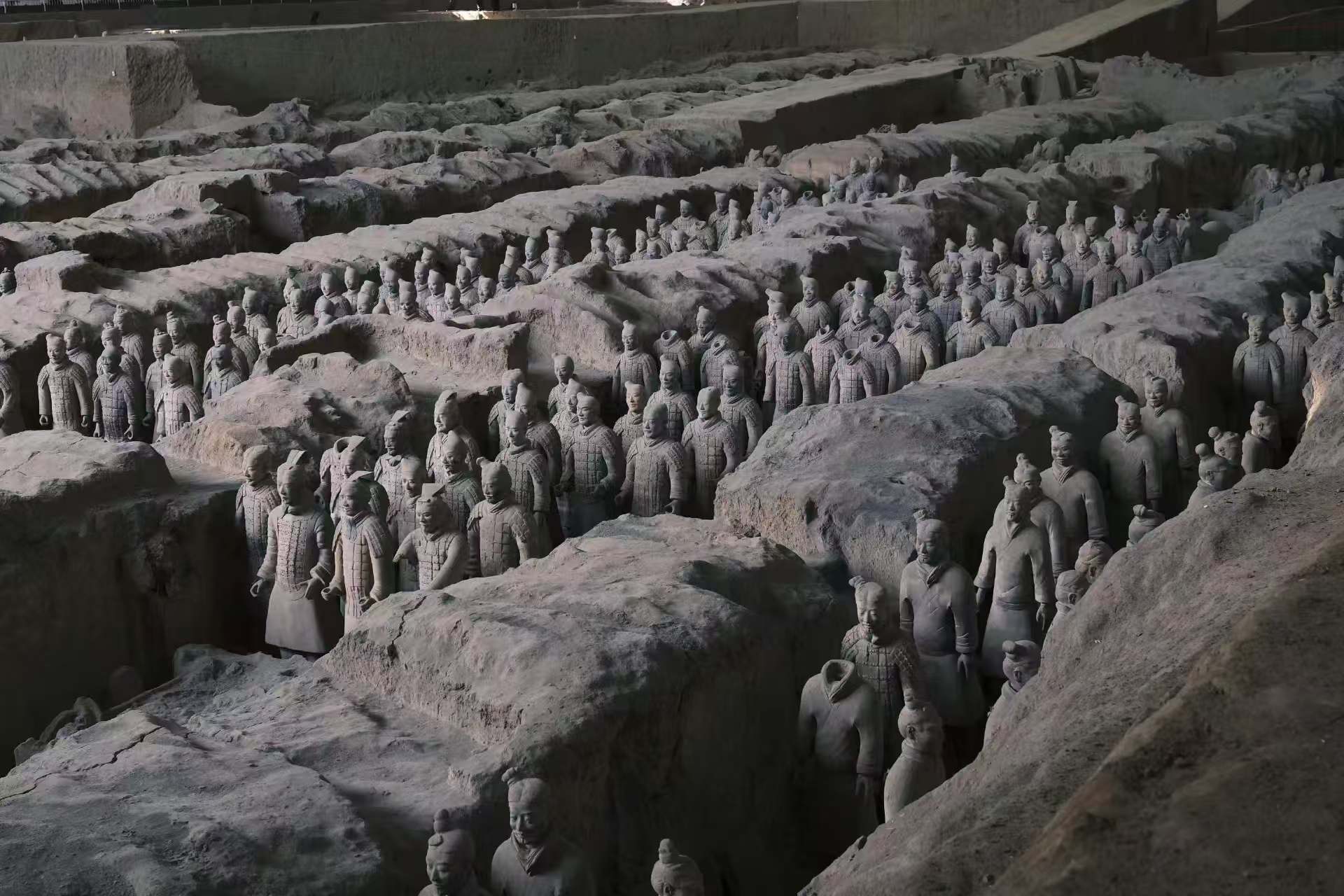
Terracotta Army
Discovered in 1974, the Terracotta Army is a collection of terracotta sculptures depicting the armies of Qin Shi Huang, the first Emperor of China. It is one of the most significant archaeological discoveries of the 20th century.
Historical
2-3 hours
150 RMB (including museum)
Ancient City Wall
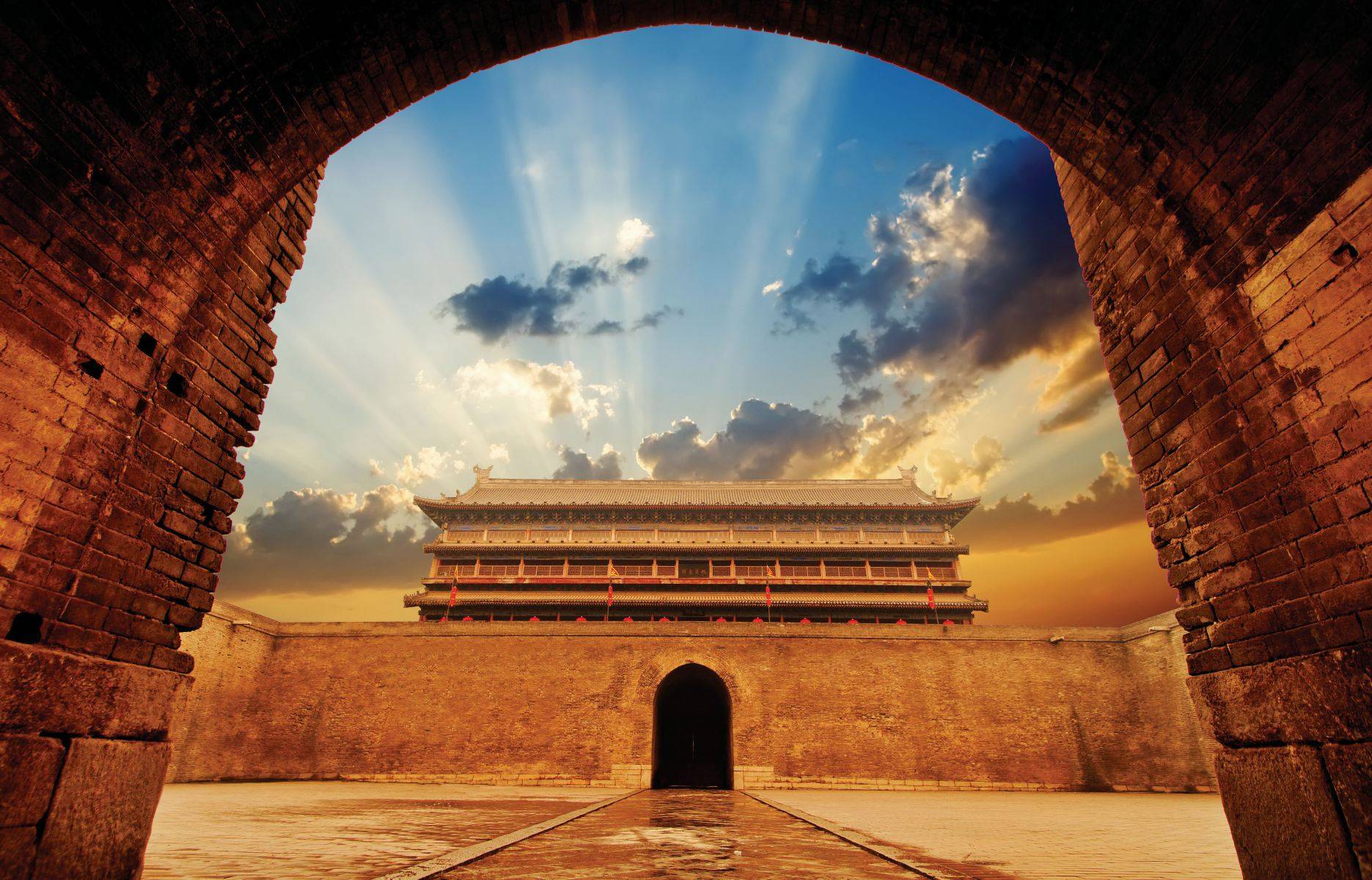
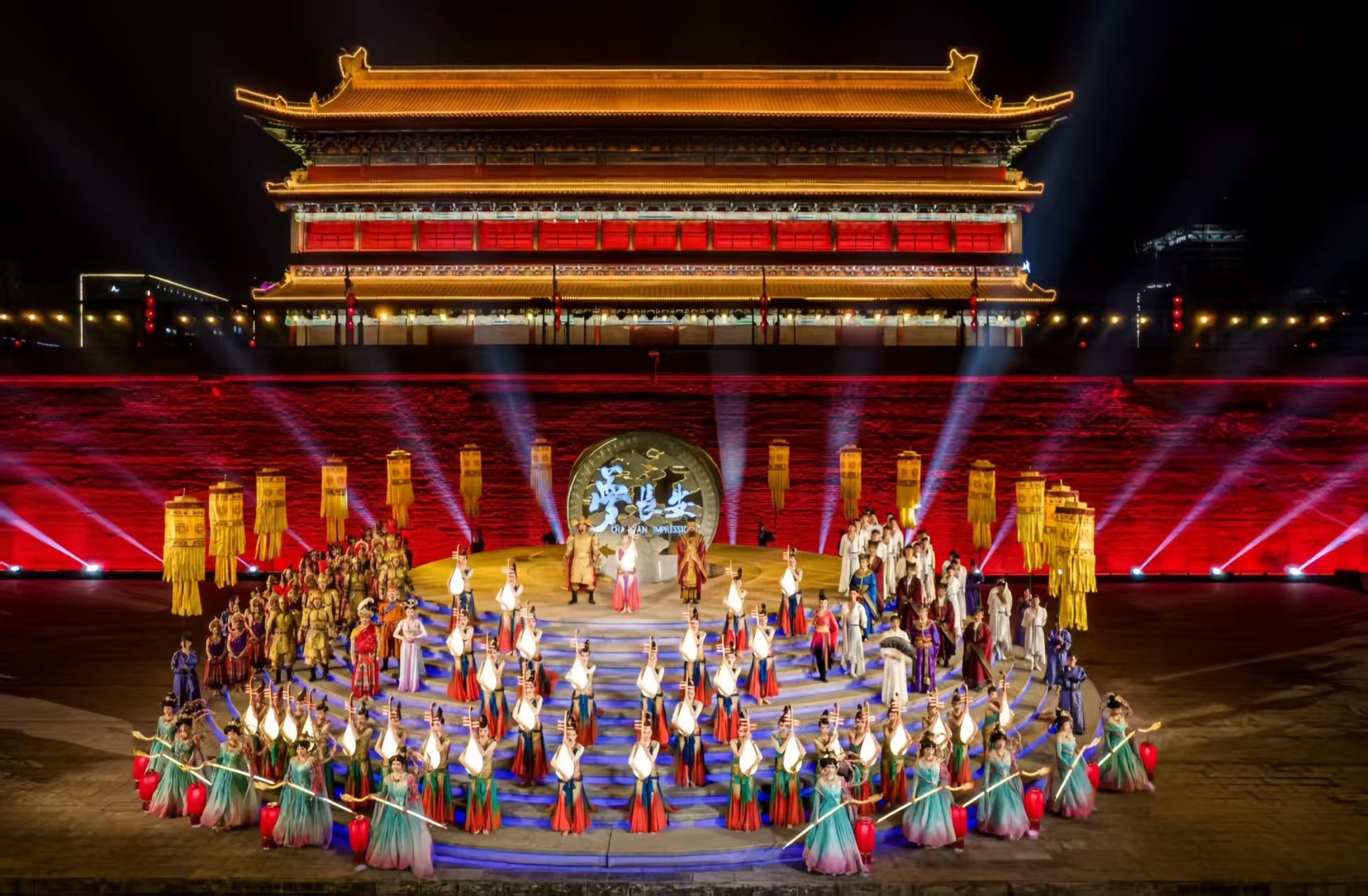
The Ancient City Wall is one of the oldest and best-preserved city walls in China. It encircles the old city and offers a unique perspective of Xian's history and urban landscape.
Historical
1-2 hours
54 RMB (including bike rental)
Muslim Quarter
The Muslim Quarter is a bustling area known for its vibrant street food scene, historic mosques, and unique Islamic architecture. It offers a glimpse into the multicultural history of Xian.
Cultural
1-2 hours
Free (food and shopping costs extra)
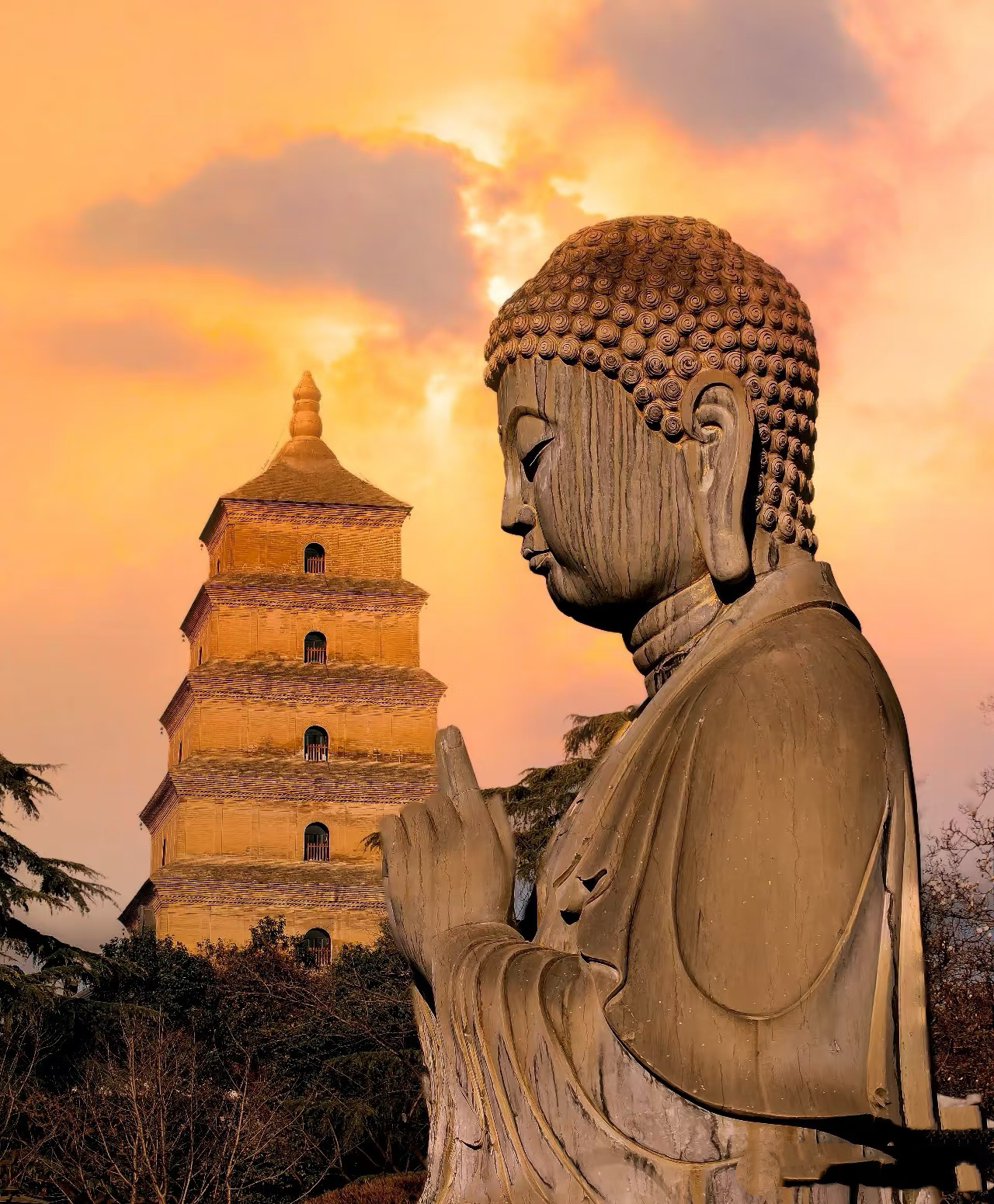
Big Wild Goose Pagoda
The Big Wild Goose Pagoda is a famous Buddhist pagoda and a symbol of Xian. It was built in the Tang Dynasty and is a UNESCO World Heritage Site. The surrounding area is a popular spot for both locals and tourists.
Historical
1-2 hours
50 RMB (including museum)
Shaanxi History Museum
The Shaanxi History Museum is one of the most important museums in China, showcasing the rich history and culture of the Shaanxi region. It houses a vast collection of artifacts spanning thousands of years.
Museum
1-2 hours
Free (but requires a reservation)
Must-Try Local Dishes
Roujiamo
Also known as the Chinese burger, it consists of braised pork belly stuffed in a crispy flatbread.
Snack
Contains pork
Liangpi
Cold noodles made from wheat or rice flour, served with a spicy sauce and various toppings.
Dish
Vegetarian options available
Yangrou Paomo
Lamb soup with bread pieces, a staple dish in Xian.
Dish
Contains lamb
Biangbiang Noodles
Wide, hand-pulled noodles with a thick, chewy texture, often served with a spicy sauce.
Dish
Vegetarian options available
Popular Activities
Hiking in Lishan Mountain
Biking along the Ancient City Wall
Visiting Huaqing Palace hot springs
Tea tasting in local teahouses
Exploring the Terracotta Army
Visiting the Shaanxi History Museum
Walking the Ancient City Wall at sunset
Trying local street food in the Muslim Quarter
Best Time to Visit
April to October
This is the best time to visit Xian as the weather is pleasant and ideal for outdoor activities. The city hosts various festivals and events during this period.
15°C to 35°C
59°F to 95°F
Practical Information
Language
- Official: Chinese (Mandarin)
- Widely spoken: English (limited)
- English: Limited
Currency
Chinese Yuan Renminbi (CNY)
Time Zone
GMT+8
Electricity
220VV, 50HzHz
Safety Information
Overall Safety Rating: Generally safe
Xian is generally safe for travelers, with low crime rates. However, petty crimes like pickpocketing can occur in crowded areas.
Important Precautions:
- • Use licensed taxis or ride-hailing apps like Didi Chuxing.
- • Be cautious of strangers offering unsolicited help or tours.
- • Keep valuables secure and be aware of your surroundings in crowded areas.
Getting there
By air
- Xian Xianyang International Airport • 40 km from city center
By train
Xian Railway Station, Xian North Railway Station
By bus
Xian Long-distance Bus Station, Xian North Bus Station
Getting around
Public transport
The Xian Metro is efficient and covers most major attractions. It's the fastest way to get around the city.
Taxis
Available • Apps: Didi Chuxing
Rentals
Car, Bike, Scooter
Neighborhoods
Yanta District
Beilin District
Muslim Quarter
Qujiang New District
Day trips
Huaqing Palace
15 km from city center • Half day
Huaqing Palace is a complex of hot springs and palaces known for its historical significance and beautiful gardens. It was a favorite retreat for emperors and is associated with the Tang Dynasty.
Lishan Mountain
20 km from city center • Full day
Lishan Mountain is a scenic area known for its natural beauty, hiking trails, and historical sites. It offers panoramic views of the surrounding landscape and is a popular spot for outdoor activities.
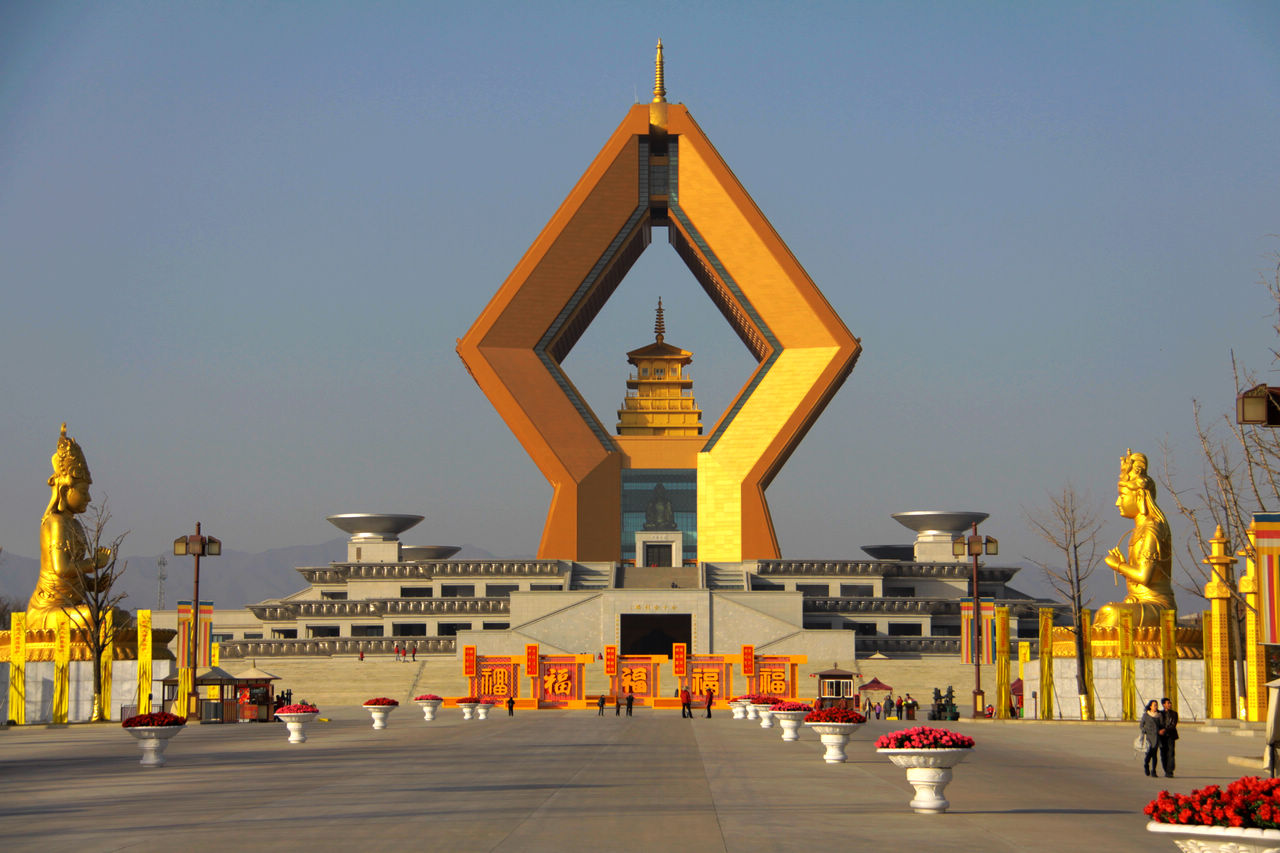
Famen Temple
120 km from city center • Full day
Famen Temple is one of the most important Buddhist temples in China, known for housing the relics of the Buddha. It is a significant pilgrimage site and offers a peaceful retreat from the city.
Festivals
Chinese New Year • January or February (varies)
Lantern Festival • 15th day of the first lunar month
Qinling Mountain Marathon • October
Pro tips
- Learn a few basic Chinese phrases to enhance your experience and interact with locals.
- Visit major attractions early in the morning or late in the afternoon to avoid crowds and heat.
- Try local street food, but choose busy stalls with high turnover to ensure freshness and food safety.
- Use the metro or bike-sharing services to get around the city efficiently and affordably.
- Book tickets for popular attractions like the Terracotta Army in advance to avoid long queues.
From $25
per person
Price varies by option
Secure booking
Free cancellation available
Instant confirmation