Full Day Busan and Gyeongju Guided Tour
Active
9h - 10h
For a full refund, cancel at least 24 hours before the scheduled departure time.
Instant confirmation
Mobile or paper ticket accepted
About this experience
# Join the Busan and Gyeongju Combo Tour and save your time!
* A tour optimized for those who have a short stay in Busan! and visit a must-see attractions in Busan
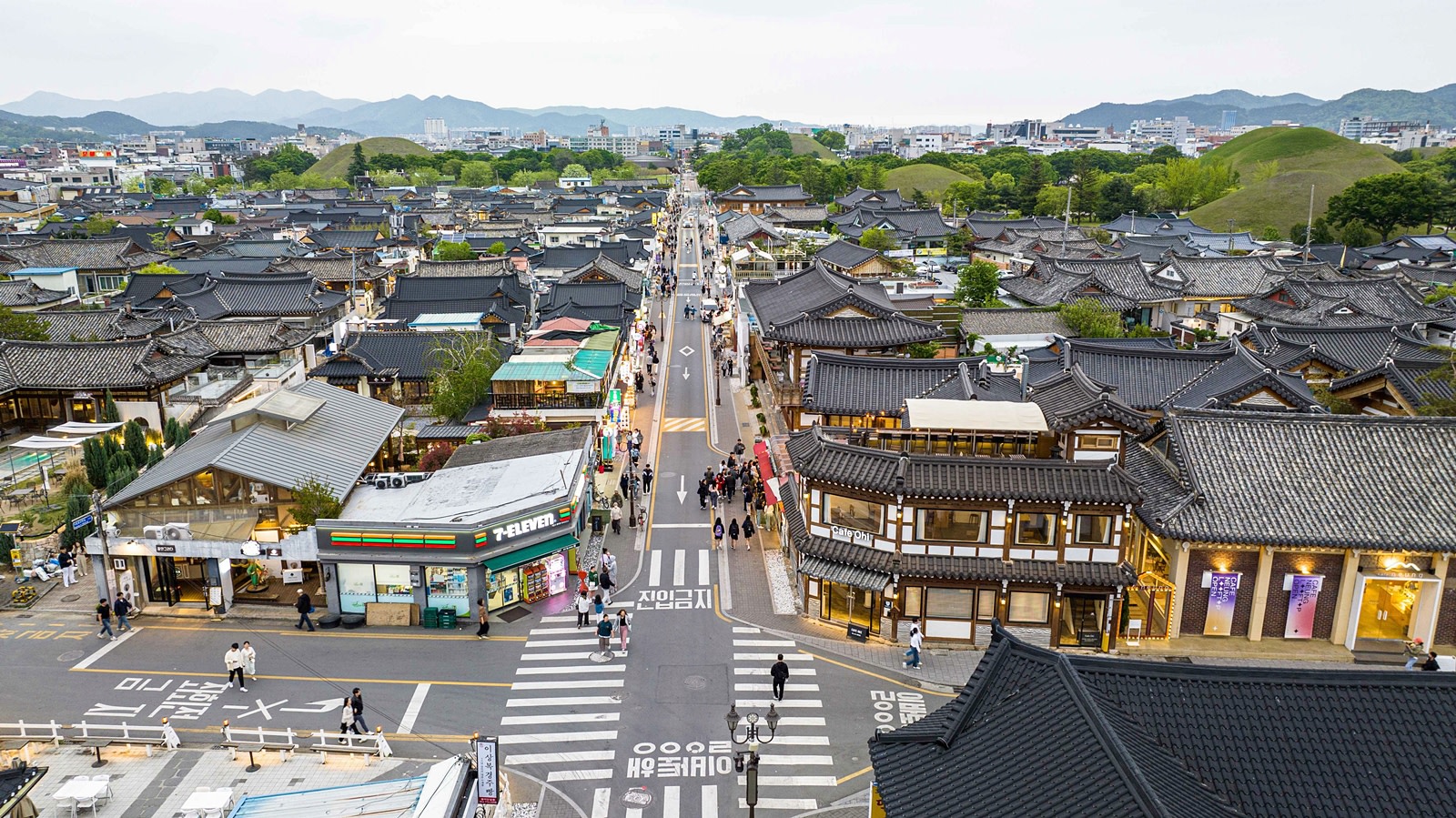
* **Visit List**: Gamcheon Culture Village, Cheongsapo (Haeundae Blue Line Park) and Gyeongju, a historical site Hwangnidan-gil, Daereungwon, Cheomseongdae, Kyochon Village, Woljeonggyo Bridge
Join the Busan and Gyeongju Combo Tour and save your time!
A tour optimized for those who have a short stay in Busan! and visit a must-see attractions in Busan
Visit List: Gamcheon Culture Village, Cheongsapo (Haeundae Blue Line Park) and Gyeongju, a historical site Hwangnidan-gil, Daereungwon, Cheomseongdae, Kyochon Village, Woljeonggyo Bridge
Available options
Depart from Seomyeon Station
Seomyeon Station Exit 12/08:00: Seomyeon Station Exit 12, Pick up time : 07:50 to 08:00
(Caution: It's not Exit 12 of Seomyeon Underground Shopping Center!)
Depart from KTX Busan Station
KTX Busan Station Exit 1/08:30: KTX Busan Station Exit 1, Pick up time : 08:20 to 08:30
(Caution: It's not Exit 1 of Busan Subway Station!)
What's included
All Fees and Taxes
Air-conditioned vehicle
Detailed itinerary
1
Start at Seomyeon Station, complete the pickup at Busan Station , and drive to first attraction.
2
Stop 2
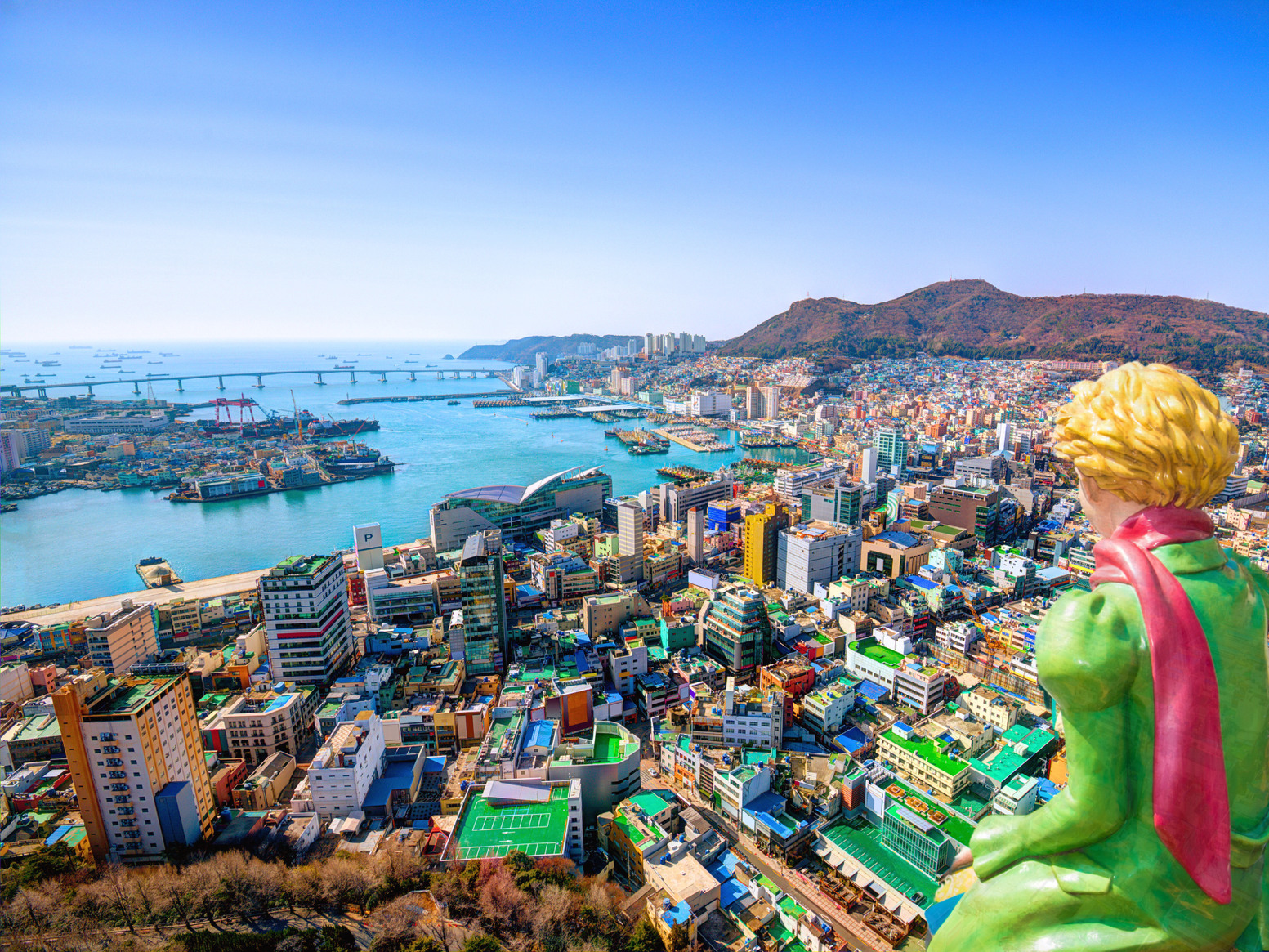
Gamcheon Culture Village - Called the Santorini of Korea, it is a representative tourist destination in Busan. It is an old village where refugees lived during the Korean War. Currently, it is decorated like a tourist destination to preserve the old town. You can enjoy colorfully colored buildings, various sculptures, and murals.
3
Gyeongju Daereungwon, located in Gyeongju, South Korea, is an ancient burial ground that holds great historical and cultural significance. It is a sprawling park that houses numerous royal tombs from the Silla Dynasty, which ruled the Korean Peninsula from the 1st century to the 10th century.
The Daereungwon is known for its majestic burial mounds, known as tumuli, which dot the landscape. These tumuli are the final resting places of Silla royalty and high-ranking officials. The largest mound, Cheonmachong, is particularly famous for its excavation in the 1970s, revealing an astonishing array of artifacts and treasures.
As a designated UNESCO World Heritage site, the Daereungwon attracts countless visitors each year, offering a unique opportunity to immerse oneself in the rich cultural heritage of the Silla Dynasty. It serves as a bridge to the past, preserving the legacy of this remarkable civilization and providing a window into the ancient history of Korea.
4
Hwangridan-gil is a street where you can feel the old atmosphere as old buildings from the 1960s have been preserved.
5
Constructed during the Silla Dynasty in the 7th century, it stands as one of the oldest surviving astronomical observatories in East Asia.
The Cheomseongdae is a cylindrical tower that reaches a height of approximately nine meters. It was built using 362 carefully stacked stone blocks without the use of mortar or adhesive, showcasing the advanced engineering skills of the Silla civilization.
This observatory played a crucial role in observing celestial events and tracking time during the Silla Dynasty. At the top, there is a square platform where astronomers likely placed instruments to study the movements of stars, planets, and other celestial bodies.
6
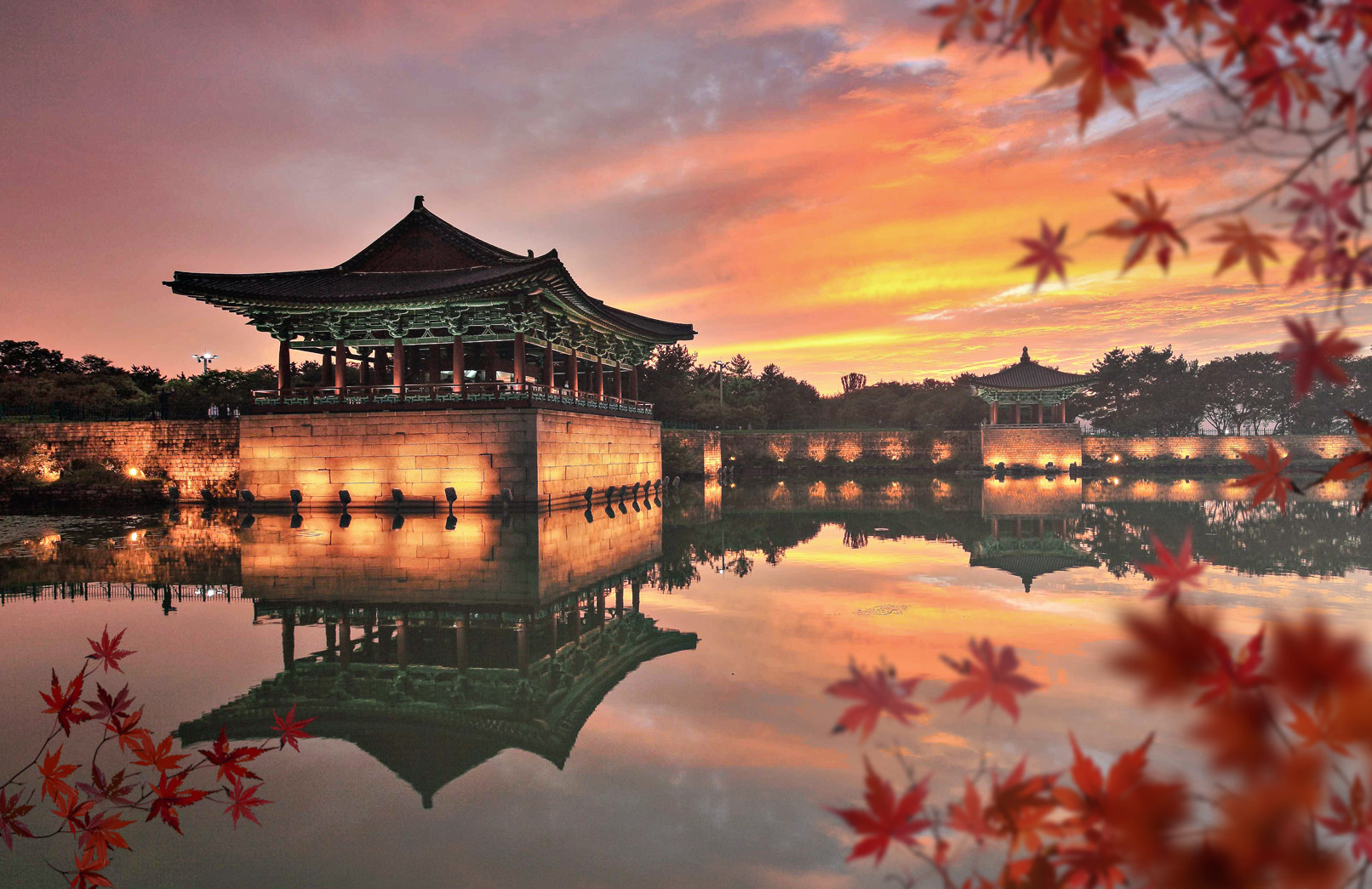
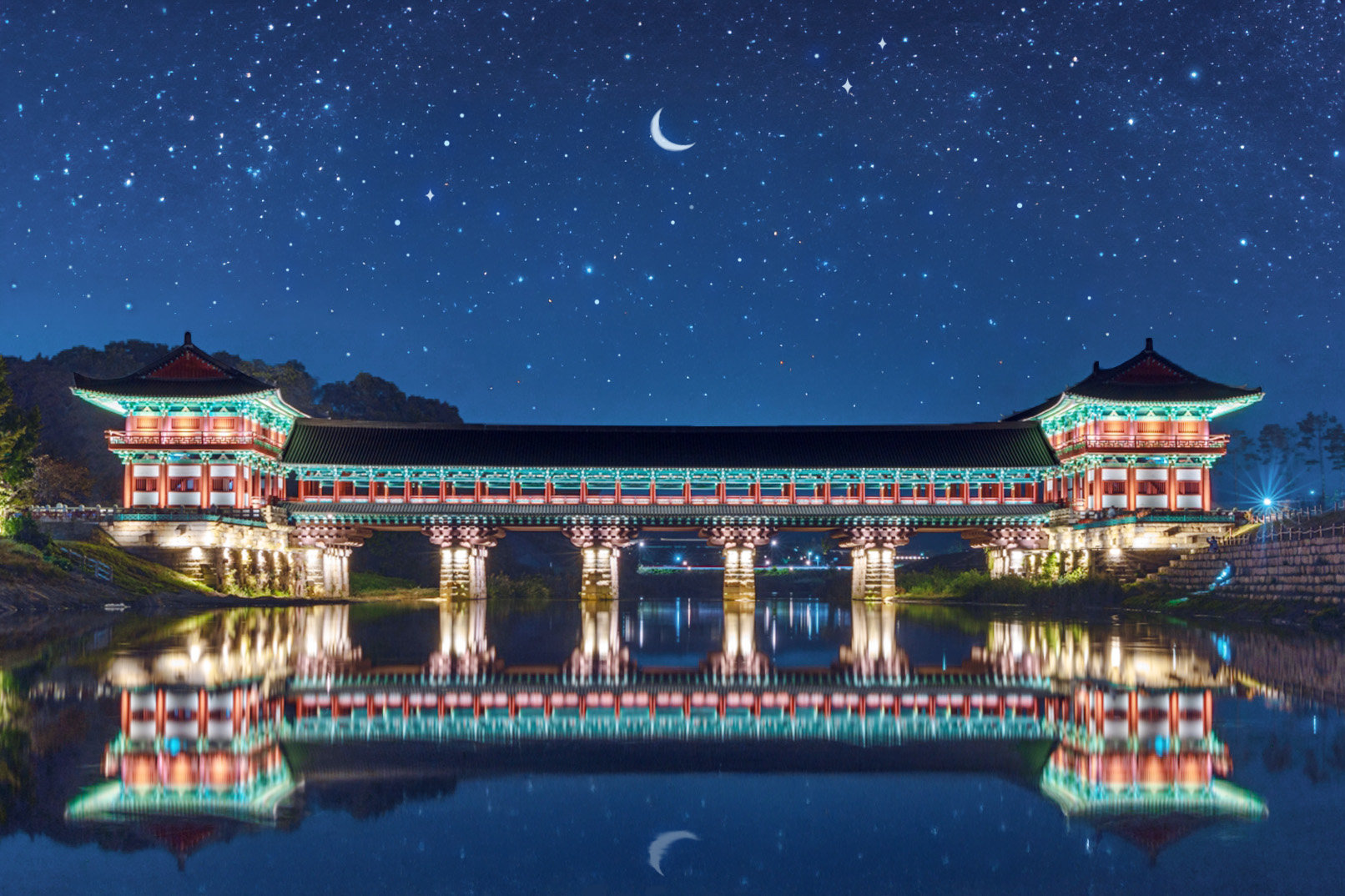
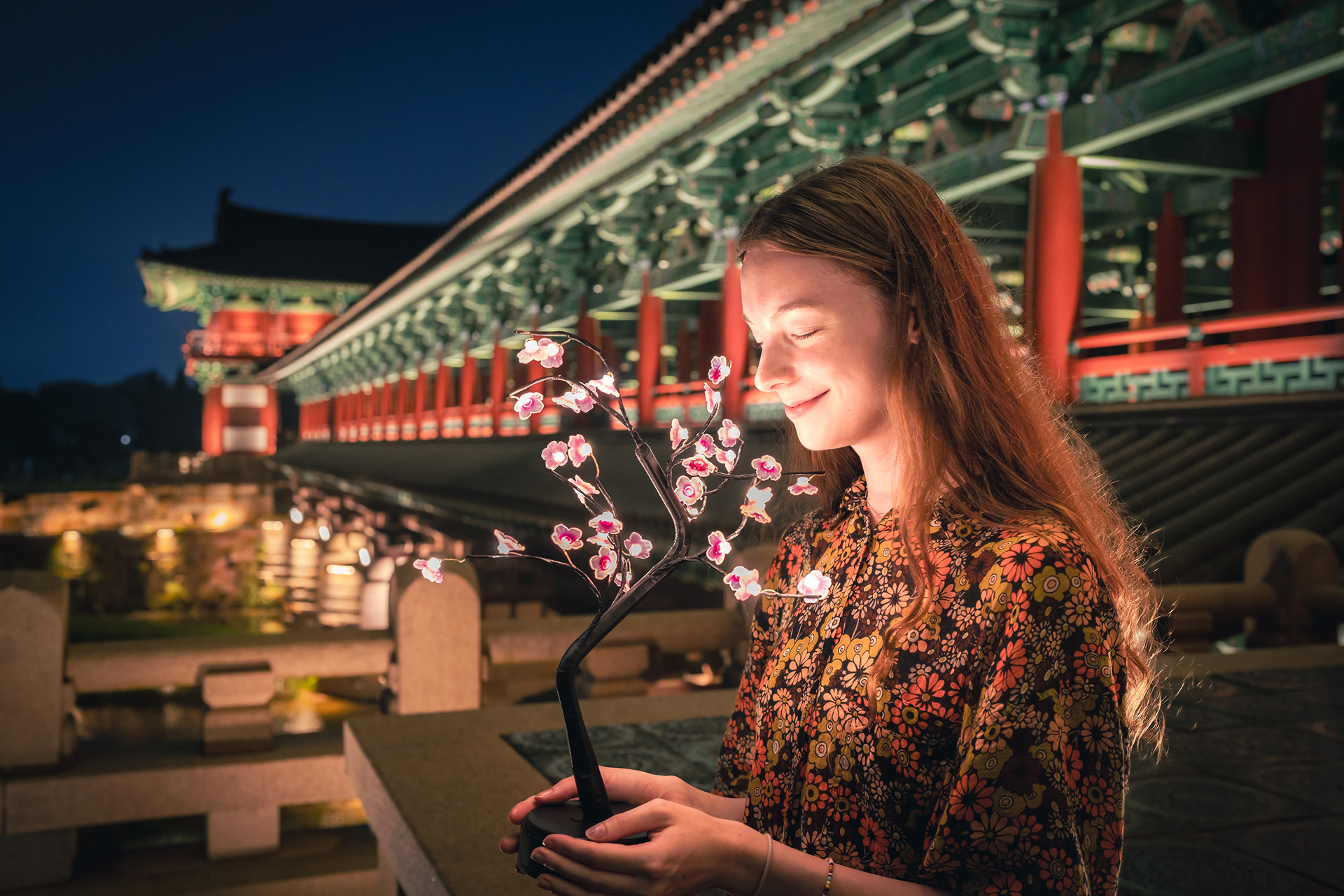
Woljeong Bridge, located in Gyeongju, South Korea, is an iconic historical bridge that holds significant cultural and architectural importance. It is one of the oldest surviving wooden bridges in the country and serves as a symbol of the rich heritage of the Silla Dynasty.
Dating back to the 8th century, Woljeong Bridge spans the picturesque Woljeong Stream. It was originally built as an important transportation route, connecting the Hwangnyongsa Temple to the eastern part of Gyeongju.
Woljeong Bridge not only served as a functional crossing but also held symbolic significance in the Silla Dynasty. It was considered a sacred bridge, representing the connection between the earthly realm and the spiritual realm.
Today, Woljeong Bridge remains a beloved landmark and a popular tourist attraction. Visitors can walk across the bridge, taking in the serene surroundings and enjoying the tranquil atmosphere of the Woljeong Stream.
7
GyoChon Village in Gyeongju, South Korea, is a captivating destination that showcases the beauty of traditional Korean architecture. With its well-preserved hanok houses and winding streets, visitors can immerse themselves in the village's rich cultural heritage. The village offers a range of cultural experiences, including traditional craft workshops and authentic Korean cuisine, providing a memorable journey into Korea's past. GyoChon Village's tranquil ambiance and immersive atmosphere make it a must-visit destination for those seeking to experience the charm of traditional Korean village life.
8
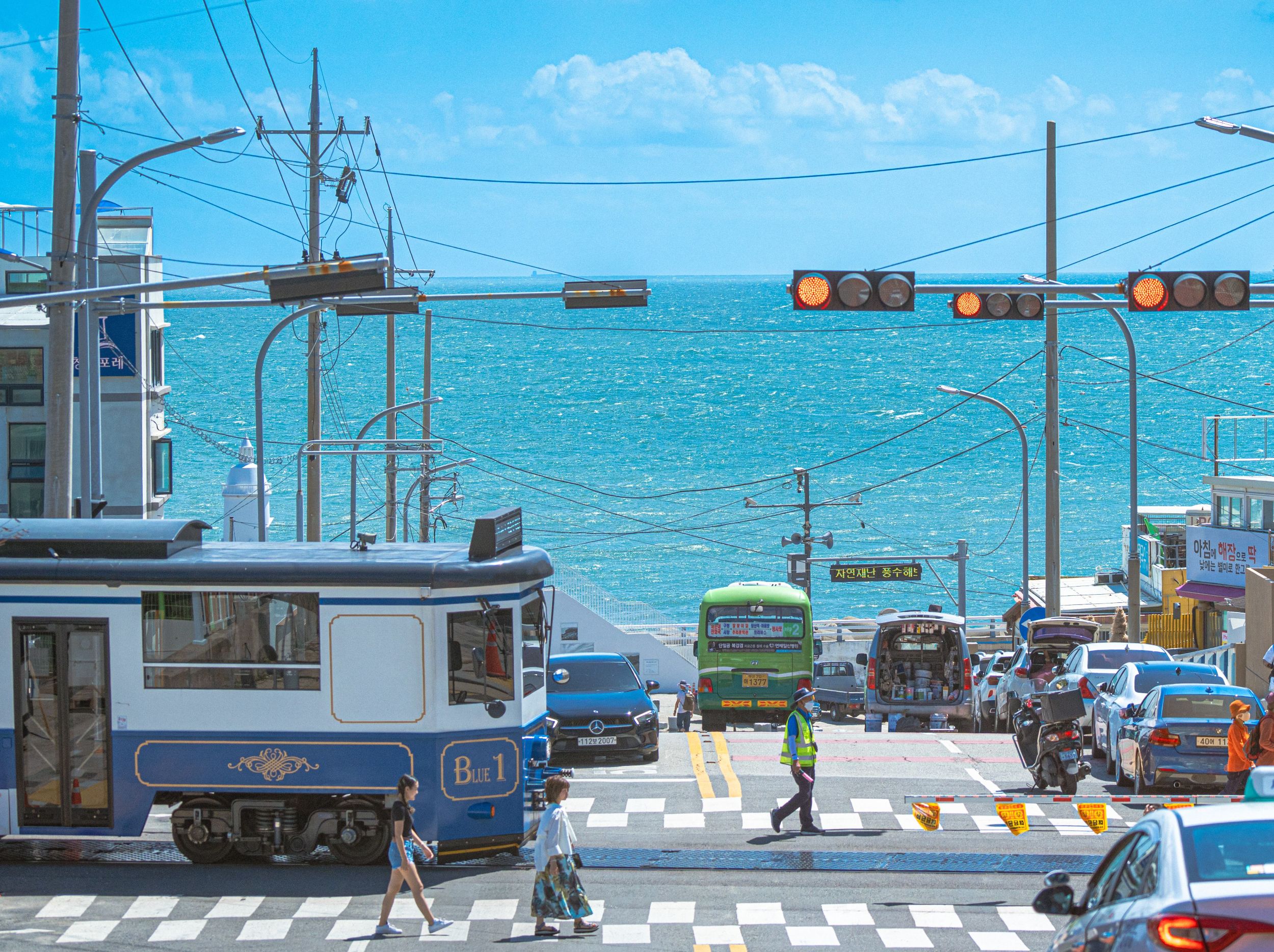
The Cheongsapo Beach Train, located in Busan, South Korea, is a unique and enchanting attraction that offers a delightful coastal experience. This charming train ride takes visitors on a scenic journey along the coastline, providing breathtaking views of the ocean and surrounding landscapes.
The Cheongsapo Beach Train runs along a picturesque railway track that hugs the shoreline, allowing passengers to enjoy panoramic vistas of the sparkling blue waters and sandy beaches. The train's open-air design allows for an immersive experience, as passengers feel the refreshing sea breeze and soak in the coastal ambiance.
As the train glides along the track, passengers can marvel at the natural beauty of the coastline, with its rocky cliffs, lush greenery, and expansive sandy shores. The rhythmic sound of the train and the gentle sway create a soothing and relaxing atmosphere.
9
Stop 9
Return to the Seomyeoun Station for End the tour and Drop-off
10
First Drop-off at Seomyeoun Station, completed drop-off at Busan Station , end the tour
What's not included
Dinner
Lunch
Available languages
Guide guide
KO
CMN
EN
Reviews breakdown
Viator
4.5
2 reviews
5★
1
4★
1
3★
0
2★
0
1★
0
Tripadvisor
5.0
2 reviews
5★
2
4★
0
3★
0
2★
0
1★
0
Important information
Wheelchair accessible
Infants and small children can ride in a pram or stroller
Public transportation options are available nearby
Infants are required to sit on an adult’s lap
Transportation options are wheelchair accessible
All areas and surfaces are wheelchair accessible
Not recommended for travelers with poor cardiovascular health
Travelers should have at least a moderate level of physical fitness
Meeting point
**08:20 KTX Busan Station Exit 1 (Not The Busan Subway Station Exit.1)
12 Jungang-daero 196beon-gil, Dong-gu, Busan, South Korea
About Busan
Busan, South Korea's second-largest city, is a vibrant coastal metropolis known for its stunning beaches, fresh seafood, and unique cultural heritage. Nestled between mountains and the sea, Busan offers a dynamic blend of modern urban life and traditional charm, making it a must-visit destination in South Korea.
Top Attractions
Haeundae Beach
One of the most famous beaches in South Korea, Haeundae Beach is known for its beautiful coastline, vibrant atmosphere, and water sports. It's a popular spot for swimming, sunbathing, and enjoying the beachside cafes and restaurants.
Beach
Half day to full day
Free (activities and rentals may cost extra)
Gamcheon Culture Village
Known as the 'Machu Picchu of Busan', Gamcheon Culture Village is a colorful and artistic neighborhood built on a hillside. The village is filled with vibrant murals, installations, and quirky shops, making it a unique and photogenic destination.
Cultural
2-3 hours
Free to explore (some shops and cafes may charge for services)
Busan Tower
Located on Yongdusan Park, Busan Tower offers panoramic views of the city and the sea. The tower is a symbol of Busan and a popular spot for visitors to enjoy the scenery and learn about the city's history.
Historical/Architecture
1-2 hours
KRW 10,000 (adults), discounts for children and seniors
Haedong Yonggungsa Temple
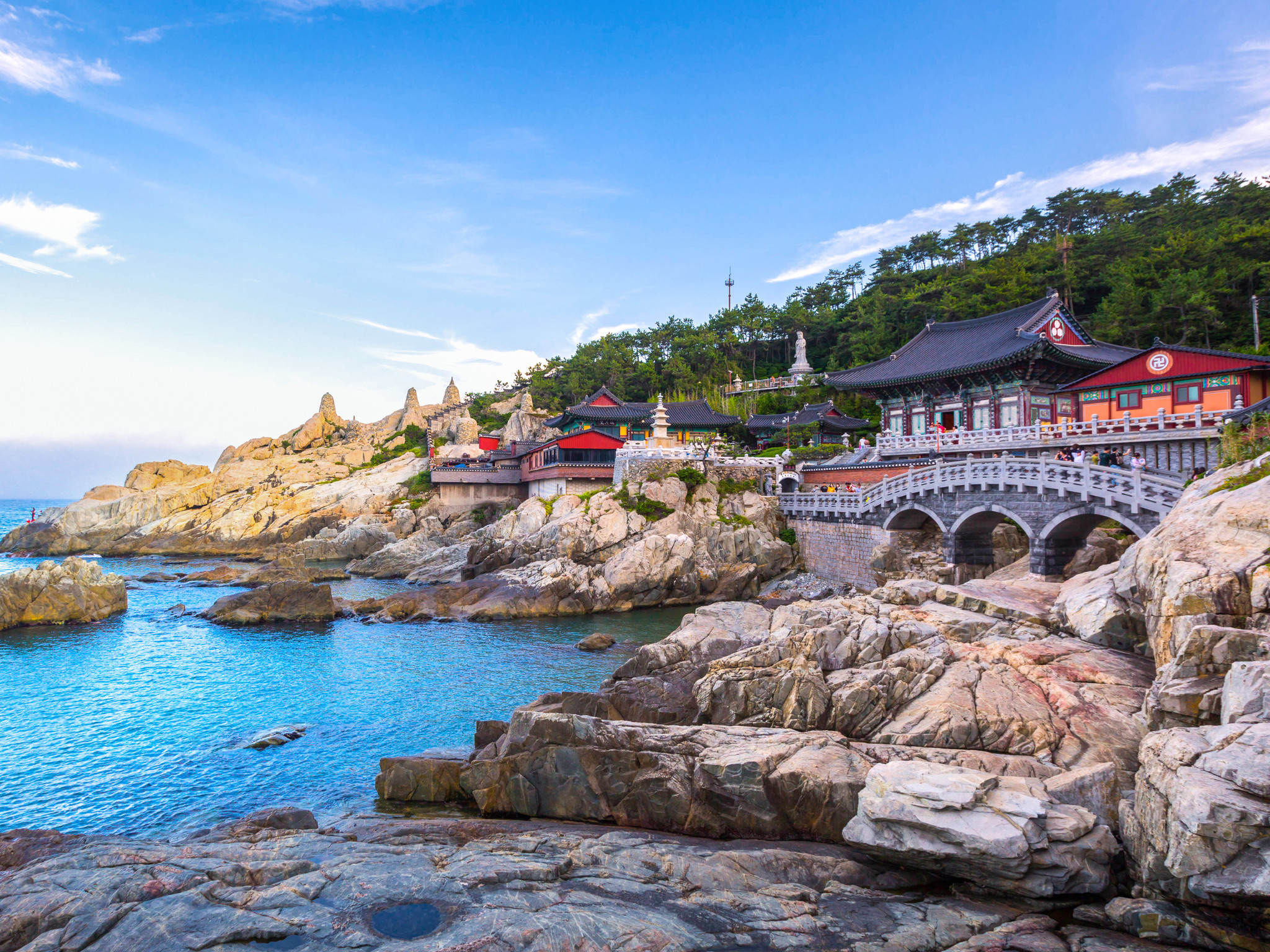
This stunning seaside temple is one of the most famous Buddhist temples in South Korea. Haedong Yonggungsa Temple is known for its beautiful architecture, serene atmosphere, and the unique experience of praying by the sea.
Religious/Cultural
1-2 hours
Free (donations welcome)
Gwangalli Beach
Gwangalli Beach is famous for its beautiful night views and the stunning Gwangan Bridge. The beach is a popular spot for swimming, picnicking, and enjoying the vibrant nightlife, including beach bars and clubs.
Beach/Entertainment
Half day to full day
Free (activities and rentals may cost extra)
Must-Try Local Dishes
Milmyeon
A cold wheat noodle dish served with a spicy seafood broth, topped with various seafood and vegetables. It's a refreshing and flavorful dish, perfect for hot summer days.
Noodle dish
Contains seafood, may not be suitable for those with seafood allergies.
Dwaeji Gukbap
A hearty pork soup made with pork bones, meat, and vegetables, served with rice. It's a comforting and flavorful dish that's popular in Busan.
Pork soup with rice
Contains pork, may not be suitable for vegetarians or those with pork allergies.
Busan-style Sundae
A type of blood sausage made with pork blood, noodles, and various ingredients, grilled and served with soup. It's a unique and flavorful street food that's a must-try in Busan.
Blood sausage
Contains pork and blood, may not be suitable for vegetarians or those with pork allergies.
Ganjang Gejang
A popular seafood dish made with raw crab marinated in soy sauce, garlic, and ginger. It's typically served with rice and vegetables, and is a delicacy in Busan.
Raw crab marinated in soy sauce
Contains raw seafood, may not be suitable for those with seafood allergies or pregnant women.
Popular Activities
Hiking in Geumjeongsan Mountain
Glass-bottom walkway at Oryukdo Skywalk
Water sports at Haeundae Beach
Beach lounging at Haeundae Beach
Spas and saunas in Busan
Picnicking in Yongdusan Park
Visiting Gamcheon Culture Village
Exploring Haedong Yonggungsa Temple
Best Time to Visit
April to June, September to October
The best time to visit Busan is during the spring and autumn months when the weather is mild and pleasant. These months offer ideal conditions for outdoor activities and sightseeing.
15-25°C (59-77°F)
59-77°F
Practical Information
Language
- Official: Korean
- Widely spoken: English (limited)
- English: Limited (especially outside tourist areas)
Currency
South Korean Won (KRW)
Time Zone
Korea Standard Time (KST, GMT+9)
Electricity
220VV, 60HzHz
Safety Information
Overall Safety Rating: Generally safe
Busan is generally a safe city for travelers, with low crime rates and a welcoming atmosphere. However, as with any destination, it's important to be aware of your surroundings and take precautions to ensure a safe and enjoyable trip.
Important Precautions:
- • Be cautious of your belongings in crowded areas, such as markets and public transportation.
- • Use reputable taxi services or ride-hailing apps, such as KakaoTaxi, to avoid scams.
- • Be aware of your surroundings, especially at night, and avoid walking alone in isolated areas.
Getting there
By air
- Busan Gimhae International Airport • 15 km from city center
By train
Busan Station
By bus
Nopodong Bus Terminal, Sasang Bus Terminal
Getting around
Public transport
The Busan Metro is efficient, clean, and easy to use. It consists of four lines that connect major attractions, shopping districts, and residential areas.
Taxis
Available • Apps: KakaoTaxi
Rentals
Car, Bike, Scooter
Neighborhoods
Haeundae
Seomyeon
Gwangalli
Jagalchi
Day trips
Taejongdae
15 km from Busan city center • Half day to full day
Taejongdae is a scenic coastal park located at the southern tip of Yeongdo Island, offering stunning views of the sea, cliffs, and lighthouse. The park is also home to historical sites and walking trails.
Oryukdo Skywalk
10 km from Busan city center • Half day
The Oryukdo Skywalk is a thrilling glass-bottom walkway that extends over the sea, offering breathtaking views of the coastline and the city. The skywalk is a popular attraction for adventure seekers and photography enthusiasts.
Geumjeongsan Mountain
15 km from Busan city center • Full day
Geumjeongsan Mountain is the highest peak in Busan, offering stunning views of the city and the sea. The mountain is home to numerous hiking trails, temples, and historical sites, making it a popular destination for nature lovers and hikers.
Festivals
Busan International Film Festival (BIFF) • October (annually)
Busan Sea Festival • July (annually)
Busan Fireworks Festival • October (annually, during BIFF)
Pro tips
- Visit the Jagalchi Fish Market early in the morning to see the bustling fish auction and enjoy the freshest seafood.
- Try the local street food at the Haeundae Night Market, such as Busan-style Sundae and grilled seafood skewers.
- Explore the colorful and artistic Gamcheon Culture Village, also known as the 'Machu Picchu of Busan', for a unique and photogenic experience.
- Take a stroll along the beautiful Haeundae Beach and enjoy the vibrant atmosphere, especially during the summer months.
- Visit the Busan Tower and Yongdusan Park for stunning views of the city and the sea, especially during sunset or at night.
From $25
per person
Price varies by option
Secure booking
Free cancellation available
Instant confirmation


![[BUSAN,GamcheonVillage] Private Korean Art Painting Class](https://media-cdn.tripadvisor.com/media/attractions-splice-spp-674x446/0f/e6/3f/ac.jpg)


![[Private Tour] Busan and Gyeongju Top Attractions Day Tour](https://res.klook.com/image/upload/activities/pj3cuzsrkoqkakpc0sma.jpg)