Colonial Historical Walking Tour in Yogyakarta
Active
2h
For a full refund, cancel at least 24 hours before the scheduled departure time.
Instant confirmation
Mobile or paper ticket accepted
About this experience
Experience the fascinating colonial history of Yogyakarta on a guided walking tour that takes you through the city’s most significant Dutch-era landmarks. This immersive tour will transport you back to the Dutch East Indies period, revealing stories of trade, governance, architecture, and resistance that shaped the city into what it is today.
Wander through grand colonial buildings, bustling historical markets, old administrative centers, and cultural enclaves, each with its own unique story. This tour is perfect for history enthusiasts, cultural explorers, and photographers looking to capture Yogyakarta’s rich heritage beyond its temples and palaces.
Available options
Colonial Historical Walking Tour in Yogyakarta
What's included
English Speaking Guide
Mineral Water
Detailed itinerary
1
Tugu Monument, often referred to as Tugu Pal Putih, is one of Yogyakarta’s most iconic historical landmarks. Built in 1755 by Sultan Hamengkubuwono I, this towering white pillar stands at the heart of the city, symbolizing the unity between the Sultan and his people.
During the Dutch colonial period, the original structure was damaged in an earthquake in 1867 and later reconstructed with modifications by the Dutch government. The new design, completed in 1889, features European architectural influences, reflecting the colonial presence in Yogyakarta at the time.
2
During the colonial era, press buildings like this one were essential in disseminating news, often controlled by the Dutch to regulate information. After Indonesia’s independence, Kedaulatan Rakyat transformed the space into a symbol of freedom, using it to voice the aspirations of the Indonesian people.
3
Tugu Hotel is a historical landmark that offers a glimpse into the city’s colonial past. Originally built during the Dutch colonial period, this elegant structure reflects the architectural grandeur of the early 20th century, with its Indo-European design, high ceilings, and antique furnishings that transport visitors back in time.
4
Tetenger Yogya Kembali serves as a tribute to the city’s struggle for independence from Dutch colonial rule. This monument marks the moment when Yogyakarta was officially returned to Indonesian control on June 29, 1949, after a period of Dutch occupation during the Indonesian National Revolution.
5
A Colonial-Era Luxury Hotel
During the colonial period, this hotel was a prestigious meeting place for Dutch elites and later played a role in Indonesia’s fight for independence. Its strategic location made it a witness to important historical events, including the Dutch occupation and the Indonesian struggle for sovereignty.
6
During the colonial period, this hotel was a prestigious meeting place for Dutch elites and later played a role in Indonesia’s fight for independence. Its strategic location made it a witness to important historical events, including the Dutch occupation and the Indonesian struggle for sovereignty.
7
Standing proudly at the entrance of Kampoeng Ketandan, the Páifāng (牌坊), or Ketandan Gate, is a striking symbol of Yogyakarta’s rich Chinese-Indonesian heritage. This beautifully decorated archway marks the entrance to Ketandan, a historic Chinese quarter that dates back to the Dutch colonial period, when Chinese immigrants were designated to live and trade in specific areas under colonial regulations.
8
The current colonial-style building, with its symmetrical façade and large archways, was constructed in the 1920s as part of Dutch efforts to modernize Yogyakarta’s infrastructure. The Dutch administration sought to regulate trade by providing a formalized market space, reinforcing their economic control over the region.
9
originally built during the Dutch colonial period, is one of Yogyakarta’s oldest Protestant churches. Established in the mid-19th century, it served as a place of worship for Dutch settlers, officials, and other European expatriates living in the city.
10
Located at the southern end of Malioboro Street, Kantor Pos Besar Yogyakarta (Yogyakarta Main Post Office) is a prominent landmark from the Dutch colonial period, built in the early 20th century as part of the Netherlands’ expanding postal network in the Dutch East Indies.
11
Standing majestically at the intersection of Malioboro Street and Yogyakarta’s heritage district, Bank Indonesia Yogyakarta is a striking example of Dutch colonial architecture. Built in the early 20th century, this building was originally home to De Javasche Bank, the central financial institution of the Dutch East Indies, which played a crucial role in regulating the colony’s economy and trade.
What's not included
Tips
Personal Expenses
Available languages
Guide guide
EN
Important information
Service animals allowed
Public transportation options are available nearby
Suitable for all physical fitness levels
lease note that during this tour, participants may encounter varying accounts of historical events due to the Indonesian perspective provided. Historical narratives can differ based on cultural viewpoints and interpretations. We strive to offer a comprehensive understanding by incorporating local insights, which may present alternative or additional details compared to other sources.
Meeting point
Please kindly look for the YKExplore sign at the Tugu area. Our guide will contact you before the scheduled meeting time
About Yogyakarta
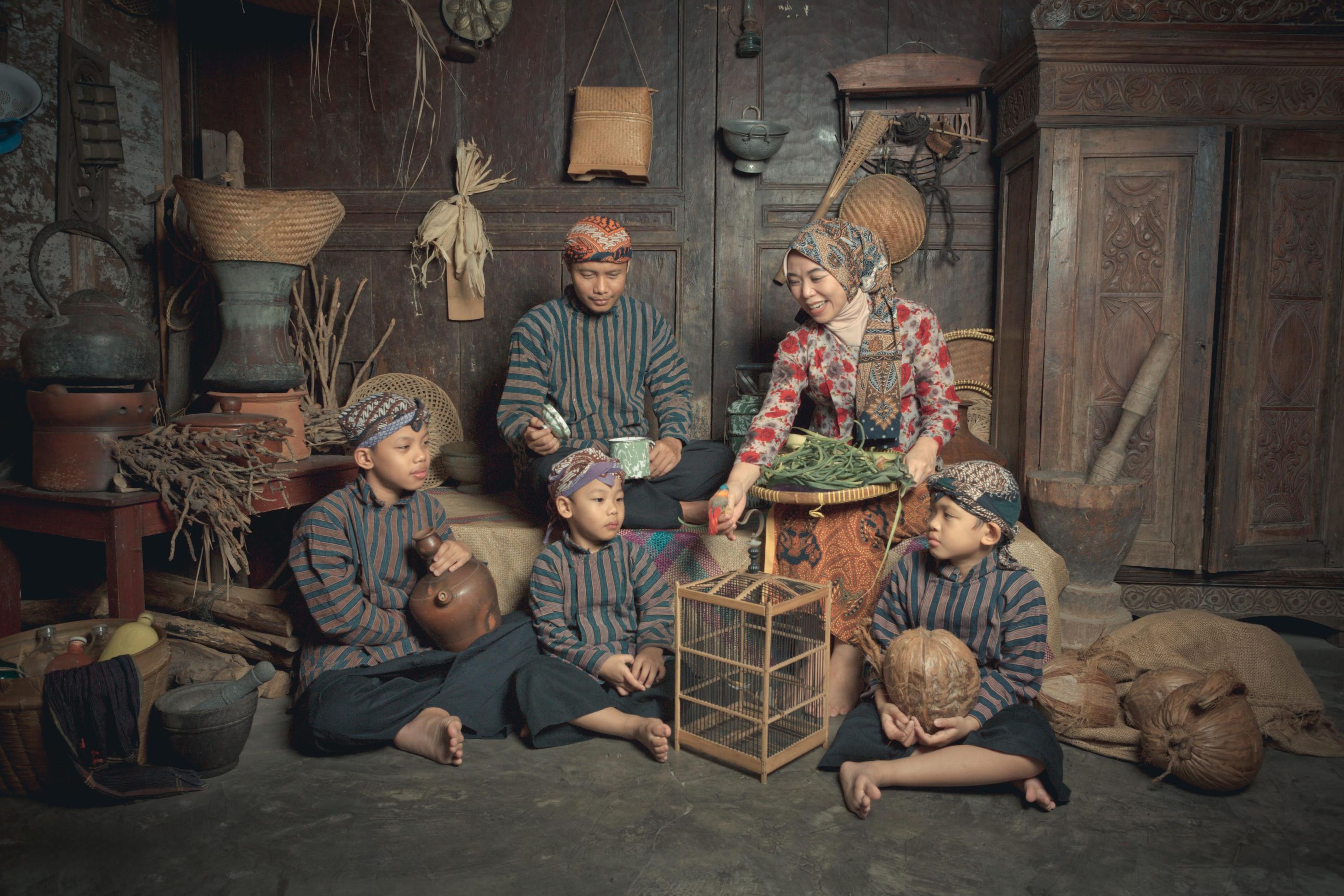
Yogyakarta, known as the cultural heart of Java, is a vibrant city rich in history, art, and tradition. As the only royal city in Indonesia, it offers a unique blend of Javanese heritage, modern university life, and stunning natural surroundings, including the iconic Borobudur and Prambanan temples.
Top Attractions
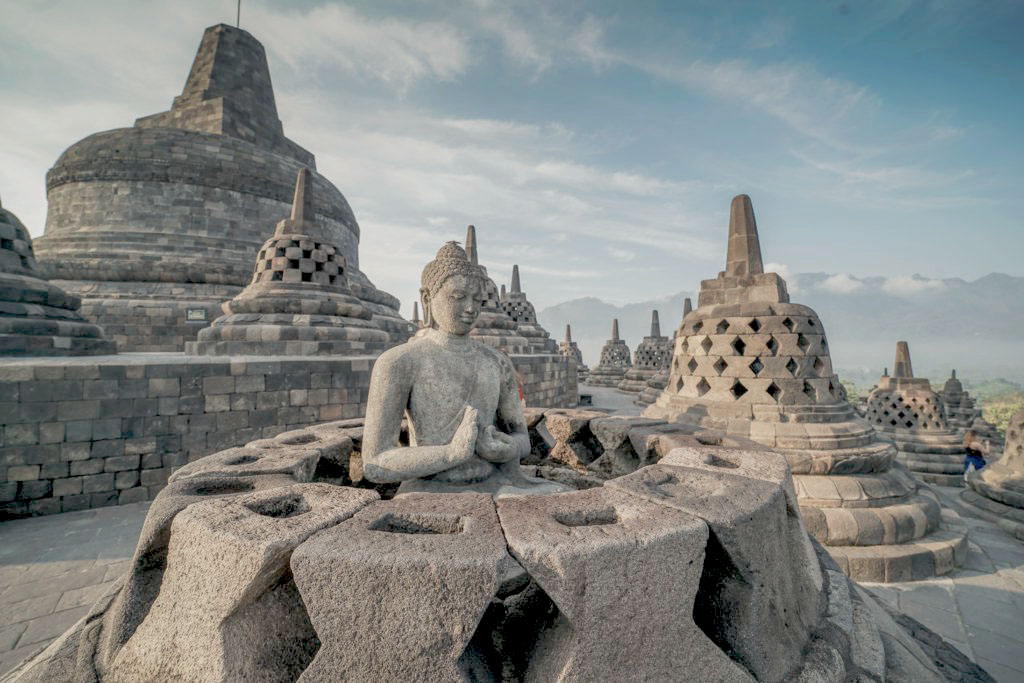
Borobudur Temple
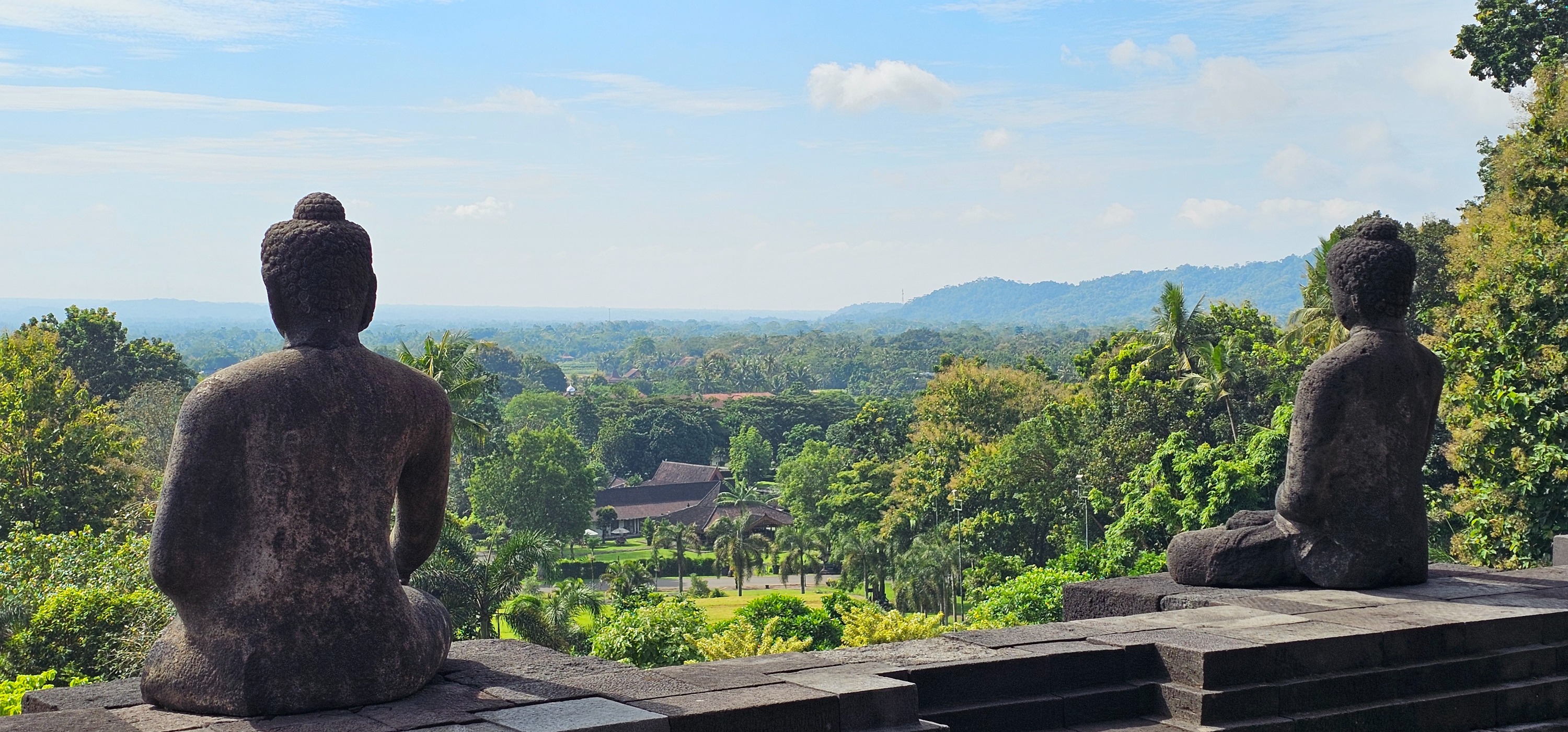
Borobudur is the largest Buddhist temple in the world and a UNESCO World Heritage Site. It is famous for its intricate carvings and stunning sunrise views.
Historical/Religious
Half-day to full day
IDR 50,000 - 250,000 depending on the view
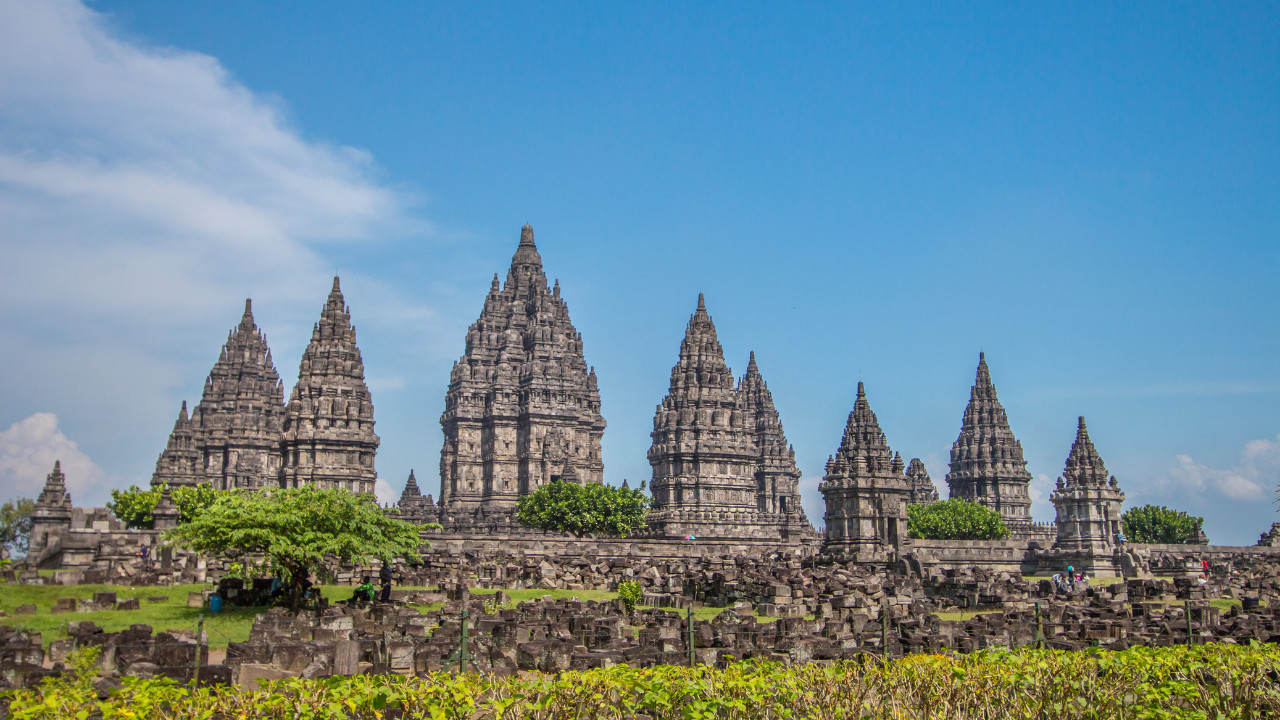
Prambanan Temple
Prambanan is the largest Hindu temple complex in Indonesia and a UNESCO World Heritage Site. It is known for its towering spires and beautiful architecture.
Historical/Religious
Half-day to full day
IDR 50,000 - 150,000 depending on the view
Kraton Ngayogyakarta Hadiningrat
The Kraton is the royal palace of the Sultan of Yogyakarta and a symbol of Javanese culture and tradition. It houses museums, batik workshops, and traditional performances.
Historical/Cultural
2-3 hours
IDR 10,000 - 25,000
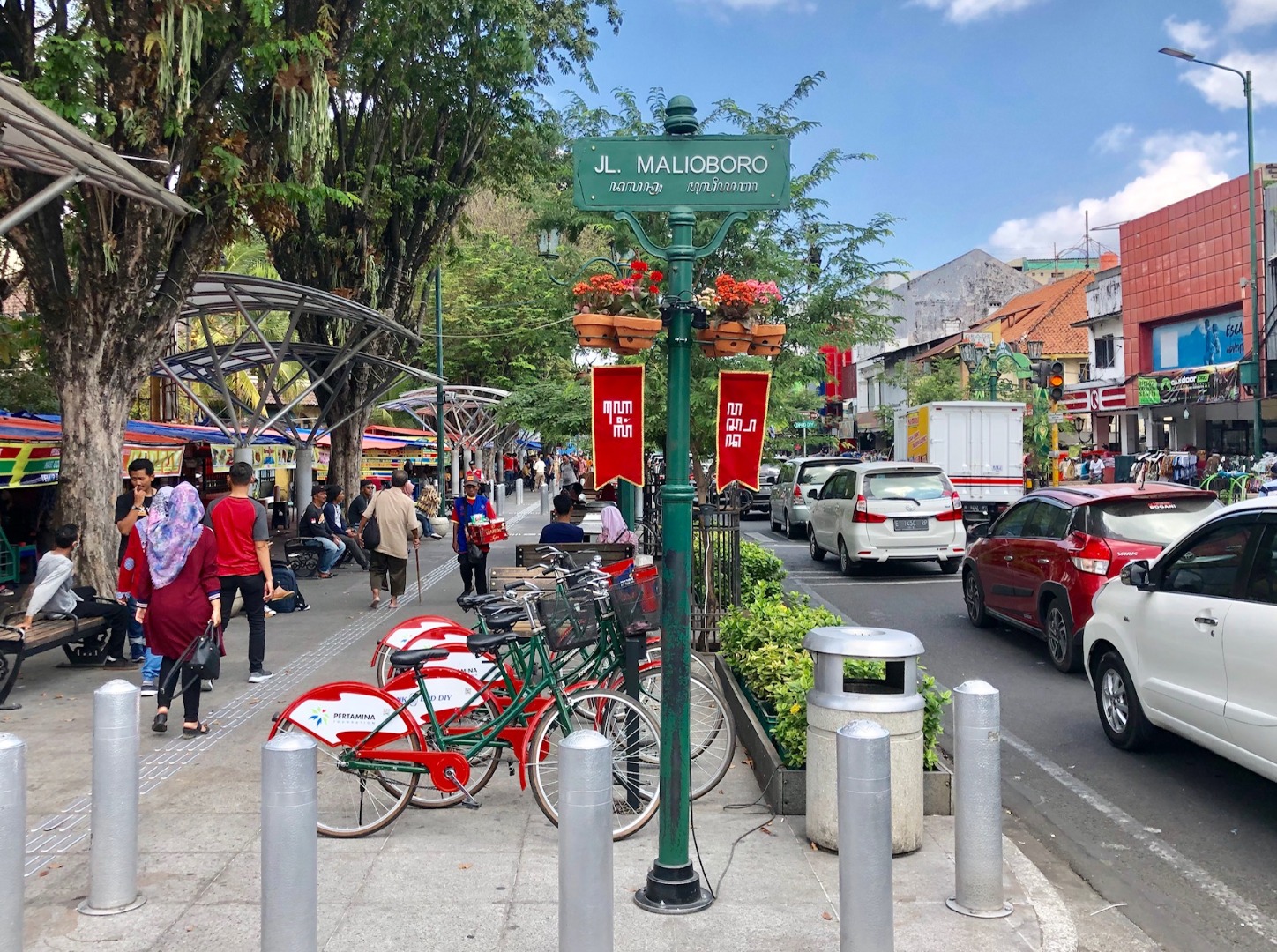
Malioboro Street
Malioboro Street is the heart of Yogyakarta's shopping and cultural scene. It is lined with shops, street vendors, and traditional markets selling batik, souvenirs, and local snacks.
Shopping/Cultural
Half-day to full day
Varies depending on purchases
Mount Merapi
Mount Merapi is an active volcano near Yogyakarta, offering stunning views and adventurous activities like hiking and jeep tours.
Nature/Adventure
Full day
IDR 500,000 - 1,500,000 for jeep tours
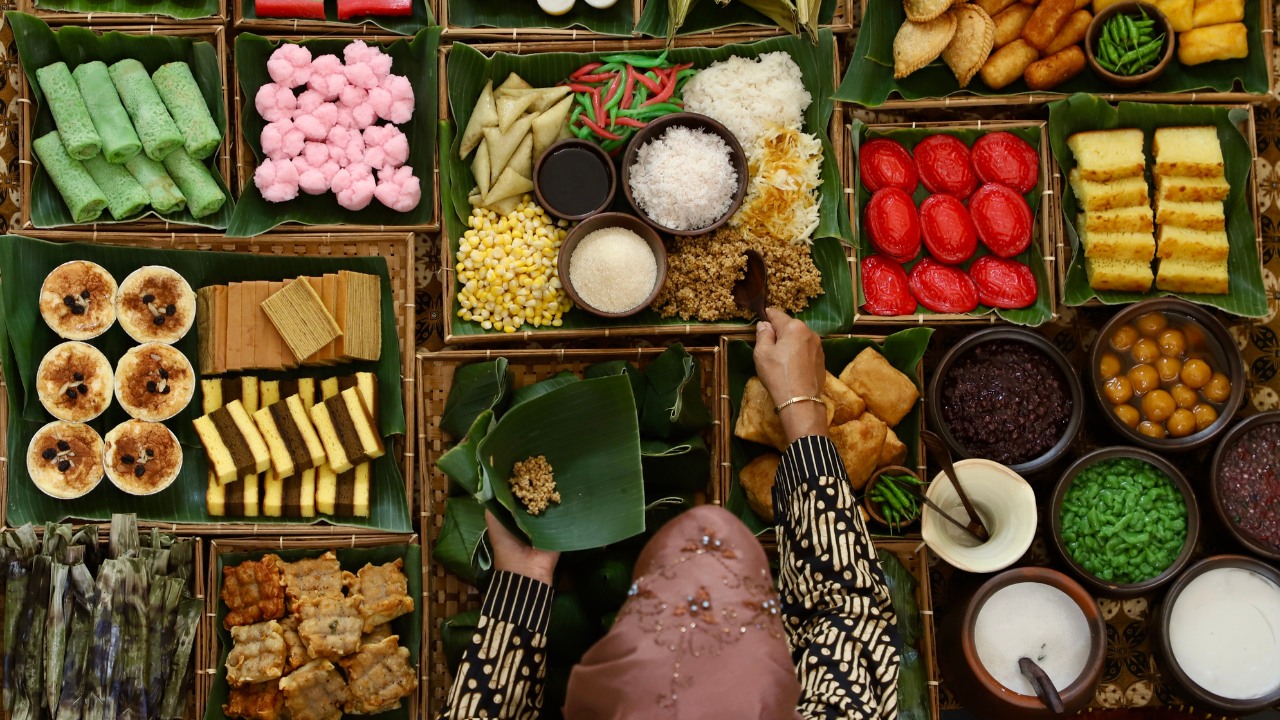
Must-Try Local Dishes
Gudeg
A traditional Javanese dish made from young unripe jackfruit boiled for several hours with palm sugar, and coconut milk. It is served with hard-boiled egg, fried tofu and tempeh, and sometimes also with jackfruit core (nungu), and sambal.
Breakfast
Vegetarian (check for specific preparations)
Nasi Kuning
Yellow rice cooked with turmeric, served with various side dishes such as fried chicken, tempeh, tofu, and vegetables.
Lunch/Dinner
Vegetarian options available
Soto Betawi
A rich and spicy soup made with cow or buffalo meat, coconut milk, and various herbs and spices. It is served with rice, fried tofu, and tempeh.
Lunch/Dinner
Contains meat, vegetarian options may be available
Klepon
Sweet rice cake balls filled with palm sugar and coated with grated coconut.
Dessert
Vegetarian
Popular Activities
Hiking Mount Merapi
Caving in Jomblang Cave
Jeep tours
Visiting traditional markets
Exploring batik workshops
Enjoying street food
Visiting Kraton Ngayogyakarta Hadiningrat
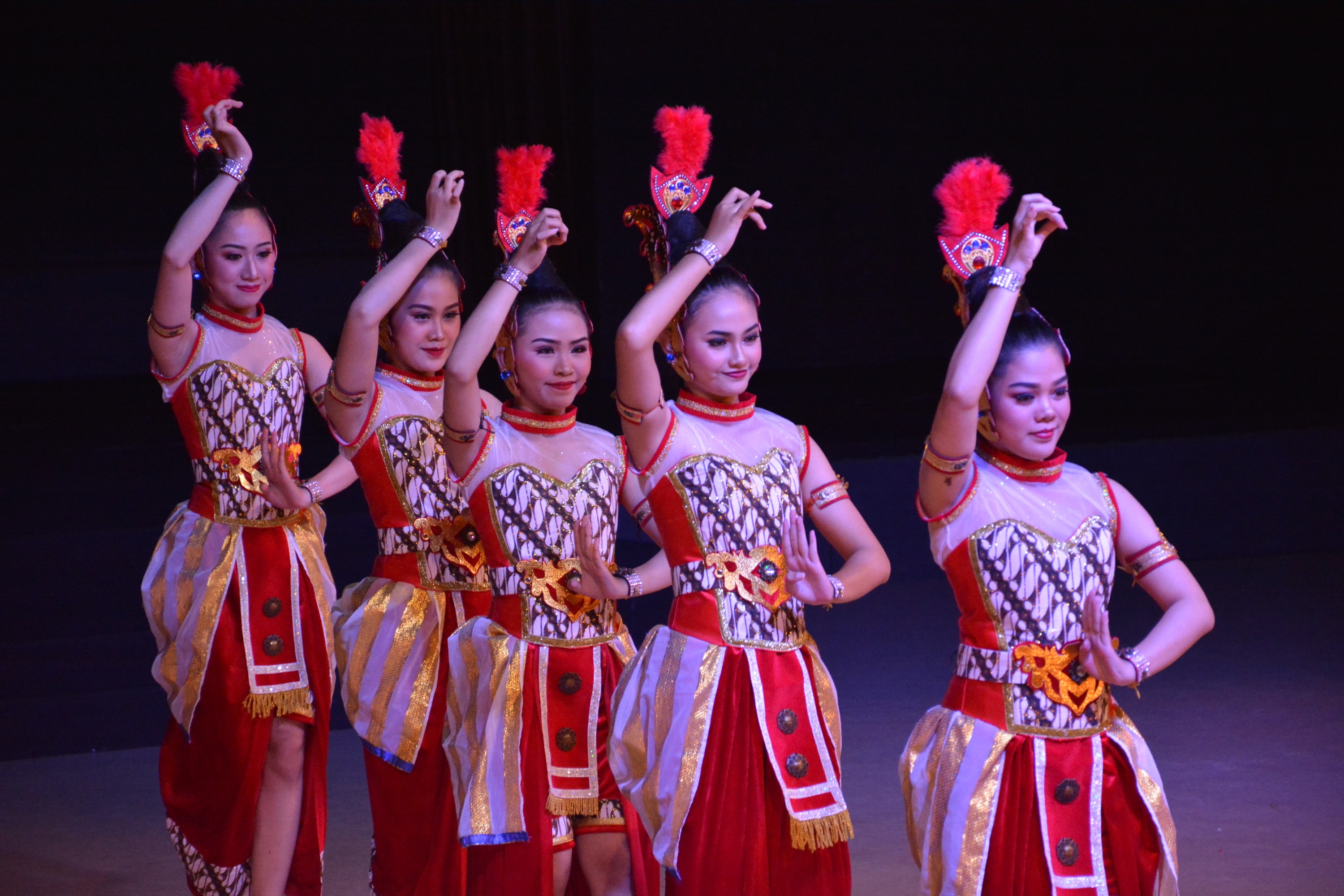
Watching traditional dance performances
Best Time to Visit
Dry season (May to September)
The dry season offers the best weather for exploring Yogyakarta's outdoor attractions and temples. The skies are clear, and rainfall is minimal.
25°C to 32°C
77°F to 90°F
Practical Information
Language
- Official: Indonesian
- Widely spoken: Javanese, English (moderately spoken)
- English: Moderately spoken
Currency
Indonesian Rupiah (IDR)
Time Zone
GMT+7
Electricity
230VV, 50HzHz
Safety Information
Overall Safety Rating: Generally safe
Yogyakarta is generally safe for travelers, with low crime rates and a welcoming atmosphere. However, petty crime and scams can occur, especially in tourist areas.
Important Precautions:
- • Be cautious of your surroundings, especially in crowded areas
- • Use reputable tour operators and transportation services
- • Keep your belongings secure and be aware of pickpockets
Getting there
By air
- Adisucipto International Airport • 5 km from city center
By train
Tugu Yogyakarta Station, Lempuyangan Station
By bus
Giwangan Bus Terminal, Jomblang Bus Terminal
Getting around
Public transport
The Trans Jogja bus system is an affordable and efficient way to get around the city. Buses are air-conditioned and have designated stops.
Taxis
Available • Apps: Gojek, Grab
Rentals
Car, Bike, Scooter
Neighborhoods
Malioboro
Kraton
Sleman
Day trips
Borobudur Temple
40 km • Half-day to full day
Explore the largest Buddhist temple in the world and marvel at its intricate carvings and stunning sunrise views.
Prambanan Temple
17 km • Half-day to full day
Visit the largest Hindu temple complex in Indonesia and enjoy the Ramayana Ballet performance in the evening.
Mount Merapi
30 km • Full day
Experience the thrill of exploring an active volcano with jeep tours and hiking adventures.
Festivals
Yogyakarta Cultural Festival • June to July
Sultan's Birthday Celebration • June 10-12
Malioboro Festival • July to August
Pro tips
- Hire a local guide for a more in-depth and authentic experience of Yogyakarta's cultural and historical sites
- Try local street food and snacks, but be cautious and choose busy stalls with high turnover
- Bargain for better prices when shopping, especially in markets and street vendors
- Dress modestly and respectfully, especially when visiting religious and cultural sites
- Learn a few basic phrases in Indonesian or Javanese to enhance your interaction with locals
From $25
per person
Price varies by option
Secure booking
Free cancellation available
Instant confirmation