Private Walking Tour in Dublin
Active
2h - 3h
For a full refund, cancel at least 24 hours before the scheduled departure time.
Instant_then_manual confirmation
Mobile or paper ticket accepted
About this experience
Through this guided tour you will have a complete overview of Dublin’s most important sites. After this tour you will completely appreciate Dublin's past and present. The guide will also point you out interesting things to do, best restaurant where to appreciate modern and traditional Irish food; best pubs where to drink and dance at the rhythm of traditional Irish music.
Available options
Private Walking Tour in Dublin
What's included
All Fees and Taxes
Detailed itinerary
1
Stop 1
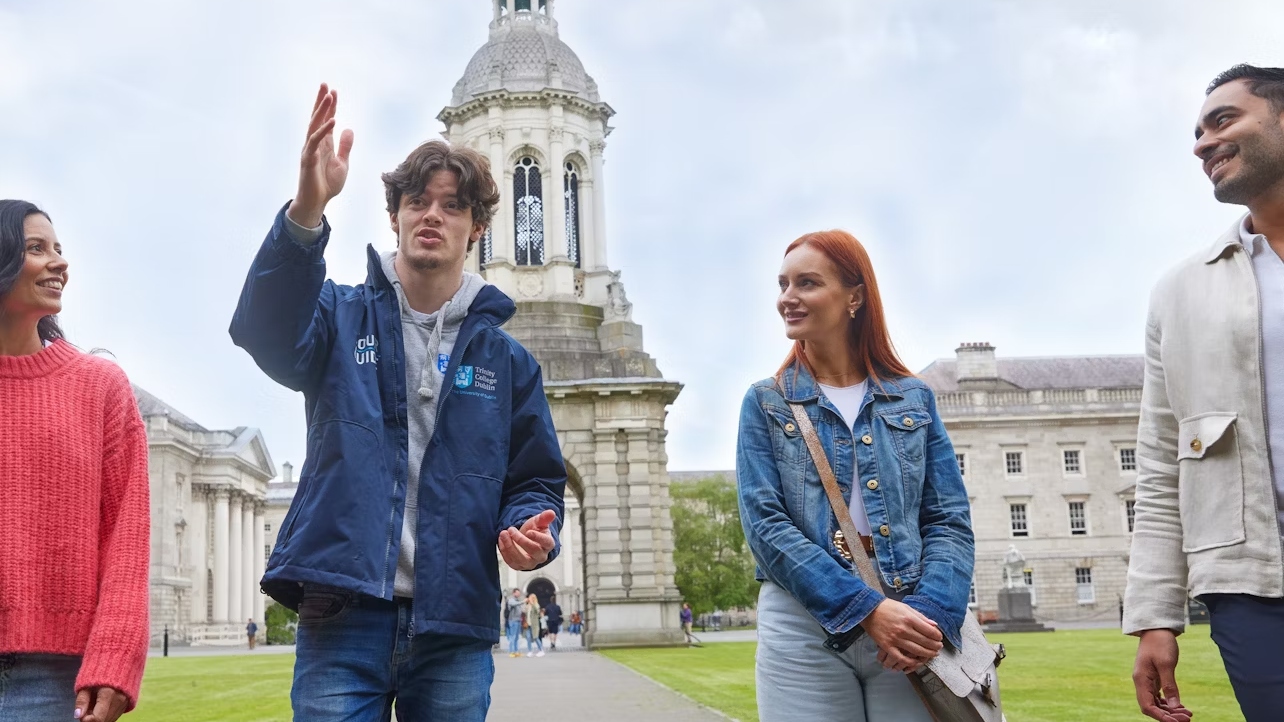
Trinity College is Ireland’s most prestigious university. It was founded in 1592 from Queen Elizabeth I. With more than 20,000 people working and studying here, it's a city within the city. The university boasts world famous graduates like Oscar Wilde, Bram Stoker and Jonathan Swift.
2
Stop 2
This elegant Georgian building is the symbol of freedom from the British Empire. The famous 1916 Easter Rising happened here when the member of Irish Volunteers and Irish Citizen Army seized the building on Easter Monday. The bullet marks from this battle can still be seen in the front pillars today.
3
Stop 3
Officially named “The Monument of Light” the Spire is the tallest modern art monument in the world. It is 120 metres tall and 3 metresin diameter at the base. It was originallyconstructed to celebrate the new millennium.
4
Stop 4
Officially named the Liffey Bridge, but most famously known as the Ha’Penny Bridge.This iconic landmark was the first pedestrian bridge in Dublin. It was built in 1816 and for more than 100 years it was a tall bridge, hence the name Ha’Penny that means half a penny.
5
Stop 5
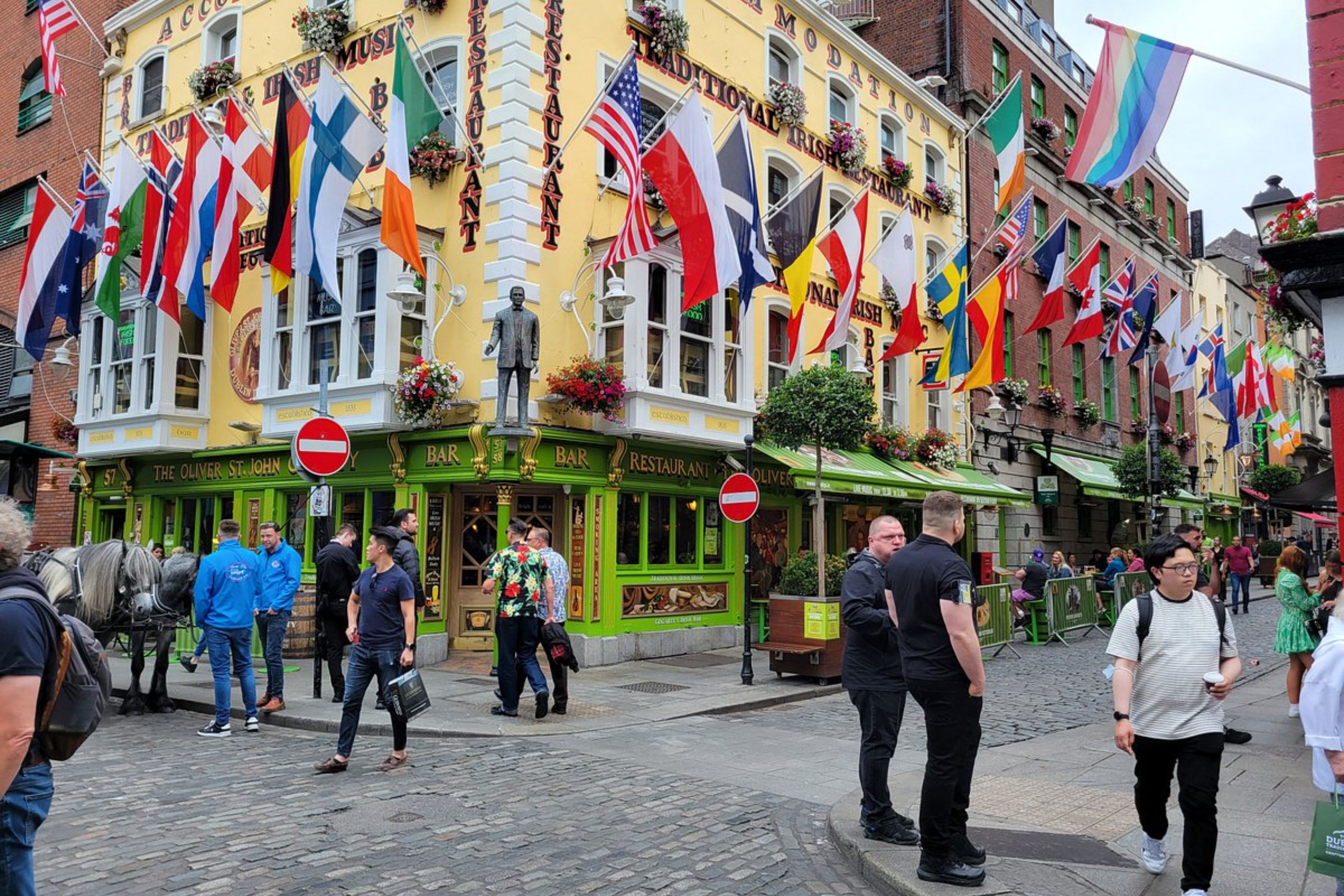
Temple bar area is Dublin’s most famous cultural and nightlife district. We’ll explore this old neighbourhood with its secrets, we will view the most famous pubs where traditional Irish music is played every night and the best restaurants where to sample the most delicious traditional Irish food.
6
At the feet of the hill culminating with Christchurch,archaeologists, further the building of the “new city hall”, discovered the biggest Viking settlements outside Scandinavia. The Vikings were marauders and trader at first to permanently settle in Dublin in 841 AD.
7
Stop 7
Located in the heart of Dublin medieval district, Christ Church was originally a Viking church and has been welcoming pilgrims and visitors for almost 1,000 years. The cathedral is an architectural masterpiece, with hidden treasures in every corner, from Strongbow’s tomb to a copy of the Magna Carta.
8
Stop 8
Located in the heart of the Liberties. The actual building was completed between 1225 and 1270 in honour of Ireland’s patron saint, St. Patrick. This site is where St. Patrick’s baptised the Irish Gaelic people converting them to christianism. This Gothic Jewel boasts Jonathan’s Swift tomb along with many other treasures.
9
Stop 9
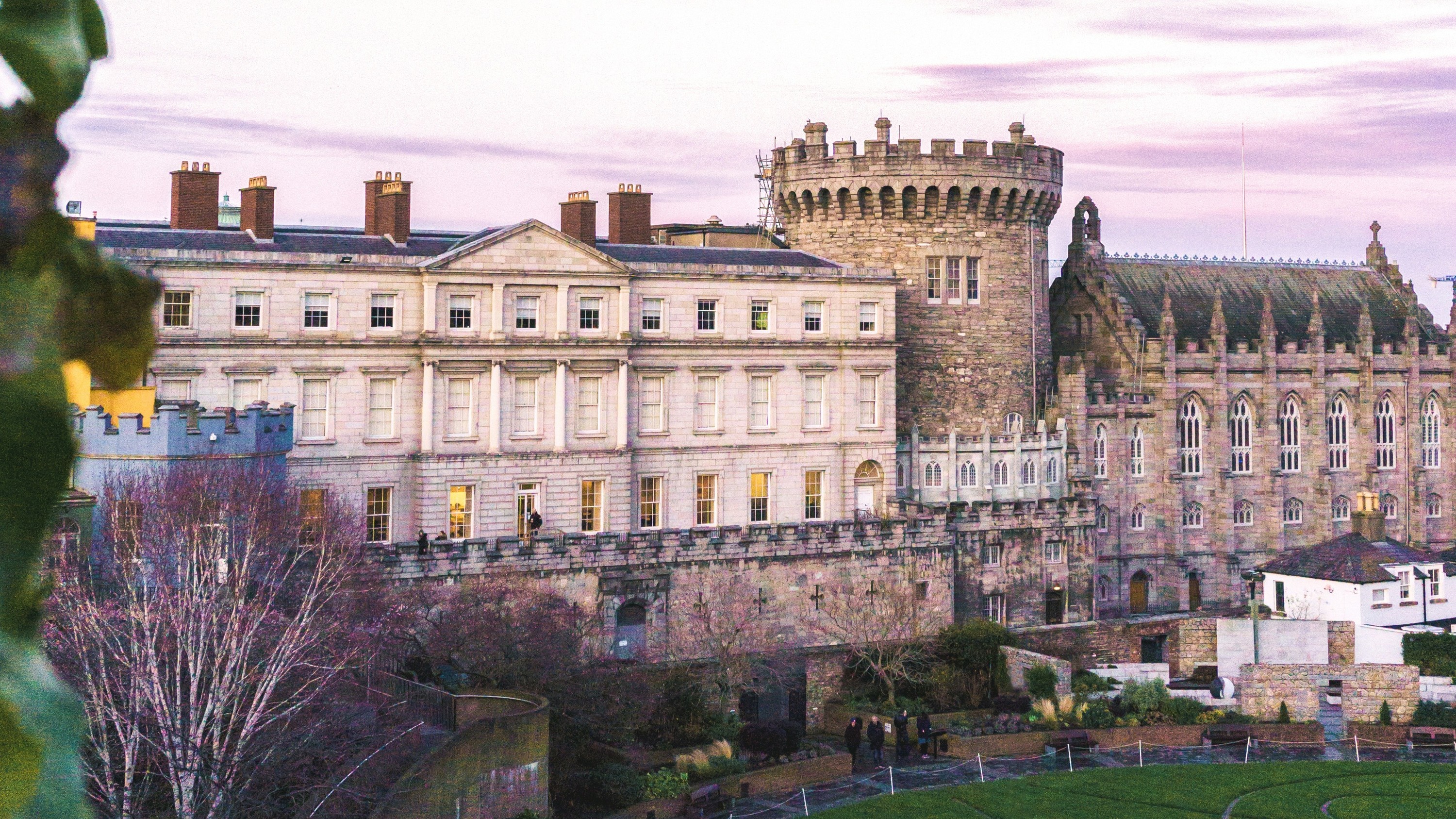
The Castle was the seat of the viceroy (representative in Ireland of the English monarch) from which the English ruled Ireland for more than 700 years. The Record tower is the only remaining piece of the original medieval castle, all the others pieces of architecture are State Apartments built in the 18th century.
10
Stop 10
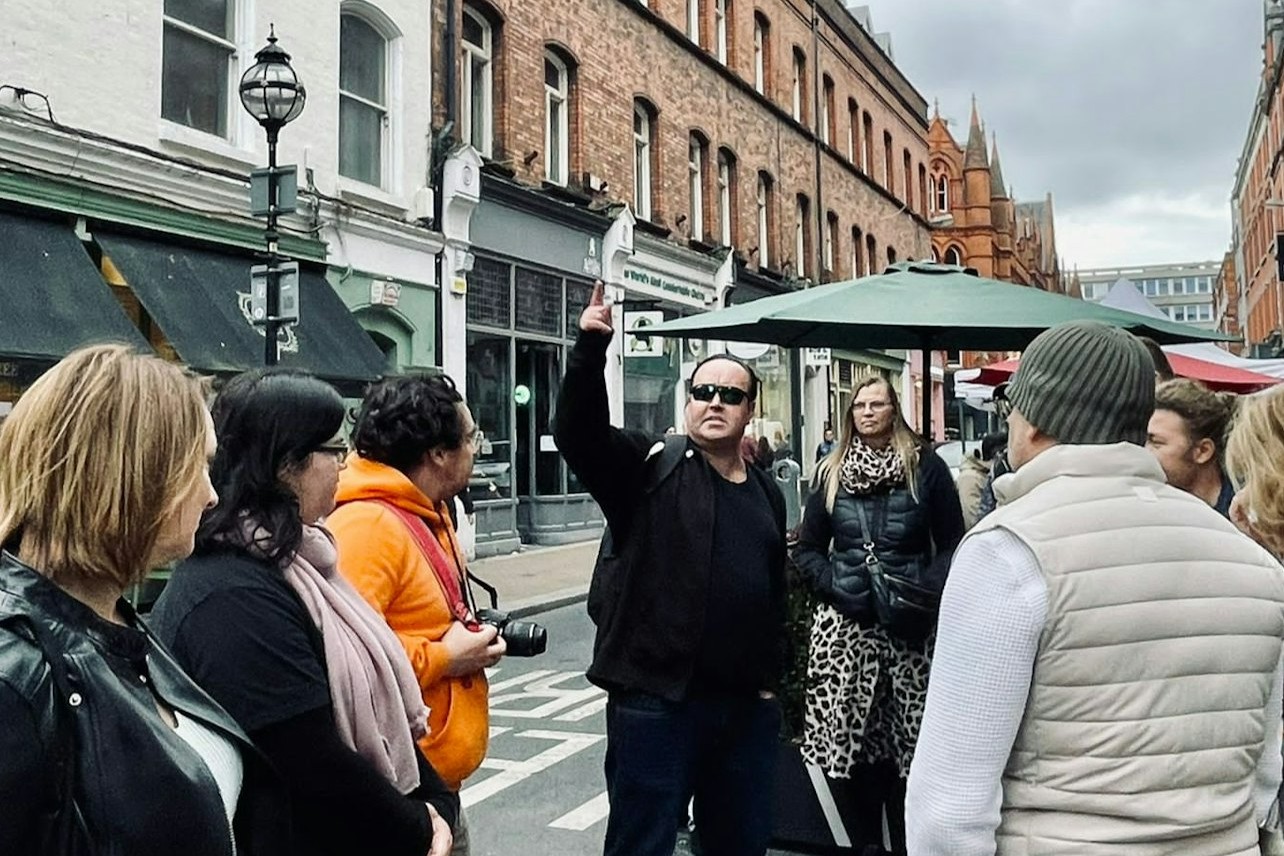
At the heart of Dublin’s creative quarter, George’s street Arcade is Dublin oldest shopping centre. And it’s perhaps one of the city’s finest examples of Victorian era architecture. The arcade has been opened for almost 140 years as part of South city market buildings and boasts many different types shops and stalls.
11
Stop 11
The Molly Malone statue was unveiled in 1988 to celebrate Dublin city’s first millennium. This popular character inspired the famous song “Molly Malone” which has become the unofficial Dublin’s anthem. We don’t know if she ever existed one theory suggested that Molly Malone was based on a real woman who died in Dublin in 1699.
Available languages
Guide guide
EN
IT
FR
Reviews breakdown
Viator
5.0
8 reviews
5★
8
4★
0
3★
0
2★
0
1★
0
Tripadvisor
5.0
10 reviews
5★
10
4★
0
3★
0
2★
0
1★
0
Important information
Wheelchair accessible
Infants and small children can ride in a pram or stroller
Service animals allowed
Public transportation options are available nearby
Specialized infant seats are available
Transportation options are wheelchair accessible
Suitable for all physical fitness levels
Meeting point
Meeting at Henry Grattan Statue
About Dublin
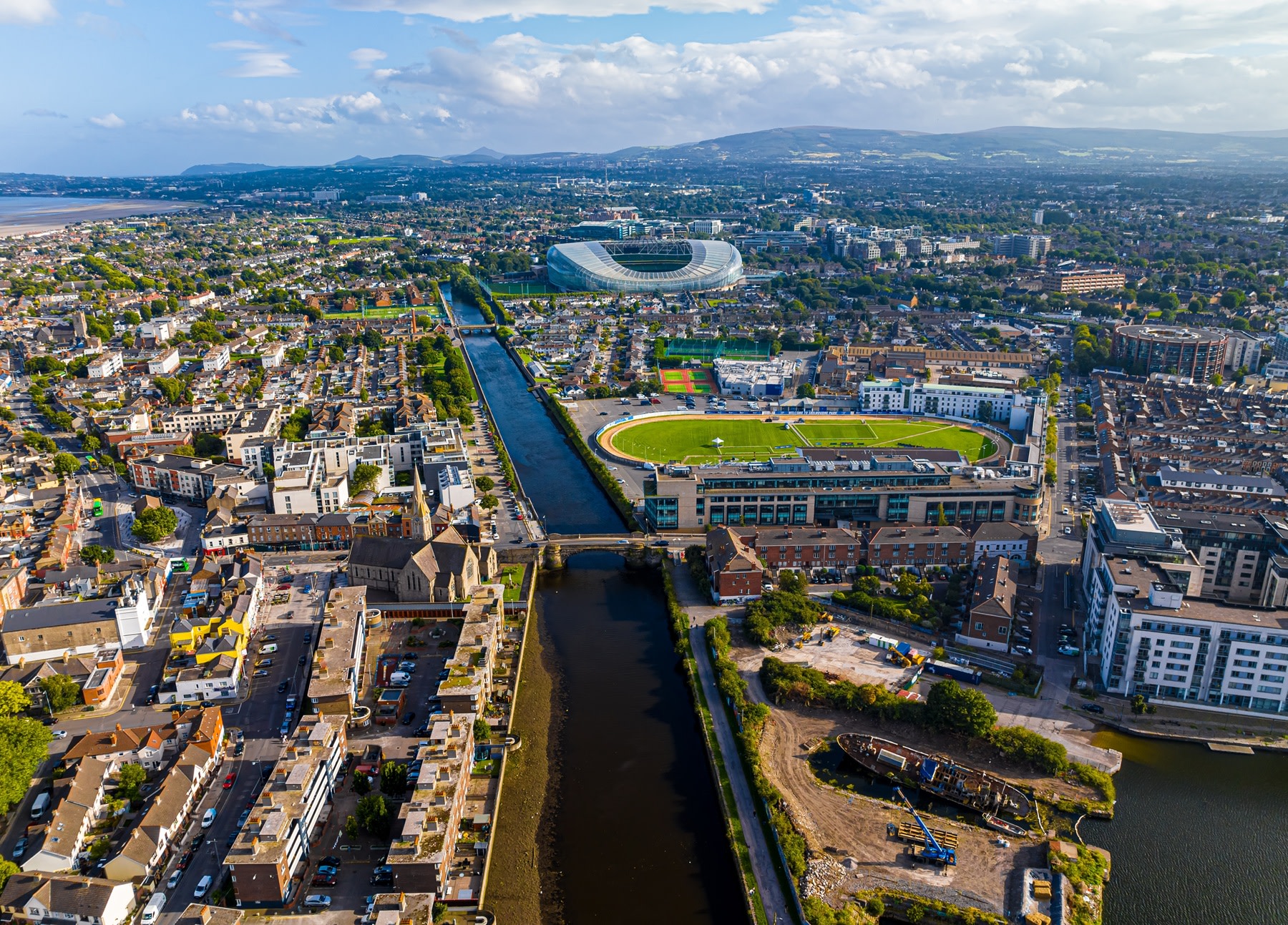
Dublin, the capital of Ireland, is a vibrant city rich in history, culture, and charm. Known for its welcoming atmosphere, literary heritage, and lively pub scene, Dublin offers a unique blend of medieval architecture, modern amenities, and stunning coastal landscapes.
Top Attractions
Trinity College and the Book of Kells
Trinity College is Ireland's oldest university and home to the famous Book of Kells, a beautifully illustrated manuscript from the 9th century.
Historical
1-2 hours
€16 (Book of Kells exhibition)
Guinness Storehouse
The Guinness Storehouse is a seven-story interactive experience dedicated to the history and brewing process of Ireland's most famous beer.
Cultural
2-3 hours
€25-€30
Kilmainham Gaol
Kilmainham Gaol is a former prison that played a significant role in Irish history, particularly during the struggle for independence.
Historical
1-2 hours
€8
Dublin Castle
Dublin Castle has been a symbol of British rule in Ireland for centuries and is now a major government complex and tourist attraction.
Historical
1-2 hours
€10-€12
St. Patrick's Cathedral
St. Patrick's Cathedral is one of Dublin's most impressive churches, known for its stunning architecture and historical significance.
Religious
1 hour
€7.50
Phoenix Park
Phoenix Park is one of the largest urban parks in Europe, offering a peaceful escape from the city with its lush greenery and wildlife.
Nature
2-3 hours
Free
Must-Try Local Dishes
Irish Stew
A hearty dish made with lamb or beef, potatoes, carrots, and onions, slow-cooked to perfection.
Main Course
Contains meat, can be made vegetarian
Boxty
A traditional Irish potato pancake made with grated and mashed potatoes, flour, and buttermilk.
Side Dish
Vegetarian
Coddle
A comforting dish made with sausages, bacon, potatoes, and onions, slow-cooked in a rich broth.
Main Course
Contains meat
Soda Bread
A traditional Irish bread made with flour, baking soda, and buttermilk, known for its dense texture and slightly tangy flavor.
Bread
Vegetarian
Popular Activities
Hiking in the Wicklow Mountains
Kayaking on the River Liffey
Rock climbing at Dublin Rock Climbing Centre
Spa day at a luxury hotel
Strolling through St. Stephen's Green
Enjoying a pint in a cozy pub
Visiting museums and galleries
Attending a traditional music session
Best Time to Visit
June to August
Summer is the peak tourist season with the warmest weather and longest daylight hours. This is the best time for outdoor activities and festivals.
15°C to 20°C
59°F to 68°F
Practical Information
Language
- Official: Irish, English
- Widely spoken: English
- English: Widely spoken
Currency
Euro (EUR)
Time Zone
GMT (UTC+0) or GMT+1 during daylight saving time
Electricity
230VV, 50HzHz
Safety Information
Overall Safety Rating: Generally safe
Dublin is generally safe, with low levels of violent crime. However, petty crime such as pickpocketing and bag snatching can occur, especially in tourist areas and on public transport.
Getting there
By air
- Dublin Airport • 10 km (6 miles) north of the city center
By train
Heuston Station, Connolly Station
By bus
Busáras Central Bus Station
Getting around
Public transport
Dublin Bus offers a comprehensive network covering the entire city and surrounding areas.
Taxis
Available • Apps: Free Now, Uber
Rentals
Car, Bike, Scooter
Neighborhoods
Temple Bar
Dublin 2 (City Center)
Dublin 4 (Ballsbridge and Sandymount)
Dublin 7 (Smithfield and Stoneybatter)
Dublin 8 (The Liberties)
Day trips
Howth
13 km (8 miles) from Dublin • Half day to full day
A charming coastal village known for its scenic cliffs, fishing harbor, and fresh seafood.
Malahide Castle and Gardens
14 km (9 miles) from Dublin • Half day
A historic castle and beautiful gardens offering a glimpse into Ireland's medieval past.
Glendalough
50 km (31 miles) from Dublin • Full day
A scenic monastic site and glacial valley in the Wicklow Mountains, known for its ancient ruins and hiking trails.
Festivals
St. Patrick's Festival • March 17
Dublin Theatre Festival • September-October
Temple Bar Traditional Music Festival • March
Pro tips
- Visit the Guinness Storehouse for a complimentary pint and stunning views of the city
- Explore the historic Trinity College and the Book of Kells, but book tickets in advance to avoid long queues
- Take a stroll through St. Stephen's Green, a beautiful urban park in the heart of the city
- Experience traditional Irish music in a cozy pub, such as The Brazen Head or The Cobblestone
- Try Irish stew, a hearty and comforting dish made with lamb or beef, potatoes, and onions
From $25
per person
Price varies by option
Secure booking
Free cancellation available