Full day Phnom Penh City Tour
Active
8h
For a full refund, cancel at least 24 hours before the scheduled departure time.
Instant confirmation
Mobile or paper ticket accepted
About this experience
Cambodia's greatest glory, its UNESCO-listed Angkor Archaeological Park, attracts more than two million visitors a year for good reason. But, all too often, the rest of this charming kingdom is overlooked by busy travelers, so don't be afraid to veer off the beaten track. Start in Phnom Penh, the lively capital, a day trip to Tluong Suong Genocide Museum and Choeung Ek Genocidal Center (aka the Killing Fields) reveals the country's tragic past under the Khmer Rouge, a heartbreaking but critical history that is woven into the stories of most Cambodians you'll meet. Hit the National Museum, home to a treasure trove of Angkor artifacts; tour the Royal Palace and the shimmering Silver Pagoda; The king statue, Independence Momence, Central Market, and visit Wat Phnom.
Available options
Full day Phnom Penh City Tour
Pickup included
What's included
Fruits.
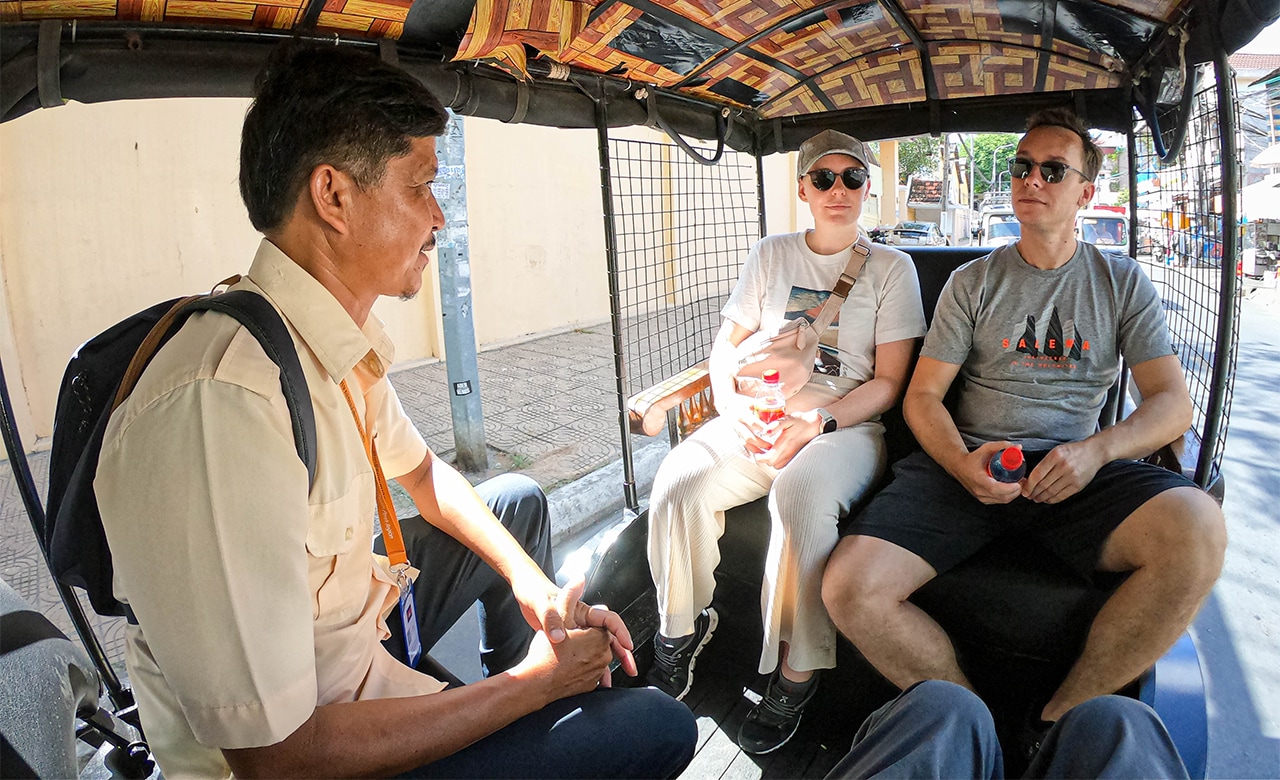
A professional English Speaking Tour Guide.
All entrance fee tickets and taxes.
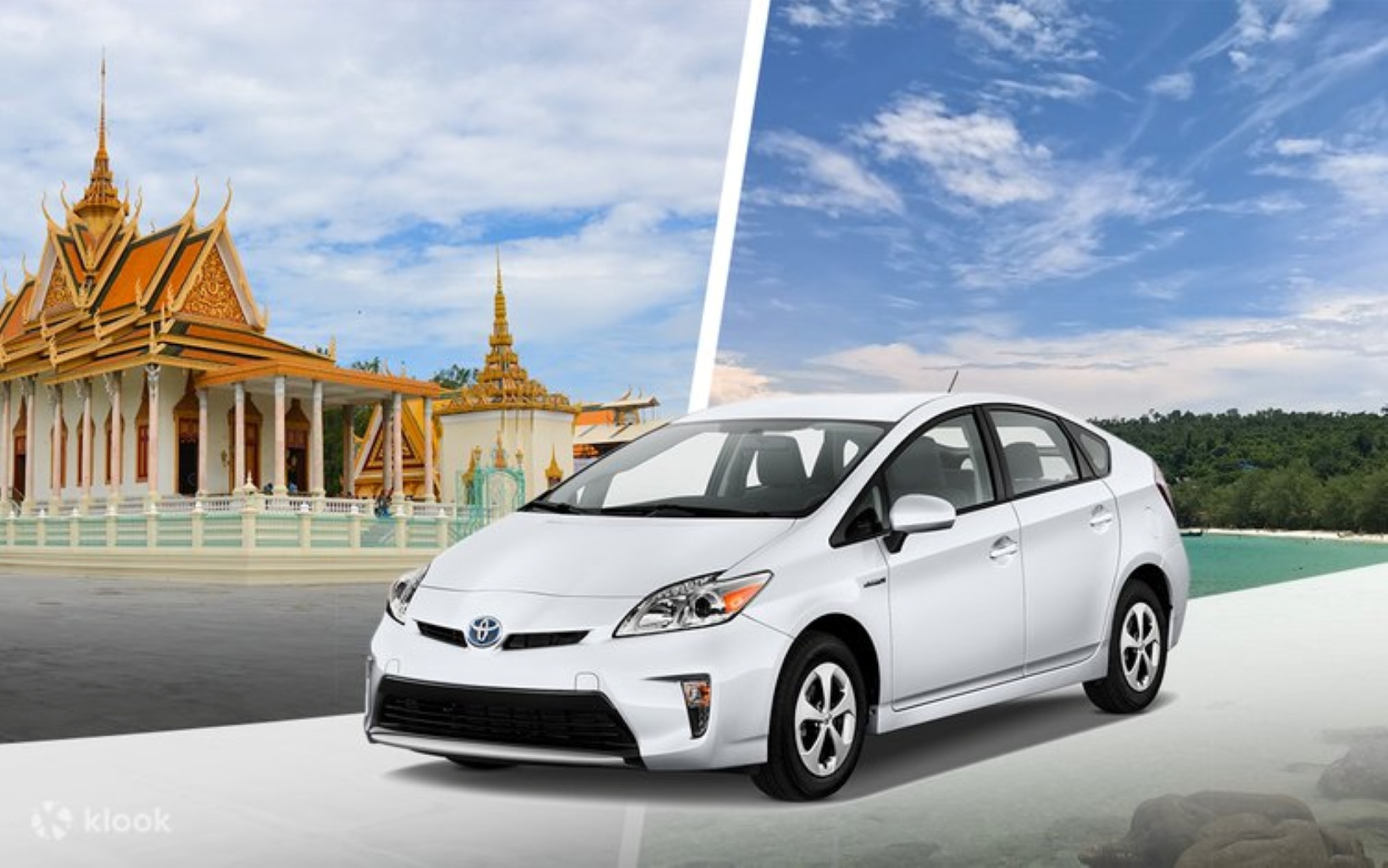
A safe driver with cleaned transportation.
Cool water.
Detailed itinerary
1
Stop 1
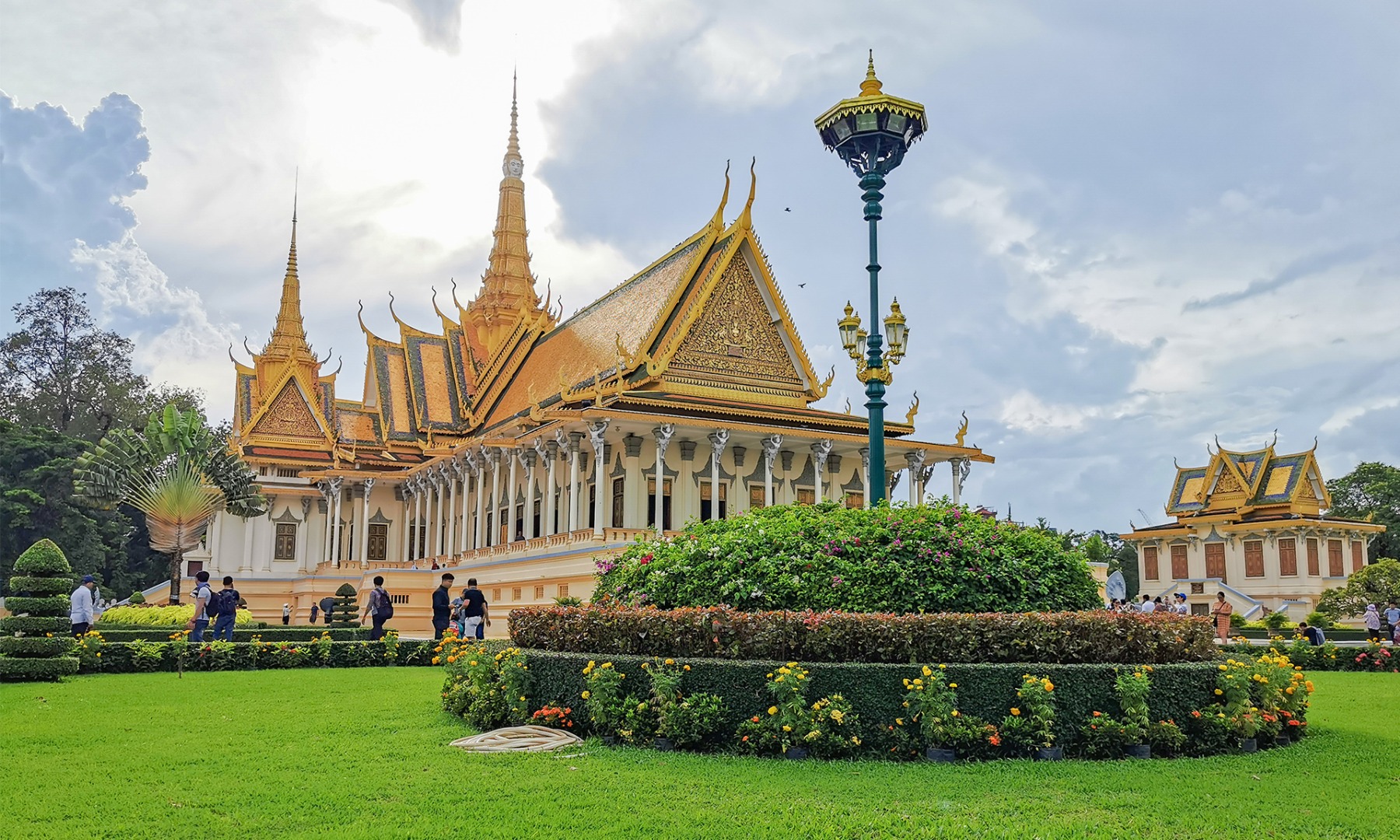
The establishment of the Royal Palace in Phnom Penh in 1866 is a comparatively recent event in the history of the Khmer and Cambodia. The seat of Khmer power in the region rested in or near Angkor north of the Great Tonle Sap Lake from 802 AD until the early 15th century. After the Khmer court moved from Angkor in the 15th century after being destroyed by Siam, it first settled in Phnom Penh. The main elements of the public eastern courtyard of the modern palace are:
The Throne Hall, which contains the three main royal thrones and is the place kings are crowned and where foreign ambassadors are received;
-The Napoleon Pavilion, which Norodom used as a reception hall and is today a museum;
-The Phochani Pavilion, a banqueting hall;
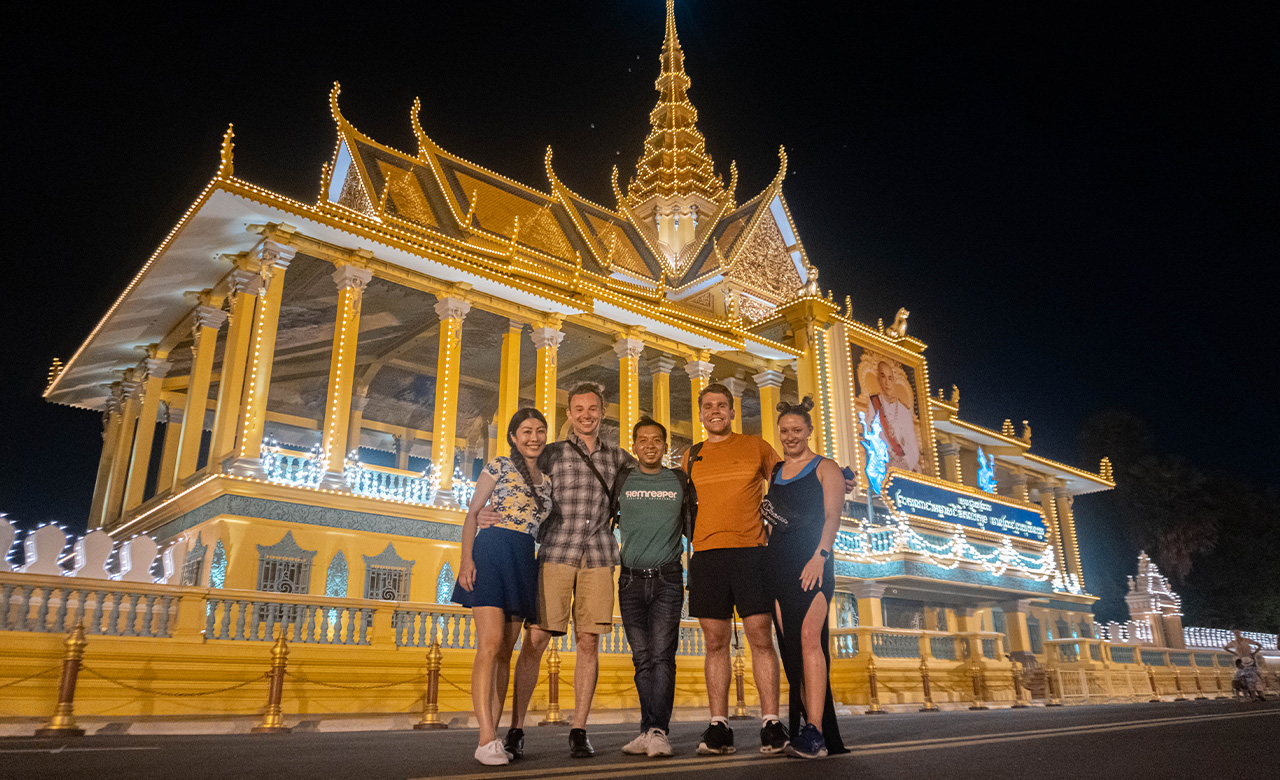
-The Chan Chhaya or Moonlight Pavilion on the northeast section of the wall, used for state banquets and dance performances;
-The Damnak Chan behind the Napoleon Pavilion, an administrative building.
2
Stop 2
The Silver Pagoda is located on the south side of the Royal Palace in Chey Chumneas, Phnom Penh. The official name is Wat Ubaosoth Ratanaram, also known as Wat Preah Keo Morakot which is commonly shortened to Wat Preah Keo in Khmer. This temple is called Wat Prak by foreign tourists because the floor is made of silver, the whole floor is covered with 5329 pieces of silver in One tablet weighs 1,125 kg. There are 1,650 artifacts on display in the temple, most of which are made of gold, silver, bronze and adorned with precious stones such as diamonds, rubies, sapphires and other precious stones. The statue is made of 90 kilograms of gold and contains 9584 diamonds, the largest of which is 25 carats.
3
Stop 3
A market and an art deco landmark in Phnom Penh, the capital of Cambodia. The bright yellow building completed in 1937 has a 26-metre high central dome, with four tall arch-roofed arms branching out diagonally across the block, creating vast hallways housing countless stalls and a variety of goods. Initially designed by city architect Jean Desbois, construction works were supervised by French architect Louis Chauchon. When it first opened in 1937, it was said to be the biggest market in Asia; today it still operates as a market.
4
Stop 4
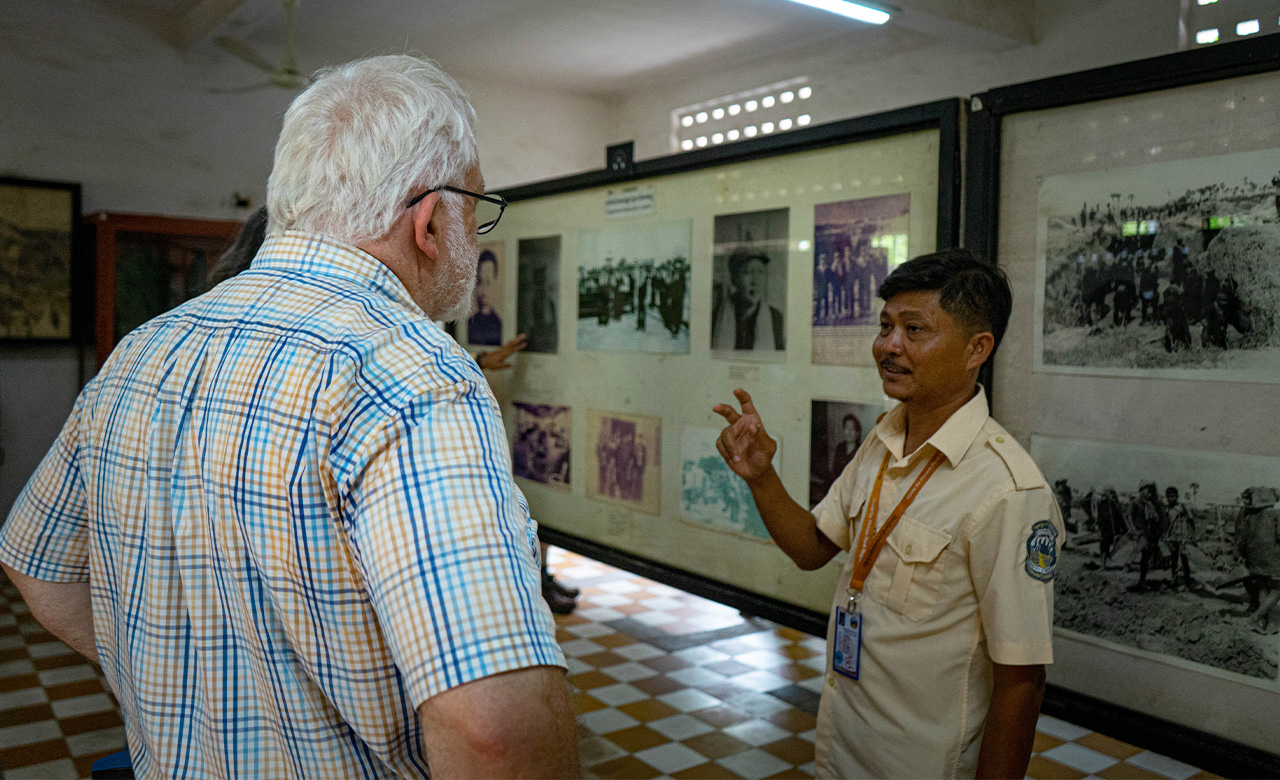
To accommodate the victims of purges that were important enough for the attention of the Khmer Rouge, a new detention center was planned in the building that was formerly known as the Tuol Svay Pray High School, named after a royal ancestor of King Norodom Sihanouk, the five buildings of the complex were converted in March or April 1976 into a prison and an interrogation center. Before, other buildings in town were used already as prison S-21. The Khmer Rouge renamed the complex "Security Prison 21" (S-21) and construction began to adapt the prison for the inmates: the buildings were enclosed in electrified barbed wire, the classrooms converted into tiny prison and torture chambers, and all windows were covered with iron bars and barbed wire to prevent escapes and suicides.
From 1976 to 1979, an estimated 20,000 people were imprisoned at Tuol Sleng (the real number is unknown). At any one time, the prison held between 1,000 and 1,500 prisoners.
5
Stop 5
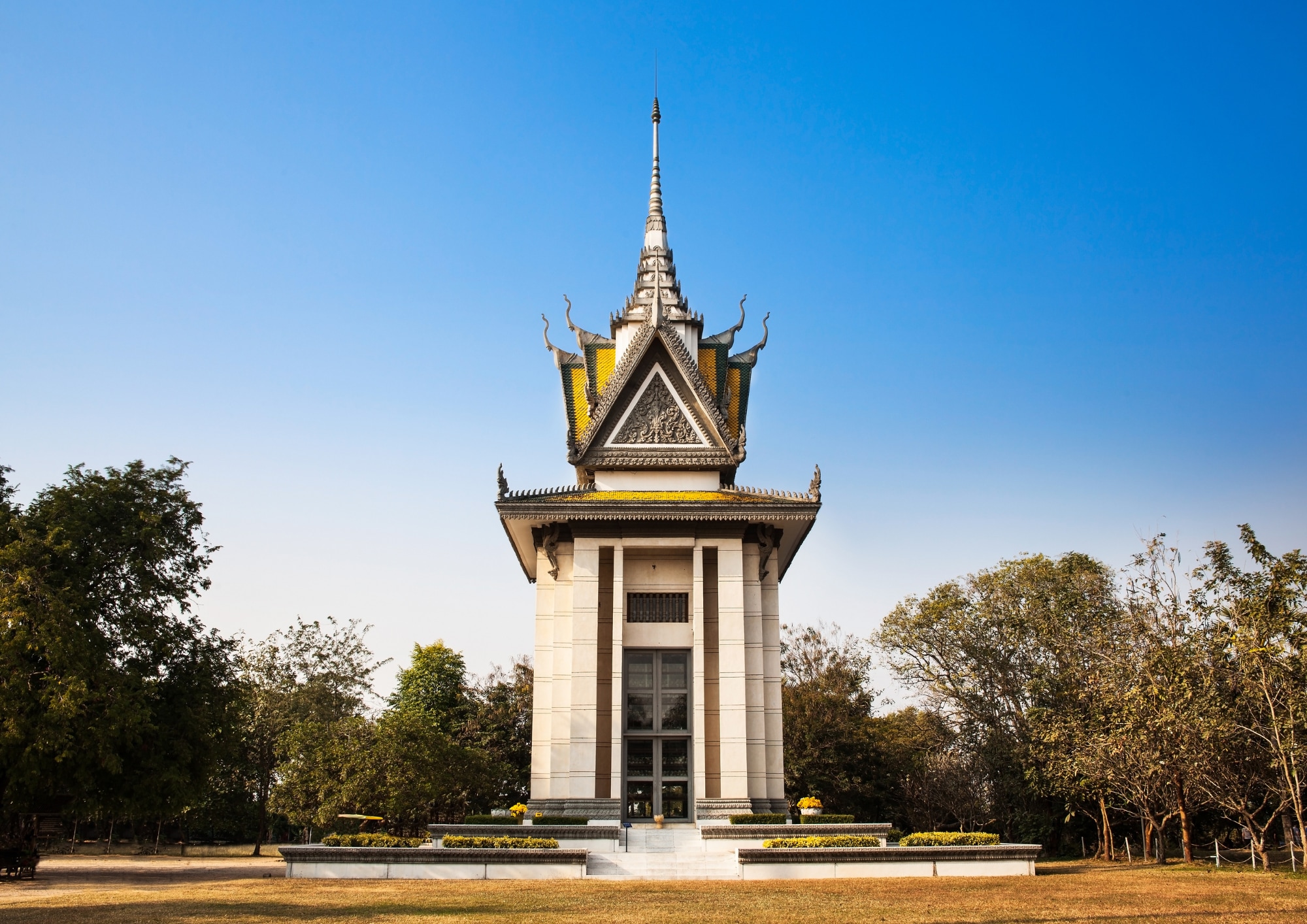
Mass graves containing 8,895 bodies were discovered at Choeung Ek after the fall of the Khmer Rouge regime. Many of the dead were former political prisoners who were kept by the Khmer Rouge in their Tuol Sleng detention center and in other Cambodian detention centers.
Today, Choeung Ek is a memorial, marked by a Buddhist stupa. The stupa has acrylic glass sides and is filled with more than 5,000 human skulls. Some of the lower levels are opened during the day so that the skulls can be seen directly. Many have been shattered or smashed in.
6
Stop 6
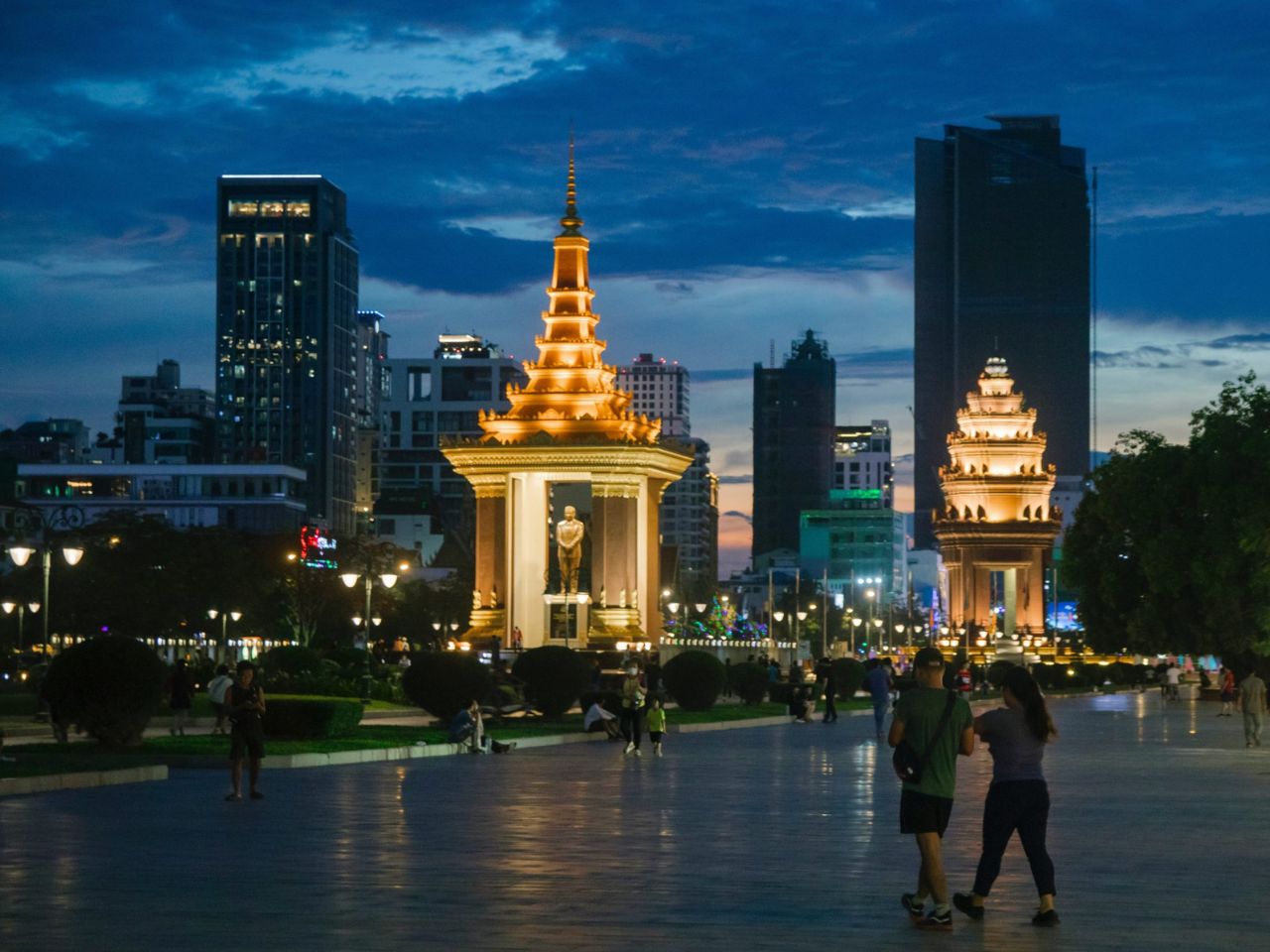
The Independence Monument in Phnom Penh, capital of Cambodia, was built in 1958 to memorialise Cambodia's independence from France in 1953. It stands on a roundabout in the intersection of Norodom Boulevard and Sihanouk Boulevard in the centre of the city.
7
The Norodom Sihanouk Memorial, also called the Statue of King Father Norodom Sihanouk, is a monument commemorating former King Norodom Sihanouk located in Phnom Penh, Cambodia. The bronze statue is 4.5 meters tall and is housed under a 27 meter high stupa in the park east of the Independence Monument.
8
Stop 8
In 1372, a wealthy old lady named "Penh" lived on a small hill near the bank of the confluence of the four rivers. One day, when it was raining, Penh went down to the port to take a bath and saw a floating Koki tree in the river and she called the village to fish it from the water. She and the villagers took a piece of wood to scrape off the mud and in the hole of the Koki tree, there were four Buddha statues made of bronze, brass and one made of marble. Another statue was in the form of Vishnu with the hands holding a staff, a chain, a snail, and a lotus flower. Penh asked the villagers to help retrieve the Koki tree and retrieve the four treasures. Later, Penh assigned the villagers to build an artificial hill and build a small wooden temple on top of the hill to house the statue. She invited monks to pray for the statues and the monks named the hermitage "Wat Phnom" which is known to this day.
What's not included
Travel insurances.
Tipping service for local tour guide and driver.
Other personal expenses.
Available languages
Guide guide
EN
Reviews breakdown
Viator
4.0
1 reviews
5★
0
4★
1
3★
0
2★
0
1★
0
Important information
Specialized infant seats are available
Suitable for all physical fitness levels
About Phnom Penh
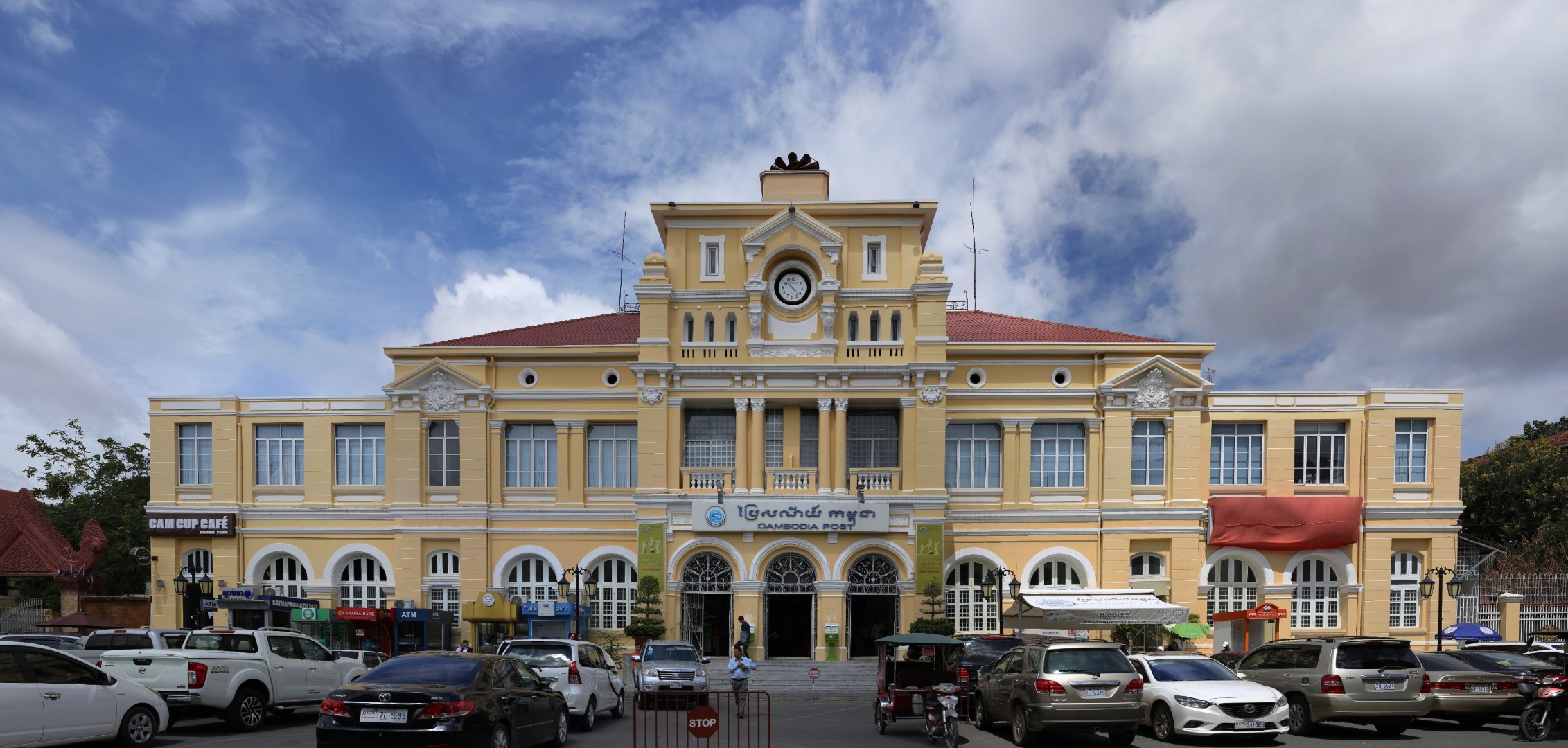
Phnom Penh, the vibrant capital of Cambodia, is a city rich in history, culture, and bustling markets. Known for its French colonial architecture, the Royal Palace, and the Tuol Sleng Genocide Museum, it offers a unique blend of the old and the new, making it a compelling destination for travelers.
Top Attractions
Royal Palace
The Royal Palace is the official residence of the King of Cambodia. It features beautiful Khmer architecture and is a must-visit for its historical significance and stunning design.
Historical/Architecture
1-2 hours
10 USD
Tuol Sleng Genocide Museum
Also known as S-21, this museum is a former school turned into a prison and torture center by the Khmer Rouge. It serves as a stark reminder of Cambodia's dark past.
Historical
1-2 hours
5 USD
Central Market
Also known as Phsar Thmei, this market is a great place to shop for souvenirs, clothes, and local food. The Art Deco building is an architectural gem.
Market
1-2 hours
Free to enter, prices vary
Wat Phnom
This Buddhist temple is the namesake and heart of the city. It is believed to be the site where the first pagoda was built in Phnom Penh.
Religious
30 minutes
1 USD
National Museum of Cambodia
This museum houses a vast collection of Khmer artifacts, providing a deep dive into Cambodia's rich history and culture.
Museum
1-2 hours
10 USD
Must-Try Local Dishes
Amok
A creamy coconut curry with fish or chicken, steamed in banana leaves.
Main Dish
Can be made with fish or chicken, vegetarian options available.
Lok Lak
Stir-fried beef with onions and a tangy lime-pepper dipping sauce.
Main Dish
Typically made with beef, but can be made with other meats.
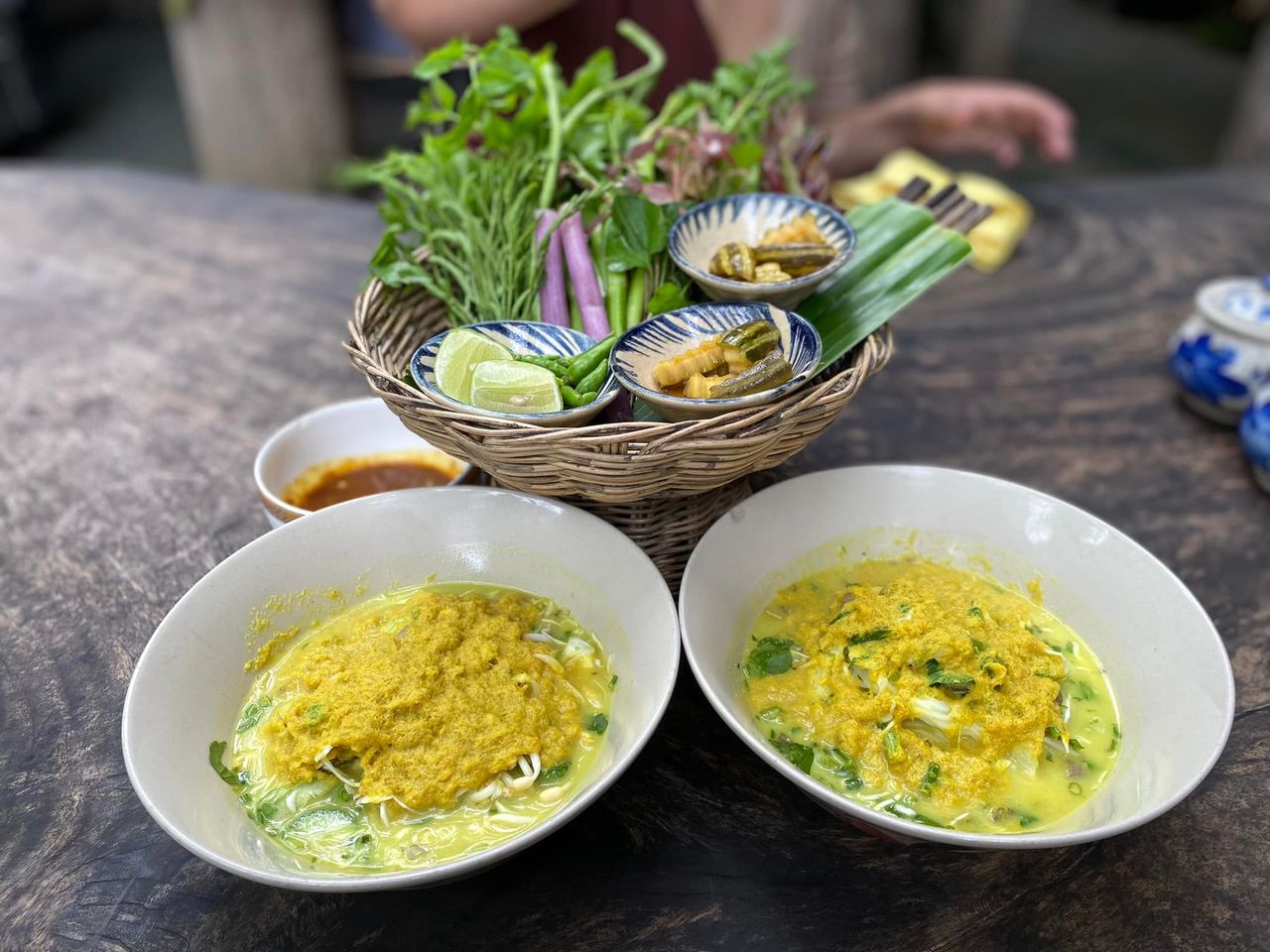
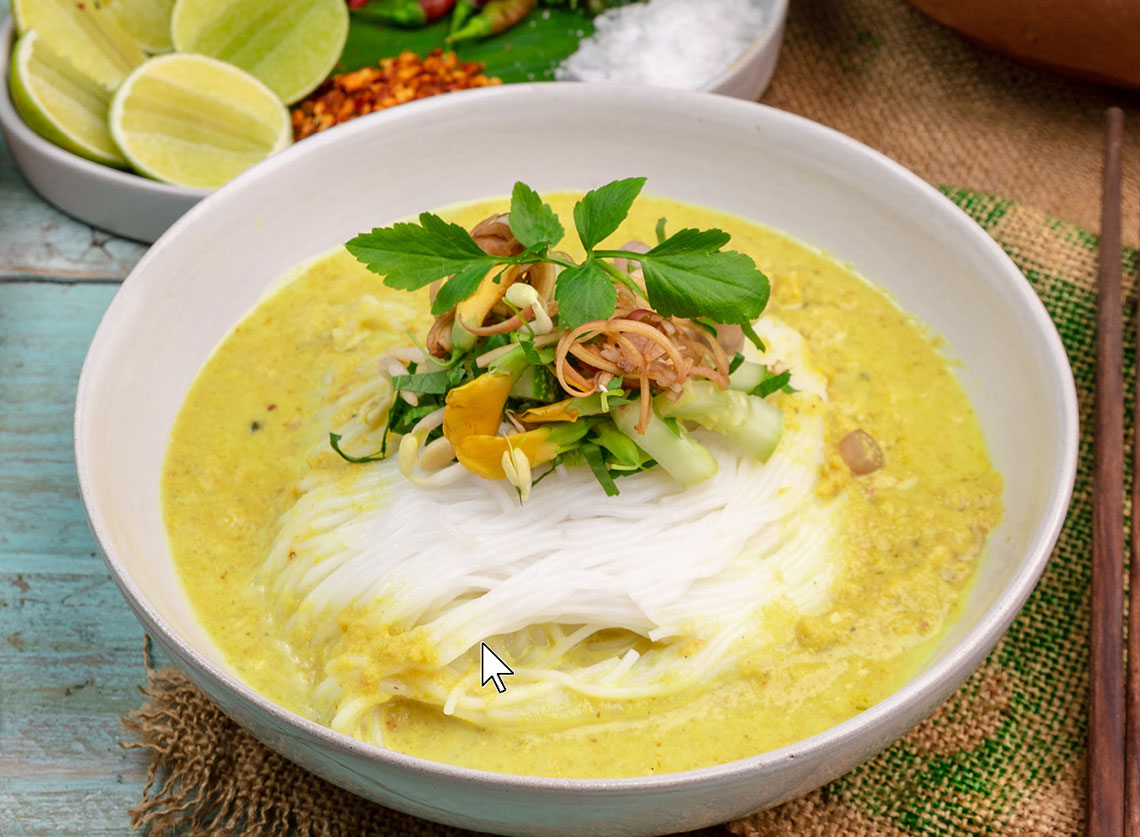
Nom Banh Chok
Rice noodles topped with a fish-based gravy and fresh herbs.
Breakfast
Vegetarian options available with tofu.
Bai Sach Chrouk
Grilled pork with broken rice and pickled vegetables.
Breakfast
Contains pork.
Popular Activities
Boat Tours
Biking
Hiking
Spa Treatments
Riverfront Promenade
Coffee Shops
Temple Visits
Museum Tours
Best Time to Visit
November to February
This is the dry season with pleasant weather, making it ideal for sightseeing and outdoor activities.
22°C - 32°C
72°F - 90°F
Practical Information
Language
- Official: Khmer
- Widely spoken: English, French
- English: Moderately spoken
Currency
Cambodian Riel (KHR)
Time Zone
GMT+7
Electricity
230VV, 50HzHz
Safety Information
Overall Safety Rating: Generally safe with common sense
Phnom Penh is generally safe for tourists, but petty crime and scams can occur. Be cautious, especially at night and in crowded areas.
Important Precautions:
- • Be cautious of tuk-tuk drivers offering tours or services, as they may overcharge or take you to overpriced shops
- • Use reputable tour operators and agree on prices beforehand
- • Keep valuables secure and be cautious of pickpockets in crowded areas
Getting there
By air
- Phnom Penh International Airport • 10 km from city center
By train
Phnom Penh Railway Station
By bus
Central Market Bus Station, Siem Reap Bus Station
Getting around
Public transport
Public buses are affordable but can be crowded and slow. Routes cover major areas of the city.
Taxis
Available • Apps: PassApp, Grab
Rentals
Car, Bike, Scooter
Neighborhoods
Riverside
BKK1
Russian Market (Psar Tuol Tom Poung)
Day trips
Tonlé Sap Lake
150 km from Phnom Penh • Full day
A large freshwater lake known for its floating villages and unique ecosystem.
Kampong Cham
120 km from Phnom Penh • Full day
A riverside town with a mix of French colonial architecture and traditional Khmer temples.
Koh Dach Island
15 km from Phnom Penh • Half day
A peaceful island known for its silk weaving and rural landscapes.
Festivals
Khmer New Year (Choul Chnam Thmey) • April 14-16
Water Festival (Bon Om Touk) • November (dates vary)
Pchum Ben • September/October (dates vary)
Pro tips
- Visit the Royal Palace and Silver Pagoda early in the morning to avoid crowds and heat
- Try local street food at the Central Market or Russian Market for an authentic experience
- Take a tuk-tuk tour of the city to see the major attractions in a short amount of time
- Visit the Tuol Sleng Genocide Museum for a sobering but important historical perspective
- Explore the riverside area for great dining and nightlife options
From $25
per person
Price varies by option
Secure booking
Free cancellation available
Instant confirmation