Medieval Normandy with a Wedge of Cheese and a Sip of Cider Tour
Active
6h - 7h
All sales are final. No refund is available for cancellations.
Manual confirmation
Mobile or paper ticket accepted
About this experience
Your tour guide will meet you at the train-station (if you will be travelling to Normandy on the day of the tour) or at your hotel in Bayeux or Caen. The drive from the aforementioned locations to Falaise takes approximately 45'. The tour of the castle, combining history and modern technology is meant to get the visitor immersed in the atmosphere of a typical Norman fortress. The visit of Falaise spans approximately 2h. From Falaise you will enjoy a scenic drive to Livarot. After a quick but well-deserved lunch you will tackle the second leg of the tour with a visit to Graindorge dairy where you will get the opportunity to discover their modern installations and the cheese making process, carefully designed in accordance with the local traditions. Our visit to Pays d'Auge will conclude with a stop at an old cider farm located near Vimoutiers. The tour of the cellars will be accompanied by a tasting session of cider, Pommeau and/or Calvados.
Available options
Medieval Normandy with a Wedge of Cheese and a Sip of Cider Tour
Pickup included
What's included
Bottled water
Detailed itinerary
1
The first stronghold perched on the rocky outcrop overlooking the town of Falaise was attested late X century. Just a few decades later in 1027/1028 was to see the daylight at Falaise the man destined to become one of the most prominent figures in European history: William the Conqueror. Future king of England, William, his successors and, ultimately, Philip Augustus, king of France, would turn Falaise into one of the most impressive fortresses in Normandy. In spite of the damage inflicted upon the town in August 1944 during the last phase of the Battle of Normandy, when roughly two-thirds of the town had been destroyed, the castle was restored after the war and may be regarded today as one of the 'historical gems' of the former Duchy of Normandy.
2
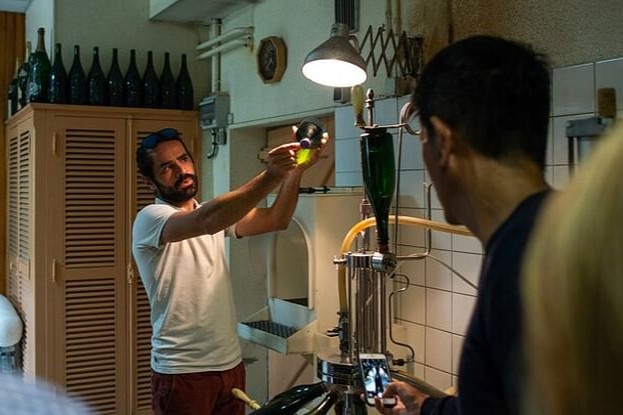
Although the Normans are making numerous cheeses nowadays, four of these stand out from the bunch: the Camembert — considered by many the most renowned French cheese — Pont l'Eveque, Livarot and, in Upper Normandy, Neufchatel. The remarkable savoir-faire (fr. know-how) of the artisans as well as the secrets of the cheese-making process are revealed to the visitors at Graindorge Dairy. A great opportunity to sample the best Normandy cheese right in the heart of the countryside where it has been made for over two centuries now.
3
In spite of the fact that France has the reputation of a being winemaking country, Normandy's most famous produce is actually cider. Pays d’Auge holds several AOC (Appellation d'Origine Contrôlée) - plus other quality labels - for its cider or cider-derived beverages. There is a multitude of places where one can learn about the craftsmanship of cider making but nothing compares to an authentic Pays d'Auge farm. A hands-on experience enabling you to learn from the artisans themselves what it takes to transform the juicy apples they harvest each fall into golden-sparkling cider, all while siping some of the finest Normandy cider, pommeau or Calvados!
What's not included
Lunch
Chateau Guillaume-le-Conquerant
Available languages
Guide guide
EN
Important information
Infants and small children can ride in a pram or stroller
Public transportation options are available nearby
Specialized infant seats are available
Suitable for all physical fitness levels
Allotted time for transportation or travel time is already included in the total duration
Meeting point
This is the car park of the Memorial Museum of the Battle of Normandy in Bayeux. Look for the white van with the Spearhead Tours logo.
About Bayeux
Bayeux is a charming town in Normandy, France, famous for the Bayeux Tapestry, a medieval embroidery that tells the story of the Norman Conquest of England. The town's well-preserved architecture, rich history, and proximity to the D-Day landing beaches make it a compelling destination for history enthusiasts and cultural travelers.
Top Attractions
Bayeux Tapestry
A 70-meter-long embroidered cloth depicting the events leading up to the Norman Conquest of England in 1066.
Historical
1-2 hours
€12
Bayeux Cathedral
A stunning Gothic cathedral with beautiful stained glass windows and a rich history.
Religious
30-60 minutes
Free (donations welcome)
D-Day Landing Beaches
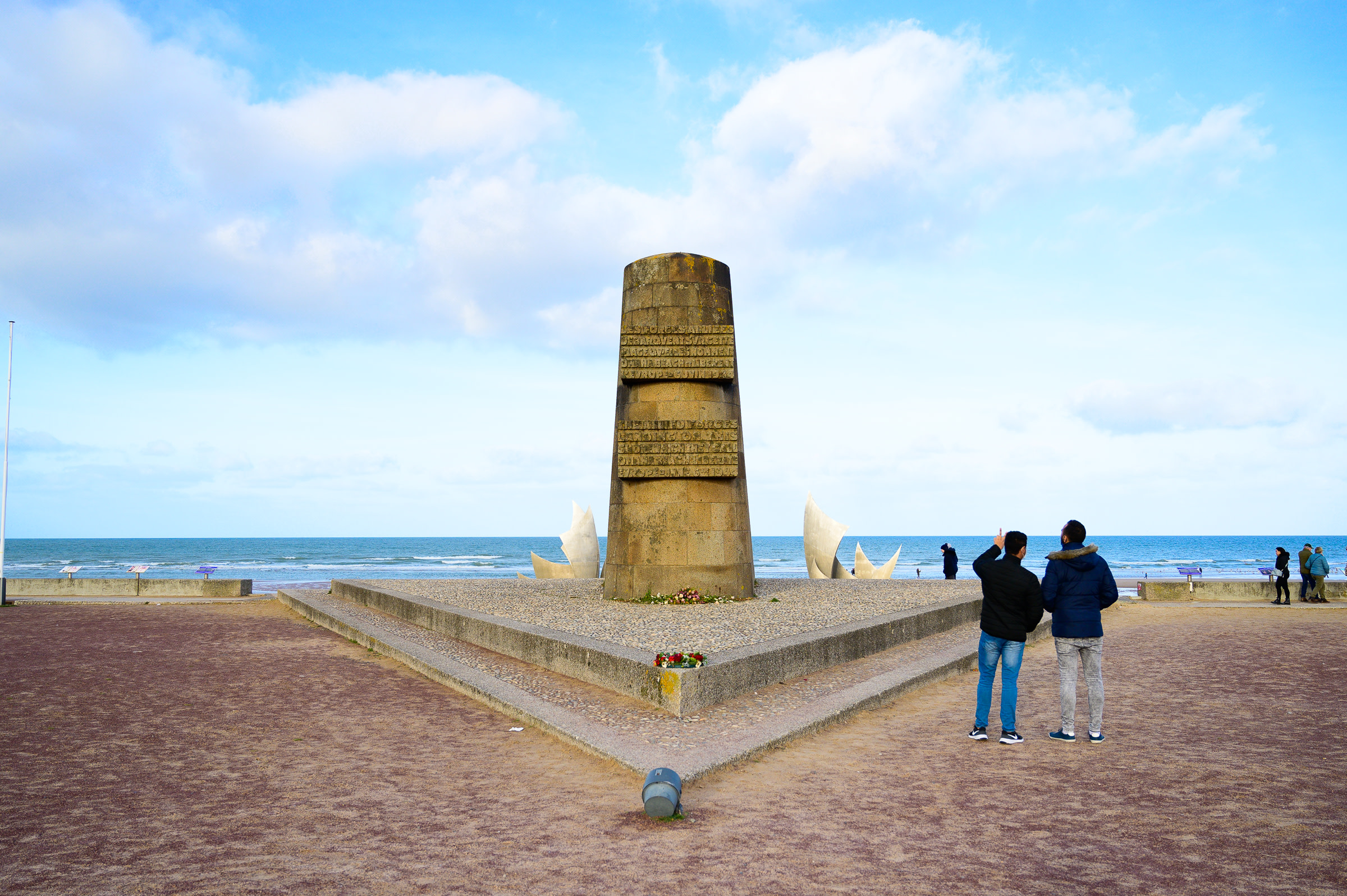
The site of the Allied landings on June 6, 1944, during World War II.
Historical
Half to full day
Free (museums may charge)
Bayeux War Cemetery
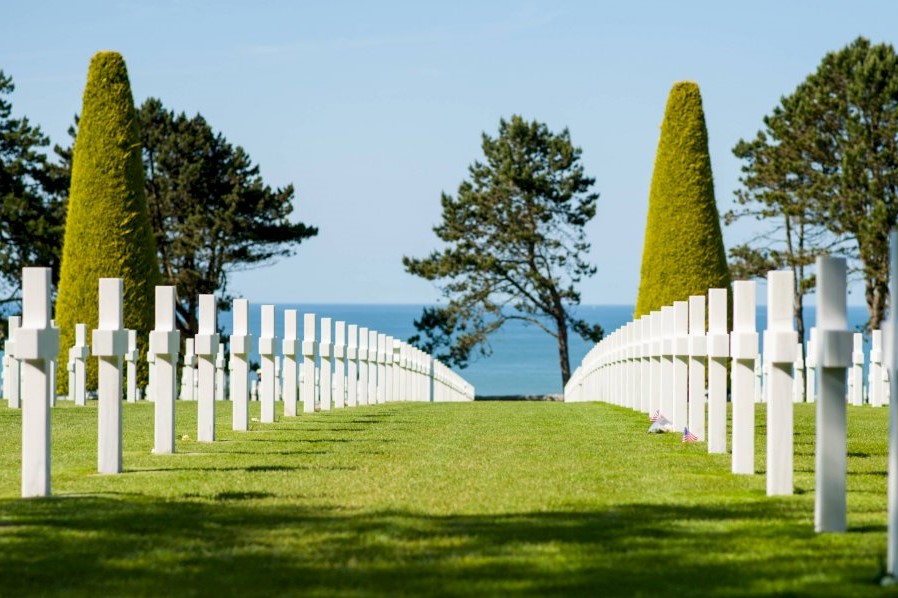
A Commonwealth war cemetery containing the graves of soldiers who died in the D-Day landings and the Battle of Normandy.
Historical
30-60 minutes
Free
Bayeux Museum of Battle of Normandy
A museum dedicated to the Battle of Normandy, with exhibits on the D-Day landings and the subsequent campaign.
Historical
1-2 hours
€8.50
Must-Try Local Dishes
Moules à la Crème Normande
Mussels cooked in a creamy sauce with Norman butter and cider.
Main
Contains seafood and dairy
Tarte Normande
A traditional apple tart with a caramelized top, often served with cream.
Dessert
Contains gluten and dairy
Camembert
A famous Norman cheese made from cow's milk, with a rich and creamy flavor.
Dairy
Contains dairy
Cidre
Norman cider, made from apples grown in the region, often served with meals.
Drink
Alcoholic beverage
Popular Activities
Hiking along the Normandy coastline
Cycling through the countryside
Kayaking on the River Aure
Strolling along the River Aure
Visiting local cider houses
Enjoying the peaceful town center
Visiting the Bayeux Tapestry
Exploring Bayeux Cathedral
Best Time to Visit
June to August
Summer is the peak tourist season with warm weather and numerous festivals. It's the best time for outdoor activities and visiting the D-Day beaches.
15°C to 25°C
59°F to 77°F
Practical Information
Language
- Official: French
- Widely spoken: English, Spanish, German
- English: Moderately spoken
Currency
Euro (EUR)
Time Zone
GMT+1 (CET), GMT+2 (CEST) during daylight saving time
Electricity
230VV, 50HzHz
Safety Information
Overall Safety Rating: Generally safe
Bayeux is generally safe, with low crime rates. However, as with any tourist destination, it's important to be aware of your surroundings and take basic precautions.
Important Precautions:
- • Keep valuables secure
- • Be cautious of pickpockets in crowded areas
- • Use licensed taxis
Getting there
By air
- Normandy-Caen Carpiquet Airport • 25 km from Bayeux
- Deauville-Normandy Airport • 80 km from Bayeux
By train
Bayeux Train Station
By bus
Bayeux Bus Station
Getting around
Public transport
The local bus system is affordable and covers most of the town and nearby areas.
Taxis
Available • Apps:
Rentals
Car, Bike
Neighborhoods
Town Center
Saint-Lô Street
Port de Bayeux
Day trips
Caen
30 km • Half day to full day
A historic city with a rich past, known for its castle, museums, and memorials.
Mont Saint-Michel
100 km • Full day
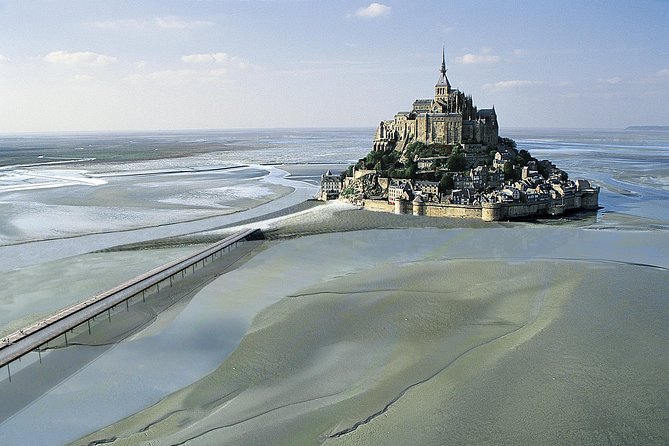
A stunning island commune with a medieval abbey, known for its unique architecture and tidal surroundings.
Arromanches-les-Bains
15 km • Half day
A coastal town known for its role in the D-Day landings and its museum dedicated to the Normandy landings.
Festivals
D-Day Commemorations • June 6th
Bayeux International Arts Festival • July
Medieval Festival • August
Pro tips
- Visit the Bayeux Tapestry early in the morning to avoid crowds
- Rent a car for flexibility in visiting the D-Day beaches and other nearby attractions
- Try local specialties like Norman cider and Camembert cheese
- Explore the town's medieval streets and hidden courtyards
- Check for local festivals and events during your visit
From $25
per person
Price varies by option
Secure booking
Free cancellation available