Hamburg's Speicherstadt warehouse free port coffee and duty-free
Active
2h
For a full refund, cancel at least 24 hours before the scheduled departure time.
Instant confirmation
Mobile or paper ticket accepted
About this experience
We start our walk through the history of Hamburg's Speicherstadt at the birthplace and nursery of Hamburg's harbour,
Looking critically at the founding charter of our port, and discovering one or the other contradiction.
Afterwards we continue our tour towards the Elbphilharmonie, admiring the great history of the square where this building stands today.
Take a look at how the port changed during industrialization in the 19th century.
And how trade in goods has revolutionized in the 20th century.
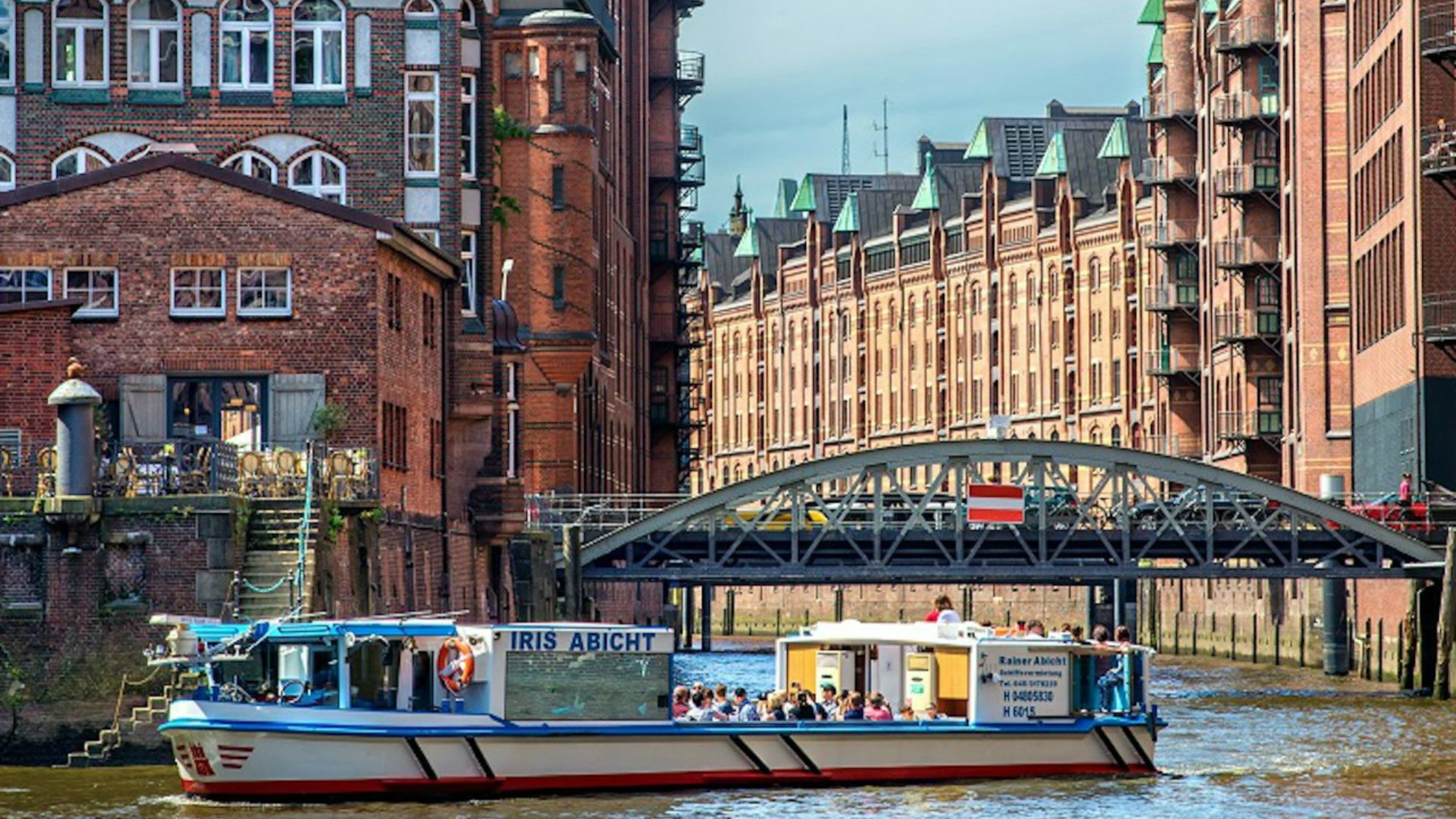
Immerse yourself in the Speicherstadt, the red brick gorges and the history of their workers and employers, clarify what Westphalen has to do with Hamburg and why workers lived there in a castle.
Find out exactly what shoe pushers, Ewer guides, winch guards and coffee ES did and why there are coffee barons and Persians in Hamburg.
Available options
Hamburg's Speicherstadt warehouse free port coffee and duty-free
What's included
Guided tour of the Speicherstadt
Detailed itinerary
1
Stop 1
We take a critical look at Hamburg's port founding history
2
Stop 2
Pass by
a brief history of the Imperial Store, coffee warehouse and concert hall
3
Stop 3
we look into the history of Hamburg port development during industrialization.
4
A monument to the carpet merchants of the Speicherstadt.
5
We venture a first look into the beautiful gorges of brick.
After that I will explain to you how the goods came from the cargo ships into the stores.
6
Stop 6
Former epizetrum of Hamburg coffee merchants.
7
Stop 7
Small but oh, Emperor and filmmakers have already been guests here.
8
Founding history and end of the Hamburg Free Port.
9
Stop 9
A castle for Hamburg's dock workers, most beautiful view in Hamburg's Speicherstadt, here it's goodbye and goodbye
What's not included
Gratuities
Important information
Wheelchair accessible
Infants and small children can ride in a pram or stroller
Service animals allowed
Public transportation options are available nearby
Transportation options are wheelchair accessible
All areas and surfaces are wheelchair accessible
Not recommended for travelers with poor cardiovascular health
Suitable for all physical fitness levels
Meeting point
We meet at the harbour police station No.2 at the Kehrwiederspitze near the subway station Baumwall/Elbphilharmonie.
You can recognize the tour guide by our orange umbrella at the meeting point.
About Hamburg
Hamburg is Germany's second-largest city and a major port hub with a rich maritime history. Known for its vibrant cultural scene, picturesque canals, and iconic Reeperbahn entertainment district, it offers a unique blend of historic charm and modern energy.
Top Attractions
Elbphilharmonie
An iconic concert hall and architectural marvel with stunning views of the city and the Elbe River.
Architecture
1-2 hours
Free to enter the plaza, concerts vary in price
Miniatur Wunderland
The world's largest model railway exhibition, featuring intricate landscapes and miniature cities.
Museum
2-3 hours
€21 (adults), €11 (children)
Speicherstadt
A historic warehouse district with red-brick buildings, canals, and bridges, now a UNESCO World Heritage site.
Historical
1-2 hours
Free to explore, museums have entry fees
Reeperbahn
Hamburg's famous entertainment district, known for its nightlife, theaters, and the Red Light District.
Entertainment
Evening and night
Varies by venue
Planten un Blomen
A beautiful public park with gardens, water features, and seasonal events.
Nature
1-2 hours
Free
Must-Try Local Dishes
Finkenwerder Scholle
A local delicacy of buttered and fried plaice, often served with potatoes and vegetables.
Main Course
Contains fish and dairy
Franzbrötchen
A sweet, cinnamon-filled pastry similar to a croissant.
Breakfast/Snack
Contains wheat and dairy
Rote Grütze
A berry dessert made with red currants, raspberries, and strawberries, served with cream or vanilla sauce.
Dessert
Contains dairy and may contain gelatin
Hamburger Aalsuppe
A traditional eel soup made with vegetables, potatoes, and spices.
Soup
Contains fish and may contain gluten
Popular Activities
Hiking in Lüneburg Heath
Cycling along the Elbe River
Boat tours on the Alster and Elbe
Walking along the Alster Lake
Relaxing at Elbstrand beach
Visiting spas and wellness centers
Visiting museums and historic sites
Attending concerts and theater performances
Best Time to Visit
June to August
Summer is the peak tourist season with warm weather, long daylight hours, and numerous festivals. The city is lively with outdoor events and water-based activities.
15°C to 25°C
59°F to 77°F
Practical Information
Language
- Official: German
- Widely spoken: English, French, Spanish
- English: Widely spoken, especially in tourist areas
Currency
Euro (EUR)
Time Zone
CET (GMT+1), CEST (GMT+2 during daylight saving time)
Electricity
230VV, 50HzHz
Safety Information
Overall Safety Rating: Generally safe
Hamburg is generally safe for travelers, with low crime rates and a welcoming atmosphere. However, as with any major city, it's important to stay aware of your surroundings and take precautions to ensure a safe visit.
Important Precautions:
- • Keep valuables secure and be aware of your surroundings, especially in crowded areas.
- • Use licensed taxis or ride-hailing services to avoid overcharging.
- • Be cautious when approached by strangers, particularly in the Reeperbahn area.
Getting there
By air
- Hamburg Airport • 8.5 km from city center
By train
Hamburg Hauptbahnhof
By bus
ZOB Hamburg (Central Bus Station)
Getting around
Public transport
Efficient and frequent, the U-Bahn is the backbone of Hamburg's public transport system.
Taxis
Available • Apps: Mytaxi, Uber
Rentals
Car, Bike, Scooter
Neighborhoods
Altstadt (Old Town)
Neustadt (New Town)
St. Pauli
HafenCity
Day trips
Blankenese
10 km from Hamburg • Half day to full day
A charming suburb known for its historic houses, scenic views, and the famous Elbstrand beach.
Lübeck
65 km from Hamburg • Full day
A UNESCO World Heritage site known for its medieval architecture, marzipan, and historic city center.
Lüneburg Heath
50 km from Hamburg • Full day
A vast area of heathland, forests, and meadows, known for its natural beauty and hiking trails.
Festivals
Hamburg Maritime Festival • May (annual)
Reeperbahn Festival • September (annual)
Christmas Markets • November to December (annual)
Pro tips
- Visit the Elbphilharmonie's plaza for free and enjoy the stunning views of the city and the Elbe River.
- Explore the historic Speicherstadt warehouse district and its canals, especially at sunset.
- Try local specialties like Finkenwerder Scholle and Franzbrötchen at traditional restaurants.
- Take a boat tour on the Alster and Elbe rivers to see the city from a different perspective.
- Visit the Miniatur Wunderland early in the morning or late in the afternoon to avoid crowds.
From $25
per person
Price varies by option
Secure booking
Free cancellation available
Instant confirmation