Full Day Private Tour in Lisbon
Active
8h
For a full refund, cancel at least 24 hours before the scheduled departure time.
Instant confirmation
Mobile or paper ticket accepted
About this experience
Capital of Portugal since 1255, Lisbon was considered the jewel of the Atlantic by the Roman emperor Augustus, having been conquered in the Middle Ages by the legions of North Africa. Later, under Portuguese rule, it came to be considered the most important port in the world, as the embarkation pier for the Portuguese caravels that led, more than 500 years ago, to the golden age of discoveries.
This tour will allow you to take a historical journey, where you can discover the best and most important monuments, museums and emblematic places in the city of Lisbon.
Available options
Car up to 7 people
Pickup included
What's included
WiFi on board
waters
Detailed itinerary
1
Stop 1
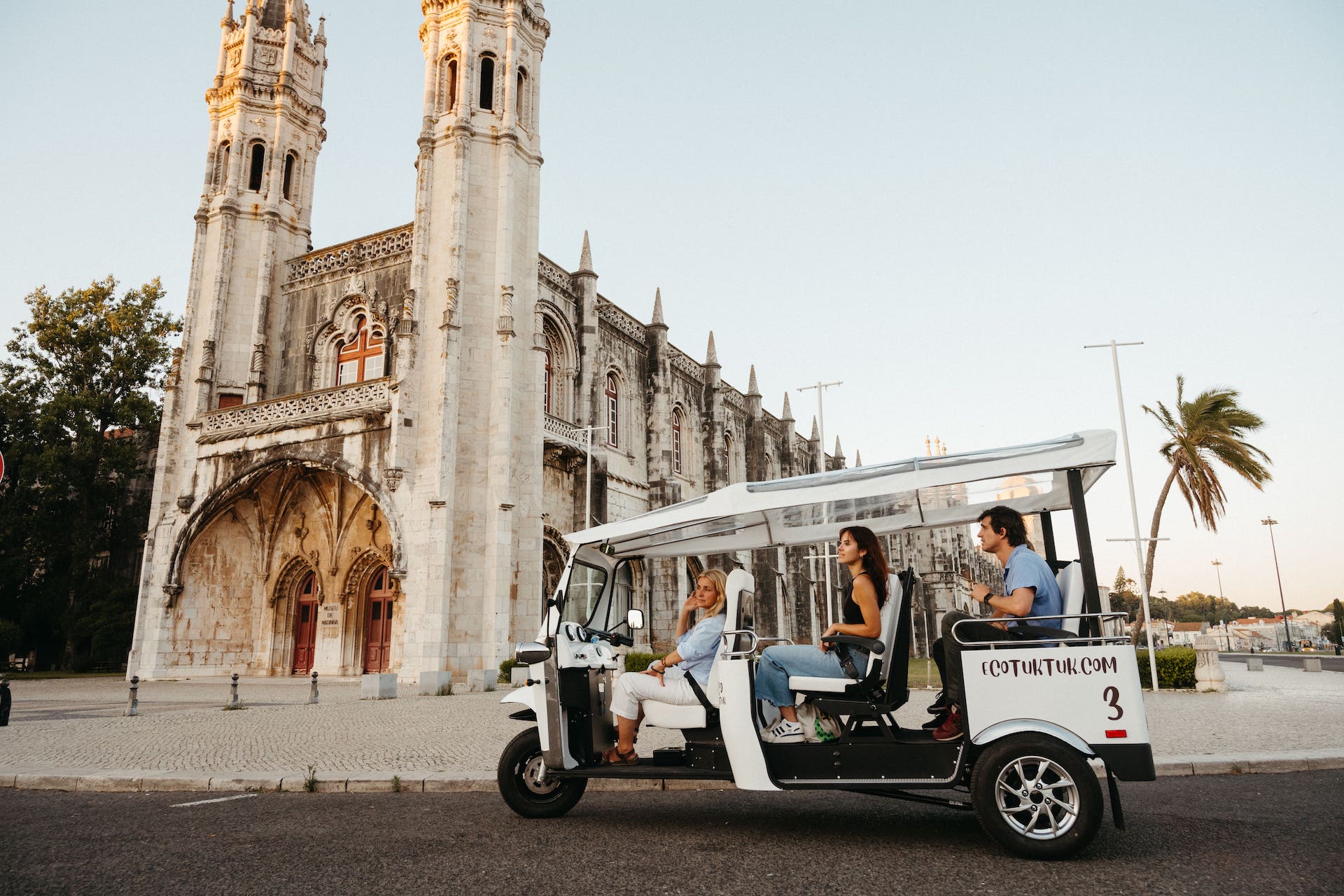
Travel time and lunch already included in the total duration. One of the most beautiful and imposing monuments of Manueline architecture, consecrated to Santa Maria de Belém and started in 1502, under the royal patronage of King Manuel I, materialized on the old beach of Restelo, with the purpose of housing the community of friars of the Order of St. Jerome.
Tickets cost 10 euros per person
2
Stop 2
The Belém Tower, located on the Tagus estuary, initially served as a defense tower to protect Lisbon. Later, its mission was relegated to lighthouse and customs center. The Tower of Belém, in the Manueline style, was built between 1515 and 1519 and is the work of Francisco de Arruda.
Visit without entry to the monument
3
Stop 3
The Padrão dos Descobrimentos evokes the Portuguese overseas expansion and its caravel shape is 56 meters high and 46 meters long. The figure of the helmsman Infante D. Henrique is a majestic nine meters tall, while his traveling companions, seven meters each.
Stop at the monument without entering
4
Stop 4
Parque Eduardo VII de Inglaterra (usually just called Parque Eduardo VII) is one of the most beautiful places in the city of Lisbon. The park occupies an area of 25 hectares and extends beyond the famous Avenida da Liberdade.
PARQUE EDUARDO VII
Until 1902 it was called Liberty Park. In 1903, its name was changed to Edward VII of England Park. This change was due to the visit of the English politician to Portugal in the previous year, with the aim of reaffirming the alliance between Portugal and England. Since 2003, a gigantic Portuguese flag has been located at the top of the park. Interestingly, the suggestion of raising a flag in this place was given by an 8-year-old child to the then president of the republic, Jorge Sampaio.
5
Stop 5
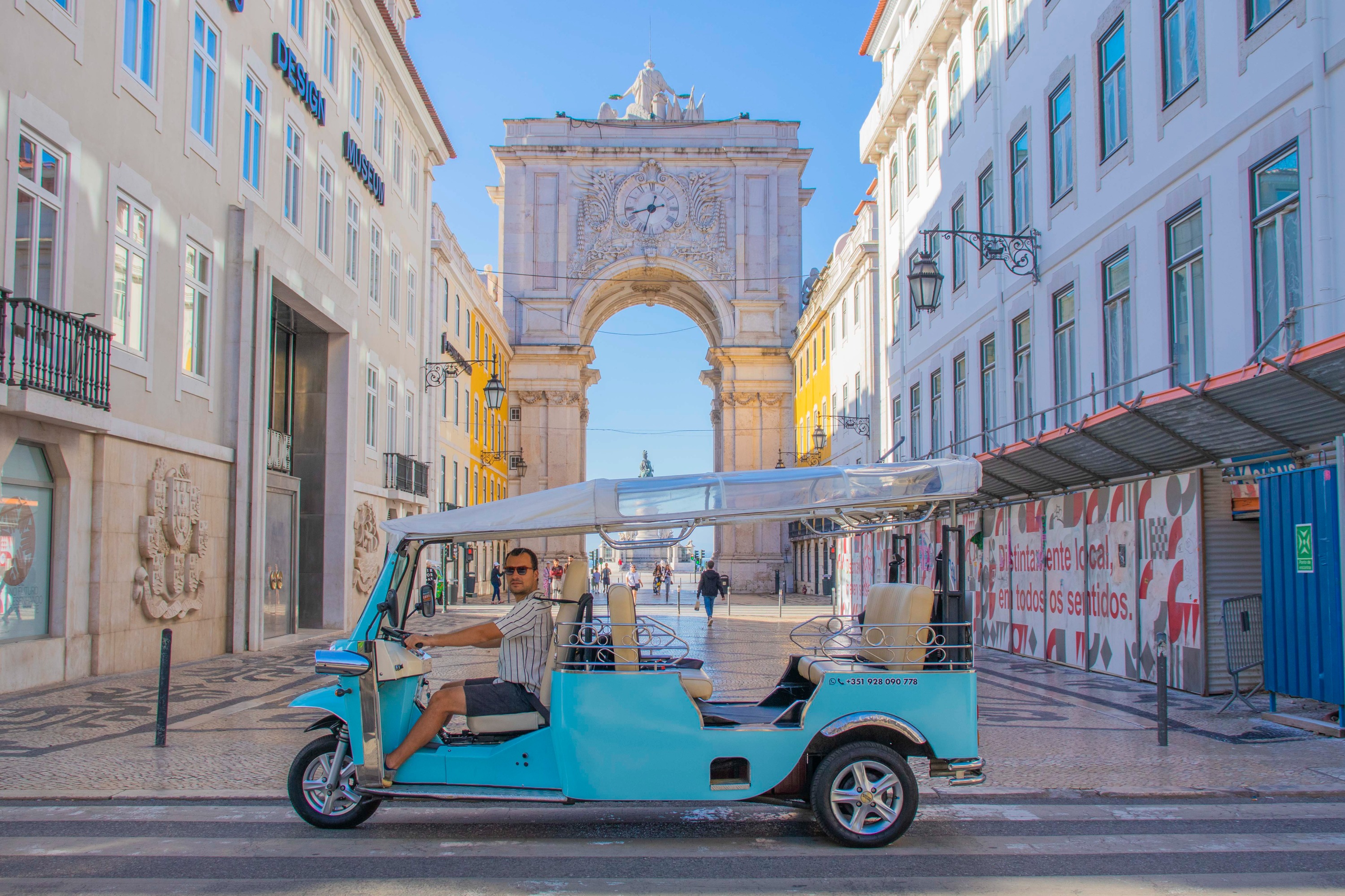
The physiognomy of Praça do Comércio is formed by a set of buildings installed on three of its sides and is open on the south side, looking at the Tagus. Historically, merchant ships used to arrive there and that was Lisbon's gateway. The imposing Praça do Comércio in Lisbon is one of the city's nerve centers, as well as being an essential visit during a trip to Lisbon. we can also dazzle on the north side of Praça do Comércio, the Arco da Rua Augusta begins the street of the same name, the most important in Baixa.
The Rua Augusta Triumphal Arch was created by the architect Santos de Carvalho to celebrate the reconstruction of the city after the great earthquake. Its construction ended in 1873 and its statues represent, among others, Vasco da Gama and the Marquis of Pombal.
Equestrian statue of Joseph I
Sculpted in bronze by Machado de Castro in 1775, it represents José I, Portuguese king during the time of the Lisbon earthquake.
6
Stop 6
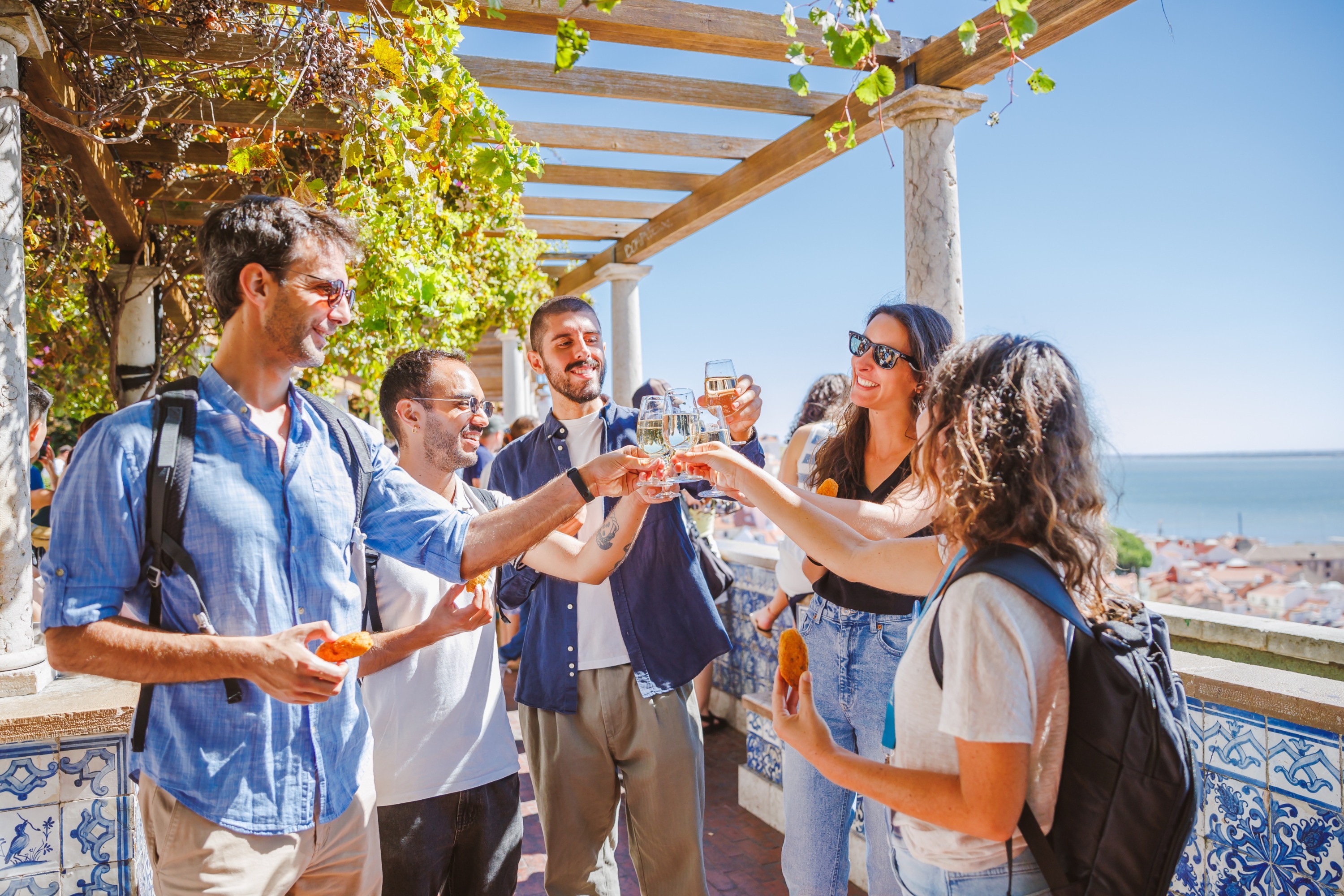
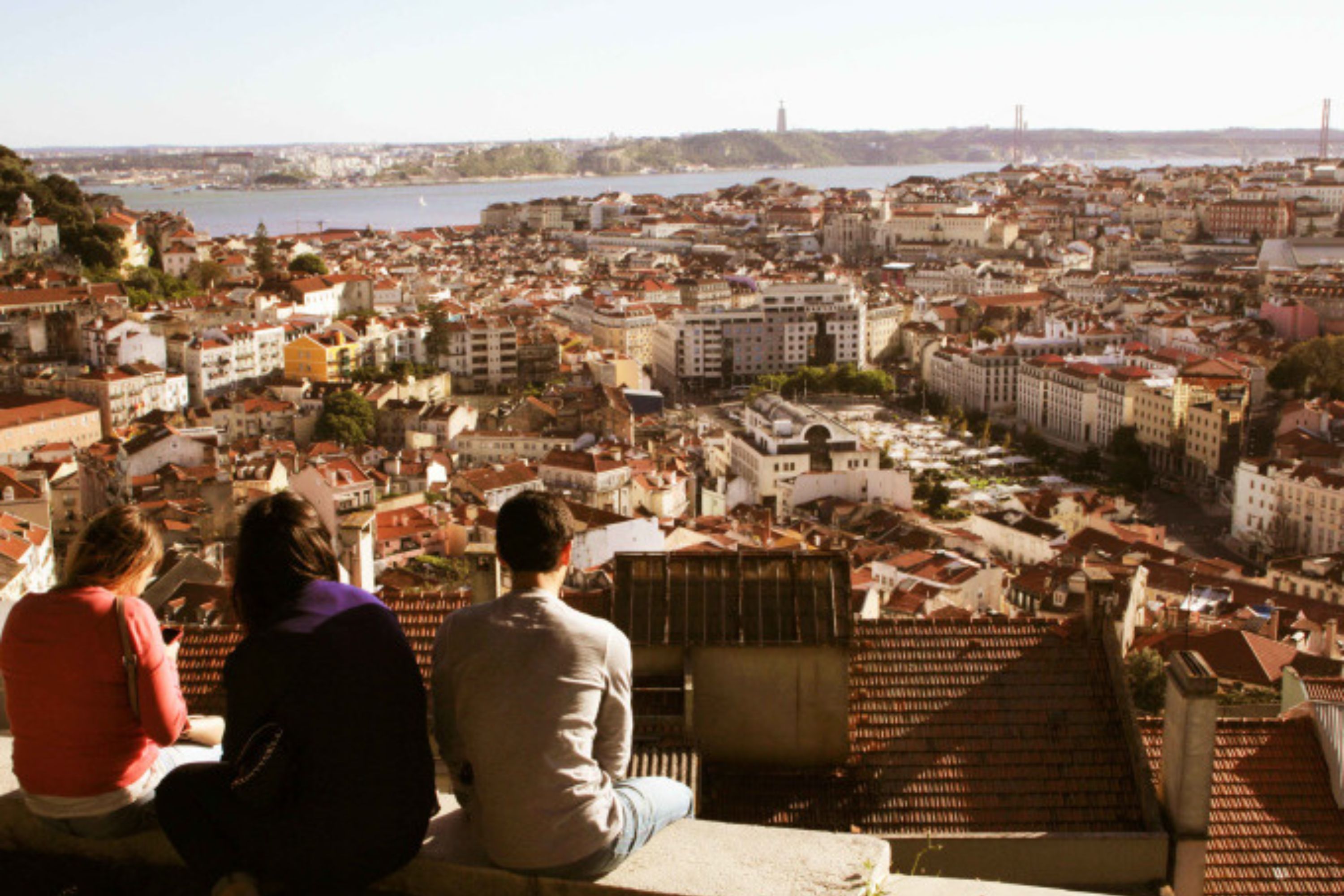
The Miradouro da Senhora do Monte is one of those little secrets of Lisbon. It doesn't appear much in travel guides, but it is starting to be discovered by tourists, located in Bairro da Graça, on one of the highest hills in the city, it has one of the most beautiful panoramic views of Lisbon, we can admire the Castle of São Jorge, all Baixa, Mouraria, the Tagus River and even the other side of the river. Miradouro da Senhora do Monte is a perfect spot to watch the sunset in Lisbon.
7
Stop 7
The idea of building the National Sanctuary of Christ the King arose in 1934, during a visit by Cardinal Cerejeira, Patriarch of Lisbon, to Brazil. After having visited the imposing Christ the Redeemer on Corcovado in Rio de Janeiro, I wanted to build a similar figure to admire the capital.
What's not included
Entry to the Jeronimos Monastery - €10 per person
Lunch
Entrance to the Tower of Belem - €6 per person
Entrance to Monument to the Discoveries - €10 per person
Entrance to Cristo Rei - €6 per person
National Shrine of Christ King
Patrao of Discoveries
Monastery of Jeronimos
Tower of Bethlehem
Available languages
Guide guide
PT
EN
ES
Reviews breakdown
Tripadvisor
5.0
2 reviews
5★
2
4★
0
3★
0
2★
0
1★
0
Important information
Wheelchair accessible
Infants and small children can ride in a pram or stroller
Specialized infant seats are available
Suitable for all physical fitness levels
About Lisbon
Lisbon, the capital of Portugal, is a vibrant city known for its rich history, stunning architecture, and warm climate. With its charming streets, historic trams, and breathtaking viewpoints, Lisbon offers a unique blend of old-world charm and modern energy.
Top Attractions
Belém Tower
A UNESCO World Heritage Site, this 16th-century tower is an iconic symbol of Lisbon's Age of Discoveries.
Historical
1-2 hours
€6
Alfama District
Lisbon's oldest district, known for its narrow, winding streets, Fado music, and historic charm.
Historical
Half day
Free to explore, attractions may have entry fees
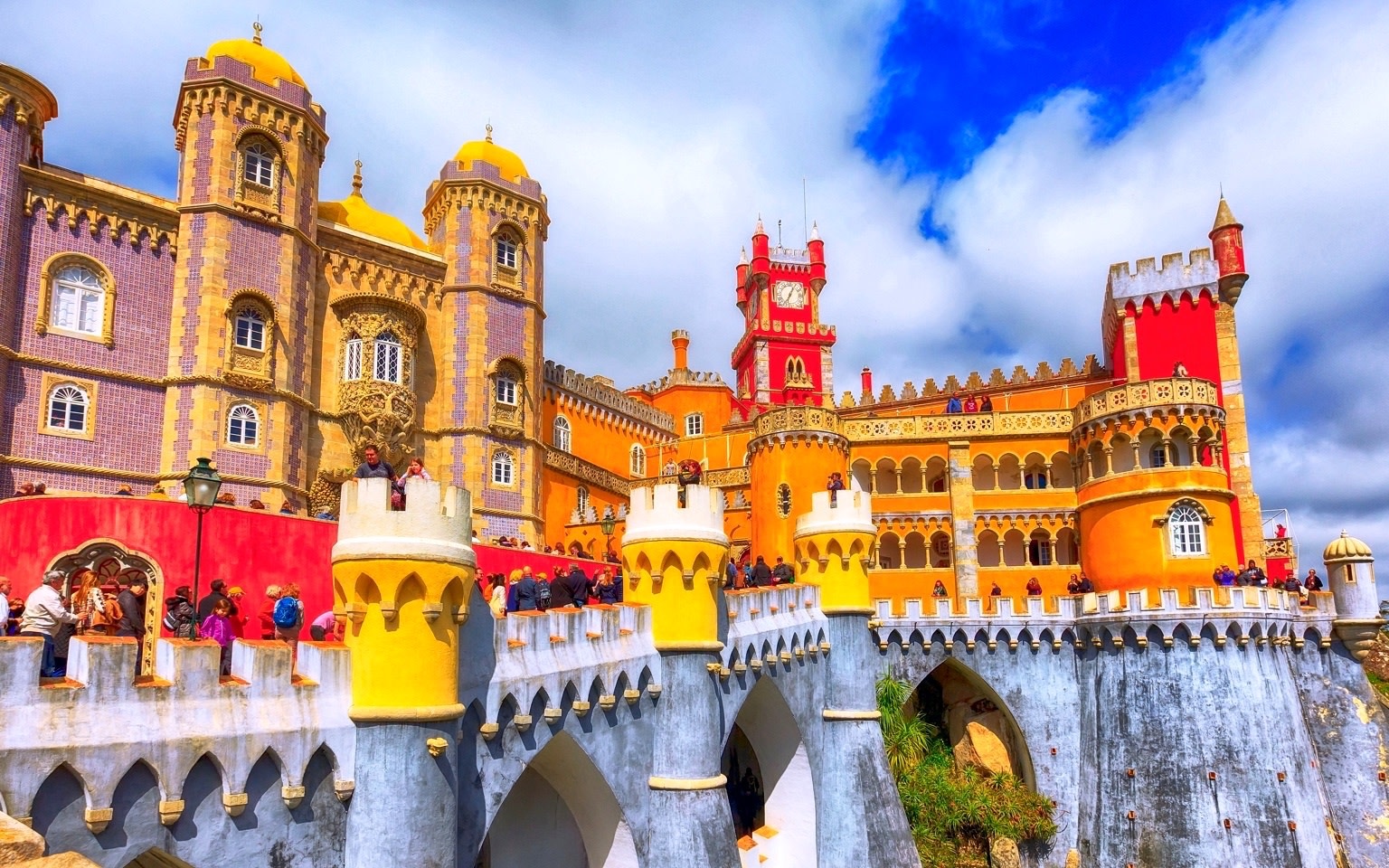
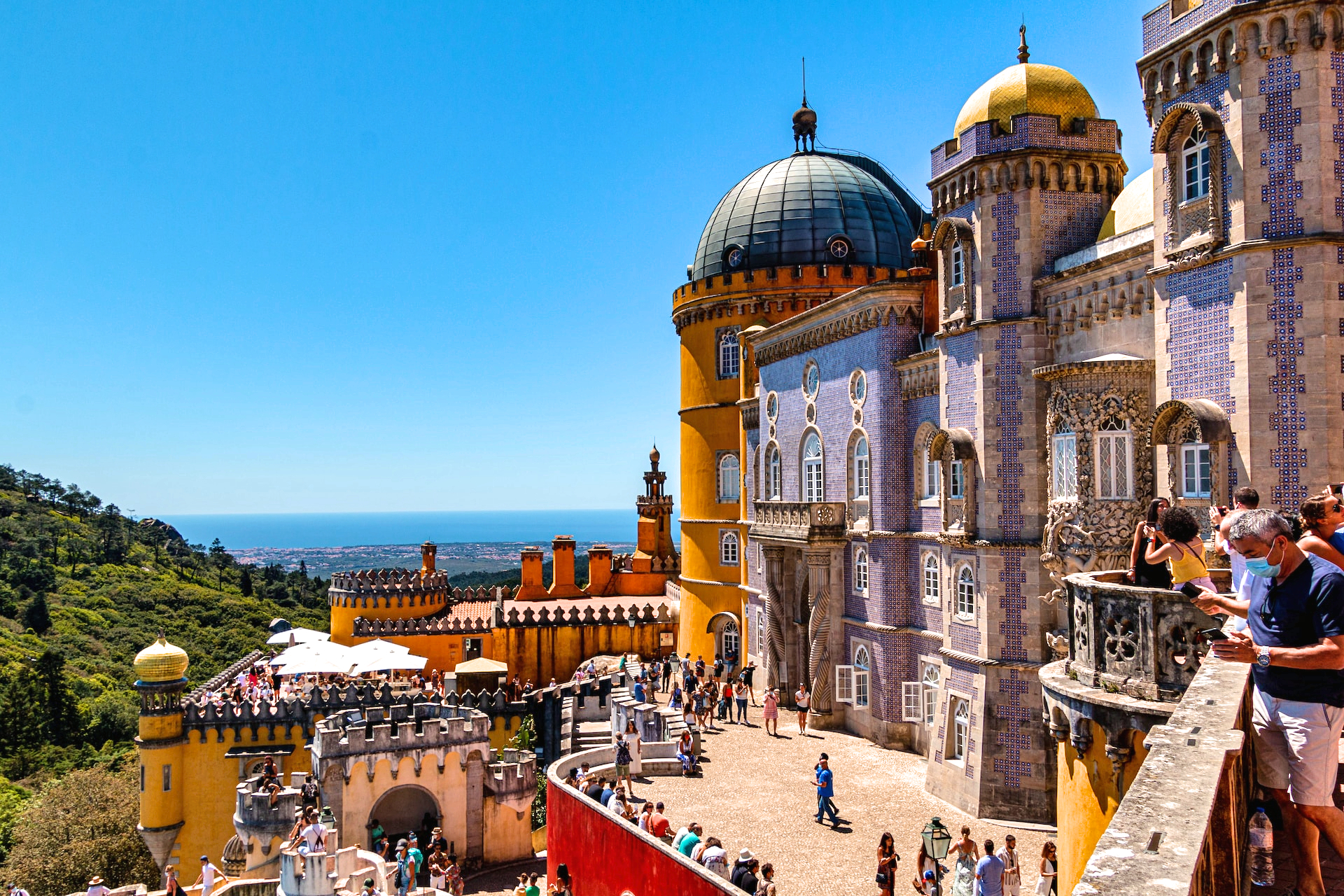
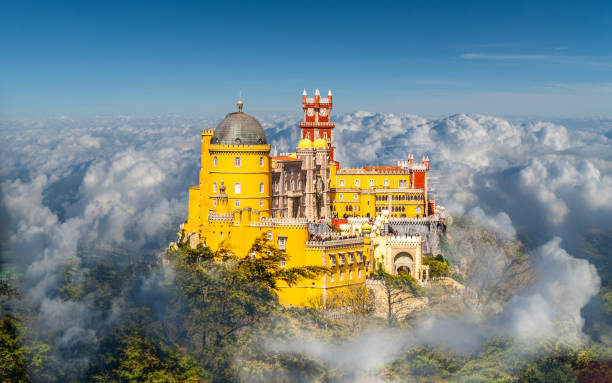
Sintra
A UNESCO World Heritage Site, Sintra is a romantic town with stunning palaces and castles.
Historical
Full day
Varies by attraction, around €10-€15 per site
Must-Try Local Dishes
Bacalhau à Brás
Shredded codfish with eggs, potatoes, and onions
Main Dish
Contains fish and eggs
Pastel de Nata
Custard tart with a flaky pastry crust
Dessert
Contains dairy and eggs
Francesinha
A sandwich with meat, cheese, and a beer-based sauce
Main Dish
Contains meat, cheese, and gluten
Popular Activities
Hiking in Sintra
Surfing in Ericeira
Parasailing in Cascais
Beach lounging in Costa da Caparica
Spa day in a luxury hotel
Picnic in Jardim da Estrela
Visiting museums and galleries
Attending Fado performances
Best Time to Visit
March to May, September to October
These months offer pleasant weather and fewer crowds, making it ideal for sightseeing and outdoor activities.
15-25°C
59-77°F
Practical Information
Language
- Official: Portuguese
- Widely spoken: English, Spanish, French
- English: Moderately spoken
Currency
Euro (EUR)
Time Zone
GMT+1 (Western European Time, WET)
Electricity
230VV, 50HzHz
Safety Information
Overall Safety Rating: Generally safe
Lisbon is generally safe, but pickpocketing and petty theft can occur in crowded areas.
Important Precautions:
- • Be cautious of pickpockets in crowded areas
- • Use licensed taxis or ride-sharing apps
- • Avoid walking alone at night in less crowded areas
Getting there
By air
- Humberto Delgado Airport • 7 km from city center
By train
Santa Apolónia, Oriente
By bus
Sete Rios, Jardim do Campo Grande, Gare do Oriente
Getting around
Public transport
Efficient and clean, with four lines connecting major attractions.
Taxis
Available • Apps: Bolt, FreeNow
Rentals
Car, Bike, Scooter
Neighborhoods
Alfama
Baixa
Bairro Alto
Day trips
Sintra
25 km from Lisbon • Full day
A romantic town with stunning palaces, castles, and lush gardens.
Cascais
30 km from Lisbon • Half day to full day
A charming coastal town with beautiful beaches, historic sites, and a relaxed atmosphere.
Óbidos
80 km from Lisbon • Full day
A medieval town with a well-preserved castle, narrow streets, and charming shops.
Festivals
Santos Populares • June 13th
Festival dos Oceanos • June to September
Arraial do Alfoz • June to September
Pro tips
- Visit the Time Out Market for a variety of local and international cuisines
- Take a day trip to Sintra and Cascais for a mix of history and beach relaxation
- Explore the LX Factory for a unique shopping and dining experience
- Ride the historic Tram 28 for a scenic tour of the city
- Visit the MAAT museum for a blend of art, architecture, and technology
From $25
per person
Price varies by option
Secure booking
Free cancellation available
Instant confirmation