The Peace Memorial and Beyond: A Half-Day of Hiroshima’s Spirit
Active
4h
For a full refund, cancel at least 24 hours before the scheduled departure time.
Instant confirmation
Mobile or paper ticket accepted
About this experience
Welcome to Hiroshima, a city that blends a profound past with vibrant present. In this four-hour journey, experience Hiroshima’s history, culture, and beauty. Your guide will lead you through the Peace Memorial Park and Museum, where you’ll reflect on the Atomic Bomb Dome and exhibits that convey the city’s message of peace. Next, stroll through Hiroshima’s shotengais—traditional shopping streets filled with daily life. Visit Hiroshima Castle, rebuilt after the bombing, blending historical ruins with modern restoration. End at Shukkeien Garden, a peaceful retreat for quiet reflection. This tour provides an insightful journey through Hiroshima’s transformation, offering a deeper understanding of the city’s past and present. With time left in your day, explore central Hiroshima or head to Miyajima Island for more discoveries.
Available options
AM Tour & Okonomiyaki Lunch
Okonomiyaki Lunch
The Peace Memorial and Beyond: A Half-Day of Hiroshima’s Spirit
What's included
Entry fees to all attractions visited on tour
Knowledgeable guide fluent in English and Japanese
Detailed itinerary
1
Stop 1
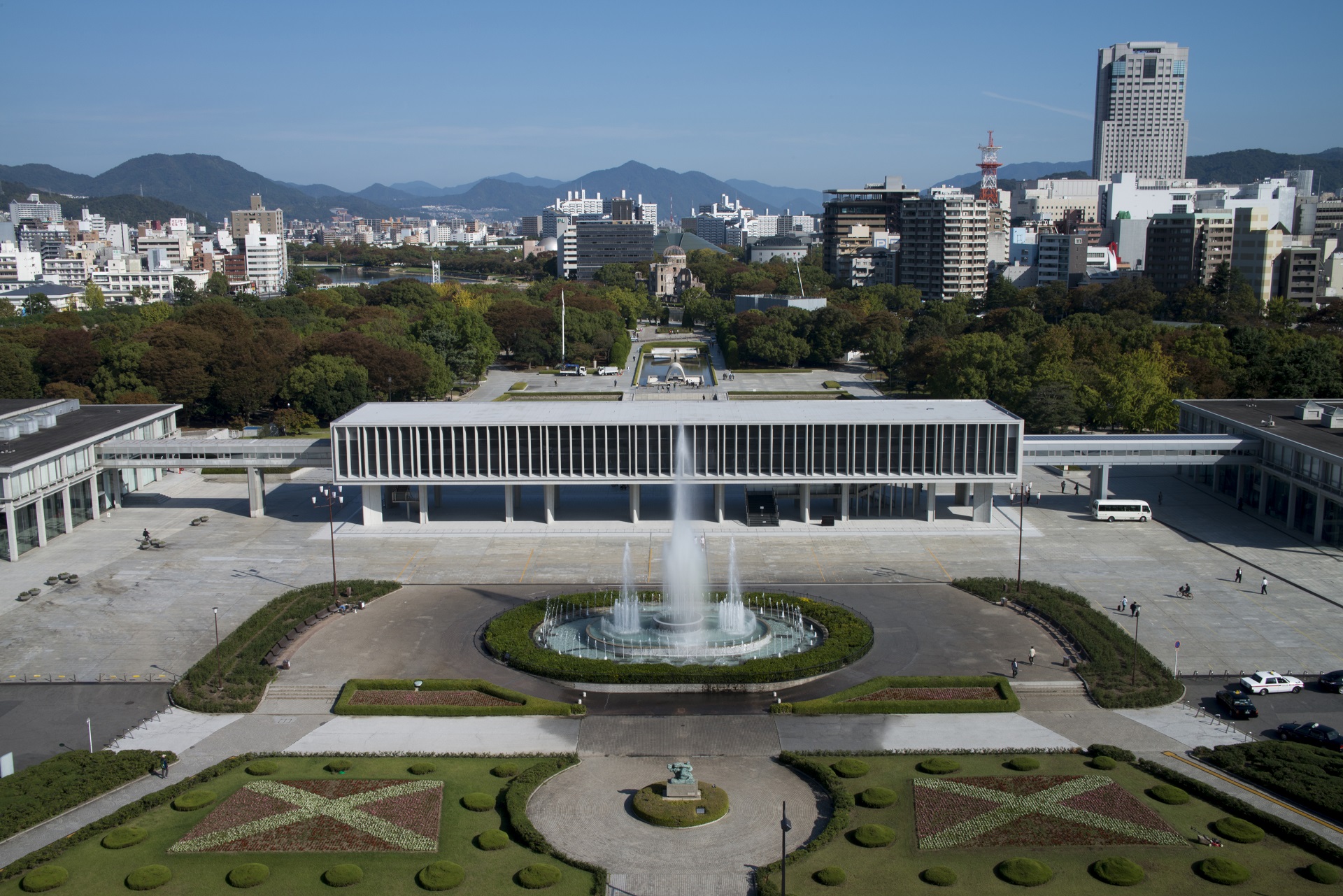
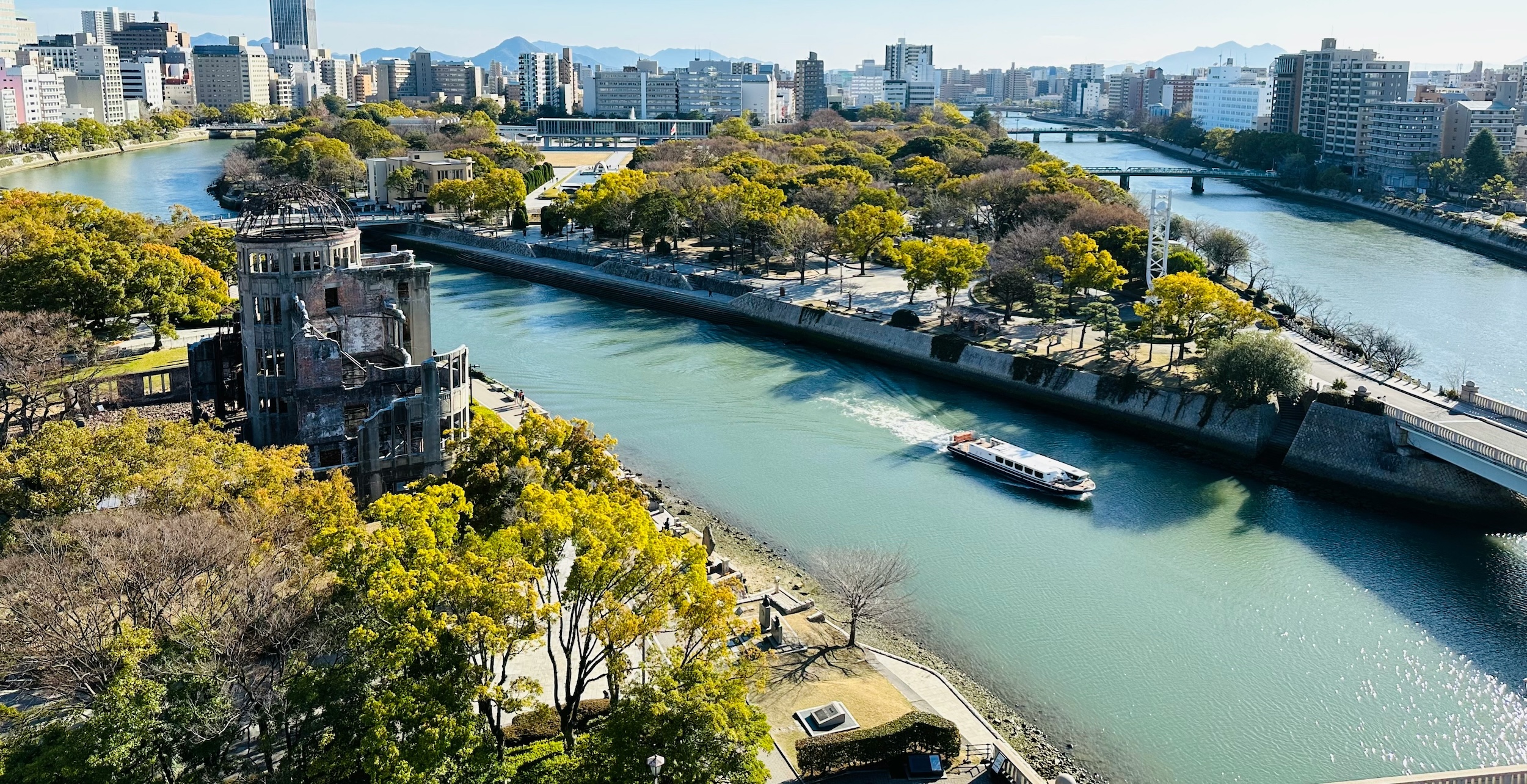
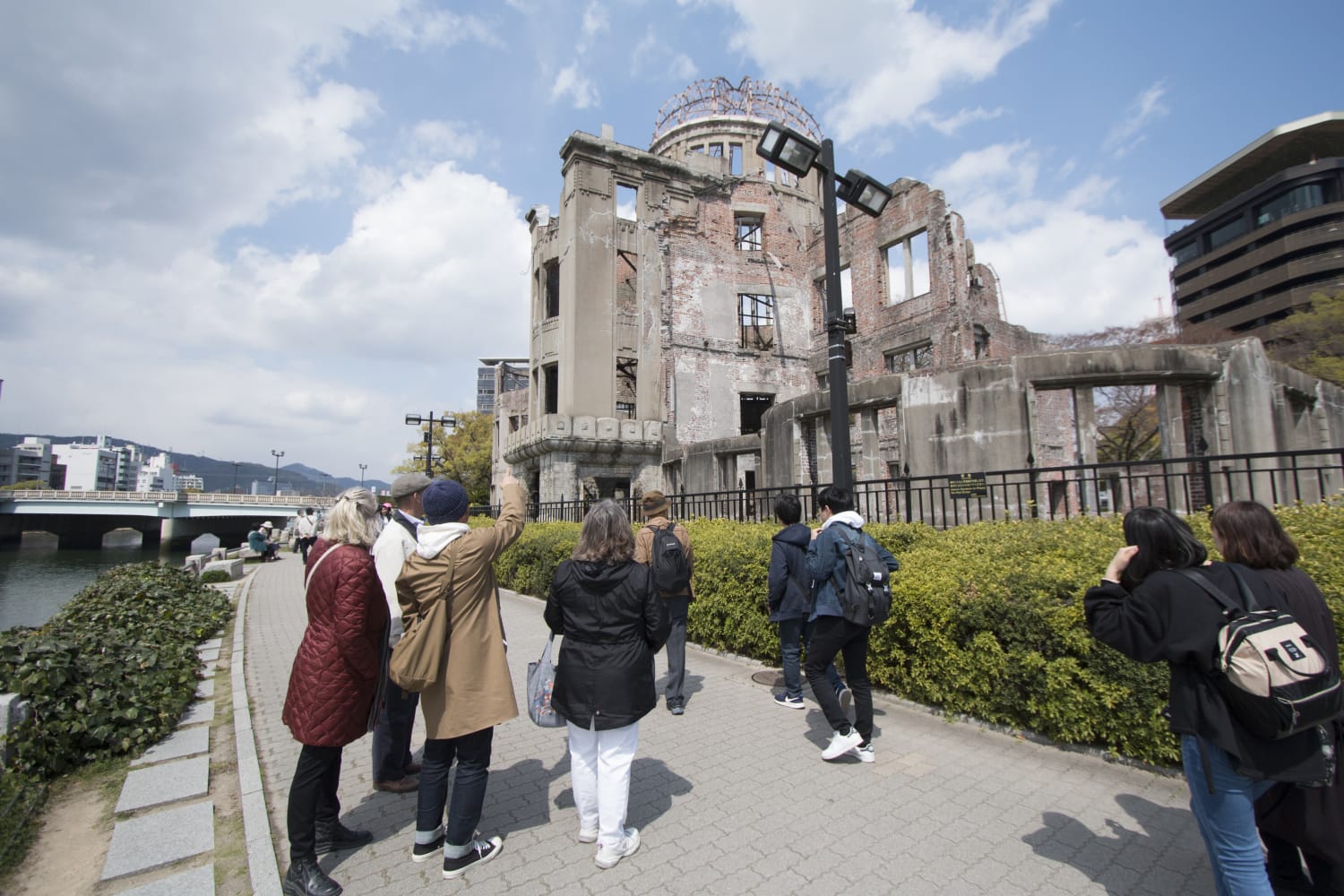
Hiroshima Peace Memorial Park and Museum is the cornerstone of this journey, embodying the city’s resilience and unwavering dedication to peace. This historic site stands as a living testament to the events of August 6, 1945, when the first atomic bomb devastated Hiroshima. Begin at the iconic Atomic Bomb Dome, a UNESCO World Heritage Site, preserved to honor the memories of those lost and to inspire a world free of nuclear weapons.
The park, designed with symbolism in every corner, offers moments for reflection as you explore its it with your local knowledgeable Hiroshima guide. The Peace Memorial Museum provides a poignant and respectful narrative of Hiroshima’s history, featuring exhibits that include personal artifacts and stories of survival. Today, the park is not only a place of remembrance but also a vibrant gathering space for festivals and ceremonies, showcasing the city’s spirit and hope for the future.
2
Hiroshima’s shotengais are a vital part of the city’s fabric, offering a real glimpse into local life. Shotengais (long, often covered shopping streets) are traditional areas lined with a variety of shops and eateries, catering to everyday needs. These traditional shopping streets have been a fixture of the city for generations, surviving both the devastation of the past and the ongoing changes of modern life. As you walk through, you’ll encounter a mix of old and new—shops selling everything from everyday goods to local specialties.
These bustling streets are where the people of Hiroshima go about their daily routines, whether it’s shopping for groceries, enjoying a casual meal, or chatting with local vendors. The food here isn’t just for show; it’s part of the city’s everyday life, with dishes like Hiroshima-style okonomiyaki and street food. It’s a straightforward look at how the city operates and the blend of its historical past with its present-day vitality.
3
Hiroshima Castle, also known as Carp Castle, is a striking symbol of the city’s pre-war heritage. Originally built in the late 1500s by the powerful feudal lord Mori Terumoto, the castle was a focal point of the city for centuries. However, like much of Hiroshima, it was destroyed in the atomic bombing of 1945. Today, visitors can explore the ruins of the castle, which include the remnants of the stone walls, moat, and foundation, providing a stark reminder of the city’s past.
The reconstructed Hiroshima Castle, which stands near the original site, offers a look at what the castle may have looked like before the bombing, though it is a modern reconstruction built after the war. The surrounding park, filled with cherry trees that bloom in spring, is a popular spot for locals to relax and reflect. The ruins, along with the reconstructed keep, offer a layered perspective of Hiroshima’s resilience, connecting the city’s rich feudal history to its post-war rebirth.
4
Hiroshima Castle, also known as Carp Castle, is a striking symbol of the city’s pre-war heritage. Originally built in the late 1500s by the powerful feudal lord Mori Terumoto, the castle was a focal point of the city for centuries. However, like much of Hiroshima, it was destroyed in the atomic bombing of 1945. Today, visitors can explore the ruins of the castle, which include the remnants of the stone walls, moat, and foundation, providing a stark reminder of the city’s past.
The reconstructed Hiroshima Castle, which stands near the original site, offers a look at what the castle may have looked like before the bombing, though it is a modern reconstruction built after the war. The surrounding park, filled with cherry trees that bloom in spring, is a popular spot for locals to relax and reflect. The ruins, along with the reconstructed keep, offer a layered perspective of Hiroshima’s resilience, connecting the city’s rich feudal history to its post-war rebirth.
What's not included
Meals snacks or shopping
Available languages
Guide guide
EN
Important information
Wheelchair accessible
Infants and small children can ride in a pram or stroller
Public transportation options are available nearby
Transportation options are wheelchair accessible
Travelers should have at least a moderate level of physical fitness
Meeting point
Directly outside the ticketing for Shukkeien Garden
Important notes
In order to keep our pricing as low as possible, we aim to never charge more for solo travelers. However, if the minimum of 2 guests is not met for this tour we will offer you as a solo traveler one of the following 3 options.
To attend the tour on an alternate date.
Pay a 4000 yen solo supplement
Receive a full refund
About Hiroshima
Hiroshima is a vibrant city known for its poignant history and remarkable resilience. It is the capital of Hiroshima Prefecture and serves as a powerful reminder of the atomic bombing during World War II, while also offering rich cultural experiences and natural beauty.
Top Attractions
Peace Memorial Park and Museum
A poignant and powerful site dedicated to the memory of the atomic bombing in 1945. The park and museum serve as a symbol of peace and a reminder of the horrors of war.
Historical
2-3 hours
Free (Museum: ¥200)
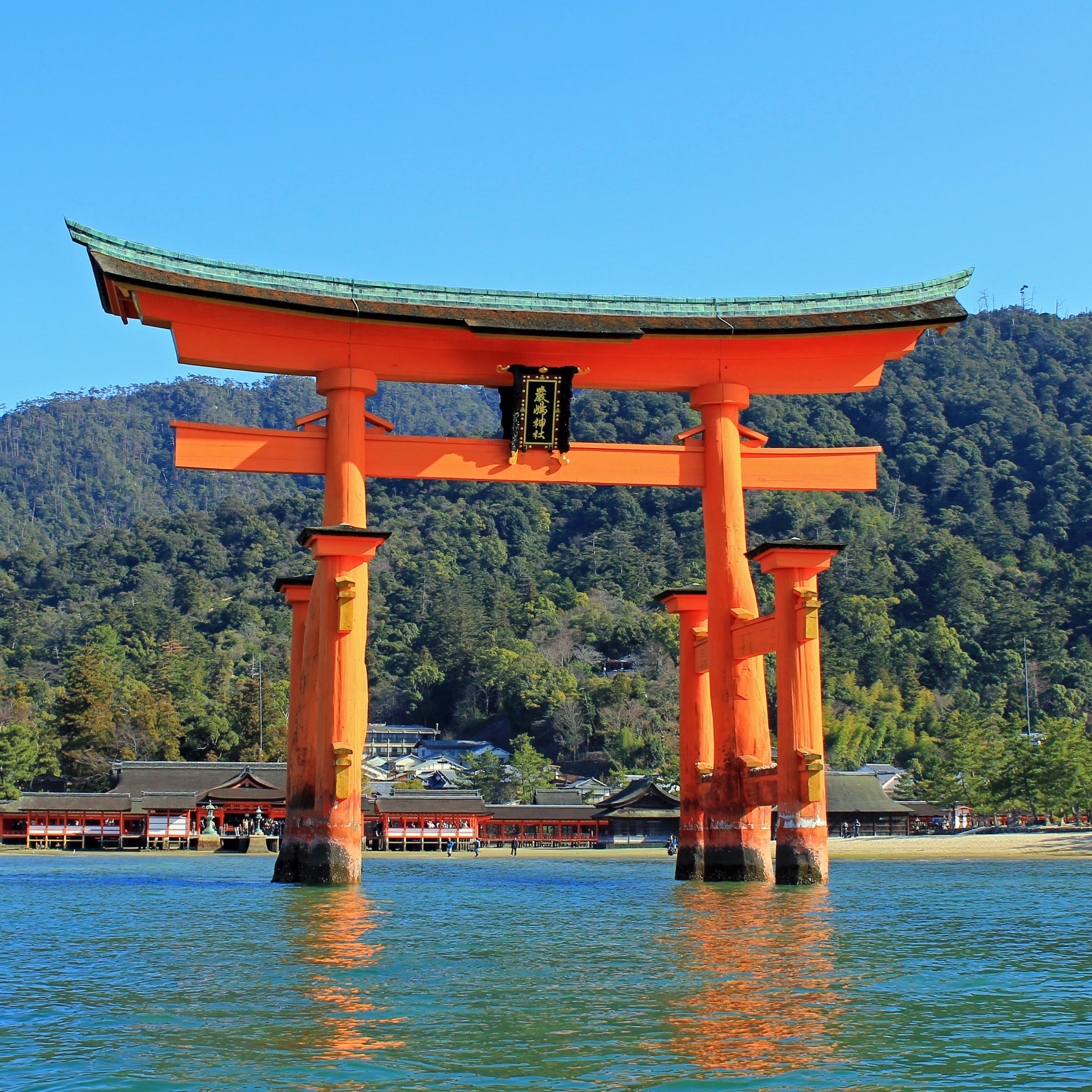
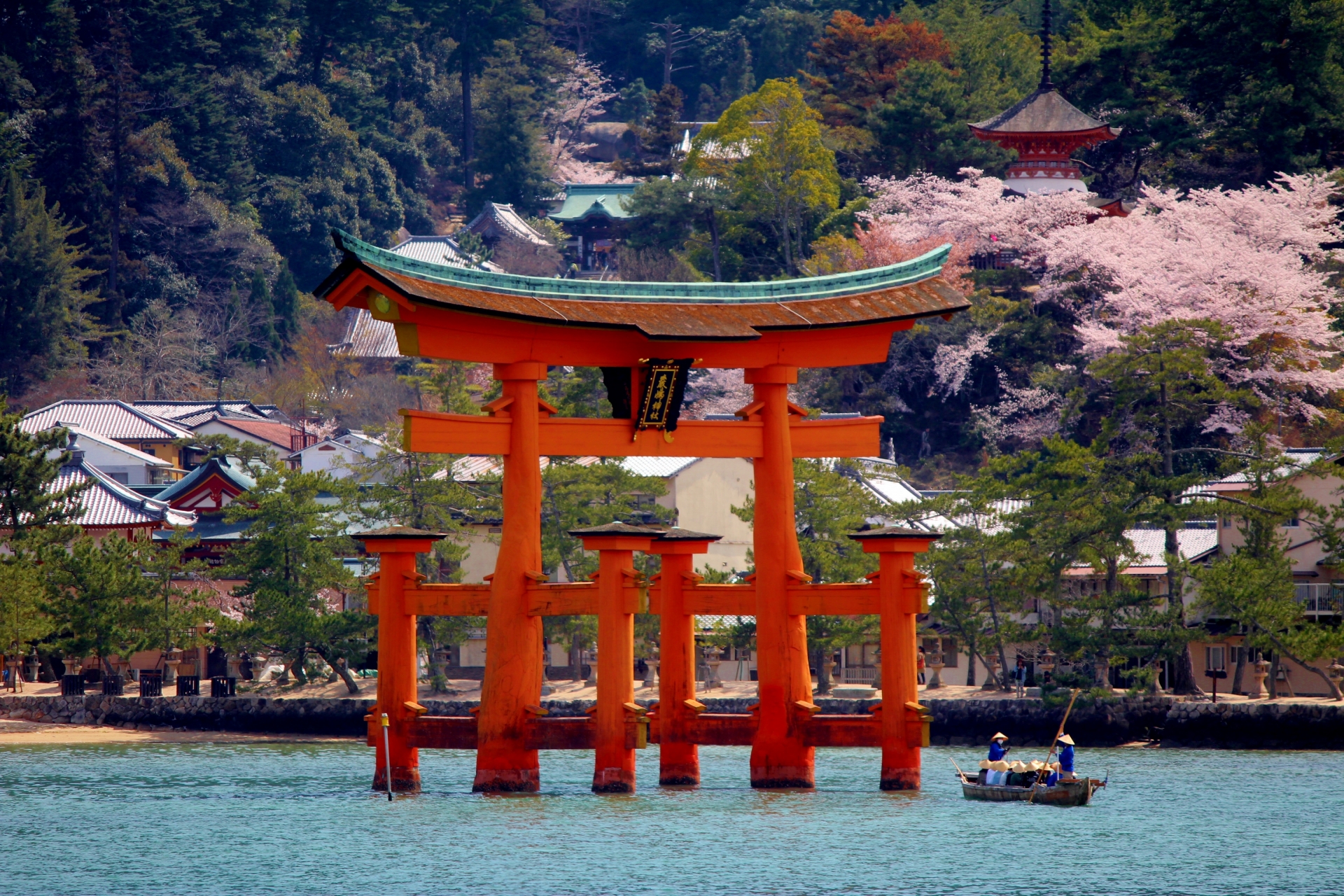
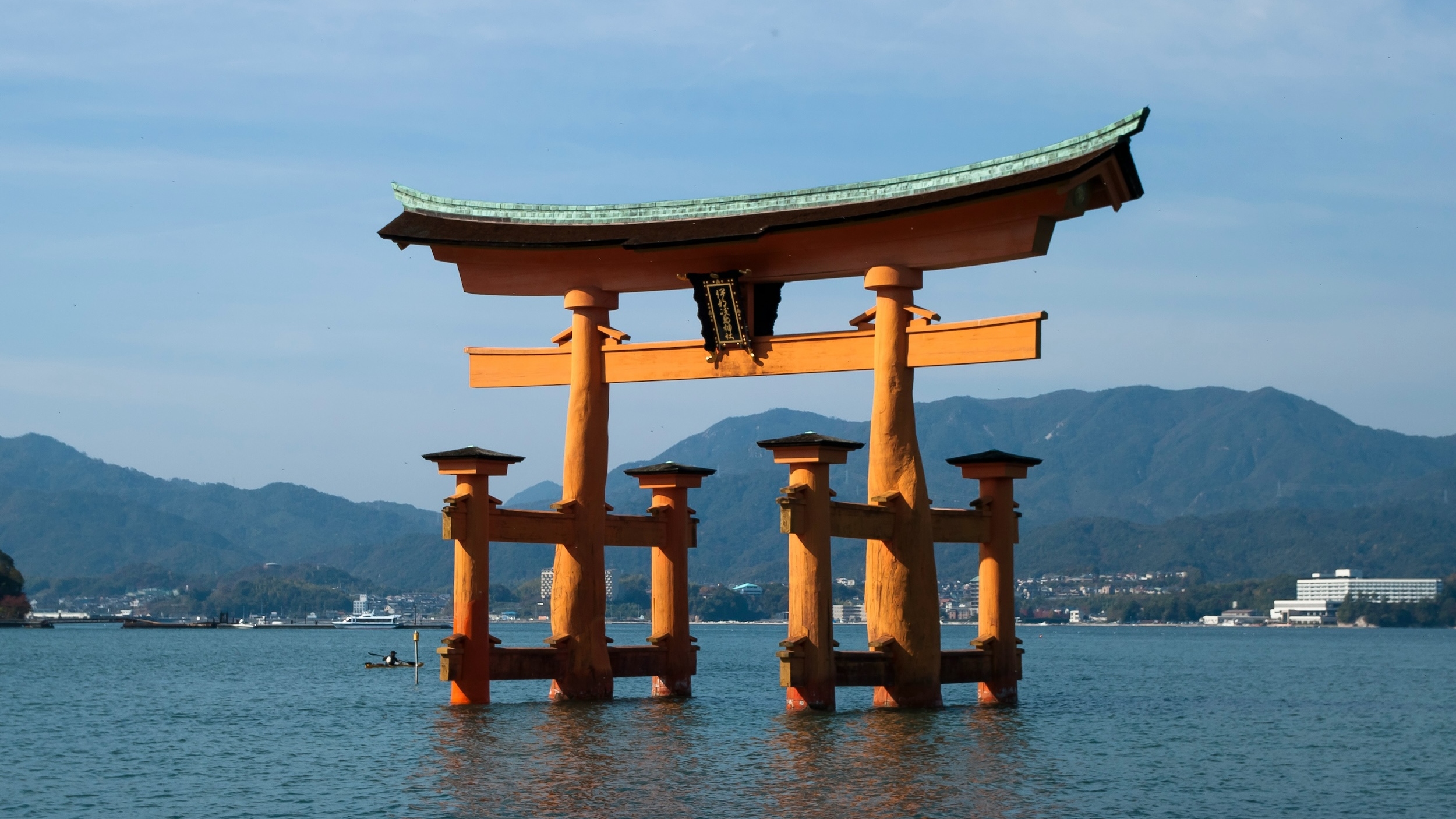
Miyajima Island
A beautiful island known for its floating torii gate, scenic views, and historic temples. It is a UNESCO World Heritage site and a must-visit destination near Hiroshima.
Nature/Historical
Full day
Ferry: ¥360 (round trip), Shrine: ¥300
Shukkeien Garden
A beautiful traditional Japanese garden with ponds, bridges, and meticulously landscaped areas. It offers a peaceful retreat from the city bustle.
Nature
1-2 hours
¥260
Hiroshima Castle
A reconstructed castle that offers a glimpse into Hiroshima's feudal past. The castle houses a museum and provides panoramic views of the city.
Historical/Architecture
1-2 hours
¥370
Hiroshima Okonomimura
A multi-story building dedicated to Hiroshima's famous okonomiyaki (savory pancake). It houses several restaurants and offers a fun, interactive dining experience.
Food/Cultural
1-2 hours
Budget to Moderate
Must-Try Local Dishes
Hiroshima-style Okonomiyaki
A layered savory pancake made with noodles, cabbage, and various toppings, typically cooked on a teppan (iron griddle).
Dinner
Contains wheat, meat, and seafood. Vegetarian and vegan options may be available.
Hiroshima-style Oysters
Hiroshima is famous for its oysters, which are often grilled, fried, or served raw. They are typically harvested from the Seto Inland Sea.
Snack/Dinner
Contains shellfish. Not suitable for those with seafood allergies.
Hiroshima-style Udon
Thick, chewy wheat noodles served in a hot broth, often with various toppings like tempura or beef.
Lunch/Dinner
Contains wheat. Vegetarian and vegan options may be available.
Hiroshima-style Anago Meshi
Grilled saltwater eel served over rice, a local delicacy with a rich, savory flavor.
Lunch/Dinner
Contains fish. Not suitable for those with seafood allergies.
Popular Activities
Hiking on Miyajima Island
Cycling around Hiroshima
Kayaking in the Seto Inland Sea
Visiting Shukkeien Garden
Taking a leisurely streetcar ride
Enjoying a traditional tea ceremony
Visiting the Peace Memorial Park and Museum
Exploring the Hiroshima Castle
Best Time to Visit
Spring (March to May) and Autumn (September to November)
Spring offers cherry blossoms and mild weather, while autumn provides comfortable temperatures and vibrant foliage. These are the best times to visit for pleasant weather and outdoor activities.
15-25°C
59-77°F
Practical Information
Language
- Official: Japanese
- Widely spoken: English (limited)
- English: Limited
Currency
Japanese Yen (JPY)
Time Zone
GMT+9
Electricity
100VV, 50/60HzHz
Safety Information
Overall Safety Rating: Very safe
Hiroshima is a very safe city with a low crime rate. Violent crime is rare, and pickpocketing or petty theft is uncommon. However, travelers should still exercise caution and be aware of their surroundings.
Important Precautions:
- • Be cautious of unlicensed taxis and always check that the taxi has a meter.
- • Keep valuables secure and be aware of your surroundings in crowded areas.
- • Use reputable tour guides and services, and be wary of offers that seem too good to be true.
Getting there
By air
- Hiroshima Airport • 50 km from city center
By train
Hiroshima Station
By bus
Hiroshima Bus Center
Getting around
Public transport
The streetcar system is the main form of public transport in Hiroshima, offering an affordable and convenient way to get around.
Taxis
Available • Apps: JapanTaxi, DiDi
Rentals
Car, Bike, Scooter
Neighborhoods
Naka-ku
Higashi-ku
Nishi-ku
Minami-ku
Asaminami-ku
Day trips
Miyajima Island
10 km from Hiroshima • Full day
A beautiful island known for its floating torii gate, scenic views, and historic temples. It is a UNESCO World Heritage site and a must-visit destination near Hiroshima.
Onomichi
80 km from Hiroshima • Full day
A charming port city known for its historic temples, scenic views, and literary connections. Onomichi offers a mix of cultural attractions and natural beauty.
Iwakuni
50 km from Hiroshima • Full day
A historic city known for its stunning castle, beautiful gardens, and traditional samurai district. Iwakuni offers a mix of cultural attractions and scenic views.
Festivals
Hiroshima Flower Festival • May 3-5
Hiroshima International Animation Festival • August (varies by year)
Hiroshima Peace Memorial Ceremony • August 6
Pro tips
- Get a Hiroshima Amazing Pass for unlimited rides on the streetcar, bus, and ferry to Miyajima Island, as well as entry to major attractions.
- Visit the Peace Memorial Park and Museum early in the morning for a more serene and reflective experience.
- Try cooking your own Hiroshima-style okonomiyaki at Okonomimura for a fun and interactive dining experience.
- Hike Mount Misen on Miyajima Island for stunning views of the Seto Inland Sea and the surrounding area.
- Use IC cards like ICOCA for seamless payments on public transport and to save money on fares.
From $25
per person
Price varies by option
Secure booking
Free cancellation available
Instant confirmation