LGBT Tokyo Then and Now
Active
3h
If you cancel at least 6 full day(s) before the scheduled departure time, you will receive a full refund.<br>If you cancel between 2 and 6 day(s) before the scheduled departure time, you will receive a 50% refund.<br>If you cancel within 2 day(s) of the scheduled departure, you will receive a 0% refund.
Instant confirmation
Mobile or paper ticket accepted
About this experience
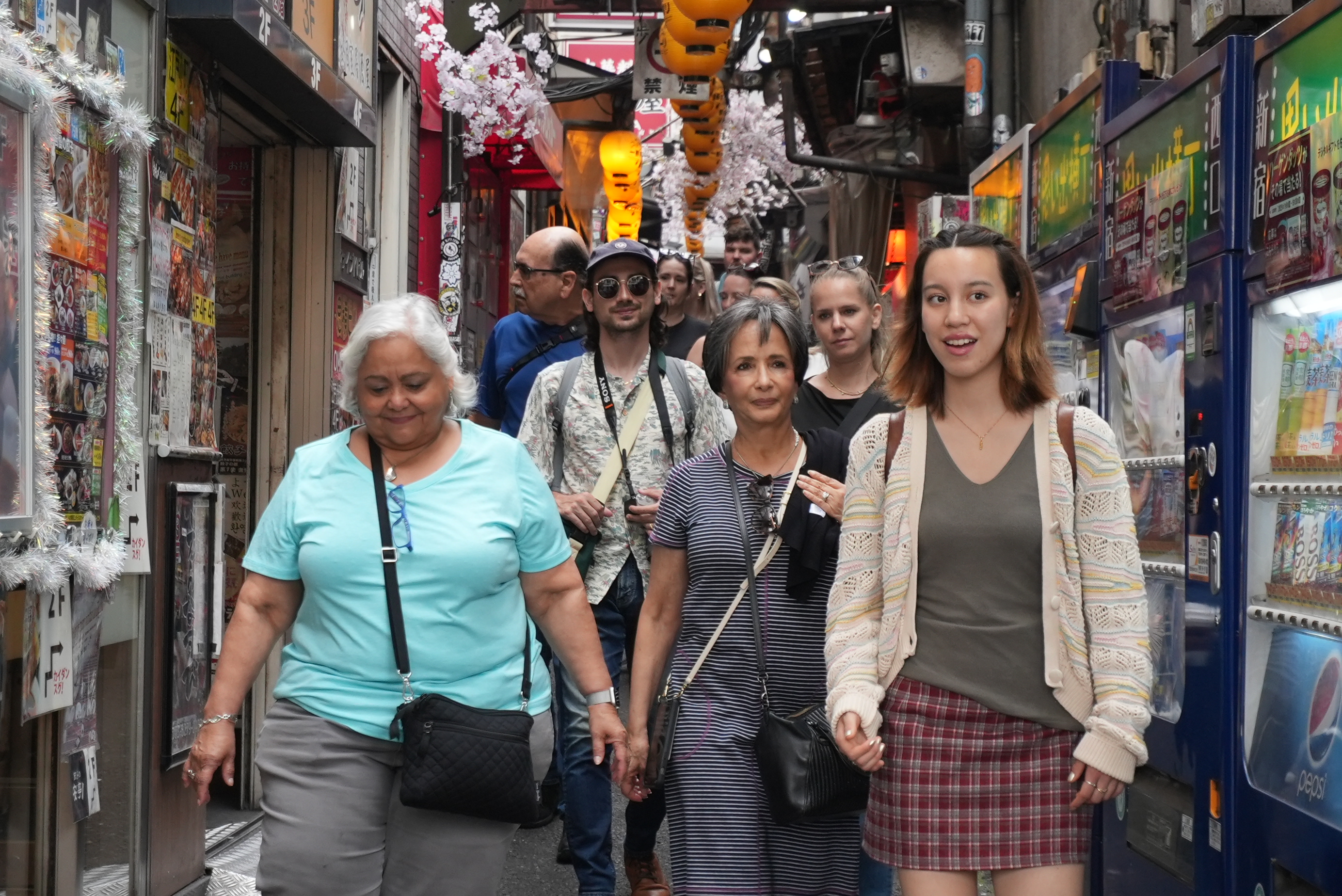
Behind every stoic Japanese businessman face there is a secret, thus one aspect of "honne tatemae," which loosely translates to something along the lines of keeping the publicly acceptable face forward, and the true face within. This, combined with Japanese culture's general disdain for public affection, might make Tokyo seem to not have as vibrant an LGBT presence as hoped. Worry not: In a city as big as Tokyo, there is of course a thriving gay scene -- if you know where to look. Tonight, you'll not only see Japan's largest gayborhood, Shinjuku 2-chome, but Asakusa in the evening as well. You'll also get a solid primer in Japanese gay society, both past and present. We'll stop along the way for a local Japanese meal (veg options available), and a couple of drinks too. Get ready for a well-rounded adventure into the heart of homosexuality in Japan, led by a friendly native (or equivalent) speaker of your selected language who knows what it means to be gay in Japan.
Available options
LGBT Tokyo Then and Now
What's included
Alcoholic Beverages
2 drinks (alcoholic or non-alcoholic)
Dinner
Gratuities
Detailed itinerary
1
Sensoji (Temple) forms the deeply historic heart of Asakusa, but the shopping, dining, and entertainment areas alongside its approach is also the center of Tokyo's "elder gay" population. A century ago, Asakusa was in many ways what Shinjuku and Shibuya are like today. In fact, the Asakusa to Ueno stretch was so popular back in the early 20th century that Asia's first subway was built between those two areas (this is now known as the Ginza line). As the area aged, the clientele aged and changed faces too, and especially in more recent years, there has been a plethora of gay bars, saunas, and even cruising areas for the daddies and granddaddies of the gay persuasion. We'll walk around the neighborhood, talk about history, cultural context, and take a gander at some notable sights from the outside.
2
This thriving restaurant and shopping district is adjacent to 2-Chome, and it is here where we'll grab some food and a drink (included) at one of the sociable, casual restaurants dotting the streets.
3
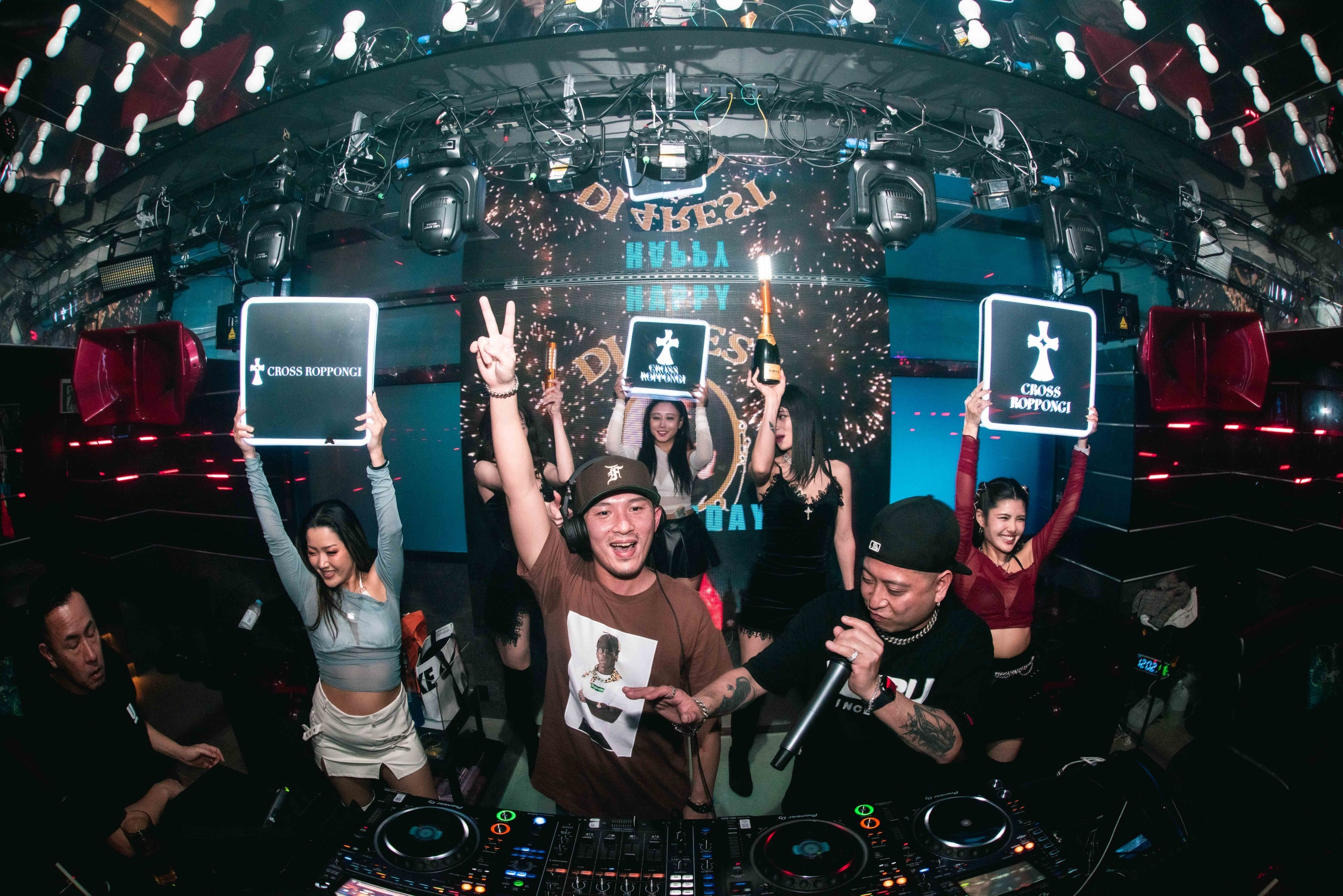
2-Chome (pronounced "knee choh may") is the largest LGBTQ district in the largest metropolitan region in Japan (or the world, for that matter). Some bars are garish, some are low key. Most indoors, but some have sights visible from and spilling into the streets. We'll give you a thorough walk-through, and also stop at a bar for a drink (included).
4
Stop 4
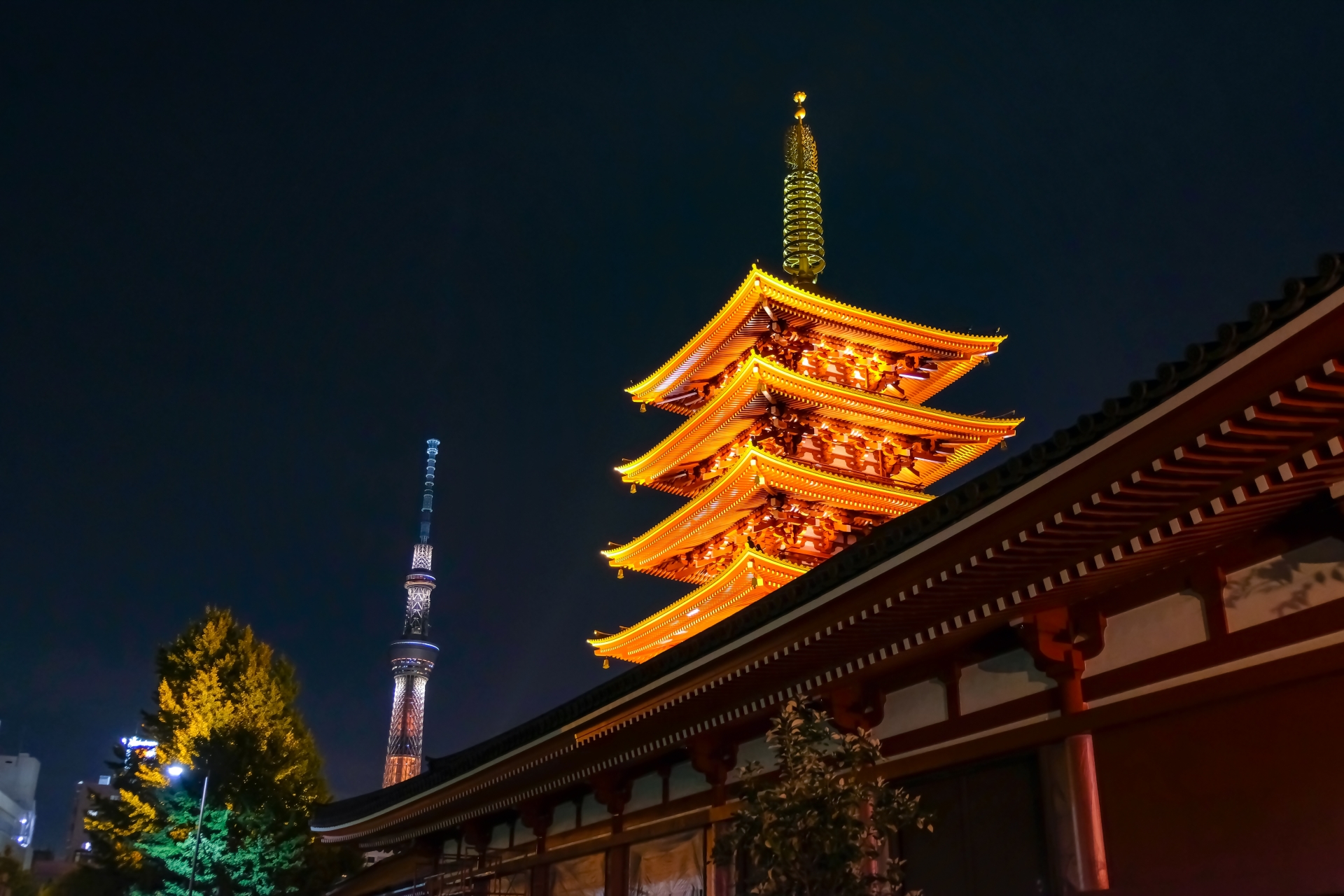
Sensoji is arguable the top attraction in Asakusa, During the day, this Buddhist Temple compound dating back to 7th century, is thronged with visitors, but at night it's a mellower, perhaps more atmospheric scene. Beautifully lit up, you'll have your phone out for a picture before you know it.
What's not included
Hotel pickup (please inquire -- this may be available for an additional charge upon request)
Transportation (you'll need 270 yen for the one subway ride we take)
Available languages
Guide guide
EN
Reviews breakdown
Viator
4.2
17 reviews
5★
10
4★
4
3★
0
2★
3
1★
0
Tripadvisor
5.0
13 reviews
5★
13
4★
0
3★
0
2★
0
1★
0
Important information
Wheelchair accessible
Public transportation options are available nearby
Transportation options are wheelchair accessible
All areas and surfaces are wheelchair accessible
Suitable for all physical fitness levels
Minimum age is 18 years
Japan's drinking age is 20 years.
Meeting point
Please meet on the corner outside this famous bar/restaurant. Easily accessible by two different subway lines.
Important notes
• You will be notified two days in advance of your tour with your guide's name and contact information. You should please contact your guide directly should any issues arise. Please be aware that for group tours, the tour must start on time and it may not be possible to get in touch with the guide once they have started the tour.
• In order to keep our pricing as low as possible, we aim to never charge more for solo travelers. However, if the minimum of 2 guests is not met for this tour we will offer you as a solo traveler one of the following 3 options.
1) To attend the tour on an alternate date.
2) Pay a 3000 yen solo supplement
3) Receive a full refund
About Asakusa
Asakusa is one of Tokyo's most colorful and traditional districts, famous for its historic temples, vibrant streets, and rich cultural heritage. This area offers a glimpse into old Edo-era Tokyo, making it a must-visit for those seeking authentic Japanese experiences.
Top Attractions
Senso-ji Temple
Senso-ji is Tokyo's oldest temple and one of its most significant. The temple complex includes the main hall, a five-story pagoda, and various shops and stalls.
Historical/Religious
1-2 hours
Free (donations welcome)
Tokyo Skytree
Tokyo Skytree is the tallest tower in Japan and offers breathtaking views of the city from its observation decks.
Architecture/Observation Deck
2-3 hours
¥2,100-¥3,100 (depending on the deck)
Sumida River Cruise
A relaxing cruise along the Sumida River offers stunning views of Tokyo's skyline, including the Tokyo Skytree and Rainbow Bridge.
Scenic/Boat Tour
1 hour
¥1,000-¥1,500 (depending on the route)
Edo-Tokyo Museum
This museum showcases the history and culture of Edo-era Tokyo through life-sized replicas, artifacts, and interactive exhibits.
Museum
1-2 hours
¥600 (adults), ¥300 (children)
Must-Try Local Dishes
Tempura
Deep-fried seafood and vegetables, often served with dipping sauce.
Main Dish
Contains gluten (soy sauce in the dipping sauce).
Unagi (Grilled Eel)
Grilled eel glazed with a sweet soy-based sauce, served over rice.
Main Dish
Contains fish and soy.
Melon Pan
A sweet bread roll with a crispy cookie-like crust, resembling a melon.
Dessert
Contains wheat and dairy.
Popular Activities
Hiking in nearby mountains
Sumo wrestling matches in Ryogoku
Onsen (hot spring) visits
Sumida River Cruise
Temple and shrine visits
Traditional tea ceremonies
Boat tours on Sumida River
Swimming at nearby beaches
Best Time to Visit
Spring (March to May) and Autumn (September to November)
Spring offers cherry blossoms and pleasant weather, while autumn provides comfortable temperatures and beautiful fall foliage. These seasons are ideal for outdoor activities and sightseeing.
15-25°C
59-77°F
Practical Information
Language
- Official: Japanese
- Widely spoken: English, Chinese, Korean
- English: Moderately spoken in tourist areas, limited elsewhere
Currency
Japanese Yen (JPY)
Time Zone
Japan Standard Time (JST, GMT+9)
Electricity
100VV, 50/60HzHz
Safety Information
Overall Safety Rating: Very safe
Asakusa is generally very safe, with low crime rates and a strong police presence. However, as with any tourist destination, it's important to be aware of your surroundings and take precautions to protect your belongings.
Important Precautions:
- • Keep valuables secure and out of sight.
- • Use official taxis or ride-hailing services.
- • Be cautious when using ATMs, and avoid carrying large amounts of cash.
Getting there
By air
- Narita International Airport • 60 km from Asakusa
- Haneda Airport • 20 km from Asakusa
By train
Asakusa Station
By bus
Tokyo Station, Shinjuku Station, Ueno Station
Getting around
Public transport
The subway system is efficient, clean, and covers most of Tokyo. Asakusa Station is a major hub.
Taxis
Available • Apps: DiDi, JapanTaxi
Rentals
Car, Bike, Scooter
Neighborhoods
Asakusa
Sumida
Ueno
Day trips
Nikko
120 km from Tokyo • Full day
Nikko is a UNESCO World Heritage site known for its stunning shrines, temples, and natural beauty. The area offers a mix of cultural and outdoor activities.
Kamakura
50 km from Tokyo • Full day
Kamakura is a historic city known for its temples, shrines, and the Great Buddha statue. It offers a mix of cultural and outdoor activities.
Hakone
80 km from Tokyo • Full day or overnight
Hakone is a popular onsen (hot spring) town known for its scenic views, hot springs, and cultural attractions. It offers a mix of relaxation and outdoor activities.
Festivals
Sanja Matsuri • Third weekend of May
Asakusa Shinto Festival • Mid-June
Pro tips
- Visit Senso-ji Temple early in the morning or late in the afternoon to avoid crowds and enjoy a more peaceful experience.
- Try traditional snacks and sweets at the stalls along Nakamise Shopping Street, such as senbei (rice crackers) and ningyo-yaki (sweet bean paste cakes).
- Take a Sumida River Cruise for stunning views of Tokyo's skyline, including the Tokyo Skytree and Rainbow Bridge.
- Explore the lesser-known temples and shrines in Asakusa, such as Asakusa Shrine and Tokyo Daijingu, for a more authentic and less crowded experience.
- Experience a traditional tea ceremony to learn about the art and history of matcha (green tea) preparation.
From $25
per person
Price varies by option
Secure booking
Free cancellation available
Instant confirmation