Full Day Trip from Samarkand to the Seven Lakes in Tajikistan
Active
10h - 12h
For a full refund, cancel at least 24 hours before the scheduled departure time.
Instant confirmation
Mobile or paper ticket accepted
About this experience
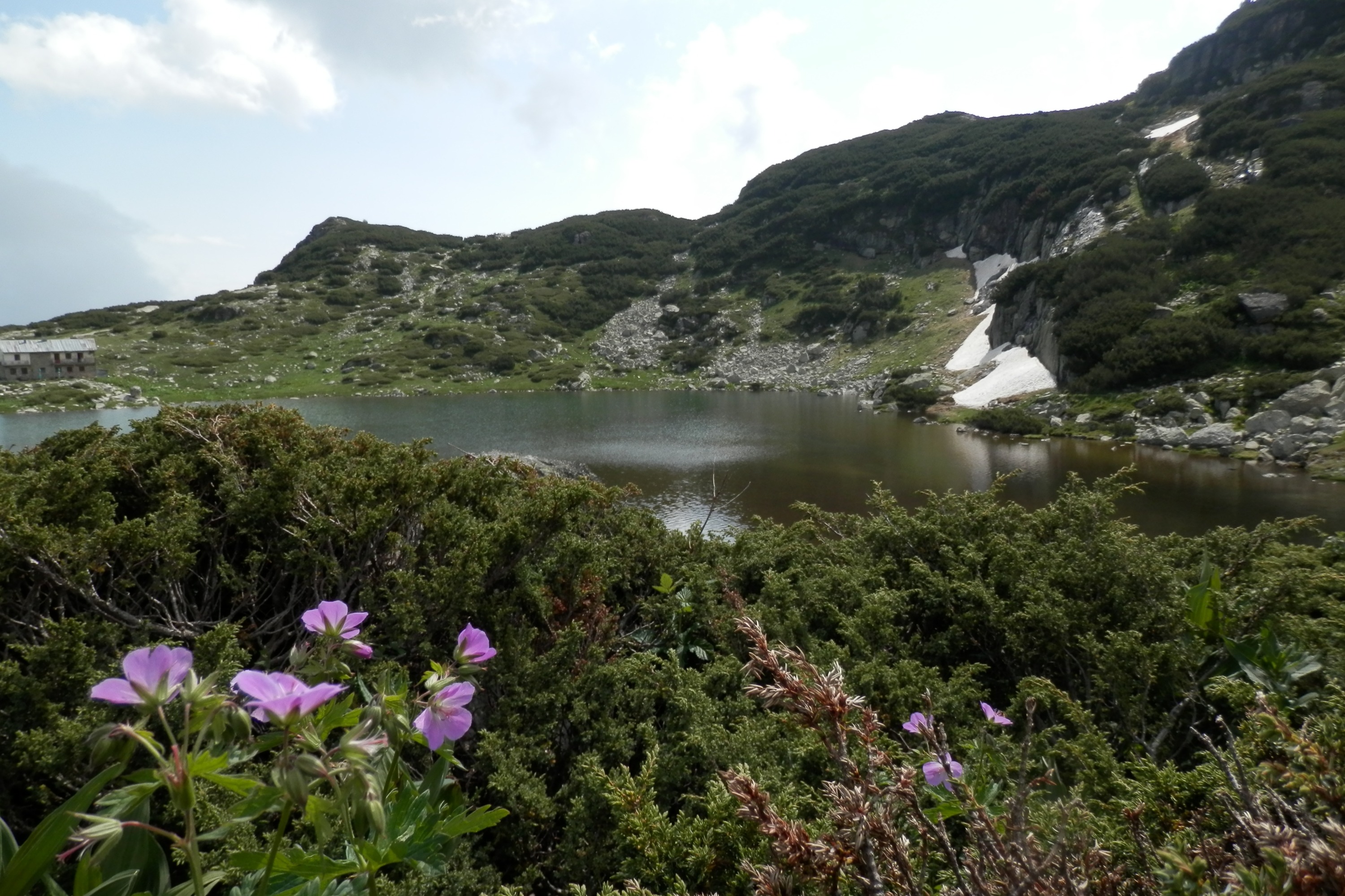
While in Samarkand, don't miss the opportunity to venture into Tajikistan and visit the stunning group of mountain lakes known as the Seven Lakes. With private transport, an English-speaking guide, and lunch arranged, your visit will be hassle-free, allowing you plenty of time to enjoy the beauty of the lakes. Make sure to obtain your visa ahead of time for a seamless journey. Round-trip transfers from your Samarkand hotel are included for ease of travel.
Explore the Khaftkul Valley and all seven lakes in one tour, ensuring your cameras are charged for some breathtaking photographs. Enjoy the tour with just your private group, enhancing your experience.
Available options
Full Day Trip from Samarkand to the Seven Lakes in Tajikistan
Pickup included
What's included
Private transportation
English or Russian Speaking Guide in Tajikistan
Lunch
Detailed itinerary
1
Picking up from a hotel or other specific location and transfer to Jartepa border
2
Stop 2
pass Tajik boarder, meet with a guide and driver after crossing the border and drive to Haftkul
3
The drive to the lowest lake, Nezhigon, situated at an elevation of 1,640 meters, is captivating. Its name is derived from the Tajik word for "eyelashes," though the exact reason for this name is not entirely clear. Nezhigon is renowned for its striking colors, which vary depending on the lighting and season. The water can appear turquoise, blue, or even purple, adding to the lake's allure.
4
Soya Lake derives its name from the Tajik word for "shadow," reflecting its location between high cliffs that keep it shaded almost all day. Similar to Nezhigon, the water in Soya Lake changes color depending on the weather and time of day.
5
Gushor, the third lake, is located 400 meters from Soya, and as you near it, you'll notice a turbulent stream that connects the two. All three lakes are named "watchful." Gushor Lake is encircled by steep cliffs and was previously inhabited by poisonous snakes, which is how the lake acquired its name.
6
Nofin, the fourth lake in the series, is characterized by its elongated shape, spanning over 2.5 kilometers in length but only about 200 meters in width. The name "Nofin" translates to "umbilical cord," as it is the central lake among the seven and is very long, resembling an umbilical cord. Local legends speak of the lake's secrets, adding to its mystique. Enjoy a lunch break by the lake before continuing your journey.
7
Khurdak, which means "baby," is the smallest of the Seven Lakes. It is located 1.5 kilometers from Nofin Lake, and along the way, you can catch a glimpse of the village of Padrut.
8
Lake Marguzor is the largest and arguably the most beautiful of the Seven Lakes. The vast expanse of blue water against the backdrop of majestic mountains creates a stunning landscape. Petroglyphs left by primitive people have been discovered on the lake's shore, and in the Middle Ages, semiprecious stones were mined in the vicinity. Today, a small village sits at the southern end of the lake, with houses scattered across the surrounding slopes. Local legends and fairytales about Lake Marguzor add to its allure.
9
Hazorchashma, the seventh and highest of the Seven Lakes, sits at an altitude of approximately 2,400 meters above sea level. Its name, Hazorchashma (or Azorchashma), translates to "thousand springs," as the lake is fed by the waters of two rivers along with numerous streams and springs. Hazorchashma marks the end of the gorge of the Shing River, beyond which there are no more settlements, only the wildlife of the Fan Mountains.
10
Stop 10
Drive to boarder with Tajik guide/driver, pass Tajik boarder
11
pass Uzbek boarder drive back to your starting point
What's not included
Online Tajikistan visa $30, pls apply minimum 7 days before the tour online
German or French speaking licensed guide in Tajikistan $40/group
Tips for guide & driver
Available languages
Guide guide
DE
RU
EN
FR
Important information
Infants are required to sit on an adult’s lap
Not recommended for travelers with spinal injuries
Not recommended for pregnant travelers
Not recommended for travelers with poor cardiovascular health
Travelers should have at least a moderate level of physical fitness
not recommended for children below 6 years old
Depending on border crossing and road condition visits to all 7 lakes can be curtailed to ensure timely return to starting point, no refunds will be offered for this.
Mountain not asphalted road
A multiple entry Uzbekistan visa or visa waiver is required to re-enter Uzbekistan with this tour
About Samarkand
Samarkand is one of the oldest continuously inhabited cities in Central Asia, known for its rich history and stunning Islamic architecture. It's a UNESCO World Heritage site with landmarks that reflect the city's status as a hub on the ancient Silk Road.
Top Attractions
Registan Square
Registan Square is the heart of Samarkand, featuring three stunning madrasahs (Islamic schools) with intricate tile work and towering minarets. It's one of the most iconic sights in Central Asia.
Historical/Architecture
1-2 hours
Moderate (entry fee applies)
Gur-e-Amir Mausoleum
This mausoleum is the burial place of Timur (Tamerlane), the founder of the Timurid Empire. It's known for its stunning blue tile work and intricate design.
Historical/Architecture
1 hour
Moderate (entry fee applies)
Shah-i-Zinda Necropolis
This ancient necropolis is a collection of stunning mausoleums and tombs, known for their intricate tile work and peaceful atmosphere. It's a must-visit for history and architecture lovers.
Historical/Architecture
1-2 hours
Moderate (entry fee applies)
Bibi-Khanym Mosque
This grand mosque was built by Timur in honor of his favorite wife, Bibi-Khanym. It's one of the largest mosques in the Islamic world and features stunning architecture and tile work.
Historical/Architecture
1 hour
Moderate (entry fee applies)
Siab Bazaar
This bustling bazaar is a great place to experience local life and sample traditional Uzbek food. It's a sensory overload with its colors, smells, and sounds.
Cultural
1-2 hours
Free to enter, budget for purchases
Must-Try Local Dishes
Plov
Plov is a rice dish cooked with meat (usually lamb or beef), carrots, and onions. It's a staple of Uzbek cuisine and is often served at celebrations.
Main dish
Contains meat, not suitable for vegetarians
Lagman
Lagman is a noodle soup with meat, vegetables, and a rich broth. It's a hearty and flavorful dish that's perfect for colder weather.
Main dish
Contains meat, not suitable for vegetarians
Samsa
Samsa are baked pastries filled with meat, onions, and spices. They're a popular street food and are often sold at bazaars.
Snack
Contains meat, not suitable for vegetarians
Non
Non is a traditional Uzbek bread, often baked in a tandoor oven. It's a staple of Uzbek cuisine and is served with most meals.
Bread
Vegetarian
Popular Activities
Hiking in the nearby mountains
Exploring historic sites
Horseback riding
Visiting tea houses
Enjoying a traditional hammam (bathhouse)
Strolling through historic neighborhoods
Attending local festivals
Visiting museums and historic sites
Best Time to Visit
April to June, September to October
These months offer the best weather for sightseeing, with mild temperatures and minimal rainfall. It's ideal for exploring the city's historic sites and enjoying outdoor activities.
15-30°C
59-86°F
Practical Information
Language
- Official: Uzbek
- Widely spoken: Russian
- English: Limited
Currency
Uzbekistani Som (UZS)
Time Zone
UTC+5
Electricity
220VV, 50HzHz
Safety Information
Overall Safety Rating: Generally safe
Samarkand is generally safe for travelers, but petty crime and scams can occur. Be cautious of pickpockets and scams, especially in crowded areas and tourist sites. Avoid walking alone at night in poorly lit areas.
Important Precautions:
- • Be cautious of pickpockets and scams
- • Avoid walking alone at night in poorly lit areas
- • Use official taxis or ride-hailing apps
Getting there
By air
- Samarkand International Airport • 10 km from city center
By train
Samarkand Railway Station
By bus
Samarkand Bus Station
Getting around
Public transport
The bus system is affordable and covers most parts of the city. Buses are often crowded but are a good way to get around.
Taxis
Available • Apps: Yandex.Taxi
Rentals
Car, Bike, Scooter
Neighborhoods
City Center
Afrosiab
Kuk-Saroy
Day trips
Shakhrisabz
90 km from Samarkand • Full day
Shakhrisabz is a historic city known for its stunning architecture and ties to Timur (Tamerlane). It's a UNESCO World Heritage site with several impressive ruins and monuments.
Penjikent
120 km from Samarkand • Full day
Penjikent is a charming town in Tajikistan, known for its historic ruins and natural beauty. It's a great day trip for those interested in history and the outdoors.
Ulugbek's Observatory
5 km from Samarkand • Half day
Ulugbek's Observatory is a historic site dedicated to the astronomical work of Ulugbek, the grandson of Timur. It's a fascinating place to learn about the history of astronomy and science in Central Asia.
Festivals
Silk and Spices Festival • May
Navruz (Nowruz) • March 21
Eid al-Fitr • Varies (depending on the lunar calendar)
Pro tips
- Learn a few basic phrases in Uzbek or Russian to enhance your experience and connect with locals
- Hire a local guide to learn about the history and significance of the city's many historic sites
- Visit the bazaars early in the morning for the best selection and atmosphere
- Try local specialties like plov, lagman, and samsa at traditional restaurants and street food stalls
- Consider staying in a guesthouse or homestay for a more local and authentic experience
From $25
per person
Price varies by option
Secure booking
Free cancellation available
Instant confirmation