Party on board 2-hour cruise with DJ and open bar
Active
2h
For a full refund, cancel at least 24 hours before the scheduled departure time.
Instant confirmation
Mobile or paper ticket accepted
About this experience
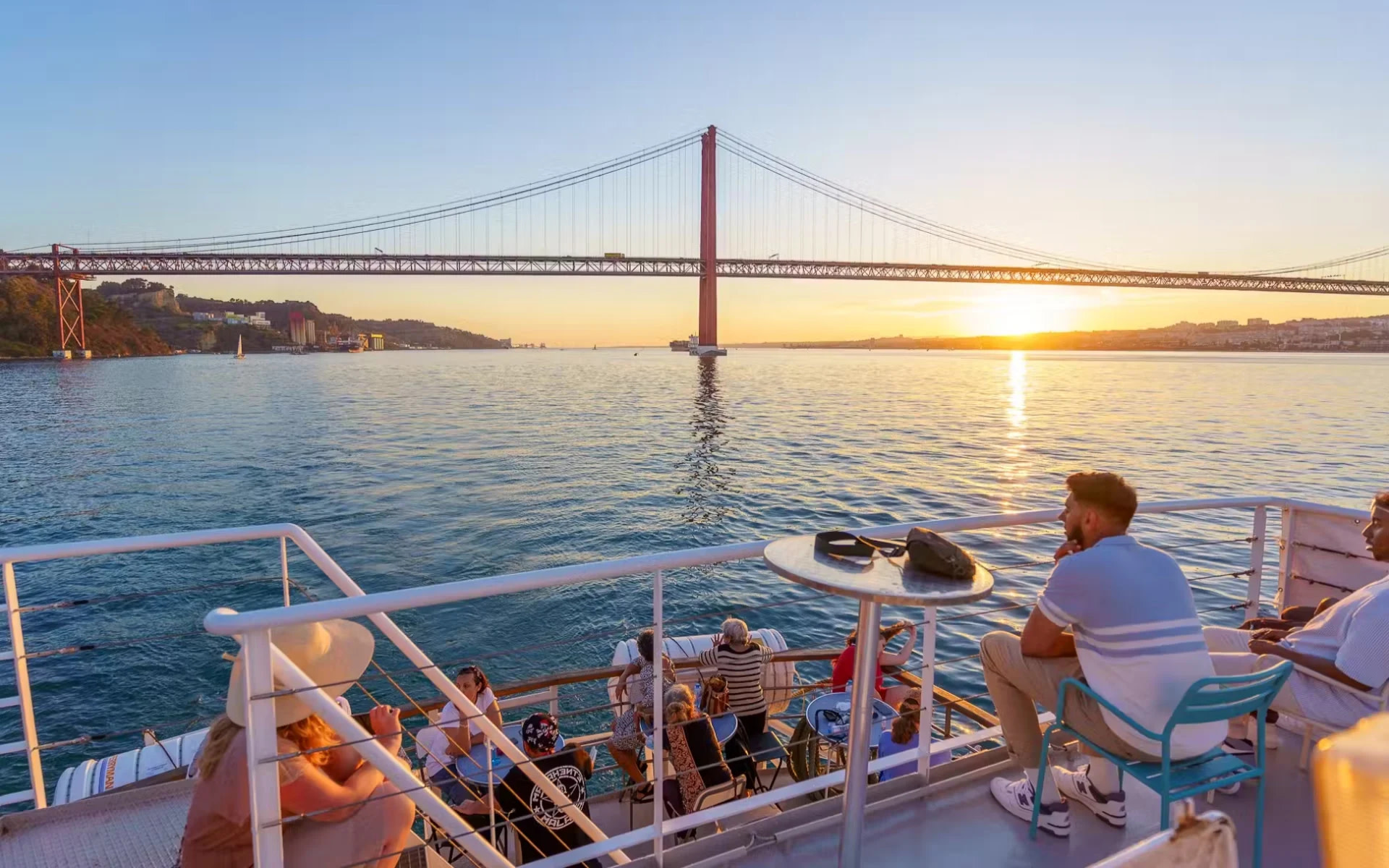
Get ready to have a lot of fun on this boat party cruise with an open bar and DJ in Lisbon. Enjoy beer, wine, sangria and soft drinks while admiring stunning views of Lisbon's iconic landmarks at sunset.
Available options
Boat Party
BP
What's included
Restroom on board
Detailed itinerary
1
Stop 1
Pass by
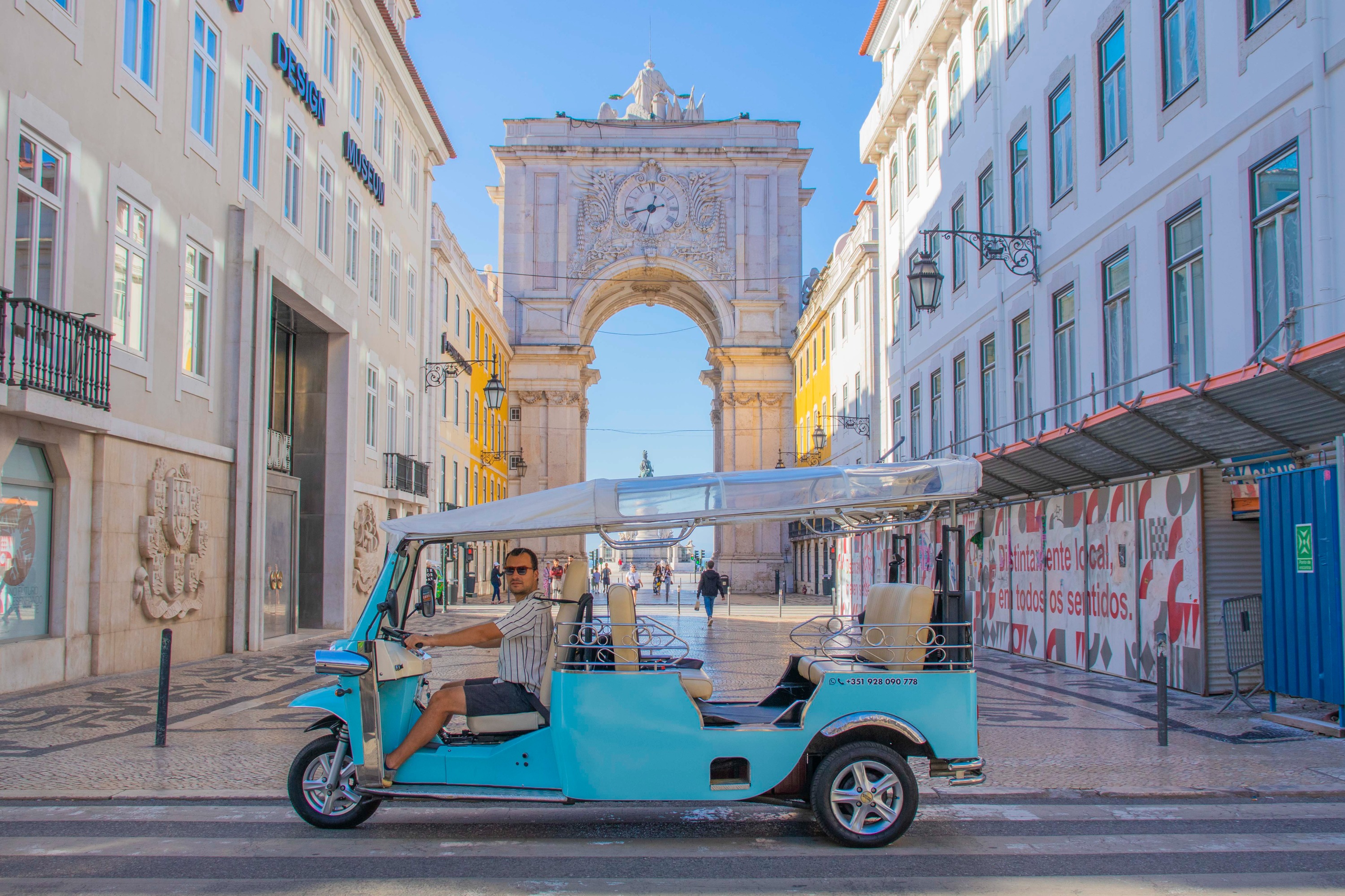
Praça do Comércio is a large square facing the port. Facing the Tagus (Tejo) to the south, the square is still commonly known in Portuguese as Terreiro do Paço. After the 1755 earthquake, the square was completely remodeled as part of the reconstruction of Baixa Pombalina. From the 19th century, Praça do Comércio became the seat of some of the most important departments of the Portuguese State.
2
Stop 2
Pass by
25 de Abril Bridge (Passes by) From its inauguration on August 6, 1966 until 1974, the bridge was named Ponte Salazar. After the Carnation Revolution, which overthrew the remnants of Salazar's regime, the bridge was renamed April 25, the date of the revolution. It is also commonly called the Tagus River Bridge.
3
Stop 3
Pass by
MAAT is a cultural project for the city of Lisbon that focuses on three areas - Art, Architecture and Technology. The €20 million museum sits on the Tagus River west of the city center and is "one of Europe's most lyrical new museums". Establishes a connection between the new building and the Tejo Power Station. The museum was designed by Amanda Levete Architects.
4
Stop 4
Pass by
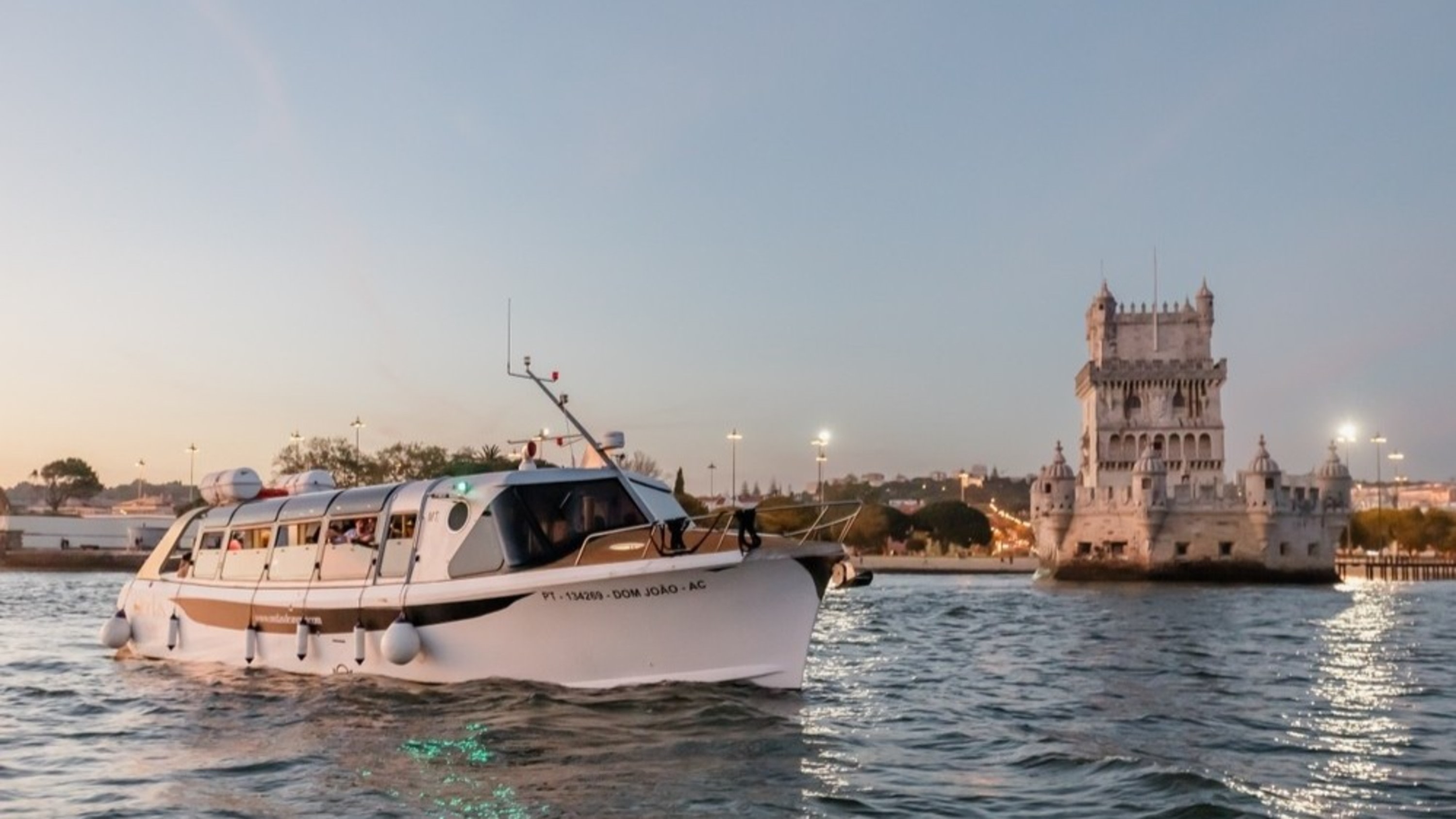
The Torre de Belém, officially Torre de São Vicente, is a 16th-century fortification located in Lisbon that served as an embarkation and disembarkation point for Portuguese explorers and as a ceremonial gateway to Lisbon. It was classified as a UNESCO World Heritage Site in 1983.
5
Stop 5
Pass by
The monument was conceived in 1939 by the Portuguese architect José Ângelo Cottinelli Telmo, and by the sculptor Leopoldo de Almeida, as a temporary lighthouse during the opening of the Portuguese World Exhibition in June 1940. The permanent monument was built to celebrate the fifth centenary of the death of the Infante D. Henrique, the Navigator, in 1960.
6
Stop 6
Pass by
The monastery is one of the most prominent examples of Portuguese Late Gothic Manueline style in Lisbon. It was classified as a UNESCO World Heritage Site, along with the nearby Torre de Belém, in 1983.
7
Stop 7
Pass by
The Central do Tejo is one of the most outstanding examples of Portuguese industrial architecture from the first half of the 20th century and one of the most visited museums in the country.
Available languages
Guide guide
PT
EN
Reviews breakdown
Viator
5.0
3 reviews
5★
3
4★
0
3★
0
2★
0
1★
0
Tripadvisor
4.1
17 reviews
5★
11
4★
2
3★
1
2★
0
1★
3
Important information
Service animals allowed
Public transportation options are available nearby
Suitable for all physical fitness levels
Not recommended for children under 18 years old
Effective August 1st, 2025, the Boarding Tourist Tax [€1.30] will be imposed on all passengers, payable at check-in.
By purchasing tickets for this experience, participants acknowledge and agree that they may be photographed and/or filmed during the activity, and that such recordings may be used for the company’s institutional and promotional purposes. Should they not consent, they must inform the staff at the time of filming.
Meeting point
We are at the Fluvial Sul e Sueste station in Terreiro do Paço, the building is white and above the main door there is a large clock. Once inside, we are ticket office 1.
About Lisbon
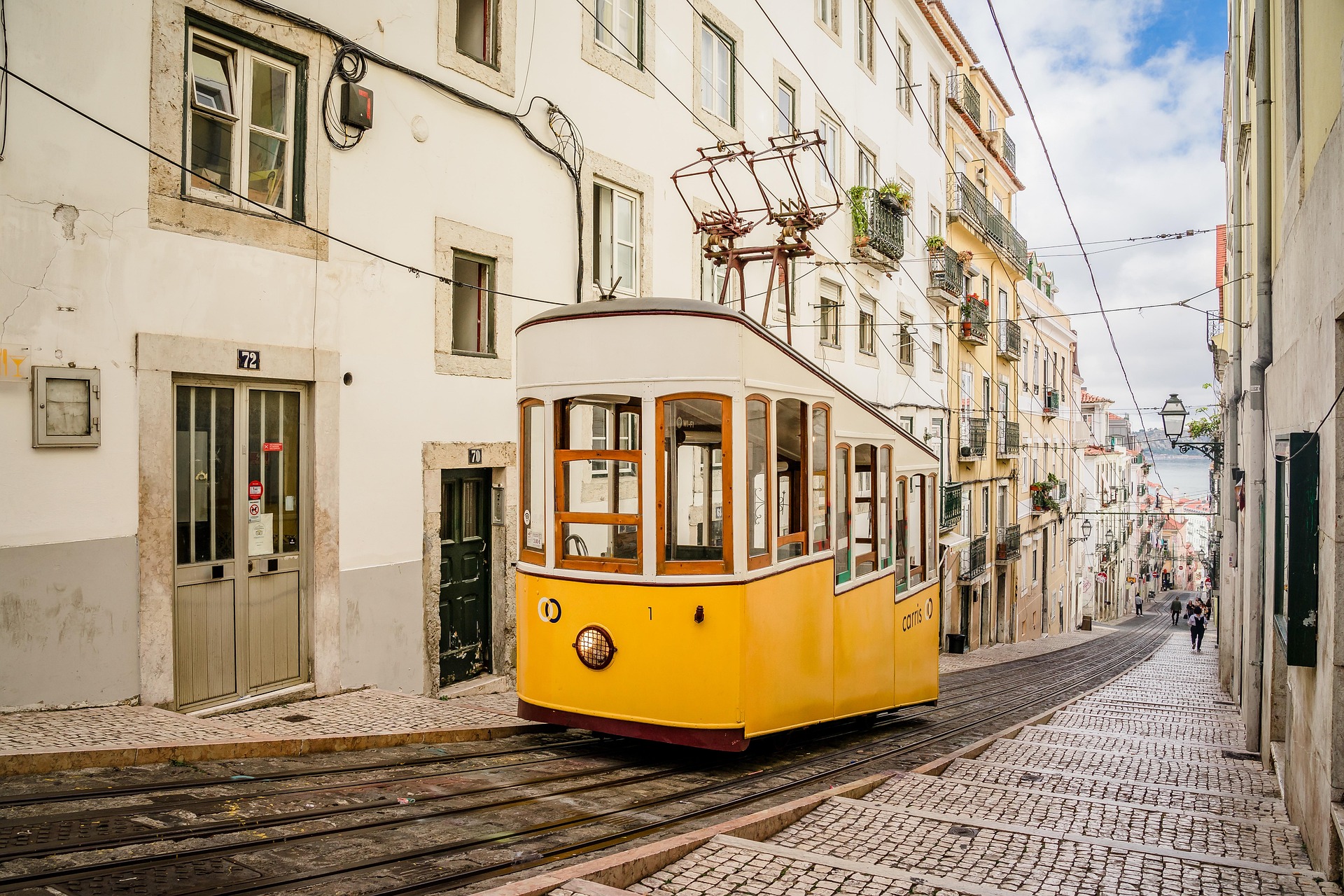
Lisbon, the capital of Portugal, is a vibrant city known for its rich history, stunning architecture, and warm climate. With its charming streets, historic trams, and breathtaking viewpoints, Lisbon offers a unique blend of old-world charm and modern energy.
Top Attractions
Belém Tower
A UNESCO World Heritage Site, this 16th-century tower is an iconic symbol of Lisbon's Age of Discoveries.
Historical
1-2 hours
€6
Alfama District
Lisbon's oldest district, known for its narrow, winding streets, Fado music, and historic charm.
Historical
Half day
Free to explore, attractions may have entry fees
Sintra
A UNESCO World Heritage Site, Sintra is a romantic town with stunning palaces and castles.
Historical
Full day
Varies by attraction, around €10-€15 per site
Must-Try Local Dishes
Bacalhau à Brás
Shredded codfish with eggs, potatoes, and onions
Main Dish
Contains fish and eggs
Pastel de Nata
Custard tart with a flaky pastry crust
Dessert
Contains dairy and eggs
Francesinha
A sandwich with meat, cheese, and a beer-based sauce
Main Dish
Contains meat, cheese, and gluten
Popular Activities
Hiking in Sintra
Surfing in Ericeira
Parasailing in Cascais
Beach lounging in Costa da Caparica
Spa day in a luxury hotel
Picnic in Jardim da Estrela
Visiting museums and galleries
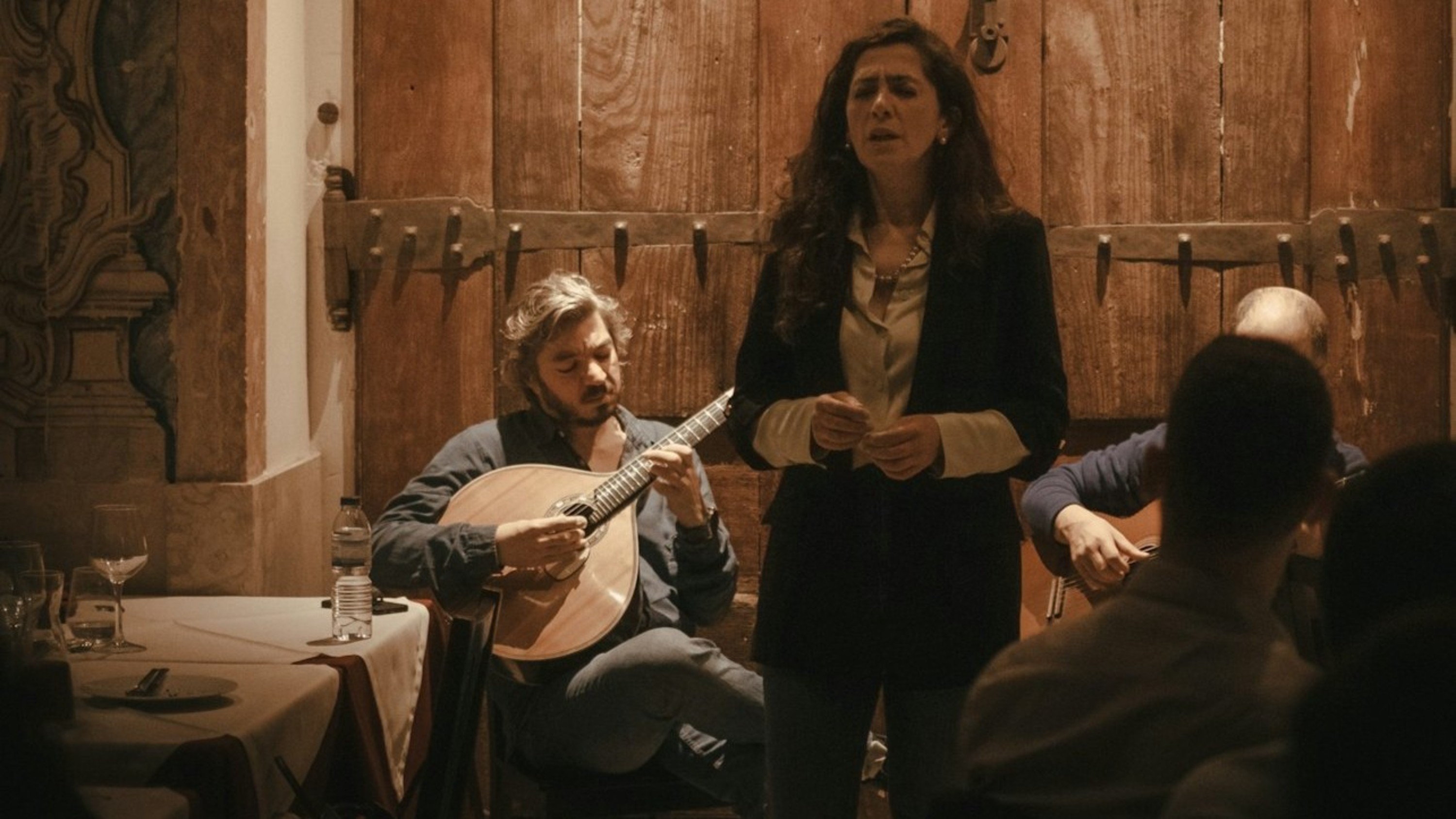
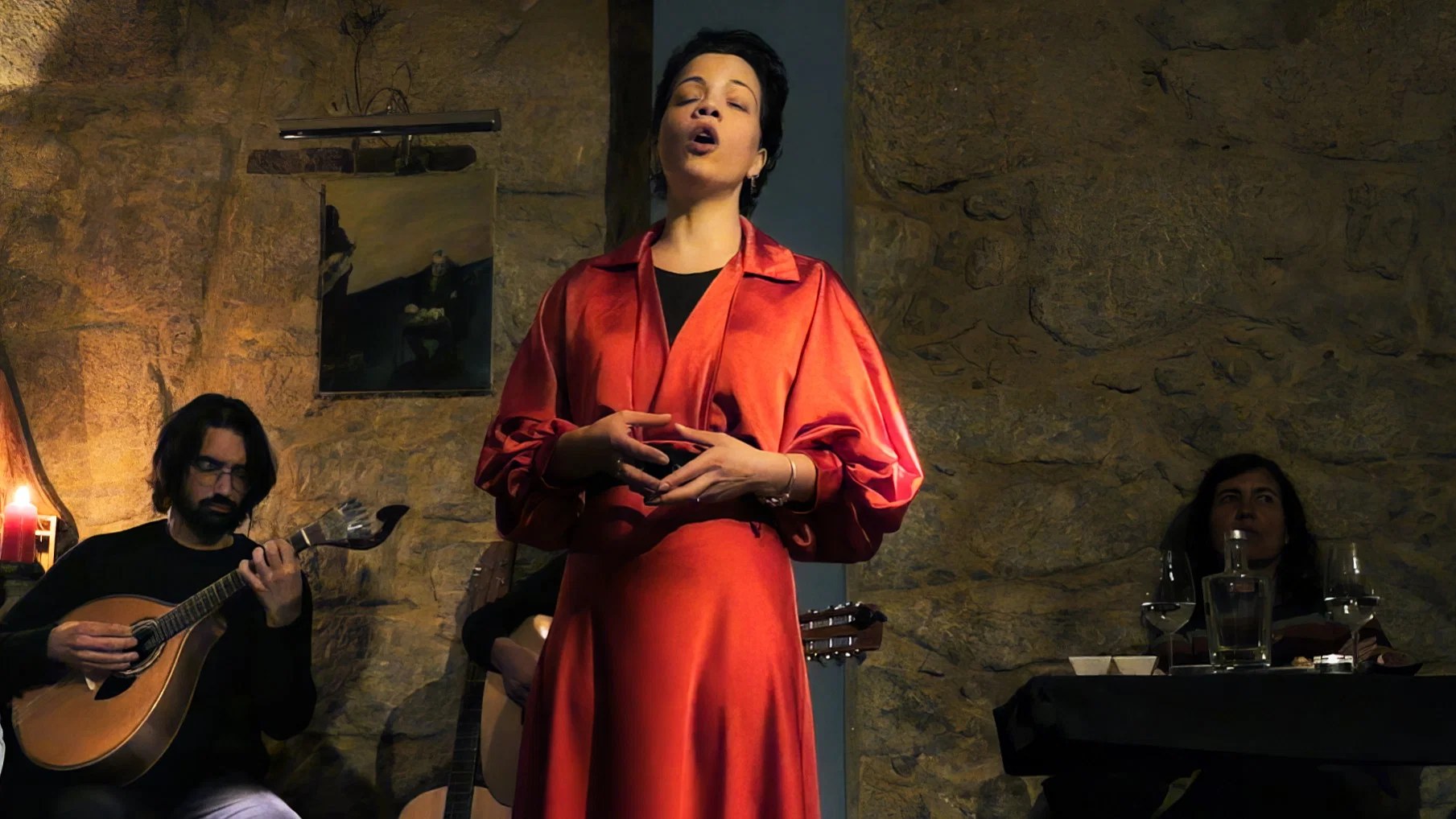
Attending Fado performances
Best Time to Visit
March to May, September to October
These months offer pleasant weather and fewer crowds, making it ideal for sightseeing and outdoor activities.
15-25°C
59-77°F
Practical Information
Language
- Official: Portuguese
- Widely spoken: English, Spanish, French
- English: Moderately spoken
Currency
Euro (EUR)
Time Zone
GMT+1 (Western European Time, WET)
Electricity
230VV, 50HzHz
Safety Information
Overall Safety Rating: Generally safe
Lisbon is generally safe, but pickpocketing and petty theft can occur in crowded areas.
Important Precautions:
- • Be cautious of pickpockets in crowded areas
- • Use licensed taxis or ride-sharing apps
- • Avoid walking alone at night in less crowded areas
Getting there
By air
- Humberto Delgado Airport • 7 km from city center
By train
Santa Apolónia, Oriente
By bus
Sete Rios, Jardim do Campo Grande, Gare do Oriente
Getting around
Public transport
Efficient and clean, with four lines connecting major attractions.
Taxis
Available • Apps: Bolt, FreeNow
Rentals
Car, Bike, Scooter
Neighborhoods
Alfama
Baixa
Bairro Alto
Day trips
Sintra
25 km from Lisbon • Full day
A romantic town with stunning palaces, castles, and lush gardens.
Cascais
30 km from Lisbon • Half day to full day
A charming coastal town with beautiful beaches, historic sites, and a relaxed atmosphere.
Óbidos
80 km from Lisbon • Full day
A medieval town with a well-preserved castle, narrow streets, and charming shops.
Festivals
Santos Populares • June 13th
Festival dos Oceanos • June to September
Arraial do Alfoz • June to September
Pro tips
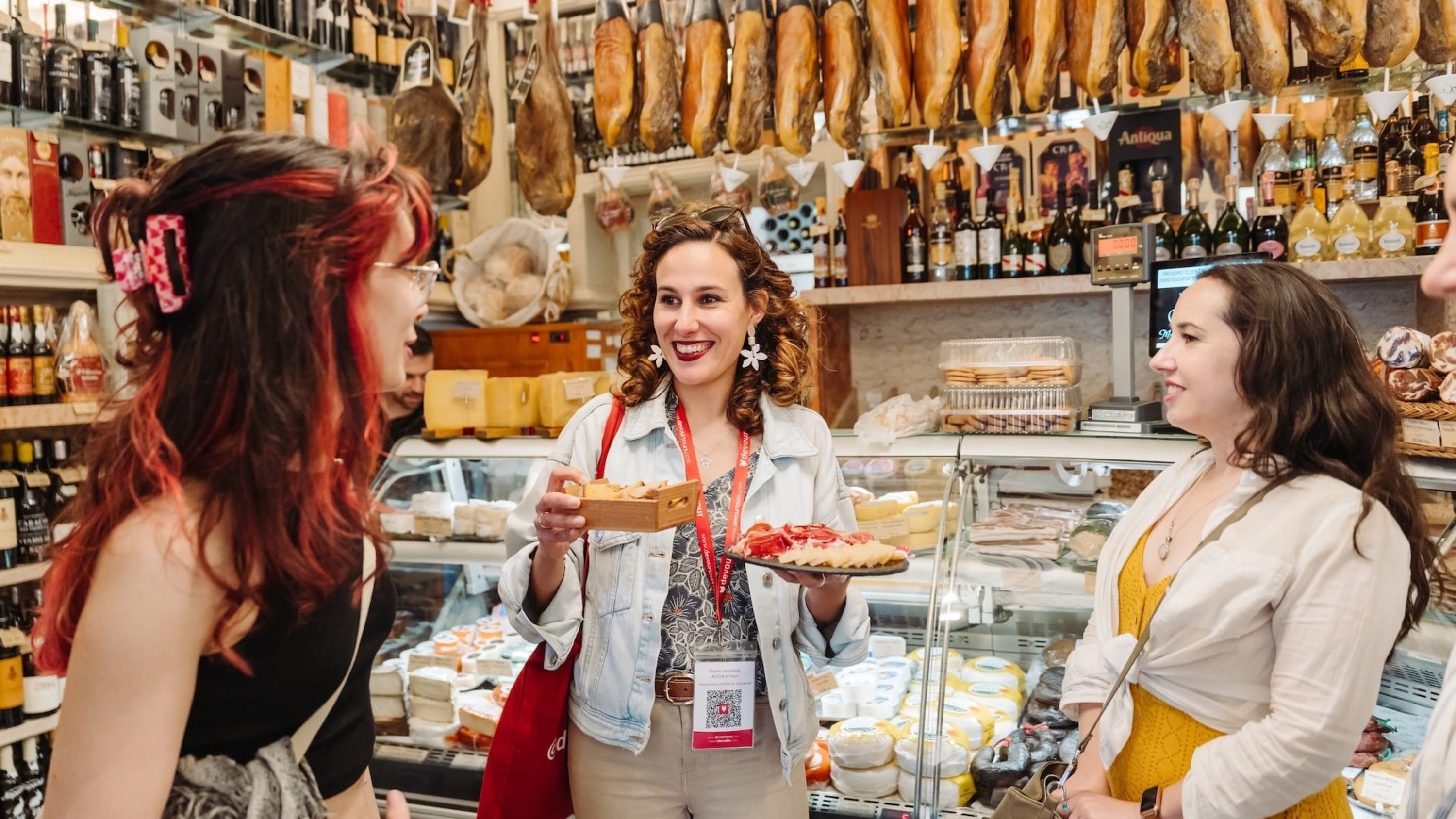
- Visit the Time Out Market for a variety of local and international cuisines
- Take a day trip to Sintra and Cascais for a mix of history and beach relaxation
- Explore the LX Factory for a unique shopping and dining experience
- Ride the historic Tram 28 for a scenic tour of the city
- Visit the MAAT museum for a blend of art, architecture, and technology
From $25
per person
Price varies by option
Secure booking
Free cancellation available
Instant confirmation