Rioja Uncorked: Private Wine Experience from San Sebastián
Active
9h
For a full refund, cancel at least 24 hours before the scheduled departure time.
Instant confirmation
Mobile or paper ticket accepted
About this experience
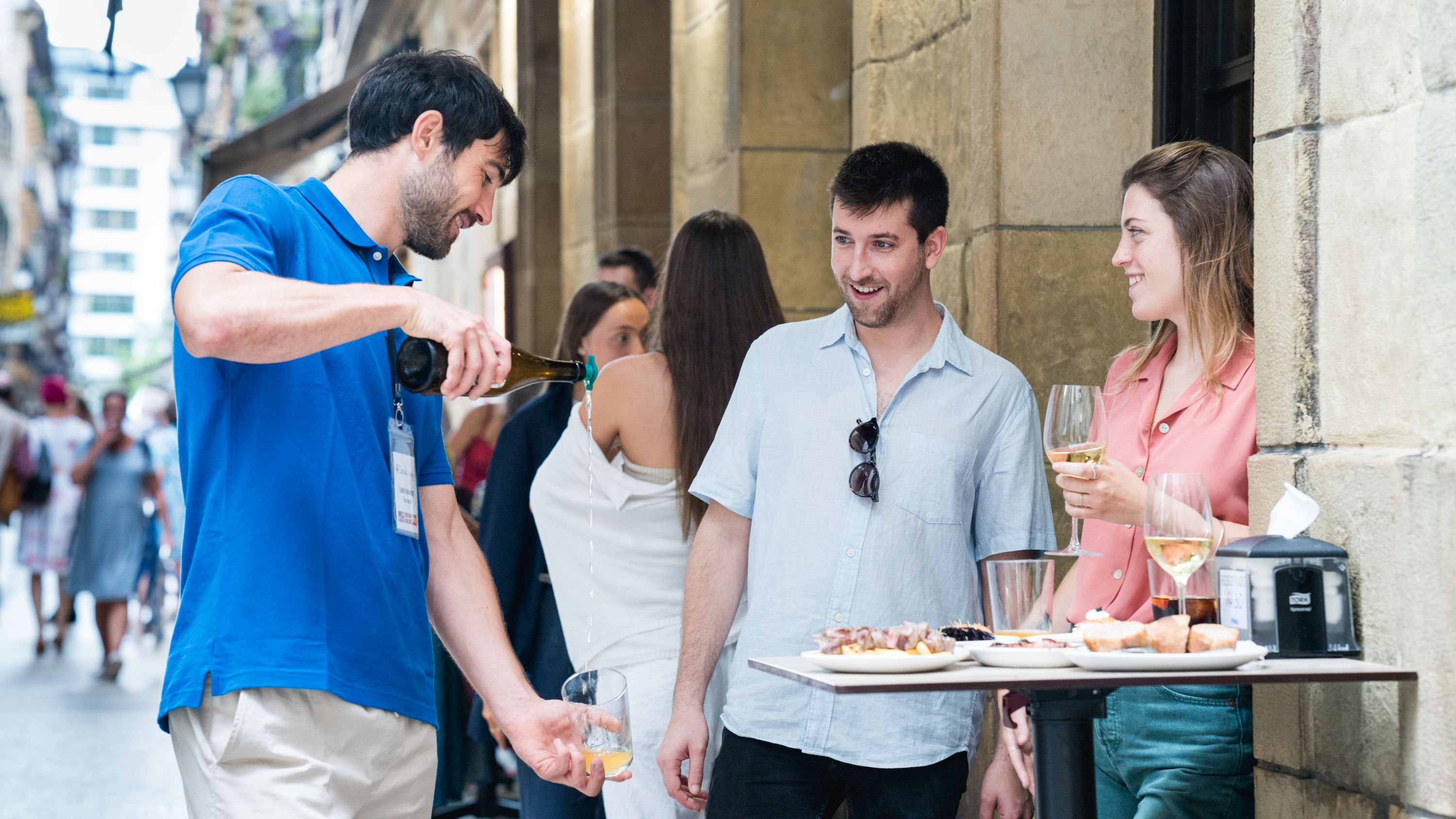
Visit 4 top Rioja wineries with guided tastings and a traditional lunch as part of this private, guide-led experience designed around quality rather than quantity. Led by passionate local guides who know Rioja inside out and love sharing it, the day unfolds at an unhurried pace. You’ll visit four carefully selected wineries, each with its own style, landscape, and story, with relaxed tastings that leave plenty of time for questions and real conversation—no scripts, no rush. We work with a small network of wineries and producers we know personally, allowing for thoughtful encounters and carefully chosen wines. Everything, from tastings to lunch, is included so you can focus entirely on enjoying Rioja at its best.
Available options
Rioja Uncorked: Private Wine Experience from San Sebastián
Pickup included
What's included
Premium transportation for the day
Traditional lunch with local wines included
Door-to-door pickup and drop-off from San Sebastián
Four guided wine tastings at carefully selected wineries
All tasting fees included (no hidden costs)
Private experience with an expert local wine guide
Detailed itinerary
1
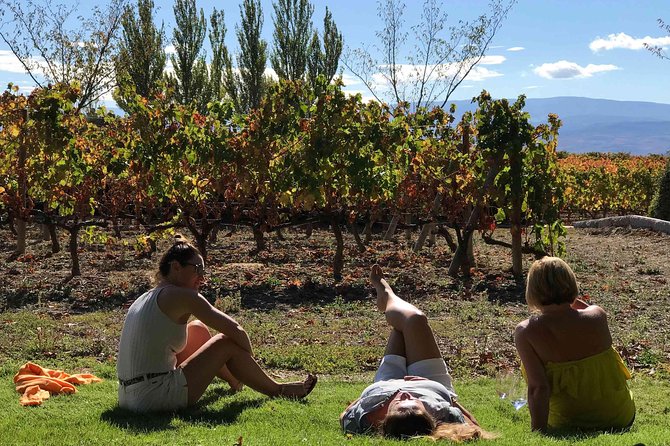
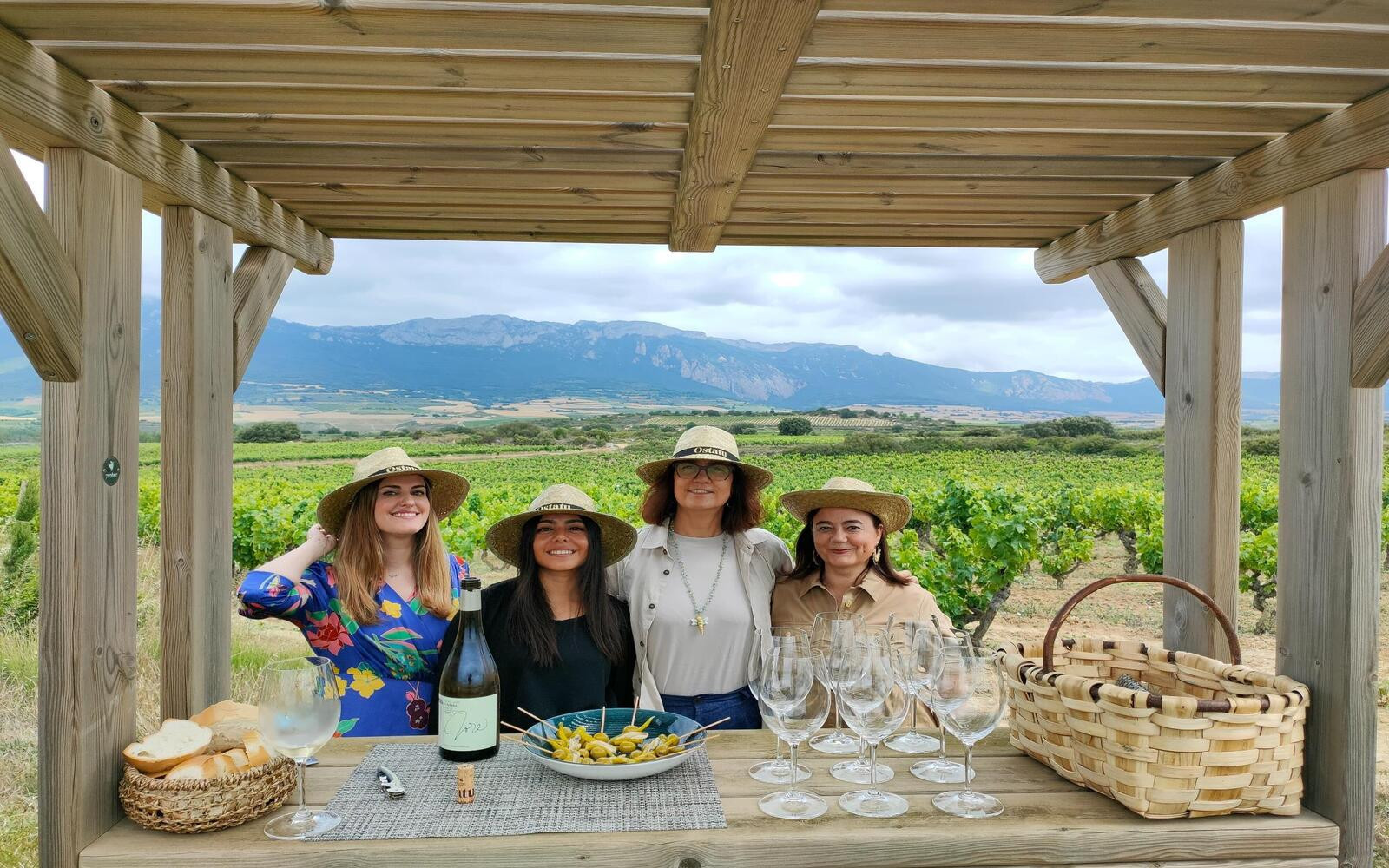
We start the day in the vineyards of Rioja Alavesa, surrounded by vines and wide open landscapes. This is where we slow down, look around, and talk about soil, climate, and why Rioja tastes like Rioja. No glasses yet—just fresh air, views, and the story behind the wines you’re about to taste.
Scenic stop · No tasting
2
Then it’s on to Haro, where Rioja’s modern wine story really took off. We’ll talk about French winemakers, railway lines, and how a small town became one of Spain’s most important wine hubs.
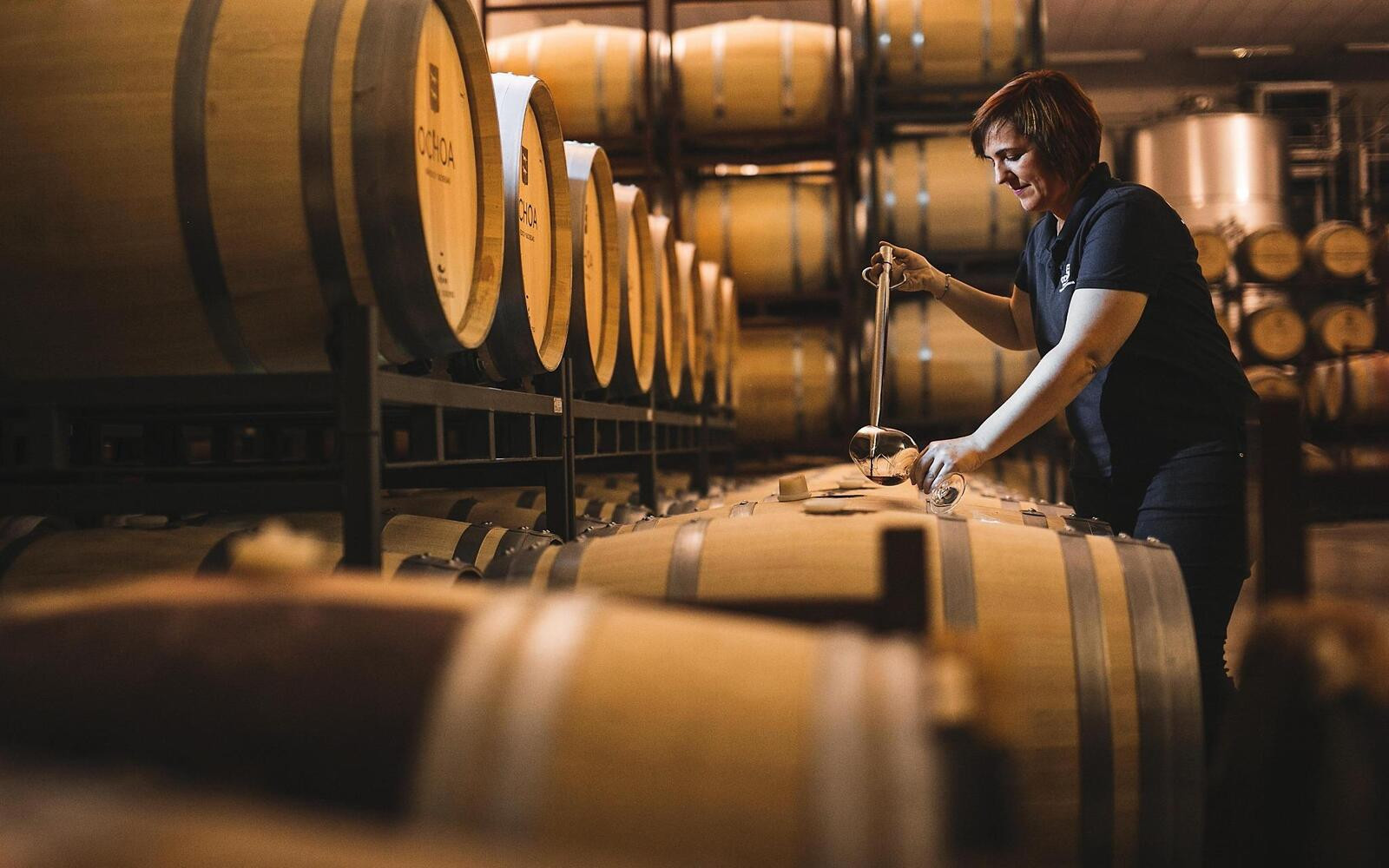
Here you’ll enjoy guided tastings at two traditional wineries, tasting classic Rioja styles and understanding why these wines put Spain on the world wine map.
Two guided winery tastings included
3
Next stop is Samaniego, a tiny village surrounded by vineyards, where wine has been part of daily life for centuries. At a family-owned winery, you’ll taste wines made by growers whose roots here go back to the 17th century. This is Rioja at a human scale—personal, honest, and full of character.
One guided winery tasting included
4
Our final tasting takes place in Labastida, a lively village known for small, independent wine projects. Here we taste wines that show how Rioja is changing today—new ideas, fresh energy, and a different way of looking at tradition. There’s time to stroll through the village and enjoy its atmosphere before lunch.
One guided winery tasting included
5
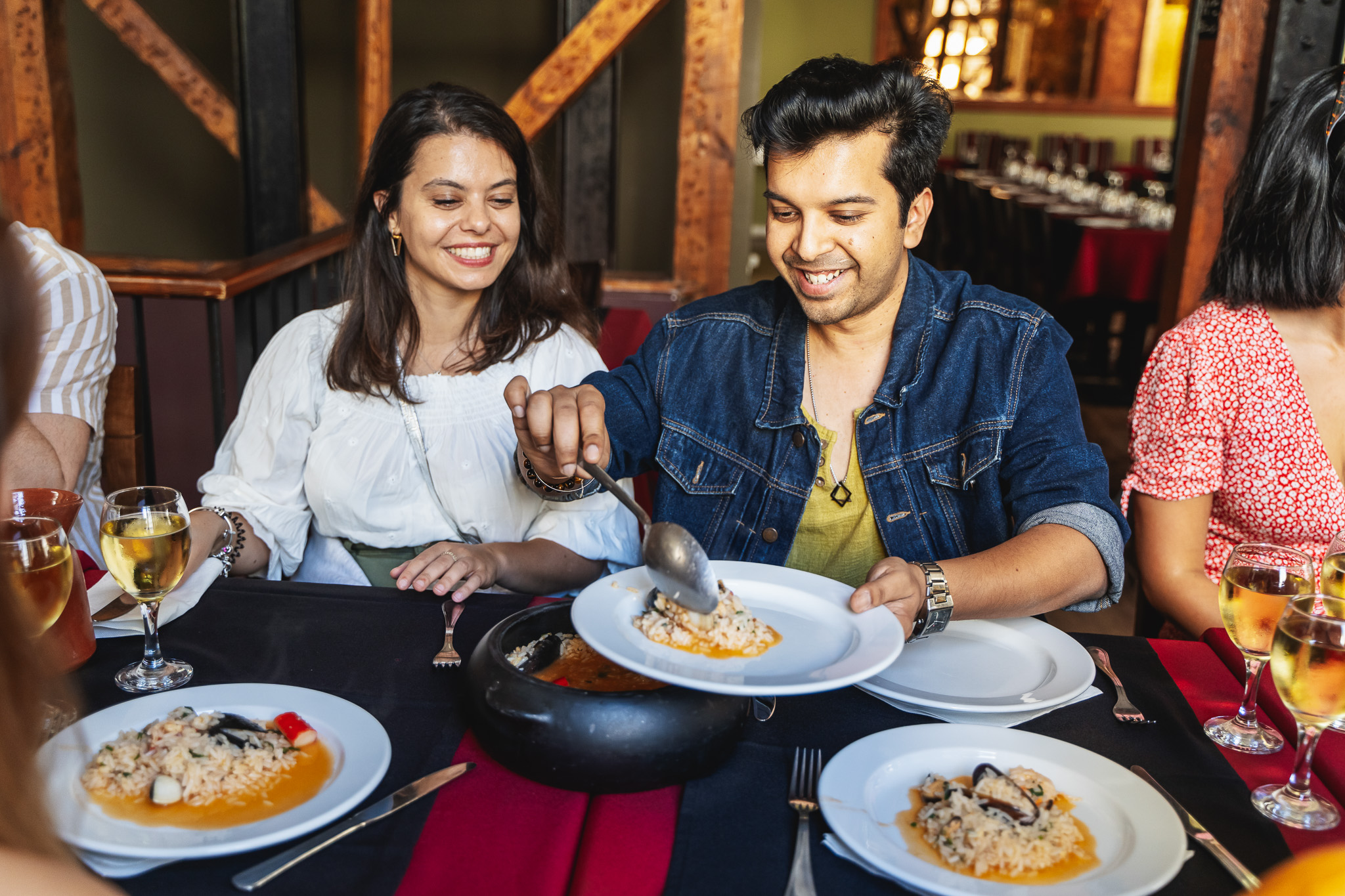
We finish the day in Labastida, bringing together everything we’ve tasted and talked about. Lunch is relaxed and unhurried, with a menu prepared especially for us using excellent local produce. Expect dishes like sarmiento-grilled lamb chops—ever heard of sarmiento? (It’s vine cuttings used as fuel, and yes, it makes a difference.) Seasonal specialties and the classic goxua dessert follow, all paired with more Rioja wines. It’s a moment to sit down, compare notes, and enjoy Rioja beyond the tasting glass.
Lunch and wine included
What's not included
Meals, drinks and tickets that are not listed above
Gratuities
Available languages
Guide guide
EN
ES
Reviews breakdown
Viator
5.0
1 reviews
5★
1
4★
0
3★
0
2★
0
1★
0
Tripadvisor
5.0
20 reviews
5★
20
4★
0
3★
0
2★
0
1★
0
Important information
Infants and small children can ride in a pram or stroller
Service animals allowed
Public transportation options are available nearby
Specialized infant seats are available
Suitable for all physical fitness levels
Please advise any specific dietary requirements at time of booking
Important notes
Minimum drinking age is 18 years
About San Sebastian
San Sebastian is a picturesque coastal city in the Basque Country known for its stunning beaches, world-renowned gastronomy, and rich cultural heritage. Nestled between the Pyrenees and the Cantabrian Sea, it offers a unique blend of natural beauty, historic charm, and modern sophistication.
Top Attractions
La Concha Beach
La Concha Beach is one of the most famous beaches in San Sebastian, known for its beautiful shell-shaped bay and calm waters. It's a great place for swimming, sunbathing, and water sports.
Beach
2-3 hours
Free
Parte Vieja (Old Town)
The Parte Vieja is the historic heart of San Sebastian, filled with narrow streets, charming plazas, and traditional pintxo bars. It's a great place to soak up the city's atmosphere and enjoy local cuisine.
Historical
2-3 hours
Free to explore
Monte Igueldo
Monte Igueldo offers panoramic views of San Sebastian and the surrounding coastline. The hill is accessible by a historic funicular and is a great spot for hiking and enjoying the natural beauty of the area.
Nature
2-3 hours
€3.50 for the funicular ride
Must-Try Local Dishes
Pintxos
Small, savory bites typically served on bread, featuring a variety of ingredients like seafood, meats, and cheeses.
Snack
Vegetarian and vegan options available
Bacalao al Pil Pil
Codfish cooked in olive oil with garlic and parsley, a classic Basque dish.
Main Course
Contains fish
Popular Activities
Surfing
Hiking in the surrounding hills
Sunbathing on the beaches
Strolling along the promenade
Visiting museums and galleries
Exploring the historic old town
Swimming
Kayaking
Best Time to Visit
June to September
This is the best time to visit San Sebastian for its warm weather and vibrant atmosphere. The beaches are at their most inviting, and the city hosts numerous festivals and events.
18°C to 25°C
64°F to 77°F
Practical Information
Language
- Official: Basque, Spanish
- Widely spoken: English, French
- English: Moderately spoken
Currency
Euro (EUR)
Time Zone
GMT+1 (CET), GMT+2 (CEST during daylight saving time)
Electricity
230VV, 50HzHz
Safety Information
Overall Safety Rating: Generally safe
San Sebastian is generally a safe city for tourists, with low crime rates. However, as with any tourist destination, it's important to be aware of your surroundings and take precautions to protect your belongings.
Important Precautions:
- • Keep valuables secure and be aware of your surroundings in crowded areas
- • Use licensed taxis or ride-sharing apps to avoid overcharging
- • Be cautious when using ATMs, especially at night
Getting there
By air
- San Sebastian Airport • 20 km from city center
- Bilbao Airport • 100 km from city center
By train
San Sebastian Station
By bus
San Sebastian Bus Station
Getting around
Public transport
The bus system in San Sebastian is efficient and covers most of the city. Buses are a convenient way to get around, especially for tourists.
Taxis
Available • Apps: Cabify, MyTaxi
Rentals
Car, Bike, Scooter
Neighborhoods
Gros
Antiguo
Day trips
Hondarribia
25 km • Half day
A charming coastal town with a historic old quarter, beautiful views, and a relaxed atmosphere. It's a great place to explore Basque culture and history.
Biarritz
50 km • Full day
A glamorous coastal town in France known for its beautiful beaches, surfing spots, and upscale atmosphere. It's a great destination for a day trip from San Sebastian.
Festivals
San Sebastian International Film Festival • Mid-September
Semana Grande • Mid-August
Pro tips
- Visit the local markets for fresh produce and unique souvenirs
- Try a cooking class to learn about Basque cuisine
- Explore the surrounding hills for stunning views of the city and coastline
- Attend a local festival or event to experience the city's vibrant culture
- Take a day trip to nearby towns like Hondarribia or Biarritz
From $25
per person
Price varies by option
Secure booking
Free cancellation available
Instant confirmation