Private San Sebastian Pintxos Tour with Local Guide
Active
3h
For a full refund, cancel at least 24 hours before the scheduled departure time.
Instant confirmation
Mobile or paper ticket accepted
About this experience
Why do Basques eat so much? Why do Basques eat so f ***ing well? Our pintxo tour of the best bars in San Sebastián will help you learn the answer to this question, but if you don’t, well, at least you will have tried, eating as much and as well as a Basque.
Available options
Private San Sebastian Pintxos Tour with Local Guide
What's included
Private group
Private guide
5 pintxos y 5 drinks - enough for a full meal
Detailed itinerary
1
Stop 1
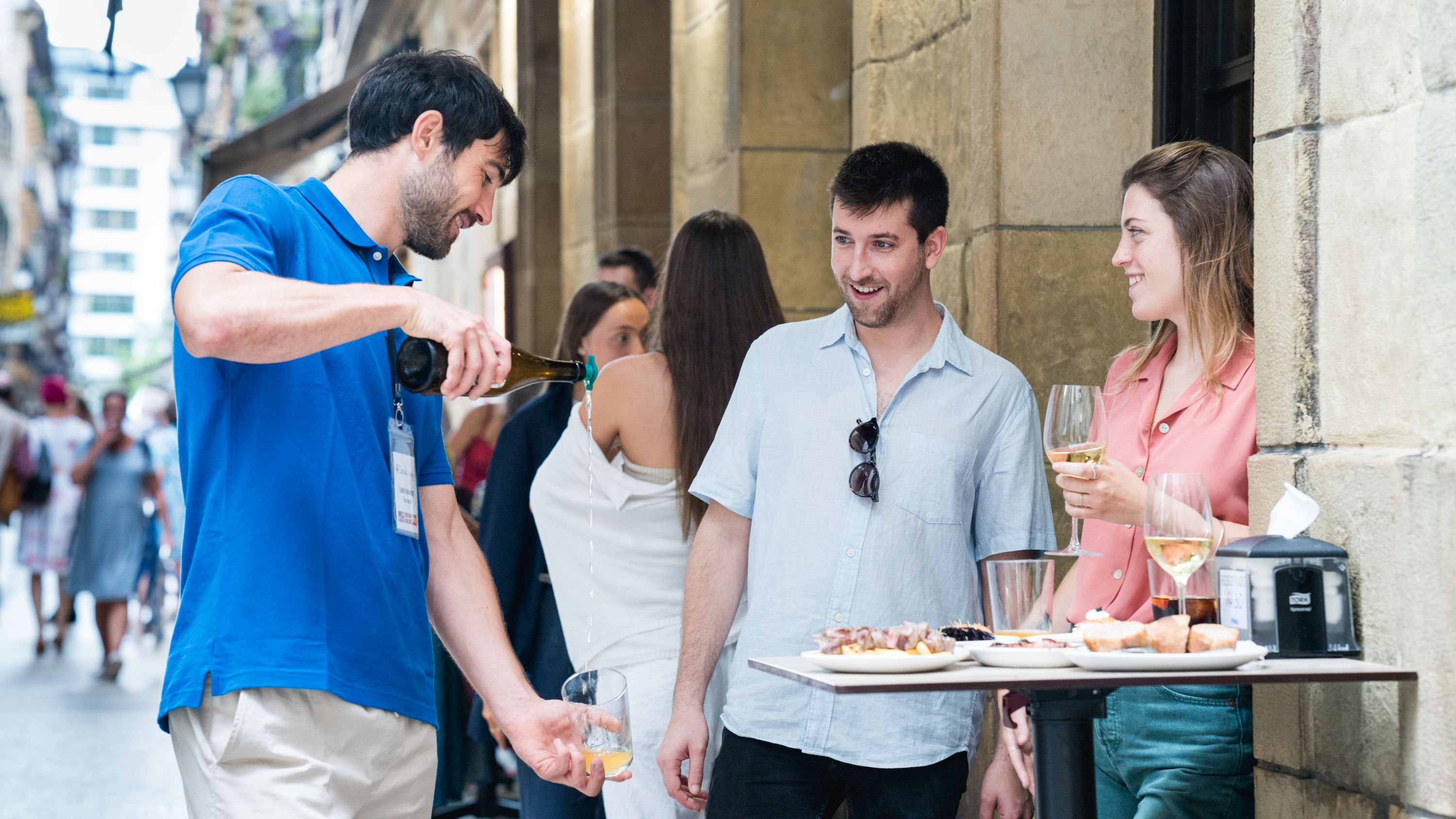
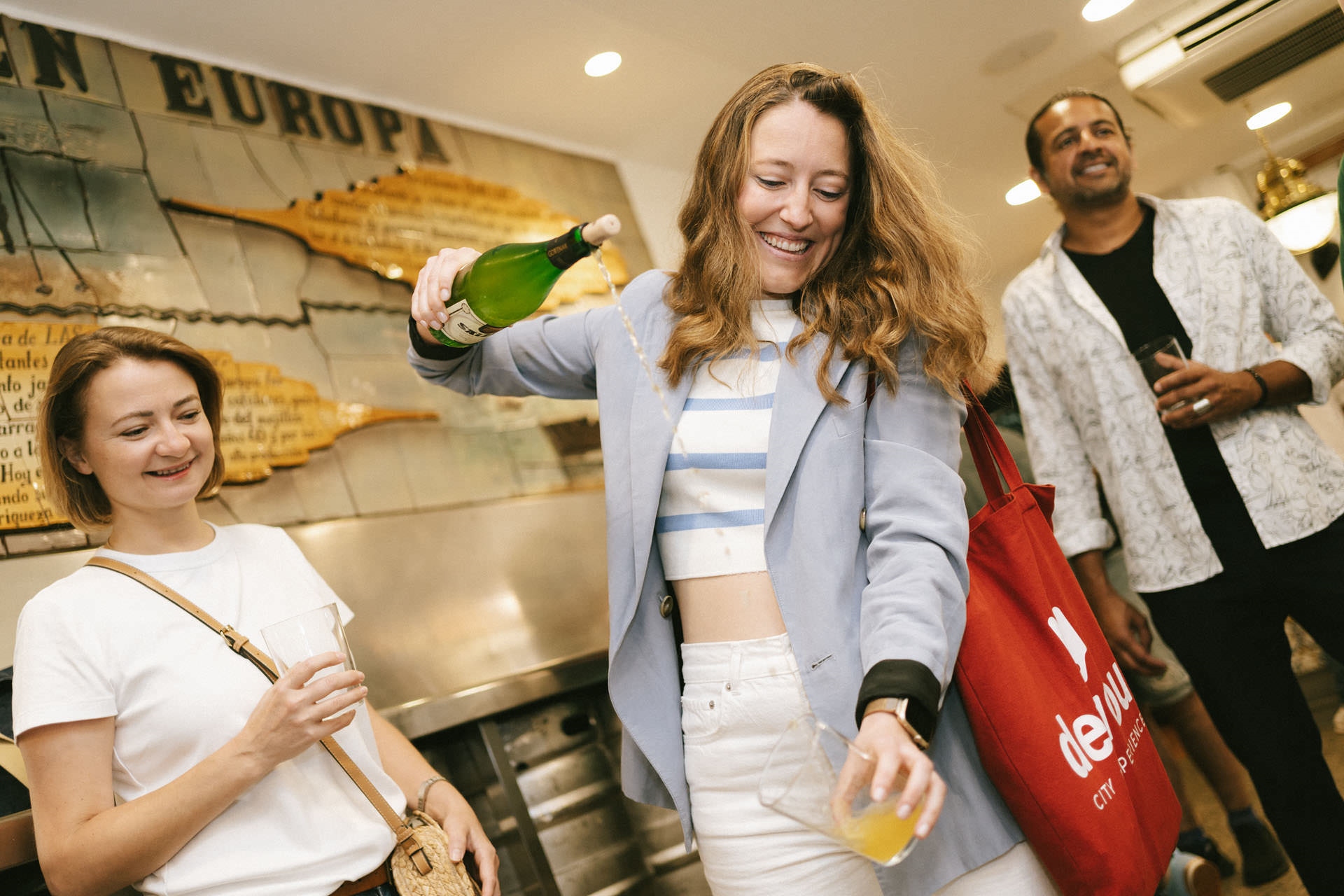
Txikiteo: The first rule of the txikiteo club is: there are no rules. An approximate definition of ‘txikiteo’ could be: going from bar to bar, eating a pintxo and drinking a glass of something (the usual is a low-alcohol beverage, not cocktails!) in each. The txikiteo is done standing up, in front of the bar full of pintxos and surrounded by people you don't know (but that you could end up meeting.)
And this is precisely what you’ll do with Ikusnahi: pure txikiteo, flying from bar to bar, tasting the most renowned specialty of each in a genuinely Basque environment and surrounded by locals that, y’know, you don't know...but that you could end up meeting.
2
Pintxo: A piece of miniature cuisine that started off as something simple (a portion of potato omelette, a slice of ham on bread...) and that the bars of the Basque Country improved upon over time, making it more complex in order to attract more customers. The story is exciting and there are as many versions as there are historians. On our tour you’ll get to know some of them, as well as many other curiosities about the cult of the stomach that exists in the Basque Country.
Drinking: This is the other great religion (along with Eating) in the Basque Country. Wine and cider have been favorite drinks of the Basque people for the last five centuries, although beer has been prevailing in recent years. Did you know that in the 16th century, Basque sailors hardly suffered scurvy on long sea voyages, thanks to the cider they drank?
3
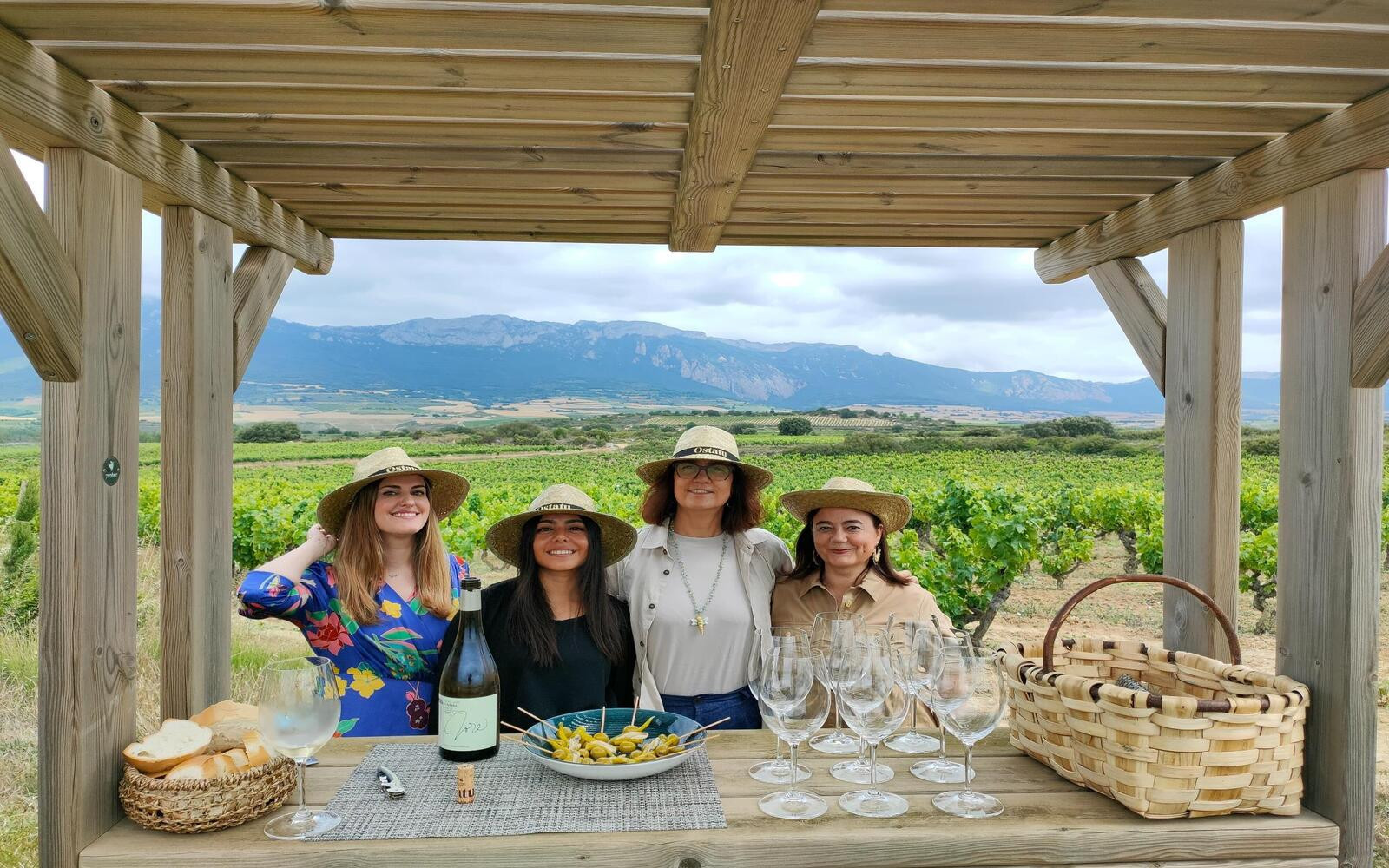
Txakoli: Typically Basque dry and sparkling white wine whose grapes are grown in vineyards near the Cantabrian Sea. It is ideal to accompany fish dishes...or pintxos. Nothing more to add.
Cider: Low-alcohol beverage obtained from fermented apple juice. Slightly sweet, slightly bitter, it has only one danger: it is drunk as easily as water.
Zurito: Short drink of beer (about 20-25 cl.) Ideal to accompany pintxos. The term ‘zurito’ is exclusive to the Basque Country. If you go to Madrid and ask for a 'zurito' no one will understand you (unless the bartender is Basque, of course).
4
San Sebastián Cheesecake: If God were a cake, He would be a San Sebastián Cheesecake. Did you know that San Sebastián Cheesecake is global cheesecake royalty, right up there with New York Cheesecake? Did you know that, as a result of this success, the Thermomix kitchen robot includes the recipe for 'San Sebastián Cheesecake' in its programs? Okay. Today you’ll taste the authentic, the mother of everything, the origin, the Big Bang.
What's not included
Meals, drinks and tickets that are not listed
Gratuities
Available languages
Guide guide
EN
ES
Reviews breakdown
Viator
5.0
31 reviews
5★
31
4★
0
3★
0
2★
0
1★
0
Tripadvisor
5.0
52 reviews
5★
52
4★
0
3★
0
2★
0
1★
0
Important information
Wheelchair accessible
Infants and small children can ride in a pram or stroller
Service animals allowed
Public transportation options are available nearby
Infants are required to sit on an adult’s lap
Transportation options are wheelchair accessible
All areas and surfaces are wheelchair accessible
Suitable for all physical fitness levels
Minimum drinking age is 18 years
Please advise any specific dietary requirements at time of booking
Please note that many of the bars don't offer seats
Meeting point
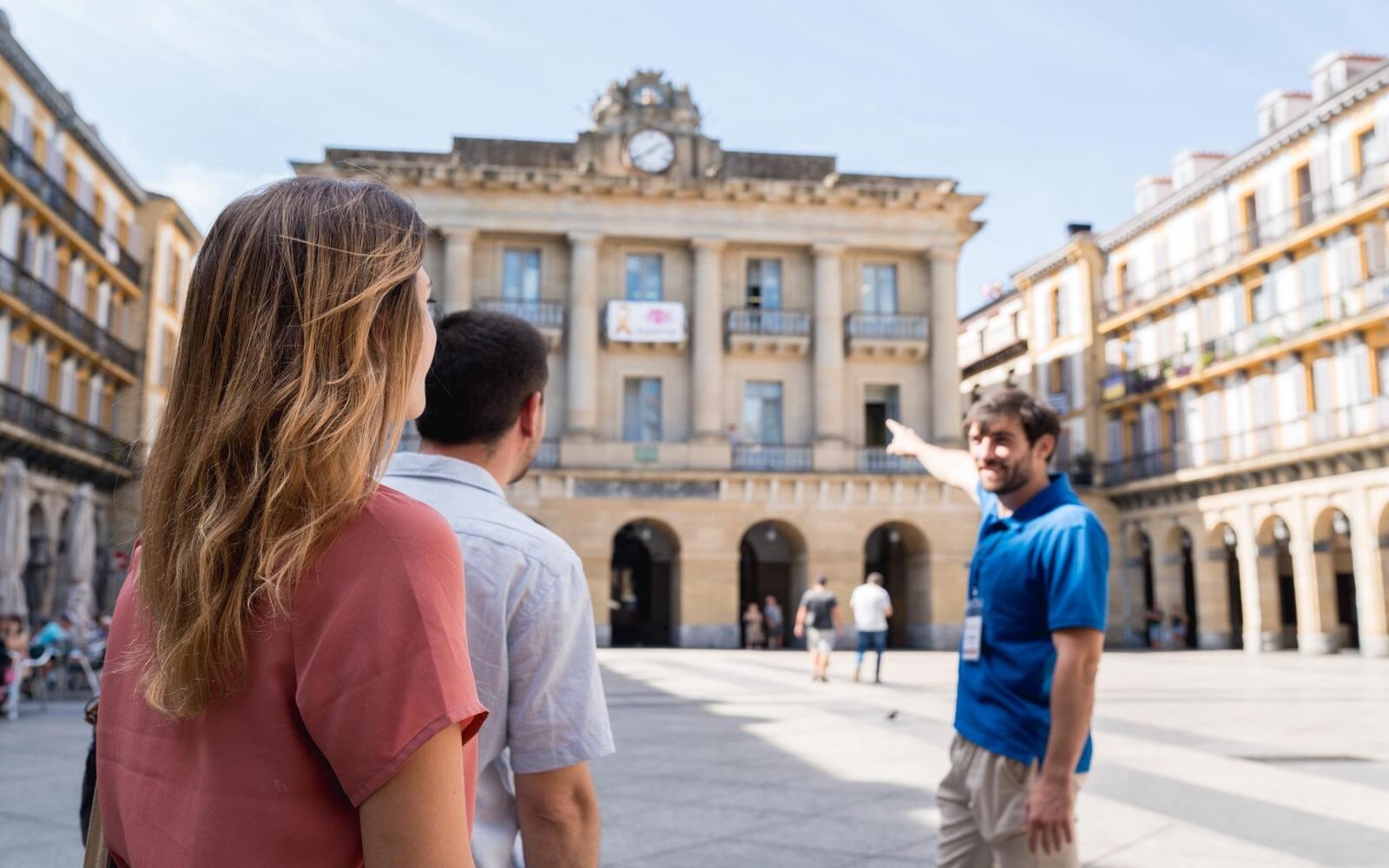
Meet your guide at the Monument of the Drummer at Plaza Sarriegi, Old Town of San Sebastián
About San Sebastian
San Sebastian is a picturesque coastal city in the Basque Country known for its stunning beaches, world-renowned gastronomy, and rich cultural heritage. Nestled between the Pyrenees and the Cantabrian Sea, it offers a unique blend of natural beauty, historic charm, and modern sophistication.
Top Attractions
La Concha Beach
La Concha Beach is one of the most famous beaches in San Sebastian, known for its beautiful shell-shaped bay and calm waters. It's a great place for swimming, sunbathing, and water sports.
Beach
2-3 hours
Free
Parte Vieja (Old Town)
The Parte Vieja is the historic heart of San Sebastian, filled with narrow streets, charming plazas, and traditional pintxo bars. It's a great place to soak up the city's atmosphere and enjoy local cuisine.
Historical
2-3 hours
Free to explore
Monte Igueldo
Monte Igueldo offers panoramic views of San Sebastian and the surrounding coastline. The hill is accessible by a historic funicular and is a great spot for hiking and enjoying the natural beauty of the area.
Nature
2-3 hours
€3.50 for the funicular ride
Must-Try Local Dishes
Pintxos
Small, savory bites typically served on bread, featuring a variety of ingredients like seafood, meats, and cheeses.
Snack
Vegetarian and vegan options available
Bacalao al Pil Pil
Codfish cooked in olive oil with garlic and parsley, a classic Basque dish.
Main Course
Contains fish
Popular Activities
Surfing
Hiking in the surrounding hills
Sunbathing on the beaches
Strolling along the promenade
Visiting museums and galleries
Exploring the historic old town
Swimming
Kayaking
Best Time to Visit
June to September
This is the best time to visit San Sebastian for its warm weather and vibrant atmosphere. The beaches are at their most inviting, and the city hosts numerous festivals and events.
18°C to 25°C
64°F to 77°F
Practical Information
Language
- Official: Basque, Spanish
- Widely spoken: English, French
- English: Moderately spoken
Currency
Euro (EUR)
Time Zone
GMT+1 (CET), GMT+2 (CEST during daylight saving time)
Electricity
230VV, 50HzHz
Safety Information
Overall Safety Rating: Generally safe
San Sebastian is generally a safe city for tourists, with low crime rates. However, as with any tourist destination, it's important to be aware of your surroundings and take precautions to protect your belongings.
Important Precautions:
- • Keep valuables secure and be aware of your surroundings in crowded areas
- • Use licensed taxis or ride-sharing apps to avoid overcharging
- • Be cautious when using ATMs, especially at night
Getting there
By air
- San Sebastian Airport • 20 km from city center
- Bilbao Airport • 100 km from city center
By train
San Sebastian Station
By bus
San Sebastian Bus Station
Getting around
Public transport
The bus system in San Sebastian is efficient and covers most of the city. Buses are a convenient way to get around, especially for tourists.
Taxis
Available • Apps: Cabify, MyTaxi
Rentals
Car, Bike, Scooter
Neighborhoods
Gros
Antiguo
Day trips
Hondarribia
25 km • Half day
A charming coastal town with a historic old quarter, beautiful views, and a relaxed atmosphere. It's a great place to explore Basque culture and history.
Biarritz
50 km • Full day
A glamorous coastal town in France known for its beautiful beaches, surfing spots, and upscale atmosphere. It's a great destination for a day trip from San Sebastian.
Festivals
San Sebastian International Film Festival • Mid-September
Semana Grande • Mid-August
Pro tips
- Visit the local markets for fresh produce and unique souvenirs
- Try a cooking class to learn about Basque cuisine
- Explore the surrounding hills for stunning views of the city and coastline
- Attend a local festival or event to experience the city's vibrant culture
- Take a day trip to nearby towns like Hondarribia or Biarritz
From $25
per person
Price varies by option
Secure booking
Free cancellation available
Instant confirmation